
How Ancient Indian Innovations Influenced Maritime Engineering

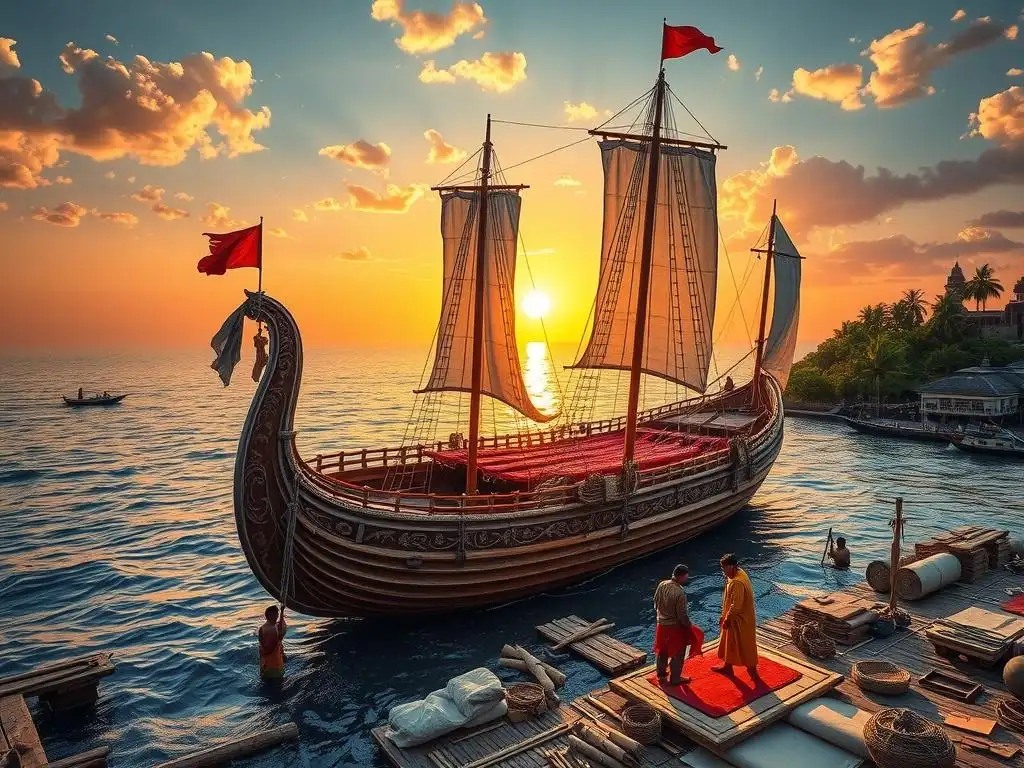
Welcome to Ancient India History, where we embark on a fascinating journey through the rich tapestry of ancient Indian civilizations. From the majestic Indus Valley to the remarkable Gupta Empire, our exploration reveals the profound contributions that shaped the world. In this article, we dive deep into the captivating realm of Ancient Indian maritime engineering innovations, uncovering how these groundbreaking advancements not only influenced local trade and travel but also left an indelible mark on maritime practices globally. Prepare to be intrigued as we unveil the remarkable stories that lie within the waves of history!
- Introduction to Ancient Indian Maritime Engineering Innovations
- Historical Context of Maritime Engineering in Ancient India
- Key Innovations in Ancient Indian Maritime Engineering
- Cultural and Economic Impact of Maritime Engineering Innovations
- Comparisons with Contemporary Maritime Engineering
- Conclusion: Legacy of Ancient Indian Maritime Engineering Innovations
-
Frequently Asked Questions
- What were some key maritime engineering innovations in ancient India?
- How did the Indus Valley civilization influence maritime practices?
- What role did the Gupta Empire play in maritime engineering?
- How did ancient Indian maritime innovations impact global trade?
- Are there any surviving examples of ancient Indian maritime technology?
- Final Reflection: The Enduring Legacy of Ancient Indian Maritime Engineering Innovations
- Set Sail on Your Journey of Discovery!
Introduction to Ancient Indian Maritime Engineering Innovations
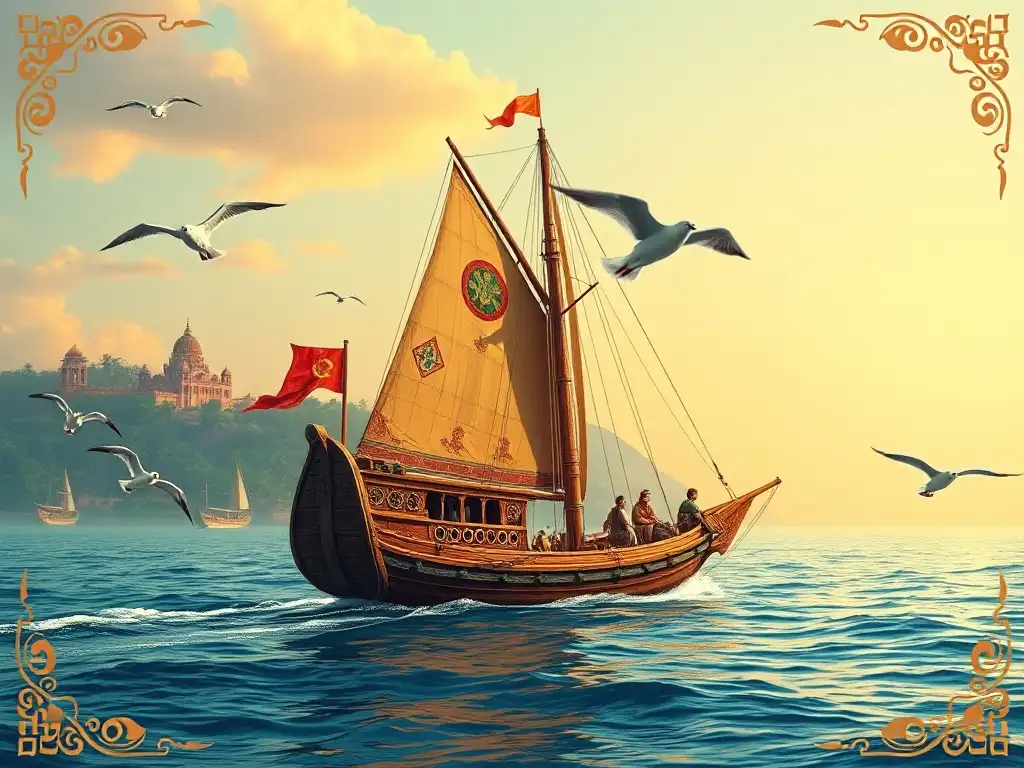
The rich tapestry of ancient Indian civilization is not only woven with remarkable achievements in art, philosophy, and sciences but also showcases significant innovations in maritime engineering. From the bustling ports of the Indus Valley Civilization to the advanced shipbuilding techniques during the Gupta Empire, ancient India played a pivotal role in the development of maritime technologies.
This article delves into the ancient Indian maritime engineering innovations that not only facilitated trade and cultural exchange but also established India as a formidable player in maritime activities across the Indian Ocean and beyond. By exploring these innovations, we gain insights into how ancient Indian civilizations utilized their understanding of engineering and construction to navigate and thrive in a maritime world.
Overview of Ancient Indian Contributions to Maritime Engineering
Ancient India made several notable contributions to maritime engineering that continue to resonate today. Key innovations include:
- Shipbuilding Techniques: Ancient Indian shipbuilders were renowned for their expertise in constructing sturdy vessels. They utilized local materials such as wood, bamboo, and coir, and their designs incorporated specialized features for stability and speed.
- Navigation Tools: The use of astrolabes and other navigational instruments enabled sailors to chart courses across vast oceans. These tools were crucial for long-distance voyages, facilitating trade with distant lands.
- Port Infrastructure: Major ports like Lothal and Mandvi were strategically developed with advanced dockyards and storage facilities, showcasing sophisticated urban planning and engineering skills.
These contributions not only bolstered trade networks but also enhanced cultural exchanges across civilizations.
Importance of Maritime Engineering in Ancient India
The significance of maritime engineering in ancient India extends beyond mere transportation and trade. It played a crucial role in:
- Economic Growth: By establishing trade routes across the Indian Ocean, ancient Indian maritime engineering fostered economic prosperity, allowing for the exchange of goods such as spices, textiles, and precious stones with regions as far as Southeast Asia and the Middle East.
- Cultural Exchange: Maritime routes facilitated interactions between diverse cultures, leading to the exchange of ideas, religions, and technologies. This cultural diffusion enriched Indian society and contributed to its pluralistic character.
- Strategic Defense: Mastery of maritime engineering allowed ancient Indian kingdoms to protect their coasts and trade routes from potential invasions, ensuring stability and security.
Ancient Indian maritime engineering innovations were instrumental in shaping the historical and cultural landscape of the region, leaving a legacy that influences maritime practices even to this day.
Historical Context of Maritime Engineering in Ancient India

Early Maritime Activities in the Indus Valley Civilization
The Indus Valley Civilization (IVC), flourishing around 2500 BCE, is one of the earliest urban cultures in the world, with significant advancements in maritime activities. Archaeological evidence suggests that the people of the IVC, particularly in cities like Harappa and Mohenjo-Daro, engaged in various maritime endeavors, including fishing, transportation, and trade.
- Fishing Techniques: The inhabitants utilized sophisticated fishing tools, such as hooks made from bone, and nets woven from plant fibers. This indicates a deep understanding of aquatic ecosystems and sustainable practices.
- Boats and Transportation: Evidence of wooden planks and possible boat constructions has been uncovered, suggesting that the IVC had developed early forms of watercraft. These boats were likely used for both fishing and transporting goods along rivers and coastal areas.
- Trade Routes: The strategic location of the Indus Valley near waterways facilitated trade with neighboring regions, extending as far as Mesopotamia. This trade included not just goods but also the exchange of ideas and technologies related to maritime engineering.
The innovations in maritime practices during this era laid the groundwork for subsequent advancements in ancient Indian maritime engineering, influencing both local and regional trade networks.
Influence of Geography on Maritime Engineering Innovations
Geographical factors played a pivotal role in shaping the maritime engineering innovations of ancient India. The subcontinent's extensive coastline, major rivers, and favorable climate contributed to the development of various maritime practices.
- Coastal Geography: India's long coastline, stretching over 7,500 kilometers, provided ample opportunities for shipbuilding and maritime trade. The natural harbors along the western and eastern coasts became vital centers for maritime activities.
- River Systems: Major rivers like the Ganges, Indus, and Brahmaputra served as essential trade routes. The seasonal monsoon winds facilitated navigation, and advanced knowledge of these patterns was crucial for effective maritime operations.
- Climate Considerations: The tropical climate allowed for year-round fishing and trading activities. Ancient Indian mariners developed technologies to withstand monsoon conditions, such as sturdier boat designs and advanced anchoring techniques.
These geographical advantages not only fostered the evolution of maritime engineering innovations but also positioned ancient India as a crucial player in regional maritime trade.
The Role of Trade in Advancing Maritime Techniques
Trade was a significant catalyst for advancing maritime engineering techniques in ancient India. The interconnections established through trade routes not only facilitated the exchange of goods but also led to the sharing of technological knowledge.
- Cultural Exchange: As traders interacted with other civilizations, they exchanged not only commodities but also ideas and innovations. This cultural exchange enriched India's maritime engineering, as new shipbuilding techniques and navigational methods were adopted and adapted.
- Development of Ports: The rise of trade routes necessitated the construction of ports and docking facilities. Cities like Lothal emerged as important maritime hubs, showcasing advanced dockyard technologies and layout designs that significantly enhanced maritime operations.
- Standardization of Measurements: To facilitate trade, ancient Indian mariners developed standardized measurements for cargo and ship dimensions. This innovation improved efficiency in loading and unloading, leading to increased trade volumes and economic prosperity.
- Impact on Marine Navigation: The need for reliable navigation methods led to advancements in celestial navigation techniques, enabling mariners to travel longer distances with greater accuracy.
The interplay between trade and maritime engineering innovations in ancient India not only advanced local maritime practices but also integrated them into a broader network of global trade that spanned across continents. These ancient Indian maritime engineering innovations continue to inspire contemporary practices in maritime technology and trade.
Key Innovations in Ancient Indian Maritime Engineering
Shipbuilding Techniques of Ancient India
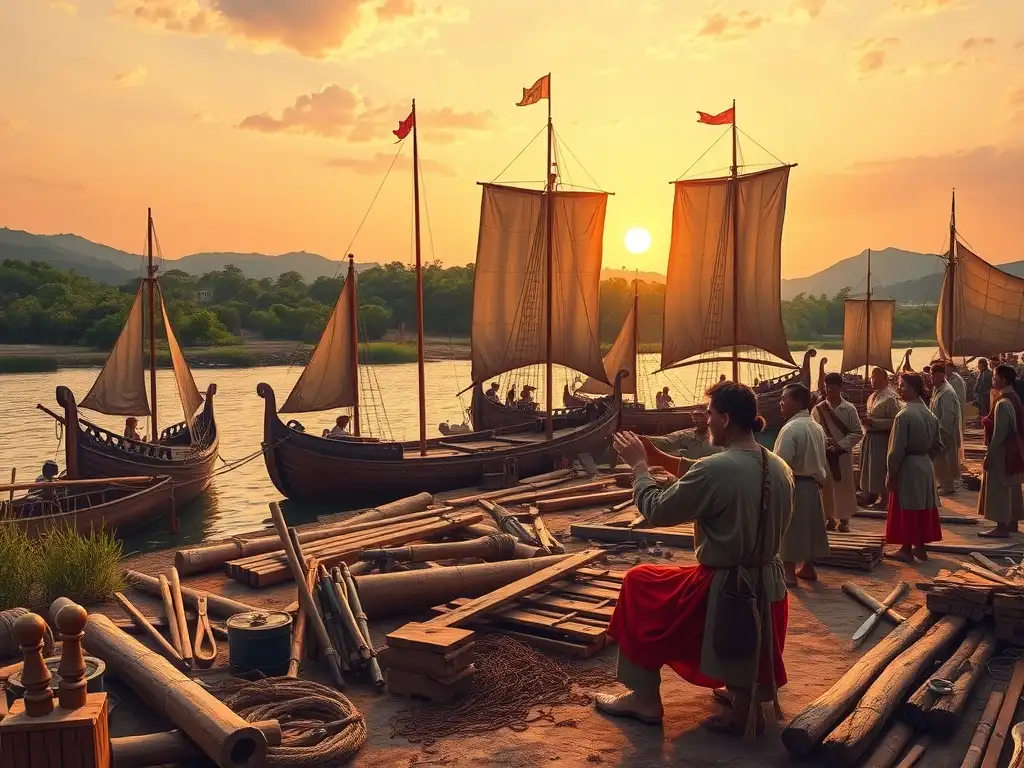
Ancient India showcased remarkable advancements in maritime engineering, particularly through its shipbuilding techniques. The maritime tradition in India spanned thousands of years, with shipbuilders employing innovative methods and materials that greatly influenced trade and exploration across the Indian Ocean and beyond.
Materials Used in Ship Construction
The choice of materials was crucial in the construction of ancient Indian ships. Shipbuilders predominantly utilized:
- Wood: The primary material for shipbuilding. Various types of wood such as teak, neem, and mahogany were favored for their durability and resistance to marine conditions. Teak, in particular, was valued for its strength and ability to withstand decay.
- Bamboo: Often used in smaller crafts and boats, bamboo was lightweight yet strong, enabling the construction of nimble vessels for river navigation.
- Reeds and Rushes: These organic materials were commonly used to make smaller boats, especially in regions like the Ganges delta, where they were easily accessible.
The combination of these materials allowed for the creation of robust vessels capable of enduring long sea voyages.
Design Features of Ancient Indian Ships
The design of ancient Indian ships reflected both functionality and cultural significance. Notable features included:
- Hull Shape: Ships often had a rounded hull, which provided stability and improved buoyancy. This design was well-suited for the rough seas of the Indian Ocean.
- Multi-deck Structures: Many vessels were built with multiple decks, allowing for the storage of cargo as well as living quarters for sailors.
- Sails: Ancient Indian ships were equipped with large sails made from cotton or linen, allowing them to harness wind power effectively. The lateen sail, which could be angled for better wind capture, was also utilized.
- Decorative Elements: The ships often featured intricate carvings and designs, reflecting the artistry of ancient Indian culture and serving as a status symbol for merchant vessels.
These innovations in ship design greatly enhanced maritime trade, enabling longer and safer voyages.
Ancient Indian maritime practices were not only characterized by shipbuilding but also by significant advancements in navigation. These innovations facilitated trade routes that spanned vast distances.
Use of Celestial Navigation
Celestial navigation was a vital technique employed by ancient Indian mariners. They relied on the stars, moon, and sun to guide their journeys across open waters. Key aspects included:
- Star Maps: Navigators created maps based on the positions of stars, particularly the North Star, which served as a fixed point for navigation.
- Seasonal Changes: Mariners understood the patterns of monsoon winds and tides, allowing them to time their voyages effectively based on seasonal changes.
- Knowledge of Constellations: Familiarity with various constellations helped navigators determine their latitude and direction, making long-distance travel feasible.
This deep understanding of celestial navigation enabled ancient Indian sailors to explore and establish trade links with distant lands.
Development of Early Navigational Instruments
Ancient Indian innovations also included the development of rudimentary navigational instruments that enhanced maritime exploration. Among these were:
- The Compass: Early versions of the compass were utilized, allowing sailors to determine cardinal directions.
- Astrolabes: Used for measuring the altitude of celestial bodies, astrolabes helped navigators ascertain their position at sea.
- Sextants: Although more commonly associated with later periods, some early forms of sextants were likely employed for precise measurements of angles between celestial bodies.
These instruments, combined with a profound knowledge of astronomy and geography, significantly advanced maritime navigation, paving the way for further exploration and trade in ancient times.
Cultural and Economic Impact of Maritime Engineering Innovations
Impact on Trade Routes and Economic Growth
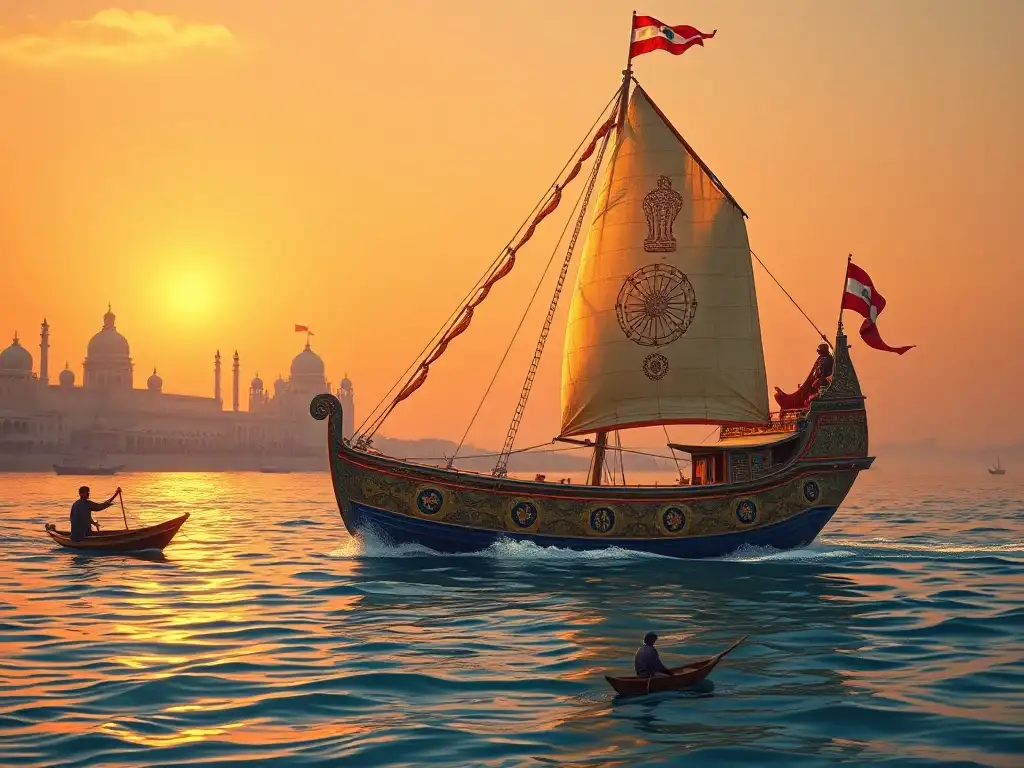
Ancient Indian maritime engineering innovations played a significant role in establishing and enhancing trade routes that contributed to economic growth both locally and globally. The development of advanced shipbuilding techniques, such as the construction of large seafaring vessels known as “dhow” and “katara”, allowed for extended voyages across the Indian Ocean, connecting India with regions such as East Africa, the Middle East, and Southeast Asia.
- Trade Networks:
- The Indus Valley civilization was among the earliest to utilize maritime trade, evidenced by archaeological finds of dockyards, such as those at Lothal. These facilities enabled the trade of goods like cotton textiles, spices, and precious stones.
- The Chola dynasty later expanded maritime trade during the medieval period, establishing extensive trade networks that linked India with China and the Arabian Peninsula.
- Economic Growth:
- The flourishing trade routes facilitated the exchange of goods, ideas, and technology, leading to economic prosperity. For example, the trade of spices, which were highly sought after in Europe, significantly boosted the Indian economy.
- The revenues generated from trade also supported the development of infrastructure, including ports and city centers, further enhancing trade capabilities.
Cultural Exchange Through Maritime Innovations
Maritime engineering innovations did not only impact trade but also fostered cultural exchange between diverse civilizations. The ships built by ancient Indian craftsmen were instrumental in creating interactions that transcended geographical boundaries.
- Cultural Diffusion:
- The movement of traders and sailors led to a mingling of cultures. For instance, the spread of Indian art, literature, and religious practices, such as Hinduism and Buddhism, influenced regions as far as Southeast Asia. The establishment of Indianized kingdoms, such as the Srivijaya Empire, exemplifies this cultural diffusion.
- Technological Exchange:
- The innovations in shipbuilding and navigation techniques were shared with other cultures, resulting in mutual advancements. Techniques such as the use of the compass and astrolabe, which were refined in India, became crucial for navigation, aiding not only Indian sailors but also those from other maritime cultures.
Case Studies of Successful Maritime Expeditions
Several expeditions highlight the ingenuity of ancient Indian maritime engineering and its impact on exploration and trade:
- The Expedition to the Roman Empire:
- Indian traders were known to have reached the Roman Empire, delivering luxury goods such as silk and spices. The maritime routes they navigated were vital for maintaining trade relations and showcased the effectiveness of Indian shipbuilding techniques.
- Zheng He's Voyages:
- During the early 15th century, the famous Chinese admiral Zheng He’s voyages to the Indian Ocean included stops in India. The knowledge shared during these interactions highlighted India’s maritime prowess and its role in a broader context of global trade.
- The Chola Naval Expeditions:
- The Chola dynasty’s naval expeditions in Southeast Asia are a prime example of ancient Indian maritime engineering in action. The Cholas, equipped with advanced naval technologies, successfully invaded and established dominance over territories in present-day Indonesia and Malaysia, facilitating the spread of Indian culture and influence.
Ancient Indian maritime engineering innovations not only shaped trade routes but also facilitated cultural exchanges and global interactions, leaving a lasting legacy on maritime practices that are still recognized today.
Comparisons with Contemporary Maritime Engineering
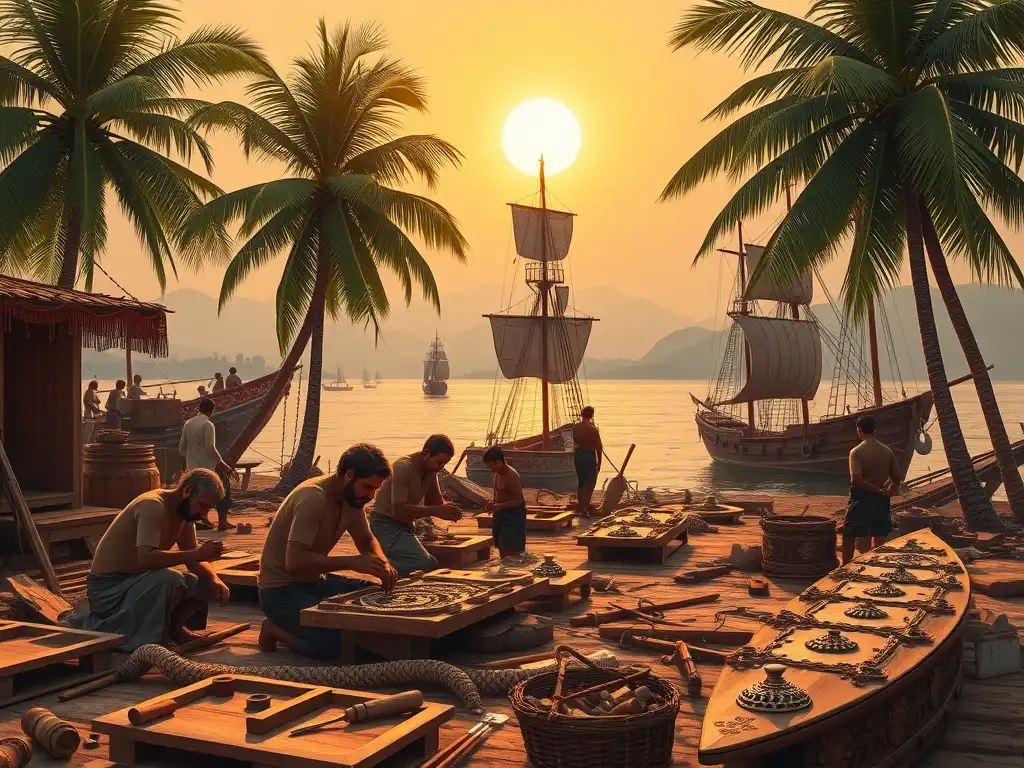
Ancient Indian maritime engineering innovations laid the groundwork for many contemporary practices in shipbuilding and navigation. By examining the techniques and technologies developed by ancient Indian civilizations, we can draw intriguing parallels with modern maritime engineering. These comparisons not only highlight the sophistication of ancient practices but also offer insights into how these innovations have influenced current methodologies.
Similarities Between Ancient and Modern Maritime Techniques
- Shipbuilding Materials and Methods
- Ancient Indian shipbuilders predominantly used local materials, such as timber from the teak and sal trees, which are still favored in modern shipbuilding for their durability and resistance to water.
- Techniques such as mortise and tenon joints were employed, a method still relevant today, emphasizing structural integrity and flexibility in vessels.
- Navigation Techniques
- The use of celestial navigation by ancient mariners is echoed in modern practices. Ancient Indians utilized the positions of the stars and the sun to guide their voyages, a technique that remains vital for navigation systems today, particularly in the absence of electronic devices.
- Additionally, the compass, which originated in ancient maritime cultures, is crucial in modern navigation, demonstrating the continuity of this knowledge.
- Trade Routes and Maritime Economy
- The establishment of trade routes, such as those used by the Indus Valley Civilization, laid the foundation for maritime commerce. Today’s shipping lanes and trade networks echo these ancient practices, showcasing the importance of strategic maritime routes for economic prosperity.
- The concept of port cities can be traced back to ancient India, where cities like Lothal served as significant trade hubs. Modern ports continue to evolve from these historical centers of commerce.
Lessons from Ancient Indian Maritime Engineering for Today's Practices
-
Sustainability
Ancient Indian maritime engineering emphasized the sustainable use of resources, a lesson that contemporary engineers are increasingly adopting in response to environmental challenges. The careful selection of materials and practices that minimized ecological impact are now mirrored in the push for sustainable shipbuilding.
-
Innovative Design
The designs of ancient ships, which included multi-hull vessels for stability and capacity, inspire modern engineers to explore innovative designs that enhance performance and safety in maritime transport.
-
Cultural Integration
Learning from the ancient practice of integrating local knowledge and practices into maritime engineering can enrich modern methodologies. By embracing a multidisciplinary approach that includes cultural insights, contemporary maritime engineers can innovate more effectively.
The rich legacy of ancient Indian maritime engineering innovations continues to resonate within contemporary practices. By appreciating these similarities and lessons, modern maritime engineering can evolve while honoring its historical roots.
Conclusion: Legacy of Ancient Indian Maritime Engineering Innovations
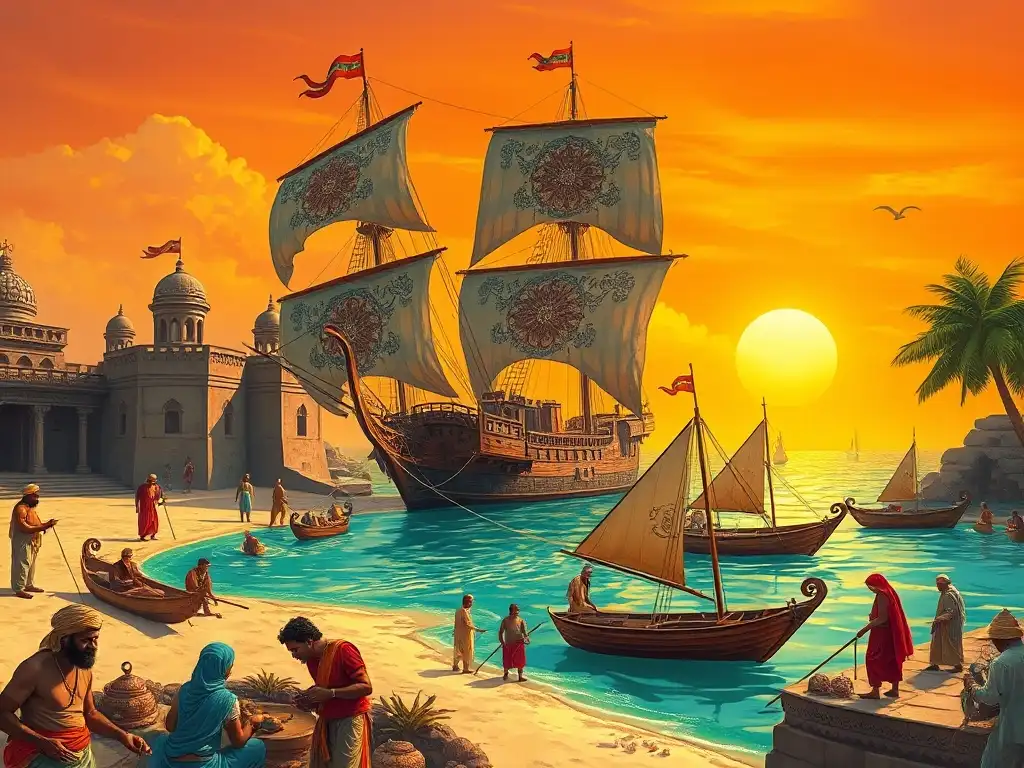
Ancient Indian maritime engineering innovations have left an indelible mark on the evolution of naval architecture and maritime practices. From the sophisticated shipbuilding techniques of the Indus Valley Civilization to the navigational prowess exhibited during the Maurya and Gupta periods, these innovations laid the groundwork for maritime activities that were both commercial and military in nature. The legacy of these advancements continues to resonate in contemporary maritime engineering, illustrating the timeless nature of ancient ingenuity.
Summary of Key Contributions to Maritime Engineering
- Shipbuilding Techniques
- The Indus Valley Civilization displayed advanced shipbuilding skills, utilizing wooden planks and innovative fastening methods that ensured durability and seaworthiness. These techniques were pivotal in establishing trade links with distant lands.
- The Mauryan period marked a significant evolution in ship construction. The use of larger vessels, capable of carrying heavier cargo, facilitated maritime trade across the Indian Ocean.
- Navigation and Cartography
- Ancient Indian navigators employed sophisticated methods to traverse vast oceans, including celestial navigation. They meticulously observed celestial bodies and utilized them for route planning.
- The creation of detailed maps and navigation charts during the Gupta Empire demonstrated an understanding of geography and maritime routes that was advanced for its time.
- Maritime Trade Practices
- Indian merchants established extensive trade networks, connecting India with Southeast Asia, the Middle East, and Africa. This not only enhanced economic prosperity but also facilitated cultural exchanges.
- The use of standardized weights and measures in trade, along with sophisticated cargo handling techniques, underscored the organizational skills of ancient Indian maritime practices.
- Innovation in Vessel Design
- The design of ancient Indian vessels, including the use of sails and oars, allowed for increased maneuverability and efficiency in sailing. This adaptability was crucial for navigating the unpredictable monsoon winds of the Indian Ocean.
- Specific vessel types, such as the "Padma," were tailored for various purposes, including fishing, trade, and warfare, showcasing the diversity and specialization in maritime engineering.
Lasting Influence on Modern Maritime Practices
The innovations in ancient Indian maritime engineering have profoundly influenced modern practices in several ways:
- Ship Design and Construction
- Contemporary shipbuilding continues to draw inspiration from ancient techniques, particularly in the structural integrity and design principles that prioritize durability and functionality.
- Navigational Techniques
- Modern navigational systems, including GPS, echo the ancient methods of celestial navigation and the emphasis on understanding natural elements, illustrating a continuity of knowledge across centuries.
- Trade and Economic Systems
- The legacy of maritime trade practices established by ancient Indian civilizations is reflected in today’s global trade networks. The principles of trade, commerce, and economic integration remain relevant as nations navigate complex economic landscapes.
- Cultural Exchanges
- The ancient practices of cultural exchange and interaction through maritime routes continue to thrive, with modern globalization fostering a similar spirit of interconnectedness among nations.
The innovations in ancient Indian maritime engineering not only shaped the maritime landscape of their time but also established foundational practices that continue to influence modern maritime engineering and trade. The legacy of these advancements highlights the enduring impact of ancient civilizations on contemporary society, reinforcing the importance of preserving and studying this rich historical heritage.
Frequently Asked Questions
What were some key maritime engineering innovations in ancient India?
Ancient India contributed several innovations in maritime engineering, including advanced shipbuilding techniques, navigational tools, and port construction methods that facilitated trade.
How did the Indus Valley civilization influence maritime practices?
The Indus Valley civilization established early trade routes via rivers and seas, showcasing their understanding of navigation and shipbuilding, which laid the groundwork for later maritime advancements.
What role did the Gupta Empire play in maritime engineering?
During the Gupta Empire, there was a notable advancement in ship design and the expansion of trade networks, which significantly enhanced maritime commerce and engineering practices.
How did ancient Indian maritime innovations impact global trade?
Ancient Indian innovations in maritime engineering allowed for more efficient trade routes, connecting India with various regions, thus influencing cultural exchange and economic growth globally.
Are there any surviving examples of ancient Indian maritime technology?
Yes, remnants of ancient docks, shipwrecks, and literary references in texts like the Arthashastra provide insights into the maritime technology and practices of ancient India.
Final Reflection: The Enduring Legacy of Ancient Indian Maritime Engineering Innovations
The innovations of ancient Indian maritime engineering are not just relics of the past; they are foundational elements that continue to shape our understanding of maritime technology today. From advanced shipbuilding techniques to navigational astronomy, these innovations highlight the ingenuity and foresight of ancient Indian civilizations. As we navigate the complexities of modern maritime challenges, it becomes increasingly clear that the wisdom of our ancestors holds invaluable lessons for contemporary engineering practices.
The influence of ancient Indian maritime engineering extends far beyond historical significance; it resonates deeply within our cultural and social fabric. The principles of sustainability and adaptability that were inherent in these innovations remind us of the importance of harmonizing technology with nature. As noted by historian R.C. Majumdar, “The maritime achievements of ancient India were not merely technical feats; they were a reflection of a civilization deeply connected to the sea.” This connection continues to inspire modern engineers and environmentalists alike, urging us to consider the ecological impacts of our maritime activities.
As we reflect on the remarkable achievements of ancient Indian maritime engineering, I invite you to explore how these lessons can be applied in your own life and work. Consider the ways in which innovation, sustainability, and cultural heritage can inform your decisions and actions today. By embracing the wisdom of the past, we can forge a future that honors our history while addressing the challenges of the present and beyond. Let us carry forward the legacy of these ancient innovators, ensuring that their contributions continue to inspire generations to come.
Set Sail on Your Journey of Discovery!
Thank you for diving into the fascinating world of ancient Indian innovations and their impact on maritime engineering! You've uncovered valuable insights into how history shapes our present and future. Now, it's time to take the next step and deepen your exploration.
Here’s how you can engage further with this incredible topic:
- Dive Deeper: Explore additional resources or books about ancient maritime technologies and their global influences. Consider starting with a classic book on maritime history or an engaging documentary that brings these innovations to life.
- Share and Discuss: Connect with friends or fellow history enthusiasts! Initiate a conversation or host a discussion group about how these ancient innovations can inspire contemporary engineering practices.
- Join Our Community: Sign up for our newsletter to receive exclusive articles, insightful discussions, and updates that delve deeper into the marvels of ancient Indian contributions to engineering.
What ancient innovations do you believe could inspire modern engineering solutions today? We invite you to share your thoughts in the comments below!