
Unraveling the Mysteries of Ancient Indian Fortress Construction

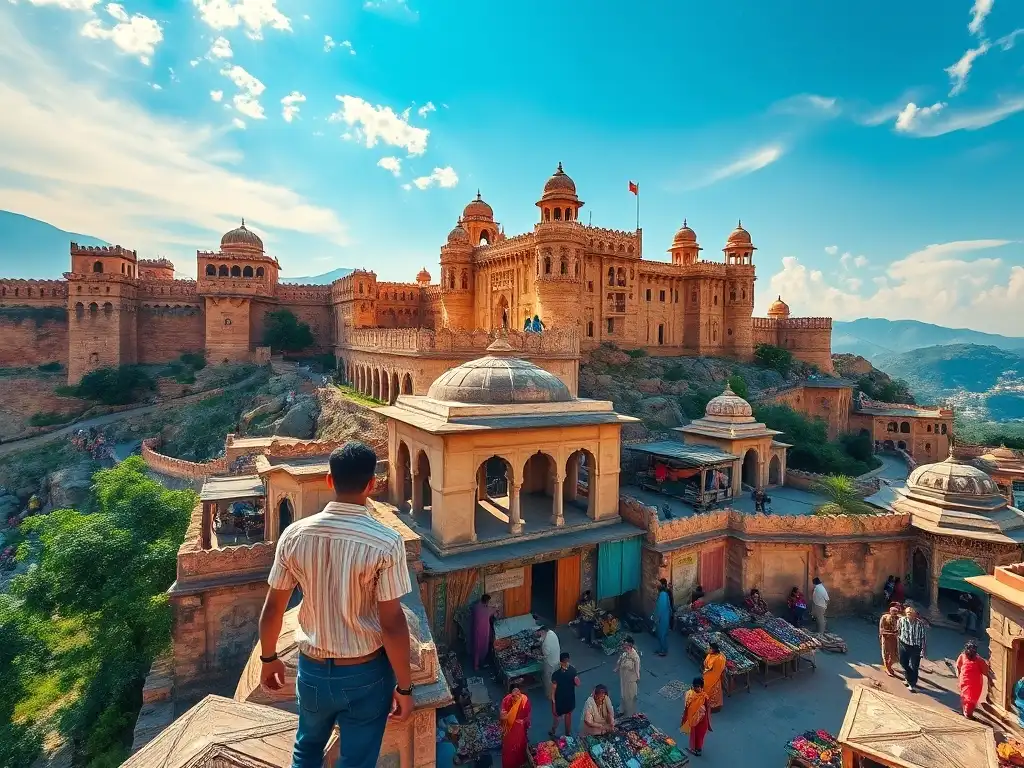
Welcome to Ancient India History, where we embark on an exciting journey through time to uncover the rich tapestry of civilizations that shaped the Indian subcontinent. In this captivating exploration, we invite you to delve into the intriguing world of ancient Indian fortress architecture. From the impressive fortifications of the Indus Valley to the strategic strongholds of the Gupta Empire, discover how these architectural marvels were not only a means of defense but also a testament to the ingenuity and innovation of their creators.
Ready to unlock the secrets behind these ancient structures? Let’s dive deeper into the incredible stories that await!
The architectural prowess of ancient Indian civilizations is a subject of great intrigue and admiration, particularly when it comes to the construction of fortresses. From the impressive citadels of the Indus Valley Civilization to the magnificent strongholds of the Gupta Empire, ancient Indian fortress architecture represents a blend of strategic ingenuity, aesthetic beauty, and cultural significance. These fortifications were not merely defensive structures; they were embodiments of power, technology, and artistry that played crucial roles in the socio-political landscape of their times.
In this article, we will delve deep into the various facets of ancient Indian fortress construction, exploring the techniques, materials, and architectural styles that defined this remarkable aspect of India's heritage. We will also examine the historical context behind these structures, their geographical distribution, and the innovations that emerged from this era of construction. By understanding the intricacies of ancient Indian fortress architecture, we can appreciate the legacy it has left behind and the lessons it offers to contemporary architectural practices.
Join us as we unravel the mysteries of these monumental edifices, shedding light on their significance and the genius of their creators.
- Introduction to Ancient Indian Fortress Architecture
- Historical Context of Ancient Indian Fortress Architecture
- Key Features of Ancient Indian Fortresses
- Prominent Examples of Ancient Indian Fortresses
- Engineering Techniques in Ancient Indian Fortress Construction
- Cultural Impact of Ancient Indian Fortresses
- Comparative Analysis of Ancient Indian and Global Fortress Architecture
- Conclusion: The Legacy of Ancient Indian Fortress Architecture
- References and Further Reading on Ancient Indian Fortress Architecture
-
Frequently Asked Questions
- What are the main features of ancient Indian fortress architecture?
- Which ancient Indian civilizations are known for their fortresses?
- How did geography influence fortress construction in ancient India?
- What materials were commonly used in building ancient Indian fortresses?
- How do ancient Indian fortresses reflect the culture of their time?
- Final Reflection: The Enduring Legacy of Ancient Indian Fortress Architecture
- Unlock the Secrets of Ancient Indian Fortresses!
Introduction to Ancient Indian Fortress Architecture
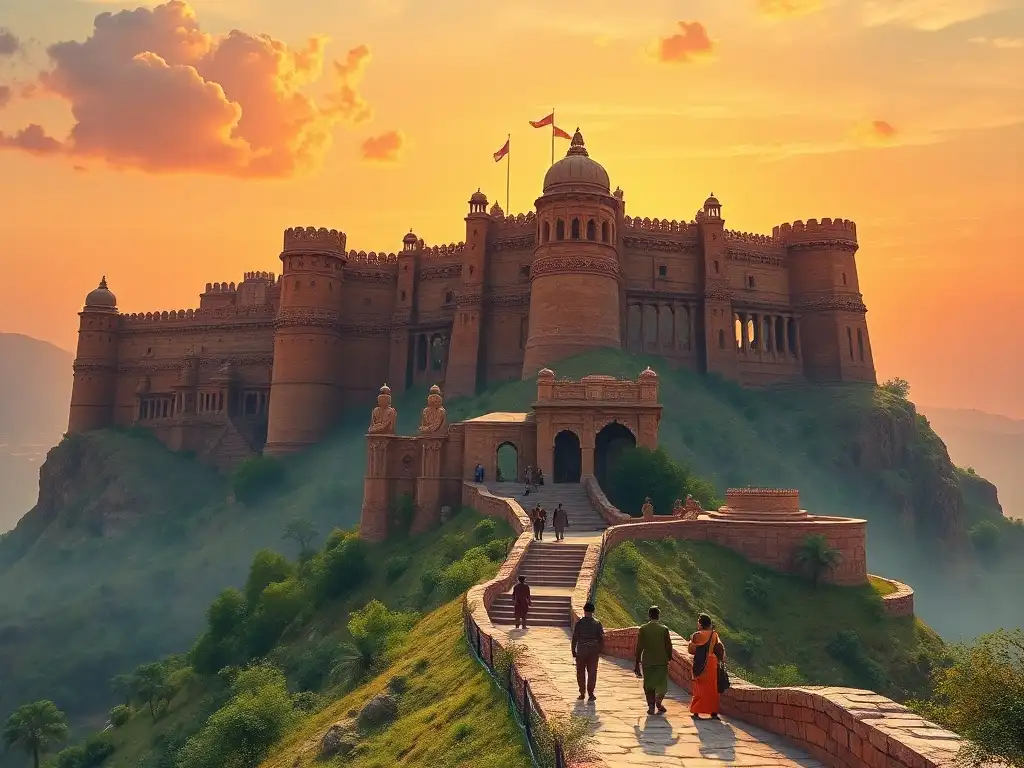
Ancient Indian fortress architecture represents a profound blend of engineering prowess and artistic expression, reflecting the strategic, cultural, and political landscapes of its time. These fortifications were not merely structures for defense; they were comprehensive complexes that served various purposes, including administrative centers, military barracks, and symbols of power. The evolution of fortress architecture in India showcases the ingenuity of ancient builders who adapted their designs to diverse geographical and climatic conditions.
The study of ancient Indian fortresses reveals insights into the architectural styles, construction materials, and techniques employed by different civilizations, ranging from the Indus Valley civilization to the mighty Gupta Empire. By exploring these fortresses, we uncover the intricate relationship between architecture and the socio-political dynamics of ancient Indian society.
Overview of Ancient Indian Fortresses
Ancient Indian fortresses can be categorized into several prominent styles and periods, each showcasing unique characteristics.
- Indus Valley Civilization (c. 2500–1900 BCE):
- The earliest examples of fortified cities, such as Harappa and Mohenjo-Daro, featured well-planned layouts, thick walls made of baked bricks, and advanced drainage systems.
- Mauryan Period (c. 322–185 BCE):
- Fortifications during this era were characterized by massive stone walls and strategically placed watchtowers. The fort of Pataliputra, the Mauryan capital, exemplifies this architectural evolution.
- Medieval Fortresses (c. 600–1600 CE):
- The Rajputana region presented elaborate fortresses like Chittorgarh and Jaisalmer, noted for their intricate stone carvings, massive gates (pols), and complex water systems.
- Mughal Era (c. 1526–1857 CE):
- Mughal forts, such as Agra Fort and Red Fort, introduced a fusion of Persian and Indian architectural styles, characterized by grand entrances, expansive courtyards, and ornate embellishments.
Each of these periods contributed to the rich tapestry of ancient Indian fortress architecture, with materials such as stone, brick, and wood being utilized based on local availability and construction techniques that evolved over time.
Significance of Fortress Construction in Ancient India
The significance of fortress construction in ancient India transcends mere defense; it encapsulates various socio-political and cultural dimensions.
- Military Strategy:
- Fortresses served as protective bastions against invasions and raids, illustrating the need for security in ancient Indian kingdoms. Their strategic locations often overlooked vital trade routes and river valleys, enhancing their defensive capabilities.
- Symbol of Power:
- Forts were expressions of authority and prestige. Rulers used them to showcase their wealth and strength, often commissioning grandiose constructions to intimidate rivals and inspire loyalty among subjects.
- Cultural Centers:
- Many fortresses housed temples, palaces, and administrative offices, making them centers of culture and governance. The intricate carvings and artistic motifs found in these forts reflect the rich cultural heritage of the time.
- Technological Innovation:
- The construction of these fortresses involved advanced engineering techniques, including the use of arches, domes, and intricate water management systems. Such innovations influenced later architectural styles and construction practices.
- Community and Identity:
- Fortresses often fostered a sense of community and identity among the local populace. They were places where people gathered for festivals and cultural events, reinforcing social bonds and shared heritage.
Ancient Indian fortress architecture is a testament to the ingenuity and resilience of past civilizations. The fortresses not only served as physical barriers against threats but also as symbols of cultural identity and technological advancement, making them vital components of India's rich historical narrative.
Historical Context of Ancient Indian Fortress Architecture
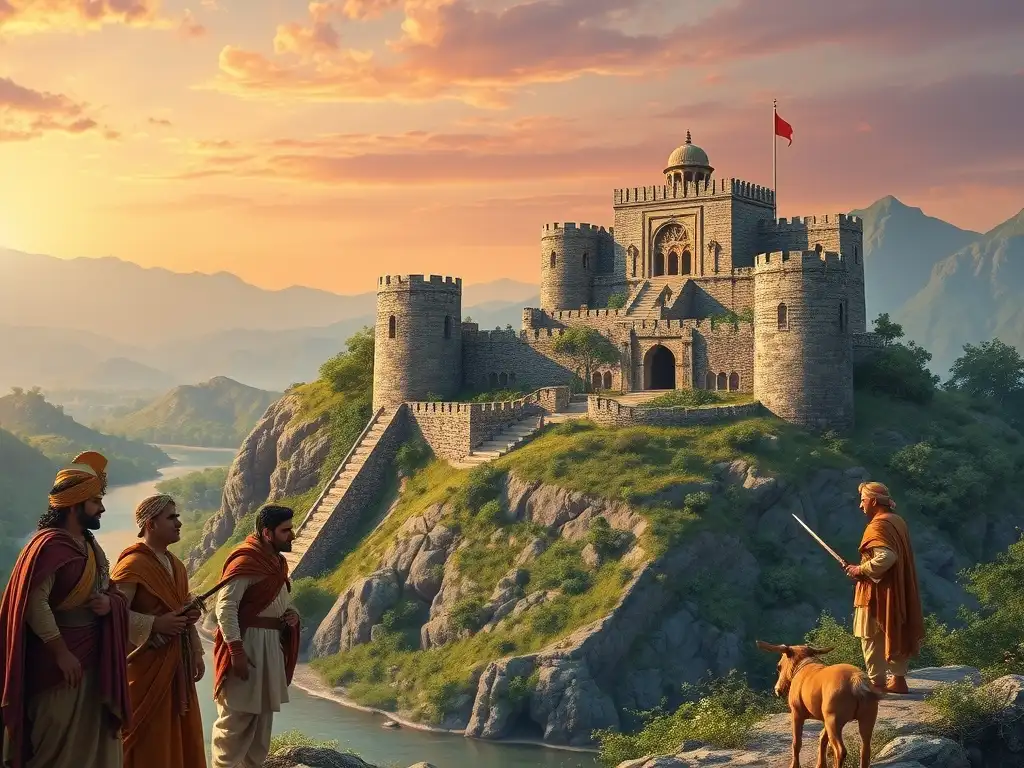
Ancient Indian fortress architecture is a remarkable testament to the engineering prowess and strategic acumen of early Indian civilizations. This architectural style not only showcases the ingenuity of ancient builders but also reflects the socio-political dynamics of the time. Fortresses served as crucial military and administrative centers, providing protection against invasions and acting as hubs for governance and trade.
The origins of fortress architecture in India can be traced back to the Indus Valley Civilization (around 3300–1300 BCE), where early urban settlements began developing complex layouts with defensive features. As we delve deeper into the historical context, we find that the construction techniques and designs evolved significantly through various dynasties, adapting to the changing needs of society and the challenges posed by external threats.
Evolution of Fortress Construction from the Indus Valley Civilization
The Indus Valley Civilization represents one of the earliest examples of sophisticated urban planning, where cities such as Harappa and Mohenjo-Daro featured fortified walls made of baked bricks. These walls served both defensive and practical purposes, as they not only protected inhabitants from invasions but also helped manage floods from nearby rivers. The layout of these cities, with their grid patterns and drainage systems, indicates an advanced understanding of urban engineering.
As we move into the subsequent periods, such as the Vedic Age (1500–500 BCE) and the Maurya Empire (322–185 BCE), fortress construction continued to evolve. The Mauryan period saw the emergence of wooden forts, which were easier to construct and dismantle. Notably, the fortifications built during this era often included wooden palisades, ditches, and earthen mounds, which provided an initial line of defense against enemies.
The Gupta Empire (c. 320–550 CE) marked a significant advancement in fortress architecture. The Guptas constructed stone fortifications that were not only more durable but also incorporated intricate carvings and architectural embellishments. Forts like the one at Tughlaqabad exhibit a blend of military functionality and artistic expression, showcasing the cultural richness of the time.
The evolution of fortress construction in ancient India reflects a continuous adaptation to the changing socio-political landscape. From the earthen walls of the Indus Valley to the monumental stone fortifications of the Gupta Empire, each architectural style tells a story of resilience, innovation, and the quest for security.
Influence of Geography on Fortress Design and Location
Geography played a pivotal role in shaping the design and location of ancient Indian fortresses. The diverse topography of India, characterized by mountains, rivers, deserts, and plains, dictated the strategic choices made by builders.
- Himalayan Fortresses: Forts located in the northern regions, such as those in Himachal Pradesh and Uttarakhand, were often built on elevated terrains. This allowed for better surveillance of incoming threats and easier defense against potential invaders. Structures like the fort at Kangra exemplify this strategic placement.
- Desert Fortifications: In Rajasthan, fortresses such as Jaisalmer and Chittorgarh were designed to withstand the harsh desert environment. Builders utilized local sandstone, which not only blended with the landscape but also provided insulation against extreme temperatures. The thick walls and narrow passages of these forts were specifically designed to fend off sieges.
- River Valleys: Cities built along riverbanks, such as those in the Ganges basin, featured fortifications that utilized the natural barriers provided by the rivers. The forts often included moats, which enhanced their defensive capabilities. The cities of Varanasi and Kanauj had fortifications that made use of the Ganges River for both transportation and defense.
- Coastal Fortresses: Coastal regions saw the emergence of fortresses to protect against maritime invasions. The forts along the Konkan coast, such as Aguda Fort and Sindhudurg Fort, were strategically positioned to guard against threats from the sea, utilizing their elevated positions to monitor naval activity.
The geographical features of ancient India significantly influenced fortress architecture, dictating not only the materials used but also the overall design and functionality of these structures. The interplay between geography and architecture underscores the ingenuity of ancient builders and their ability to adapt to their environment while addressing the needs of their societies.
Key Features of Ancient Indian Fortresses
Ancient Indian fortresses are remarkable not just for their strategic utility but also for their architectural sophistication. They reflect a blend of functionality and artistry, showcasing the ingenuity of ancient Indian architects and builders. Here are some key features that define ancient Indian fortress architecture:
- Location and Terrain Utilization: Most fortresses were strategically placed on elevated ground or near natural barriers such as rivers and hills. This choice of location offered both a defensive advantage and a commanding view of the surroundings.
- Materials Used: Stone was the primary material in fortress construction, particularly granite and sandstone, which were locally sourced. In some regions, mud and brick were also used, showcasing adaptability based on available resources.
- Construction Techniques: Ancient Indian builders employed advanced techniques, such as interlocking stones and the use of arches, which contributed to the stability and durability of these structures. The use of corbelled arches is a notable feature in many fortresses.
- Complex Layouts: Fortresses often had intricate layouts, featuring multiple walls, bastions, and gates. This complexity not only enhanced defense but also allowed for better management of movement within the fortress.
- Integration of Water Systems: Many fortresses included sophisticated water management systems, such as tanks, wells, and aqueducts, ensuring a reliable water supply during sieges.
Structural Elements of Ancient Indian Fortress Architecture
The structural elements of ancient Indian fortress architecture are characterized by a combination of robust engineering and aesthetic considerations.
- Walls and Ramparts: The outer walls of fortresses were typically thick and built to withstand attacks. They were often reinforced with battlements and towers to provide vantage points for archers and guards.
- Gates and Entrances: Fortresses featured monumental gates that served as both entrances and defensive structures. These gates were usually adorned with intricate carvings and sometimes had multiple doors to confuse potential attackers.
- Towers and Bastions: Towers and bastions provided additional height and visibility. They were crucial for surveillance and defense, often equipped with firing slots for archers.
- Inner Structures: Within the fortress, there were often palaces, temples, and storage areas. The layout was designed to facilitate daily life while ensuring security.
- Courtyards and Gardens: Many fortresses included courtyards and gardens, serving as recreational spaces. These areas often featured water bodies and flora, reflecting the architectural emphasis on harmony with nature.
Defensive Mechanisms in Fortress Construction
Defensive mechanisms in ancient Indian fortresses were meticulously designed to provide security and deter invasions.
- Moats: Many fortresses were surrounded by moats filled with water or lined with thorny bushes to hinder enemy access.
- Traps and Barriers: Some fortifications included traps, such as pits or spike-filled barriers, to impede attackers.
- Watchtowers: Strategically placed watchtowers allowed for early detection of enemy movements, giving defenders a tactical advantage.
- Thick Walls and Fortified Gates: The walls were often several feet thick, constructed to absorb the impact of projectiles. Gates were reinforced with iron or wooden doors, sometimes with hidden mechanisms to secure them during an attack.
- Cannon and Artillery Placements: As warfare evolved, fortresses were equipped with cannon placements, demonstrating the adaptability of ancient Indian fortress architecture to changing military technologies.
Aesthetic Aspects of Fortress Design
While functionality was paramount, the aesthetic aspects of ancient Indian fortress design reflect the cultural values and artistic sensibilities of the time.
- Intricate Carvings: Many fortresses featured detailed carvings and sculptures depicting religious themes, historical events, and natural motifs. These artistic elements contributed to the cultural identity of the fortresses.
- Architectural Styles: The fortresses often showcased a mix of architectural styles, influenced by regional traditions and the prevailing artistic movements of the time.
- Use of Color and Material: The use of colored stones and decorative tiles added vibrancy to fortress exteriors, making them visually striking.
- Integration with Nature: Many fortresses were designed to harmonize with their natural surroundings, incorporating elements like gardens and water features into their layout.
- Symbolism: The design of fortresses often carried symbolic meanings, reflecting power, protection, and the divine, ultimately serving as a testament to the civilization's values and aspirations.
Ancient Indian fortress architecture is a testament to the advanced engineering skills, defensive strategies, and artistic expressions of its time. The combination of structural robustness, innovative defensive mechanisms, and aesthetic beauty makes these fortresses a fascinating subject for exploration and study.
Prominent Examples of Ancient Indian Fortresses
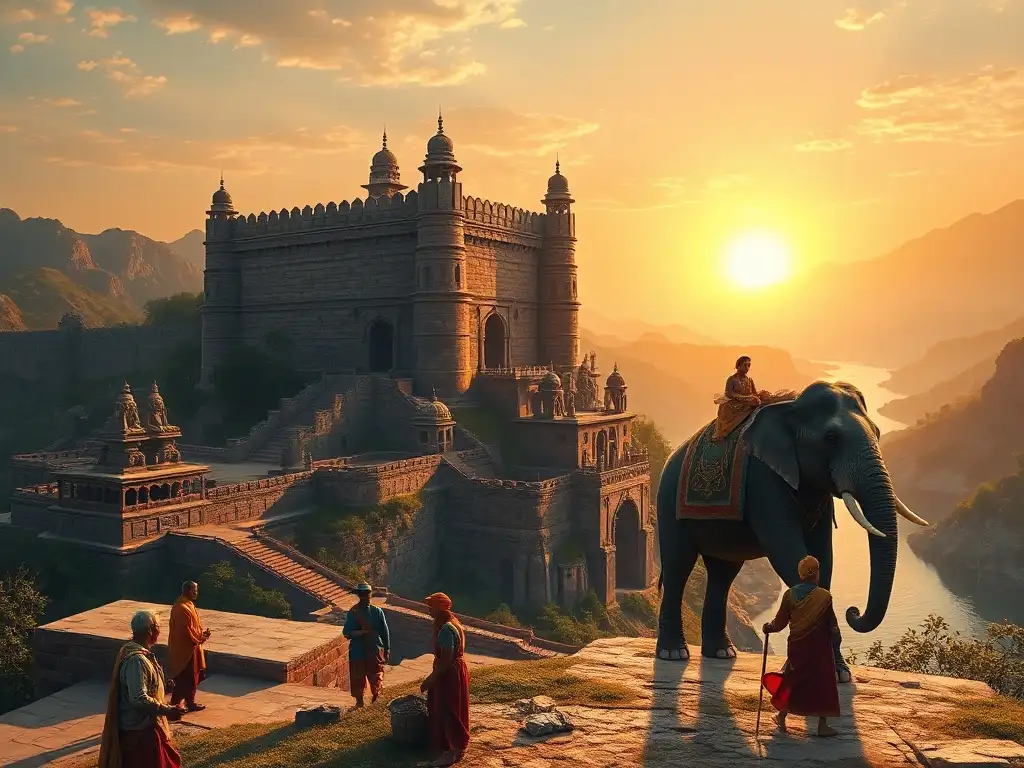
Ancient Indian fortress architecture is a testament to the engineering prowess and strategic thinking of early civilizations. These fortresses were not merely structures for defense; they were also symbols of power, culture, and technological advancement. Below, we explore some of the most prominent examples of ancient Indian fortresses that exemplify this rich architectural heritage.
The Architectural Marvel of the Red Fort
The Red Fort, located in Delhi, is a prime example of Mughal architecture, reflecting a fusion of Persian, Timurid, and Indian styles. Constructed in 1638 under the reign of Shah Jahan, this fortress served as the main residence of the Mughal emperors for nearly 200 years.
- Key Features:
- Materials: The fort is primarily built from red sandstone, giving it its distinctive hue. The intricate inlay work using precious stones and marble showcases the craftsmanship of the era.
- Design: The fort's layout incorporates a series of gardens, courtyards, and palaces, all of which are set within high walls that extend over two kilometers.
- Innovative Structures: Notable structures within the fort include the Diwan-i-Aam (Hall of Public Audience) and the Diwan-i-Khas (Hall of Private Audience), which exemplify the grandeur of Mughal architecture.
The Red Fort is not only an architectural marvel but also a UNESCO World Heritage Site, symbolizing India's rich history and cultural heritage.
The Historical Significance of Mehrangarh Fort
Located in Jodhpur, Rajasthan, Mehrangarh Fort stands majestically on a hill 400 feet above the city. Built in the 15th century by Rao Jodha, the fort is one of the largest and most impressive in India.
- Defensive Features:
- Thick Walls: The fort is surrounded by towering walls that are up to 36 meters high and 21 meters thick, making it a formidable defense against invasions.
- Strategic Location: Its position atop a rocky hill provides a panoramic view of the surrounding landscape, allowing for early detection of approaching enemies.
- Cultural Significance:
- Palaces and Museums: Inside the fort, visitors can explore palaces adorned with intricate carvings and expansive courtyards. The fort also hosts a museum that showcases artifacts from the royal family, highlighting the rich history of the region.
Mehrangarh Fort is not only a symbol of strength and resilience but also a treasure trove of history that continues to attract scholars and tourists alike.
Exploring the Grandeur of Golconda Fort
Golconda Fort, located near Hyderabad, is renowned for its impressive architecture and acoustics. Originally built in the 12th century and later expanded by the Qutb Shahi dynasty, Golconda is a striking example of ancient Indian fortress architecture.
- Architectural Innovations:
- Acoustic Engineering: One of the most fascinating features of Golconda Fort is its acoustic design. A clap made at the entrance can be heard at the top of the fort, which served as an early warning system.
- Water Supply System: The fort boasts an advanced water supply system, utilizing a series of tanks and pipelines that highlight the engineering ingenuity of its builders.
- Cultural Heritage:
- Historic Structures: Within the fort complex, visitors can find numerous palaces, temples, and gardens, each narrating a story of the past. The fort's grandeur is further enhanced by the remains of its grand gateways and bastions.
Golconda Fort is a remarkable example of how ancient Indian fortress architecture combined functionality with aesthetic appeal, making it a key site for understanding the historical landscape of the region.
Engineering Techniques in Ancient Indian Fortress Construction
Materials Used in Ancient Indian Fortress Architecture
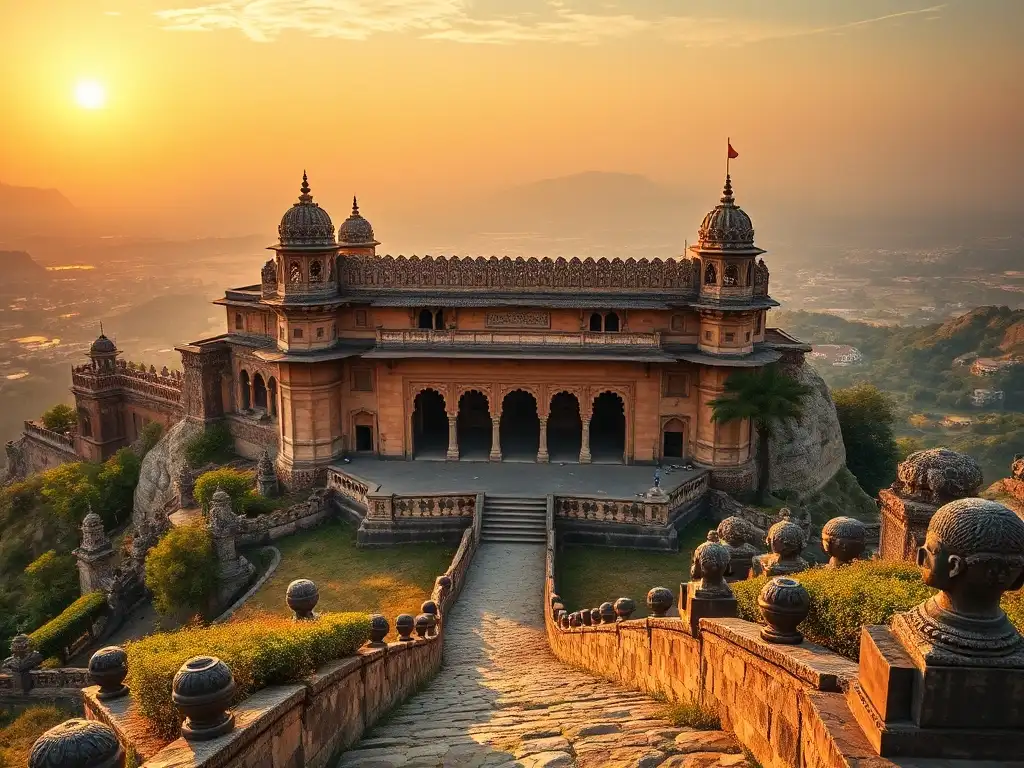
Ancient Indian fortress architecture is notable for its diverse use of materials, which were carefully selected based on local availability, climate, and intended use. The primary materials utilized in these grand structures include:
- Stone: The most prevalent material, particularly granite and sandstone, was often used due to its durability and strength. Famous fortresses like the Ajanta Caves and Chittorgarh Fort prominently feature intricately carved stone structures that have withstood the test of time.
- Brick: Fired and unbaked bricks were also common, especially in the Indus Valley Civilization. The bricks were often used in combination with stone to create robust walls that could endure sieges.
- Wood: While not as commonly preserved as stone, wood played a crucial role in specific structural elements, such as roofs and decorative features. The Mysore Palace, for instance, showcases exquisite wooden work that complements its stone foundations.
- Mud and Clay: These materials were primarily used in the construction of less fortified structures, but they served as vital components in the overall design of many fortifications, particularly in regions where stone was scarce.
The selection of these materials reflects a deep understanding of local geography and environmental conditions, allowing ancient builders to create fortresses that were both functional and resilient.
Innovative Construction Methods Employed by Ancient Builders
The ingenuity of ancient Indian builders is evident in the innovative construction methods they employed. These techniques were crucial in establishing the formidable structures that characterize ancient Indian fortifications. Some notable methods include:
- Dry Stone Construction: This technique involved assembling stones without the use of mortar, relying instead on precise cuts and placement to ensure stability. This method was particularly effective in regions prone to earthquakes, as seen in the Kumbhalgarh Fort.
- Vaulting and Arches: The use of arches and vaulted ceilings allowed for larger and more open interior spaces while distributing weight effectively. The Gol Gumbaz in Bijapur exemplifies this technique, showcasing a massive dome supported by a series of arches.
- Terracing: Many fortresses were built on elevated ground, utilizing terracing to create flat surfaces for construction. This method not only enhanced the fortress's defensive capabilities but also improved water drainage.
- Integrated Water Management: Ancient builders often incorporated sophisticated water management systems, including cisterns and step wells, into fortress designs. The Rani Ki Vav in Patan, with its intricate stepwell system, highlights the significance of water accessibility in fortress architecture.
Through these innovative methods, ancient Indian fortresses were not only strongholds for defense but also exemplified architectural brilliance and adaptability to environmental challenges.
The Role of Skilled Artisans in Fortress Design
The construction of ancient Indian fortresses was a collaborative effort that showcased the skills and artistry of various craftsmen. Skilled artisans played pivotal roles in the design and execution of fortress architecture, contributing their expertise in multiple areas:
- Stone Carvers: Master carvers were essential in shaping the structural and decorative elements of fortresses. Their intricate work is visible in the beautifully carved facades and sculptures seen in many fortresses, such as the Sun Temple at Konark.
- Masons: Expert masons were responsible for the precise assembly of stone blocks and bricks. Their knowledge of load distribution and structural integrity ensured that the fortifications were not only aesthetically pleasing but also robust.
- Metal Workers: Blacksmiths and metalworkers contributed to the design of gates, doors, and weapons used for defense. The use of iron in fort construction, as seen in the Red Fort, highlights their importance in enhancing security.
- Architects and Engineers: These visionaries were crucial in planning the overall layout and design of fortresses. They integrated various elements, such as walls, towers, and moats, into cohesive and strategically advantageous designs.
The collaboration between these skilled artisans allowed for the creation of impressive fortresses that not only served as defensive structures but also represented the cultural and artistic achievements of ancient Indian civilizations. Their legacy continues to inspire modern architects and engineers today.
Cultural Impact of Ancient Indian Fortresses
The cultural significance of ancient Indian fortresses extends beyond their architectural prowess. These strongholds served as vital centers of power, governance, and cultural amalgamation, reflecting the ethos of the societies that built them. Their impact can be observed in various dimensions, including political, social, and religious spheres.
Fortresses as Centers of Power and Governance
Ancient Indian fortresses were not merely military structures; they played a pivotal role in the administrative and political landscape of their times. The strategic locations of these forts often dictated the rise and fall of kingdoms, serving as bastions of authority and control.
- Strategic Locations: Many fortresses were constructed on elevated terrain or near trade routes, providing both security and visibility. For instance, the Chittorgarh Fort in Rajasthan was strategically positioned on a hill, allowing rulers to oversee vast areas and protect their territories from invasions.
- Political Authority: Fortresses served as the seat of power for local rulers and dynasties. They housed royal families, administrative offices, and military garrisons, thereby centralizing governance. The Mysore Fort, for example, was a major political hub during the reign of the Wadiyar dynasty, showcasing the connection between architecture and governance.
- Symbol of Strength: The grandeur of fortress architecture often symbolized the might of a kingdom. Imposing walls, intricate gateways, and elaborate structures were designed to instill awe and assert dominance, both internally and externally. The Red Fort in Delhi stands as a testimony to Mughal architectural brilliance and the empire's political power.
The Influence of Religion and Culture on Fortress Architecture
Religious beliefs and cultural practices significantly influenced the design and construction of ancient Indian fortresses. These structures often incorporated elements that reflected the spiritual and cultural heritage of the time.
- Incorporation of Religious Symbols: Many fortresses featured temples and shrines within their precincts, indicating the intertwining of governance and spirituality. The Gwalior Fort, for instance, houses several temples, showcasing the importance of religion in the lives of its inhabitants.
- Cultural Fusion: The architecture of fortresses often displayed a blend of local and foreign influences. As trade and conquests brought diverse cultures into contact, fortresses became melting pots of artistic expression. The Jaipur City Fort, with its unique blend of Mughal and Rajput architectural styles, illustrates this cultural synthesis.
- Festivals and Social Gatherings: Fortresses were often the center of cultural life, hosting festivals and communal gatherings that fostered social cohesion. The fortifications of Kumbhalgarh served as a backdrop for various celebrations, highlighting their role in the cultural fabric of society.
Ancient Indian fortress architecture is not just a testament to engineering ingenuity but also a reflection of the complex interplay between power, culture, and religion. These fortresses stand today as monuments to the rich tapestry of ancient Indian civilization, embodying stories of governance, cultural exchange, and spiritual devotion.
Comparative Analysis of Ancient Indian and Global Fortress Architecture
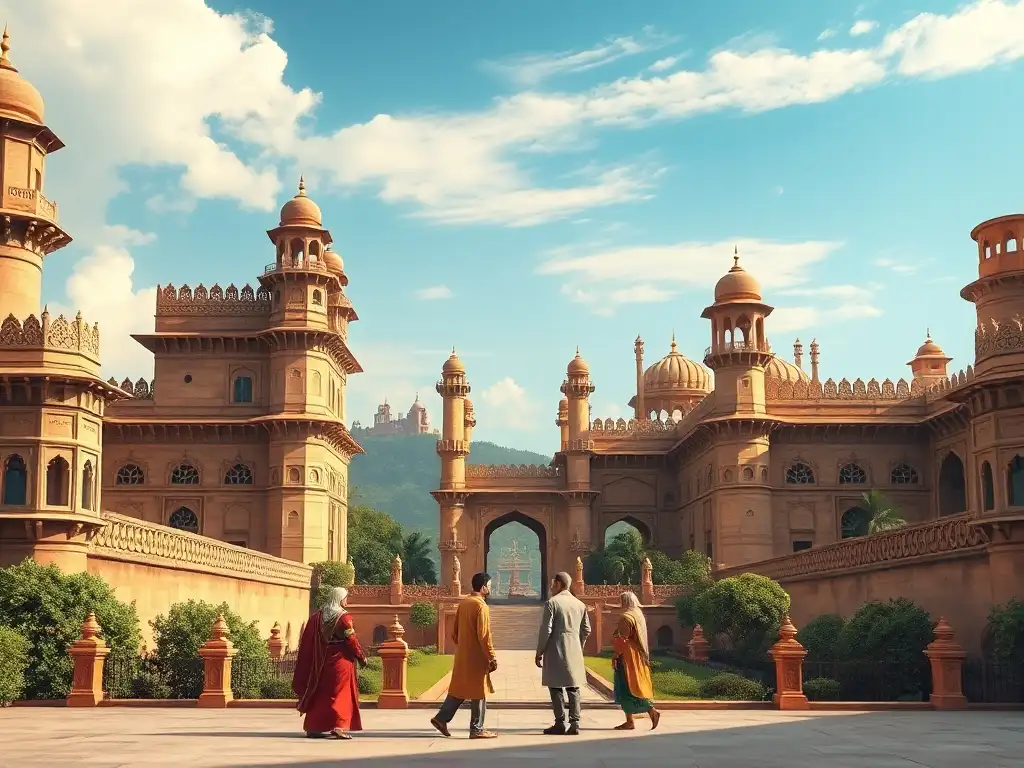
Ancient Indian fortress architecture presents a fascinating study when compared to global practices, particularly in Europe. Both regions, while influenced by their distinct cultures and geographical conditions, exhibit remarkable similarities and unique features in their fortress designs. This comparative analysis will explore these aspects in detail.
Similarities Between Ancient Indian and European Fortress Designs
Both ancient Indian and European fortress architectures share several commonalities, primarily influenced by the need for defense and strategic advantage.
- Defensive Structures:
- Both fortresses often feature thick walls constructed from local materials, such as stone, mud, and brick, to withstand sieges.
- The use of bastions and towers in both regions provided vantage points for archers and soldiers, enhancing the fort's defensive capabilities.
- Strategic Location:
- Fortresses in both regions were typically built on elevated terrains or near water bodies, maximizing natural defenses and offering strategic advantages in warfare.
- For instance, the Rajput forts in Rajasthan, like Chittorgarh, were often situated atop hills, similar to European castles positioned on cliffs or elevated grounds.
- Complex Layouts:
- The intricate layouts of fortresses, including narrow passages and multiple gates, were designed to confuse invaders and provide defenders with tactical advantages.
- Labyrinthine designs can be observed in both Indian forts, such as Gwalior Fort, and European strongholds, like the Castle of the Moors in Portugal.
- Cultural Symbolism:
- Both architectural styles include elements that reflect the cultural identity and societal norms of their respective civilizations.
- For example, intricate carvings and frescoes in Indian forts often depict local mythology, whereas European castles frequently showcased heraldic symbols and royal insignia.
Unique Features Distinguishing Ancient Indian Fortresses
While there are notable similarities, certain unique characteristics set ancient Indian fortress architecture apart from its global counterparts.
- Architectural Styles:
- Ancient Indian fortresses often exhibit a blend of Hindu, Islamic, and Jain architectural styles, which contributes to their aesthetic richness. The use of ornate carvings and decorative motifs is a hallmark of this architecture, as seen in Mysore Palace and Jaisalmer Fort.
- In contrast, European fortresses were predominantly influenced by Romanesque and Gothic styles, characterized by pointed arches and flying buttresses.
- Water Management Systems:
- Indian fortresses often integrated sophisticated water management systems, including step wells and reservoirs, to ensure a sustainable water supply during sieges. This is exemplified by the Baori or stepwell architecture found in many Rajasthan forts.
- European designs, while sometimes incorporating moats, did not generally focus on such extensive water management techniques as seen in their Indian counterparts.
- Use of Natural Topography:
- Ancient Indian fort builders frequently capitalized on natural topography, incorporating hills and rocky outcrops into their designs, resulting in fortresses that harmonized with their surroundings.
- European fortifications, while also considering topography, often modified it more drastically to suit military needs, leading to a more artificial landscape.
- Cultural Integration:
- The fortresses of ancient India often served dual purposes, acting not only as military strongholds but also as centers of administration and culture. For instance, many forts housed temples and royal residences within their walls.
- European fortresses, while they sometimes included living quarters, primarily focused on military function, with less emphasis on cultural integration within the fortress itself.
The comparative analysis of ancient Indian and global fortress architecture reveals both shared defensive strategies and distinct cultural expressions. Understanding these similarities and unique features enriches our appreciation of the engineering and construction techniques that defined ancient civilizations.
Conclusion: The Legacy of Ancient Indian Fortress Architecture
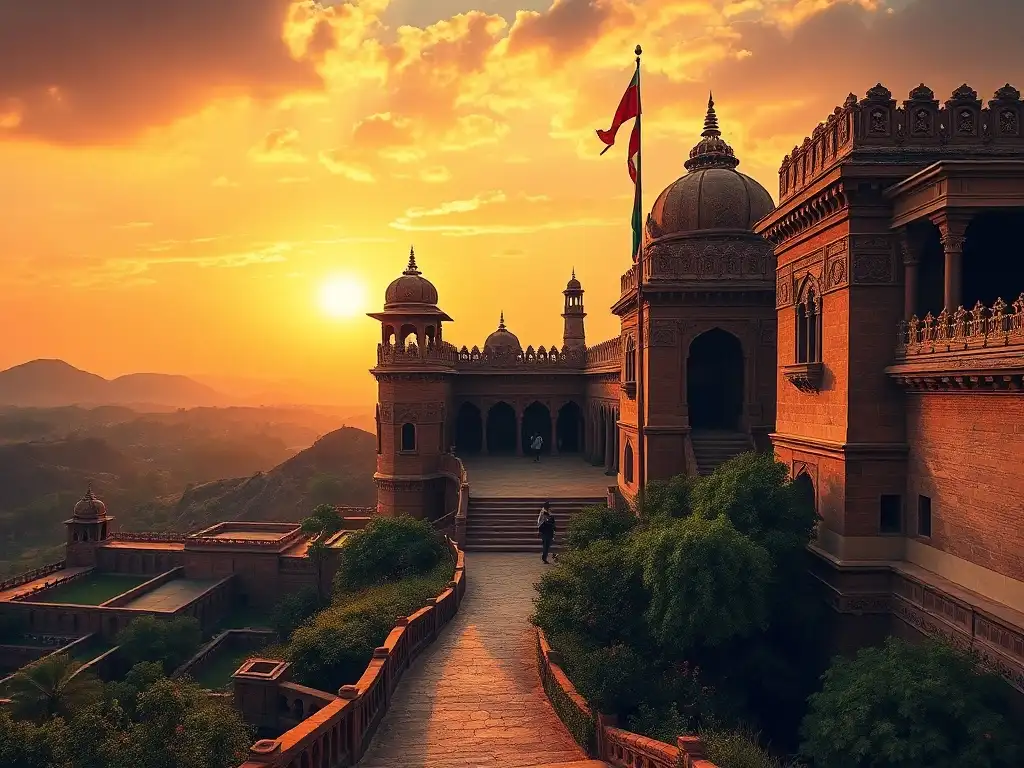
The architectural prowess of ancient Indian fortresses reflects a remarkable blend of ingenuity, aesthetic sensibility, and strategic foresight. These structures not only served as military strongholds but also embodied the socio-political dynamics of their times. The legacy of ancient Indian fortress architecture is evident in the intricate designs, robust construction techniques, and the incorporation of local materials that have withstood the test of time.
As we delve into the various elements that characterize these fortresses—such as bastions, gates, and walls—we recognize their role in shaping the cultural and historical narratives of ancient India. The architectural styles found in forts like those at Chittorgarh, Gwalior, and Agra showcase the unique features of regional craftsmanship, blending functionality with artistry. The meticulous planning and execution employed in their construction have inspired generations of architects and engineers, laying foundations for future innovations in fortress design.
Lasting Influence on Modern Architecture
The influence of ancient Indian fortress architecture extends beyond historical significance; it resonates in contemporary architectural practices, particularly in regions that share a rich cultural heritage. Modern architects often draw inspiration from the grand designs and sustainable practices of these fortifications. Key aspects include:
- Integration with Nature: Ancient fortresses were often built using locally sourced materials, ensuring harmony with the surrounding environment. This principle of sustainability is increasingly relevant in today's architectural landscape, where eco-friendly designs are prioritized.
- Defensive Strategies: The strategic placement and design of fortifications have inspired modern security architecture. Concepts such as layered defenses, vantage points, and natural barriers are now common in urban planning and architectural design.
- Aesthetic Elements: The intricate carvings, jali work (lattice screens), and ornamental gateways of ancient fortresses have influenced contemporary decorative styles. Many modern buildings incorporate these elements, resulting in a fusion of historical aesthetics with modern functionality.
- Community Spaces: The communal aspects of ancient fortresses, which often included marketplaces and gathering areas, resonate in current designs that emphasize public spaces, encouraging social interaction and cultural exchange.
The principles derived from ancient Indian fortress architecture are not only relevant but essential in creating buildings that are both practical and culturally resonant in today's world.
Preservation of Ancient Fortresses and Their Cultural Significance
Preserving ancient fortresses is vital for maintaining the cultural heritage and historical narratives they embody. These structures not only serve as tourist attractions but also as symbols of regional identity and pride. Efforts to conserve these architectural marvels include:
- Restoration Projects: Many fortresses undergo restoration to repair damage caused by natural elements and human activity. These projects often aim to maintain the original architectural integrity while adapting to modern safety standards.
- Cultural Programs: Engaging local communities in cultural programs fosters a sense of ownership and responsibility towards these historical sites. Workshops, guided tours, and educational initiatives help promote awareness of their historical significance.
- Government Initiatives: National and state governments often implement policies aimed at preserving heritage sites, providing funding and resources for conservation efforts. This includes designating forts as protected monuments under various heritage laws.
- Tourism Development: Promoting tourism around ancient fortresses can generate revenue for local economies while encouraging the preservation of these sites. Sustainable tourism practices ensure minimal impact on the structures while enhancing visitor experience.
The legacy of ancient Indian fortress architecture is multi-faceted, influencing modern design and serving as a testament to the cultural significance of these structures. Preserving them is essential not only for future generations but also for honoring the rich history they represent. These fortresses stand as enduring symbols of a time when architecture was a reflection of both functionality and artistry, a tradition that continues to inspire and inform architectural practices today.
References and Further Reading on Ancient Indian Fortress Architecture
Exploring the depths of ancient Indian fortress architecture requires a thorough understanding of various sources that document the engineering techniques, cultural significance, and historical context of these magnificent structures. The following sections provide valuable references and further reading options for those interested in delving deeper into this fascinating topic.
Recommended Books on Ancient Indian Engineering Techniques
-
"The Architecture of Ancient India: From the Paleolithic to the Islamic Period" by Adam Hardy
This comprehensive work explores the evolution of architecture in India, with a focus on ancient techniques used in fortress construction. Hardy delves into various styles and materials, providing insights into the engineering principles of the time.
-
"Fortification in Ancient India" by V. S. B. K. L. Ayyar
Ayyar's book gives a detailed account of the different types of fortifications found across ancient India, analyzing their strategic importance and the methodologies employed in their construction.
-
"The Indus Valley Civilization: A Historical Perspective" by Shereen Ratnagar
While primarily focusing on the Indus Valley Civilization, this book sheds light on the early forms of urban planning and architecture that laid the groundwork for later fortress constructions.
-
"Ancient Indian Architecture" by K. S. Behera
Behera examines various architectural forms in India, including fortresses, temples, and palaces, highlighting the engineering techniques that have influenced modern Indian architecture.
-
"The Gupta Empire: A Study in Indian History" by Romila Thapar
Thapar's work provides insights into the Gupta period, including the fortifications built during this time and their significance in the broader context of Indian history.
Notable Academic Articles on Ancient Indian Fortress Construction
-
"The Engineering Marvels of Ancient Indian Fortresses"
This article published in the Journal of Historical Engineering discusses the advanced engineering techniques used in constructing ancient Indian fortresses, comparing them with contemporary methods.
-
"Defensive Architecture in Early Indian States: A Study of Fortifications"
Featured in the Indian Historical Review, this article examines the evolution of defensive structures and their role in the political landscape of ancient India.
-
"Material Culture and Urbanism in the Indus Valley: A Case Study of Fortress Architecture"
This research paper explores the architectural practices of the Indus Valley Civilization, focusing on the materials used in fortress construction and their significance in urban planning.
-
"Fortresses of the Deccan: A Study of Regional Variations in Construction Techniques"
An insightful article in Archaeological Review, it analyzes the unique characteristics of fortress architecture in the Deccan region, emphasizing local adaptations in construction methods.
-
"The Role of Fortifications in Ancient Indian Warfare"
Published in the International Journal of Historical Research, this article highlights how fortress architecture influenced military strategies and urban development in ancient India.
By exploring these recommended books and notable articles, readers can gain a deeper appreciation for the complexities and innovations of ancient Indian fortress architecture, enriching their understanding of this vital aspect of India's historical narrative.
Frequently Asked Questions
What are the main features of ancient Indian fortress architecture?
The main features include fortified walls, strategically placed gates, and defensive structures like bastions and watchtowers, designed to protect against invasions.
Which ancient Indian civilizations are known for their fortresses?
The Indus Valley Civilization, Maurya Empire, and Gupta Empire are notable for their impressive fortress architecture, showcasing their advanced engineering skills.
How did geography influence fortress construction in ancient India?
The geographical features such as mountains, rivers, and plains dictated the location and design of fortresses, allowing for better defense and strategic advantages.
What materials were commonly used in building ancient Indian fortresses?
Ancient builders primarily used stone, brick, and mud, often utilizing local resources to create sturdy and durable structures that could withstand attacks.
How do ancient Indian fortresses reflect the culture of their time?
These fortresses not only served a military purpose but also reflected the artistic expression, political power, and social organization of ancient Indian civilizations, showcasing their cultural richness.
Final Reflection: The Enduring Legacy of Ancient Indian Fortress Architecture
The exploration of ancient Indian fortress architecture reveals not only the ingenuity of past civilizations but also its profound relevance in today's world. As we navigate an era marked by rapid urbanization and technological advancement, the architectural marvels of ancient fortresses remind us of the importance of sustainable design and the integration of cultural heritage in modern construction. These structures stand as a testament to the resilience and creativity of our ancestors, urging us to appreciate and learn from their wisdom.
The influence of ancient Indian fortress architecture extends far beyond historical significance; it shapes our cultural identity and inspires contemporary architectural practices. The intricate designs, strategic placements, and defensive mechanisms of these fortresses continue to inform modern architects and historians alike. As we reflect on their enduring impact, we are reminded of the words of renowned architect Charles Correa: Architecture is not just about buildings; it is about the people who inhabit them.
This sentiment underscores the need to honor our architectural heritage while fostering a sense of belonging and community in our built environments.
As we conclude our journey through the fascinating world of ancient Indian fortress construction, I invite you to reflect on how these lessons can be applied in your own life. Consider the importance of resilience, creativity, and cultural appreciation in your daily endeavors. Whether you are an architect, a historian, or simply a curious individual, let the stories of these fortresses inspire you to build a future that honors the past while embracing innovation. Together, we can ensure that the legacy of ancient Indian fortress architecture continues to thrive and influence generations to come.
Unlock the Secrets of Ancient Indian Fortresses!
Thank you for exploring the fascinating world of ancient Indian fortress construction with us! We hope you gained valuable insights into the remarkable techniques and stories that defined these architectural marvels. Now, let's take the next step in your journey of discovery!
- Dive deeper into history by visiting our Ancient Fortresses Gallery, which showcases breathtaking images and the captivating stories behind each fortress.
- Share your thoughts or your favorite fortress story in the comments below—your insights can inspire others!
- Consider visiting a nearby fortress to experience its grandeur in person and connect with history on a deeper level!
Which fortress would you love to explore, and what secrets do you think it holds? Let's discuss!