
How Internal Trade Networks Supported the Arts in Ancient India

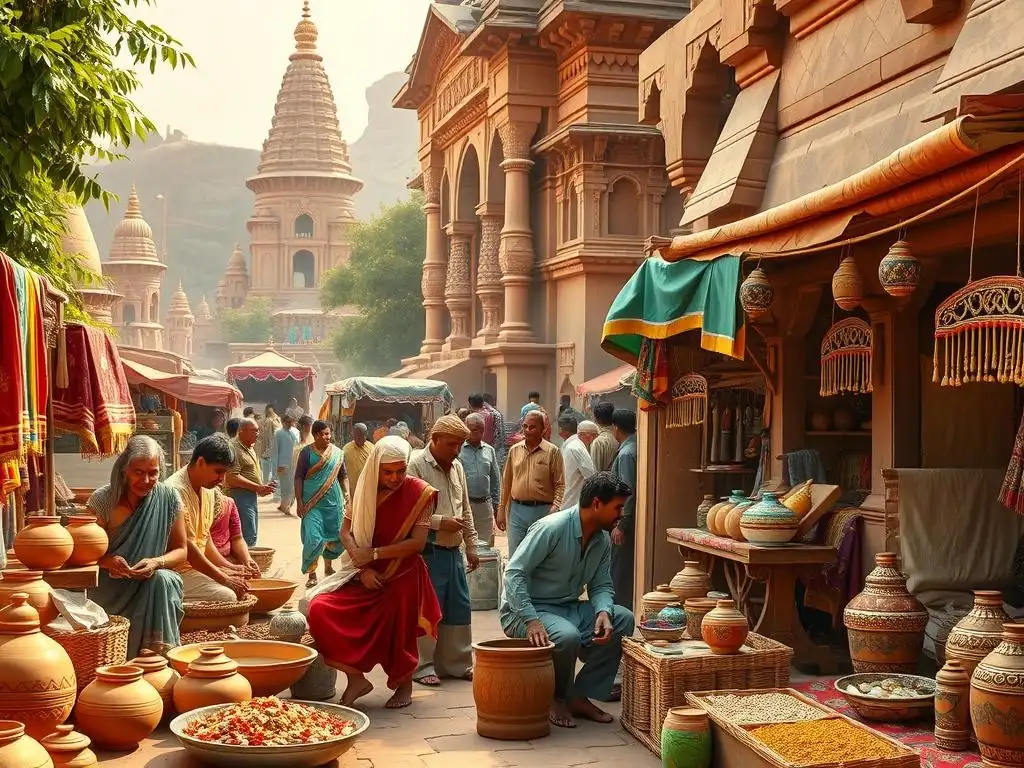
Welcome to Ancient India History, where we embark on a captivating journey through the rich tapestry of India's past. Today, we delve into the intricate web of Ancient Indian internal trade networks and uncover how these vital connections not only fueled the economy but also fostered a flourishing artistic landscape. What secrets lie within the bustling marketplaces of yore? How did trade shape the cultural heritage we cherish today? Join us as we explore these questions and more, igniting your curiosity about the remarkable contributions of ancient Indian civilizations. Your adventure into history begins now!
- Introduction to Ancient Indian Internal Trade Networks
- Historical Context of Trade in Ancient India
- The Influence of Internal Trade Networks on the Arts
- Types of Arts Supported by Internal Trade
- Case Studies of Artistic Development through Trade
- Challenges Faced by Artists in Ancient Trade Networks
- Conclusion: Legacy of Ancient Indian Internal Trade Networks in Arts
- References and Further Reading
-
Frequently Asked Questions
- What were the main internal trade networks in ancient India?
- How did internal trade contribute to the arts in ancient India?
- What role did cities play in the trade networks of ancient India?
- How did cultural exchange occur through these trade networks?
- What impact did the Gupta Empire have on internal trade and the arts?
- Final Reflection: The Enduring Legacy of Ancient Indian Internal Trade Networks
- Unleash Your Creativity: Dive into the Richness of Ancient Indian Arts!
Introduction to Ancient Indian Internal Trade Networks
Ancient Indian internal trade networks played a pivotal role in shaping the economic landscape and cultural fabric of the subcontinent. These networks facilitated the exchange of goods, ideas, and artistic expressions across diverse regions, linking bustling urban centers with rural hinterlands.
From the sophisticated trade routes established during the Indus Valley Civilization to the flourishing markets of the Gupta Empire, internal trade networks were essential in promoting economic growth and cultural exchange. This article delves into the intricate web of trade routes that supported the arts in ancient India, highlighting their significance in fostering creativity and innovation throughout the ages.
Overview of Internal Trade in Ancient India
The internal trade networks of ancient India were characterized by a complex system of routes that interconnected various regions. These routes facilitated the movement of a wide array of commodities, from textiles and spices to precious metals and artisanal crafts.
- Key Trade Centers:
- Taxila: Known for its educational institutions and trade in textiles.
- Varanasi: A hub for silk and religious artifacts.
- Pataliputra: The capital of the Mauryan Empire, it was a significant trading port.
The existence of these trade centers contributed to the development of regional economies, allowing artisans and merchants to thrive. The establishment of standardized weights and measures further streamlined trade processes, enhancing the efficacy of these networks.
Importance of Trade Networks for Economic Growth
The economic prosperity of ancient Indian civilizations can be largely attributed to their internal trade networks. These networks not only stimulated local economies but also fostered inter-regional commerce, which was crucial for resource distribution.
- Economic Benefits:
- Increased Access to Resources: Regions could obtain goods not locally available, promoting specialization.
- Wealth Accumulation: Trade led to the rise of merchant classes and the accumulation of wealth, which funded public works and artistic patronage.
- Job Creation: The demand for artisans, traders, and laborers surged due to increased trade activity, enhancing overall economic stability.
The intertwining of trade and economy in ancient India created a dynamic environment conducive to growth, allowing various sectors to flourish and evolve.
The Interconnection between Trade and the Arts
The interplay between internal trade networks and the arts in ancient India is profound and multifaceted. As goods moved along trade routes, so too did artistic ideas and cultural expressions.
- Influence on Artistic Styles:
- Cross-Cultural Exchanges: Trade brought together diverse groups, leading to a fusion of artistic traditions and styles.
- Patronage by Wealthy Merchants: The rise of affluent merchant classes contributed to the patronage of artists, resulting in the creation of exquisite sculptures, paintings, and textiles.
The arts flourished in this environment of exchange, with regions developing unique artistic identities while simultaneously embracing influences from neighboring cultures. The vibrant tapestry of ancient Indian art owes much to the robust internal trade networks that nurtured creativity and innovation.
Historical Context of Trade in Ancient India
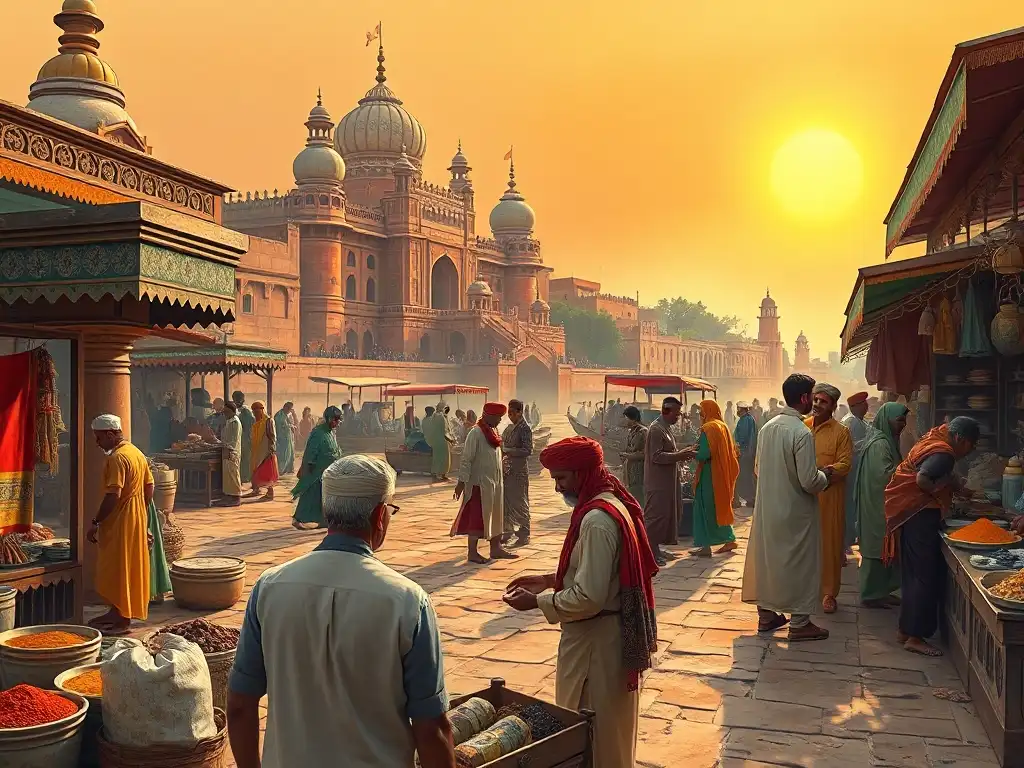
The internal trade networks of ancient India played a pivotal role in shaping the culture, economy, and artistic expressions of various civilizations. These networks emerged as early as the Indus Valley Civilization (circa 3300–1300 BCE), where evidence of organized trade and commerce can be traced through the discovery of standardized weights and measures, seals, and urban planning.
As these civilizations evolved, trade became more sophisticated, connecting regions and communities across the subcontinent. By the time of the Maurya Empire (circa 322–185 BCE) and later the Gupta Empire (circa 320–550 CE), India was not only a hub for internal trade but also a significant player in international trade, exporting goods such as textiles, spices, and precious stones.
The internal trade networks facilitated not just economic prosperity but also cultural exchanges, thereby enriching the artistic landscape of ancient India. With the movement of goods, ideas, and artisans, diverse art forms flourished, influenced by various regional styles and traditions.
Major Trade Routes and Their Significance
The trade routes of ancient India were extensive and varied, forming a complex web that interconnected different parts of the subcontinent. Some of the most significant routes included:
- North-South Trade Route: This route connected the northern plains with the southern Deccan plateau. It facilitated the movement of spices, textiles, and precious metals, stimulating the economy and supporting local artisans.
- East-West Trade Route: Running from the eastern regions of Bengal to the western coast of Gujarat, this route was crucial for the exchange of goods such as silk, rice, and ceramics. The flourishing trade along this route contributed to the rich cultural tapestry of the regions involved.
- Silk Route: Although primarily known for connecting China to the West, sections of the Silk Route traversed India, enabling the exchange of not just silk but also ideas, religions, and art forms. This cross-cultural interaction had a profound impact on Indian art and architecture.
These routes were significant for various reasons:
- Economic Growth: They enabled the efficient movement of goods, which stimulated local economies and contributed to wealth accumulation.
- Cultural Exchange: The routes facilitated the sharing of artistic styles, religious beliefs, and cultural practices, enriching the local traditions.
- Political Power: Control over these trade networks often translated into political power, as rulers sought to dominate trade routes to enhance their influence and revenue.
Key Cities and Trade Hubs in Ancient India
Several cities emerged as prominent trade hubs in ancient India, each contributing uniquely to the internal trade networks:
- Taxila: Located in present-day Pakistan, Taxila was a significant center for trade and education. It attracted merchants and scholars from various regions, facilitating a blend of cultures and ideas that influenced the arts.
- Pataliputra: The capital of the Maurya Empire, Pataliputra was strategically located at the confluence of major rivers, making it a bustling trade center. The city's prosperity supported various artistic endeavors, including sculpture and literature.
- Ujjain: Known for its astronomical observatory and as a trading post for textiles and spices, Ujjain played a crucial role in the internal trade networks of western India. The city's cultural vibrancy contributed to diverse artistic expressions.
- Kanchipuram: Renowned for its temples and silk production, Kanchipuram was a key player in the textile trade. The intricate designs of Kanchipuram silk sarees showcase the artistic achievements supported by the thriving trade.
These cities not only served as economic centers but also emerged as cultural melting pots, where artists and craftsmen exchanged ideas, leading to distinctive regional art forms.
The Role of Geography in Shaping Trade Networks
Geography played a critical role in the development of ancient Indian internal trade networks. The diverse landscapes, including mountains, rivers, and plains, influenced the routes taken by traders and the goods exchanged.
- Rivers: Major rivers like the Ganges, Indus, and Brahmaputra served as natural highways for transporting goods. River ports facilitated trade and the movement of artisans, contributing to the cultural exchange that enriched Indian arts.
- Mountain Passes: The Himalayas and the Western Ghats provided natural barriers but also important passes that connected different regions. These passes were vital for trade, allowing for the exchange of goods between the northern plains and the southern regions.
- Climate: The varying climates influenced the types of goods produced in different regions, which in turn shaped trade dynamics. For instance, the fertile plains of the Ganges were ideal for agriculture, leading to the trade of grains, while the coastal regions specialized in spices and seafood.
The geographical features of ancient India not only facilitated trade but also influenced the artistic expressions that emerged from different regions. The resulting cultural amalgamation contributed to the rich tapestry of ancient Indian art and heritage, showcasing the vital interconnection between trade and the arts.
The Influence of Internal Trade Networks on the Arts
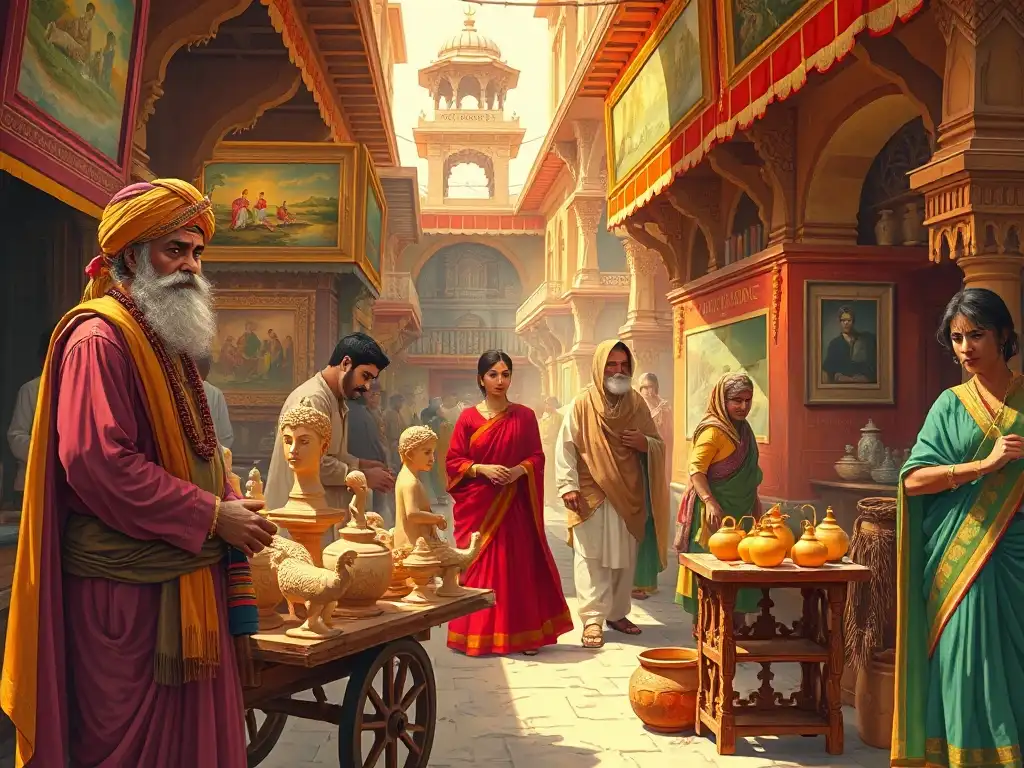
Economic Prosperity and Artistic Endeavors
The economic prosperity generated by ancient Indian internal trade networks played a pivotal role in fostering artistic endeavors across various regions. As trade flourished, cities became bustling centers of commerce, attracting artisans and merchants from diverse backgrounds. The availability of resources and wealth directly influenced the development of art forms, allowing artists to experiment with new techniques and materials.
For instance, the cities of Pataliputra and Taxila became prominent trade hubs, where goods like textiles, pottery, and metalwork were exchanged. This economic vibrancy not only provided artists with the means to create but also encouraged the patrons of art—wealthy merchants and rulers—who invested in cultural projects.
Moreover, the trade routes facilitated access to exotic materials such as precious stones, dyes, and metals, enriching the artistic landscape. Such economic conditions allowed for the emergence of intricate sculptures, vibrant paintings, and elaborate textiles, which reflected the aesthetic sensibilities of the time.
Patronage of Artists and Craftspersons through Trade
Patronage in ancient India was significantly influenced by the internal trade networks, with merchants and local rulers often commissioning artworks to adorn their homes and public spaces. This system of patronage created a symbiotic relationship between artists and their benefactors, where the success of the trade directly correlated with the flourishing of the arts.
The expansion of trade led to an increase in wealth among certain classes, particularly merchants and wealthy landowners. These patrons sought to showcase their prosperity through the commissioning of art, leading to the development of various art forms such as:
- Sculpture: Temples and public spaces were adorned with intricate carvings and statues, often depicting deities and mythological scenes.
- Mural Painting: As trade routes expanded, so did the exchange of ideas, leading to vibrant murals that illustrated cultural narratives.
- Textiles: The demand for luxurious textiles surged, prompting skilled weavers to create elaborate patterns and designs.
In this context, the Guilds of artisans emerged, organized groups of craftsmen who collaborated to produce high-quality goods. These guilds not only facilitated skill development but also ensured that artistic traditions were passed down through generations, maintaining the rich tapestry of Indian art.
Exchange of Ideas and Cultural Artistry
One of the most profound impacts of ancient Indian internal trade networks was the exchange of ideas and cultural artistry that transcended geographical boundaries. As traders traveled across regions, they carried not only goods but also stories, beliefs, and artistic techniques, which enriched local cultures.
The interaction between different cultures led to a cross-pollination of artistic styles and practices. For instance, the influence of Buddhist art, which traveled along trade routes, was assimilated into local traditions, resulting in the creation of unique styles that blended indigenous elements with foreign influences. This cultural synthesis is evident in the art of regions such as Gandhara, where Hellenistic styles merged with Indian motifs.
Furthermore, festivals and public gatherings organized around trade events served as platforms for artists to showcase their talents, fostering a vibrant cultural scene. These occasions not only promoted local art forms but also facilitated dialogues between various cultural groups, leading to the evolution of new artistic expressions.
The internal trade networks of ancient India acted as a catalyst for the arts, stimulating economic prosperity, encouraging patronage, and promoting the exchange of ideas that shaped the cultural landscape of the time. The intricate connections between trade and art underscore the significance of these networks in the development of ancient Indian civilization.
Types of Arts Supported by Internal Trade
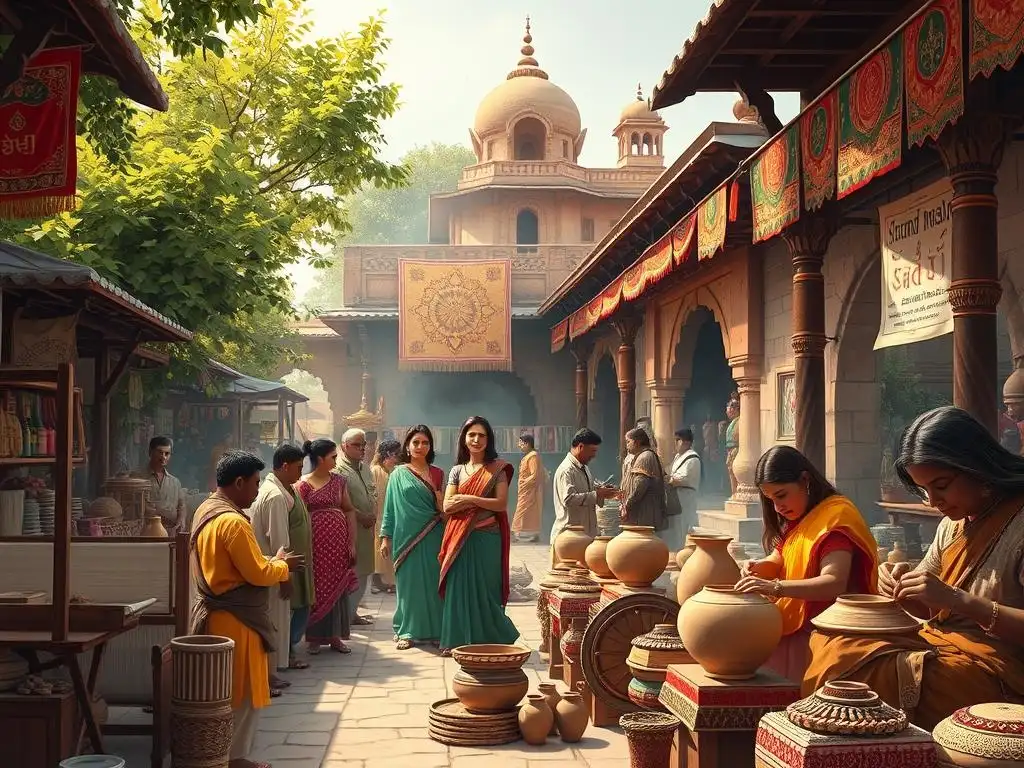
The internal trade networks of ancient India played a pivotal role in fostering various forms of artistic expression. These networks not only facilitated the exchange of goods but also allowed for the cross-pollination of ideas, styles, and techniques among different regions. This exchange significantly contributed to the richness of the arts in ancient Indian civilizations. Below, we explore the major types of arts that flourished under the influence of these vibrant trade networks.
Visual Arts: Sculpture and Painting
Ancient Indian internal trade networks significantly influenced the development of visual arts, particularly sculpture and painting. The exchange of materials such as marble, wood, and metal through these trade routes allowed artisans to experiment with new techniques and styles.
- Sculpture:
- The Indus Valley Civilization (c. 3300–1300 BCE) is renowned for its intricate terracotta figurines and stone sculptures. Trade with neighboring regions enabled access to diverse materials, which enhanced the craftsmanship.
- Later periods, such as the Maurya Empire and the Gupta Empire, saw the emergence of monumental stone carvings, particularly in sites like Ajanta and Ellora. These sculptures depicted religious themes and narratives, showcasing the influence of trade on cultural motifs.
- Painting:
- Internal trade facilitated the availability of different pigments and dyes, which were essential for painting. The Mughal period (16th to 18th century) is particularly noted for its exquisite miniatures that blended local styles with Persian influences, a result of the rich trade connections.
- Temples also served as canvases, where vibrant frescoes illustrated mythological tales, supported by the exchange of artistic ideas through trade.
Performing Arts: Music and Dance
The performing arts in ancient India, including music and dance, were deeply enriched by the dynamics of internal trade networks. The exchange of cultural practices and artistic techniques led to the evolution of various forms of performance.
- Music:
- The trade routes allowed musicians to share and adopt different instruments and genres. The veena and mridangam, for instance, were widely used in South India but gained popularity in other regions through trade interactions.
- The Bhakti movement in the medieval period, which emphasized devotional music, also benefited from the spread of ideas along trade routes, leading to the emergence of various regional styles.
- Dance:
- Different dance forms, such as Bharatanatyam and Kathak, evolved through the blending of local traditions and influences brought by traders and travelers.
- Festivals and public performances became integral to trade fairs, where diverse cultures converged, allowing for the exchange of dance styles and techniques.
Literature and Poetry: Flourishing under Economic Influence
The literary arts, encompassing both literature and poetry, thrived due to the economic stability provided by internal trade networks. The wealth generated through trade created an environment conducive to intellectual pursuits.
- Literature:
- The Sanskrit literary tradition experienced significant growth during periods of economic prosperity, particularly during the Gupta Empire (c. 240–550 CE). The flourishing of trade supported royal patronage of scholars, leading to the creation of masterpieces such as the Kumarasambhava by Kalidasa.
- Additionally, regional languages also gained prominence, with trade enabling the spread of literary works across different regions.
- Poetry:
- Poets often drew inspiration from the themes of commerce, prosperity, and the human experience, reflecting the socio-economic conditions of their times. The exchange of ideas made poetry a unifying force among various cultures.
- The Bhakti poets, for example, disseminated their works through trade networks, making spiritual and philosophical ideas accessible to a broader audience.
The internal trade networks of ancient India were instrumental in supporting and enriching the arts, leading to a dynamic cultural landscape that celebrated diversity and creativity. The interplay between trade and artistic expression not only defined the artistic heritage of ancient India but also laid the groundwork for future generations.
Case Studies of Artistic Development through Trade
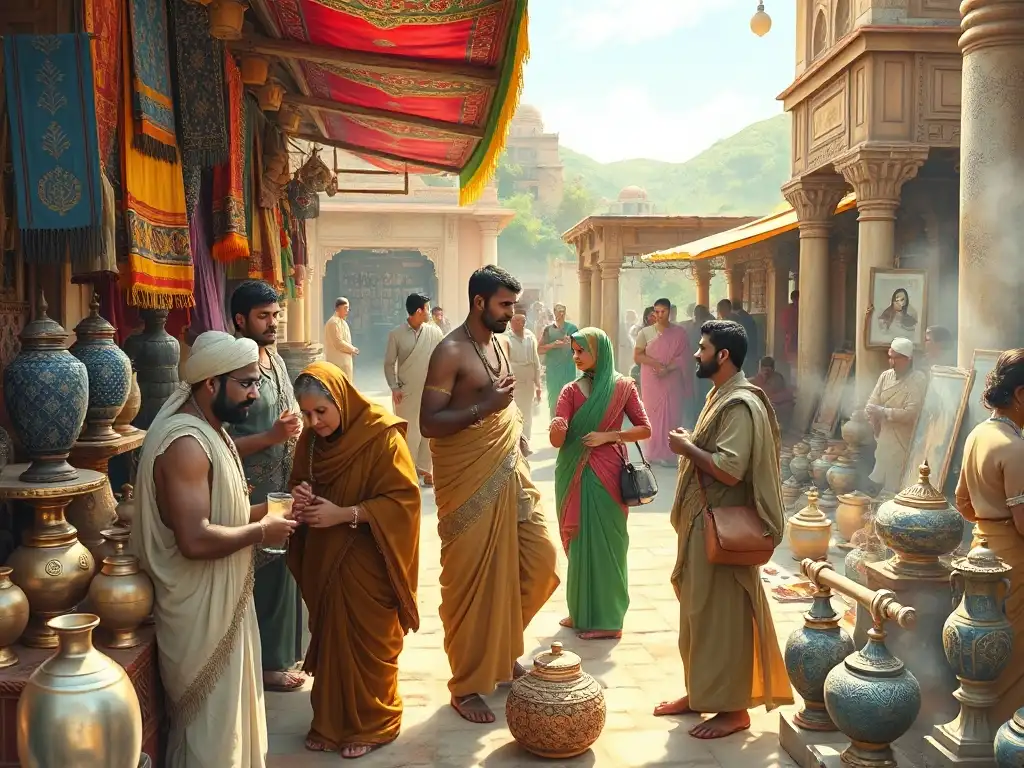
The interplay between internal trade networks and the arts in ancient India is exemplified through various case studies that illuminate how commerce fueled artistic innovation and cultural exchange. These networks not only facilitated the distribution of goods but also served as conduits for the flow of ideas, techniques, and artistic styles. Here, we explore significant instances where trade directly influenced the artistic landscape of ancient India.
Example of Varanasi and its Art Scene
Varanasi, one of the oldest inhabited cities in the world, has long been a hub of internal trade and cultural activity. The city's strategic location along the Ganges River enabled it to become a major trading post, attracting merchants and artisans alike.
- Silk Weaving: The famous Banarasi silk sarees are a prime example of how trade networks supported local craftsmanship. Traders sourced high-quality silk from regions like China and Persia, which local weavers then transformed into exquisite textiles adorned with intricate patterns and motifs.
- Cultural Exchange: Varanasi's art scene thrived due to the influx of diverse cultures through trade. This interaction led to the blending of styles, evident in the ornate carvings and sculptures that adorned temples and public spaces, often depicting deities and mythological scenes.
The thriving economy fostered by internal trade networks allowed for the patronage of artists and craftsmen, thereby enhancing the artistic richness of Varanasi.
Influence of Trade on Mughal Miniature Painting
The Mughal Empire, which flourished from the 16th to the 19th centuries, is renowned for its miniature paintings that encapsulate the grandeur of its court life and the vibrancy of its culture. Internal trade networks played a vital role in the development of this art form:
- Materials and Techniques: The trade of materials such as fine paper, pigments, and gold leaf was crucial for miniature painters. Artists sourced these materials from various parts of India and beyond, with specific regions known for their unique offerings, such as the vibrant colors from Gujarat.
- Artistic Styles: The movement of artists and artisans across the empire facilitated the exchange of ideas and styles. For instance, Persian influences permeated Mughal art through trade links with Persia, leading to a distinctive fusion of styles that characterized Mughal miniatures.
The patronage from Mughal emperors, who were keen on promoting the arts, further supported these developments, allowing for a flourishing of artistic expression that reflected the empire's wealth and cultural diversity.
Contributions of Raja Ravi Varma to the Cultural Landscape
Raja Ravi Varma, one of the most celebrated painters of the 19th century, exemplifies how internal trade networks contributed to the arts in ancient India:
- Fusion of Styles: Varma's work is notable for its synthesis of traditional Indian themes with European techniques. His exposure to various artistic styles through trade interactions allowed him to innovate within the realm of Indian painting, creating works that appealed to both local and colonial audiences.
- Commercial Success: The expansion of internal trade networks enabled Varma to distribute his prints widely, making his art accessible to a broader audience. His lithographs gained immense popularity, allowing him to influence the visual culture of India significantly.
- Cultural Identity: By portraying mythological figures and scenes from Indian epics, Varma played a pivotal role in shaping a modern Indian cultural identity, which resonated with the growing nationalism of his time.
The case studies of Varanasi, Mughal miniature painting, and Raja Ravi Varma illustrate the profound impact of ancient Indian internal trade networks on the arts. These networks not only facilitated the exchange of goods but also fostered cultural interactions that enriched the artistic landscape of ancient India.
Challenges Faced by Artists in Ancient Trade Networks
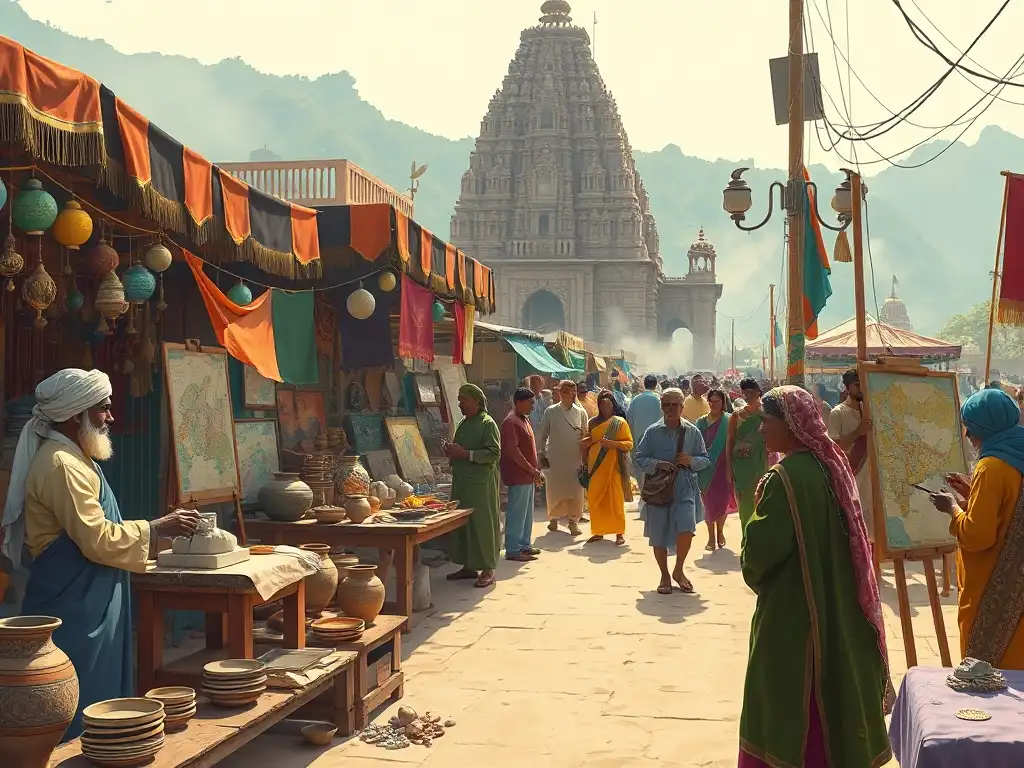
Economic Disparities and Access to Resources
In the vibrant tapestry of ancient Indian internal trade networks, artists encountered significant economic disparities that directly influenced their access to resources. Wealth was often concentrated in urban centers like Pataliputra and Taxila, where flourishing trade facilitated the growth of patronage for the arts. In contrast, rural areas struggled to provide artists with the materials and tools necessary for their craft.
- Material Availability: Artists dependent on specific materials, such as fine textiles or precious metals, faced challenges when these resources were scarce in their locality. For instance, silk artists in the eastern regions had to rely heavily on trade routes to access quality silk from the south.
- Patronage Systems: The patronage of wealthy merchants and rulers played a crucial role in sustaining artistic endeavors. Artists living in economically disadvantaged areas often lacked the support needed to develop their craft further. This disparity resulted in a regional imbalance in artistic development, with urban artists having more opportunities than their rural counterparts.
- Economic Fluctuations: Trade routes were subject to fluctuations due to various factors, including natural disasters and political changes. Such instability impacted the availability of resources, making it difficult for artists to maintain consistent production levels.
Competition and Market Saturation in Artistic Expressions
As the ancient Indian internal trade networks flourished, the proliferation of artistic expressions led to heightened competition among artists. While this competition spurred innovation, it also created challenges in market saturation.
- Diverse Artistic Styles: With trade facilitating the exchange of ideas, artists began to adopt and adapt various styles. This cultural amalgamation resulted in a rich diversity of artistic expressions, making it difficult for individual artists to stand out in a crowded marketplace.
- Price Wars: The influx of similar artworks led to fierce price competition, often forcing artists to lower their prices to attract buyers. This devaluation of artistic work sometimes led to compromises in quality, as artisans struggled to meet market demands without sacrificing their craft.
- Reputation and Branding: Artists who could establish a unique identity or brand often fared better in the competitive landscape. However, this required not only talent but also access to networks and resources that less fortunate artists might not possess, further entrenching economic disparities.
Political Instability and Its Impact on the Arts
Political dynamics significantly influenced the operations of the ancient Indian internal trade networks, with instability affecting the arts in multifaceted ways.
- Patronage Changes: Shifts in political power could lead to abrupt changes in patronage. When dynasties rose and fell, artists who had flourished under one ruler might find themselves without support under another. This inconsistency in patronage directly impacted the ability of artists to create and distribute their work.
- Trade Route Disruptions: Political unrest often led to disruptions in trade routes, which hindered the transportation of materials. For example, during periods of conflict, essential supplies might become unavailable, stifling artistic production and innovation.
- Censorship and Artistic Expression: In politically charged environments, censorship could become a significant barrier for artists. The portrayal of certain subjects or themes might be restricted, limiting the creative freedom that artists had historically enjoyed. This censorship often stifled the cultural commentary that the arts could provide, reducing their impact and relevance in society.
The challenges faced by artists within the framework of ancient Indian internal trade networks were complex and multifaceted. Understanding these challenges offers insights into the resilience and adaptability of artists who navigated a landscape shaped by economic disparities, competition, and political tensions.
Conclusion: Legacy of Ancient Indian Internal Trade Networks in Arts
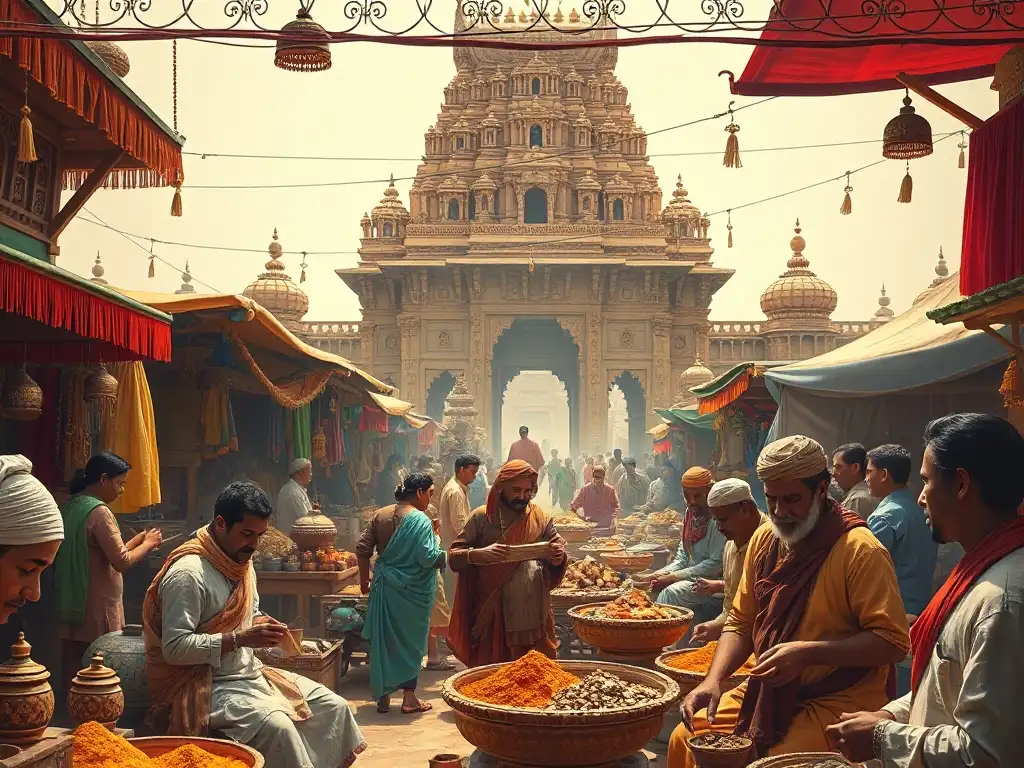
The internal trade networks of ancient India played a pivotal role in shaping the arts and culture of the region. By facilitating the exchange of goods, ideas, and artistic techniques across diverse regions, these networks not only enriched the local economies but also fostered a vibrant cultural dialogue. The interconnectedness brought about by trade allowed various artistic traditions to blend, leading to unique styles and innovations that characterized ancient Indian art forms.
One of the most significant outcomes of these trade networks was the emergence of art forms that reflected a synthesis of various cultural influences. For instance, the intricate craftsmanship of textiles from Gujarat combined with motifs from the Deccan plateau gave rise to unique regional styles that are still celebrated today. Additionally, the trade of materials such as gemstones, metals, and dyes contributed to the refinement of artistic techniques, enabling artisans to create more sophisticated and visually appealing works.
Lasting Impact on Indian Culture and Heritage
The legacy of ancient Indian internal trade networks extends beyond mere economic transactions; it significantly influenced the cultural landscape of the subcontinent. The spread of artistic practices through trade helped establish a shared cultural identity among diverse communities. This is particularly evident in the architectural marvels of ancient India, such as the intricate carvings of temples in Khajuraho and the grand stupas of Sanchi, which were often funded and adorned by local merchants who thrived on trade.
Furthermore, the preservation and evolution of ancient texts and manuscripts, often traded or shared among scholars, ensured that artistic knowledge and traditions were transmitted across generations. The patronage of art by wealthy merchants and traders led to the flourishing of various art forms, including sculpture, painting, and music, which became integral to the cultural heritage of India.
In contemporary times, this rich artistic legacy continues to inspire modern Indian art and crafts, proving that the influences of these ancient internal trade networks are deeply embedded in the cultural fabric of the nation.
Lessons Learned from Historical Trade Practices
Studying the internal trade networks of ancient India offers valuable insights into the socio-economic dynamics of historical societies. One key lesson is the importance of collaboration and exchange. Artisans, traders, and patrons worked together to create a thriving ecosystem that nurtured creativity and innovation. This model of cooperative engagement can serve as a blueprint for contemporary cultural initiatives, emphasizing the need for partnerships between artists, businesses, and communities to foster artistic growth.
Moreover, the adaptability of ancient trade practices highlights the significance of resilience in the face of changing circumstances. As trade routes evolved and external influences emerged, Indian artisans adapted their techniques and styles, showcasing their ability to incorporate new ideas while retaining their cultural identity. This adaptability is crucial for modern artists and creators, who must navigate a globalized world while preserving their unique heritage.
The ancient Indian internal trade networks not only supported the arts but also left a lasting imprint on the cultural and artistic landscape of India. By understanding these historical practices, contemporary society can draw lessons on collaboration, adaptability, and the importance of fostering cultural exchanges, ensuring that the rich legacy of ancient Indian arts continues to thrive.
References and Further Reading
Suggested Books on Ancient Indian Trade and Arts
-
"The Dawn of Indian Civilization" by Romila Thapar
This comprehensive book provides insights into the early trade practices and how they influenced the art and culture of ancient India. Thapar explores the socio-economic structure of ancient Indian societies, highlighting the role of internal trade networks in supporting artistic endeavors.
-
"Trade and Traders in Early India" by D. N. Jha
Jha's work delves into the internal trade networks of ancient India, examining the merchants' contributions to cultural exchanges and artistic developments. The book presents a detailed analysis of trade routes and their impact on various art forms.
-
"The Art of Ancient India: Buddhist, Hindu, Jain" by Susan L. Huntington and John C. Huntington
This book provides a rich visual and historical overview of ancient Indian art, discussing how trade networks facilitated the dissemination of artistic styles and techniques across regions.
-
"India: A History" by John Keay
Keay's narrative includes discussions on the evolution of trade across ancient India, providing context for how internal trade networks supported various cultural expressions, including the arts.
-
"The Silk Road: A New History" by Valerie Hansen
While primarily focused on the broader Silk Road, Hansen's book touches upon the connections between India and other cultures, illustrating how trade impacted art and culture in ancient India.
Articles and Research Papers for Further Exploration
-
"The Role of Trade in the Development of Indian Art"
This article examines specific instances where trade routes influenced artistic styles and the availability of materials, providing examples from various regions and periods in ancient India.
-
"Cultural Exchange and Internal Trade in Ancient India"
A scholarly exploration of how internal trade networks facilitated cultural exchanges, this paper highlights case studies that illustrate the interplay between commerce and artistic expression.
-
"Internal Trade Networks and Their Impact on the Gupta Empire"
This research paper discusses the flourishing of internal trade during the Gupta period and how it supported advancements in the arts, including literature, sculpture, and architecture.
-
"Artistic Patronage in Ancient Indian Trade Cities"
This article focuses on key trade cities in ancient India, analyzing how the wealth generated from trade led to significant artistic patronage and the development of unique art forms.
-
"Economic Factors Influencing Art in Ancient India"
An analysis of economic conditions, this paper discusses how prosperity from trade networks allowed for the flourishing of various art forms, from sculpture to textiles, revealing the connection between economy and creativity.
Frequently Asked Questions
What were the main internal trade networks in ancient India?
Ancient India had several internal trade networks that connected regions, such as the Silk Road and Grand Trunk Road, facilitating the exchange of goods, ideas, and culture.
How did internal trade contribute to the arts in ancient India?
Internal trade provided resources, such as materials and tools, which were essential for the development of arts like sculpture, painting, and textiles, fostering a rich cultural landscape.
What role did cities play in the trade networks of ancient India?
Cities served as commercial hubs where merchants gathered, facilitating trade and cultural exchange, thus promoting the arts and crafts unique to those regions.
How did cultural exchange occur through these trade networks?
Cultural exchange happened as traders and travelers shared ideas, artistic styles, and traditions, enriching the arts and leading to the emergence of new forms and techniques.
What impact did the Gupta Empire have on internal trade and the arts?
The Gupta Empire significantly enhanced internal trade through improved infrastructure and stability, which in turn led to a flourishing of the arts, making it a golden age in Indian history.
Final Reflection: The Enduring Legacy of Ancient Indian Internal Trade Networks
The intricate web of ancient Indian internal trade networks not only facilitated the exchange of goods but also served as a vital artery for cultural and artistic expression. Today, as we navigate a globalized world, the lessons from these historical trade routes remind us of the profound impact that commerce can have on the arts and culture. The flourishing of creativity in ancient India, fueled by trade, underscores the importance of connectivity and collaboration in fostering innovation and artistic endeavors.
The influence of these trade networks extends far beyond their historical context, shaping the cultural landscape of India and inspiring contemporary artists and thinkers. The exchange of ideas and artistic techniques through these routes created a rich tapestry of cultural heritage that continues to resonate in modern art forms. As the poet Rabindranath Tagore once said, "> The highest education is that which does not merely give us information but makes our life in harmony with all existence." This harmony, cultivated through trade and interaction, remains a cornerstone of India's artistic identity.
As we reflect on the lessons of ancient Indian internal trade networks, let us embrace the spirit of collaboration and openness in our own lives. Consider how you can foster connections within your community, support local artists, and engage in cultural exchanges that enrich your understanding of the world. By doing so, we not only honor the legacy of our ancestors but also contribute to a vibrant cultural future that celebrates diversity and creativity.
Unleash Your Creativity: Dive into the Richness of Ancient Indian Arts!
Thank you for exploring the fascinating intersection of internal trade and the arts in ancient India! You've uncovered how these vibrant networks not only enriched artistic expression but also fostered cultural connections. Now, it's your turn to bring that inspiration to life!
Here are a few steps to keep the creative flow going:
- Start your own art project inspired by the styles or themes from ancient Indian arts. Whether it's painting, sculpting, or crafting, let your creativity reflect the cultural richness you've discovered!
- Share your insights with friends or on social media! Discuss how trade influenced cultural development, or showcase your art pieces and tag us at @ancientindiahistory to connect with a community captivated by this rich history.
- Explore more! Visit local museums that feature ancient Indian art or delve deeper into the cultural heritage that thrived through trade networks.
What aspect of ancient Indian creativity inspires you the most, and how will you express it in your own work?