
The Philosophical Foundations of Yoga: Insights from Ancient Texts

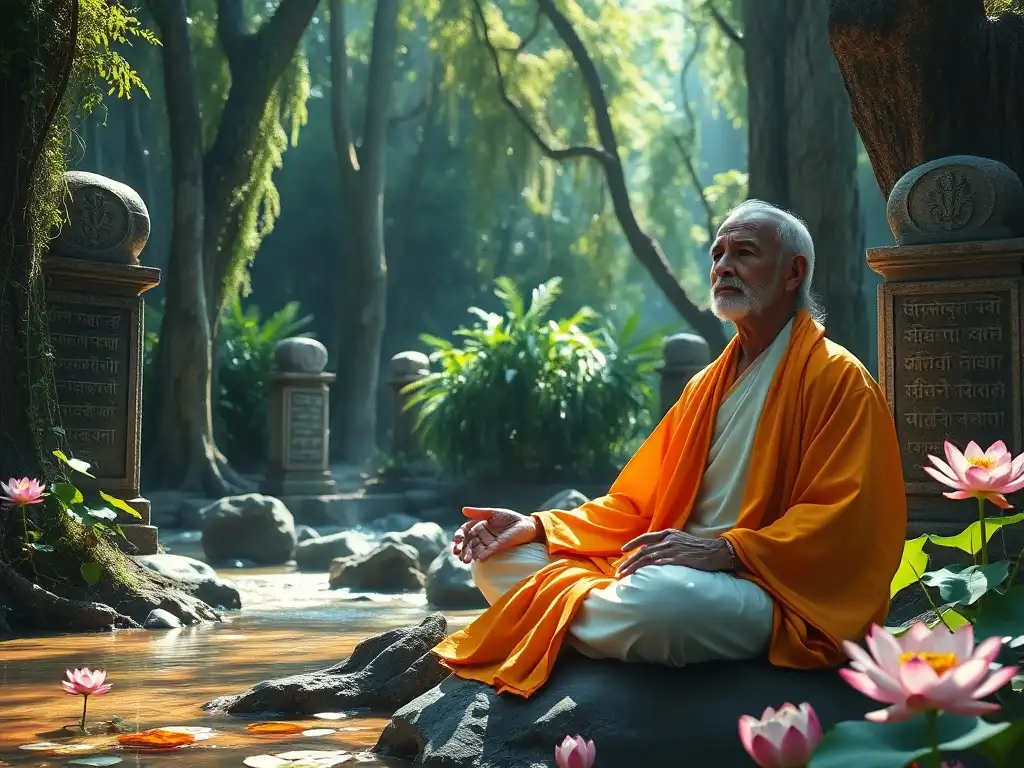
Welcome to Ancient India History, where we embark on an enlightening journey through the tapestry of time, exploring the rich and diverse contributions of ancient Indian civilizations. In this captivating realm of knowledge, we invite you to delve into our featured article, "The Philosophical Foundations of Yoga: Insights from Ancient Texts," which unveils the profound Philosophy of Yoga in Ancient India. Discover how the wisdom of the ancients continues to resonate in today's world, sparking curiosity and inspiring a deeper understanding of wellness and spirituality.
Are you ready to uncover the secrets that lie within these ancient teachings? Let's dive in!
- Introduction to the Philosophy of Yoga in Ancient India
- Key Texts in the Philosophy of Yoga
- Major Schools of Thought in the Philosophy of Yoga
- The Role of Meditation in Ancient Indian Yoga Philosophy
- The Interconnection of Yoga, Philosophy, and Ancient Indian Culture
- Modern Interpretations of Ancient Yoga Philosophy
- Conclusion: The Enduring Legacy of the Philosophy of Yoga in Ancient India
- Recommended Resources for Further Exploration
-
Frequently Asked Questions
- What is the Philosophy of Yoga in Ancient India?
- How did ancient texts contribute to the understanding of Yoga?
- What are the main schools of thought related to Yoga in ancient Indian philosophy?
- How did the Indus Valley Civilization influence the later development of Yoga?
- What role did the Gupta Empire play in the evolution of Yoga philosophy?
- Final Reflection: Embracing the Philosophy of Yoga in Ancient India
- Unveil the Wisdom of Yoga: Take Action Today!
Introduction to the Philosophy of Yoga in Ancient India
The Philosophy of Yoga in Ancient India is a profound and intricate subject that delves into the spiritual, ethical, and metaphysical frameworks that shaped the practice of yoga as we know it today. Rooted in a rich tapestry of historical narratives, ancient texts, and cultural practices, this philosophy embodies the essence of human aspiration for self-realization and enlightenment. From the Indus Valley Civilization to the Gupta Empire, yoga evolved not merely as a physical discipline but as a comprehensive system integrating mind, body, and spirit.
In exploring this multifaceted domain, we uncover insights from ancient scriptures such as the Yoga Sutras of Patanjali, the Bhagavad Gita, and various Upanishads, each contributing uniquely to the understanding and practice of yoga. These texts serve not only as philosophical treatises but also as guides for ethical living and spiritual exploration. As we embark on this journey to understand the philosophical foundations of yoga, we will examine its historical context and the importance of ancient texts in shaping its enduring legacy.
Understanding the Historical Context of Yoga
The historical context of yoga is pivotal in grasping its philosophical underpinnings. The origins of yoga can be traced back to the Indus Valley Civilization around 2500 BCE, where archaeological evidence suggests early practices resembling yoga. However, it was during the Vedic period that yoga began to take shape as a spiritual discipline, with early texts emphasizing rituals and meditation as pathways to connect with the divine.
- Vedic Texts: The Vedas, particularly the Rigveda, contain references to meditative practices and concepts integral to yoga. They laid the groundwork for later philosophical developments.
- Upanishadic Influence: The Upanishads, composed between 800 and 400 BCE, introduced profound philosophical ideas, such as Brahman (the ultimate reality) and Atman (the individual soul), which became central to yoga philosophy.
- Buddhism and Jainism: The emergence of Buddhism and Jainism around the 6th century BCE contributed significantly to the evolution of yoga, incorporating concepts of mindfulness, ethical conduct, and liberation.
As the centuries progressed, various schools of thought, including Samkhya and Advaita Vedanta, further enriched the philosophical discourse surrounding yoga, establishing it as a comprehensive approach to understanding human existence and the cosmos.
Importance of Ancient Texts in Yoga Philosophy
Ancient texts are indispensable for comprehending the philosophy of yoga, as they encapsulate the wisdom and teachings that have guided practitioners for millennia. These texts serve as both historical documents and philosophical frameworks that continue to inform contemporary practices.
- The Yoga Sutras of Patanjali: This seminal work, composed around the 2nd century BCE, systematically outlines the eight limbs of yoga (Ashtanga) and offers insights into the nature of the mind, consciousness, and the path to liberation. Its aphoristic style allows for deep interpretation and application in various contexts.
- The Bhagavad Gita: A philosophical dialogue set in the context of a great war, this text addresses the ethical dilemmas of action and duty, emphasizing the importance of devotion and selfless action (Karma Yoga) as pathways to spiritual awakening.
- The Upanishads: These texts present profound philosophical ideas about the nature of reality and the self, highlighting the interconnectedness of all beings and the pursuit of knowledge as a means to transcend suffering.
- Hatha Yoga Pradipika: This 15th-century text focuses on the physical aspects of yoga, detailing postures (asanas), breathing techniques (pranayama), and the importance of a disciplined lifestyle.
By studying these ancient texts, we gain not only historical insight but also practical wisdom that informs our understanding of yoga as a holistic discipline, nurturing both the body and the spirit. As we delve deeper into the philosophical foundations of yoga, we will uncover the timeless teachings that continue to resonate in our pursuit of wellness and self-discovery.
Key Texts in the Philosophy of Yoga

The philosophy of yoga in ancient India is richly documented in various foundational texts. These texts provide profound insights into the principles, practices, and spiritual dimensions of yoga. The two most significant texts that shape the philosophy of yoga are the Upanishads and the Bhagavad Gita. Each of these works contributes unique perspectives and teachings that continue to resonate in contemporary yoga practices.
The Upanishads: Foundations of Yoga Thought
The Upanishads, a collection of philosophical treatises composed between 800 and 400 BCE, mark a pivotal moment in the evolution of Indian philosophy. They explore the nature of reality, the self (Atman), and the ultimate truth (Brahman), laying the groundwork for many yoga philosophies.
Key Concepts in the Upanishads
The Upanishads introduce several key concepts that are integral to understanding the philosophy of yoga:
- Atman: The true self, which is eternal and beyond physical existence.
- Brahman: The ultimate reality or universal consciousness that underlies all existence.
- Moksha: The liberation from the cycle of birth and rebirth (samsara), achieved through self-realization and unity with Brahman.
These texts emphasize meditation (dhyana) as a means to realize the self and attain liberation. The practice of yoga is articulated as a pathway to understanding the relationship between Atman and Brahman, promoting a holistic view of existence that transcends the physical realm.
Influence on Modern Yoga Practices
The teachings of the Upanishads have significantly influenced modern yoga practices by emphasizing the importance of meditation and self-awareness. Contemporary yoga often incorporates elements derived from these ancient texts, such as mindfulness, ethical living (Yamas and Niyamas), and the pursuit of spiritual knowledge. The focus on inner exploration and self-discovery in modern yoga can be traced back to these foundational texts, which advocate for a deep connection between the practitioner and the cosmos.
The Bhagavad Gita: A Philosophical Guide to Yoga
The Bhagavad Gita, composed around the 2nd century BCE, is another critical text in the philosophy of yoga. Set in the context of a dialogue between Prince Arjuna and Lord Krishna, it presents profound teachings on duty, righteousness, and the various paths of yoga.
The Concept of Dharma and Its Relation to Yoga
Dharma, or one's duty and ethical obligation, is a central theme in the Bhagavad Gita. Krishna advises Arjuna to fulfill his dharma as a warrior, emphasizing that adherence to one's duty is essential for spiritual growth. This concept is intrinsically linked to the philosophy of yoga, as it underscores the importance of action (karma) in the pursuit of spiritual enlightenment.
- Karma Yoga: The path of selfless action, where one performs their duties without attachment to the results.
- Bhakti Yoga: The path of devotion, encouraging practitioners to cultivate a deep love and surrender to the divine.
- Jnana Yoga: The path of knowledge, focused on the pursuit of wisdom and understanding of the self.
These paths provide a comprehensive framework for understanding the different approaches to yoga, illustrating how one can achieve spiritual realization through various means, depending on their nature and inclinations.
The Paths of Yoga: Karma, Bhakti, and Jnana
Each path outlined in the Bhagavad Gita offers a distinct approach to yoga practice:
- Karma Yoga: Encourages practitioners to engage in their daily responsibilities and actions with a spirit of selflessness and dedication, fostering a sense of purpose and connection to the universe.
- Bhakti Yoga: Centers around devotion to a personal deity or the divine, promoting emotional connection and spiritual fulfillment through love and worship.
- Jnana Yoga: Focuses on the intellectual pursuit of knowledge, emphasizing meditation and contemplation to gain insight into the nature of the self and reality.
These paths highlight the diversity within the philosophy of yoga, allowing practitioners to choose a path that aligns with their individual dispositions and goals. The teachings of the Bhagavad Gita continue to inspire and guide yoga practitioners in their spiritual journeys today.
The Yoga Sutras of Patanjali: A Systematic Approach to Yoga Philosophy
The Yoga Sutras of Patanjali, composed around the second century BCE, stand as one of the most significant texts in the philosophy of yoga. This foundational work outlines a systematic framework for understanding and practicing yoga, emphasizing not just the physical aspects but also the mental and philosophical dimensions. The text is composed of 195 aphorisms (sutras) that guide practitioners in their spiritual journey.
Patanjali’s approach is notable for its clarity and precision, breaking down complex concepts into digestible insights. He introduces the concept of yoga as a means to achieve kaivalya, or liberation, through the cessation of mental fluctuations ( chitta vritti nirodha). The Yoga Sutras serve as a guide for both individual practice and philosophical inquiry, bridging the gap between theory and practice.
Overview of the Eight Limbs of Yoga (Ashtanga)
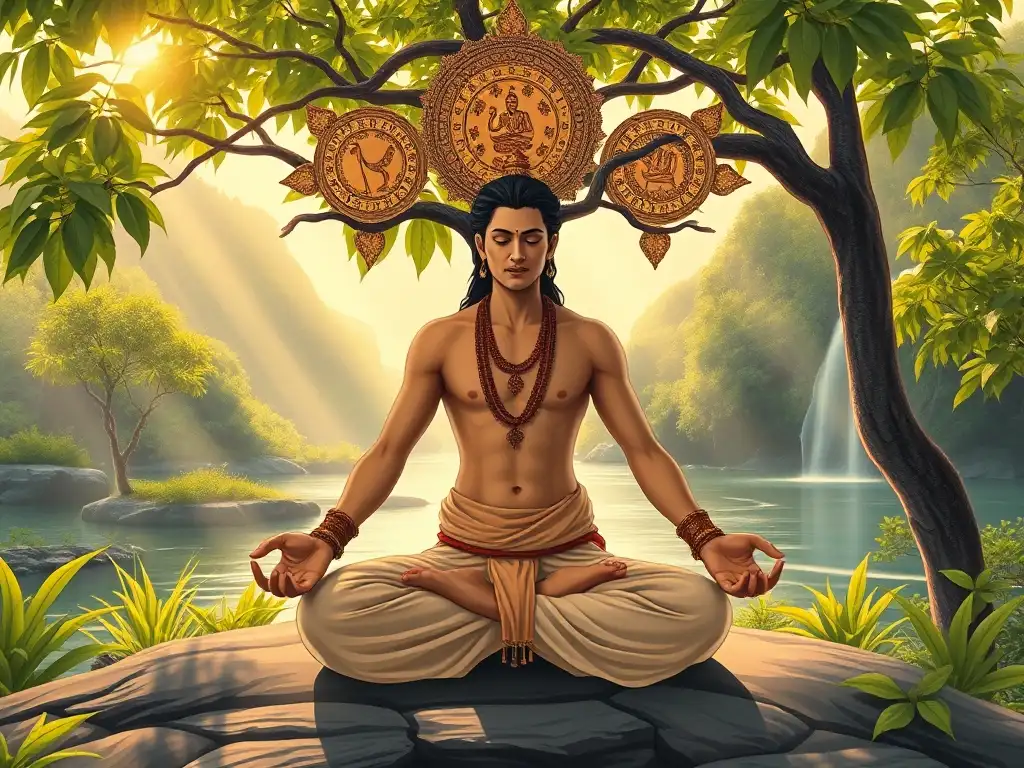
One of the most essential contributions of the Yoga Sutras is the delineation of the Eight Limbs of Yoga, known as Ashtanga. Each limb represents a step in the holistic practice of yoga, guiding individuals towards self-realization. The eight limbs are as follows:
- Yama: Ethical standards and moral values which include non-violence ( ahimsa), truthfulness ( satya), and non-stealing ( asteya).
- Niyama: Personal observances such as purity ( saucha), contentment ( santosha), and self-discipline ( tapas).
- Asana: The physical postures practiced to prepare the body for meditation.
- Pranayama: Breath control techniques that influence the energy within the body.
- Pratyahara: Withdrawal of the senses, allowing for introspection and focus on internal experiences.
- Dharana: Concentration, the practice of focusing the mind on a single point to deepen awareness.
- Dhyana: Meditation, where the practitioner engages in sustained concentration, leading to a state of flow and deeper understanding.
- Samadhi: The culmination of yoga practice, where one experiences union with the divine or ultimate reality, characterized by bliss and self-realization.
These eight limbs provide a comprehensive framework that integrates ethical, physical, and mental practices, reflecting the holistic nature of the philosophy of yoga in ancient India.
The Role of Meditation in Yoga Philosophy
Meditation is a central theme in the philosophy of yoga, particularly as outlined in the Yoga Sutras. Patanjali emphasizes the importance of meditation ( dhyana) as a vital tool for achieving clarity of mind and inner peace. It is through meditation that practitioners can transcend the distractions of the external world and explore the depths of consciousness.
In the context of the Eight Limbs of Yoga, meditation arises after mastering concentration ( dharana). While concentration is the practice of focusing on a single object, meditation expands this focus to include a broader awareness of the self and the universe. The process of meditation leads to heightened awareness, allowing practitioners to observe their thoughts and emotions without attachment.
The ultimate goal of meditation in yoga philosophy is to attain samadhi, where the meditator experiences a profound connection with the universal consciousness. This state is marked by deep insight, tranquility, and liberation from the cycles of suffering. Thus, meditation is not merely a practice but a transformative journey towards understanding the self and achieving spiritual liberation, encapsulating the essence of the philosophy of yoga in ancient India.
Major Schools of Thought in the Philosophy of Yoga
The philosophy of yoga in ancient India is deeply rooted in various schools of thought that have significantly influenced its practice and understanding. By examining these schools, we can gain insights into how yoga transcended physical exercise to become a profound spiritual and philosophical discipline. Here, we delve into three major schools: Vedanta, Samkhya, and Tantra.
Vedanta: The Ultimate Reality and Yoga
Vedanta, derived from the Upanishads, emphasizes the understanding of the ultimate reality, Brahman, and the relationship between the individual soul (Atman) and this universal consciousness. The teachings of Vedanta focus on self-realization and the liberation of the soul through knowledge and meditation.
- Key Concepts:
- Brahman: The ultimate reality, unchanging and infinite.
- Atman: The individual self, which is considered a reflection of Brahman.
- Moksha: The liberation from the cycle of birth and death (samsara), achieved through self-knowledge.
- Yoga Practices:
- Jnana Yoga: The path of knowledge, involving study and contemplation of sacred texts.
- Bhakti Yoga: The path of devotion, which cultivates love and surrender to a personal deity.
- Influence on Yoga:
- The Vedantic perspective encourages practitioners to seek unity with the divine through introspection and deep meditation, forming the philosophical backbone of many yoga practices today.
Samkhya: The Dualistic Approach to Existence
Samkhya, one of the six orthodox schools of Indian philosophy, presents a dualistic framework that distinguishes between the purusha (consciousness) and prakriti (matter). This school is foundational to many yogic practices, offering a systematic approach to understanding the nature of reality and existence.
- Key Concepts:
- Purusha: The eternal, unchanging consciousness that experiences life.
- Prakriti: The material world, which is dynamic and ever-changing.
- Gunadras: The three fundamental qualities (sattva, rajas, and tamas) that influence human behavior and mental states.
- Yoga Practices:
- Ashtanga Yoga: A structured practice that emphasizes the eight limbs of yoga, focusing on ethical precepts, physical postures, and meditation.
- Meditative Techniques: Practices aimed at transcending the duality of purusha and prakriti, fostering a deeper understanding of self.
- Influence on Yoga:
- Samkhya's dualistic viewpoint encourages practitioners to recognize the distinction between their true self and the external material world, guiding them towards greater self-awareness and mindfulness.
Tantra: Integrating Spirituality and Physicality in Yoga
Tantra represents a holistic approach that integrates the physical, spiritual, and energetic aspects of existence. Often misunderstood as merely ritualistic, Tantra emphasizes transformation and awakening through various practices, including yoga, meditation, and rituals.
- Key Concepts:
- Shakti: The divine feminine energy that is essential for spiritual awakening.
- Chakras: Energy centers in the body that correspond to various physical, emotional, and spiritual states.
- Kundalini: The coiled energy at the base of the spine, which can be awakened through dedicated practice.
- Yoga Practices:
- Hatha Yoga: Focuses on the physical aspect of yoga, preparing the body for spiritual practices.
- Rituals and Mantras: Use of sound and intention to elevate consciousness and connect with higher energies.
- Influence on Yoga:
- The Tantric approach emphasizes the importance of integrating spiritual practices with physical movements, fostering a more profound connection between body, mind, and spirit. This holistic perspective is essential in contemporary yoga practices that prioritize both physical health and spiritual growth.
By exploring these major schools of thought in the philosophy of yoga, we uncover the rich and diverse intellectual heritage that has shaped the practice of yoga in ancient India. Each school contributes unique insights and methodologies, enriching the understanding and experience of yoga as more than just a physical discipline, but as a profound journey towards self-realization and spiritual enlightenment.
The Role of Meditation in Ancient Indian Yoga Philosophy
Meditation plays a pivotal role in the philosophy of yoga in ancient India, serving as a fundamental practice that aligns the mind, body, and spirit. Ancient Indian texts emphasize meditation as a means to attain higher states of consciousness, inner peace, and self-realization. This practice is deeply intertwined with the philosophical foundations of yoga, where it acts as both a tool for personal transformation and a pathway to understanding the universe.
At the core of ancient Indian yoga philosophy, meditation is viewed as an essential component of spiritual development. The practice is not merely about quieting the mind; it involves a deep engagement with one's inner self and the cosmos. Key texts, such as the Yoga Sutras of Patanjali and the Bhagavad Gita, articulate the significance of meditation as a means to transcend the limitations of the ego and achieve a state of enlightenment.
Types of Meditation Practices in Ancient India
Ancient Indian yoga philosophy encompasses a variety of meditation practices, each with its unique focus and methodologies. Some prominent types include:
- Dhyana (Meditative Absorption):
- Description: Dhyana is a state of focused concentration where practitioners engage deeply with their chosen object of meditation, leading to a profound sense of unity with it.
- Goal: To maintain a steady flow of awareness and to experience the interconnectedness of all existence.
- Samadhi (Transcendental State):
- Description: Samadhi represents the culmination of meditation, where the practitioner transcends the self and experiences a state of blissful union with the divine or the ultimate reality.
- Goal: Achieving liberation (moksha) and realizing one's true nature.
- Mantra Meditation:
- Description: Involves the repetition of sacred sounds or phrases (mantras) to focus the mind and elevate spiritual consciousness.
- Goal: To harness the vibrational power of sound to create spiritual transformation and inner peace.
- Pranayama (Breath Control):
- Description: Though primarily a practice of breath regulation, pranayama is often integrated with meditation to enhance mental clarity and deepen meditative states.
- Goal: To control the life force (prana) and prepare the mind for deeper meditation.
- Guided Visualization:
- Description: Practitioners visualize specific images or scenarios as a focus for meditation, often drawing from mythological or spiritual themes.
- Goal: To cultivate a sense of connection to spiritual dimensions and inner wisdom.
Benefits of Meditation as Described in Ancient Texts
The ancient texts of India articulate numerous benefits of meditation, both physical and psychological. These benefits include:
- Mental Clarity: Meditation enhances cognitive functions, allowing for improved focus, memory, and decision-making abilities. The Yoga Sutras emphasize the importance of a clear mind for spiritual growth.
- Emotional Stability: Regular meditation practice helps regulate emotions, reducing anxiety and stress. The Bhagavad Gita highlights the calming effects of meditation in overcoming emotional turmoil.
- Spiritual Awakening: Ancient texts suggest that meditation is a pathway to self-realization and understanding one's place in the universe. Through meditation, practitioners can experience profound spiritual insights and connect with the divine.
- Physical Health: Meditation has been linked to various health benefits, including lower blood pressure, improved immunity, and enhanced overall well-being. These aspects are reflected in the holistic approach of yoga, where the body and mind are seen as interconnected.
- Enhanced Awareness: Meditation fosters a heightened sense of awareness, enabling individuals to perceive reality more clearly. This expanded consciousness is a recurrent theme in ancient philosophical discussions on the nature of existence.
Meditation is a cornerstone of the philosophy of yoga in ancient India, offering a diverse array of practices and profound benefits that contribute to personal and spiritual development. Through the teachings of ancient texts, the significance of meditation continues to resonate in contemporary yoga practice, highlighting its enduring relevance in the quest for holistic well-being.
The Interconnection of Yoga, Philosophy, and Ancient Indian Culture
The interconnection of Yoga and philosophy in ancient Indian culture is a profound aspect that has shaped spiritual and physical practices for centuries. Ancient India, with its rich tapestry of philosophical thought, laid the groundwork for the development of Yoga as both a physical discipline and a spiritual practice. This relationship is evident in the foundational texts, cultural practices, and the prevailing worldview of the time, which emphasized harmony, balance, and the pursuit of higher knowledge.
How Yoga Reflects the Values of Ancient Indian Civilization
Yoga, as a practice, embodies the core values and principles of ancient Indian civilization, deeply rooted in concepts like dharma (duty/righteousness), karma (action), and moksha (liberation). These values not only guided individual behavior but also shaped social structures and cultural norms.
-
Dharma and Ethical Living:
The concept of dharma is pivotal in understanding Yoga's ethical framework. Ancient texts like the Bhagavad Gita illustrate the importance of fulfilling one's duties with detachment and equanimity. Practicing Yoga helps individuals align their actions with their dharma, fostering a sense of responsibility and ethical living.
-
Karma and Intentional Action:
In ancient Indian philosophy, karma emphasizes the significance of intention behind actions. Yoga encourages mindfulness and awareness, which are essential for cultivating positive karma. Through practices such as asanas (postures) and meditation, practitioners learn to act with intention, ultimately influencing their life trajectory.
-
Moksha and Spiritual Liberation:
The ultimate goal of Yoga is often considered to be moksha, or liberation from the cycle of birth and rebirth. Ancient Indian sages and philosophers, such as Patanjali, articulated pathways—like the Eight Limbs of Yoga—that facilitate this spiritual journey. The importance of self-realization and connection to the divine reflects the quest for higher understanding prevalent in ancient Indian culture.
In essence, Yoga serves not only as a physical practice but also as a means to embody the philosophical ideals of ancient India, fostering a sense of interconnectedness with the universe and encouraging the pursuit of spiritual growth.
The Influence of Ancient Philosophy on Modern Yoga Practices
The philosophy of Yoga in ancient India has profoundly influenced contemporary practices, shaping how Yoga is taught and understood today. Modern Yoga often draws from the rich philosophical traditions and texts, making ancient wisdom accessible to a global audience.
-
Integration of Philosophy in Practice:
Many modern Yoga studios incorporate elements of ancient philosophy into their classes, emphasizing the importance of mental clarity, ethical behavior, and spiritual growth. Teachers often reference texts like the Yoga Sutras of Patanjali and the Hatha Yoga Pradipika to illustrate the philosophical underpinnings of the poses and breathing techniques.
-
Mindfulness and Meditation:
The emphasis on mindfulness as a key component of modern Yoga can be traced back to ancient practices. Techniques such as dhyana (meditation) were essential for achieving self-awareness and inner peace. Today, many practitioners utilize mindfulness principles to enhance their physical practice and cultivate a deeper connection with themselves.
-
Holistic Health Approach:
Ancient Indian philosophy viewed the individual as a holistic entity—integrating body, mind, and spirit. This perspective has permeated modern Yoga, where practitioners are encouraged to embrace a comprehensive approach to health that includes physical fitness, mental well-being, and spiritual awareness.
The philosophical foundations of Yoga in ancient India continue to resonate in modern practices, bridging the past with the present. By integrating these timeless principles, contemporary Yoga not only promotes physical health but also fosters a deeper understanding of self and the universe, enriching the spiritual journey of practitioners worldwide.
Modern Interpretations of Ancient Yoga Philosophy
How Contemporary Yoga Practices Align with Ancient Teachings
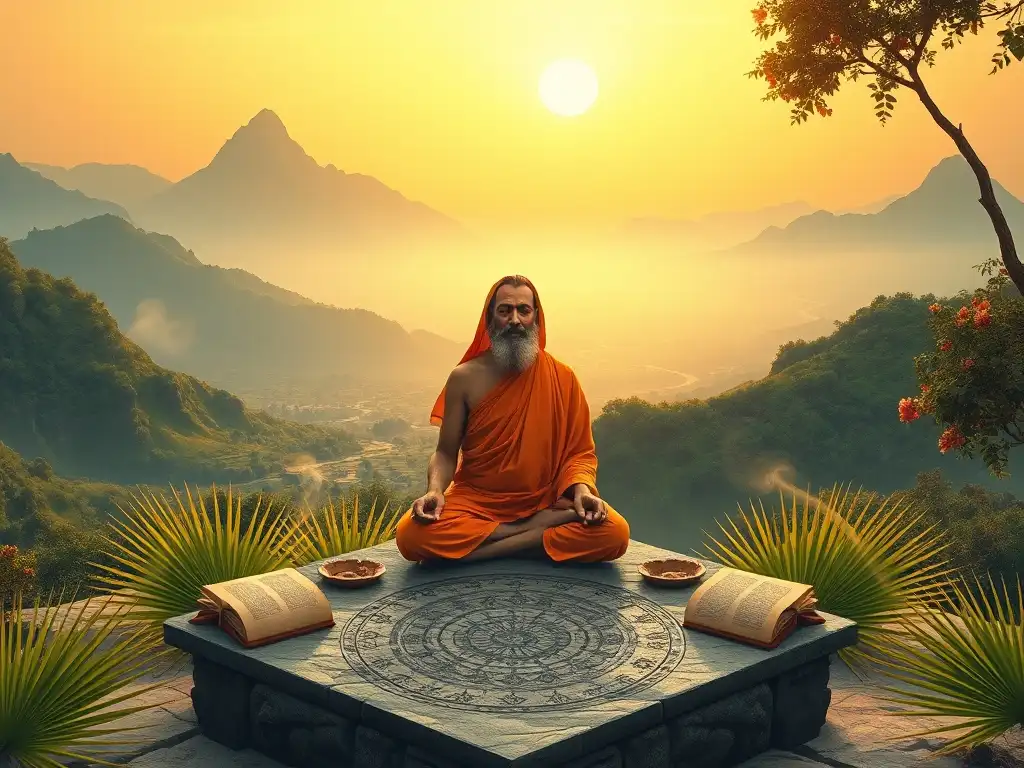
Contemporary yoga practices have evolved significantly from their ancient roots, yet many foundational elements remain intact. The Philosophy of Yoga in Ancient India primarily stems from texts such as the Yoga Sutras of Patanjali, the Bhagavad Gita, and the Upanishads. These texts emphasize the importance of mental discipline, ethical conduct, and spiritual insight, which continue to resonate in modern yoga practices.
- Asana and Pranayama:
- While modern yoga often emphasizes physical postures (asanas) and breathing techniques (pranayama) for fitness, ancient texts focused on these practices as tools for spiritual growth and self-realization.
- For example, the Yoga Sutras describe asana as a means to achieve steadiness and comfort, enabling practitioners to meditate effectively.
- Ethical Foundations:
- The Yamas (ethical restraints) and Niyamas (observances) outlined in the Yoga Sutras serve as moral guidelines that modern yogis often incorporate into their practices.
- These principles promote a holistic approach to yoga that transcends mere physical exercise, emphasizing compassion, truthfulness, and self-discipline.
- Meditative Practices:
- Ancient yoga placed a strong emphasis on meditation (dhyana) as a means of attaining higher states of consciousness.
- Today, many yoga studios integrate mindfulness and meditation into their classes, reflecting the ancient understanding of the mind-body connection.
The Relevance of Ancient Indian Philosophy in Today’s Wellness Movement
The relevance of ancient Indian philosophy extends beyond yoga, influencing various aspects of the contemporary wellness movement. As society increasingly recognizes the importance of mental health and holistic well-being, ancient philosophies provide valuable insights.
- Holistic Health: Ancient Indian philosophy emphasizes the interconnectedness of body, mind, and spirit. This holistic approach mirrors modern wellness trends that advocate for comprehensive health practices, integrating physical fitness, mental well-being, and emotional balance.
- Mindfulness and Stress Reduction: The practice of mindfulness, deeply rooted in ancient Indian traditions, has gained popularity in today's stress-ridden society. Techniques derived from yoga and meditation are utilized in therapeutic settings to enhance mental clarity and reduce anxiety.
- Sustainability and Lifestyle: Ancient Indian texts often advocate for a lifestyle that promotes sustainability and harmony with nature. This perspective aligns with the growing global movement towards eco-friendly practices and sustainable living within the wellness community.
- Spiritual Exploration: Individuals today are increasingly seeking spiritual fulfillment and purpose. The philosophical teachings of ancient India offer diverse pathways for self-exploration and understanding of the self, making them relevant in the search for meaning in modern life.
The Philosophy of Yoga in Ancient India not only informs contemporary practices but also enriches the broader wellness movement by providing timeless wisdom that addresses the challenges of modern existence. By embracing these ancient teachings, individuals can foster a deeper connection to themselves and the world around them.
Conclusion: The Enduring Legacy of the Philosophy of Yoga in Ancient India
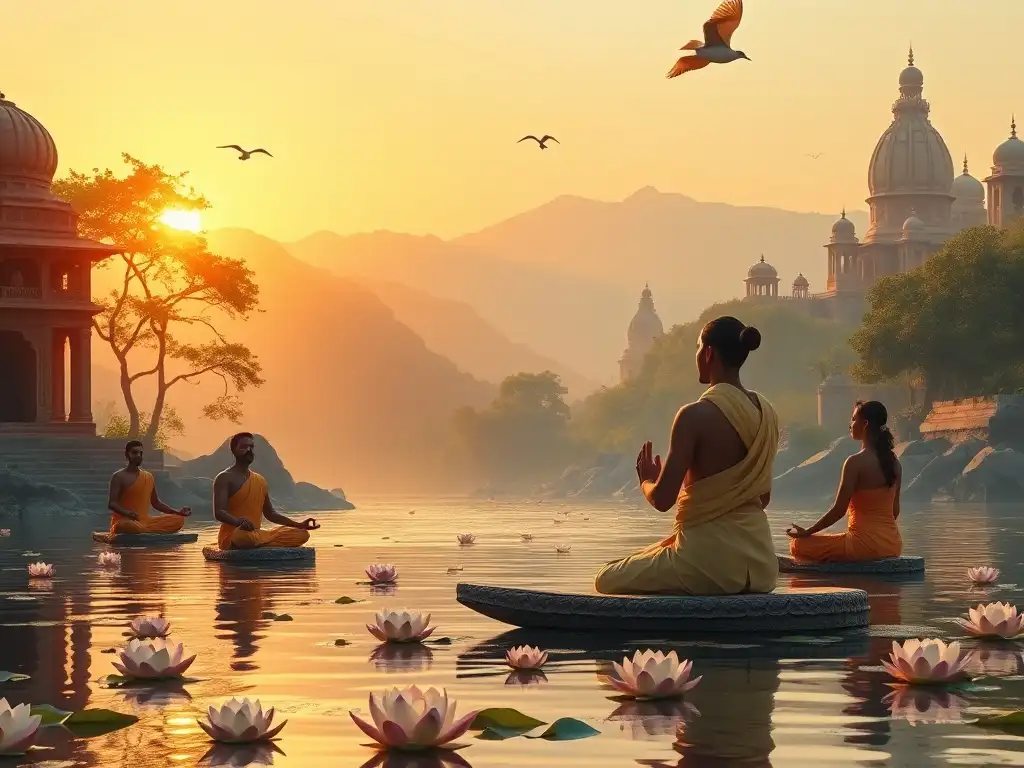
The philosophy of yoga in ancient India has left a profound and lasting impact on both spiritual and philosophical landscapes across the globe. With its roots embedded in ancient texts, including the Vedas, Upanishads, and the Yoga Sutras of Patanjali, yoga transcends mere physical practice. It is a comprehensive system that integrates ethics, meditation, and physical postures, aimed at achieving spiritual enlightenment and self-realization.
The teachings found in these texts emphasize concepts such as ahimsa (non-violence), satya (truthfulness), and aparigraha (non-possessiveness), which continue to resonate in modern yoga practices. These ethical guidelines serve as foundational principles that not only enhance individual practice but also promote a deeper connection to the community and the environment. The legacy of these teachings is evident in the way contemporary yoga practitioners approach their practice, often seeking not just physical fitness but also mental clarity and spiritual growth.
The Journey of Yoga from Ancient Texts to Modern Practices
The evolution of yoga from ancient texts to contemporary practices is a testament to its adaptability and enduring relevance.
- Historical Context:
- The earliest references to yoga can be traced back to the Rigveda, which discusses meditation and the quest for knowledge.
- Over the centuries, texts such as the Bhagavad Gita and the Yoga Sutras elaborated on the philosophical underpinnings of yoga, incorporating elements of ethics, devotion, and knowledge.
- Transmission of Knowledge:
- The oral tradition played a crucial role in preserving these teachings. Gurus would pass down knowledge to their disciples, ensuring that the core philosophies remained intact.
- The spread of yoga through trade routes and cultural exchanges facilitated its integration into various societies, adapting to local customs and beliefs.
- Modern Interpretations:
- Today, yoga has diversified into numerous styles that emphasize different aspects, such as Hatha, Kundalini, and Ashtanga. Each style reflects unique interpretations of ancient philosophies while catering to a global audience.
- Modern practitioners often view yoga as a holistic approach to wellness, blending the physical, mental, and spiritual dimensions.
The journey of yoga illustrates its ability to transcend cultural boundaries and adapt to the needs of diverse populations while retaining its core philosophical essence.
Future Perspectives on the Philosophy of Yoga
Looking ahead, the philosophy of yoga in ancient India continues to inspire and shape future practices and teachings.
- Integration with Modern Science:
- As research increasingly supports the benefits of yoga for mental health, stress reduction, and overall well-being, there is a growing interest in integrating ancient philosophies with modern scientific approaches. This connection may enhance the credibility and appeal of yoga as a therapeutic practice.
- Globalization and Cultural Exchange:
- The globalization of yoga presents both opportunities and challenges. As yoga continues to gain popularity worldwide, it is essential to honor its roots and maintain the integrity of its philosophical teachings. This can be achieved through cross-cultural collaborations and respectful dialogues between traditional practitioners and modern instructors.
- Sustainable Practices:
- The philosophy of yoga also encourages a sustainable approach to living. Future perspectives may focus on how these ancient teachings can guide contemporary society in addressing issues such as environmental degradation and social justice, fostering a deeper sense of interconnectedness.
The philosophy of yoga in ancient India not only continues to thrive but also evolves, ensuring that its teachings remain relevant and transformative in the modern world. As we embrace these insights, we can honor the rich legacy of ancient civilizations while paving the way for a more mindful and harmonious future.
Recommended Resources for Further Exploration
Books and Texts on Ancient Indian Philosophy and Yoga
"The Upanishads: A New Translation" by Eknath Easwaran
Eknath Easwaran's translation of The Upanishads provides a profound insight into the mystical and philosophical underpinnings of yoga. This collection of ancient texts serves as a cornerstone of Indian philosophy, exploring the nature of reality and the self. Easwaran’s accessible language helps readers grasp complex concepts such as Brahman (the ultimate reality) and Atman (the individual soul).
- Key concepts addressed:
- Unity of the Self and Universe: The Upanishads articulate the relationship between the individual and the cosmos.
- Meditation and Self-Realization: Emphasis on meditation as a tool for understanding the self.
"The Bhagavad Gita: As It Is" by A.C. Bhaktivedanta Swami Prabhupada
The Bhagavad Gita, often considered the essence of Indian philosophy, delves into the ethical and spiritual dilemmas faced by Arjuna on the battlefield. Prabhupada’s translation is particularly notable for its commentary that elucidates the philosophical dimensions of yoga as a practical path for achieving spiritual enlightenment.
- Core themes include:
- Karma Yoga: The path of selfless action as a means of realizing one’s duty without attachment.
- Bhakti Yoga: The devotional aspect of yoga that fosters a personal relationship with the divine.
Online Courses and Lectures on Yoga Philosophy
"Introduction to Yoga Philosophy" on Coursera
This course offers a comprehensive introduction to the foundational philosophical concepts that underpin yoga practice. It covers essential texts, including the Yoga Sutras of Patanjali and their relevance in contemporary contexts.
- Course highlights:
- Historical Context: Examines the evolution of yoga philosophy from ancient texts to modern interpretations.
- Practical Applications: Discusses how ancient philosophies can be integrated into daily practice.
"The Philosophy of Yoga" on edX
This course delves deeper into the philosophical traditions associated with yoga, exploring various schools of thought that have shaped its development over centuries. Participants engage with primary texts and learn to interpret them through the lens of modern yoga practice.
- Learning outcomes:
- Comparative Analysis: Understanding the distinctions and overlaps between different philosophical schools (Vedanta, Samkhya, etc. ).
- Critical Thinking: Encourages critical engagement with philosophical ideas and their implications for contemporary yoga practices.
By exploring these resources, readers can gain a richer understanding of the Philosophy of Yoga in Ancient India, enhancing both their intellectual and practical engagement with yoga.
Frequently Asked Questions
What is the Philosophy of Yoga in Ancient India?
The Philosophy of Yoga in Ancient India encompasses spiritual, ethical, and practical teachings aimed at achieving self-realization and inner peace.
How did ancient texts contribute to the understanding of Yoga?
Ancient texts like the Yoga Sutras of Patanjali provide a structured framework that outlines the principles, practices, and goals of Yoga, emphasizing the importance of meditation and discipline.
The main schools of thought include Vedanta, Samkhya, and Buddhism, each offering unique perspectives on the nature of consciousness and the path to liberation.
How did the Indus Valley Civilization influence the later development of Yoga?
The Indus Valley Civilization laid the groundwork for spiritual practices and rituals that would evolve into the more structured systems of Yoga seen in later texts.
What role did the Gupta Empire play in the evolution of Yoga philosophy?
During the Gupta Empire, there was a significant revival of learning and arts, which included the synthesis of various philosophical traditions, further enriching the Yoga practices and their theoretical foundations.
Final Reflection: Embracing the Philosophy of Yoga in Ancient India
The philosophy of yoga in ancient India remains profoundly relevant today, as it offers a pathway to understanding the self and the universe. In a world increasingly marked by chaos and distraction, the teachings of ancient texts serve as a beacon, guiding us toward inner peace and holistic well-being. The timeless wisdom encapsulated in these philosophies not only enriches our spiritual journeys but also challenges us to cultivate mindfulness in our everyday lives.
The influence of yoga philosophy extends far beyond the mat, shaping cultural and social landscapes across the globe. As we navigate the complexities of modern existence, we find ourselves drawn to the principles of balance, harmony, and self-awareness that yoga embodies. Yoga is the journey of the self, through the self, to the self.
This quote by the Bhagavad Gita encapsulates the essence of yoga philosophy, reminding us that the quest for understanding begins within. The teachings of ancient India continue to inspire countless individuals, fostering a sense of community and shared purpose in our pursuit of enlightenment.
As you reflect on the insights from ancient texts, I invite you to consider how the philosophy of yoga can be integrated into your daily life. Take a moment to breathe, to connect with your inner self, and to embrace the wisdom of the ages. Let the teachings of yoga inspire you to cultivate mindfulness, compassion, and resilience in the face of life's challenges. Together, we can honor the rich legacy of yoga philosophy and carry its transformative power into the future.
Unveil the Wisdom of Yoga: Take Action Today!
Thank you for taking the time to explore the profound insights of yoga through ancient texts! We hope this article has inspired you to deepen your understanding of the philosophical foundations of yoga. Now, let's translate that knowledge into transformative action.
Here are some ways you can embark on your own journey of exploration and practice:
- Start your yoga practice at home with a simple routine that aligns with the philosophies you've learned. Consider incorporating mindfulness and meditation into your daily schedule!
- Join a local or online yoga class to connect with others and share your discoveries about yoga. Exchange ideas and insights with like-minded enthusiasts.
- Delve deeper into ancient texts by reading a new translation of the Yoga Sutras or other foundational works. This will broaden your understanding and enrich your practice.
What aspect of yoga's philosophical roots do you find most intriguing, and how do you plan to integrate it into your life? We invite you to share your thoughts below!