
The Relationship Between Yoga and the Chakras in Ancient Texts

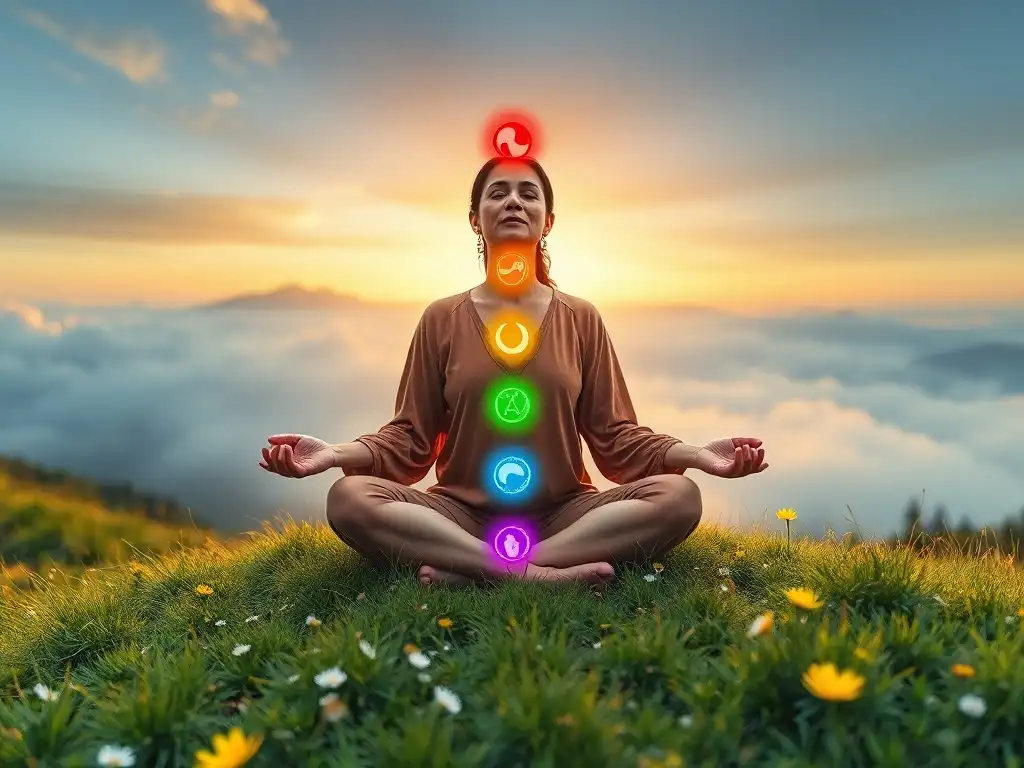
Welcome to Ancient India History, where we embark on a captivating journey through the rich tapestry of India's past. In this exploration, we delve into the profound connection between Yoga and Chakras as illustrated in ancient texts. Discover how these timeless practices not only shaped spiritual and physical well-being but also influenced the very fabric of Indian civilization. Are you ready to unveil the secrets of centuries-old wisdom? Let’s dive deeper into the fascinating relationship between these ancient arts and their enduring significance in our lives today.
Introduction to Yoga and Chakras in Ancient Indian Philosophy
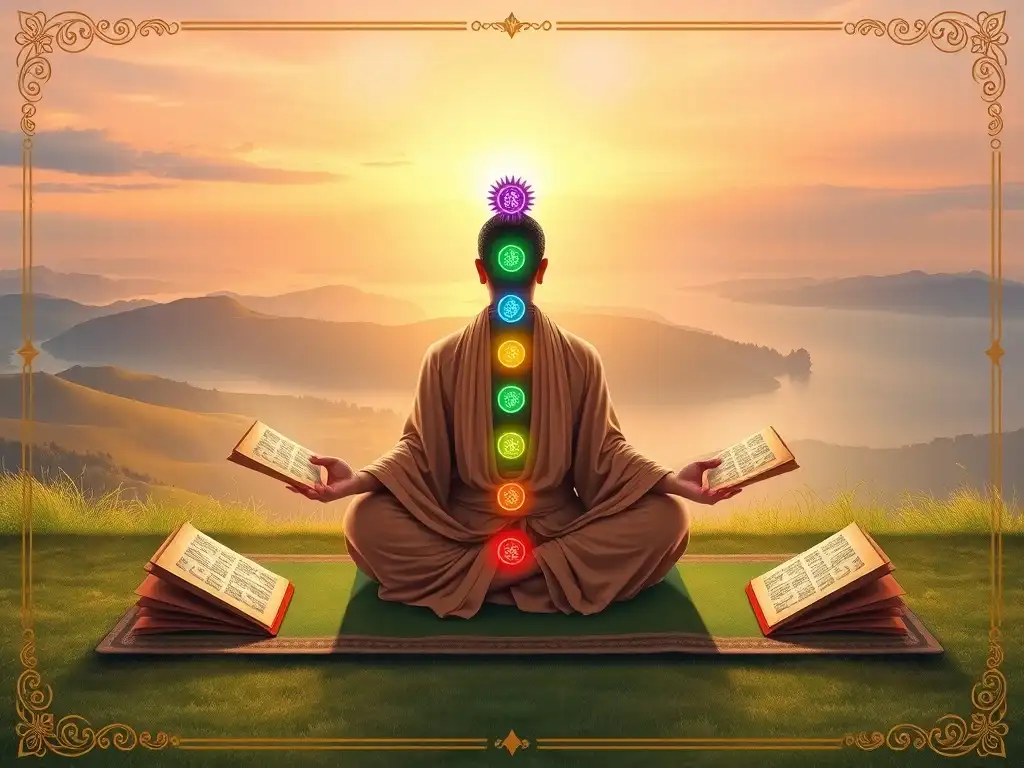
The intricate relationship between yoga and chakras has been a fundamental aspect of ancient Indian philosophy, intertwining physical practice with spiritual understanding. Yoga, often perceived as merely a system of physical postures, is deeply rooted in the quest for self-realization and union with the divine. Meanwhile, chakras, or energy centers within the human body, play a pivotal role in the holistic approach to health and spirituality found in ancient Indian texts. This article delves into how these concepts are intertwined, drawing from historical sources to illuminate their significance.
Historical Context of Yoga in Ancient India
The practice of yoga dates back thousands of years, with its origins embedded in the Vedic texts and the Upanishads. Understanding the historical context of yoga is crucial to appreciate its evolution and the philosophical underpinnings that support the chakra system.
The Origin of Yoga: Textual Evidence
Yoga’s roots can be traced to the ancient Vedas, particularly the Rigveda, which contains hymns that hint at early meditative practices. However, it is in the Upanishads, composed around 800-400 BCE, that we find more explicit references to yoga as a means of attaining spiritual knowledge. The Bhagavad Gita, another seminal text from around the 2nd century BCE, further articulates the various paths of yoga— Karma, Bhakti, and Jnana—each offering a different approach to achieving liberation (moksha).
- Key Texts in Yoga's Origin:
- Vedas (1500-500 BCE)
- Upanishads (800-400 BCE)
- Bhagavad Gita (2nd century BCE)
The Development of Chakra Theory in Ancient Texts
The concept of chakras first emerged in the Tantras, a series of texts that delve into esoteric practices and philosophies around the 6th century CE. These texts introduced a more structured system of energy centers, detailing how they relate to spiritual awakening and the flow of prana (life force). The Shat Chakra Nirupana, a classical text from the 10th century, specifically outlines the seven major chakras, their locations, and their significance in the yoga practice.
- Notable Texts on Chakras:
- Tantras (6th century CE)
- Shat Chakra Nirupana (10th century CE)
The integration of yoga and chakras in these ancient texts illustrates a profound understanding of the human body as a microcosm of the universe. This perspective emphasizes the idea that by balancing these energy centers through yoga, individuals can align themselves with the greater cosmic order, facilitating a journey toward enlightenment and wholeness.
Exploring the Chakra System in Ancient Yoga Practices
The concept of the chakra system, integral to ancient yoga practices, finds its roots in various texts and traditions that date back thousands of years. Chakras, often described as energy centers within the body, were believed to influence physical, emotional, and spiritual well-being. The earliest references to chakras can be traced to the Vedas, particularly the Atharva Veda, where the notion of energy pathways and spiritual consciousness began to emerge.
As yoga evolved, particularly through the influences of Hinduism and Tantric traditions, the understanding of chakras deepened. Texts such as the Upanishads and Tantras elaborated on the intricate relationships between the mind, body, and spiritual energy, illustrating how the alignment and balance of chakras could lead to higher states of consciousness. These ancient practices emphasized the importance of yoga not just as physical exercise but as a holistic approach to achieving harmony within oneself.
The Seven Major Chakras and Their Significance
The seven major chakras are pivotal in understanding the relationship between yoga and spiritual well-being. Each chakra is associated with specific physical, emotional, and spiritual aspects of human experience:
- Root Chakra (Muladhara): Located at the base of the spine, it represents stability, security, and grounding. It is linked to survival instincts and physical health.
- Sacral Chakra (Svadhisthana): Found in the lower abdomen, this chakra is associated with creativity, pleasure, and emotional balance. It influences relationships and intimacy.
- Solar Plexus Chakra (Manipura): Positioned in the upper abdomen, it governs personal power, self-esteem, and confidence. This chakra plays a crucial role in willpower and decision-making.
- Heart Chakra (Anahata): Located at the center of the chest, it embodies love, compassion, and connection. It bridges the lower and upper chakras, symbolizing balance.
- Throat Chakra (Vishuddha): Situated in the throat area, it represents communication and self-expression. It influences how we convey our thoughts and emotions.
- Third Eye Chakra (Ajna): Found between the eyebrows, it is associated with intuition, insight, and perception. This chakra is a gateway to higher consciousness.
- Crown Chakra (Sahasrara): Located at the top of the head, it represents spiritual connection and enlightenment. It is the link to divine consciousness and universal understanding.
Understanding these chakras allows practitioners to identify areas of imbalance and focus their yoga practice on achieving harmony, thereby promoting overall well-being.
The Role of Meditation and Breathwork in Chakra Balancing
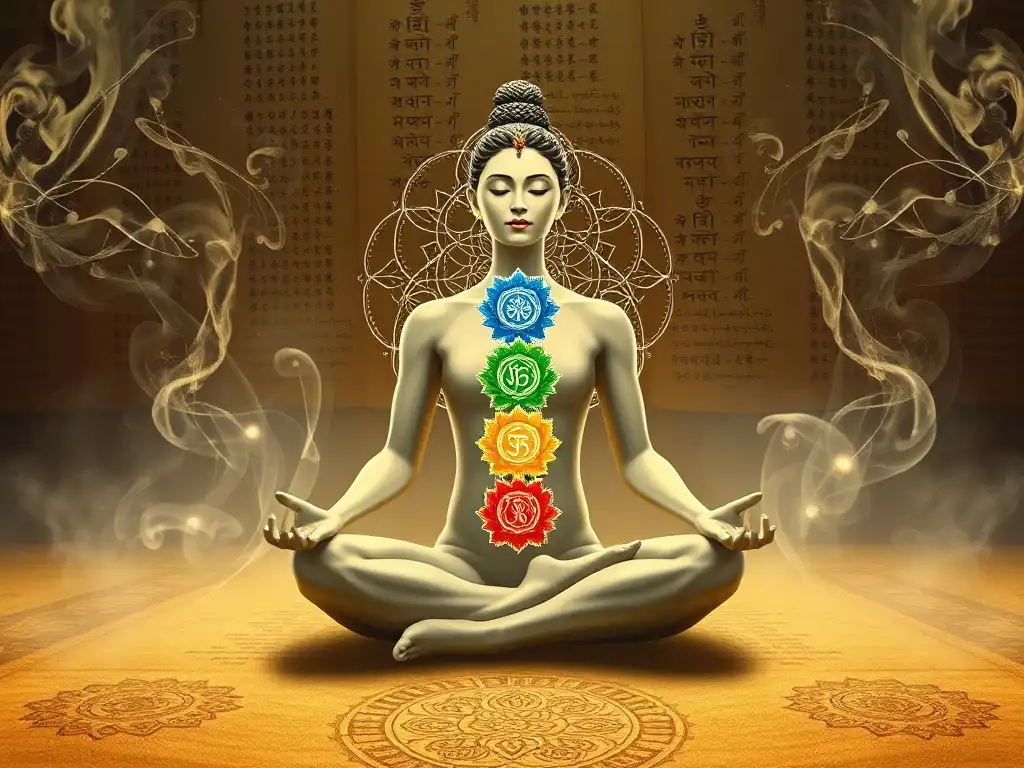
Meditation and breathwork play essential roles in chakra balancing within ancient yoga practices. Through focused meditation techniques, practitioners can channel their awareness to specific chakras, facilitating healing and energy flow.
- Meditation: In ancient texts, meditation is often described as a way to cultivate mindfulness and enhance spiritual insight. Techniques such as visualization of colors associated with each chakra or chanting specific mantras can help clear blockages and promote energy flow.
- Breathwork (Pranayama): The practice of pranayama involves controlling breath to enhance life force (prana) within the body. Different breathing techniques correspond to different chakras, helping to awaken and energize them. For instance, deep abdominal breathing can stimulate the root chakra, while more refined breath control can activate the crown chakra.
Together, these practices support the alignment of the chakras, creating a path toward spiritual growth and emotional resilience. The integration of meditation and breathwork within yoga underscores the holistic nature of ancient practices, where physical postures (asanas) are complemented by mental and spiritual disciplines.
Comparative Analysis of Different Ancient Texts on Yoga and Chakras
The relationship between yoga and chakras has been explored across various ancient texts, each offering unique insights and interpretations. A comparative analysis reveals both similarities and divergences in their approaches to the chakra system.
The Yoga Sutras of Patanjali vs. Tantric Texts
The Yoga Sutras of Patanjali present a philosophical framework that emphasizes the eight limbs of yoga (Ashtanga), focusing primarily on ethical conduct, meditation, and the attainment of spiritual liberation (moksha). While the sutras do not explicitly mention chakras, they provide a foundational understanding of the mind-body connection that aligns with chakra principles.
In contrast, Tantric texts, such as the Kularnava Tantras, delve deeply into the chakra system, outlining specific practices for activating and balancing these energy centers. Tantric traditions emphasize the transformation of energy through rituals, visualization, and mantra recitation, presenting a more direct approach to harnessing the power of chakras for spiritual awakening.
Influence of Buddhist Texts on Yoga and Chakra Understanding
Buddhist texts, particularly the Pali Canon and later Mahayana Sutras, also address concepts related to energy centers, although they may not explicitly reference chakras as in Hindu texts. Buddhist practices focus on mindfulness and the cultivation of insight, paralleling the goals of chakra balancing in yoga.
The integration of Buddhist principles into yoga has led to a richer understanding of the energy system, emphasizing compassion and interconnectedness, which further enhances the practice of chakra work. The blending of these traditions illustrates the fluidity of ancient philosophies and their ability to adapt while maintaining core teachings on spiritual growth and self-awareness.
The exploration of yoga and chakras in ancient texts reveals a complex and interwoven relationship that continues to inspire practitioners today. Understanding these historical contexts enriches our practice and deepens our connection to the ancient wisdom of yoga.
Myths and Realities Surrounding Yoga and Chakras in Ancient Texts
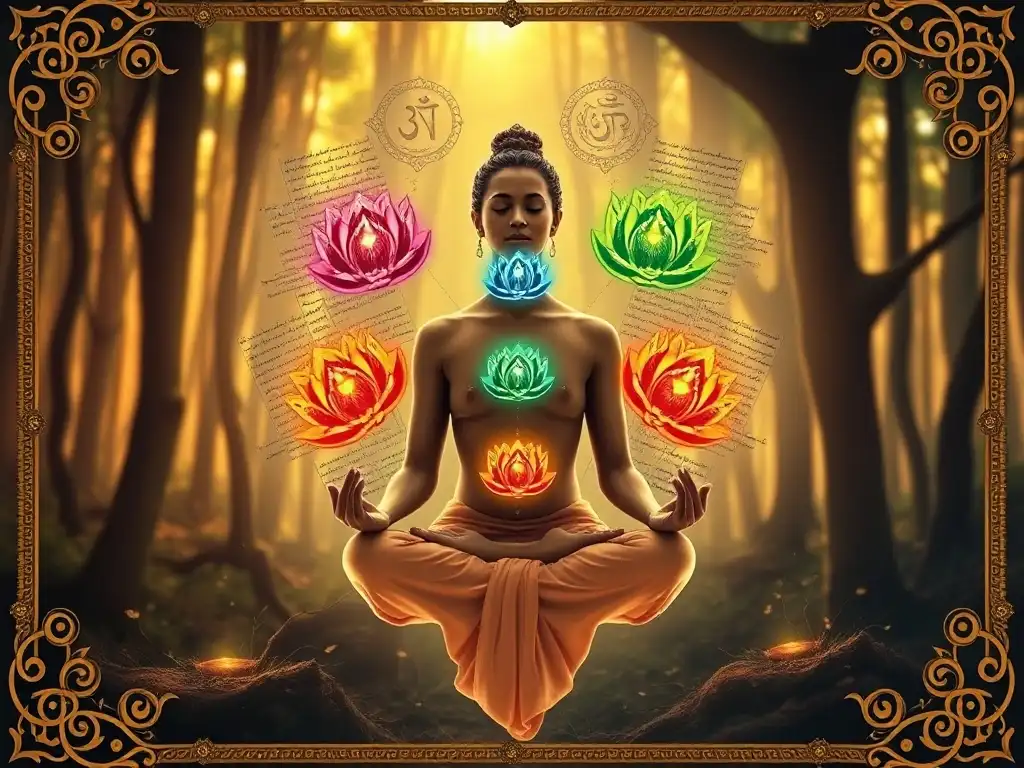
The relationship between yoga and chakras has long been a subject of intrigue, often shrouded in myths that can distort their true significance as portrayed in ancient texts. Many people perceive chakras merely as mystical energy centers, leading to a plethora of misconceptions. While it is true that chakras play a crucial role in yoga philosophy, understanding their authentic representation in historical contexts is vital for grasping their essence.
In ancient Indian texts, particularly those associated with the Upanishads and later yogic scriptures, chakras are depicted as integral to the holistic understanding of the self and the universe. They are described not only as energy centers but also as points of consciousness that connect physical, emotional, and spiritual realms. The myths surrounding chakras often emphasize their mystical attributes while neglecting their philosophical foundations. For instance, the notion that chakras can be "opened" or "closed" is not explicitly detailed in ancient texts, which instead focus on the balance and alignment of these energy centers for overall well-being.
Common Misconceptions About Chakras in Yoga
One prevalent misconception is that chakras are solely linked to physical health or that they can be manipulated for instant results. In reality, ancient texts suggest that chakras are more than just physical entities; they symbolize deeper psychological and spiritual states. Each chakra corresponds to specific qualities and aspects of consciousness, influencing one's emotional and mental well-being.
Another misunderstanding is that there are a fixed number of chakras, usually cited as seven. While this is the most common classification, ancient texts refer to various systems with differing numbers and interpretations of chakras. For instance, some traditions recognize additional chakras beyond the basic seven, each with its unique attributes and functions. This variability reflects the diverse philosophical beliefs within the yogic tradition and emphasizes the need for a nuanced understanding of chakras.
Furthermore, the idea that chakra work is a standalone practice is misleading. In ancient texts, chakra alignment is intricately tied to the broader practice of yoga, including asanas (postures), pranayama (breath control), and meditation. Thus, chakras should be viewed as part of a holistic system that encompasses the entire journey of self-discovery and spiritual growth.
The Reality of Chakra Influence on Modern Yoga Practices
Despite the myths, the influence of chakras on modern yoga practices is significant and can be traced back to the teachings of ancient texts. Contemporary yoga often incorporates chakra philosophies, emphasizing alignment, energy flow, and emotional healing. Many yoga teachers draw upon the traditional understanding of chakras to enhance their students' experiences, using guided meditations and specific asanas to target particular energy centers.
The resurgence of interest in chakras can also be seen in the popularization of wellness practices that address holistic health. Workshops and retreats focusing on chakra balancing have gained traction, echoing the ancient teachings that stress the interconnectedness of body, mind, and spirit. However, it is essential for practitioners to maintain a critical perspective, ensuring that the ancient wisdom is respected and accurately represented rather than diluted into mere trends.
Modern interpretations of chakras often blend with various philosophies, creating a rich tapestry of practices that still reflect the foundational concepts found in ancient texts. This ongoing dialogue between history and contemporary practice highlights the adaptability of yoga as it evolves while remaining rooted in its philosophical origins.
Conclusion: The Enduring Legacy of Yoga and Chakras in Ancient Texts
The legacy of yoga and chakras as depicted in ancient texts continues to shape contemporary practices and beliefs. Understanding the myths and realities surrounding these concepts is crucial for appreciating their true significance. The teachings of ancient sages have laid the groundwork for a rich tradition that emphasizes self-awareness, balance, and spiritual growth.
As practitioners today engage with yoga and chakras, they are not only tapping into an ancient system of knowledge but also contributing to its evolution. The interplay between historical context and modern interpretation ensures that the teachings remain relevant, promoting a holistic approach to well-being that is as vital now as it was in ancient India. By honoring the depth of these traditions, we can cultivate a more profound understanding of ourselves and our place within the universe.
Further Reading and Resources on Yoga and Chakras
Understanding the intricate relationship between yoga and chakras requires diving deeper into ancient texts and contemporary interpretations. Below are key resources that provide valuable insights into this fascinating subject.
Books
-
"The Yoga Sutras of Patanjali" by Swami Satchidananda
This foundational text of yoga philosophy offers essential teachings on the nature of the mind and the significance of chakras in achieving spiritual growth. The commentary by Swami Satchidananda elucidates the connection between yoga practices and chakra activation.
-
"The Chakra Bible: The Definitive Guide to Chakra Energy" by Patricia Mercier
This comprehensive guide explores the seven primary chakras, detailing their characteristics, associated yoga poses, and meditative practices. It serves as an excellent introduction for beginners and a solid reference for seasoned practitioners.
-
"Wheels of Life: A User's Guide to the Chakra System" by Anodea Judith
Judith’s work is instrumental in linking the chakra system with psychological and spiritual health. It provides practical exercises for balancing chakras and enhancing one’s yoga practice.
Articles and Journals
-
"The Role of Chakras in Yoga and Meditation"
This scholarly article discusses the historical context and the evolution of chakra philosophy within yoga. It highlights how ancient texts have shaped contemporary practices and interpretations.
-
"Yoga and the Science of Chakras"
This research paper offers an examination of how the concepts of chakras are supported by modern scientific findings. It connects ancient beliefs with current understandings of energy and health.
Online Courses and Workshops
-
Coursera: "Yoga and Mindfulness"
This course delves into yoga's philosophical foundations, including the significance of chakras in holistic well-being. It features expert instructors who bridge ancient teachings with modern applications.
-
Yoga International: Chakra Workshops
Yoga International provides a variety of workshops focused on understanding and balancing the chakras through yoga practices. These sessions are designed for all levels and emphasize experiential learning.
Documentaries and Videos
-
"Chakra: The Energy of Life"
This documentary explores the chakra system's roots in ancient Indian philosophy, featuring interviews with renowned yoga practitioners and scholars. It offers a visual representation of how chakras influence physical and spiritual health.
-
YouTube Channels
Numerous yoga instructors and scholars share their insights on chakras through instructional videos. Channels like "Yoga with Adriene" and "Sadhguru" offer practical guidance on incorporating chakra work into yoga practices.
Community and Discussion Platforms
-
Online Forums
Websites like Reddit and specialized yoga forums host discussions on yoga and chakras, allowing practitioners to share experiences and ask questions. These platforms can be valuable for gaining diverse perspectives and insights.
-
Local Yoga Studios and Workshops
Many yoga studios offer classes specifically focusing on chakras. Engaging with local instructors can provide hands-on experience and deeper understanding through guided practices.
These resources collectively enhance the understanding of yoga and chakras, bridging ancient philosophy with modern interpretations, and fostering a holistic approach to wellness.
- Introduction to Yoga and Chakras in Ancient Indian Philosophy
- Historical Context of Yoga in Ancient India
- Exploring the Chakra System in Ancient Yoga Practices
- The Seven Major Chakras and Their Significance
- The Role of Meditation and Breathwork in Chakra Balancing
- Comparative Analysis of Different Ancient Texts on Yoga and Chakras
- The Yoga Sutras of Patanjali vs. Tantric Texts
- Influence of Buddhist Texts on Yoga and Chakra Understanding
- Myths and Realities Surrounding Yoga and Chakras in Ancient Texts
- Conclusion: The Enduring Legacy of Yoga and Chakras in Ancient Texts
- Further Reading and Resources on Yoga and Chakras
Frequently Asked Questions
What are the Chakras in ancient texts?
Chakras are energy centers in the body that are mentioned in various ancient Indian texts, particularly in yoga philosophy and tantric traditions. They are believed to influence both physical and spiritual well-being.
How does yoga relate to the Chakras?
Yoga practices are designed to help balance and activate the Chakras, promoting overall health and harmony in the body and mind. Ancient texts emphasize the role of breath and meditation in this process.
Which ancient texts discuss Yoga and Chakras?
Key texts include the Yoga Sutras of Patanjali, the Upanishads, and the Tantras, which outline the significance of Chakras in the context of spiritual growth and yogic practice.
How can understanding Chakras enhance yoga practice?
By understanding the Chakras, practitioners can tailor their yoga routines to target specific energy centers, leading to a more effective and enriching experience in both physical and spiritual realms.
Are there different interpretations of Chakras in various ancient traditions?
Yes, while the concept of Chakras is prevalent in Hinduism, there are variations in Buddhism and other spiritual traditions. Each tradition may emphasize different attributes and functions of these energy centers.
Final Reflection: Embracing the Wisdom of Yoga and Chakras in Ancient Texts
The relationship between yoga and chakras, as illuminated in ancient texts, remains profoundly relevant in our modern lives. In a world increasingly characterized by chaos and disconnection, the teachings of these ancient practices offer a pathway to holistic well-being and self-discovery. The wisdom embedded in these texts serves as a reminder that our physical, emotional, and spiritual selves are intricately connected, urging us to seek balance in every aspect of our lives.
The influence of yoga and chakras extends far beyond the mat, shaping our cultural and social landscapes in ways that resonate deeply with our collective consciousness. As we navigate the complexities of contemporary living, the principles derived from ancient texts encourage us to cultivate mindfulness and self-awareness. Yoga is the journey of the self, through the self, to the self.
— The Bhagavad Gita. This quote encapsulates the essence of the practice, highlighting the transformative power of yoga and the chakras in fostering personal growth and spiritual evolution.
As we reflect on the insights gained from the relationship between yoga and chakras in ancient texts, I invite you to embrace these teachings in your daily life. Consider how you can integrate the principles of balance and harmony into your routine, fostering a deeper connection with yourself and those around you. Let the wisdom of the ancients guide you on your journey toward self-discovery, encouraging you to explore the profound depths of your being and to share that light with the world.
Unveil Your Inner Balance with Yoga and Chakras!
Thank you for diving into the fascinating relationship between yoga and chakras with us! You've explored how these ancient teachings illuminate the way our mind, body, and spirit can harmonize. Now, it's time to put that insight into action!
Here’s how you can deepen your connection to this powerful practice:
- Join a local yoga class that focuses on chakra alignment to experience its benefits firsthand.
- Explore beginner meditation techniques at home to center your energy and promote inner balance.
- Share your experiences with friends and inspire others on their wellness journeys through social media!
How will you integrate the teachings of yoga and chakras into your daily life for a more harmonious existence?