
Cultural Capital: How Indian Artifacts Are Shaping Global Investment Trends

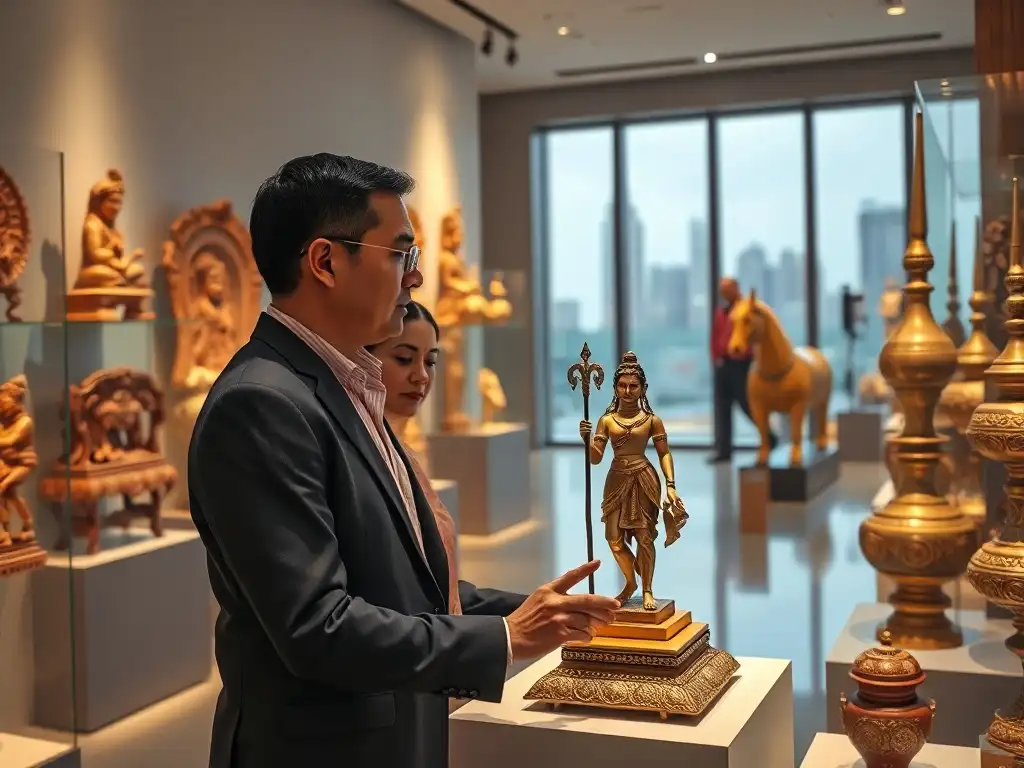
Welcome to Ancient India History, where we invite you to journey through the fascinating tapestry of India’s rich past. In our main article, “Cultural Capital: How Indian Artifacts Are Shaping Global Investment Trends,” we delve into the intriguing world of Indian artifacts investment trends—a topic that not only highlights the artistic brilliance of ancient civilizations but also unveils how these treasures are influencing modern investment landscapes. Prepare to unlock the secrets of history and discover how the legacy of the Indus Valley to the Gupta Empire continues to captivate investors today. Your exploration starts here!
As the world becomes increasingly interconnected, the appreciation for cultural heritage has transcended geographical boundaries, leading to a surge in the market for Indian artifacts. This article delves into the intricate dynamics of how these artifacts are not only significant in historical context but are also influencing contemporary global investment trends. With a treasure trove of ancient Indian art and relics, investors are recognizing the potential of these items as valuable assets. Understanding the implications of investing in Indian artifacts provides insights into broader market behaviors, cultural significance, and the ongoing evolution of collecting practices.
Introduction to Indian Artifacts Investment Trends
The investment landscape has evolved dramatically, with Indian artifacts emerging as a focal point for collectors and investors alike. Recent trends indicate a growing acknowledgment of the financial and cultural value of these artifacts, prompting investors to explore them as alternative investment opportunities. This shift is driven by various factors, including:
- Cultural significance: Indian artifacts carry profound historical narratives that resonate with global audiences.
- Rarity and uniqueness: Many artifacts are one-of-a-kind, making them highly sought after.
- Market growth: The increasing interest in collecting art and historical objects has spurred demand.
As we explore the investment trends surrounding Indian artifacts, it becomes clear that these items are not merely relics of the past; they are dynamic assets that reflect cultural richness and are shaping the future of investment strategies worldwide.
The Historical Context of Indian Artifacts
The Rich Heritage of Ancient Indian Civilizations
The history of Indian artifacts is deeply intertwined with the country's ancient civilizations, notably the Indus Valley Civilization, the Mauryan Empire, and the Gupta Empire. These societies produced remarkable art forms that tell stories of their culture, beliefs, and daily life.
- Indus Valley Civilization: Known for its well-planned cities and advanced drainage systems, artifacts from this era, such as seals and pottery, demonstrate a sophisticated understanding of urban living.
- Mauryan Empire: This period saw the emergence of significant artistic contributions, including the famous Ashoka Pillars, which reflect the fusion of art and political power.
- Gupta Empire: Often referred to as the "Golden Age" of India, this era produced exquisite sculptures and paintings, particularly in caves like Ajanta and Ellora, showcasing the blend of spirituality and artistic expression.
These artifacts are not just historical objects; they are symbols of India's rich cultural tapestry, making them appealing to collectors and investors.
The Global Appeal of Indian Artifacts
The allure of Indian artifacts extends beyond national borders, capturing the imagination of collectors and investors around the globe. Several factors contribute to this global appeal:
- Cultural Exchange: As global travel and communication increase, the sharing of cultural values enhances the desirability of Indian art.
- Investment Diversification: Savvy investors are looking for alternative assets, and Indian artifacts present a unique opportunity to diversify portfolios.
- Auction Market Growth: High-profile auctions featuring Indian artifacts have garnered significant attention, leading to increased valuations and interest.
The intersection of culture and investment is shaping a unique narrative around Indian artifacts. As we move forward in this article, we will further explore how these trends are influencing the global market and what this means for future investments in cultural heritage.
Current Investment Trends in Indian Artifacts
In recent years, the investment landscape surrounding Indian artifacts has witnessed significant transformations. As collectors, investors, and institutions increasingly appreciate the historical and cultural value of these artifacts, the market has evolved into a dynamic space for investment. The global market for Indian artifacts is characterized by a growing interest in items that not only carry aesthetic appeal but also offer potential financial returns. This trend is evidenced by rising auction prices, increased participation in art fairs, and the emergence of specialized galleries focused on Indian artifacts.
The integration of technology in the trading of artifacts, such as online auctions and virtual exhibitions, has further expanded the reach of these investments. With the rise of digital platforms, investors can easily access a wide range of artifacts from the comfort of their homes, making it easier to participate in the market. Moreover, the global appeal of Indian culture has spurred interest from international markets, with collectors from Europe, North America, and beyond actively seeking to invest in high-quality Indian pieces.
Rising Demand for Indian Artifacts in Global Markets
The demand for Indian artifacts in global markets is surging, driven by several factors. First and foremost, the growing awareness and appreciation of India’s rich cultural heritage have attracted collectors and investors alike. Items such as traditional textiles, sculptures, pottery, and jewelry from various periods of Indian history are now seen as not just collectibles but also as investment opportunities.
Additionally, the rise of cultural tourism has contributed to this trend, with travelers seeking authentic experiences and souvenirs that reflect the local history. This has led to a greater emphasis on preserving and investing in artifacts that can capture the essence of India's diverse cultural narratives. As a result, global markets are seeing a notable increase in the prices of unique and historically significant Indian artifacts, creating a lucrative avenue for investors.
Moreover, the influence of social media and digital marketing has played a crucial role in promoting Indian artifacts to a broader audience. Platforms like Instagram and Pinterest have become popular for showcasing these items, further fueling interest and demand. As a result, investors are more inclined to consider artifacts from India as viable options for diversifying their portfolios.
High-Value Indian Artifacts Driving Investment Trends
Certain categories of Indian artifacts are particularly driving investment trends due to their high value and historical significance. For instance, ancient sculptures, especially those originating from the Gupta and Maurya periods, are highly sought after for their artistic excellence and rarity. These pieces often sell for millions at auctions, making them attractive investments for high-net-worth individuals.
Similarly, rare manuscripts and paintings, particularly those from the Mughal era, have garnered attention for their intricate craftsmanship and historical narratives. The value of such artifacts is not merely determined by their age but also by their provenance and the stories they tell. Collectors are increasingly interested in acquiring pieces with well-documented histories, which can enhance their investment value.
Furthermore, the market for antique jewelry, specifically pieces that feature traditional Indian craftsmanship, has witnessed a resurgence. The combination of artistry, cultural significance, and intrinsic value has positioned these artifacts as desirable investments. As a result, many investors are actively seeking high-value Indian artifacts, which in turn influences overall market trends and pricing dynamics.
Factors Influencing Indian Artifacts Investment
The investment landscape for Indian artifacts is shaped by various interrelated factors, each contributing to the market's evolution and attractiveness. Understanding these influences is essential for potential investors looking to navigate this complex field.
Cultural Capital and Its Role in Investment Strategies
Cultural capital plays a pivotal role in shaping investment strategies related to Indian artifacts. Investors are increasingly recognizing that artifacts are not merely financial assets; they embody cultural narratives and historical significance. This perspective encourages a more holistic approach to investment, where the intrinsic value of the artifacts is considered alongside potential financial returns.
Investors often seek artifacts that tell a story or represent a significant aspect of Indian heritage. This focus on cultural capital can lead to more informed purchasing decisions, as investors prioritize quality and historical relevance over mere aesthetic appeal. Furthermore, by investing in culturally significant artifacts, investors can align their portfolios with their values, contributing to the preservation of cultural heritage while potentially achieving financial gains.
The Impact of Globalization on Indian Artifacts Market
Globalization has profoundly impacted the Indian artifacts market, facilitating increased accessibility and interest from international investors. As borders blur and cultures intertwine, Indian artifacts have gained recognition on the global stage. This has led to a more diverse pool of investors, including those from non-traditional markets, who are now eager to discover and invest in Indian culture.
The effects of globalization also extend to the promotion of Indian artifacts through international exhibitions and art fairs, allowing for greater visibility and appreciation. These events not only highlight the craftsmanship and beauty of Indian artifacts but also create networking opportunities for investors and collectors alike.
Moreover, the rise of e-commerce and digital platforms has revolutionized how artifacts are bought and sold. Investors from around the world can now easily access Indian artifacts, expanding the market and driving demand. This interconnectedness has resulted in a more competitive landscape, ultimately benefiting both buyers and sellers as they navigate the evolving dynamics of the global artifacts market.
Investment Strategies for Indian Artifacts
Investing in Indian artifacts requires a well-thought-out strategy to maximize returns while minimizing risks. One effective approach is to diversify your portfolio by acquiring a range of artifacts from different regions and historical periods. This diversification can help mitigate the impact of market fluctuations on any single category of artifacts.
Another crucial aspect is to engage in thorough research. Understanding the historical significance, provenance, and current market demand for specific artifacts is essential. This knowledge not only aids in making informed purchasing decisions but also helps in predicting future trends. Additionally, investors should consider the role of expert consultations. Collaborating with historians, archaeologists, and certified appraisers can provide valuable insights into the authenticity and value of potential investments.
Lastly, investors should stay updated with global trends in the art and antiques market, as these trends often influence the value of Indian artifacts. Joining forums, attending exhibitions, and participating in auctions can provide investors with a pulse on the market, allowing them to make timely and strategic investments.
Best Practices for Investing in Indian Artifacts
When investing in Indian artifacts, adhering to best practices is crucial for ensuring the integrity and profitability of your investments. Verification of authenticity is paramount; acquiring artifacts with proper documentation and provenance can safeguard against purchasing forgeries. Investors should seek artifacts certified by reputable institutions or experts, ensuring they are genuine and accurately represented.
Condition assessment is another key practice. The physical state of an artifact can significantly influence its value. It is advisable to consult with conservators for detailed evaluations and potential restoration options. Maintaining artifacts in suitable environments is also essential to preserve their condition and value over time.
Furthermore, establishing a network of reliable dealers and galleries can enhance investment opportunities. Building relationships with trustworthy sellers can provide access to exclusive items and insights into upcoming trends. Investors should also consider joining specialized organizations or societies focused on Indian artifacts, which can offer educational resources and networking opportunities.
Recommended Platforms for Acquiring Indian Artifacts
The market for Indian artifacts is increasingly accessible through various platforms. Online auction houses, such as Sotheby’s and Christie’s, are renowned for their extensive collections of high-quality artifacts, often featuring items from notable Indian collections. These platforms provide detailed descriptions and provenance, making them reliable sources for serious investors.
In addition to auction houses, specialized online marketplaces like Artsy and 1stdibs cater specifically to art and antiques, offering a wide range of Indian artifacts. These platforms often vet their sellers, providing a layer of security for buyers. Local galleries and antique shops can also be valuable resources, allowing investors to view artifacts in person and assess their condition firsthand.
Additionally, participating in art fairs and exhibitions dedicated to Indian culture can provide opportunities to discover unique artifacts while networking with other collectors and experts. These events often feature reputable dealers and can serve as a platform for acquiring rare finds.
Challenges and Risks in Indian Artifacts Investment
Investing in Indian artifacts can be rewarding, yet it is not without its challenges. One significant challenge is the risk of forgery. The proliferation of counterfeit artifacts in the market poses a threat to investors, making it essential to verify authenticity rigorously. Without proper due diligence, investors may end up acquiring items that are not genuine, leading to potential financial losses.
Furthermore, the complexity of legal regulations surrounding the trade of cultural artifacts can pose risks. Many countries, including India, have strict laws regarding the export and sale of antiquities. Investors must be aware of these regulations to avoid legal repercussions. Engaging with legal experts in the field can help navigate these complexities and ensure compliance with local and international laws.
Navigating Legal and Ethical Considerations
Legal and ethical considerations are critical aspects of investing in Indian artifacts. The Cultural Property Act in India, for instance, regulates the export of antiquities, and it is vital for investors to understand these laws to avoid potential penalties. Investors should ensure that any artifacts they acquire are legally obtained and possess the necessary documentation to prove their provenance.
Moreover, ethical considerations related to the cultural heritage of artifacts must not be overlooked. Investors should respect the cultural significance of the artifacts and avoid participating in the black market or acquiring items that have been illicitly obtained. Collaborating with reputable dealers and institutions that prioritize ethical practices can help in making responsible investment decisions.
Market Fluctuations and Their Impact on Investment
The market for Indian artifacts can experience fluctuations influenced by various factors, including economic conditions, cultural trends, and global events. Investors should be aware that demand for certain artifacts can rise or fall based on these influences. For example, during economic downturns, luxury items, including artifacts, may see a decline in value as collectors and investors tighten their budgets.
Additionally, market trends can shift based on changing consumer preferences. For instance, a growing interest in sustainable and ethically sourced items has led to increased demand for artifacts that reflect these values. Staying informed about market trends and understanding the factors that drive demand is essential for making strategic investment decisions.
To mitigate the risks associated with market fluctuations, investors are encouraged to adopt a long-term perspective. By focusing on the inherent value of artifacts and their historical significance rather than short-term market trends, investors can navigate fluctuations more effectively and potentially see their investments appreciate over time.
The Future of Indian Artifacts in Global Investment
The future of Indian artifacts in global investment is poised for significant growth, driven by a combination of cultural appreciation, economic trends, and technological advancements. As collectors and investors increasingly recognize the intrinsic value and historical significance of Indian artifacts, the market is becoming more vibrant and accessible. This trend not only reflects a growing interest in Indian culture but also highlights the potential for high returns on investment. The shift towards a more globalized market means that Indian artifacts are being sought after by a diverse range of investors, from high-net-worth individuals to institutional collectors.
With the rise of digital platforms, the buying and selling of Indian artifacts have become easier than ever, enabling investors to access a broader array of items. Auctions, galleries, and online marketplaces are showcasing Indian artifacts to a global audience, further driving interest and investment. As more people become aware of the cultural and historical narratives behind these artifacts, the demand is expected to increase, creating a robust market environment.
Predictions for Emerging Trends in Indian Artifacts
Emerging trends in the investment of Indian artifacts indicate several key factors that will shape the future landscape:
- Sustainability and Ethical Sourcing: Investors are becoming increasingly conscious of the ethical implications of their purchases. This will lead to a demand for artifacts that are sourced sustainably and legally, promoting responsible investment practices.
- Cultural Heritage Tourism: As global tourism continues to grow, there is a corresponding rise in interest in cultural heritage. Artifacts that represent unique cultural narratives are likely to attract both tourists and collectors, driving up their value.
- Diversification of Investment Portfolios: Investors are seeking alternative assets to diversify their portfolios. Indian artifacts, with their unique historical significance and potential for appreciation, are becoming appealing options for those looking to invest beyond traditional financial markets.
- Increased Global Awareness: The globalization of culture through social media and digital platforms is raising awareness of Indian art and artifacts. As more individuals learn about the rich history and craftsmanship involved, interest in investing in these items will likely grow.
How Technology is Shaping the Future of Indian Artifacts Investment
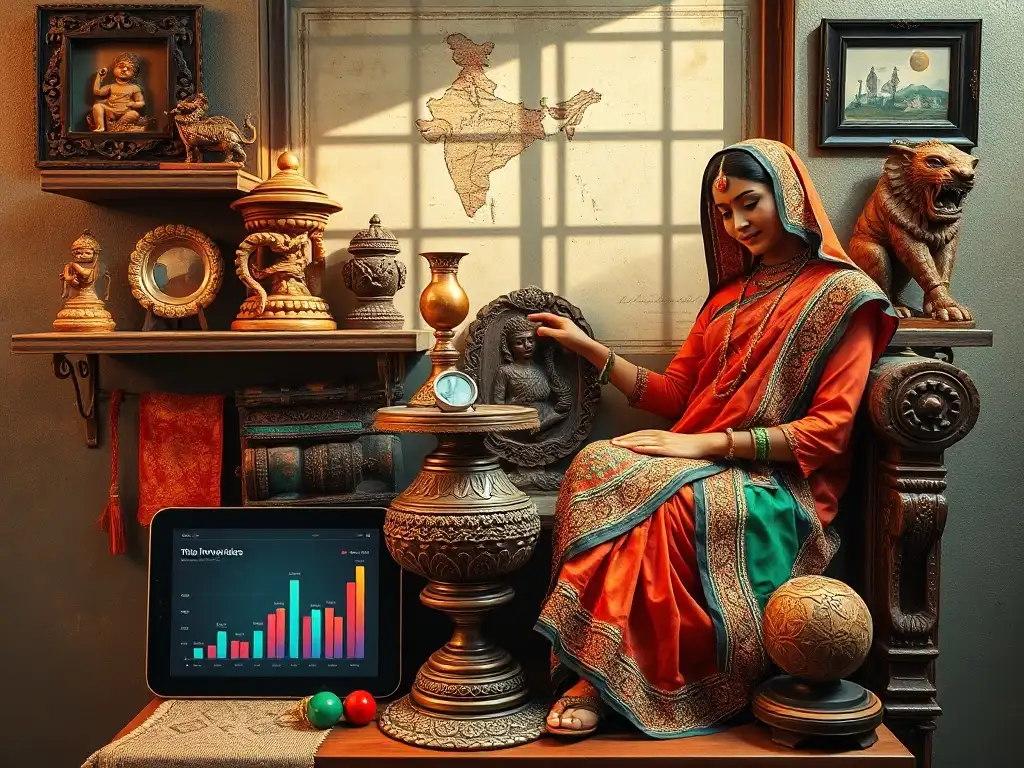
Technology is playing a transformative role in the investment landscape of Indian artifacts, enhancing accessibility and transparency. Key technological advancements include:
- Online Marketplaces: Digital platforms allow collectors and investors to browse a wide range of artifacts from the comfort of their homes. Websites specializing in Indian art and antiques are making it easier to buy and sell items, connecting sellers to a global audience.
- Blockchain for Provenance: The use of blockchain technology is revolutionizing the way provenance is tracked. By providing a secure and immutable record of ownership, blockchain enhances trust in the authenticity of artifacts, making them more attractive to investors.
- Virtual and Augmented Reality: These technologies are being used to create immersive experiences, allowing potential buyers to explore artifacts in detail before making a purchase. This enhances the decision-making process for investors and adds value to the artifacts.
- Data Analytics: The application of data analytics in the art market enables investors to predict trends and identify valuable investments based on historical data and market analysis. This insight helps investors make informed decisions about their collections.
Conclusion: Embracing Indian Artifacts as a Viable Investment
The investment landscape for Indian artifacts is evolving rapidly, marked by a growing appreciation for cultural heritage and the influence of technology. As investors embrace Indian artifacts as viable investment options, they are not only contributing to the preservation of history but also participating in a market with promising growth potential. The combination of sustainability, ethical sourcing, and technological advancements is paving the way for a robust future where Indian artifacts continue to shape global investment trends. As interest in these unique pieces of history grows, investors are encouraged to explore the opportunities within this dynamic market.
As we explore the intricate relationship between Indian artifacts and global investment trends, it's crucial for investors, collectors, and enthusiasts to become proactive participants in this evolving market. The unique cultural significance and historical value of Indian artifacts present a promising opportunity for both aesthetic appreciation and financial investment.
- Engage with Experts: Connect with art historians, curators, and investment advisors who specialize in Indian artifacts. Their insights can help you navigate the complexities of the market and identify valuable pieces.
- Attend Auctions and Exhibitions: Participate in auctions and visit exhibitions dedicated to Indian art and artifacts. These events not only provide a platform to acquire unique items but also allow you to network with other collectors and investors.
- Educate Yourself: Stay informed about the latest trends in the market for Indian artifacts. Resources such as books, online courses, and webinars can enhance your understanding of valuation, provenance, and the impact of cultural heritage on investment potential.
- Join Collector Groups: Becoming a member of organizations or online communities focused on Indian art can provide valuable networking opportunities. Engaging with fellow collectors can lead to shared insights, investment strategies, and potential acquisition opportunities.
- Consider Ethical Investment: As you invest in Indian artifacts, be mindful of ethical considerations, such as provenance and cultural sensitivity. Supporting authentic and ethically sourced artifacts not only uplifts the cultural heritage but also enhances the integrity of your investment.
By taking these proactive steps, you can immerse yourself in the vibrant world of Indian artifacts, leveraging their rich history to inform your investment strategies while contributing to the preservation of cultural heritage. Embrace this opportunity to be part of a movement that values both art and investment, shaping a future where Indian artifacts continue to hold significant value in the global market.
- Introduction to Indian Artifacts Investment Trends
- The Historical Context of Indian Artifacts
- Current Investment Trends in Indian Artifacts
- Factors Influencing Indian Artifacts Investment
- Investment Strategies for Indian Artifacts
- Challenges and Risks in Indian Artifacts Investment
- The Future of Indian Artifacts in Global Investment
- Predictions for Emerging Trends in Indian Artifacts
- How Technology is Shaping the Future of Indian Artifacts Investment
- Conclusion: Embracing Indian Artifacts as a Viable Investment
Frequently Asked Questions
What are Indian artifacts?
Indian artifacts are historical objects created by ancient Indian civilizations, reflecting their culture, art, and daily life. These items include sculptures, pottery, textiles, and tools that offer insights into the past.
How are Indian artifacts influencing global investment trends?
Indian artifacts are increasingly seen as valuable investments, with collectors and investors recognizing their cultural significance and potential for appreciation. This trend is reshaping the art market and attracting attention from investors worldwide.
Why is there a rising interest in investing in Indian artifacts?
The rising interest in Indian artifacts is driven by their unique historical value, cultural heritage, and the growing awareness of diverse investment opportunities beyond traditional assets. This has made them an appealing choice for both collectors and investors.
What factors should investors consider when investing in Indian artifacts?
Investors should consider the provenance, condition, and cultural significance of the artifacts. Understanding the market demand and trends related to Indian artifacts is crucial for making informed investment decisions.
Are there any risks associated with investing in Indian artifacts?
Yes, investing in Indian artifacts carries risks such as market volatility, potential forgeries, and legal issues regarding provenance and ownership. It is essential to conduct thorough research and seek expert advice before making significant investments.
Final Reflection: The Global Impact of Indian Artifacts on Investment Trends
The intersection of culture and finance is more relevant today than ever, as the appreciation for Indian artifacts investment trends continues to grow in a globalized world. As we navigate through an era marked by rapid technological advancements and shifting economic landscapes, the value of cultural heritage has emerged as a significant player in investment strategies. The allure of Indian artifacts not only captivates collectors but also represents a profound connection to history and identity, making it a compelling focus for investors seeking both financial gain and cultural enrichment.
Cultural capital has the power to shape our social and economic landscapes, and the rise of Indian artifacts in the investment arena exemplifies this phenomenon. The increasing recognition of these artifacts as valuable assets reflects a broader trend towards valuing diversity and heritage in financial markets. As noted by art historian Dr. Ananya Gupta, Investing in cultural artifacts is not just about monetary returns; it’s about preserving stories and traditions that transcend generations.
This ongoing dialogue between culture and commerce invites us to reconsider the role of art and heritage in our lives, fostering a deeper appreciation for the narratives that shape our world.
As we reflect on the insights shared in this article, I encourage you to consider how you can engage with the themes of cultural capital in your own life. Whether through supporting local artisans, investing in cultural artifacts, or simply appreciating the stories behind them, every action contributes to a richer understanding of our shared heritage. Let us embrace the opportunity to invest not just in financial terms, but in the cultural narratives that connect us all, shaping a future where art and heritage thrive alongside economic growth.
Unlock the Power of Cultural Capital Today!
Thank you for diving into the fascinating world of Indian artifacts and their impact on global investment trends. We've explored how these unique treasures influence markets and culture alike. Now, it's time to harness this knowledge and take action!
Here’s how you can get involved and make a difference:
- Explore local galleries or museums: Discover Indian artifacts in your area and immerse yourself in their stories, learning how they shape cultural identity.
- Share your findings: Discuss the significance of Indian art with friends and on social media. Your perspective can spark meaningful conversations!
- Support local artists: Invest in or purchase artworks that reflect Indian heritage. Your contribution can help preserve and promote this vibrant culture!
Which Indian artifact captivates you the most, and how do you believe it influences contemporary investment trends?