
The Architectural Heritage of the Western Indian Temples

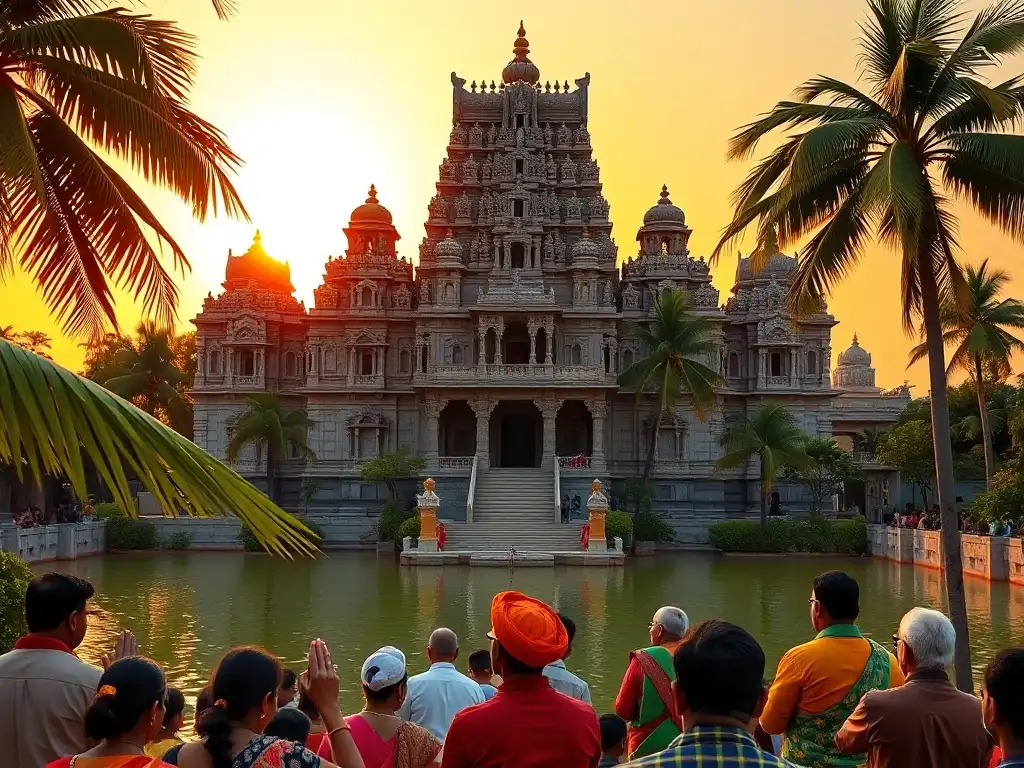
Welcome to Ancient India History! Here, we invite you to embark on a captivating journey through time, exploring the intricate tapestry of art, architecture, and philosophy that defines the grandeur of ancient Indian civilizations. In our featured article, "The Architectural Heritage of the Western Indian Temples," we delve into the remarkable Western Indian temple architecture—a stunning testament to the region's cultural richness and spiritual depth. Uncover the secrets behind these magnificent structures and discover how they reflect the beliefs and artistic prowess of their time. Stay with us as we unravel the fascinating stories that shaped India’s past!
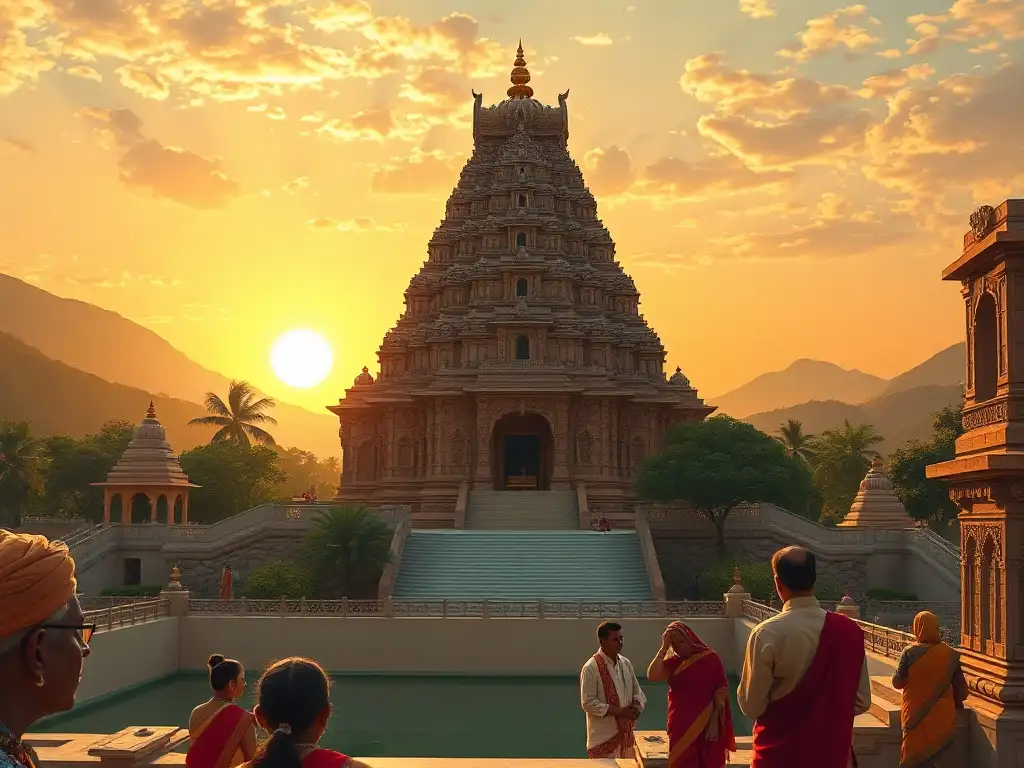
Introduction to Western Indian Temple Architecture
The architectural heritage of Western Indian temples stands as a testament to the rich cultural and spiritual history of the region. These temples, characterized by their intricate designs and profound symbolism, reflect the artistic ingenuity and religious fervor of ancient Indian civilizations. From the majestic structures of the Indus Valley Civilization to the ornate carvings of the Gupta Empire, Western Indian temple architecture showcases a diverse range of styles and influences. This article delves into the key features, historical context, and cultural significance of these architectural marvels, highlighting their role in shaping the spiritual landscape of ancient India.
Overview of Architectural Heritage in Western India
Western India is home to a plethora of temples that represent a confluence of various architectural styles and religious practices. The region boasts notable temple complexes such as:
- The Sun Temple at Modhera: A stunning example of Solanki architecture, known for its elaborate carvings and stepwell.
- The Brihadeeswarar Temple at Thanjavur: A UNESCO World Heritage Site, showcasing the grandeur of Chola architecture.
- The Dilwara Temples: Renowned for their exquisite marble work and intricate sculptures.
These temples are not only places of worship but also serve as centers for artistic expression, reflecting the spiritual and social dynamics of their time.
Importance of Temples in Ancient Indian Culture
Temples in ancient India were pivotal to the socio-cultural fabric of society. They served multiple functions:
- Religious Centers: Temples were the epicenters of worship and rituals, fostering community engagement and spiritual growth.
- Cultural Hubs: They facilitated the dissemination of art, music, and dance, acting as venues for various cultural performances.
- Economic Contributors: Temples played a significant role in the economy through land donations, agricultural activities, and pilgrimage tourism.
The architectural design of these temples often embodied philosophical and cosmological concepts, making them not just places of worship but also symbols of the universe and its myriad forms.
Historical Context of Western Indian Temples
Understanding the historical context of Western Indian temples is crucial to appreciating their architectural significance. The evolution of temple architecture in this region reflects the socio-political changes and cultural exchanges that occurred over centuries.
Timeline of Temple Construction in Western India
The timeline of temple construction in Western India can be broadly categorized into several key periods:
- Indus Valley Civilization (c. 2500-1500 BCE):
- Early architectural forms with evidence of religious structures.
- Mauryan Period (c. 322-185 BCE):
- Introduction of rock-cut architecture, influencing later temple designs.
- Gupta Period (c. 240-550 CE):
- Flourishing of temple architecture, characterized by intricate carvings and towering shikharas.
- Chalukya and Rashtrakuta Periods (c. 500-1000 CE):
- Development of unique styles, such as the Dravidian and Nagara architecture.
- Later Medieval Period (c. 1000-1300 CE):
- Increased temple construction with elaborate sculptures and detailed iconography.
Influences on Western Indian Temple Architecture
Western Indian temple architecture was shaped by various influences, including:
- Local Traditions: Indigenous styles and materials played a significant role in the architectural development.
- Cultural Exchanges: Interaction with neighboring regions led to the amalgamation of different architectural elements.
- Religious Movements: The rise of sects and their philosophies influenced temple designs, incorporating diverse iconographies and motifs.
The blend of these influences has resulted in a rich and diverse architectural heritage, making Western Indian temples a focal point for both architectural study and spiritual exploration.
Key Features of Western Indian Temple Architecture
Western Indian temple architecture is renowned for its unique style, which reflects the cultural and religious diversity of the region. This architectural tradition encompasses various elements that set it apart from other Indian temple styles. One of the most distinguishing features is the intricate use of carvings and sculptures, which often depict deities, mythological stories, and scenes from everyday life. These detailed artworks serve not only as decoration but also as a medium of storytelling and spiritual expression.
Additionally, the shikhara (spire) of Western Indian temples is notable for its soaring heights and elaborate designs. The shikhara often features multiple tiers, each adorned with decorative motifs, creating a visual spectacle that draws the eye upward. The temples are typically constructed from local stone, showcasing the artisans' mastery of material. The overall layout of these temples often incorporates a mandapa (pillared hall) leading to the sanctum sanctorum, which is a common feature in Western Indian temple design.
Moreover, the placement of these temples often reflects the geographical and environmental context, harmonizing with the surrounding landscape. The combination of architectural precision, artistic creativity, and spiritual significance makes Western Indian temple architecture a revered aspect of India's cultural heritage.
Structural Elements of Temples
The structural elements of Western Indian temples are integral to their architectural identity. One of the primary components is the garbhagriha, or the inner sanctum, where the main deity resides. This space is typically small and dark, emphasizing the sanctity of the divine presence housed within. Surrounding the garbhagriha is the pradakshina patha, a circumambulatory path that allows devotees to walk around the sanctum as a form of worship.
The mandapa serves as an open or semi-open hall where rituals and gatherings occur. Many temples feature multiple mandapas, each designed with distinct architectural styles, sometimes showcasing intricately carved columns that are both functional and ornamental. The shikhara, which rises above the garbhagriha, is another critical structural element. It often takes the form of a curvilinear or pyramidical shape, depending on the regional style.
Chhatris, or elevated dome-like structures, are also common in Western Indian temple architecture, adding to the verticality of the design. These structural elements work cohesively to create a space that is not only visually stunning but also spiritually uplifting, inviting devotees to engage with the divine.
Decorative Art and Iconography
Decorative art and iconography are hallmarks of Western Indian temple architecture, showcasing the region's rich artistic heritage. The walls and ceilings of these temples are often adorned with intricate carvings that depict a variety of subjects, ranging from deities and celestial beings to floral patterns and geometric designs. This attention to detail reflects the skill and creativity of the artisans who dedicated their lives to this craft.
Iconography plays a vital role in conveying religious narratives and philosophical concepts. Many temples feature reliefs and sculptures that illustrate scenes from Hindu epics such as the Ramayana and Mahabharata, providing a visual narrative that educates and inspires worshippers. The use of ashtadikpalas (eight guardian deities) and other divine figures in the decorative scheme further enhances the spiritual ambiance of the temple.
Moreover, the use of vibrant colors in some temple frescoes adds depth and life to the artwork, while the careful placement of sculptures allows for a dynamic viewing experience as one moves around the temple. This blend of decorative art and iconography not only enriches the aesthetic appeal of the temples but also deepens their religious significance, inviting contemplation and devotion.
Prominent Examples of Western Indian Temples
Western India is home to several iconic temples that exemplify the region's architectural brilliance and cultural richness. These temples not only serve as places of worship but also stand as testaments to the artistic and spiritual achievements of their time.
The Sun Temple at Modhera
The Sun Temple at Modhera, built in the early 11th century, is a magnificent example of Western Indian temple architecture. Dedicated to the Sun God, Surya, the temple is renowned for its stunning stepwell, known as the Surya Kund, which features several tiers of intricately carved steps leading down to the water. The temple's architectural layout is oriented to capture the sun's rays, particularly during the equinoxes, illuminating the main sanctum.
The temple complex includes a main shrine, a dance hall (mandapa), and beautifully carved pillars adorned with depictions of gods, goddesses, and celestial beings. The exquisite craftsmanship and the harmonious integration of natural elements with architectural features make the Sun Temple a significant cultural and historical landmark.
The Brahma Temple at Pushkar
The Brahma Temple at Pushkar is one of the few temples dedicated to Lord Brahma, the creator in Hindu mythology. This temple is distinguished by its unique architectural style, featuring a red spire and a marble lotus at its entrance. The temple dates back to the 14th century and is surrounded by a sacred lake, which is an integral part of its religious significance.
The interior of the temple houses a stunning idol of Brahma, crafted from marble and adorned with flowers and offerings. The temple's serene atmosphere and its association with the annual Pushkar Camel Fair attract pilgrims and tourists alike, making it a vital part of Western India's cultural landscape.
The Dilwara Temples of Mount Abu
The Dilwara Temples, located in Mount Abu, are a group of remarkable Jain temples famous for their exquisite marble carvings. Built between the 11th and 13th centuries, these temples showcase intricate intricate floral patterns, figures, and geometric designs that reflect the high level of craftsmanship of the era. The temple complex consists of five main temples, each dedicated to different Tirthankaras.
The most notable among them is the Vimal Vasahi Temple, which is dedicated to Lord Adinatha. Its entrance is adorned with stunning sculptures, and the interior features a stunning ceiling with elaborate carvings. The Dilwara Temples stand as a testament to the artistic and spiritual heritage of Jainism and are considered one of the finest examples of Western Indian temple architecture.
The Khajuraho Temples: A Blend of Art and Architecture
The Khajuraho Temples, a UNESCO World Heritage Site, are a breathtaking collection of Hindu and Jain temples built between 950 and 1050 AD. Known for their erotic sculptures and intricate carvings, these temples exemplify the artistic and architectural prowess of ancient Indian civilization. The temples are divided into three groups: Western, Eastern, and Southern, with the Western group being the most famous.
The Lakshmana Temple and the Kandariya Mahadeva Temple are among the prominent structures, showcasing elaborate spires and detailed sculptures of deities engaged in various activities. The iconography of the Khajuraho temples goes beyond mere eroticism, encompassing themes of love, life, and spirituality, reflecting the societal values and beliefs of the time.
The Khajuraho Temples are not only significant due to their artistic merit but also for their architectural innovation, including the use of sandstone and intricate stone-cutting techniques. These temples continue to captivate visitors with their beauty, complexity, and the rich history that they embody.
Architectural Techniques and Innovations
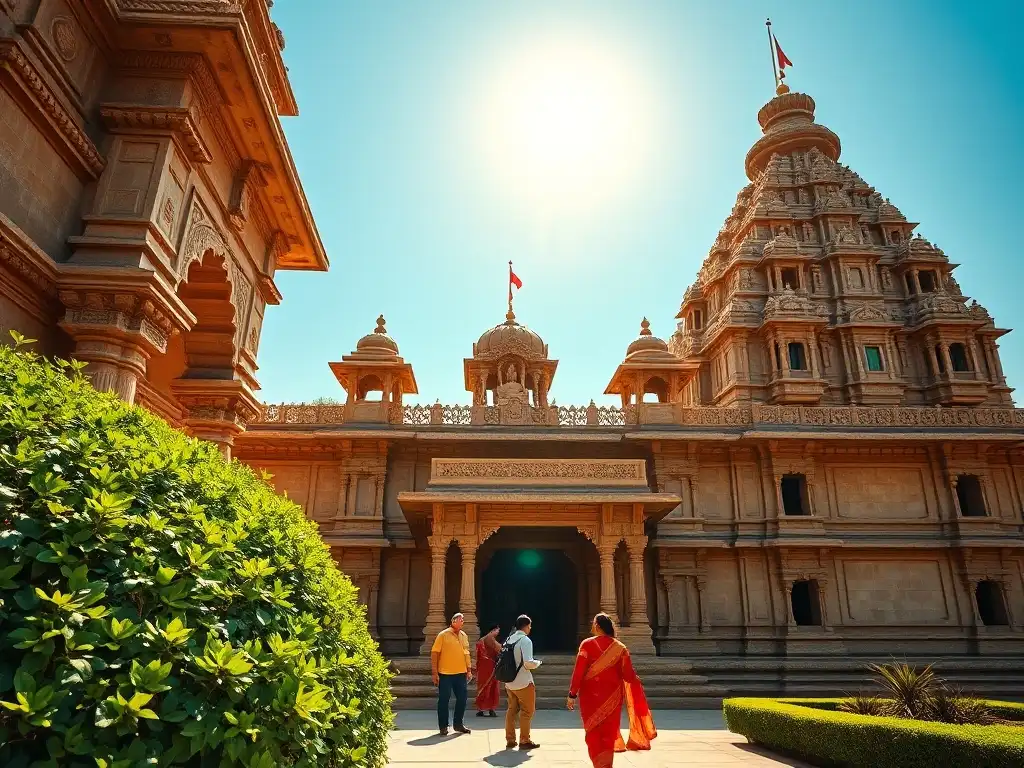
The architectural heritage of Western Indian temples is characterized by a blend of indigenous styles and innovative techniques that evolved over centuries. This region has been a cradle of architectural creativity, showcasing a diversity of temple structures that reflect both the religious fervor and artistic sensibilities of the time. The temples are not merely places of worship; they embody the socio-political and economic conditions of their era.
One of the defining features of Western Indian temple architecture is the extensive use of intricate carvings and sculptures. These decorative elements often depict deities, mythological figures, and scenes from epics such as the Mahabharata and Ramayana. The craftsmanship involved in these carvings required advanced techniques and a deep understanding of stonework, making the temples stand out as masterpieces of artistic expression.
Moreover, the temples are known for their unique structural designs, including the shikhara (spire) and mandapa (pillared hall). The shikhara not only serves as a visual focal point but also allows for the representation of the celestial realm in Hindu cosmology. The mandapa, on the other hand, provides a space for congregation and ritual, emphasizing the communal aspect of worship. These architectural innovations have allowed Western Indian temples to maintain their significance through the ages.
Materials Used in Western Indian Temple Construction
Western Indian temples predominantly utilized local materials, which played a crucial role in their durability and aesthetic appeal. The most common material used was sandstone, particularly in regions like Rajasthan, where the availability of high-quality stone facilitated intricate carvings and robust structures. For instance, the famous Dilwara Temples in Mount Abu exemplify the use of exquisite white marble, showcasing detailed workmanship that draws visitors from across the globe.
Additionally, granite and basalt were also employed in temple construction, especially in the Deccan region. These materials provided the necessary resilience to withstand the test of time and the elements. The use of these local resources not only enhanced the temples' architectural integrity but also highlighted the connection between the environment and the craftsmanship of the artisans.
The choice of materials was often influenced by the religious significance of the site. For example, the Somnath Temple, known for its historical prominence, was rebuilt using materials that symbolized resilience and faith after its destruction. This practice of utilizing local materials reflects the cultural identity of the region and underscores the importance of sustainability in ancient construction techniques.
Advanced Engineering Techniques in Temple Design
The engineering prowess displayed in Western Indian temples is remarkable, particularly in their complex layouts and structural designs. Architects of the time employed advanced techniques such as corbel arching and load distribution systems to create expansive interiors while ensuring stability. These methods allowed for the construction of large halls and sanctums that could accommodate numerous devotees during festivals and rituals.
Furthermore, the orientation of the temples was meticulously planned to align with celestial events. The positioning of the shrines often corresponded with the sun's movement, reflecting the architectural sensitivity to astronomy. This alignment not only enhanced the spiritual experience but also showcased the builders' deep understanding of the cosmos.
Innovative drainage systems were also integrated into temple designs to manage rainwater, preventing erosion and damage to the structures. This foresight demonstrates the advanced knowledge of hydrology possessed by ancient architects, contributing to the longevity of these architectural marvels. Overall, the engineering techniques used in Western Indian temple architecture exemplify a harmonious blend of aesthetics, spirituality, and practicality.
The Cultural Significance of Western Indian Temples
Western Indian temples serve as vital cultural hubs that have significantly shaped the region's social fabric. They are not just religious sites; they represent the confluence of art, architecture, and community life. The temples often embody the local traditions and customs, acting as custodians of history and culture.
The architectural grandeur of these temples attracts pilgrims and tourists alike, fostering a sense of identity among the local population. This cultural significance is particularly evident during festivals and rituals, where the temples become vibrant centers of activity and communal bonding. The temples are instrumental in preserving the spiritual heritage and cultural continuity of the region.
Temples as Centers of Community Life
Temples in Western India have historically functioned as centers of community life, where people gather not only for worship but also for various social, educational, and cultural activities. They often host events such as music and dance performances, art exhibitions, and educational workshops, reinforcing their role as communal spaces.
The architecture of these temples, with their spacious courtyards and mandapas, facilitates gatherings and celebrations, making them integral to the community's social dynamics. Temples also serve as places for resolving disputes and making collective decisions, further enhancing their importance in everyday life.
Moreover, during times of crisis or natural calamities, temples often become centers for relief efforts and support, showcasing their enduring role in the community's resilience and solidarity.
Festivals and Rituals Associated with Western Indian Temples
The rich tapestry of festivals and rituals associated with Western Indian temples adds to their cultural significance. Each temple has its unique calendar of festivals that reflect the local traditions and religious practices. For instance, the famous Mahashivaratri celebrated at the Somnath Temple attracts thousands of devotees who participate in night vigils, prayers, and festive processions.
Rituals performed at these temples often involve elaborate ceremonies that include offerings, music, and dance, creating an immersive spiritual experience. The architecture enhances these rituals, as the design accommodates the ceremonial activities, allowing for fluid participation by the devotees.
Additionally, many temples host annual fairs and processions, which further cement their role as cultural centers where traditions are celebrated and passed down through generations. These events foster community spirit and reinforce the connection between the past and present, ensuring that the legacy of Western Indian temple architecture continues to thrive.
Preservation and Conservation of Western Indian Temple Architecture
The preservation and conservation of Western Indian temple architecture are crucial for maintaining the cultural and historical integrity of the region. These temples, which date back to various ancient periods, showcase intricate designs, remarkable craftsmanship, and serve as a testament to the spiritual and artistic endeavors of their time. However, ensuring their longevity requires a combination of strategic planning, community involvement, and government initiatives.
Challenges Facing the Preservation of Historical Sites
Several challenges hinder the preservation of Western Indian temple architecture. Among them are:
- Environmental Factors: Exposure to harsh weather conditions, pollution, and natural disasters can lead to deterioration of the structures.
- Urbanization: Rapid urban development often threatens historical sites, as new constructions may encroach upon or overshadow these ancient monuments.
- Lack of Resources: Many temples suffer from inadequate funding for maintenance and restoration. Limited financial resources can restrict the ability to implement necessary conservation measures.
- Neglect and Vandalism: Some temples face neglect due to a lack of awareness about their historical significance, while others may be subjected to vandalism, further exacerbating their decline.
Addressing these challenges requires a multi-faceted approach that includes education, public awareness campaigns, and legal protections for historical sites.
Efforts in Restoration and Conservation
Efforts to restore and conserve Western Indian temple architecture have gained momentum in recent years. Various organizations, both governmental and non-governmental, are involved in these initiatives. Key efforts include:
- Documentation and Research: Detailed surveys and documentation of temple structures are essential for understanding their historical context and architectural significance. This includes creating digital archives and 3D modeling.
- Restoration Projects: Targeted restoration projects aim to repair and restore damaged temples. This often involves using traditional building techniques and materials to maintain authenticity.
- Community Engagement: Involving local communities in preservation efforts fosters a sense of ownership and pride. Workshops and training programs for local artisans ensure that traditional skills are passed down through generations.
- Legal Protections: Enforcing laws that protect historical sites from encroachment and unauthorized modifications is vital for their preservation. This includes designating certain areas as heritage sites to restrict development.
Conclusion: The Legacy of Western Indian Temple Architecture
The legacy of Western Indian temple architecture is profound, influencing not only the spiritual landscape of the region but also its cultural and artistic expressions. These temples are not merely places of worship; they are architectural marvels that reflect the ingenuity and devotion of ancient artisans. Their intricate carvings, detailed sculptures, and grand layouts continue to inspire admiration and respect.
The Influence of Western Indian Temples on Modern Architecture
The influence of Western Indian temples on modern architecture is evident in various contemporary designs. Architects draw inspiration from the intricate carvings and structural elements of these ancient temples, incorporating traditional motifs and techniques into modern buildings. This blend of ancient and modern styles fosters a unique architectural identity that honors the past while embracing the future.
- Sustainable Practices: Many modern architects are also looking towards the sustainable practices of ancient builders, which often utilized local materials and harmonized with the environment.
- Cultural Symbolism: The use of religious symbols and motifs from Western Indian temples has become a prominent feature in many modern edifices, reflecting the rich cultural heritage of India.
Continuing Relevance of Western Indian Temple Heritage
The continuing relevance of Western Indian temple heritage extends beyond architectural appreciation; it embodies the spiritual, cultural, and historical narratives of the region. These temples serve as important sites for pilgrimage and community gatherings, fostering a sense of identity and continuity among local populations. They also attract scholars, tourists, and art enthusiasts, contributing to the local economy and promoting cultural tourism.
- Educational Initiatives: Programs aimed at educating the public about the importance of these temples contribute to their preservation by fostering respect and awareness.
- Cultural Festivals: Celebrating traditional festivals at these temples revitalizes interest and engagement with the heritage, ensuring that the customs and practices associated with them are kept alive.
The preservation and appreciation of Western Indian temple architecture are vital not only for conserving historical structures but also for ensuring that the rich tapestry of India's cultural heritage continues to thrive for future generations.
References
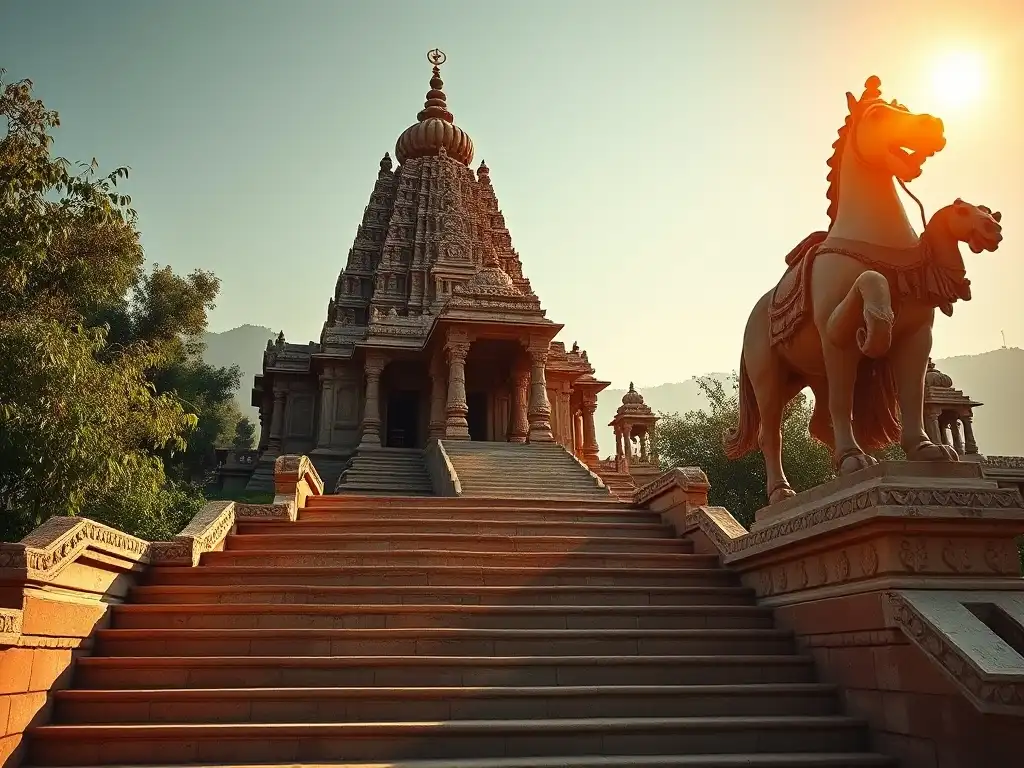
The study of Western Indian temple architecture is enriched by a variety of sources, including scholarly articles, books, and detailed surveys of historical sites. These references provide insights into the intricate designs, cultural significance, and historical contexts of the temples in this region. Below is a selection of key references that are essential for a deeper understanding of the architectural heritage of Western Indian temples:
- "The Temples of Western India" by Michael W. Meister - This comprehensive work explores various temples across Western India, delving into architectural styles, iconography, and historical narratives.
- "Architecture of the Indian Subcontinent" by James C. Harle - A seminal text that provides a broad overview of Indian architecture, including detailed sections on Western Indian temples and their unique features.
- "The Art and Architecture of India: Buddhist, Hindu, Jain": by Benjamin Rowland - This book offers a detailed analysis of the artistic and architectural developments in India, with a focus on Western temple styles.
- "Indian Temple Architecture: Form and Transformation": by Adam Hardy - This work discusses the evolution of temple architecture over time, emphasizing the distinctive characteristics of Western Indian temples.
- "Sacred Architecture: The Hindu Temple": by K. P. Ramesh - An insightful exploration of the sacredness of temple architecture in Hinduism, with a focus on the regional variations found in Western India.
Suggested Reading on Western Indian Temple Architecture
For those interested in a deeper exploration of Western Indian temple architecture, the following texts are highly recommended. These works provide not only historical context but also detailed descriptions of architectural styles, construction techniques, and the cultural significance of various temples:
- "Hindu Temple Architecture in South India" by K. M. Suresh - While primarily focused on South India, this book includes comparative analyses that highlight influences on Western temple architecture.
- "A History of Indian Architecture: The Hindu and Islamic Periods": by R. D. D. Ghosh - This book covers a broad spectrum of Indian architecture, including significant insights into Western Indian styles.
- "Temples of the Western Indian States: An Overview": by Neelima Jha - A focused study on the temples in states such as Gujarat and Maharashtra, detailing their architectural features and historical context.
- "Indian Temple Sculpture" by John C. Huntington - This text provides a comprehensive examination of the sculptures found in temples, which are integral to understanding the overall architectural aesthetics.
- "The Western Indian Temple Tradition" by Rani P. K. - An academic journal article that discusses the unique characteristics of Western Indian temple architecture and its evolution over centuries.
The study of Western Indian temple architecture has been significantly enriched by the contributions of various scholars and authors who have dedicated their research to this niche. Here are some notable figures in the field:
- Michael W. Meister - A leading authority on Indian architecture, Meister’s extensive research includes numerous publications on the architecture of Western Indian temples, making him a pivotal figure in this area.
- Adam Hardy - An influential scholar whose work on the evolution of temple architecture has provided critical insights into the architectural heritage of Western India.
- Benjamin Rowland - Known for his comprehensive analyses of Indian art and architecture, Rowland’s works are foundational texts for understanding the complexities of Western Indian temple designs.
- K. M. Suresh - His comparative studies on temple architecture have highlighted the interconnections between various regional styles, including Western Indian influences.
- Neelima Jha - A contemporary researcher, Jha has focused on the specific characteristics of Western Indian temple architecture, contributing valuable insights to the existing body of knowledge.
These authors and their works serve as essential resources for anyone looking to understand the rich and varied architectural heritage of Western Indian temples.
- Introduction to Western Indian Temple Architecture
- Historical Context of Western Indian Temples
- Key Features of Western Indian Temple Architecture
- Prominent Examples of Western Indian Temples
- Architectural Techniques and Innovations
- The Cultural Significance of Western Indian Temples
- Preservation and Conservation of Western Indian Temple Architecture
- Conclusion: The Legacy of Western Indian Temple Architecture
- References
- Suggested Reading on Western Indian Temple Architecture
- Notable Authors and Scholars in the Field
- What is Western Indian temple architecture?
- Which civilizations contributed to Western Indian temple architecture?
- What are some notable examples of Western Indian temples?
- How did geography influence Western Indian temple architecture?
- What are the key features of Western Indian temple architecture?
Frequently Asked Questions
What is Western Indian temple architecture?
Western Indian temple architecture refers to the unique styles and designs of temples found in the western region of India, particularly influenced by the Indo-Aryan and Dravidian architectural traditions.
Which civilizations contributed to Western Indian temple architecture?
The Mauryan, Gupta, and Solanki empires were significant contributors to the development of Western Indian temple architecture, showcasing intricate carvings and innovative designs.
What are some notable examples of Western Indian temples?
Examples include the Sun Temple in Modhera, the Khajuraho temples, and the Jain temples in Ranakpur, all renowned for their exquisite artistry and architectural brilliance.
How did geography influence Western Indian temple architecture?
The region's topography and climate played a crucial role in architectural choices, leading to the use of local materials and designs that harmonize with the natural surroundings.
What are the key features of Western Indian temple architecture?
Key features include ornate carvings, shikhara (spire) designs, and mandapas (pillared halls), which collectively reflect the spiritual significance and artistic heritage of the region.
Final Reflection: Embracing the Legacy of Western Indian Temple Architecture
The architectural heritage of Western Indian temples is not just a relic of the past; it is a vibrant testament to the cultural and spiritual identity of the region. Today, as we navigate a world increasingly defined by rapid modernization and globalization, the intricate designs and profound symbolism embedded in these temples remind us of the importance of preserving our historical narratives. The beauty and complexity of Western Indian temple architecture continue to inspire awe and reverence, urging us to reconnect with our roots.
The influence of Western Indian temple architecture extends beyond mere aesthetics; it shapes our cultural landscape and fosters a sense of community and belonging. These temples serve as gathering places for worship, celebration, and reflection, reinforcing the values and traditions that bind us together. As noted by architectural historian James Fergusson, The temples of India are not merely buildings; they are the embodiment of the spiritual aspirations of a civilization.
This perspective highlights the ongoing relevance of these structures, as they continue to inspire contemporary artists, architects, and spiritual seekers alike.
As we conclude our exploration of Western Indian temple architecture, I invite you to reflect on the significance of preserving such cultural treasures in your own life. Consider visiting these temples, learning about their histories, and sharing their stories with others. By engaging with our architectural heritage, we not only honor the past but also ensure that future generations can appreciate the rich tapestry of human creativity and spirituality that these temples represent. Let us commit to safeguarding this legacy, allowing it to illuminate our paths as we move forward into the future.
Unveil the Wonders of Western Indian Temples!
Thank you for exploring the rich architectural heritage of Western Indian temples with us! We hope you’ve discovered the intricate beauty and cultural significance behind these magnificent structures. Now, it's time to deepen your appreciation and take proactive steps to engage with this heritage!
Here are some inspiring actions you can take:
- Plan a visit to a local temple or historical site to experience the architectural marvels firsthand.
- Join an online community focused on ancient architecture to discuss your thoughts and learn from others.
- Share your favorite insights from this article with friends and family to spark conversation about the importance of preserving our cultural heritage.
As you reflect on this journey, consider: Which temple has captured your interest the most, and in what ways do you think it embodies the cultural values of its era?