
The Cultural Significance of Ugadi in Ancient Deccan Traditions


Welcome to Ancient India History, where we embark on a journey through the rich tapestry of traditions and contributions that shaped ancient Indian civilizations. In today's exploration, we delve into the cultural significance of Ugadi, a festival that marks the New Year in the Deccan region and reflects the vibrant heritage of our ancestors. Discover how this celebration intertwines with the agricultural cycles, rituals, and the essence of community life.
Prepare to be intrigued as we unravel the layers of meaning behind Ugadi and its enduring influence on modern festivities. Continue reading to uncover the fascinating stories that breathe life into this ancient tradition!
Introduction to Ugadi
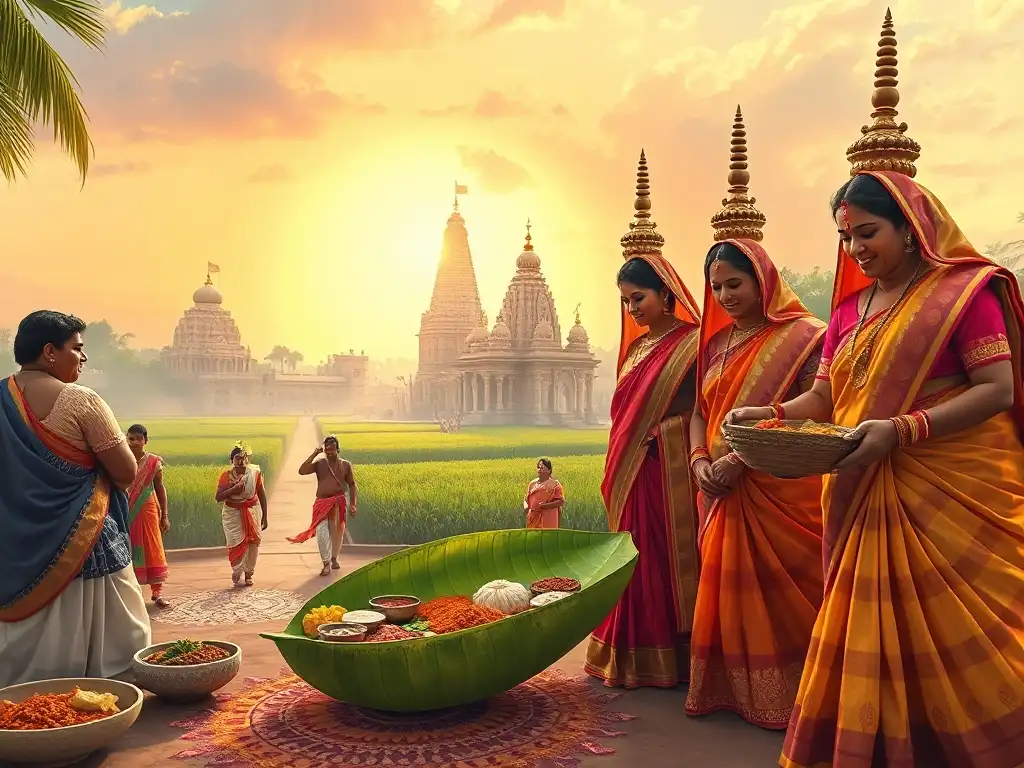
Ugadi, celebrated primarily in the Deccan region of India, marks the onset of the New Year according to the lunisolar calendar. This vibrant festival is not only a time for renewal and joy but also encapsulates the rich cultural tapestry of ancient Indian traditions. Its significance extends beyond mere celebrations, reflecting the deep-rooted values, agricultural cycles, and community bonds of ancient Deccan societies.
Overview of Ugadi as a Festival
Ugadi, derived from the Sanskrit words "Yuga" (age) and "Adi" (beginning), signifies the beginning of a new era. Traditionally, the festival is observed with various rituals that include:
- Ritualistic preparations: Homes are cleaned and adorned with fresh mango leaves, symbolizing prosperity and auspiciousness.
- Special culinary delights: A signature dish known as "Ugadi Pachadi," made from raw mango, jaggery, tamarind, and salt, embodies the diverse flavors of life—sweet, sour, and bitter.
- Festive gatherings: Families come together to celebrate, sharing stories and blessings for the year ahead.
The festivities not only focus on the personal aspect of renewal but also emphasize communal harmony, making Ugadi a pivotal event in the Deccan calendar.
Importance of Ugadi in Ancient Deccan Culture
The cultural significance of Ugadi in ancient Deccan traditions cannot be overstated. This festival serves multiple purposes:
- Agricultural significance: Ugadi coincides with the harvest season, marking a time of gratitude for the bountiful crops. It plays a vital role in agricultural communities, where the success of the harvest directly impacts livelihoods.
- Spiritual renewal: The festival encourages individuals to reflect on their past actions while setting intentions for the upcoming year, fostering a sense of personal growth and renewal.
- Cultural continuity: Ugadi has been celebrated for centuries, helping to preserve ancient customs and practices, thus reinforcing cultural identity among communities.
Through these aspects, Ugadi emerges as not just a festival of joy, but a celebration that embodies the values and traditions of ancient Indian civilization.
Historical Context of Ugadi
Understanding the historical context of Ugadi sheds light on its evolution and significance throughout the ages. This festival has roots that intertwine with the agricultural and cultural practices of ancient Deccan societies.
Origins of Ugadi in the Deccan Region
The origins of Ugadi can be traced back to ancient agricultural practices in the Deccan region. Historical evidence suggests that:
- Lunisolar calendar: The timing of Ugadi aligns with the lunisolar calendar, which was crucial for agricultural planning in ancient times.
- Cultural amalgamation: As the Deccan region was a melting pot of various cultures and traditions, Ugadi absorbed diverse customs, evolving into a festival that reflects the unique identity of the area.
These elements underscore Ugadi's role as a cultural cornerstone that has withstood the test of time, adapting while retaining its core significance.
Ugadi in Ancient Texts and Scriptures
The mentions of Ugadi in ancient texts and scriptures provide valuable insights into its significance. Historical records indicate:
- References in scriptures: Texts like the Mahabharata and Puranas reflect the importance of the New Year celebrations and the associated rituals, establishing Ugadi's longstanding cultural relevance.
- Festivals as markers of time: Ugadi has been recognized as a pivotal marker for the passage of time, reinforcing the agricultural cycles and seasonal changes that were crucial for ancient communities.
These references highlight how Ugadi was not just a local festival but a significant event that resonated throughout ancient Indian history, weaving together the threads of spirituality, agriculture, and community life.
The Cultural Significance of Ugadi
Ugadi, the New Year festival celebrated in the Deccan region of India, holds profound cultural significance that reflects the rich heritage of ancient Indian traditions. This festival, marking the beginning of the Chaitra month in the Hindu lunar calendar, symbolizes renewal, hope, and the cyclical nature of life. It is a time for families to come together, pay homage to their deities, and embrace the arrival of spring, which brings with it a sense of rejuvenation and prosperity.
The cultural significance of Ugadi extends beyond mere celebrations; it serves as a reminder of the agrarian roots of ancient Indian society. Festivals like Ugadi were intricately linked to the agricultural calendar, representing a time when farmers would begin their preparations for the upcoming sowing season. The celebration of Ugadi encapsulates the values of gratitude, reflection, and community, fostering a sense of belonging among individuals and families.
Moreover, Ugadi represents a confluence of various cultural practices and beliefs that have evolved over centuries. The festival is not just a celebration of the new year but also an occasion that honors the past, acknowledges the present, and anticipates future prosperity. Through its rituals and traditions, Ugadi reinforces the identity of the communities in the Deccan, showcasing their unique historical narratives and cultural richness.
Symbolism Behind Ugadi Celebrations
The symbolism of Ugadi is deeply embedded in its rituals and customs. One of the core elements is the preparation of "Ugadi Pachadi," a special dish made from jaggery, tamarind, raw mango, and neem leaves. This dish symbolizes the diverse experiences of life: sweetness (jaggery), sourness (tamarind), bitterness (neem leaves), and tanginess (raw mango), reflecting the belief that life is a mixture of different emotions and experiences. The consumption of this dish encourages individuals to embrace life's ups and downs and to foster resilience in the face of challenges.
In addition, the ritualistic cleaning and decorating of homes signify the removal of negativity and the welcoming of positive energies. The use of new clothes and the lighting of lamps during Ugadi symbolize new beginnings and the dispelling of darkness. These practices collectively convey a message of hope and renewal, encouraging individuals to reflect on their past while looking forward to a prosperous future.
Furthermore, Ugadi is also a time for seeking blessings from elders and deities, which reinforces familial bonds and communal ties. This emphasis on respect and gratitude underscores the importance of relationships in ancient Indian culture, highlighting the interconnectedness of individuals within their communities.
Cultural Practices and Rituals Associated with Ugadi
Cultural practices associated with Ugadi are diverse and rich, showcasing the unique traditions of the Deccan region. The day typically begins with an early morning ritual where people take a ceremonial bath, signifying purification and readiness for the new year. Following this, families gather to perform puja (worship) rituals, offering prayers to deities for health, wealth, and happiness.
Another notable practice is the recitation of the "Panchanga," which is the Hindu calendar that outlines the events and astrological significance of the coming year. This practice not only serves as a source of guidance for individuals but also reinforces the cultural connection to time and seasons.
In many communities, Ugadi is celebrated with vibrant processions, folk dances, and music, showcasing local art forms and cultural expressions. The exchange of greetings and sweets among neighbors and friends highlights the spirit of community and togetherness that is central to Ugadi celebrations.
Moreover, storytelling and sharing of family histories during this time serve to pass down cultural knowledge and traditions to younger generations, ensuring the continuity of the rich cultural heritage associated with Ugadi.
Ugadi and Agricultural Significance in Ancient India
The agricultural significance of Ugadi cannot be overstated, as it marks the onset of the harvesting season for many crops in ancient India. The festival is intrinsically linked to the agricultural calendar, symbolizing the end of one harvest and the beginning of preparations for the next. This connection to agriculture is evident in the rituals performed during Ugadi, which often involve prayers for a bountiful harvest and the well-being of livestock.
Farmers in ancient Deccan would look to Ugadi as an auspicious time to commence new agricultural activities. The festival served as a time to assess the past year's yield, celebrate the fruits of labor, and plan for the upcoming season. This cyclical nature of agriculture and the festival illustrates the deep-rooted relationship between the land and the communities that depend on it.
Moreover, Ugadi celebrations often include traditional agricultural fairs, where farmers would showcase their produce and engage in the exchange of goods. These fairs not only served economic purposes but also fostered social interactions, reinforcing community bonds and shared cultural values among the agrarian population.
Ugadi Celebrations in Different Regions of Deccan
Ugadi celebrations vary significantly across the Deccan region, with each area infusing its unique cultural flavors and practices into the festival. While the core essence of Ugadi remains consistent, the local customs, food, and rituals offer a fascinating glimpse into the diversity of Deccan traditions.
Variations in Ugadi Traditions Across the Deccan
In regions like Karnataka, Ugadi is known as "Yugadi," and the celebrations prominently feature a special dish called "Bevu-Bella," which includes pieces of neem and jaggery, symbolizing the sweetness and bitterness of life. In contrast, in Andhra Pradesh, Ugadi is celebrated with a vibrant procession of traditional dances and music, along with offerings to deities that reflect local beliefs and practices.
Maharashtra also observes a similar festival called "Gudi Padwa," which coincides with Ugadi, celebrating the arrival of spring with the hoisting of the Gudi (a decorated pole). Each of these variations showcases how the festival has evolved, adapting to regional customs while retaining its core significance as a celebration of new beginnings.
Unique Customs and Practices in Each Community
Each community within the Deccan region has its distinct customs associated with Ugadi. For instance, in some areas, it is customary to decorate the entrances of homes with colorful rangoli designs, symbolizing the welcoming of guests and positive energy. In contrast, communities in rural areas may emphasize agricultural rituals, such as the worship of farm tools and livestock, aligning the festival with their agrarian lifestyle.
Additionally, storytelling traditions vary, with some communities focusing on local legends and myths that resonate with their heritage, while others might emphasize the teachings from ancient texts that highlight the philosophical aspects of life and nature.
These unique customs and practices not only enrich the Ugadi celebrations but also serve to reinforce the cultural identity of the communities, illustrating the diverse tapestry of traditions that make up the Deccan region's rich heritage.
The Role of Ugadi in Ancient Deccan Society
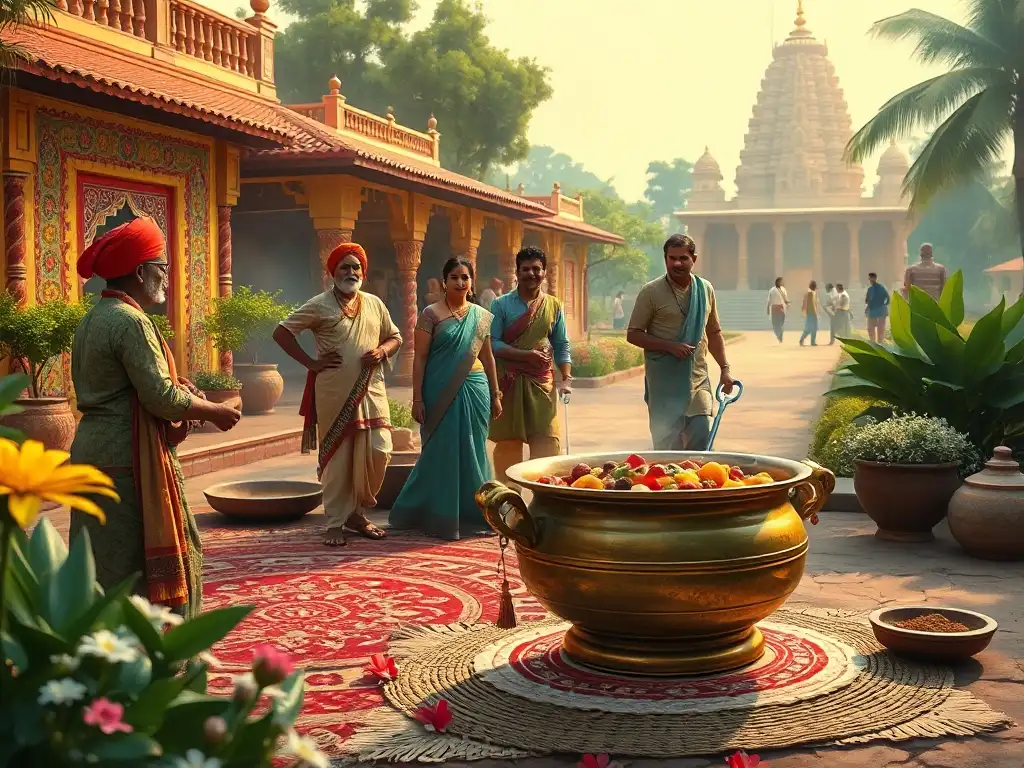
Ugadi, celebrated as the New Year festival in the Deccan region, played a pivotal role in the social and cultural framework of ancient Indian society. It marked the onset of the spring season, symbolizing renewal and rebirth. This festival was not merely a day of celebration but a significant event that reinforced community identity and cultural heritage among the diverse populations of the Deccan.
The observance of Ugadi was deeply intertwined with agricultural practices, as it coincided with the harvesting of crops. Communities came together to celebrate the fruits of their labor, which fostered a sense of gratitude and respect for nature. Traditional rituals and offerings during Ugadi reflected the agrarian lifestyle that dominated the region, highlighting the interdependence between the people and their environment.
Moreover, Ugadi served as a time for reflection and planning for the year ahead. Families would engage in discussions about personal and communal goals, reinforcing a shared vision among community members. This collective approach not only strengthened familial ties but also enhanced the bonds between different social groups, contributing to social cohesion and unity.
Ugadi as a Marker of Time and Seasons
Ugadi functioned as an essential marker of time and seasons in ancient Deccan society. The festival typically falls in the month of Chaitra, marking the beginning of the new lunar calendar. This timing was significant for agricultural activities, as it aligned with the preparation for the upcoming sowing season.
The rituals associated with Ugadi included the preparation of special dishes, such as puran poli and ugadi pachadi, which symbolized the natural bounty and the cycle of life. The inclusion of ingredients like neem leaves, jaggery, and tamarind in the festive preparations served as a reminder of the balance between sweet and bitter experiences in life, reflecting the philosophical understanding of life's dualities.
Furthermore, Ugadi was a time to clean homes and decorate them, signifying new beginnings. This practice not only reinvigorated the household but also embodied the cultural ethos of starting afresh with the arrival of spring. The celebration of Ugadi thus encapsulated both the cyclical nature of time and the importance of renewal in ancient Deccan traditions.
Ugadi's Influence on Social Cohesion and Community Bonds
The celebration of Ugadi significantly influenced social cohesion and community bonds in ancient Deccan society. As a communal festival, it brought together people from various backgrounds, fostering a sense of belonging and shared identity. The collective observance of rituals and festivities reinforced social ties, encouraging interactions among families and communities.
During Ugadi, community gatherings included cultural performances, music, and dance, which served to strengthen relationships among participants. These activities not only showcased local traditions but also provided a platform for individuals to express their cultural identities. By engaging in these communal celebrations, people forged deeper connections and developed a strong sense of unity.
Moreover, Ugadi emphasized the importance of family structures, as families would come together to celebrate, share meals, and partake in rituals. Elders played a crucial role in imparting cultural wisdom during these gatherings, ensuring the transmission of traditions and values to younger generations. As such, Ugadi was not just a festival but a vital element in nurturing social fabric and continuity within communities.
Myths and Legends Associated with Ugadi
Myths and legends surrounding Ugadi enriched its cultural significance, offering deeper insights into the values and beliefs of ancient Deccan society. These stories often revolved around deities and celestial events, providing a narrative framework that connected the festival to the divine and natural worlds.
One of the most popular myths associated with Ugadi is that of Lord Brahma, the creator in Hindu mythology, who is believed to have created the universe on this day. This association with creation imbues Ugadi with a sense of renewal and hope, encouraging individuals to reflect on their own lives and aspirations. The celebration is, therefore, seen as a way to honor the divine forces that govern existence.
Additionally, other legends depict the significance of various natural elements, such as the neem tree, which is integral to Ugadi celebrations. The bitter leaves of the neem are used in traditional dishes, symbolizing the acceptance of life's challenges alongside its joys. Such myths not only narrate the origins of Ugadi but also impart moral lessons that resonate within the context of the festival.
Popular Myths Surrounding Ugadi
Several popular myths serve to enhance the cultural narrative of Ugadi, each contributing to the festival's rich tapestry. One such legend involves the story of the demon king Shumbha, who was defeated by Goddess Durga. It is believed that Ugadi marks the victory of good over evil, thus inspiring devotees to renew their commitment to righteousness and virtue.
Another prevalent myth speaks of the arrival of spring, symbolized through various deities who bless the earth with fertility and abundance. This myth emphasizes the agricultural significance of Ugadi, celebrating the hope and promise of a prosperous year ahead. Such stories not only serve to entertain but also educate the community about the values of resilience, hope, and communal harmony.
These myths are often retold during the festival through songs, dances, and theatrical performances, making them an integral part of Ugadi celebrations. The engagement with these narratives fosters a sense of connection to cultural heritage, ensuring that the stories and their underlying messages remain alive within the community.
How Myths Enhance the Cultural Significance of Ugadi
The myths associated with Ugadi enhance its cultural significance in several ways. Firstly, they provide a historical context that deepens the understanding of the festival's origins, linking it to larger themes of creation, renewal, and moral righteousness. This connection to mythology enriches the experience of the festival, allowing participants to reflect on the deeper meanings behind their celebrations.
Secondly, these myths serve to unify the community through shared beliefs and stories. As individuals come together to recount these legends, they create a collective memory that strengthens their cultural identity. This shared narrative fosters a sense of belonging and continuity, ensuring that the values and traditions associated with Ugadi are passed down through generations.
Lastly, the incorporation of myths into the Ugadi celebrations encourages individuals to engage with the festival on a personal level. The stories often contain universal themes that resonate with the human experience, prompting attendees to reflect on their own lives and aspirations. This personal connection to the myths enhances the emotional significance of Ugadi, making it a transformative experience for many.
Conclusion
The cultural significance of Ugadi in ancient Deccan traditions extends far beyond mere celebration; it represents a profound connection to the cyclical nature of time, agriculture, and spirituality. This festival, marking the New Year, served as a moment for communities to come together, reaffirm their cultural identities, and engage in rituals that honor their heritage.
The practices associated with Ugadi, from the preparation of traditional dishes to the recitation of sacred texts, illustrate the rich tapestry of customs that have been passed down through generations. Understanding Ugadi provides valuable insights into the values and beliefs of ancient Indian societies, highlighting their reverence for nature and the importance of community.
Reflection on the Legacy of Ugadi in Ancient Traditions
The legacy of Ugadi in ancient traditions is evident in its enduring rituals that celebrate renewal and hope. As a festival that marks the arrival of spring, Ugadi symbolizes the rejuvenation of nature and the human spirit. The ancient Deccan peoples observed this time with various agricultural practices, acknowledging the significance of the harvest and the changing seasons.
For them, Ugadi was not simply a date on the calendar; it was a vibrant celebration of life, characterized by music, dance, and communal feasting. These elements fostered unity among diverse communities, reinforcing social bonds and cultural continuity. As such, Ugadi is a reflection of the ancient ethos, where nature and tradition were intertwined, and every new beginning was met with joy and gratitude.
The Continuing Relevance of Ugadi in Modern Times
Today, Ugadi continues to hold significant relevance in contemporary society, transcending its ancient roots to embody both tradition and modernity. While the fundamental aspects of the festival remain intact, such as the preparation of the traditional dish, Ugadi Pachadi, and the recitation of auspicious verses, new interpretations have emerged that reflect current societal values.
Modern celebrations often emphasize themes of environmental consciousness and social responsibility, encouraging communities to engage in sustainable practices. Moreover, Ugadi serves as a reminder of the importance of cultural heritage in a rapidly changing world, allowing individuals to connect with their ancestry while fostering a sense of belonging in an increasingly globalized society.
Further Reading
Recommended Books and Resources on Ugadi and Ancient Festivals
For those interested in delving deeper into the cultural significance of Ugadi and the broader context of ancient Indian festivals, the following books and resources are recommended:
- "Festivals of India" by S. P. Gupta: This comprehensive guide explores various Indian festivals, including Ugadi, highlighting their historical and cultural significance.
- "The Cultural Heritage of India" by K. R. Srinivasa Iyengar: This book provides insights into the rich traditions of India, including detailed discussions on regional festivals.
- "Hindu Festivals and Traditions" by A. K. Jain: A focused exploration of Hindu festivals, including Ugadi, detailing customs, rituals, and their meanings.
- Online resources and articles from reputable cultural institutions and universities that focus on ancient Indian festivals can provide additional context and research findings on Ugadi and its significance.
These resources will not only enhance your understanding of Ugadi but also offer a broader perspective on the cultural traditions that have shaped ancient Indian society.
- Introduction to Ugadi
- Historical Context of Ugadi
- The Cultural Significance of Ugadi
- Ugadi Celebrations in Different Regions of Deccan
- The Role of Ugadi in Ancient Deccan Society
- Myths and Legends Associated with Ugadi
- Conclusion
- Further Reading
Frequently Asked Questions
What is Ugadi and its significance in ancient Indian culture?
Ugadi is the New Year festival celebrated in the Deccan region, marking the arrival of spring. It signifies the beginning of the lunar calendar and reflects the rich cultural heritage of ancient Indian traditions.
How did ancient civilizations celebrate Ugadi?
Ancient civilizations celebrated Ugadi with rituals and festivities that included preparing special dishes, decorating homes, and performing prayers. These traditions emphasized the unity and renewal of the community.
What are the traditional foods associated with Ugadi?
Traditional foods include Puran Poli and Ugadi Pachadi, symbolizing the balance of sweet and sour flavors, representing life's various experiences and the importance of embracing them.
In what ways does Ugadi reflect the cultural diversity of India?
Ugadi showcases the cultural diversity of India through its unique customs, languages, and rituals, highlighting how different regions celebrate the same festival with their own distinct flavors.
How is Ugadi connected to ancient Indian philosophy?
Ugadi reflects ancient Indian philosophy by emphasizing the cyclical nature of time and the importance of new beginnings. It encourages people to reflect, renew, and look forward to the future while honoring the past.
Final Reflection: Embracing the Cultural Significance of Ugadi
The cultural significance of Ugadi resonates deeply within the fabric of our contemporary society, reminding us of the importance of traditions that connect us to our roots. As we navigate an increasingly fast-paced world, the celebration of Ugadi serves as a poignant reminder of the values, stories, and rituals that shape our identities. This festival not only marks the beginning of the new year for many in the Deccan region but also encapsulates a rich tapestry of cultural heritage that continues to influence our lives today.
The enduring legacy of Ugadi is evident in the way it fosters community bonds and cultural pride. From the vibrant festivities that bring families together to the rituals that honor our ancestors, Ugadi remains a cornerstone of social cohesion and cultural expression. As we reflect on the significance of this festival, we can hear the echoes of wisdom from our forebears: Tradition is not the worship of ashes, but the preservation of fire.
This quote encapsulates the essence of Ugadi, urging us to keep the flame of our cultural heritage alive while adapting it to the modern context.
As you ponder the cultural significance of Ugadi, I invite you to embrace the lessons it offers and integrate them into your own life. Consider how you can celebrate your heritage, honor your traditions, and share them with future generations. Whether through family gatherings, storytelling, or participating in local festivities, each action contributes to the preservation of our rich cultural landscape. Let Ugadi inspire you to cultivate a deeper connection with your roots and encourage others to do the same, ensuring that the vibrant spirit of this festival continues to thrive for years to come.
Embrace Ugadi: Celebrate Cultural Heritage Today!
Thank you for diving into the world of Ugadi and exploring its rich cultural significance in ancient Deccan traditions! Your interest in these fascinating customs not only enriches your understanding but also keeps our heritage alive. Now, let's take that newfound knowledge and put it into action!
Here are a few ways you can celebrate and honor Ugadi in your life:
- Host a Ugadi Celebration: Gather friends and family to share traditional dishes and stories from the Deccan regions. Make it a memorable cultural experience!
- Discover More Traditions: Explore other ancient festivals by visiting local museums or reading historical literature. Uncover the narratives that shaped our heritage!
- Share Your Knowledge: Post about Ugadi on social media or engage in discussions within your community to spread awareness and appreciation. Invite others to join the celebration!
As you reflect on these activities, consider this: How does embracing traditions like Ugadi influence your understanding of your cultural identity?