
The Vedic Influence on Indian Art and Architecture

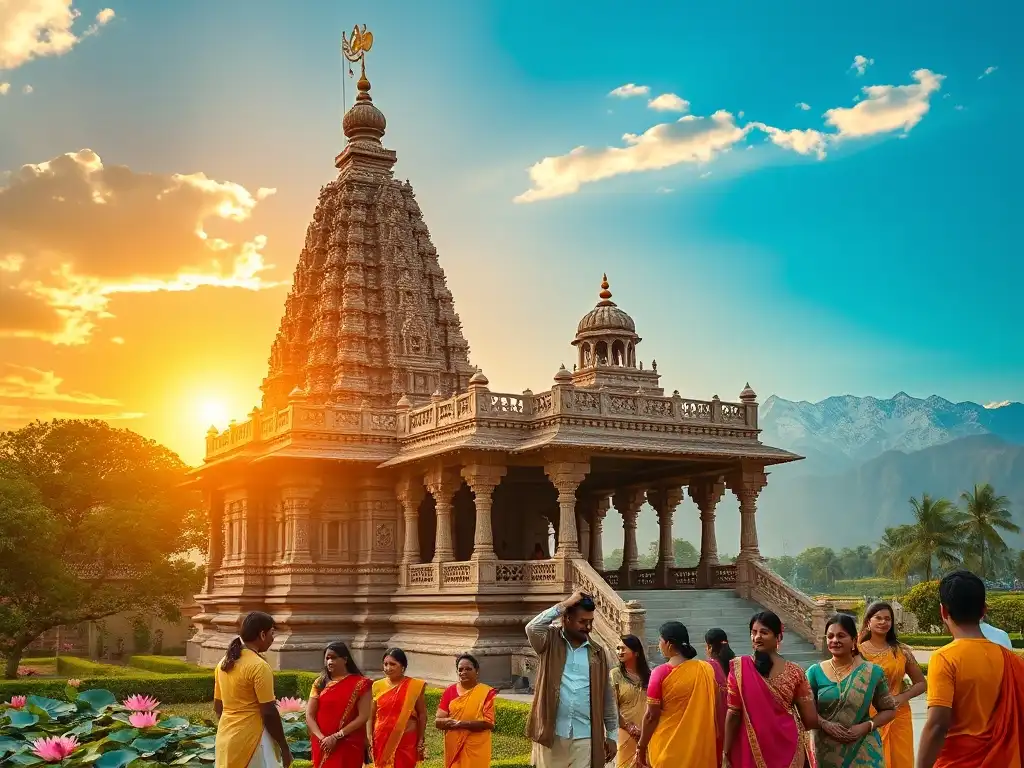
Welcome to Ancient India History, where we embark on a captivating journey through the rich tapestry of India's past. Here, you'll uncover the profound influence of Vedic art and architecture, a cornerstone of the country's cultural heritage that shaped its artistic landscape from the dawn of civilization. As we delve into the intricate connections between Vedic traditions and the monumental structures that define ancient India, you'll discover how these timeless influences continue to echo through history. Prepare to be inspired and intrigued—your exploration of this epic narrative awaits!

Introduction to Vedic Art and Architecture Influence
The Vedic period, spanning from approximately 1500 BCE to 500 BCE, marks a significant phase in the cultural and spiritual evolution of ancient India. This era laid the foundational beliefs and practices that would shape the Indian civilization for centuries to come.
Central to this period is the rich tradition of Vedic art and architecture, which not only reflects the aesthetics of the time but also embodies the philosophical and spiritual concepts inherent in the Vedic texts. The influence of Vedic principles can be observed in various art forms and architectural styles that emerged in subsequent periods, highlighting the profound impact of this ancient legacy on Indian cultural heritage.
Overview of Vedic Period and Its Significance
The Vedic period is characterized by the composition of the Vedas, the oldest sacred texts of Hinduism, which encompass hymns, rituals, and philosophical discourses. These texts offer insights into the socio-religious dynamics of early Indian society and its worldview. The significance of this period extends beyond religious practices; it laid the groundwork for various art and architectural developments that would flourish in later epochs.
- Key Features of the Vedic Period:
- Emergence of sacred rituals and yajnas (sacrificial rites).
- Development of social structures based on the Varna system.
- Establishment of regional settlements and trade routes.
Importance of Art and Architecture in Ancient India
Art and architecture in ancient India served multifaceted purposes, including religious expression, societal reflection, and cultural identity. The artistic endeavors during the Vedic period not only established a visual language that conveyed spiritual themes but also played a crucial role in community cohesion and cultural continuity.
- Roles of Art and Architecture:
- Religious Significance: Temples and altars as sites for worship and rituals.
- Cultural Identity: Artistic styles that reflect regional diversity and unity.
- Historical Documentation: Artworks that narrate historical events and societal values.
Historical Context of Vedic Influences
Understanding the historical context of Vedic influences is vital to appreciating their role in shaping Indian art and architecture. This section delves into the timeline of the Vedic period and the subsequent transformation in artistic expressions.
The Vedic Period: Timeline and Cultural Background
The Vedic period is divided into two main phases: the Early Vedic (1500-1000 BCE) and the Later Vedic (1000-500 BCE). Each phase contributed uniquely to the cultural tapestry of ancient India, characterized by evolving religious practices, social structures, and artistic expressions.
- Timeline Highlights:
- 1500 BCE: Arrival of Indo-Aryans in the Indian subcontinent.
- 1000 BCE: Composition of the Rigveda, the oldest Vedic text.
- 600 BCE: Transition towards urbanization and trade.
Transition from Vedic to Post-Vedic Art Forms
The transition from Vedic to post-Vedic art forms marks a significant evolution in artistic expression, driven by cultural exchanges and the emergence of new philosophies. The later period saw the incorporation of regional styles and influences, leading to the development of more sophisticated architectural techniques and artistic motifs.
- Key Developments in Art Transition:
- Introduction of Stone Structures: Transition from wooden altars to stone temples.
- Influence of Local Cultures: Incorporation of indigenous art styles and symbolism.
- Philosophical Expansion: Reflection of broader spiritual concepts in art forms.
The Vedic influence on Indian art and architecture is a rich tapestry woven from the threads of spirituality, cultural identity, and historical evolution. This exploration into the Vedic period reveals how deeply intertwined these elements have shaped the aesthetic landscape of ancient India, paving the way for future artistic endeavors.
Key Features of Vedic Art
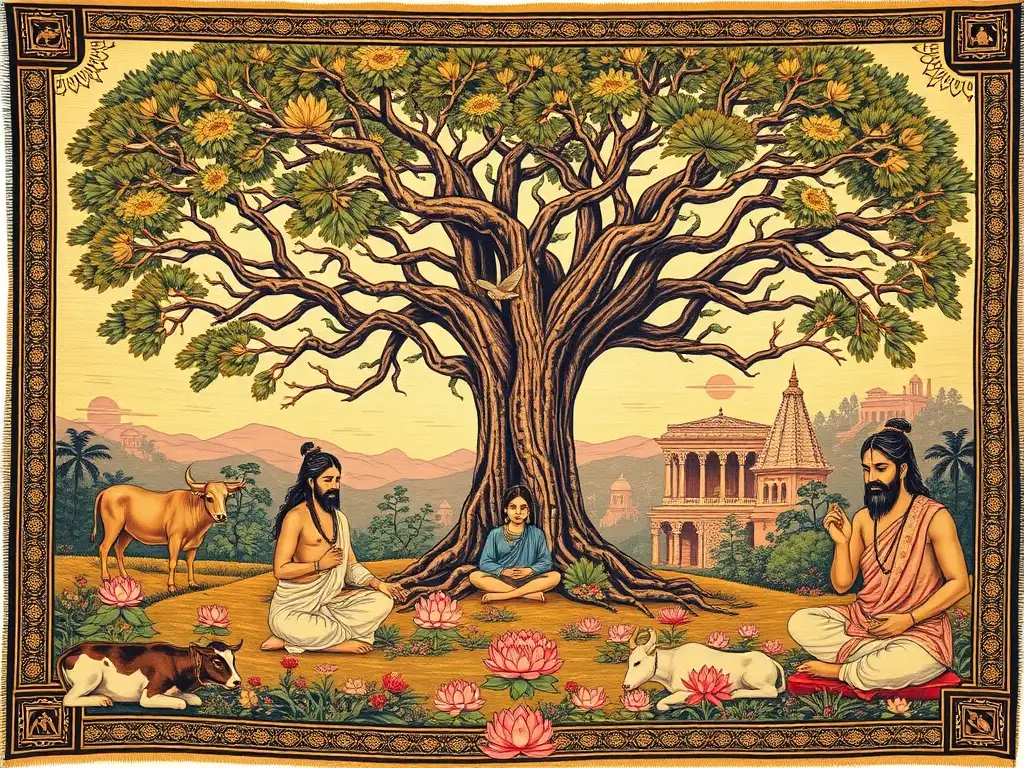
Vedic art, which flourished during the Vedic period (approximately 1500 to 500 BCE), is characterized by its deep spiritual significance and rich symbolism. The art from this era primarily served religious and ritualistic purposes, embodying the philosophical and cosmological ideas of the Vedic texts. Some of the key features of Vedic art include:
- Spiritual Themes: Much of Vedic art revolves around spiritual narratives, often depicting deities, rituals, and cosmological concepts that resonate with the teachings found in the Vedas.
- Naturalism: Vedic artists displayed a keen observation of nature, capturing the essence of flora and fauna, which was often used symbolically to represent various aspects of life and spirituality.
- Geometric Patterns: Geometric designs are prevalent, reflecting the Vedic belief in order and harmony in the universe. These patterns often appear in pottery, textiles, and other decorative arts.
- Use of Color: Bright, vibrant colors were favored, often derived from natural materials. These colors not only enhanced the visual appeal but also held symbolic meanings related to different elements and deities.
Symbolism in Vedic Artworks
Symbolism plays a pivotal role in Vedic art, with each motif crafted to convey deeper meanings that align with the spiritual narratives of the time. Common symbols include:
- The Lotus: A symbol of purity and spiritual awakening, the lotus often appears in depictions of deities and signifies the blossoming of consciousness.
- Swastika: A sacred symbol representing auspiciousness and good fortune, the swastika is frequently found in various forms of Vedic art.
- Fire (Agni): Representing the divine energy and a medium for offerings, fire is a recurrent theme, often illustrated through ritualistic art portraying Yajnas (sacrifices).
These symbols not only served decorative purposes but also acted as conduits for spiritual expression and communication with the divine.
Use of Natural Elements in Vedic Art
The use of natural elements in Vedic art is essential in understanding its connection to the environment and spirituality. Artists often incorporated:
- Flora and Fauna: Motifs of plants, animals, and celestial bodies are prevalent, emphasizing the interconnectedness of life and the divine. For instance, peacocks and elephants symbolize royalty and grace.
- Materials: Artists utilized natural materials such as clay, stone, and wood, which were not only accessible but also resonated with the spiritual essence of the artworks. The choice of materials often reflected the sacredness attributed to nature.
- Landscapes: Depictions of landscapes, including mountains and rivers, are common, often representing the abode of gods and the sacredness of the natural world.
This integration of natural elements showcases the Vedic worldview, emphasizing harmony between humanity and nature.
Iconography and Motifs in Vedic Art
Iconography in Vedic art is rich and diverse, with various motifs representing different deities and cosmic principles. Notable motifs include:
- Deities: Figures of gods such as Indra, Agni, and Varuna are often depicted with distinctive attributes, like Indra's thunderbolt or Agni's flames, showcasing their divine powers.
- Cosmic Symbols: The depiction of the universe, such as the Mandala, represents the cosmos' structure, highlighting the Vedic understanding of creation and existence.
- Ritual Scenes: Many artworks illustrate ritualistic practices, showcasing priests performing Yajnas, symbolizing the connection between the earthly and the divine.
These iconographic elements provide insight into the beliefs and values of ancient Vedic society, reflecting their reverence for the divine and the cosmos.
Vedic Architecture: Principles and Styles
Vedic architecture reflects the spiritual and philosophical principles of the Vedic texts. Characterized by simplicity and functionality, Vedic structures often served various ritualistic purposes. Key aspects include:
- Materials: Primarily constructed from perishable materials like wood and thatch, Vedic architecture emphasized sustainability and harmony with the environment.
- Design Principles: The architectural designs were often dictated by astrological and geographical factors, ensuring alignment with cosmic principles.
- Functional Spaces: Structures were designed to facilitate rituals, gatherings, and community functions, highlighting the communal and spiritual aspects of Vedic life.
Overview of Vedic Architectural Principles
The principles of Vedic architecture are deeply rooted in the spiritual beliefs and practices of the time. Key principles include:
- Sacred Geometry: The use of geometric shapes and proportions in design reflects the belief in cosmic order and harmony.
- Orientation: Buildings were often oriented towards the cardinal directions, aligning with astrological beliefs and the movement of celestial bodies.
- Simplicity: The emphasis on minimalism in design embodies the Vedic philosophy of detachment from materialism, focusing instead on spiritual pursuits.
These principles laid the groundwork for later architectural developments in India, influencing subsequent styles.
Notable Vedic Architectural Structures
While many ancient Vedic structures have not survived due to their organic materials, notable remnants provide insight into their architectural practices. Some significant examples include:
- Yajna Altars: Large sacrificial altars constructed for Vedic rituals, often built in geometric shapes to symbolize the cosmos.
- Wooden Halls: Temporary structures made of wood for community gatherings and rituals, reflecting the communal spirit of Vedic society.
- Sacred Groves: Designated natural spaces used for rituals, illustrating the integration of architecture with the natural environment.
These structures signify the importance of ritual and community in Vedic culture.
Influence of Vedic Architecture on Subsequent Indian Styles
The legacy of Vedic architecture significantly influenced later Indian architectural styles, including:
- Buddhist Architecture: The principles of simplicity and natural materials can be seen in the construction of stupas and monasteries, which adopted Vedic concepts of space and spirituality.
- Hindu Temple Architecture: Elements of Vedic design, such as sacred geometry and orientation, were integral in the layout of Hindu temples, emphasizing the connection between the divine and the cosmos.
- Regional Variations: As Vedic ideas spread across India, they adapted to local cultures and materials, leading to diverse interpretations in architecture, evident in styles like Dravidian and Nagara.
The enduring influence of Vedic architecture is a testament to its foundational role in shaping the architectural heritage of India, leaving a lasting impact that continues to resonate in contemporary practices.
Vedic Influence on Sculpture and Iconography
The Vedic period, which spans from approximately 1500 BCE to 500 BCE, laid the foundational principles for Indian art and architecture, particularly in sculpture and iconography. The influence of the Vedas, particularly the Rigveda, can be seen in the way early Indian artists depicted deities, mythological narratives, and ritualistic symbols. This period initiated a rich tradition of artistic expression that would evolve over centuries, but its roots can be traced back to Vedic beliefs and practices.
Development of Sculpture Techniques in the Vedic Era
During the Vedic era, sculpture began to flourish as a form of artistic expression, albeit in a rudimentary form. Early sculptures were primarily made from clay, stone, and wood, often reflecting the daily life and religious practices of the time. The techniques honed during this period included carving, modeling, and relief work, which paved the way for later, more sophisticated styles.
The craftsmanship involved in creating early sculptures was significant, with artisans developing skills that would be refined in subsequent periods. While the Vedic texts do not explicitly detail sculptural practices, archaeological findings suggest that these artisans were influenced by the religious and cultural narratives of the time, leading to the creation of figures representing various natural and spiritual elements.
Representation of Deities and Mythological Themes
Vedic art and sculpture prominently feature representations of deities and mythological themes, reflecting the spiritual beliefs of the time. The Vedas mention various gods and goddesses, such as Agni (the fire god), Indra (the king of gods), and Varuna (the god of cosmic order), whose depictions became central to early Indian iconography.
Sculptures from this period often illustrated scenes from Vedic hymns, portraying deities in various poses and forms, emphasizing their attributes and powers. This iconography set a precedent for later Hindu art, where the representation of gods became more elaborate and intricate. Moreover, the themes depicted in Vedic sculptures often carried symbolic meanings related to creation, sacrifice, and the interconnectedness of life, which remained influential in subsequent artistic expressions.
Comparative Analysis of Vedic and Later Sculptural Styles
When comparing Vedic sculpture styles to those that followed, such as the Mauryan and Gupta periods, several key differences and similarities emerge. Vedic sculptures were generally more abstract and less detailed compared to the more naturalistic styles of later periods. The emphasis during the Vedic era was on symbolism rather than realism, which evolves in later sculptures that showcase greater anatomical accuracy and emotional expression.
For instance, while Vedic sculptures often depicted deities in simplified forms, Gupta sculptures displayed a heightened sense of proportion and grace, embodying the ideals of beauty and divine presence. This evolution illustrates a shift in artistic focus from abstract representations to more human-like forms, influenced by cultural and religious changes over time.
Case Studies of Vedic Influence on Specific Sites

The impact of Vedic art and architecture can be observed in specific archaeological sites, where the principles and practices of this era left a lasting legacy. These case studies highlight how Vedic beliefs shaped the design and construction of significant structures, particularly temples and altars used in rituals.
The Influence of Vedic Principles in the Construction of Ancient Temples
Vedic principles greatly influenced the design and construction of ancient temples, which became central to the spiritual and cultural life of communities. The concept of sacred space, as derived from Vedic texts, dictated the orientation, layout, and materials used in temple construction.
For example, many early temples were designed to align with cardinal directions, reflecting the Vedic emphasis on cosmology and the significance of the elements. The use of stone as a primary material, along with intricate carvings, can also be traced back to these early practices, establishing a tradition that would evolve into the grand temple architecture of later dynasties.
Analysis of the Rigveda's Impact on Architectural Design
The Rigveda, one of the oldest texts in the Vedic corpus, has had a profound influence on architectural design in ancient India. Its hymns and verses often reference the concept of 'Vastu' or spatial arrangement, which guided the placement and structure of buildings.
Architects and builders drew inspiration from these texts to create spaces that not only served practical purposes but also resonated with spiritual significance. The incorporation of fire altars, as described in the Rigveda, into early architectural designs emphasizes the importance of rituals in daily life and the belief in the divine presence within constructed spaces.
The Role of Fire Altars in Vedic Rituals and Their Architectural Significance
Fire altars, known as 'Yajna Shala', played a crucial role in Vedic rituals and were pivotal in shaping the architectural landscape of ancient India. These altars were constructed according to specific guidelines outlined in Vedic texts and were essential for performing sacrifices and invoking deities.
Architecturally, fire altars were often expansive and meticulously designed, reflecting the importance of fire in Vedic rituals as a medium for communication with the divine. The layout of these altars influenced subsequent temple designs, with the centrality of fire remaining a significant element in Hindu worship practices, symbolizing purification and the presence of the divine in both domestic and communal settings.
Lasting Impact of Vedic Influence on Indian Culture
The Vedic period, spanning from around 1500 to 500 BCE, laid the foundational cultural framework for what would evolve into the rich tapestry of Indian civilization. The influence of Vedic principles is evident not only in the realms of spirituality and philosophy but also in the aesthetic expression seen through art and architecture. Vedic texts, particularly the Vedas, emphasize a close relationship with nature, cosmology, and the divine, which has permeated various artistic forms and architectural styles throughout Indian history.
The concept of sacred space is a prominent theme in Vedic influence, dictating how spaces are designed and utilized in Indian culture. Temples, for instance, are often constructed in alignment with specific astronomical or geographical orientations, reflecting the Vedic understanding of the cosmos. This sacred geometry is a testament to the meticulous planning that characterizes ancient Indian architecture, where every element serves a purpose, embodying spiritual significance.
Moreover, the Vedic influence is also seen in various forms of traditional Indian art, including pottery, sculpture, and textile design. These art forms often incorporate motifs and symbols that have their roots in Vedic mythology and philosophy, illustrating the seamless integration of spiritual concepts into everyday life. The lasting impact of Vedic culture can be observed in festivals, rituals, and even modern-day practices that trace their origins back to this ancient period.
The Legacy of Vedic Art and Architecture in Modern India
In contemporary India, the legacy of Vedic art and architecture continues to resonate through various mediums. Modern architects and artists often draw inspiration from ancient Vedic principles when designing spaces intended for worship, community gathering, or personal reflection. The emphasis on harmony, proportion, and the integration of natural surroundings remains influential, as seen in the construction of modern temples and cultural centers.
For instance, the ISKCON temple in Delhi exemplifies this connection, where architectural elements reflect the intricacies of Vedic traditions while employing contemporary materials and design techniques. Similarly, many artists today embrace Vedic themes in their work, exploring concepts of dharma, karma, and the interconnectedness of life through visual storytelling.
Moreover, educational institutions in India frequently incorporate Vedic studies into their curricula, fostering a deeper understanding of the nation's artistic heritage. This not only preserves the knowledge of ancient practices but also adapts them to modern artistic expressions, ensuring that the Vedic legacy continues to thrive and evolve.
Continuing Relevance of Vedic Aesthetics in Contemporary Art
The aesthetics derived from Vedic traditions remain pertinent in contemporary art forms, influencing styles ranging from classical to modern interpretations. Artists often utilize Vedic symbols, such as the lotus and the mandala, which embody spiritual significance and philosophical concepts. These symbols serve as a bridge between ancient wisdom and modern artistic expression, allowing for a dialogue that transcends time.
Furthermore, contemporary movements in Indian art frequently explore themes of spirituality and nature, mirroring the Vedic emphasis on the interconnectedness of all life. Artists like Subodh Gupta and Bharti Kher have successfully integrated Vedic motifs into their works, creating pieces that resonate with both historical significance and contemporary relevance.
The revival of traditional crafts, such as Madhubani painting and Warli art, also reflects the ongoing influence of Vedic aesthetics. These forms not only celebrate the richness of Indian culture but also reaffirm the importance of storytelling through art, a practice rooted in Vedic traditions. As contemporary artists engage with these themes, they ensure that the essence of Vedic art continues to inspire and inform future generations.
Conclusion
The enduring influence of Vedic culture on Indian art and architecture is a testament to the foundational role the Vedas play in shaping the nation's identity. This influence manifests not only in physical structures but also in the philosophical underpinnings that guide artistic expression.
Recap of the Vedic Influence on Indian Art and Architecture
The Vedic influence on Indian art and architecture is profound and multifaceted. It has fostered a unique understanding of space, aesthetics, and symbolism that resonates through centuries. From the meticulous design of ancient temples to the vibrant expressions found in modern art, the principles derived from Vedic texts continue to inform and inspire. The connection between spirituality and creativity remains a central theme, illustrating how ancient wisdom can adapt and thrive in contemporary contexts.
Future Research Directions on Vedic Contributions to Indian Culture
Future research on the contributions of Vedic art and architecture should explore several key areas. Firstly, an interdisciplinary approach that combines archaeology, anthropology, and art history could yield new insights into the Vedic period's artistic practices. Furthermore, examining the regional variations of Vedic influence across different parts of India may reveal diverse interpretations and adaptations of these ancient principles.
Additionally, the impact of globalization on the interpretation of Vedic aesthetics in contemporary art warrants further exploration. How artists balance traditional elements with modern influences can provide valuable perspectives on cultural evolution. Finally, a deeper investigation into the role of Vedic teachings in the preservation of indigenous art forms will be crucial for understanding their relevance in today's rapidly changing cultural landscape. By pursuing these avenues, researchers can continue to illuminate the profound and ongoing influence of Vedic culture on Indian art and architecture.
- Introduction to Vedic Art and Architecture Influence
- Overview of Vedic Period and Its Significance
- Historical Context of Vedic Influences
- Key Features of Vedic Art
- Vedic Architecture: Principles and Styles
- Vedic Influence on Sculpture and Iconography
- Case Studies of Vedic Influence on Specific Sites
- Lasting Impact of Vedic Influence on Indian Culture
- Conclusion
Frequently Asked Questions
What is Vedic art and architecture?
Vedic art and architecture refer to the artistic expressions and architectural styles that emerged during the Vedic period in ancient India, characterized by their spiritual themes and ritualistic significance.
How did Vedic beliefs influence art and architecture?
Vedic beliefs emphasized spirituality and cosmic order, which significantly shaped art and architecture, leading to the creation of structures such as temples and sacred spaces designed for worship and rituals.
What are some examples of Vedic architecture?
Examples of Vedic architecture include the fire altars used in rituals, as well as early temples that incorporated geometric designs and sacred symbolism, reflecting the importance of cosmology in Vedic traditions.
How did Vedic influence extend beyond architecture?
The influence of Vedic culture extended beyond architecture to include literature, music, and dance, creating a holistic artistic expression that celebrated spiritual narratives and mythological themes.
Why is the Vedic period significant in Indian history?
The Vedic period is significant because it laid the foundation for Indian philosophy, religion, and artistic traditions, making a lasting impact on the cultural identity of India that persists to this day.
Final Reflection: The Enduring Legacy of Vedic Influence in Art and Architecture
The exploration of Vedic art and architecture influence reveals a profound connection between ancient traditions and contemporary expressions. Today, as we navigate a rapidly changing world, the principles and aesthetics derived from Vedic philosophy continue to resonate deeply within our cultural fabric. The enduring nature of these influences serves as a reminder of the timelessness of art and its ability to transcend generations, inviting us to appreciate the beauty that emerges from a rich historical context.
As we reflect on the impact of Vedic traditions, it becomes evident that they have shaped not only the physical structures of our environment but also the very essence of our cultural identity. The intricate designs and spiritual significance embedded in Vedic art and architecture inspire a sense of belonging and continuity. Art is the most beautiful of all lies.
This quote encapsulates the idea that through art, we connect with our past, fostering an appreciation for the values and philosophies that have guided our ancestors. The Vedic influence serves as a bridge, linking us to a heritage that informs our present and shapes our future.
In closing, I invite you to consider how the lessons of Vedic art and architecture can enrich your own life. Reflect on the values of harmony, balance, and spirituality that these traditions embody, and seek to incorporate them into your daily experiences.
Whether through mindful design choices in your surroundings or an appreciation for the stories behind the art you encounter, let the wisdom of the Vedic influence inspire you to create a more meaningful connection with the world around you. Embrace this journey of reflection and action, and allow the legacy of Vedic art to illuminate your path forward.
Unveil the Timeless Beauty of Vedic Art!
Thank you for immersing yourself in the captivating journey of Vedic influence on Indian art and architecture! We hope you have developed a deeper appreciation for this remarkable heritage and the narratives it embodies. Now, let’s take the next steps to explore and celebrate this rich cultural tapestry together.
Here are some actions you can take:
- Visit a local museum or gallery to experience Vedic art firsthand and engage with its beauty and significance.
- Share your newfound insights with friends or on social media—help us spread the word about these ancient legacies!
- Join a community art or architecture workshop that focuses on traditional techniques inspired by Vedic principles, allowing you to connect with this heritage in a hands-on way.
What aspect of Vedic art resonates with you the most, and how would you like to share that experience with others?