
The Bonding Power of Festivals: Family Traditions in Ancient India

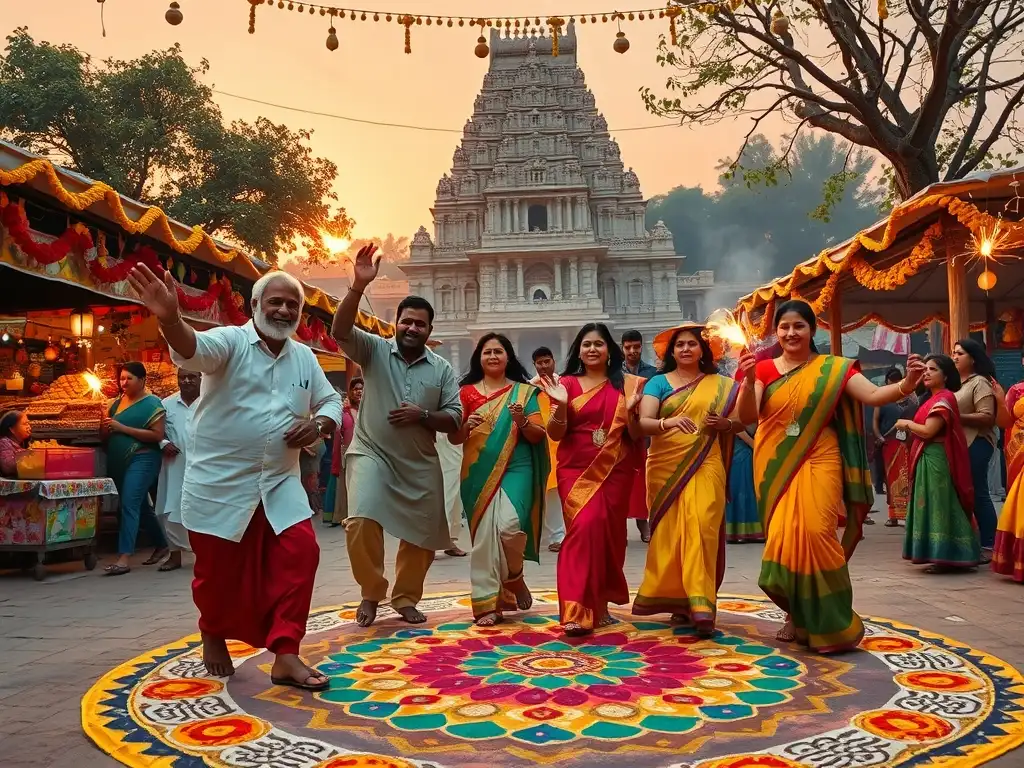
Welcome to Ancient India History, where we invite you on a journey through the vibrant tapestry of ancient Indian civilization. As you delve into our featured article, “The Bonding Power of Festivals: Family Traditions in Ancient India,” you'll uncover the fascinating ancient Indian festival traditions that not only celebrated the changing seasons but also strengthened familial bonds and community ties. What rituals and customs have shaped the way we celebrate today? Join us as we explore these captivating traditions and their lasting impact, igniting your curiosity about the rich cultural heritage of one of the world’s oldest civilizations.
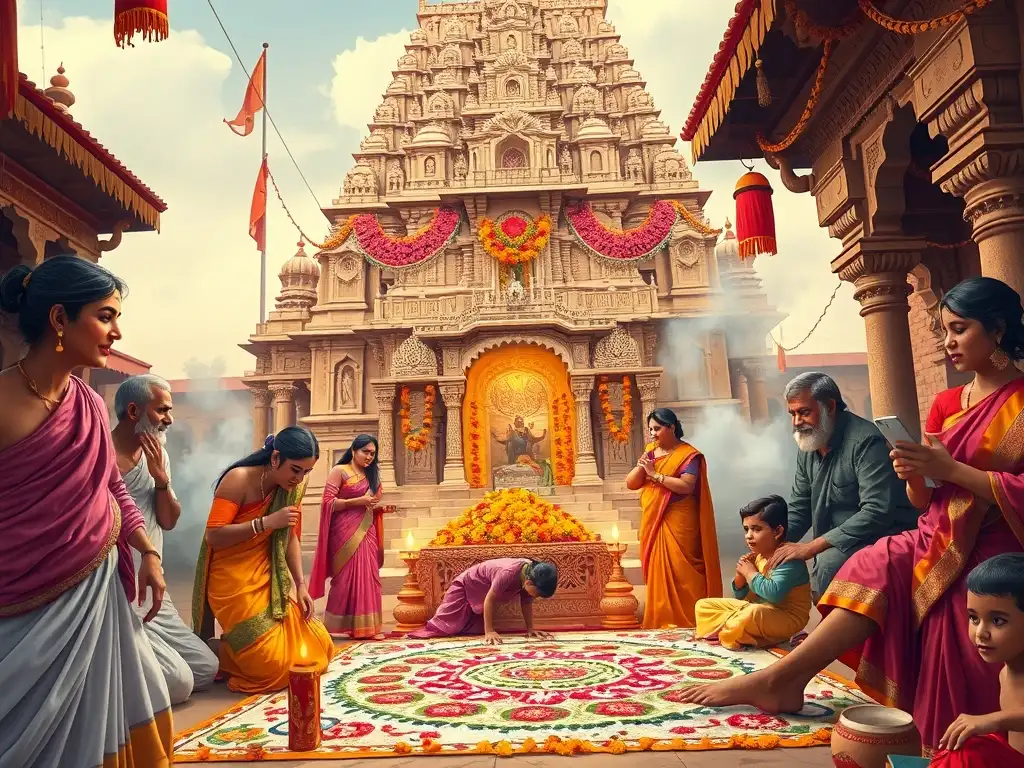
Introduction to Ancient Indian Festival Traditions
Festivals have always held a significant place in the heart of ancient Indian civilizations, serving not only as occasions for celebration but also as vital expressions of cultural identity and familial bonding. These vibrant occasions were rich in symbolism and tradition, reflecting the diverse tapestry of beliefs, practices, and values that characterized various regions and communities in ancient India. The study of ancient Indian festival traditions reveals how these celebrations fostered unity among families, strengthened community ties, and preserved cultural heritage across generations.
Definition of Festival Traditions in Ancient India
Festival traditions in ancient India encompass a wide array of practices, rituals, and festivities that are deeply rooted in the cultural and religious fabric of society. These traditions often include:
- Sacred rituals: Engaging in prayers, offerings, and ceremonies to honor deities and mark significant life events.
- Cultural performances: Showcasing traditional music, dance, and drama that narrate stories from mythology and history.
- Culinary practices: Preparing and sharing traditional dishes that hold symbolic meanings during festivals.
- Community engagement: Bringing families and communities together to participate in collective celebrations, reinforcing social bonds.
Through these multifaceted traditions, ancient Indians expressed their spirituality, creativity, and social values, making festivals an integral aspect of their lives.
Importance of Family Traditions in Cultural Celebrations
The family unit played a crucial role in the observance of festival traditions in ancient India. Festivals provided families with opportunities to come together, share experiences, and create lasting memories. The significance of family traditions during festivals can be highlighted through the following points:
- Strengthening bonds: Celebrating festivals together fostered emotional connections among family members, promoting unity and harmony.
- Cultural transmission: Festivals served as occasions for elders to pass down stories, rituals, and customs to younger generations, ensuring the continuity of cultural heritage.
- Ritual significance: Family rituals during festivals often held deep personal meanings, allowing individuals to express gratitude, seek blessings, and reflect on their values and beliefs.
By participating in these traditions, families actively contributed to the preservation and evolution of cultural practices that define ancient Indian society.
Historical Overview of Festivals in Ancient India
The historical landscape of ancient Indian festivals is as diverse as the civilizations that celebrated them. Understanding this evolution provides insight into the cultural significance and enduring legacy of these celebrations.
Key Ancient Indian Civilizations and Their Festivals
Several prominent civilizations in ancient India contributed to the richness of festival traditions. Some notable examples include:
- Indus Valley Civilization (c. 3300–1300 BCE): Early signs of communal gatherings and possibly ritualistic celebrations based on archaeological findings suggest that they engaged in festivities related to agriculture and fertility.
- Vedic Period (c. 1500–500 BCE): Festivals such as Ashvamedha (Horse Sacrifice) and Purnima (Full Moon Celebrations) were prominent, reflecting the agrarian lifestyle and spiritual practices of the time.
- Maurya Empire (c. 322–185 BCE): Celebrations like Magha (a festival honoring ancestors) highlighted the importance of family lineage and respect for heritage.
- Gupta Empire (c. 240–550 CE): The flourishing of arts and culture saw festivals such as Makar Sankranti and Holi, which became integral to social life and community bonding.
Evolution of Festival Traditions Over Time
As ancient Indian civilizations evolved, so did their festival traditions. The fusion of local customs, religious influences, and sociopolitical changes led to the transformation and diversification of these celebrations. Key aspects of this evolution include:
- Regional variations: Festivals adapted to local customs and beliefs, leading to unique celebrations across different parts of India.
- Religious influences: The rise of various religions, including Hinduism, Buddhism, and Jainism, brought new festivals and rituals into the cultural landscape.
- Societal changes: As societies evolved, so did the significance and practices surrounding festivals, reflecting changes in social structure, economy, and cultural values.
Through these dynamic processes, ancient Indian festival traditions not only endured but also enriched the cultural heritage that continues to inspire celebrations today.
Major Ancient Indian Festivals and Their Significance
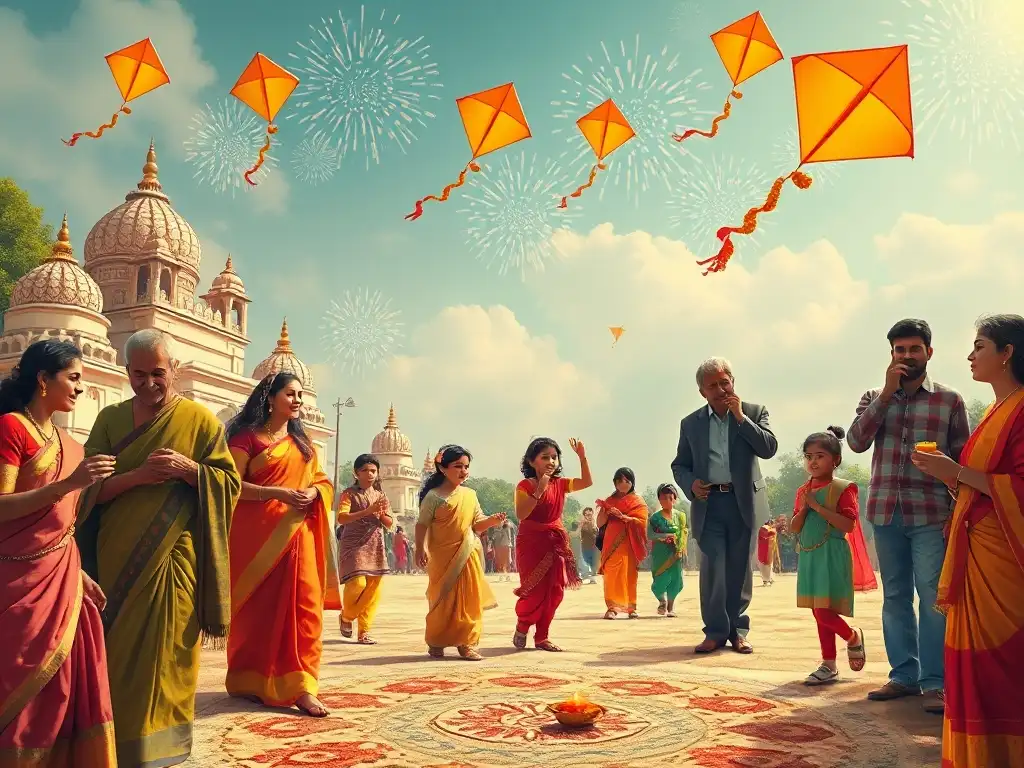
Ancient Indian festival traditions played a crucial role in shaping the cultural landscape of the subcontinent. Each festival not only marked a significant moment in the lunar calendar but also served as a medium for family gatherings, community bonding, and the transmission of rich cultural values. The vibrant tapestry of these festivals reflects the diverse beliefs and practices across different regions. Among the myriad of festivals, three stand out for their profound significance and the ways they foster familial connections: Diwali, Holi, and Navaratri.
Diwali: The Festival of Lights
Diwali, often referred to as the Festival of Lights, is one of the most celebrated festivals in ancient India. Rooted in various mythological tales, such as the return of Lord Rama to Ayodhya after defeating Ravana, Diwali symbolizes the victory of light over darkness and good over evil. Families prepare for this festival by cleaning their homes, decorating with oil lamps (diyas), and creating intricate rangoli designs at their doorsteps.
The significance of Diwali extends beyond individual households; it is a time for families to come together, perform rituals, and share sweets. The exchange of gifts during this festival promotes goodwill and strengthens relationships among family members and friends alike. Traditionally, families would gather for prayers and partake in feasts, reinforcing their bonds while celebrating the shared joy of the occasion.
Holi: The Festival of Colors
Holi, celebrated in the spring, is known as the Festival of Colors. This exuberant festival signifies the arrival of spring and the end of winter, symbolizing renewal and the triumph of love. The festivities begin with the lighting of Holika bonfires, commemorating the victory of Prahlada over the demoness Holika.
During Holi, families engage in playful activities such as throwing colored powders (gulal) and water at each other, which fosters a sense of unity and joy. The vibrant colors represent the diversity of life and the importance of togetherness. This festival encourages forgiveness and the mending of broken relationships, as families and communities come together to celebrate with laughter, music, and traditional sweets. Holi serves as a reminder of the transient nature of life and the need to cherish relationships.
Navaratri: Celebrating the Divine Feminine
Navaratri, meaning "nine nights," is a festival dedicated to the worship of the goddess Durga and her various forms. This celebration spans nine nights and is characterized by fasting, dancing, and prayers. Each night of Navaratri is devoted to different aspects of the goddess, emphasizing the importance of femininity and the divine feminine energy.
Families often participate in Garba and Dandiya dances, which are not just forms of entertainment but also ways to express devotion and unity. The communal aspect of these dances fosters a sense of belonging among participants, with families coming together to celebrate their faith and heritage. Navaratri reinforces family bonds as members engage in rituals and share meals, creating lasting memories and instilling cultural values in younger generations.
The Role of Festivals in Strengthening Family Bonds
Festivals in ancient India were not merely occasions for celebrations; they were instrumental in fortifying family ties and enhancing community cohesion. The shared experiences during these festivities fostered a sense of identity and belonging among family members, reinforcing their collective cultural heritage.
Shared Experiences and Collective Celebrations
The shared experiences during festivals create lasting memories that families cherish for generations. Participating in rituals, preparing traditional dishes, and engaging in festive activities allow families to bond and connect on a deeper level. These collective celebrations provide an opportunity for storytelling, where elders pass down myths, legends, and family traditions, thus enriching the family's cultural repository.
Moreover, communal gatherings during festivals facilitate the strengthening of relationships beyond immediate family. When extended families and communities come together, the sense of unity expands, creating a larger support system. This collective celebration reinforces the idea that family extends beyond blood relations to encompass friends and neighbors, fostering a spirit of inclusivity and togetherness.
Transmission of Cultural Values Through Festivals
Festivals serve as a vital medium for the transmission of cultural values from one generation to another. Through rituals, stories, and practices associated with each festival, families instill important lessons about respect, love, and community involvement in their members.
During festivals, children learn about their heritage and the significance of their traditions, which shapes their identity and worldview. The participation of families in time-honored customs reinforces moral values and encourages a sense of responsibility towards their cultural roots. As families engage in these practices, they not only celebrate their history but also ensure its preservation for future generations, thus highlighting the enduring legacy of ancient Indian festival traditions.
Regional Variations of Festival Traditions in Ancient India
Ancient India was characterized by a rich tapestry of cultures and traditions, resulting in a diverse array of festival practices across different regions. Each region developed its unique customs and rituals, influenced by local beliefs, agriculture, and community life. This regional variation reflects the social structure, historical experiences, and spiritual practices of the people living in these areas, contributing to the rich heritage of ancient Indian festival traditions.
Festivals in ancient India served not only as occasions for celebration but also as opportunities for family bonding and community cohesion. Rituals and customs were often passed down through generations, creating a deep connection to the past and fostering a sense of identity among families and communities.
Festivals in Northern India: Unique Customs and Practices
In Northern India, festivals often revolve around the agricultural cycle and significant religious observances. One of the most prominent festivals is Diwali, the festival of lights, which celebrates the victory of light over darkness and good over evil. Families engage in various rituals, including lighting oil lamps, decorating homes, and exchanging sweets.
Another important festival is Holi, known as the festival of colors, which marks the arrival of spring. This vibrant celebration involves playful throwing of colored powders, singing, and dancing, bringing families and communities together in joyous revelry. Each festival is steeped in unique customs; for example, in some regions, special dishes are prepared, while in others, traditional games and folk performances are integral parts of the celebration.
Festivals in Southern India: Distinct Celebrations and Traditions
Southern India showcases a different set of festival traditions, heavily influenced by local deities and agricultural practices. Pongal, a harvest festival celebrated in Tamil Nadu, involves cooking a special rice dish and offering it to the Sun God to express gratitude for the bountiful harvest. Families come together to prepare the dish and engage in traditional folk games, fostering bonds among family members.
Similarly, Onam is a significant festival in Kerala, marking the homecoming of the mythical King Mahabali. Families celebrate with elaborate feasts, traditional dances, and flower arrangements called pookalam. Rituals vary between regions, but the essence of family unity and gratitude remains a constant theme.
Eastern and Western Indian Festival Traditions
Eastern India is renowned for its vibrant festivals, notably Durga Puja, which honors the goddess Durga's victory over the buffalo demon. The festival is marked by elaborate decorations, community gatherings, and cultural performances. Families participate actively in rituals, reinforcing their bonds and cultural identity.
In contrast, Western India, particularly Gujarat, is famous for its Navratri festival, celebrated over nine nights with dance, music, and vibrant attire. Families engage in Garba and Dandiya Raas, traditional dance forms that promote unity and community participation. The diversity of practices across these regions highlights the rich cultural fabric of ancient India, where each festival encapsulates local traditions and familial ties.
The Impact of Ancient Indian Festival Traditions on Modern Celebrations
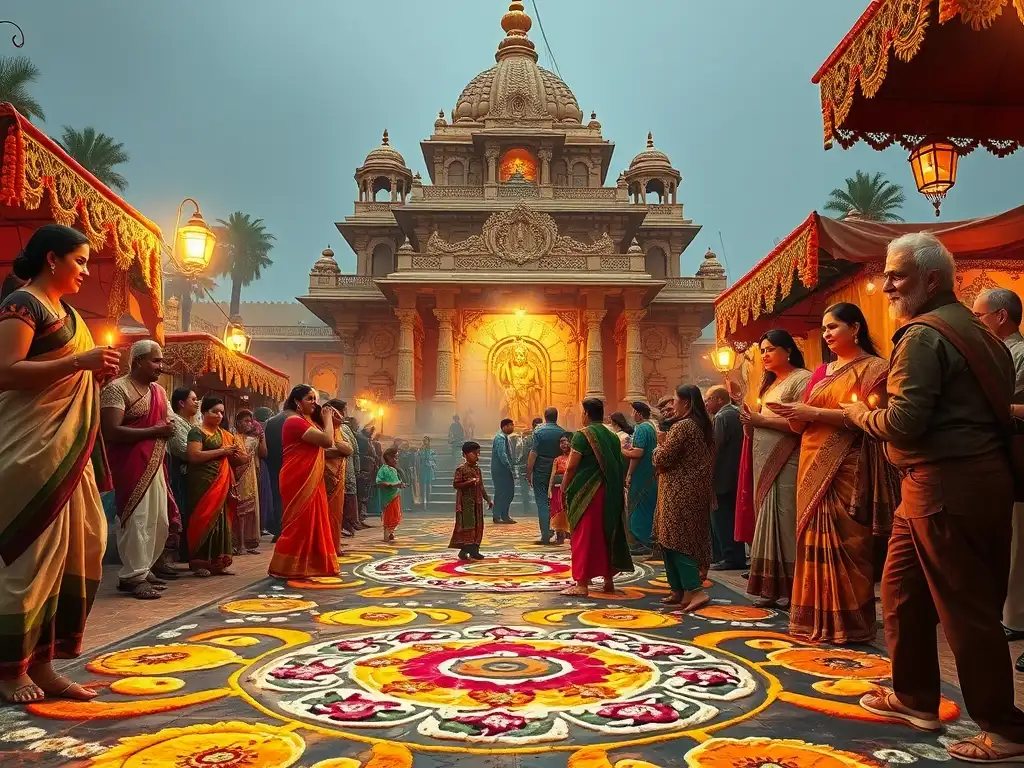
The influence of ancient Indian festival traditions continues to resonate in contemporary celebrations, shaping the cultural landscape of modern India. Many festivals retain their original significance while adapting to the changing social milieu. This continuity illustrates how ancient practices have been preserved and transformed, allowing families to maintain their cultural identity.
Continuity and Change in Festival Practices
While core elements of ancient festival traditions remain intact, many aspects have evolved to reflect contemporary lifestyles. For instance, the way families celebrate Diwali has changed significantly, with modern influences seen in the adoption of new technologies for lighting and decoration. However, the essence of togetherness, joy, and spirituality remains central to these celebrations.
Additionally, globalization has introduced new customs and practices, leading to a blending of ancient traditions with modern influences. This fusion can be seen in the way festivals are celebrated in urban areas, where traditional rituals might coexist with contemporary entertainment options. As families navigate these changes, they continue to find ways to honor their heritage while embracing the present.
Reviving Ancient Traditions in Contemporary Times
In recent years, there has been a resurgence of interest in reviving ancient festival traditions as people seek to reconnect with their roots. Initiatives to promote traditional customs, art forms, and cuisines associated with festivals are gaining popularity. Many families are now emphasizing the importance of rituals that foster bonding and community spirit, striving to pass these practices to future generations.
Moreover, cultural organizations and community groups are actively working to preserve and promote ancient festival traditions, creating a platform for shared experiences and collective memory. This revival not only enriches family traditions but also strengthens community ties, ensuring that the legacy of ancient Indian festival traditions continues to thrive in modern society.
Conclusion: The Enduring Legacy of Ancient Indian Festival Traditions
The rich tapestry of ancient Indian festival traditions reflects the diverse cultures, beliefs, and values that have shaped the subcontinent over millennia. These festivals, rooted in mythology and community life, served not only as occasions for celebration but also as vital mechanisms for strengthening family bonds and societal ties. The enduring legacy of these traditions can be seen in their evolution, as they adapt to modern contexts while retaining their core values of unity, respect, and reverence for the divine.
As we explore the significance of these festivals, it becomes clear that they are more than mere celebrations; they are a reflection of the collective identity and heritage of various communities. The rituals, customs, and stories associated with ancient Indian festivals provide a sense of continuity and belonging, reinforcing the importance of family and social cohesion. Thus, the legacy of these ancient practices remains relevant today, as families continue to gather and celebrate, passing down stories and traditions to future generations.
Importance of Preserving Family Traditions in Festivals
Preserving family traditions in festivals is crucial for maintaining cultural continuity and fostering a sense of identity. In ancient India, festivals were integral to family life, providing opportunities for members to come together, share experiences, and strengthen their bonds.
- Cultural Transmission: These traditions serve as a means of transmitting cultural knowledge and values from one generation to the next. When families engage in traditional practices, they instill a sense of pride and belonging in younger members, ensuring that their cultural heritage is not lost.
- Emotional Well-being: Family gatherings during festivals promote emotional well-being by creating a sense of support and belonging. The shared joy of celebration helps to solidify relationships, making families more resilient in the face of challenges.
- Community Engagement: Festivals often extend beyond the family unit, involving the larger community. By participating in communal celebrations, families can foster connections with neighbors and friends, reinforcing social networks that are essential for communal harmony.
The Future of Ancient Indian Festival Celebrations
The future of ancient Indian festival celebrations is likely to be a blend of tradition and modernity. As globalization influences cultural practices, many festivals are adapting to contemporary lifestyles while still honoring their historical roots.
- Digital Integration: With the rise of technology, many families are using digital platforms to celebrate festivals, allowing them to connect with relatives and friends across distances. Virtual celebrations are becoming more common, enabling families to uphold traditions even when physically apart.
- Revival and Innovation: There is a growing interest in reviving traditional practices that may have waned over time. Younger generations are taking initiatives to learn and participate in ancient rituals, ensuring that these practices remain vibrant and relevant.
- Cultural Exchange: As cultures blend, there is an emerging trend of cross-cultural celebrations. This fusion of traditions can offer new meaning and understanding, enriching the festival experience and promoting cultural appreciation.
References
Key Texts and Sources on Ancient Indian Festivals
- The Festivals of India by K.S. Shukla - This comprehensive book explores various festivals across India, their significance, and historical context.
- Festivals in India: A Cultural Encyclopedia by S. R. Sharma - This text delves into the rich tapestry of Indian festivals, detailing their origins and cultural relevance.
- The Hindu Festivals by Dr. R. C. Sharma - This source provides insights into the Hindu festivals' religious and cultural significance, tracing their roots in ancient traditions.
Suggested Further Reading on Cultural Practices in Ancient India
- Cultural Heritage of Ancient India by J. P. Sharma - A detailed exploration of the cultural practices and traditions that have shaped ancient Indian societies.
- The Art of Indian Festivals by Aditi Shah - This book examines the artistic expressions associated with Indian festivals, highlighting the interplay between art, culture, and celebration.
- Rituals and Festivals in Ancient India by M. K. Gupta - This scholarly work focuses on the rituals and festivals of ancient India, providing a deeper understanding of their role in society.
- Introduction to Ancient Indian Festival Traditions
- Definition of Festival Traditions in Ancient India
- Importance of Family Traditions in Cultural Celebrations
- Historical Overview of Festivals in Ancient India
- Major Ancient Indian Festivals and Their Significance
- The Role of Festivals in Strengthening Family Bonds
- Regional Variations of Festival Traditions in Ancient India
- The Impact of Ancient Indian Festival Traditions on Modern Celebrations
- Conclusion: The Enduring Legacy of Ancient Indian Festival Traditions
- References
- What were some major ancient Indian festival traditions?
- How did festivals serve as a means of bonding in ancient Indian families?
- What role did rituals play in ancient Indian festivals?
- How did ancient Indian festivals influence social structure?
- Are there any modern parallels to ancient Indian festival traditions?
Frequently Asked Questions
What were some major ancient Indian festival traditions?
Ancient Indian festival traditions included Diwali, Holi, and Makar Sankranti, each celebrating harvests, seasons, and deities, reflecting the cultural diversity of the region.
How did festivals serve as a means of bonding in ancient Indian families?
Festivals provided an opportunity for families to come together, reinforcing social ties and cultural identity through shared rituals, feasts, and celebrations of heritage.
What role did rituals play in ancient Indian festivals?
Rituals were central to festival celebrations, as they offered a way to honor deities, express gratitude, and ensure prosperity, while also passing down traditions through generations.
Festivals often reflected the social hierarchy, where distinct roles were assigned to different community members, fostering a sense of unity while also strengthening caste and family bonds.
Are there any modern parallels to ancient Indian festival traditions?
Yes, many modern festivals in India continue to uphold ancient traditions, adapting them to contemporary life while maintaining the essence of celebration, family, and community.
Final Reflection: The Enduring Legacy of Ancient Indian Festival Traditions
The exploration of ancient Indian festival traditions reveals their profound significance in today's world. These vibrant celebrations not only serve as a reminder of our rich cultural heritage but also foster a sense of belonging and unity among families and communities. In an era where individualism often overshadows collective identity, the essence of these festivals stands as a powerful testament to the importance of togetherness and shared experiences.
Celebrating these ancient traditions continues to shape our cultural landscape, reminding us of the values that bind us together. The rituals and customs passed down through generations not only preserve history but also nurture relationships and create lasting memories. As Mahatma Gandhi once said, A nation's culture resides in the hearts and in the soul of its people.
This sentiment underscores the idea that our cultural practices, particularly those surrounding festivals, are integral to our identity and social fabric.
As we reflect on the significance of these ancient Indian festival traditions, I invite you to embrace and celebrate your own cultural heritage. Consider how you can incorporate these time-honored practices into your life, fostering connections with family and friends. By doing so, you not only honor the past but also contribute to a future where traditions continue to thrive, enriching our lives and strengthening our bonds with one another.
Embrace the Joy of Tradition!
Thank you for diving into the rich world of family traditions during festivals in ancient India! By exploring these bonds, you've taken an important step toward understanding the cultural heritage that connects us all. Now, let’s keep that momentum going and take actionable steps to embrace these traditions in our own lives.
- Host a Festival Gathering: Organize a small celebration in your community or family to share stories and experiences related to ancient Indian festivals.
- Create Your Own Tradition: Start a unique family ritual that honors your heritage, bringing together generations and fostering connections.
- Share Your Insights: Spread the word by sharing this article with friends and family, and spark discussions on the importance of preserving these traditions.
What tradition would you like to revive or create in your family to deepen your cultural connections?