
The Mahabharata’s Commentary on Gender Roles in Ancient Society

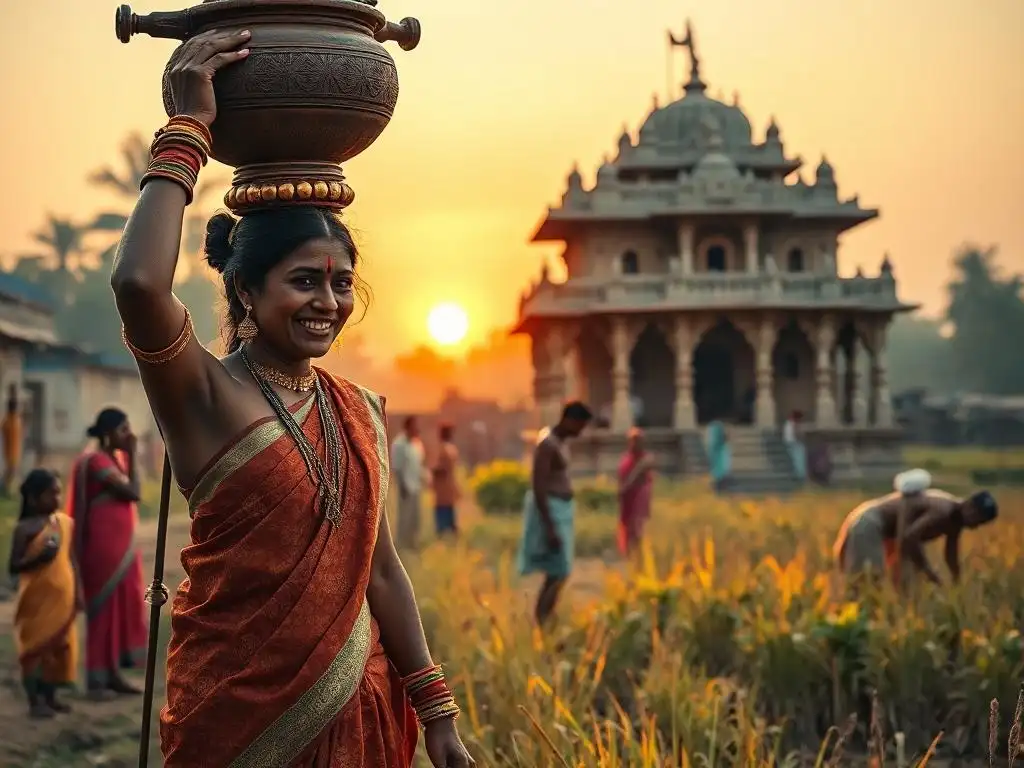
Welcome to Ancient India History, where we embark on a fascinating journey through the rich tapestry of India's past. Today, we delve into the intricate gender roles in ancient India, as illuminated by the timeless epic, The Mahabharata. This extraordinary text not only narrates the grand tales of heroism and valor but also offers profound insights into the societal norms and expectations that shaped the lives of men and women in ancient civilizations.
Are you ready to uncover the layers of culture and tradition that define these roles? Join us as we explore how these ancient narratives continue to resonate in our understanding of gender dynamics today!
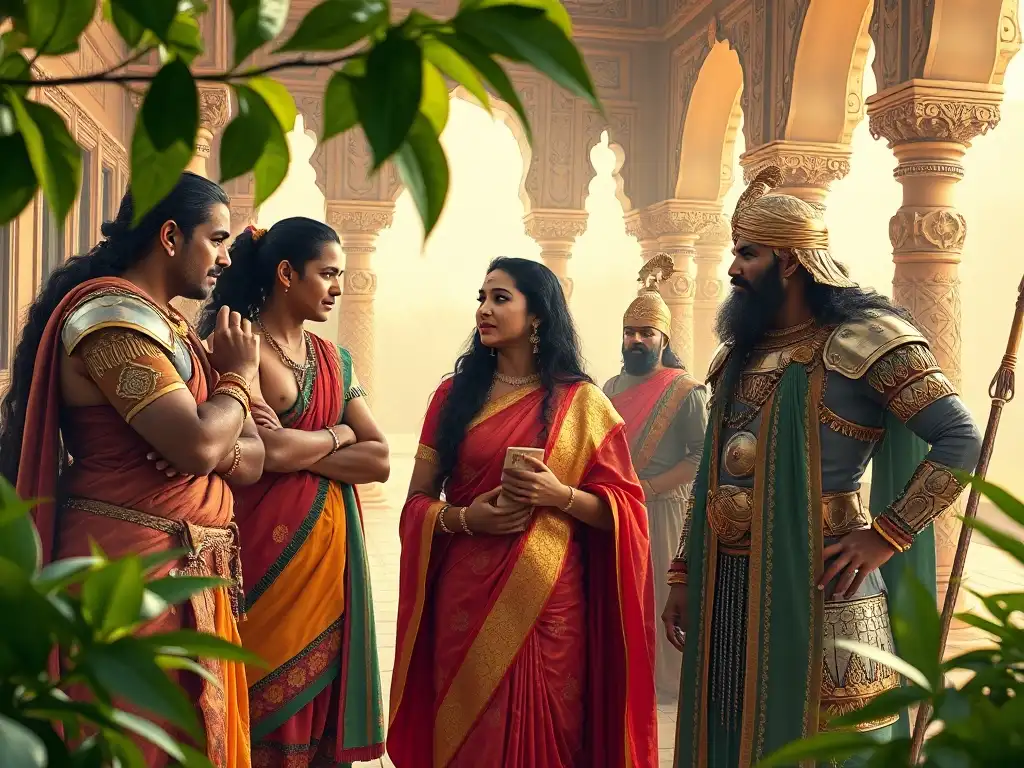
Exploring the intricate tapestry of gender roles in ancient India reveals a complex interplay of societal norms, cultural practices, and the profound influence of epic literature. One of the most significant texts that shed light on these dynamics is the Mahabharata. This ancient Indian epic not only narrates the legendary tale of the Kurukshetra War but also serves as a critical commentary on the roles and expectations of men and women in society.
By analyzing the depictions of gender within its verses, we can gain invaluable insights into how ancient Indian civilizations perceived gender, power, and morality. This article aims to delve into the gender roles in ancient India, as illustrated through the lens of the Mahabharata, highlighting its relevance in understanding the historical context of gender in Indian society.
Introduction to Gender Roles in Ancient India
Overview of Gender Roles in Ancient Indian Society
In ancient Indian society, gender roles were deeply ingrained and largely dictated by social, religious, and cultural norms. Men were typically viewed as warriors, protectors, and providers, while women were often relegated to the roles of caretakers and homemakers. This division was not merely functional but also rooted in the spiritual and philosophical teachings of the time.
- Men's Roles:
- Warriors and protectors
- Political leaders and decision-makers
- Scholars and spiritual guides
- Women's Roles:
- Caregivers and homemakers
- Educators of children
- Participants in religious rituals
While these roles provided a framework for societal organization, they also imposed limitations on individual freedoms and aspirations, particularly for women.
Importance of the Mahabharata in Understanding Gender Dynamics
The Mahabharata stands as a pivotal source for understanding the complexities of gender dynamics in ancient India. Through its diverse characters and narratives, the epic explores themes of duty (dharma), honor, and virtue, often challenging conventional gender roles.
- Key Female Characters:
- Draupadi: Her character embodies resilience and agency, challenging patriarchal norms.
- Kunti: A symbol of maternal sacrifice and strength.
- Gandhari: Represents the struggle between duty and personal loss.
These characters, among others, provide a multifaceted perspective on the expectations and realities faced by women in ancient society, prompting readers to reconsider traditional narratives surrounding gender.
The Mahabharata: A Key Text in Epic Literature
Historical Context of the Mahabharata
The Mahabharata was composed over several centuries, with its earliest layers dating back to around 400 BCE to 400 CE. This period was marked by significant political, social, and cultural transformations in India, including the rise of various kingdoms and the establishment of new philosophical schools. The text reflects the values, conflicts, and aspirations of its time, making it an essential resource for understanding historical gender roles.
Significance of the Mahabharata in Ancient Indian Culture
Beyond its literary merit, the Mahabharata played a crucial role in shaping ancient Indian culture and moral philosophy. Its teachings transcended mere storytelling, influencing political thought, ethical conduct, and social norms.
- Cultural Impact:
- Served as a moral compass for governance and personal conduct.
- Influenced art, theater, and dance forms throughout Indian history.
- Provided a framework for discussions on ethics, particularly regarding gender and power dynamics.
Through its profound narratives, the Mahabharata continues to resonate with contemporary discussions on gender roles, highlighting the enduring relevance of ancient texts in modern society.
Gender Roles Depicted in the Mahabharata
The Mahabharata, one of the longest epic poems in history, serves as a profound commentary on gender roles in ancient India. Through its intricate narratives and a multitude of characters, the epic reflects the complexities of societal norms, expectations, and the interplay between genders. The text showcases how gender roles were not only defined by societal expectations but also influenced by personal virtues, actions, and the ever-changing circumstances of life.
The epic presents a duality of roles, with characters embodying both traditional and progressive values. The representations of men and women in the Mahabharata reveal a spectrum of behaviors and responsibilities, indicating that gender roles were fluid rather than strictly defined. As the narrative unfolds, readers can observe how these roles impact the lives of characters and the overarching themes of duty, righteousness, and morality.
Female Characters and Their Roles in the Epic
The female characters in the Mahabharata are critical to understanding the narrative and its commentary on gender roles. Draupadi, the central female figure, is a prime example of strength and resilience. Despite being subjected to humiliation in the court of Hastinapura, she emerges as a powerful agent who influences the course of events. Her character challenges the traditional role of women as passive recipients of fate, showcasing instead a dynamic and assertive presence.
Other notable female characters, such as Kunti and Gandhari, further illustrate the complexities of women's roles. Kunti, the mother of the Pandavas, navigates her responsibilities with wisdom and foresight, while Gandhari, despite her blindness, exhibits emotional strength and loyalty. The Mahabharata presents these women not just as secondary characters but as pivotal figures whose actions and decisions significantly affect the epic's narrative arc.
Male Characters and Traditional Masculinity
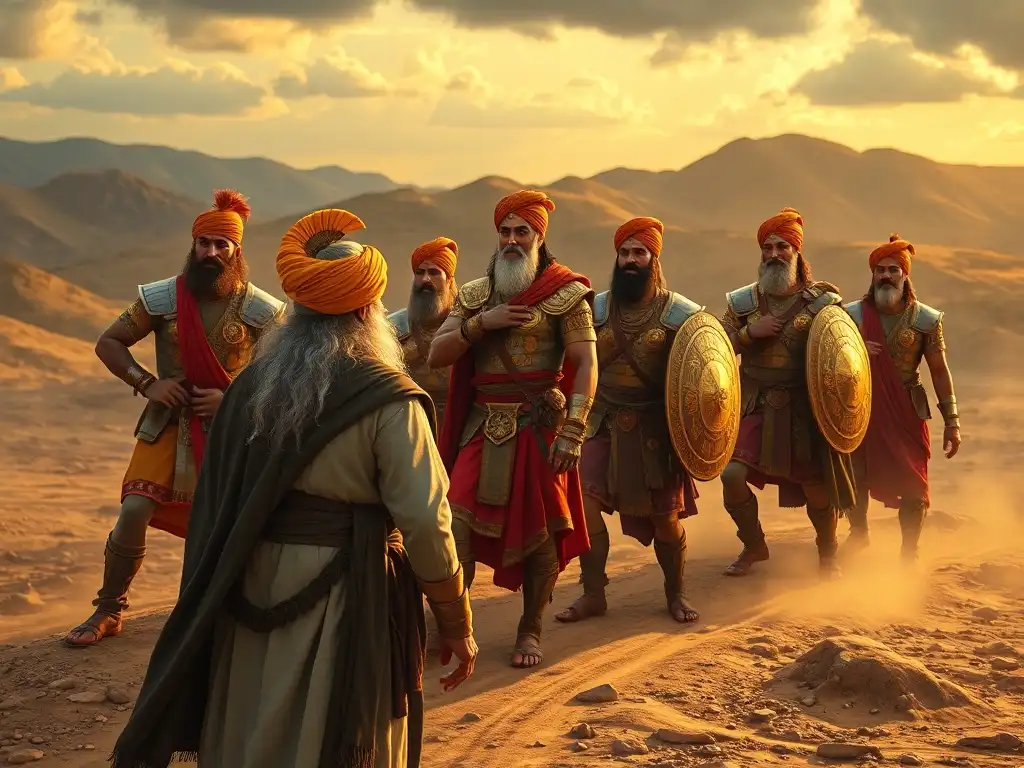
The male characters in the Mahabharata embody the traditional notions of masculinity prevalent in ancient Indian society. Figures such as Yudhishthira, Bhima, and Arjuna are portrayed with attributes such as bravery, righteousness, and a sense of duty. These ideals reflect the societal expectations placed upon men to be protectors, leaders, and warriors.
However, the epic also complicates these traditional roles by presenting vulnerabilities and moral dilemmas faced by these male characters. For instance, Yudhishthira's adherence to truth often leads him into challenging situations that question the rigid nature of dharma (duty). This exploration of masculinity reveals that while men were expected to conform to certain ideals, the reality of their experiences was much more nuanced.
The Duality of Gender Roles in the Mahabharata
The Mahabharata intricately weaves a tapestry of gender roles that oscillate between idealized and realistic portrayals. This duality serves not only to highlight societal norms but also to critique them, offering insights into the human condition and the complexities of relationships.
The Contrast Between Idealized and Realistic Gender Roles
Idealized gender roles in the Mahabharata often portray women as gentle, nurturing, and devoted, while men are depicted as strong, authoritative, and honorable. However, the epic frequently juxtaposes these idealizations with realistic portrayals that reveal the struggles and agency of both genders.
For example, while Draupadi embodies the ideal of a devoted wife, her fierce independence and assertiveness challenge the notion of passivity expected from women. Similarly, characters like Karna exhibit vulnerability that contradicts the heroic male archetype, showcasing the multifaceted nature of gender roles. This contrast invites readers to reflect on the expectations placed upon individuals based on their gender and the broader implications for society.
Case Studies of Gender Role Reversals in the Epic
Several instances in the Mahabharata present striking reversals of gender roles, emphasizing the fluidity and complexity of these societal constructs. One notable case is that of Draupadi, who, despite her status as a woman, takes on a role that traditionally aligns with male authority during the game of dice, where she demands justice and accountability from the Kauravas.
Another compelling example is Bhishma, who, bound by his vows of celibacy and loyalty, finds himself constrained by the very ideals of masculinity he embodies. His commitment to his oaths results in a personal sacrifice that ultimately contributes to the epic's tragic outcomes. These case studies illustrate that the Mahabharata challenges conventional gender roles, suggesting that the essence of identity transcends societal expectations.
Through these explorations, the Mahabharata not only reflects the gender roles of ancient India but also offers timeless insights into the nature of human relationships and societal constructs.
The Impact of Gender Roles on Society
The Mahabharata, one of the most revered texts in Indian literature, provides profound insights into the gender roles that shaped ancient Indian society. The epic illustrates how societal norms dictated the behaviors and responsibilities of men and women, thereby influencing the overall social structure. Gender roles were not just personal but were intricately woven into the fabric of family dynamics, political power, and cultural practices. The epic addresses the consequences of adhering to these roles, often leading to conflict, as seen in the relationships between its characters.
In the context of the Mahabharata, gender roles were reflective of the larger societal framework, wherein men were primarily viewed as warriors and leaders, while women were often relegated to domestic spheres. However, the text also challenges these norms by depicting women who possess agency and influence, thereby complicating the traditional perceptions of masculinity and femininity in ancient India.
Social Structure and Gender Hierarchies in Ancient India
The social structure of ancient India was characterized by a rigid hierarchy, where gender roles were firmly established. Men occupied the public domain, engaging in warfare, governance, and scholarly pursuits, while women's roles were predominantly confined to the private sphere, focused on home and family. This division was rooted in the belief that men's duties were vital for the survival and prosperity of society, whereas women's roles were seen as supporting these functions.
The Mahabharata reflects this hierarchy, showcasing male characters like Yudhishthira and Arjuna as embodiments of virtue and strength, while female characters, such as Draupadi, although powerful, often found their status challenged by the patriarchal norms. For instance, Draupadi’s public humiliation in the Kaurava court illustrates the vulnerability of women within a society that prioritized male honor over female dignity. This incident not only emphasizes the consequences of rigid gender hierarchies but also serves as a catalyst for the ensuing conflict in the epic.
Influence of the Mahabharata on Contemporary Views of Gender
The Mahabharata has had a lasting influence on contemporary views of gender roles in India. While the text reflects the patriarchal values of its time, its narratives have been interpreted in various ways over the centuries, leading to discussions about gender equality and justice. Modern readers and scholars often revisit the epic to extract lessons about empowerment and the complexities of gender dynamics.
As society evolves, interpretations of the Mahabharata can serve as a lens through which contemporary issues of gender roles are examined. The struggles of characters like Draupadi resonate with modern discussions around women's rights and the need for equitable treatment in various spheres of life. By highlighting the nuances within gender roles, the Mahabharata encourages a re-evaluation of traditional norms, advocating for a more inclusive understanding of gender that acknowledges both the strengths and vulnerabilities of individuals, regardless of gender.
Lessons on Gender Roles from the Mahabharata
The Mahabharata is not merely a story of conflict and duty; it also offers valuable lessons on gender roles that remain relevant today. Through its complex characters and intricate plots, the epic illustrates both the strengths and limitations of rigid gender norms. It raises critical questions about identity, agency, and the societal expectations placed upon individuals based on their gender.
The epic suggests that true strength lies not in conforming to traditional roles but in recognizing the potential for equality and justice. This perspective challenges the notion that gender is a determinant of capability or worth, promoting a more egalitarian view that values individuals for their actions and character rather than their adherence to prescribed roles.
Insights into Equality and Justice
One of the key insights from the Mahabharata is the notion of equality and justice, particularly through the character of Draupadi. Her resilience and refusal to be subjugated serve as a powerful commentary on the need for justice within the framework of gender roles. The epic underscores the importance of recognizing the dignity of all individuals, regardless of gender, and advocates for a society where justice prevails over discrimination.
Draupadi's plight during the infamous dice game exemplifies the consequences of failing to uphold justice for women, prompting a reflection on the need for societal reform. The Mahabharata thus serves as a reminder that the quest for justice must encompass gender equality, calling for a reevaluation of societal values that historically marginalized women.
The Role of Women in Ancient Indian Society: Beyond the Text
While the Mahabharata provides a narrative framework for understanding gender roles, it also invites a broader examination of women's roles in ancient Indian society. Women were not just passive figures but active participants in their communities, often wielding significant influence within their families and social circles. The epic captures these complexities, portraying women as multifaceted characters with agency, strength, and intellect.
Characters like Kunti and Subhadra, alongside Draupadi, challenge the notion that women were merely confined to traditional roles. Their narratives reveal that women often navigated their circumstances with resilience and intelligence, influencing decisions and outcomes in ways that extend beyond the text.
This exploration of women's roles emphasizes that the experience of gender in ancient India was diverse and multifaceted, suggesting that historical interpretations must consider the agency and contributions of women. By acknowledging these complexities, we can gain a more nuanced understanding of gender roles in ancient India, paving the way for ongoing discussions about gender and society today.
Conclusion: The Legacy of the Mahabharata on Gender Roles
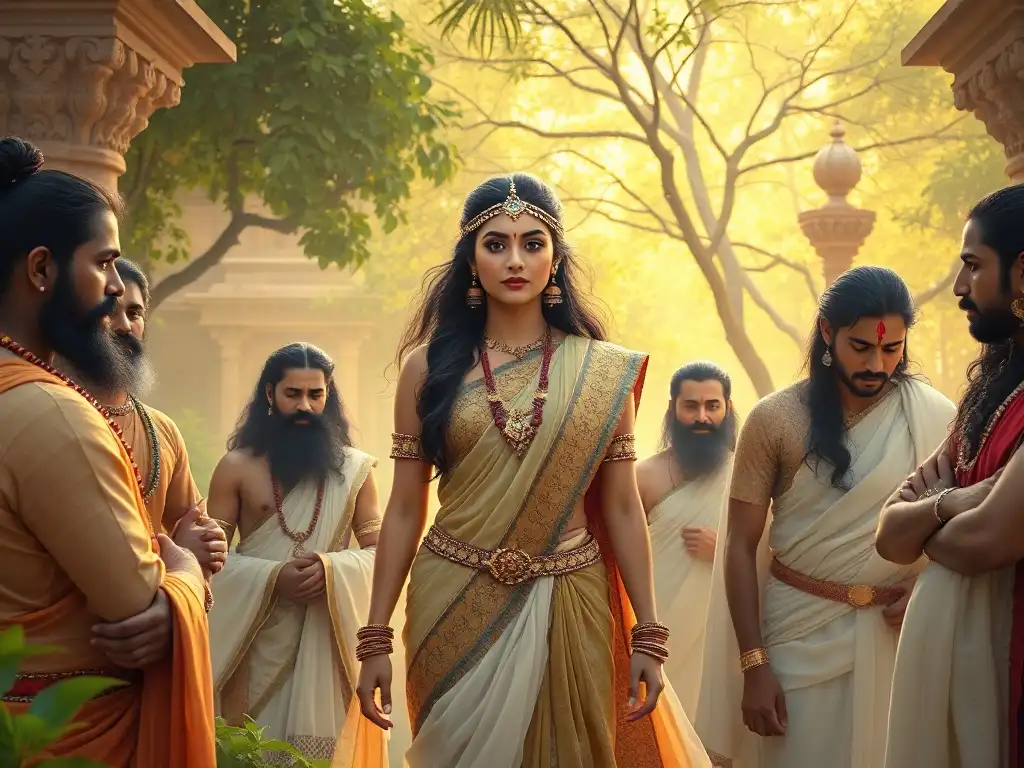
The Mahabharata, one of the longest and most revered epics in Indian literature, serves as a poignant reflection of the gender roles prevalent in ancient Indian society. The text intricately weaves the lives of its characters, revealing the complexities of male and female interactions and the societal expectations placed upon them. As a literary work, the Mahabharata not only provides a narrative of its time but also offers insights that resonate with contemporary discussions on gender roles.
The legacy of the Mahabharata extends beyond its narrative; it has profoundly influenced cultural perceptions of gender in India. Characters like Draupadi challenge the prescribed norms, showcasing the multifaceted nature of womanhood and the potential for agency within a patriarchal framework. The epic encourages readers to reflect on the rigid binaries of gender roles and their repercussions on individual identity and societal dynamics.
Reflections on Gender Roles in Ancient India and Their Modern Implications
Exploring the gender roles depicted in the Mahabharata sheds light on the historical context of ancient Indian society, where norms dictated distinct roles for men and women. Men were predominantly seen as warriors, protectors, and decision-makers, often celebrated for their valor and strength. Conversely, women were typically assigned roles centered around family and household management, emphasizing virtues such as loyalty, chastity, and obedience.
However, the Mahabharata also presents characters that defy these limitations, particularly Draupadi, whose strength and assertiveness challenge the traditional notions of femininity. This duality in representation serves as a crucial commentary on the potential for both men and women to transcend societal expectations. In modern discussions on gender roles, these narratives prompt a reevaluation of rigid classifications and encourage a more nuanced understanding of gender identity.
The implications of these ancient narratives resonate today, as society continues to grapple with issues of gender equality and representation. The lessons drawn from the Mahabharata highlight the importance of questioning established norms and recognizing the diverse roles individuals can occupy, irrespective of gender.
Final Thoughts on the Mahabharata’s Influence on Gender Studies
The Mahabharata remains a critical text for scholars and practitioners in the field of gender studies. Its exploration of gender roles provides a rich foundation for analyzing the evolution of societal attitudes towards masculinity and femininity. The epic not only reflects historical perspectives but also serves as a platform for contemporary discourse on gender equality and empowerment.
As modern society continues to navigate the complexities of gender dynamics, the insights gleaned from the Mahabharata offer valuable perspectives. The moral and philosophical dilemmas faced by its characters encourage critical thinking about justice, power, and the human experience. By examining the epic through the lens of gender studies, we can foster a deeper understanding of how past narratives shape present realities and influence future possibilities.
The Mahabharata is not merely a tale of ancient battles and divine interventions; it is a profound commentary on the roles of men and women, providing timeless lessons that continue to inform and inspire discussions around gender roles in both historical and modern contexts.
- Introduction to Gender Roles in Ancient India
- The Mahabharata: A Key Text in Epic Literature
- Gender Roles Depicted in the Mahabharata
- Female Characters and Their Roles in the Epic
- Male Characters and Traditional Masculinity
- The Duality of Gender Roles in the Mahabharata
- The Impact of Gender Roles on Society
- Lessons on Gender Roles from the Mahabharata
- Conclusion: The Legacy of the Mahabharata on Gender Roles
- Reflections on Gender Roles in Ancient India and Their Modern Implications
- Final Thoughts on the Mahabharata’s Influence on Gender Studies
- What is the significance of the Mahabharata in understanding gender roles in ancient India?
- How did the roles of women differ from those of men in ancient Indian civilization?
- Were there any notable female figures in the Mahabharata that challenged traditional gender roles?
- How do modern interpretations of the Mahabharata influence our understanding of gender roles today?
- What contributions did ancient Indian civilizations make to the discourse on gender roles?
Frequently Asked Questions
What is the significance of the Mahabharata in understanding gender roles in ancient India?
The Mahabharata provides valuable insights into the social structure and cultural norms of ancient Indian society, including the expectations and responsibilities assigned to different genders.
How did the roles of women differ from those of men in ancient Indian civilization?
In ancient India, women's roles were often centered around the domestic sphere, while men typically engaged in public and political life, reflecting distinct expectations based on gender.
Were there any notable female figures in the Mahabharata that challenged traditional gender roles?
Yes, characters like Draupadi and Kunti are portrayed as strong and influential, often challenging patriarchal norms and showcasing the complexities of gender dynamics in ancient society.
How do modern interpretations of the Mahabharata influence our understanding of gender roles today?
Modern readings of the Mahabharata often highlight the evolution of gender roles, encouraging contemporary discussions on equality and the re-examination of traditional narratives.
What contributions did ancient Indian civilizations make to the discourse on gender roles?
Ancient Indian texts, including the Mahabharata, provide a rich tapestry of ideas and philosophies regarding gender, influencing both past and present discussions on gender equality and societal expectations.
Final Reflection: The Enduring Legacy of Gender Roles in Ancient India
The exploration of gender roles in ancient India, as illustrated through the lens of the Mahabharata, reveals a complex tapestry of societal norms and expectations that resonate even today. Understanding these historical perspectives is crucial, as they not only shape our comprehension of past civilizations but also inform contemporary discussions about gender equality and societal structures. The lessons gleaned from this epic narrative challenge us to reconsider the roles assigned to individuals based on gender, prompting a deeper inquiry into how these roles have evolved and continue to impact our lives.
The Mahabharata serves as a mirror reflecting the cultural and social dynamics of its time, and its commentary on gender roles remains relevant in our ongoing conversations about identity and power. This ancient text invites us to reflect on the progress we have made and the challenges that persist. As we navigate the complexities of modern gender issues, we can draw inspiration from the words of the Mahabharata: In the face of adversity, the strength of character defines one's true worth.
This insight encourages us to recognize the resilience and agency of individuals, regardless of gender, in shaping their destinies.
As we conclude this exploration, I invite you, the reader, to reflect on your own understanding of gender roles in your life and community. Consider how the lessons from the Mahabharata can inspire you to challenge stereotypes and advocate for equality. Embrace the opportunity to engage in conversations that promote awareness and understanding, and let the wisdom of the past guide you in creating a more inclusive future. Together, we can honor the legacy of ancient narratives while forging paths toward a society where everyone, regardless of gender, can thrive.
Uncover the Lessons of the Mahabharata Today!
Thank you for diving into the intriguing world of the Mahabharata and its insights on ancient gender roles. Your exploration of this profound text reveals not only its historical significance but also its relevance to our contemporary discussions on gender. Now, it’s time to take these insights and turn them into actionable steps.
Here’s how you can further engage with this topic:
- Dive Deeper: Explore key chapters of the Mahabharata or read scholarly articles that analyze gender roles within the narrative to enhance your understanding.
- Join the Conversation: Share your insights on social media or in discussion forums—your perspective can initiate meaningful dialogue and raise awareness.
- Practice Awareness: Reflect on the current gender dynamics in your community; consider how the lessons from the Mahabharata can inform and influence modern practices.
Which aspects of gender roles from the Mahabharata do you believe are most relevant for today’s society, and how can we apply these lessons to foster positive change?