
Vedic Influence on Modern Hindu Practices and Beliefs

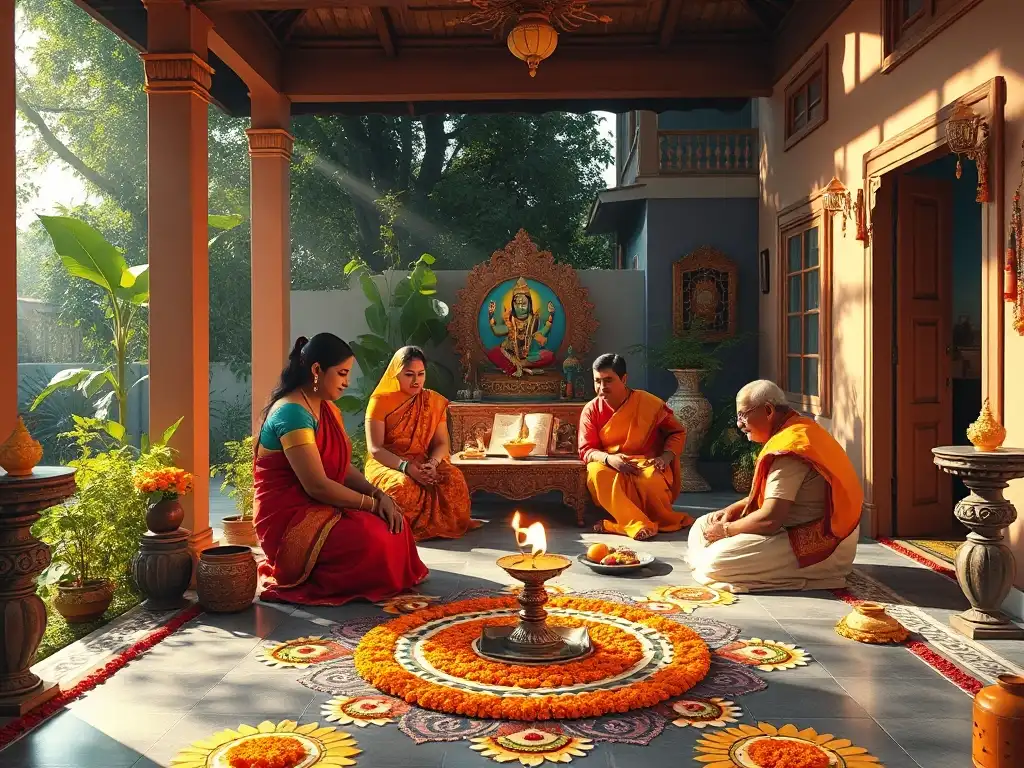
Welcome to Ancient India History, where we embark on a journey through the rich tapestry of India's past, uncovering the profound culture and remarkable contributions of ancient civilizations. In our featured article, “Vedic Influence on Modern Hindu Practices and Beliefs,” we delve into the enduring legacy of the Vedic texts and how they continue to shape contemporary Hindu traditions.
Prepare to explore the intricate connections between ancient wisdom and modern spirituality, and discover how these age-old practices still resonate today. Join us as we unlock the secrets of the past and illuminate the path to a deeper understanding of Hindu beliefs!
- Introduction to Vedic Influence on Hindu Practices
- Historical Context of the Vedas
- Key Vedic Concepts and Their Impact on Hindu Beliefs
- Vedic Influence on Modern Hindu Rituals
- Vedic Philosophy and Its Reflection in Hindu Thought
- The Evolution of Vedic Influence in Contemporary Hinduism
- Conclusion: The Enduring Legacy of Vedic Influence on Hindu Practices
-
Frequently Asked Questions
- What is the significance of the Vedic texts in Hindu practices?
- How did the Vedic period shape modern Hinduism?
- In what ways do Vedic rituals manifest in contemporary Hindu worship?
- How does the Vedic influence affect Hindu philosophy today?
- Are there any specific Hindu festivals that trace back to Vedic traditions?
- Final Reflection: Embracing the Vedic Legacy in Modern Hinduism
- Unveil the Depth of Vedic Wisdom in Your Life!
Introduction to Vedic Influence on Hindu Practices
The Vedas, the oldest sacred texts of Hinduism, serve as a foundational cornerstone of Indian spirituality and philosophy. Composed over three millennia ago, these ancient scriptures encompass a vast array of hymns, rituals, and philosophical teachings that have transcended time and continue to shape modern Hindu practices and beliefs.
Understanding the Vedic influence on Hindu practices is crucial for appreciating the profound interconnections between ancient traditions and contemporary spiritual expressions. This article explores the intricate relationship between the Vedas and modern Hinduism, revealing how the teachings and rituals laid down in these texts have evolved yet remain deeply embedded in the daily lives of millions.
Understanding the Vedas and Their Significance
The Vedas consist of four primary texts: the Rigveda, Samaveda, Yajurveda, and Atharvaveda, each containing a wealth of knowledge and wisdom. They are traditionally classified into two parts: the Samhitas (collections of hymns) and the Brahmanas (ritual texts), along with the Aranyakas and Upanishads, which delve into philosophical concepts and metaphysics.
- Rigveda: The oldest of the Vedas, it contains hymns dedicated to various deities and elements of nature, reflecting the society's reverence for the cosmos.
- Samaveda: Known as the "Veda of Melodies," it focuses on musical chants and is significant in the context of rituals.
- Yajurveda: This text serves as a guide for performing rituals and sacrifices, emphasizing the practical aspects of Vedic religion.
- Atharvaveda: Unlike the other three, it includes hymns for daily life, addressing healing, protection, and domestic rituals.
The significance of the Vedas extends beyond mere religious texts; they represent a comprehensive world view that encompasses cosmology, ethics, and the pursuit of knowledge. Their teachings have influenced various aspects of Indian life, including philosophy, art, and social structure, thereby establishing a legacy that resonates through the ages.
Overview of Modern Hindu Practices and Beliefs
Modern Hinduism is not a monolithic entity; rather, it is a rich tapestry woven from diverse beliefs and practices. However, many contemporary rituals and philosophies can trace their roots back to Vedic traditions. Key aspects include:
- Ritual Practices:
- Yajnas (sacrificial rituals): Rooted in the Vedic tradition, yajnas continue to hold importance in Hindu worship, facilitating offerings to deities and seeking blessings.
- Puja (worship): The act of reverence through offerings, prayers, and rituals often reflects Vedic practices, emphasizing devotion to various gods and goddesses.
- Philosophical Underpinnings:
- Concepts like dharma (duty), karma (action and consequence), and moksha (liberation) have their origins in the Vedic texts, influencing ethical frameworks and the spiritual journey of individuals.
- Festivals and Celebrations:
- Many Hindu festivals, such as Diwali and Makar Sankranti, incorporate rituals and themes that are steeped in Vedic traditions, celebrating the cycles of nature and the divine.
The Vedic influence on modern Hindu practices is profound and multifaceted, intertwining ancient wisdom with contemporary beliefs and rituals. The exploration of this influence not only enriches our understanding of Hinduism but also highlights the continuity and evolution of spiritual practices throughout history.
Historical Context of the Vedas
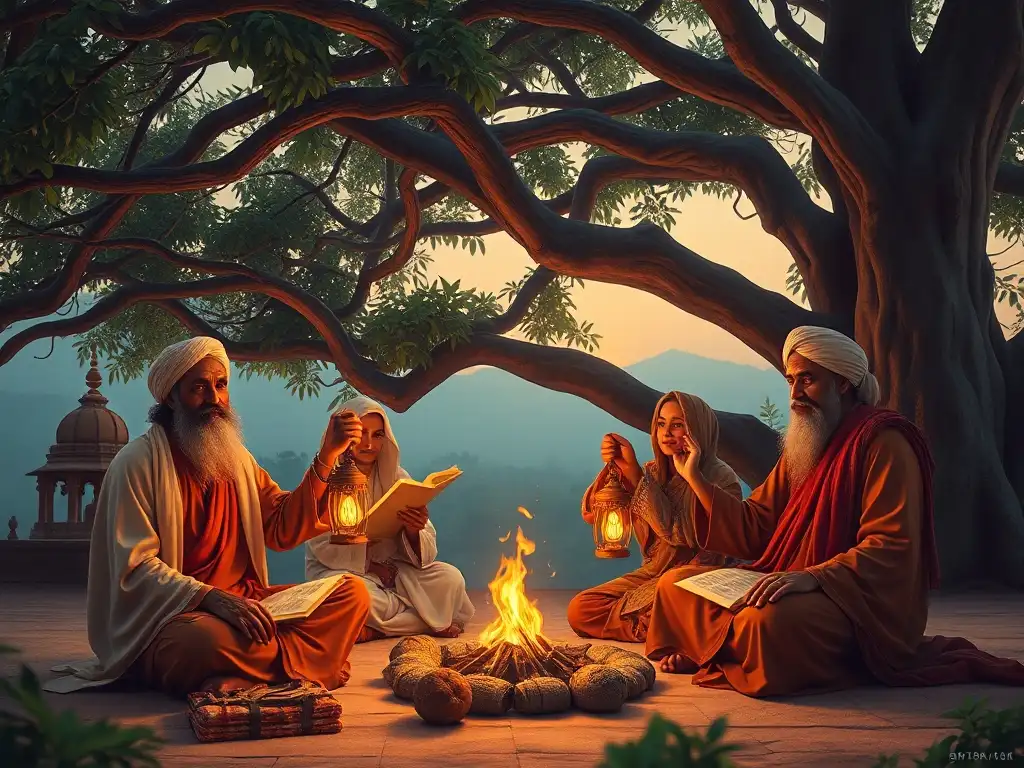
The Vedas hold a pivotal place in the history and culture of ancient India, acting as the cornerstone of Hindu thought and practice. Composed over a period that spans from approximately 1500 BCE to 500 BCE, these texts not only shaped religious beliefs but also influenced social structures, rituals, and philosophical inquiries that resonate even in contemporary Hindu practices.
Origins of the Vedic Texts
The origins of the Vedic texts can be traced back to the early Indo-Aryan migrations into the Indian subcontinent. These texts are primarily composed in Sanskrit and are divided into four main collections:
- Rigveda: The oldest of the four Vedas, the Rigveda consists of hymns dedicated to various deities, exploring themes such as creation, nature, and the cosmos.
- Samaveda: This Veda focuses on melodies and chants, often used in rituals, highlighting the musical aspect of Vedic worship.
- Yajurveda: Serving as a guide for rituals, the Yajurveda contains prose mantras and instructions for performing sacrifices.
- Atharvaveda: Unlike the other three, the Atharvaveda includes hymns, spells, and incantations related to daily life, health, and protection.
The texts were not merely written works; they were transmitted orally for centuries before being committed to writing. This oral tradition ensured that the texts remained dynamic, evolving to reflect the changing contexts of society. Scholars often debate the exact dating and authorship of these texts, but their profound impact on subsequent Indian culture and spirituality is universally acknowledged.
The Role of the Vedas in Ancient Indian Society
The Vedas played a multifaceted role in ancient Indian society, influencing various aspects of life, including religion, philosophy, and social organization. Their impact can be categorized into several key areas:
- Religious Practices: The Vedas provided the foundational rituals and ceremonies that are central to Hindu worship today. Sacrifices (yajnas) and offerings (homas) described in the Vedas are still performed in modern Hindu practices, illustrating the continuity of Vedic influence on Hindu rituals.
- Social Structure: The Vedic texts contributed to the formulation of the varna system, which categorized society into four primary groups: Brahmins (priests), Kshatriyas (warriors), Vaishyas (traders), and Shudras (servants). This social stratification, while often criticized in contemporary discourse, has roots in Vedic teachings and texts.
- Philosophical Thought: The philosophical inquiries found in the Vedas laid the groundwork for later schools of Indian philosophy. Concepts such as dharma (duty/righteousness), karma (action and its consequences), and moksha (liberation) are deeply embedded in Vedic literature and continue to shape Hindu beliefs and practices.
- Cultural Identity: The Vedas also serve as a unifying force for Hindu identity, providing a sense of shared heritage and tradition. They are recited in various forms during festivals, rituals, and ceremonies, reinforcing their significance in collective cultural memory.
The Vedic influence on Hindu practices is profound and enduring, shaping not only religious rituals but also the very fabric of society in ancient India. Their teachings continue to resonate in modern Hinduism, showcasing the remarkable continuity of cultural and spiritual traditions throughout the centuries.
Key Vedic Concepts and Their Impact on Hindu Beliefs

The Concept of Dharma in Vedic Literature
The concept of Dharma is central to Vedic literature, representing the ethical and moral principles that govern individual conduct and societal norms. In the Vedic texts, particularly the Rigveda and the Yajurveda, Dharma is often associated with righteousness and duty, influencing the development of Hindu ethics and law.
- Definition of Dharma: Dharma is often translated as "duty," "righteousness," or "law." It encompasses not just personal ethics but also social and cosmic order. It implies a balance between individual responsibilities and the wider community's needs.
- Roles in Society: The Vedic texts detail various roles within society, including those of the Brahmins (priests), Kshatriyas (warriors), Vaishyas (merchants), and Shudras (laborers). Each caste has its own Dharma, promoting a structured society where everyone contributes to the collective well-being.
- Evolution in Modern Hinduism: The Vedic interpretation of Dharma laid the groundwork for contemporary Hindu values. Modern practices still reflect this concept, emphasizing the importance of fulfilling personal and social duties. For instance, the emphasis on family responsibilities and ethical behavior in daily life can be traced back to Vedic teachings.
Vedic Rituals and Their Modern Adaptations
Vedic rituals, known as Yajnas, are elaborate ceremonies that involve offerings to deities, primarily performed by priests. These rituals have significantly influenced modern Hindu practices, reflecting the continuity and evolution of spiritual traditions.
- Characteristics of Vedic Rituals: Vedic rituals are characterized by precise recitations of hymns, offerings of oblations (such as clarified butter), and the use of sacred fire ( Agni). The rituals are designed to invoke divine blessings and maintain cosmic order.
- Adaptation in Present-Day Practices: While the complexity of ancient rituals has diminished, many aspects remain integral to modern Hindu worship. For example, the practice of Homa (fire offerings) continues to be popular in various ceremonies, including weddings and housewarming.
- Community and Individual Roles: In contemporary Hinduism, community gatherings often involve simplified versions of these rituals, where families come together to perform Puja (worship) at home or in temples. This adaptation emphasizes personal devotion while preserving the essence of Vedic practices.
The Importance of Mantras in Hindu Worship
Mantras, or sacred utterances, hold a vital place in Vedic literature and Hindu worship. They are believed to possess spiritual power and are an essential component of rituals and daily prayers.
- Role of Mantras in Vedic Texts: The Samaveda and Atharvaveda contain numerous mantras that are recited during rituals. These mantras are often in Sanskrit and are meant to connect the devotee with the divine, invoking specific energies or blessings.
- Modern Usage of Mantras: Today, the recitation of mantras is a common practice among Hindus. Mantras like the Gayatri Mantra are chanted for spiritual upliftment and protection. This practice highlights the continuity of Vedic influences in contemporary spirituality.
- Psychological and Spiritual Benefits: Research has suggested that mantra recitation can lead to increased focus, reduced stress, and a deeper sense of connection to the divine. This aligns with the Vedic belief in the transformative power of sound and vibration.
The Vedic influence on Hindu practices remains profound and multifaceted, shaping ethical principles, ritualistic expressions, and the spiritual fabric of contemporary Hinduism. Through the exploration of these key concepts, one can appreciate how ancient traditions continue to resonate in modern beliefs and practices.
Vedic Influence on Modern Hindu Rituals
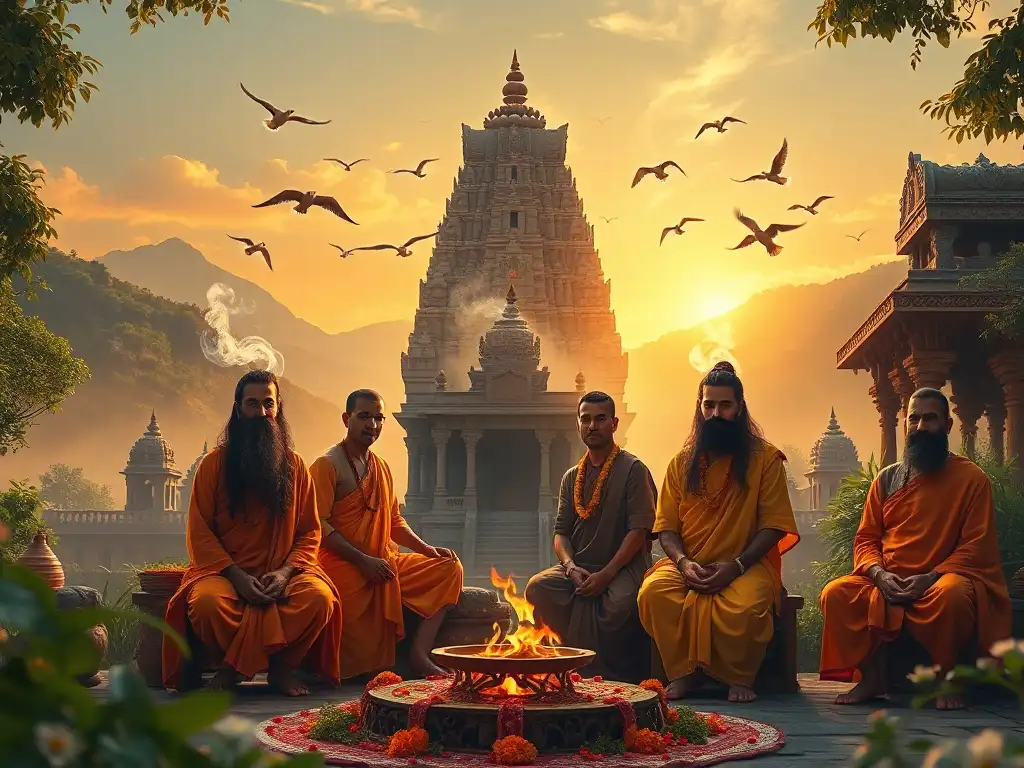
Daily Rituals: From Vedic Traditions to Contemporary Practices
Daily rituals in Hinduism, often referred to as Sādhana, are heavily influenced by Vedic traditions, which emphasize the importance of discipline and devotion in everyday life. These rituals are designed to foster a connection with the divine and are performed with a sense of piety and adherence to tradition.
- Morning Prayers and Offerings:
- Most Hindus begin their day with Sandhya Vandana, a ritual that involves prayers at dawn and dusk. This practice is rooted in Vedic texts that recommend worshipping the sun ( Surya) as a source of life and energy.
- Offerings such as flowers, water, and food are made to deities, reflecting Vedic principles of gratitude and reverence.
- Puja (Worship) Practices:
- The structure of Puja has its origins in the Vedas, where rituals were meticulously outlined to honor various gods and goddesses. This includes the use of sacred mantras ( shlokas) and the recitation of Vedic hymns.
- Modern Puja often incorporates items like incense, candles, and specific foods that have been historically significant, maintaining a link to ancient practices.
- Ritual Cleanliness:
- Vedic texts place a significant emphasis on Shauch (purity), which is reflected in daily practices such as bathing and wearing clean clothes before performing rituals.
- The notion of purity extends to both physical and mental aspects, promoting a holistic approach to worship that is still prevalent today.
Major Festivals and Their Vedic Roots
Festivals in Hindu culture are vibrant celebrations that often trace their origins back to Vedic traditions. These occasions not only serve to commemorate significant events but also to reinforce community bonds and spiritual beliefs.
- Diwali (Deepavali):
- Known as the Festival of Lights, Diwali has Vedic roots in the worship of Lakshmi, the goddess of wealth, and Ganesha, the remover of obstacles. The practices around this festival include lighting oil lamps, which symbolize the victory of light over darkness.
- Holi:
- The festival of colors, Holi has connections to Vedic texts that celebrate the arrival of spring and the triumph of good over evil. The use of colors represents the diverse aspects of life and the joy of community, which was emphasized in ancient Vedic celebrations.
- Navaratri:
- This nine-night festival dedicated to the goddess Durga mirrors Vedic rituals that honor the feminine divine. Each night is marked by specific rituals that include fasting, chanting, and dance, reflecting the Vedic spirit of devotion and celebration.
The Role of Sacrifices in Vedic and Modern Hinduism
Sacrifices ( Yajnas) are a cornerstone of Vedic rituals, integral to the spiritual and social fabric of early Hindu society. The concept of sacrifice has evolved but continues to play a significant role in modern practices.
- Vedic Sacrifices:
- Sacrifices in the Vedic period were elaborate ceremonies involving offerings to deities, often conducted by priests ( Brahmins). These rituals were believed to maintain cosmic order and please the gods, ensuring prosperity and harmony.
- Modern Interpretations:
- While the scale and complexity of sacrifices have changed, the essence remains. Modern Hinduism often incorporates symbolic sacrifices during rituals, such as offering fruits, flowers, or grains. This reflects the underlying Vedic principle of surrendering to the divine.
- Community and Rituals:
- Sacrifices in modern Hinduism often foster a sense of community and collective worship. Events such as Homa (fire sacrifices) are conducted during festivals or ceremonies, reinforcing the communal spirit that was central to Vedic practices.
The Vedic influence on Hindu practices is profound, shaping daily rituals, festival celebrations, and the concept of sacrifice. This enduring legacy continues to resonate within the spiritual and cultural life of modern Hinduism, bridging the past with contemporary beliefs and practices.
Vedic Philosophy and Its Reflection in Hindu Thought
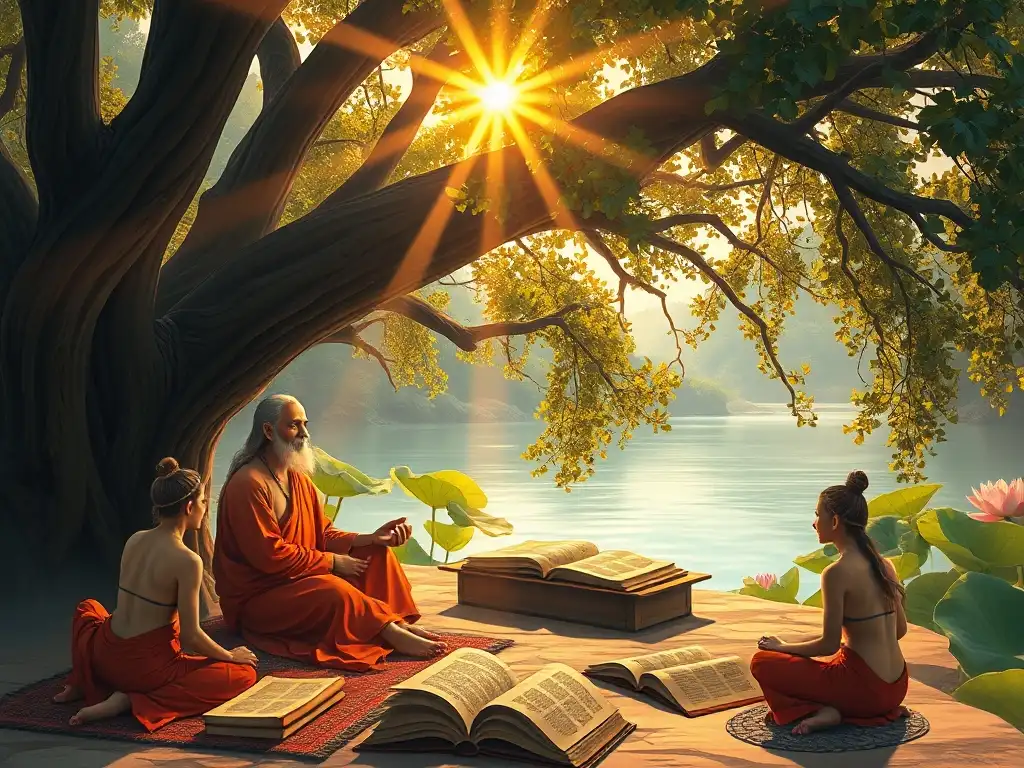
The Vedic philosophy serves as the foundation for a multitude of beliefs and practices within Hinduism. Its influence permeates various aspects of life, shaping spiritual, ethical, and philosophical dimensions that continue to resonate in contemporary Hindu thought. Central to this philosophy are concepts such as Brahman and Atman, which encapsulate the essence of existence and consciousness.
The Concept of Brahman and Atman
The Vedic texts introduce Brahman as the ultimate, unchanging reality, the source of all that exists. This concept transcends the limitations of the physical world and is often described as infinite and eternal. In contrast, Atman represents the individual soul or self, which is seen as a microcosm of Brahman. The relationship between Brahman and Atman is foundational in understanding the nature of existence in Hindu philosophy.
This philosophical dualism leads to the notion of Moksha, or liberation, which signifies the realization of the unity between Brahman and Atman. Vedic scriptures, particularly the Upanishads, elaborate on this relationship, emphasizing that understanding one's true self (Atman) leads to recognition of the universal spirit (Brahman). The famous Mahavakya, "Tat Tvam Asi" (That Thou Art), underscores this connection, asserting that the essence of the individual soul is the same as that of the ultimate reality.
The implications of this understanding are profound, influencing various Hindu practices and beliefs today. For instance, the pursuit of knowledge and self-realization through Jnana Yoga (the path of knowledge) is a direct reflection of Vedic teachings. This pursuit encourages individuals to engage in self-inquiry and philosophical contemplation, fostering a deeper understanding of one's nature and existence.
Vedic Influence on Yoga and Meditation Practices
Yoga and meditation are perhaps the most notable practices that have evolved from Vedic philosophy. Rooted in the Vedas and later elaborated upon in texts like the Yoga Sutras of Patanjali, these practices are integral to spiritual development in Hinduism.
- Asanas and Pranayama: The physical postures (asanas) and breath control (pranayama) are derived from Vedic principles, emphasizing the importance of harmonizing body and mind. These practices not only promote physical health but also prepare the practitioner for deeper meditative states.
- Dhyana (Meditation): Meditation, a significant aspect of Vedic influence, is aimed at achieving a focused mind and increased awareness. Techniques such as Mantra Meditation, where specific sounds or phrases are repeated, originate from Vedic rituals and are used to connect with the divine.
- Spiritual Discipline: The Vedic texts advocate for Tapas, or ascetic practices, which include disciplined lifestyle choices and mental focus. These disciplines cultivate a sense of detachment from worldly distractions, facilitating a deeper connection with the self and the universe.
- Bhakti (Devotion): Another significant aspect of Vedic influence is the emergence of Bhakti Yoga, which emphasizes devotion to a personal deity. This practice is rooted in the Vedic understanding of the divine and encourages followers to express their love and devotion through rituals, prayers, and offerings.
The Vedic influence on Hindu practices is profound and multifaceted. It shapes not only the philosophical underpinnings of the religion but also the spiritual practices that guide millions in their quest for understanding, self-realization, and connection with the divine. The timeless teachings of the Vedas continue to inspire and inform contemporary Hindu thought, ensuring their relevance in the modern world.
The Evolution of Vedic Influence in Contemporary Hinduism
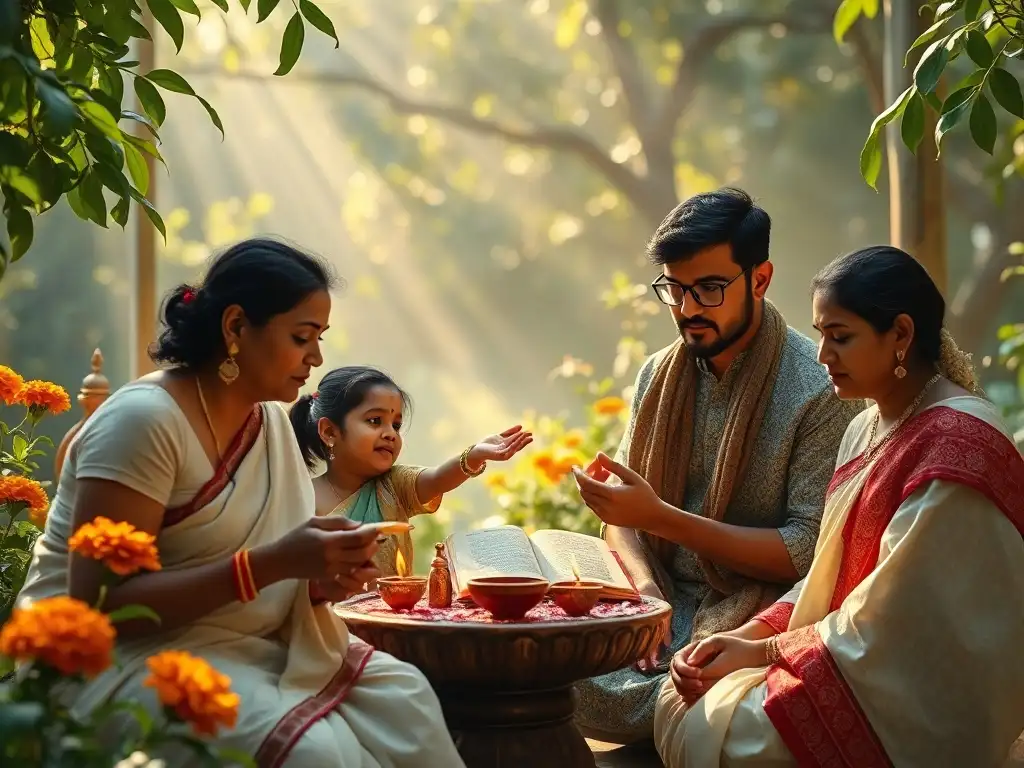
The Vedic influence on Hindu practices has evolved dramatically over the centuries, shaping the core beliefs and rituals that define contemporary Hinduism. The Vedas, composed between 1500 and 500 BCE, serve as the foundational texts of Hindu philosophy and spirituality. Their teachings have permeated various layers of Hindu life, influencing everything from daily rituals to broader philosophical concepts.
Variations in Practices Across Different Regions
Hinduism is not a monolithic religion; it is characterized by a rich tapestry of regional practices influenced by local customs, languages, and cultures. The Vedic influence manifests uniquely across different parts of India, leading to significant variations in ritualistic practices and beliefs.
- North India: In regions like Uttar Pradesh and Punjab, Vedic rituals are often incorporated into elaborate ceremonies, such as Homas (fire sacrifices) that honor deities mentioned in the Vedas. The Sanskrit chants remain central to these rituals, reflecting a strong adherence to Vedic traditions.
- South India: Conversely, in Tamil Nadu and Kerala, the influence of the Vedas blends with Bhakti movements, emphasizing personal devotion and the love of God. Rituals may incorporate local languages and forms of worship, yet they often retain Vedic elements like Agama Shastras, which guide temple architecture and worship.
- Eastern India: In West Bengal and Odisha, the Vedic influence is evident in the Durga Puja and Jagannath Ratha Yatra, where elements of Vedic hymns are recited during the festivities. Here, the integration of folk traditions with Vedic rituals demonstrates a fluidity that enriches the cultural landscape.
- Western India: In Gujarat and Maharashtra, the Navratri festival exemplifies regional adaptations of Vedic practices, where the worship of feminine deities is celebrated with dance and music, reflecting a mix of Vedic and local traditions.
This regional diversity creates a vibrant mosaic of practices, all rooted in the Vedic texts, showcasing how these ancient scriptures continue to influence modern Hindu rituals.
Interactions with Other Philosophical Systems
The Vedic texts do not exist in isolation; they have interacted with various philosophical systems over time, enriching Hindu practices and beliefs. This interaction has led to the integration of diverse ideas that have further shaped contemporary Hinduism.
- Buddhism and Jainism: Emerging from the Vedic tradition, both Buddhism and Jainism introduced new philosophical concepts, such as ahimsa (non-violence) and karma. These ideas have been absorbed into mainstream Hindu thought, influencing practices such as vegetarianism and the emphasis on ethical living. The shared cultural context has allowed for a mutual exchange of ideas, leading to a more profound understanding of spirituality.
- Samkhya Philosophy: The Vedic influence is also evident in the development of Samkhya, one of the six orthodox systems of Hindu philosophy. This system's dualistic approach to the material and spiritual world has influenced modern Hindu beliefs about the nature of reality and the self, reflected in practices like yoga and meditation. The emphasis on self-realization and liberation (moksha) echoes Vedic ideals.
- Tantric Traditions: The Tantric practices that emerged later incorporated Vedic mantras and rituals, often reinterpreting them to emphasize personal experience of the divine. This has led to a more mystical approach within Hinduism, where the Vedic influence is felt in the use of mantras, mudras, and yantras during worship.
- Modern Reform Movements: In the 19th and 20th centuries, reform movements like Brahmo Samaj and Arya Samaj sought to return to Vedic principles while rejecting superstitions and rituals deemed unnecessary. These movements have contributed to a renewed interest in the Vedas, influencing contemporary practices such as the emphasis on education, social reform, and spirituality without ritualism.
The evolution of Vedic influence on Hindu practices illustrates a dynamic interplay between ancient texts and modern beliefs. By examining the variations across regions and interactions with other philosophical systems, we can appreciate the depth and richness of contemporary Hinduism, rooted firmly in Vedic traditions yet responsive to the needs of today's society.
Conclusion: The Enduring Legacy of Vedic Influence on Hindu Practices
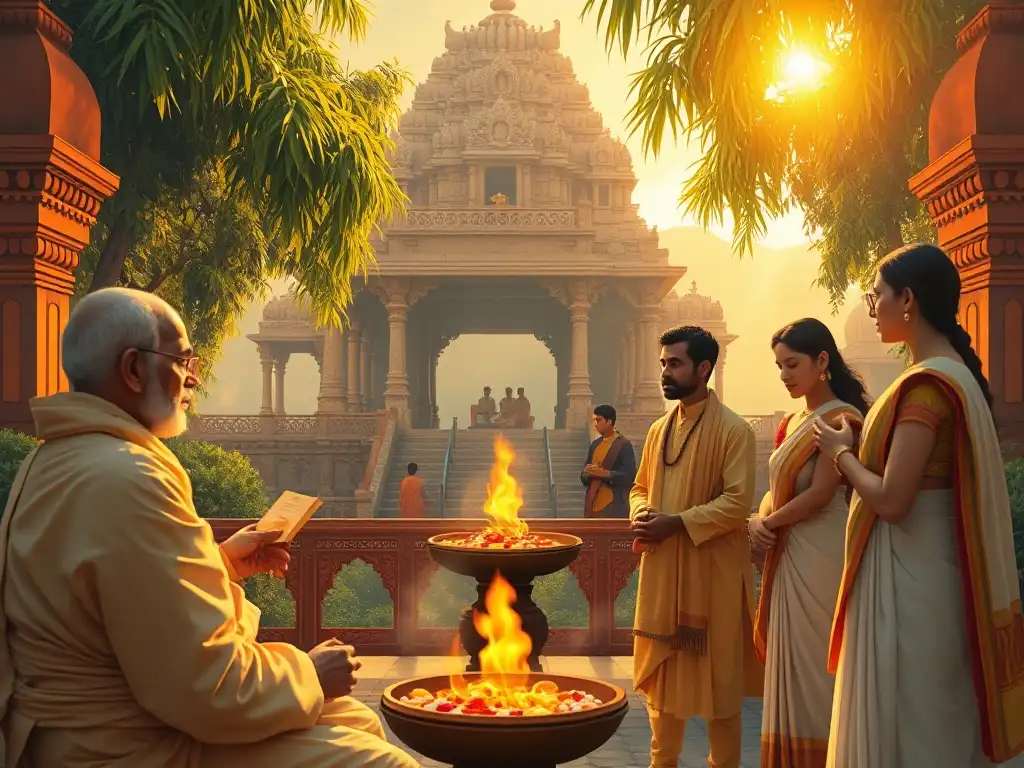
The Vedic period, with its profound spiritual and philosophical teachings, has left an indelible mark on modern Hindu practices and beliefs. As we conclude our exploration of the Vedic influence on Hindu practices, it becomes evident that the core tenets established during this ancient era continue to resonate within contemporary rituals, societal norms, and spiritual pursuits.
The foundational texts of the Vedas, particularly the Rigveda, Samaveda, Yajurveda, and Atharvaveda, introduced concepts such as dharma (righteousness), karma (action and its consequences), and moksha (liberation). These principles not only guide individual conduct but also shape the collective ethos of Hindu communities today.
Moreover, the rituals and ceremonies derived from Vedic traditions, such as samskaras (sacraments), are still practiced, underpinning life stages from birth to death. This continuity illustrates the enduring nature of Vedic heritage, ensuring that ancient wisdom is woven into the fabric of modern Hindu life.
Reflections on the Future of Vedic Traditions in Hinduism
As we look ahead, the future of Vedic traditions in Hinduism appears both promising and challenging. The revival of interest in ancient texts and practices among younger generations signals a desire to reconnect with cultural roots. This resurgence is often facilitated through educational programs, online resources, and community workshops that emphasize the significance of Vedic knowledge.
However, it is essential to navigate this revival with sensitivity to contemporary societal changes. The adaptation of Vedic practices must consider modern values such as inclusivity and environmental consciousness. For instance, many practitioners are now integrating sustainable practices into their rituals, reflecting a broader understanding of ahimsa (non-violence) that extends to all living beings and the planet.
Final Thoughts on the Interconnection of Ancient and Modern Beliefs
The interconnectedness of ancient and modern beliefs underscores a vibrant tapestry of Hinduism that evolves while remaining rooted in its Vedic origins. The Vedic influence on Hindu practices serves as a bridge, linking past wisdom with present realities.
This dynamic interplay invites continual reinterpretation of Vedic teachings, ensuring they remain relevant in an ever-changing world. As we embrace this legacy, it is crucial to foster dialogues that honor ancient traditions while allowing them to adapt and thrive in contemporary society. Ultimately, the journey of integrating Vedic teachings into modern life is not merely an act of preservation but a celebration of the rich heritage that shapes the spiritual landscape of millions today.
The enduring legacy of Vedic influence enriches the spiritual lives of individuals and communities, affirming that the past is not a distant memory, but a living source of inspiration and guidance for future generations.
Frequently Asked Questions
What is the significance of the Vedic texts in Hindu practices?
The Vedic texts, composed around 1500-500 BCE, form the foundation of Hindu beliefs, rituals, and philosophy, influencing spiritual practices to this day.
How did the Vedic period shape modern Hinduism?
The Vedic period introduced essential concepts such as dharma, karma, and moksha, which are central to modern Hindu practices and ethical values.
In what ways do Vedic rituals manifest in contemporary Hindu worship?
Many Vedic rituals, like yajnas (sacrificial offerings) and chanting of mantras, remain integral to Hindu worship, promoting a connection with the divine.
How does the Vedic influence affect Hindu philosophy today?
The Vedic influence continues to guide Hindu philosophy, emphasizing spiritual knowledge and the pursuit of truth, which impacts contemporary thought and practices.
Are there any specific Hindu festivals that trace back to Vedic traditions?
Yes, several Hindu festivals, such as Makar Sankranti and Pongal, have roots in Vedic traditions, celebrating themes of harvest and gratitude to the divine.
Final Reflection: Embracing the Vedic Legacy in Modern Hinduism
In exploring the Vedic influence on Hindu practices, we uncover a rich tapestry of beliefs and rituals that continue to shape the spiritual landscape of contemporary Hinduism. The Vedas, as ancient texts, offer timeless wisdom that resonates with the values and practices of today, reminding us that our spiritual heritage is not merely a relic of the past but a living tradition that informs our daily lives. The enduring relevance of these teachings underscores the profound connection between our ancestors and our present, urging us to honor and integrate these insights into our modern existence.
The impact of Vedic teachings on the cultural and social fabric of Hinduism is profound and ongoing. As we navigate the complexities of modern life, the principles derived from the Vedas provide a grounding force, fostering a sense of community and continuity. The rituals, festivals, and ethical guidelines rooted in Vedic philosophy not only enrich individual lives but also strengthen communal bonds. The Vedas are the source of all knowledge; they are the foundation upon which our spiritual practices stand.
This quote encapsulates the essence of how deeply intertwined Vedic wisdom is with the identity of Hinduism today, serving as a guiding light for millions.
As we reflect on the lessons drawn from the Vedic influence on Hindu practices, I invite you to consider how these ancient teachings can inspire your own spiritual journey. Take a moment to engage with the rituals and philosophies that resonate with you, and explore how they can be woven into your daily life. By embracing the wisdom of the Vedas, we not only honor our heritage but also cultivate a deeper understanding of ourselves and our place in the world. Let us carry forward this legacy, allowing it to illuminate our paths and enrich our connections with others.
Unveil the Depth of Vedic Wisdom in Your Life!
Thank you for diving into the fascinating world of Vedic influence on modern Hindu practices and beliefs. You've explored the profound connections that shape spirituality today, and now it's time to put that insight into action!
Here are some simple, yet powerful steps you can take to enrich your understanding of Vedic traditions:
- Embrace a daily practice of meditation or chanting to connect with Vedic teachings and enhance your spiritual growth.
- Explore local events or workshops that focus on Vedic philosophy and rituals to deepen your engagement with the community.
- Share your insights with friends and family— host a discussion group to spark conversations about how Vedic values can guide modern living!
What aspect of Vedic teachings do you find most inspiring, and how will you incorporate those insights into your daily life?