
The Mahabharata’s Role in Shaping National Identity in Modern India

Welcome to Ancient India History! Dive deep into the fascinating world of India's ancient civilizations, where each story reveals the rich tapestry of culture, philosophy, and legacy that has shaped the subcontinent. In our featured article, we explore the profound influence of the Mahabharata on Indian identity, uncovering how this epic literature continues to resonate through the ages and impact modern society. Join us on this enlightening journey as we unravel the threads of history that connect the past to the present.
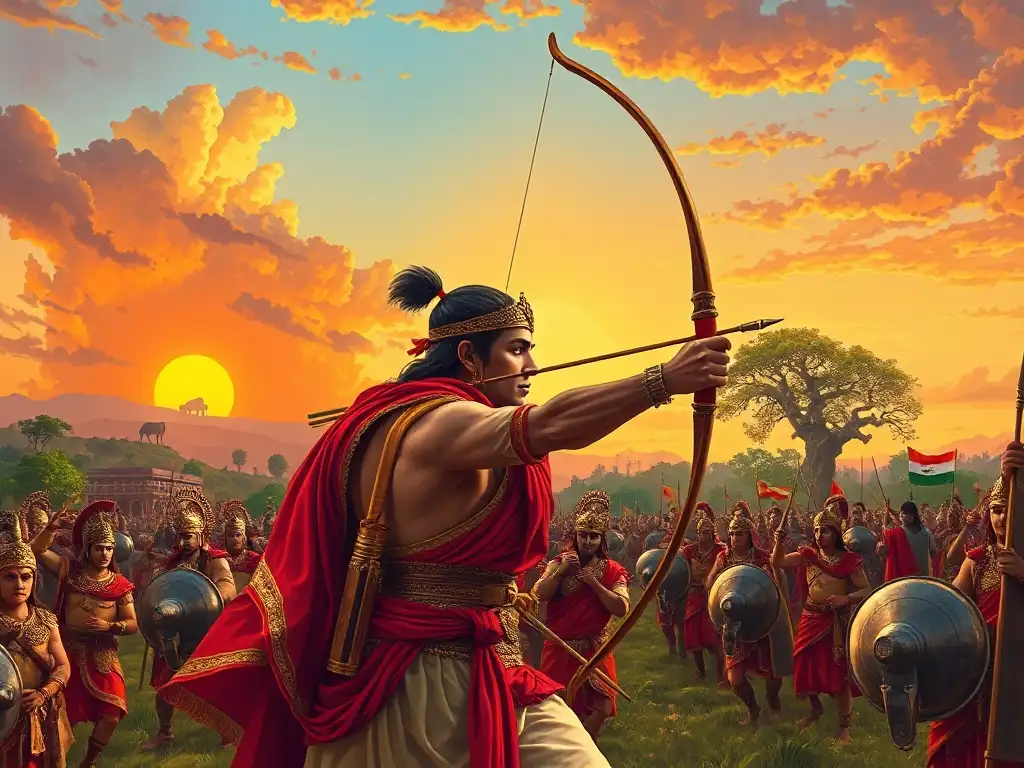
Introduction
The Mahabharata, one of the longest epic poems in the world, is not merely a literary masterpiece; it is a profound reflection of the soul of Indian civilization. As we delve into its intricate narratives, we find that the Mahabharata has significantly influenced the formation of national identity in modern India.
This ancient text, rich in moral dilemmas, philosophical discourses, and cultural teachings, continues to resonate with contemporary society, shaping perceptions of justice, duty, and righteousness. The keyword "Mahabharata influence on Indian identity" encapsulates the essence of this exploration, as we unravel how this epic transcends time to mold the collective consciousness of the nation.
Overview of the Mahabharata
The Mahabharata is attributed to the sage Vyasa and comprises approximately 100,000 verses, making it an unparalleled literary work. It narrates the tale of the Pandavas and the Kauravas, two royal families embroiled in a monumental conflict that culminates in the great war of Kurukshetra. The epic is not just a story of war; it intricately weaves themes of love, betrayal, morality, and dharma (duty).
- Key Components:
- Bhagavad Gita: A philosophical dialogue between Prince Arjuna and Lord Krishna.
- Sub-stories: Numerous tales that enrich the main narrative, providing moral lessons and cultural insights.
Through its multifaceted characters and complex narratives, the Mahabharata offers profound insights into human nature and societal values, making it a cornerstone of Indian literature.
Significance of the Mahabharata in Indian Culture
The Mahabharata holds a revered place in Indian culture, influencing various aspects such as religion, art, and social norms.
- Cultural Influence:
- Festivals: Celebrations like Dussehra and Diwali are steeped in tales from the Mahabharata.
- Performing Arts: Dance and drama often depict scenes from the epic, showcasing its narratives in vibrant forms.
Moreover, the teachings of the Mahabharata have shaped the moral fabric of society, instilling values of righteousness and justice that resonate with contemporary issues. The epic serves as a guide for ethical living, influencing not just individual behavior but also societal expectations.
The Role of Epic Literature in National Identity
Epic literature, particularly the Mahabharata, plays a pivotal role in fostering national identity by providing a shared narrative and cultural heritage.
- Identity Formation:
- Collective Memory: The Mahabharata helps preserve the collective memory of Indian culture, providing a sense of continuity and belonging.
- Symbol of Resistance: The epic has also been invoked in various historical contexts, symbolizing resistance against oppression and the quest for justice.
By articulating shared values and experiences, epic literature like the Mahabharata reinforces a sense of unity among diverse populations, shaping a cohesive national identity.
Historical Context of the Mahabharata
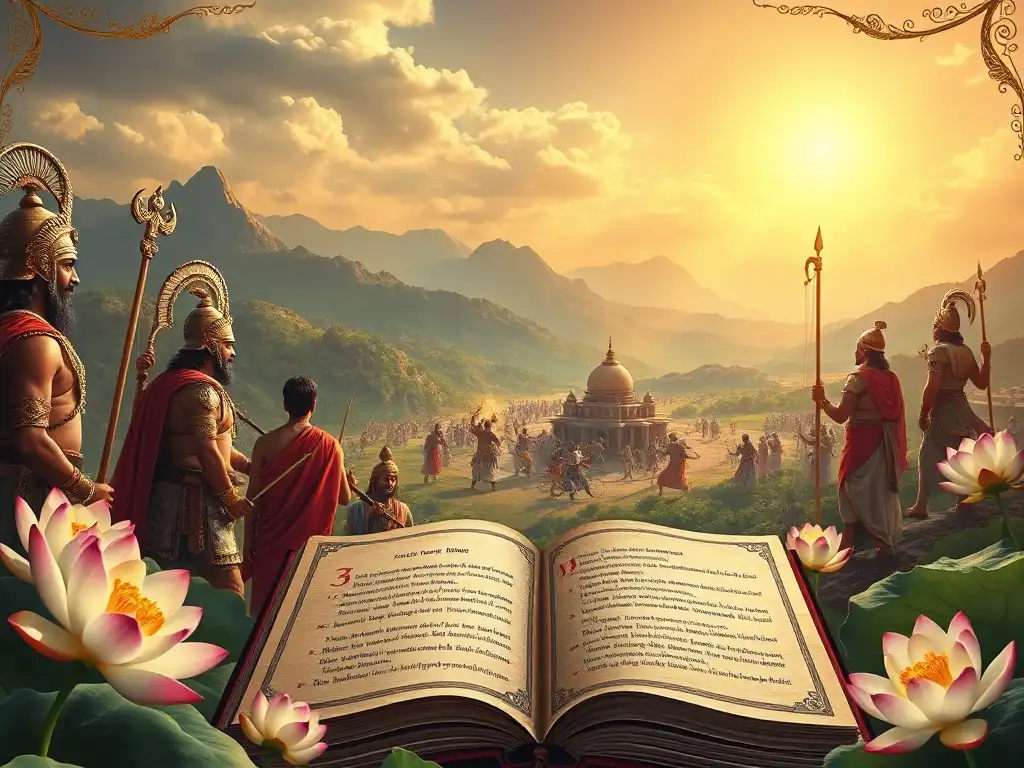
Understanding the historical context of the Mahabharata is essential to grasp its influence on modern Indian identity.
Origins and Authorship of the Mahabharata
The origins of the Mahabharata can be traced back to ancient India, with scholars suggesting that its initial composition occurred around 400 BCE to 400 CE. As a work attributed to Vyasa, the epic has undergone numerous revisions and expansions, reflecting the socio-political milieu of various eras.
- Key Points:
- Oral Tradition: Originally passed down through oral tradition before being transcribed.
- Regional Variations: Different versions and adaptations across regions, indicating its widespread influence.
The Mahabharata in Ancient Indian Society
In ancient Indian society, the Mahabharata served as a crucial text that influenced governance, ethics, and personal conduct. It provided a framework for understanding dharma and the complexities of human relationships.
- Societal Impact:
- Political Philosophy: Kings and rulers often referred to the Mahabharata for guidance in governance and justice.
- Cultural Values: The epic reinforced societal norms, particularly regarding duty, honor, and familial relationships.
Key Themes and Philosophical Teachings
The Mahabharata encompasses a plethora of themes that continue to resonate in modern discourse.
- Philosophical Insights:
- Dharma vs. Adharma: The struggle between right and wrong, illuminating moral choices.
- The Nature of Conflict: Exploration of the motivations behind war and peace, relevant in today’s geopolitical landscape.
Through its rich tapestry of narratives and philosophical teachings, the Mahabharata remains a vital source of inspiration and reflection for understanding the complexities of life and identity in modern India.
The Mahabharata's Influence on Indian Identity
The Mahabharata, one of the longest epic poems in the world, has played a significant role in shaping Indian identity. Its narratives, characters, and moral dilemmas resonate deeply within the cultural and social fabric of modern India. The epic embodies the essence of Indian philosophy and ethics, which continue to influence contemporary society. The recurring themes of duty (dharma), justice, and righteousness are pivotal in understanding how the Mahabharata contributes to a collective national identity that embraces diversity, tradition, and moral complexities.
India's multifaceted identity is often reflected in the varied interpretations of the Mahabharata throughout history. The epic serves not only as a literary masterpiece but also as a framework for discussing social values, historical events, and philosophical inquiries. This interweaving of the Mahabharata into the national consciousness highlights its crucial role in shaping a unified yet diverse identity that honors both ancient traditions and modern aspirations.
Exploring the Concept of Dharma in the Mahabharata
The concept of dharma, or duty, is central to the Mahabharata and serves as a moral compass for its characters. Throughout the epic, individuals grapple with complex ethical dilemmas that challenge their understanding of righteousness. The teachings of Krishna to Arjuna in the Bhagavad Gita, a pivotal section of the Mahabharata, encapsulate the essence of dharma and its relevance in making choices that uphold justice and virtue.
In modern India, the interpretation of dharma continues to evolve, impacting societal norms and individual responsibilities. The Mahabharata encourages a nuanced understanding of duty, highlighting that adherence to dharma can vary based on context and circumstance. This flexibility allows for a dynamic approach to ethics in contemporary society, where individuals are often faced with conflicting values and responsibilities.
The Mahabharata as a Reflection of Indian Values
The Mahabharata serves as a mirror reflecting the core values of Indian civilization, such as truth, honor, loyalty, and sacrifice. The characters, from the noble Yudhishthira to the valiant Bhima, exemplify these values, providing a rich tapestry of human experience and moral lessons. The epic illustrates the importance of familial ties and the consequences of actions, reinforcing the belief that individual choices shape collective destinies.
Moreover, the Mahabharata emphasizes the significance of community and social cohesion. The epic's portrayal of the Kurukshetra War highlights the devastating consequences of conflict, prompting a reflection on the importance of harmony and cooperation in society. These themes resonate with modern Indian values, where the pursuit of social justice and unity remains paramount in the face of diversity.
How the Mahabharata Shapes Modern Indian Identity
The influence of the Mahabharata on modern Indian identity is profound, as it serves as a source of inspiration and a reference point for contemporary issues. The epic's narratives are frequently invoked in discussions surrounding justice, governance, and ethics, making it relevant in today's socio-political landscape. The Mahabharata encourages a dialogue about the complexities of life, prompting individuals to seek wisdom and understanding in their own circumstances.
Furthermore, the characters of the Mahabharata have become archetypes in Indian culture, representing various aspects of human nature and societal roles. This archetypal significance allows individuals to relate personal experiences to the epic, fostering a sense of belonging and identity rooted in a shared cultural heritage. As such, the Mahabharata not only informs individual and collective identities but also reinforces the values that underpin modern India.
The Mahabharata in Contemporary India
The relevance of the Mahabharata in contemporary India extends beyond literature into various facets of society, including media, politics, and art. Its narratives and moral lessons continue to shape public discourse and cultural expressions, illustrating the epic's enduring legacy in the modern world.
Adaptations of the Mahabharata in Modern Media
The Mahabharata has been adapted into numerous television series, films, and theatrical productions, each offering unique interpretations of the epic's themes and characters. Notable adaptations, such as the 1988 television series directed by B.R. Chopra, have left an indelible mark on Indian culture, reaching audiences across generations. These adaptations often aim to present the epic's timeless lessons in a contemporary context, making the Mahabharata accessible to a wider audience.
Moreover, digital platforms have given rise to innovative retellings of the Mahabharata, engaging younger audiences through animations, graphic novels, and web series. These modern interpretations not only preserve the essence of the epic but also invite new discussions on its relevance in today's society, reinforcing the Mahabharata's status as a living tradition.
The Mahabharata's Role in Political and Social Discourse
The Mahabharata frequently surfaces in political and social discourse in India, serving as a framework for discussions on morality, leadership, and justice. Politicians and leaders often draw parallels between contemporary challenges and the dilemmas faced by the epic's characters, using its narratives to justify actions or highlight ethical considerations.
The epic's themes of conflict and resolution resonate in debates about national unity, social justice, and governance, illustrating how ancient wisdom can inform modern political thought. This connection to the Mahabharata allows for a deeper exploration of national identity, as citizens engage with the epic's moral complexities in light of current events.
Case Studies: Mahabharata Representations in Indian Art and Cinema
The representation of the Mahabharata in Indian art and cinema provides rich case studies of its impact on cultural expression. Artistic depictions of the epic can be found in various forms, from classical paintings to contemporary installations, often illustrating key moments and characters that embody its themes.
In cinema, films such as "Mahabharat" (1989) and "Gandharva" (2019) reinterpret the epic, exploring its relevance in different narratives and contexts. These cinematic adaptations not only engage viewers but also provoke discussions about the moral and philosophical questions posed by the Mahabharata. Through these representations, the epic continues to inspire creativity and reflection, reinforcing its integral role in shaping Indian identity across generations.
The Mahabharata and National Unity
The Mahabharata, one of the longest epic poems in the world, has significantly influenced the national identity of modern India. Its themes of duty, righteousness, and morality resonate deeply within the collective consciousness of the Indian populace. The epic not only serves as a historical account of ancient times but also acts as a metaphor for contemporary societal challenges, thereby fostering a sense of unity among diverse communities. By presenting a narrative that transcends regional, linguistic, and cultural boundaries, the Mahabharata has become a powerful tool for promoting national unity in a country characterized by its pluralism.
The Mahabharata as a Unifying Narrative
The Mahabharata encapsulates a multitude of stories, characters, and philosophies that mirror the complexity of Indian society. Its central narrative revolves around the Kurukshetra War, which symbolizes the eternal struggle between good and evil, justice and injustice. This universal theme resonates with people across various backgrounds, enabling the epic to function as a cohesive narrative that binds individuals together.
In modern India, the Mahabharata is often invoked in political discourse, social movements, and cultural expressions, reinforcing a shared identity among citizens. For example, during times of national crises or conflicts, references to the epic's heroes and moral dilemmas serve to galvanize public sentiment and inspire collective action. The Mahabharata thus emerges not merely as a literary work but as a foundational myth that shapes and reflects the evolving identity of the nation.
Symbolism and Shared Heritage in Indian Identity Formation
The characters and events within the Mahabharata are imbued with profound symbolism that contributes to the shared heritage of India. Figures like Arjuna and Krishna embody ideals of courage, wisdom, and ethical decision-making, serving as role models for contemporary society. The teachings of the Bhagavad Gita, a pivotal part of the Mahabharata, advocate for righteousness and the pursuit of one's duty, which resonates with the cultural ethos of India.
Moreover, festivals, rituals, and art forms inspired by the Mahabharata, such as dance dramas and folk performances, reinforce its themes and values, thus embedding them into the national consciousness. The epic's narratives are frequently retold in various regional languages, further enriching India's cultural tapestry and fostering a sense of belonging among diverse populations. This shared heritage, rooted in the Mahabharata, plays a crucial role in the formation of a unified Indian identity.
Responses to Regional Interpretations of the Mahabharata
India's diverse cultural landscape has led to multiple interpretations of the Mahabharata, reflecting the unique perspectives of various regions. Each interpretation often highlights specific themes, characters, or moral lessons that resonate with local values and traditions. For instance, in some regions, the character of Draupadi is celebrated as a symbol of female empowerment and resilience, while in others, her narrative is viewed through the lens of societal norms and expectations.
These regional interpretations contribute to a richer understanding of the Mahabharata and its relevance to contemporary issues. They foster dialogue and appreciation among different communities, thereby reinforcing national unity while simultaneously celebrating diversity. This dynamic interplay between the epic and regional identities illustrates the Mahabharata's adaptability and its enduring influence on Indian society.
Critiques and Counterarguments
While the Mahabharata is often lauded for its role in shaping national identity, there are critiques and counterarguments regarding its influence and relevance in modern India. These critiques often stem from concerns over its interpretation and application in contemporary contexts.
Challenges to the Mahabharata's Role in Modern Identity
One significant challenge to the Mahabharata's role in modern identity is the potential for misinterpretation. Critics argue that the epic can be selectively interpreted to justify divisive political agendas or social hierarchies, leading to a distortion of its original messages. This selective reading may promote exclusionary practices rather than fostering unity.
Furthermore, the complexity of the Mahabharata's narratives can sometimes lead to confusion regarding its moral lessons. Different communities may derive varying interpretations, which can inadvertently create rifts rather than reinforce a cohesive national identity. As such, the Mahabharata's role in modern identity formation is not without its challenges and requires careful navigation to ensure its continued relevance.
Alternative Narratives in Indian Epic Literature
In addition to the Mahabharata, other epic narratives, such as the Ramayana and regional folk tales, also contribute to the construction of Indian identity. These alternative narratives offer different perspectives on morality, duty, and heroism, enriching the cultural landscape of India.
For instance, the Ramayana presents a contrasting view on dharma (duty) through the character of Rama, who embodies ideal kingship and virtue. These narratives can provide a broader framework for understanding Indian identity, suggesting that the Mahabharata is one of many stories that shape the national psyche.
The Impact of Globalization on Traditional Identity
Globalization presents both challenges and opportunities for the Mahabharata's influence on Indian identity. On one hand, the global dissemination of Indian culture has led to a renewed interest in the Mahabharata, allowing it to reach audiences beyond India. This globalization can foster a sense of pride among Indians and promote cultural exchange.
On the other hand, the forces of globalization may dilute traditional narratives and values, leading to a homogenization of culture. In this context, the Mahabharata's teachings could be overshadowed by more dominant global influences, risking the erosion of its significance in shaping national identity. As India navigates this complex landscape, the Mahabharata will need to adapt while maintaining its core values to remain a relevant and unifying force in modern society.
Conclusion
The Mahabharata stands as a monumental pillar in the tapestry of Indian culture and identity. Its intricate narratives, profound moral dilemmas, and philosophical discourses have transcended time, making it not only a literary masterpiece but also a significant cultural artifact that continues to influence the collective consciousness of modern India. As a source of inspiration and reflection, the Mahabharata shapes how individuals and communities perceive their roles within society, their ethical values, and their historical legacy.
Summary of the Mahabharata’s Influence on Indian Identity
The Mahabharata influences Indian identity on multiple levels—social, cultural, and spiritual. Its characters, such as Arjuna and Krishna, embody virtues and dilemmas that resonate with contemporary struggles, providing a framework for moral reasoning. The themes of dharma (duty), justice, and righteousness encourage a sense of belonging and a shared narrative among Indians, fostering unity amidst diversity. The epic serves as a cultural touchstone, reinforcing a collective identity that binds people together through shared stories, values, and traditions. By exploring the epic's narratives, modern Indians connect with their ancestry, enriching their understanding of personal and national identity.
Future Perspectives on the Mahabharata in Indian Culture
As India continues to evolve, the Mahabharata's relevance is likely to persist, adapting to contemporary contexts while retaining its core values. Future interpretations may see the epic explored through modern mediums, such as digital platforms, theatre, and film, thereby reaching younger audiences and facilitating discussions about its themes. The ongoing scholarship surrounding the Mahabharata will also contribute to its enduring legacy, ensuring that new generations recognize its significance. Additionally, as global interest in Indian culture increases, the Mahabharata may play a crucial role in cross-cultural dialogues, showcasing the richness of Indian heritage and identity on the world stage.
Final Thoughts on Epic Literature and National Identity
Epic literature, exemplified by the Mahabharata, is integral to understanding national identity. Such texts offer narratives that shape collective memories and values, serving as a bridge between the past and present. The Mahabharata, with its complex characters and moral lessons, prompts introspection and dialogue about identity, ethics, and society. By engaging with this epic, readers not only explore their cultural roots but also contribute to the ongoing conversation about what it means to be part of a nation. As India navigates its future, the Mahabharata will undoubtedly remain a vital reference point in its quest for identity and coherence.
References
Key Texts and Academic Works on the Mahabharata
- The Mahabharata translated by Ramesh Menon: A comprehensive retelling that captures the epic's essence while making it accessible to modern readers.
- The Mahabharata: A Modern Rendering: by Rajagopalachari: This version presents the epic in a simplified format, focusing on its core narratives and philosophies.
- The Mahabharata: An Inquiry in the Human Condition: by J. L. Mehta: An academic analysis that delves into the philosophical implications of the epic and its relevance to human experiences.
Suggested Readings for Further Exploration
- Mahabharata: The Game of Dice: by Devdutt Pattanaik: This book explores the themes of fate and free will through the narrative of the game of dice—a pivotal moment in the epic.
- The Great Indian Epic Mahabharata by Kamala Subramaniam: A retelling that emphasizes the character arcs and moral dilemmas faced by the protagonists.
- The Mahabharata: A Critical Edition: edited by the Bhandarkar Oriental Research Institute: This academic work provides insights into the various manuscripts of the Mahabharata and their historical significance.
These texts will enrich your understanding of the Mahabharata and its enduring impact on Indian identity.
- Introduction
- Overview of the Mahabharata
- Significance of the Mahabharata in Indian Culture
- The Role of Epic Literature in National Identity
- Historical Context of the Mahabharata
- The Mahabharata's Influence on Indian Identity
- The Mahabharata in Contemporary India
- The Mahabharata and National Unity
- Critiques and Counterarguments
- Conclusion
- References
- What is the Mahabharata and its significance in Indian culture?
- How has the Mahabharata influenced modern Indian identity?
- In what ways does the Mahabharata reflect the diversity of ancient Indian civilizations?
- What are some key themes in the Mahabharata that impact Indian society today?
- How do contemporary adaptations of the Mahabharata contribute to its relevance?
Frequently Asked Questions
What is the Mahabharata and its significance in Indian culture?
The Mahabharata is an ancient Indian epic that narrates the story of the Kurukshetra War and explores themes of dharma, duty, and morality, deeply influencing Indian culture and identity.
How has the Mahabharata influenced modern Indian identity?
The Mahabharata has shaped modern Indian identity by reinforcing cultural values, ethical dilemmas, and social roles that resonate with contemporary society and its challenges.
In what ways does the Mahabharata reflect the diversity of ancient Indian civilizations?
The Mahabharata showcases the diverse philosophies, traditions, and cultural practices of ancient Indian civilizations, highlighting the plurality that characterizes India's historical narrative.
What are some key themes in the Mahabharata that impact Indian society today?
Key themes like justice, righteousness, and the complexity of human relationships continue to influence moral and ethical discussions in modern Indian society.
How do contemporary adaptations of the Mahabharata contribute to its relevance?
Contemporary adaptations, such as films and television shows, keep the Mahabharata relevant by addressing modern issues and connecting traditional stories with current societal themes.
Final Reflection: The Enduring Influence of the Mahabharata on Indian Identity
The Mahabharata is not just an ancient epic; it is a living testament to the complexities of Indian identity today. In a rapidly changing world, the themes of duty, righteousness, and the struggle between good and evil resonate deeply with contemporary society. The epic's narratives continue to shape the moral and ethical frameworks within which modern Indians navigate their lives, reminding us that the past is intricately woven into the fabric of our present.
The Mahabharata's influence extends beyond literature; it has permeated the cultural and social landscape of India, fostering a sense of unity and shared heritage. As we witness the ongoing dialogue between tradition and modernity, the Mahabharata serves as a bridge, connecting generations. The Mahabharata is a mirror of human nature, reflecting our struggles, our aspirations, and our collective identity.
This quote encapsulates the essence of how the epic continues to inspire and challenge us, urging us to confront our own dilemmas while celebrating our shared history.
As we reflect on the lessons imparted by the Mahabharata, I invite you to consider how these timeless narratives can guide your own journey. Embrace the wisdom of the past as you forge your identity in the present. Let the epic inspire you to engage with your community, uphold your values, and contribute to the rich tapestry of Indian culture. In doing so, you not only honor the legacy of the Mahabharata but also play an active role in shaping the future of Indian identity.
Unveil Your Connection to India's Rich Heritage!
Thank you for taking the time to explore how The Mahabharata has shaped national identity in modern India. Your interest in this epic demonstrates your appreciation for the intricate tapestry of culture and history that defines our nation. Now, it's time to take your journey further!
Here are some actionable steps to deepen your understanding and connection:
- Dive deeper into The Mahabharata by reading its various interpretations. Consider picking up translations by renowned authors to experience the narrative from different perspectives.
- Join a local or online discussion group where enthusiasts explore the themes and lessons of this epic. Engaging with others will broaden your perspective and foster meaningful conversations.
- Share your thoughts on social media using the hashtag #MahabharataLegacy to connect with fellow readers and raise awareness about its impact on Indian culture and identity.
What aspect of The Mahabharata resonates with you the most? How do you believe it influences our modern values and beliefs? We would love to hear your insights!