
The Ramayana: Bridging the Past with Modern Interpretations

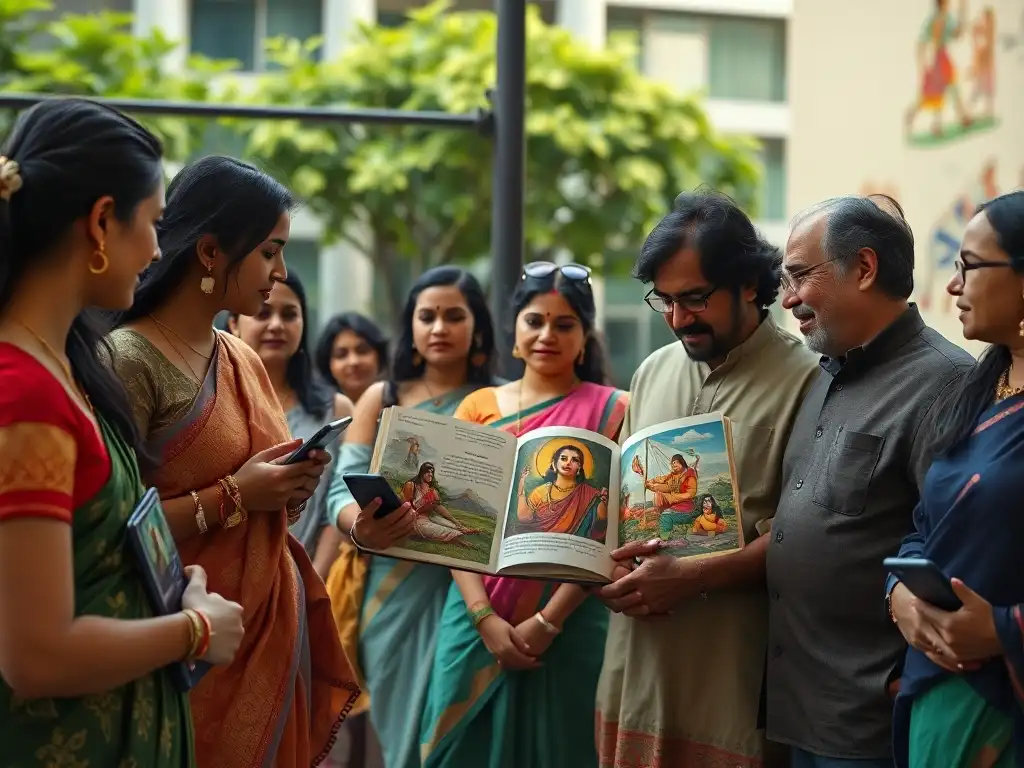
Welcome to Ancient India History, where we delve into the rich tapestry of civilizations that shaped the Indian subcontinent. Today, we invite you to explore the intriguing modern interpretations of the Ramayana—a timeless epic that continues to resonate with contemporary audiences. How does this ancient text reflect and influence modern values, beliefs, and storytelling? Join us as we uncover the layers of meaning behind this monumental work and discover how the past bridges with the present. Your journey into the depths of epic literature awaits!
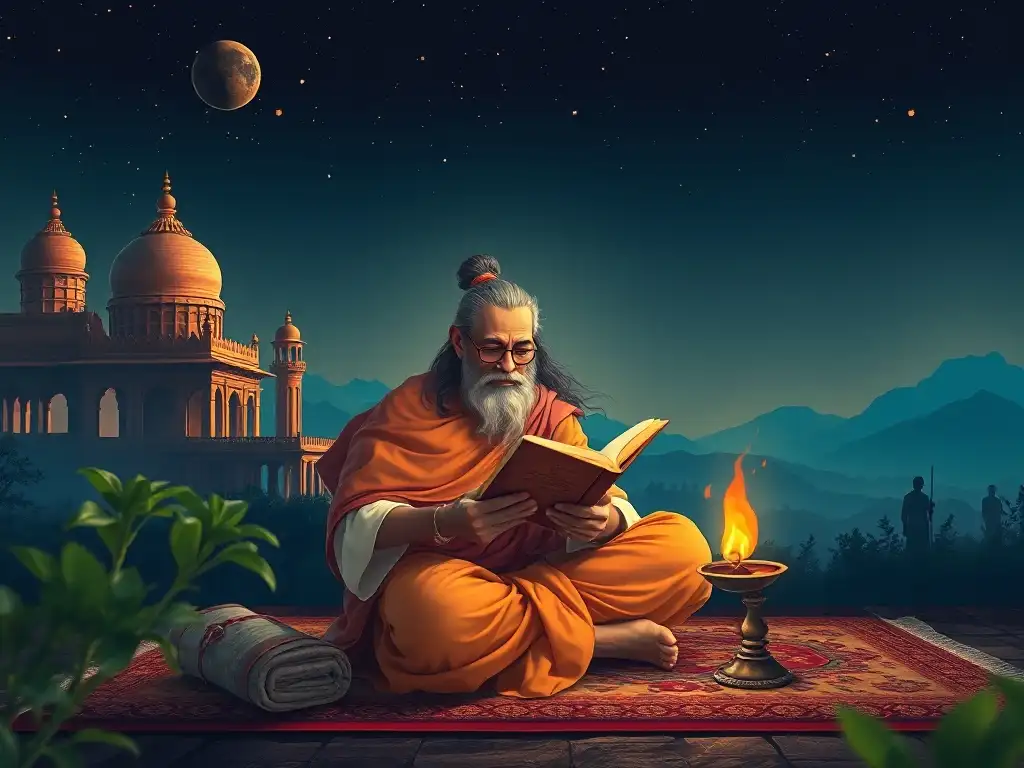
The Ramayana, one of the two great epics of ancient Indian literature, serves as a profound narrative that transcends time and culture, offering insights into human values, ethics, and societal norms. This epic, attributed to the sage Valmiki, portrays the life of Lord Rama and his quest to rescue his wife, Sita, from the demon king Ravana.
As we explore the modern interpretations of the Ramayana, we uncover how this ancient text continues to resonate in contemporary society, inspiring various adaptations in literature, theater, and film. The Ramayana not only reflects the spiritual and moral dilemmas of its time but also serves as a bridge connecting ancient wisdom with present-day challenges and perspectives.
Introduction to the Ramayana
The Ramayana is more than just a story; it is a tapestry woven with complex characters, intricate plots, and deep philosophical insights. Its narratives have shaped the cultural landscape of India and have influenced the moral compass of society for centuries. Through the lens of modern interpretations, we can see how the Ramayana has been reimagined to address contemporary issues, making it relevant for new generations.
Overview of the Ramayana as Epic Literature
- Structure: The Ramayana is divided into seven books, or Kandas, each detailing various stages of Lord Rama's journey.
- Themes:
- Dharma (Duty): The concept of righteousness and moral obligation plays a central role.
- Devotion: The unwavering loyalty of characters such as Hanuman emphasizes the importance of devotion.
- Justice and Revenge: The epic explores the fine line between justice and revenge, particularly through the actions of Ravana and Rama.
Importance of the Ramayana in Ancient Indian History
The Ramayana is regarded as a vital piece of ancient Indian history, reflecting the socio-political fabric of the time. Its significance can be outlined as follows:
- Cultural Identity: It has contributed to the formation of cultural and religious identities in India and beyond.
- Moral Framework: The epic serves as a moral guide, influencing personal and social ethics.
- Literary Influence: It has inspired countless writers, poets, and artists across generations, leading to a rich tradition of retellings and adaptations.
Historical Context of the Ramayana
Understanding the Ramayana requires delving into its historical context, which enriches our comprehension of its themes and characters.
Origins and Authorship of the Ramayana
- Valmiki's Contribution: Traditionally attributed to the sage Valmiki, the Ramayana was composed in Sanskrit around 500 BCE to 100 BCE.
- Historical Basis: While the epic contains mythological elements, scholars suggest that it may have roots in historical events and figures from ancient Indian history.
Cultural Significance in Ancient Indian Society
The Ramayana played a pivotal role in ancient Indian society, shaping cultural norms and practices:
- Rituals and Festivals: The epic's narratives are integral to various festivals, such as Diwali, which celebrates Rama's return to Ayodhya.
- Art and Architecture: Themes from the Ramayana have influenced various forms of art, including sculpture and dance, showcasing its enduring legacy.
- Philosophical Teachings: The teachings embedded within the Ramayana continue to inspire discussions on ethics and morality in modern contexts.
The Ramayana is a monumental work that not only encapsulates the rich history of ancient India but also continues to inspire modern interpretations that address contemporary challenges. As we navigate through its narratives, we uncover the timeless wisdom that the epic embodies, making it a relevant subject of study for both scholars and enthusiasts alike.
Core Themes of the Ramayana
The Ramayana, one of the two major Sanskrit epics of ancient Indian literature, is rich with themes that resonate deeply through time, influencing various aspects of culture, religion, and philosophy. Among its core themes, the concepts of duty, righteousness (dharma), the struggle between good and evil, and love and sacrifice stand out prominently. Each of these themes weaves together the narrative, providing profound insights into human nature and societal values.
- Duty and Dharma: The epic emphasizes the importance of fulfilling one's duty according to their role in society and the universe.
- Good vs. Evil: It portrays the eternal battle between good (represented by Rama) and evil (embodied by Ravana), serving as a moral compass for righteousness.
- Love and Sacrifice: The bond between Rama and Sita exemplifies love's power and the sacrifices made for it, highlighting the personal struggles within the larger cosmic battles.
These themes not only reflect the values and beliefs of ancient Indian society but continue to inspire modern interpretations and adaptations, making the Ramayana a timeless narrative.
Duty and Dharma in the Ramayana
Duty, or dharma, is a central pillar of the Ramayana, guiding the characters' actions and decisions throughout the epic. Rama, the protagonist, embodies the ideal of dharma, demonstrating its complexities and nuances. His commitment to dharma is evident when he willingly accepts exile to fulfill his father's promise, illustrating the conflict between personal desires and societal obligations.
Dharma in the Ramayana extends beyond individual actions; it encompasses familial, social, and cosmic responsibilities. For instance, Sita's unwavering loyalty to Rama, even in the face of adversity, showcases her dedication to her dharma as a wife. Furthermore, the epic explores the consequences of straying from dharma, as seen in Ravana's downfall, which serves as a cautionary tale about the importance of adhering to moral principles. This theme encourages readers to reflect on their duties within their own lives and society, inspiring a deeper understanding of ethical conduct.
The Role of Good vs. Evil
The dichotomy of good versus evil is a foundational theme in the Ramayana and is manifested through its characters and their actions. Rama represents the ideal hero, symbolizing virtue, honor, and justice, while Ravana, the antagonist, embodies pride, lust, and tyranny. This conflict is not merely a battle of individuals but also a representation of the universal struggle between righteousness and immorality.
The Ramayana illustrates that good ultimately triumphs over evil, reinforcing the belief in a moral order in the universe. However, the epic delves deeper than a simple binary conflict; it explores the complexities of each character's motivations and flaws. Ravana, despite his villainous role, is portrayed with depth, showcasing his intellect and devotion to his family, which complicates the narrative of good versus evil. This nuanced portrayal invites readers to consider the moral ambiguities in their own lives and the broader human experience.
Love and Sacrifice: Key Motifs in the Epic
Love and sacrifice are pivotal motifs in the Ramayana, intricately woven into its narrative and character arcs. The relationship between Rama and Sita serves as the epic's emotional core, illustrating the power of love to endure trials and tribulations. Sita's abduction by Ravana tests not only her love for Rama but also his devotion to her, leading to significant sacrifices on both sides.
The theme of sacrifice is evident through various characters, particularly in Rama's willingness to give up his kingdom for the sake of his father's honor and Sita's acceptance of hardship during her captivity. These acts of love and sacrifice emphasize the importance of selflessness and commitment in relationships, resonating with readers across generations. Furthermore, the portrayal of these motifs encourages a deeper understanding of the complexities of love, duty, and personal sacrifice, making the Ramayana a rich source for exploring human emotions and ethical dilemmas.
Modern Interpretations of the Ramayana
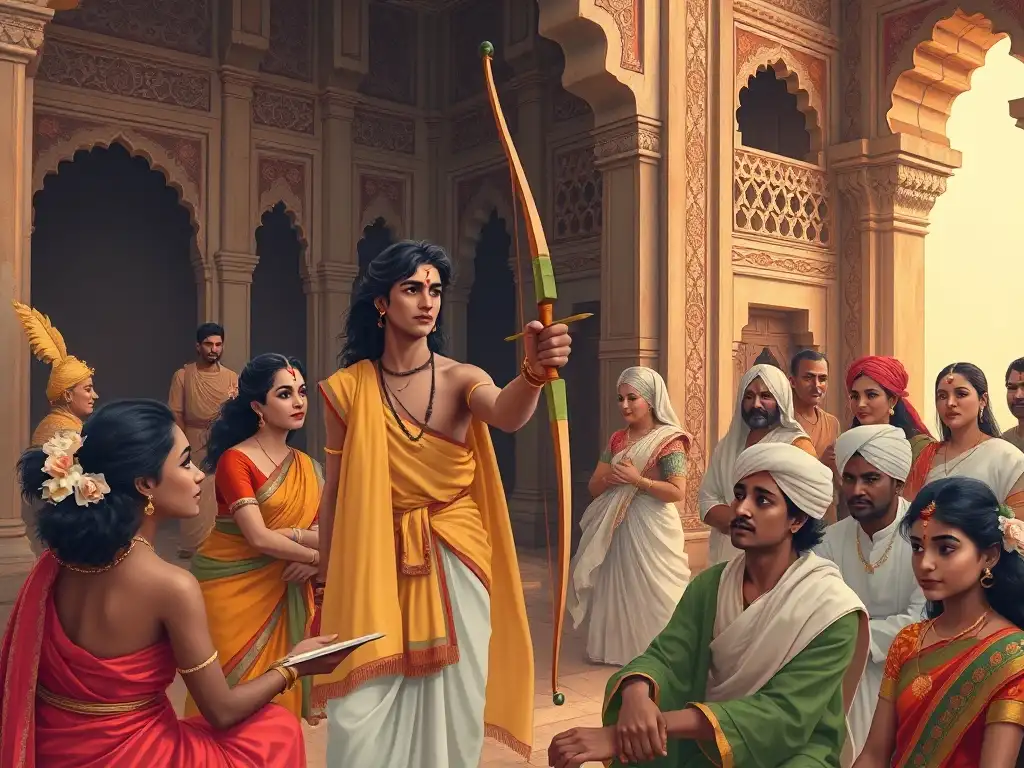
In contemporary society, the Ramayana continues to be a significant cultural reference point, inspiring various interpretations that reflect modern values and sensibilities. Scholars, artists, and storytellers have reimagined the epic to address contemporary issues such as gender roles, morality, and societal expectations. These modern interpretations often seek to bridge the gap between the ancient narrative and the present-day context, making the Ramayana relevant for new generations.
Evolution of the Ramayana's Interpretation Over Time
The interpretation of the Ramayana has evolved significantly over centuries, influenced by cultural shifts, political changes, and social movements. Initially, the epic was perceived through a strictly traditional lens, emphasizing its religious and moral teachings. However, as society progressed, scholars began to explore alternative readings that challenged patriarchal norms and highlighted female agency.
In recent decades, feminist interpretations have emerged, focusing on Sita's character as a symbol of resilience and strength. These interpretations seek to reclaim her narrative, presenting her as an active participant in her destiny rather than a passive figure. Additionally, post-colonial perspectives have examined how the Ramayana can be viewed through the lens of colonial history, exploring themes of power, identity, and resistance.
This evolution reflects the dynamic nature of the Ramayana as a text that continues to resonate with audiences, allowing for diverse interpretations that reflect contemporary values and challenges.
Contemporary Retellings and Adaptations
Contemporary retellings and adaptations of the Ramayana have proliferated in various forms, including literature, theater, film, and digital media. These adaptations often reinterpret the characters and themes to resonate with modern audiences, exploring current societal issues while staying true to the essence of the original epic.
For instance, novels such as "The Palace of Illusions" by Chitra Banerjee Divakaruni offer a feminist perspective on the Ramayana, focusing on Sita's inner thoughts and experiences. Similarly, graphic novels and animated adaptations have made the story accessible to younger audiences, infusing it with modern sensibilities.
Moreover, theatrical performances and dance dramas continue to reinterpret the epic, often incorporating contemporary themes such as social justice and environmental concerns. These adaptations not only celebrate the rich cultural heritage of the Ramayana but also engage with pressing issues of modern society, ensuring that the epic remains a living narrative that bridges the past with the present.
Comparative Analysis: Traditional vs. Modern Interpretations
The Ramayana, one of the two great epics of ancient Indian literature, has been interpreted in numerous ways over the centuries. Traditional interpretations often emphasize the epic's religious and moral teachings, focusing on the virtues of dharma (duty/righteousness), devotion, and the nature of good versus evil. In contrast, modern interpretations tend to explore the text through various lenses, including feminist, psychological, and socio-political perspectives. This comparative analysis highlights how these differing viewpoints shape our understanding of the epic and its relevance in contemporary society.
Key Differences between Classical and Modern Perspectives
- Narrative Focus:
- Classical: Traditional versions of the Ramayana prioritize the heroism of Lord Rama, highlighting his ideal characteristics as a king and husband, and portraying Sita's unwavering loyalty.
- Modern: Contemporary interpretations frequently critique these portrayals, offering nuanced views of Sita’s character, showcasing her agency, and questioning the moral complexities of Rama’s actions.
- Cultural Context:
- Classical: The epic is often presented as a sacred text, integral to Hindu religious practices and cultural identity.
- Modern: Modern retellings analyze the Ramayana in a broader cultural context, addressing issues such as caste, gender roles, and colonialism, thus making the epic relevant to current societal debates.
- Character Analysis:
- Classical: Characters are typically viewed through a binary lens of good and evil, with clear moral lessons.
- Modern: Characters are examined as multifaceted individuals, with motivations that reflect a deeper psychological complexity, allowing for interpretations that resonate with modern audiences.
- Medium of Interpretation:
- Classical: Traditional interpretations are primarily conveyed through oral recitation, religious ceremonies, and classical literature.
- Modern: The advent of digital media, graphic novels, and modern literature has allowed for diverse interpretations that reach broader audiences, encouraging interactive engagement with the text.
The Impact of Modern Interpretations on Cultural Understanding
Modern interpretations of the Ramayana have significantly influenced cultural understanding by fostering dialogue about its themes in contemporary contexts. By challenging traditional narratives, modern retellings encourage critical thinking about moral dilemmas and ethical choices, promoting discussions on gender equality, social justice, and the complexities of human relationships. This re-evaluation of the Ramayana not only enriches literary discourse but also enhances its relevance in multicultural societies, allowing it to serve as a bridge between ancient wisdom and modern values.
The Ramayana in Popular Culture Today
The Ramayana continues to be a source of inspiration across various forms of popular culture, influencing literature, art, and multimedia. Its themes and characters have found their way into modern storytelling, making the ancient epic accessible to new generations.
Influence of the Ramayana on Literature and Art
The Ramayana has left an indelible mark on both literature and visual arts. Numerous authors have drawn upon its narratives, creating adaptations and retellings that reflect contemporary themes. Notable examples include:
- Novels: Works such as The Palace of Illusions by Chitra Banerjee Divakaruni reimagine the epic from Sita's perspective, providing fresh insights into her character and experiences.
- Poetry: Modern poets often reference the Ramayana to explore themes of love, loss, and resilience, using its rich imagery to evoke emotional responses.
In the visual arts, the Ramayana has inspired countless paintings, sculptures, and performances, with artists interpreting its stories through various styles and mediums, thus ensuring its continued relevance in cultural expression.
Ramayana-Inspired Works in Modern Media
The influence of the Ramayana extends into modern media, particularly through television, film, and digital platforms. Key examples include:
- Television Series: The iconic television adaptations of the Ramayana in the 1980s and 2000s brought the epic to millions of viewers, reinforcing its cultural significance and introducing it to a new audience.
- Films: Contemporary filmmakers often incorporate elements of the Ramayana into their narratives, exploring themes of heroism and morality within modern contexts. Films like Raavan take creative liberties, presenting the story from different perspectives.
- Digital Media: The rise of web series and animated adaptations has made the Ramayana more accessible to younger audiences, allowing for interactive storytelling that resonates with today’s digital culture.
The Ramayana remains a dynamic source of inspiration, bridging the past with modern interpretations that enrich our understanding of its themes, characters, and cultural significance.
The Ramayana's Relevance in Today's Society
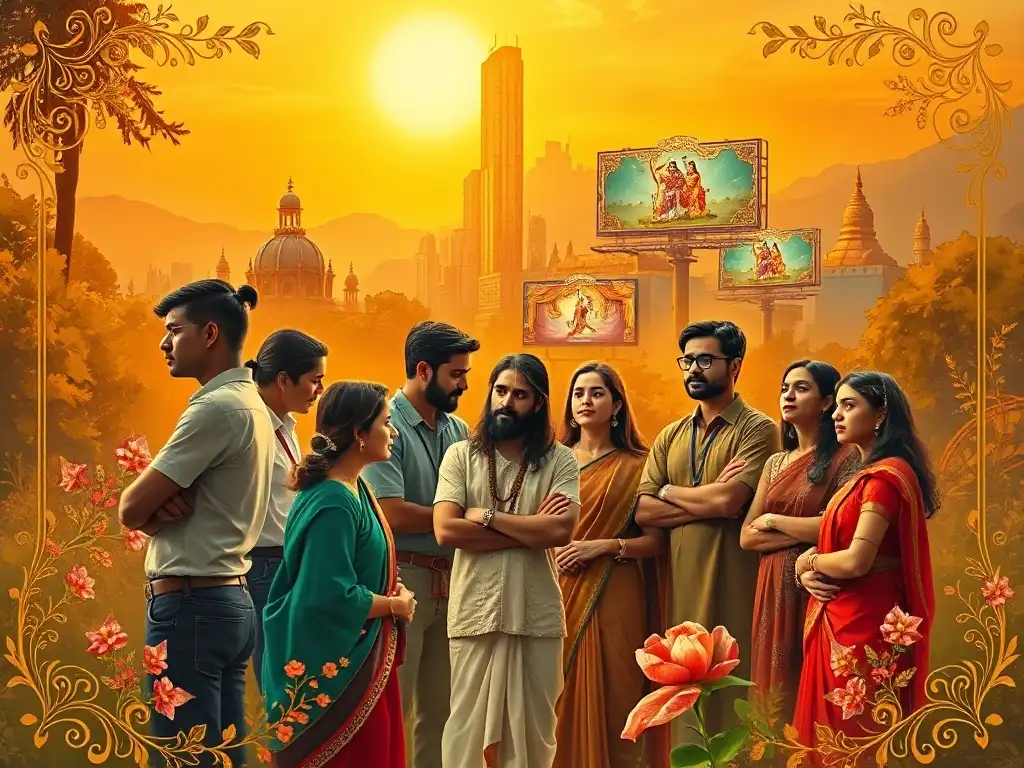
The Ramayana, an ancient Indian epic, continues to resonate with modern audiences due to its exploration of fundamental human values and moral dilemmas. As society grapples with complex issues such as justice, duty, and righteousness, the themes embedded within the Ramayana provide timeless guidance. The narrative not only reflects the cultural and spiritual ethos of ancient India but also serves as a mirror to contemporary life, prompting readers to reflect on their own beliefs and actions.
In today's fast-paced world, where traditional values often clash with modern ideologies, the Ramayana offers a framework for understanding duty (dharma) and the consequences of choices. By examining the lives of its characters, such as Rama, Sita, and Hanuman, individuals can draw parallels to their own struggles in maintaining integrity and responsibility amidst societal pressures. This relevance is particularly pronounced in discussions surrounding leadership, loyalty, and sacrifice, encapsulating lessons that transcend time and culture.
Lessons from the Ramayana for Modern Audiences
The Ramayana imparts several key lessons that are pertinent to modern life, shaping ethical behavior and personal growth:
- Dharma (Righteous Duty): Central to the Ramayana is the concept of dharma, which emphasizes the importance of fulfilling one's responsibilities. In today's context, this can be interpreted as the need for individuals to act with integrity and uphold moral principles in both personal and professional spheres.
- Resilience in Adversity: The trials faced by Sita and Rama showcase the importance of resilience and strength in overcoming challenges. Modern audiences can relate to this message, finding inspiration in their ability to persevere through hardships.
- The Value of Relationships: The dynamics of family and friendship portrayed in the Ramayana highlight the significance of strong, supportive relationships. This resonates today as individuals seek to nurture connections that foster collaboration and understanding.
- Gender Roles and Empowerment: The character of Sita has been reinterpreted in various modern contexts, highlighting issues of female empowerment and autonomy. Discussions around her agency challenge traditional views and encourage a reevaluation of gender roles in contemporary society.
The Ramayana and Contemporary Social Issues
In recent years, the Ramayana has been invoked in discussions about pressing social issues, including:
- Caste and Social Hierarchy: Modern interpretations address the implications of caste systems as depicted in the Ramayana, prompting conversations about equality and social justice.
- Environmental Concerns: Themes of harmony with nature found in the text resonate with contemporary environmental movements, advocating for sustainable living and respect for the natural world.
- Mental Health: The emotional struggles faced by characters like Rama and Sita can serve as metaphors for mental health challenges today, fostering discussions about mental wellness and support systems.
- Civic Responsibility: The epic encourages active participation in societal welfare, urging individuals to contribute positively to their communities and uphold democratic values.
Conclusion: The Timelessness of the Ramayana
The Ramayana's enduring legacy lies in its ability to adapt and provide insight across generations. As modern interpretations continue to emerge, the epic remains a vital source for understanding human behavior, ethics, and societal structures. Its narratives encourage readers to engage with the text not just as a historical document but as a living guide that informs contemporary thought.
Reflection on the Enduring Legacy of the Ramayana
The legacy of the Ramayana is reflected in its influence on literature, art, and culture across the globe. Its characters have become archetypes in storytelling, embodying virtues that resonate universally. Through adaptations in various forms, including theater, film, and literature, the Ramayana continues to inspire new generations, fostering a deep appreciation for its themes and messages.
As societies evolve, the Ramayana remains a touchstone for exploring the complexities of human existence, serving as a reminder of the values that transcend time and cultural boundaries. Its lessons are not only relevant but essential for navigating modern life's challenges.
Future Directions for Modern Interpretations of the Ramayana
The future of modern interpretations of the Ramayana promises exciting possibilities. Scholars and artists are encouraged to explore diverse perspectives, reimagining the epic in ways that reflect contemporary societal nuances. Potential directions include:
- Interdisciplinary Studies: Engaging with various fields such as psychology, sociology, and environmental science can deepen the understanding of the Ramayana's relevance, offering fresh insights into its themes.
- Digital Media: Utilizing technology and social media platforms to disseminate interpretations can reach wider audiences, sparking discussions about its significance in contemporary contexts.
- Inclusive Narratives: Highlighting the experiences of marginalized voices within the Ramayana can enrich its interpretation, fostering a more inclusive understanding of its messages.
- Global Perspectives: Exploring the Ramayana's impact beyond Indian culture can reveal its universal appeal, encouraging cross-cultural dialogues and adaptations that resonate with diverse audiences.
Through these avenues, the Ramayana will undoubtedly continue to evolve, bridging the past with modern interpretations and ensuring its place in the hearts and minds of future generations.
References and Further Reading on the Ramayana
The Ramayana, one of the two great epics of ancient Indian literature, has inspired countless interpretations and adaptations across time and cultures. For those interested in delving deeper into both the original text and its modern interpretations, a variety of resources are available. These references not only provide insights into the narrative and its characters but also explore the themes and moral lessons presented in the epic.
Exploring these texts and resources can enrich one's understanding of how the Ramayana has been perceived and reinterpreted through various lenses, including historical, cultural, and contemporary perspectives. Below, we outline some of the recommended texts and online resources that can serve as a gateway to understanding the Ramayana's impact on literature and society.
Recommended Texts on the Ramayana
- The Ramayana of Valmiki
- Translation by R. K. Narayan: This accessible version simplifies the ancient language and presents the epic in a narrative style that captures the essence of the original.
- Translation by Arshia Sattar: Sattar's translation is noted for its fidelity to the text and includes insightful commentary that contextualizes the story within modern frameworks.
- Ramayana: A Modern Retelling by Devdutt Pattanaik
- This contemporary retelling integrates modern themes and interpretations, making the epic relatable to today's audience while preserving its core messages.
- The Ramayana: A New Translation: by Linda E. H. H. M. H. G. H. G. H. H. H. G. H. G. H. H. G. H. G. H. H. G. H. G. H. H. G. H. G. H. H. G. H. G. H. H. G. H. G. H. H. G. H. G. H. H. G. H. G. H. H. G. H. G. H. H. G. H. G. H. H. G. H. G. H. H. G. H. G. H. H. G. H. G. H. H. G. H. G. H. H. G. H. G. H. H. G. H. G. H. H. G. H. G. H. H. G. H. G. H. H. G. H. G. H. H. G. H. G. H. H. G. H. G. H. H. G. H. G. H. H. G. H. G. H. H. G. H. G. H. H. G. H. G. H. H. G. H. G. H. H. G. H. G. H. H. G. H. G. H. H. G. H. G. H. H. G. H. G. H. H. G. H. G. H. H. G. H. G. H. H. G. H. G. H. H. G. H. G. H. H. G. H. G. H. H. G. H. G. H. H. G. H. G. H. H. G. H. G. H. H. G. H. G. H. H. G. H. G. H. H. G. H. G. H. H. G. H. G. H. H. G. H. G. H. H. G. H. G. H. H. G. H. G. H. H. G. H. G. H. H. G. H. G. H. H. G. H. G. H. H. G. H. G. H. H. G. H. G. H. H. G. H. G. H. H. G. H. G. H. H. G. H. G. H. H. G. H. G. H. H. G. H. G. H. H. G. H. G. H. H. G. H. G. H. H. G. H. G. H. H. G. H. G. H. H. G. H. G. H. H. G. H. G. H. H. G. H. G. H. H. G. H. G. H. H. G. H. G. H. H. G. H. G. H. H. G. H. G. H. H. G. H. G. H. H. G. H. G. H. H. G. H. G. H. H. G. H. G. H. H. G. H. G. H. H. G. H. G. H. H. G. H. G. H. H. G. H. G. H. H. G. H. G. H. H. G. H. G. H. H. G. H. G. H. H. G. H. G. H. H. G. H. G. H. H. G. H. G. H. H. G. H. G. H. H. G. H. G. H. H. G. H. G. H. H. G. H. G. H. H. G. H. G. H. H. G. H. G. H. H. G. H. G. H. H. G. H. G. H. H. G. H. G. H. H. G. H. G. H. H. G. H. G. H. H. G. H. G. H. H. G. H. G. H. H. G. H. G. H. H. G. H. G. H. H. G. H. G. H. H. G. H. G. H. H. G. H. G. H. H. G. H. G. H. H. G. H. G. H. H. G. H. G. H. H. G. H. G. H. H. G. H. G. H. H. G. H. G. H. H. G. H. G. H. H. G. H. G. H. H. G. H. G. H. H. G. H. G. H. H. G. H. G. H. H. G. H. G. H. H. G. H. G. H. H. G. H. G. H. H. G. H. G. H. H. G. H. G. H. H. G. H. G. H. H. G. H. G. H. H. G. H. G. H. H. G. H. G. H. H. G. H. G. H. H. G. H. G. H. H. G. H. G. H. H. G. H. G. H. H. G. H. G. H. H. G. H. G. H. H. G. H. G. H. H. G. H. G. H. H. G. H. G. H. H. G. H. G. H. H. G. H. G. H. H. G. H. G. H. H. G. H. G. H. H. G. H. G. H. H. G. H. G. H. H. G. H. G. H. H. G. H. G. H. H. G. H. G. H. H. G. H. G. H. H. G. H. G. H. H. G. H. G. H. H. G. H. G. H. H. G. H. G. H. H. G. H. G. H. H. G. H. G. H. H. G. H. G. H. H. G. H. G. H. H. G. H. G. H. H. G. H. G. H. H. G. H. G. H. H. G. H. G. H. H. G. H. G. H. H. G. H. G. H. H. G. H. G. H. H. G. H. G. H. H. G. H. G. H. H. G. H. G. H. H. G. H. G. H. H. G. H. G. H. H. G. H. G. H. H. G. H. G. H. H. G. H. G. H. H. G. H. G. H. H. G. H. G. H. H. G. H. G. H. H. G. H. G. H. H. G. H. G. H. H. G. H. G. H. H. G. H. G. H. H. G. H. G. H. H. G. H. G. H. H. G. H. G. H. H. G. H. G. H. H. G. H. G. H. H. G. H. G. H. H. G. H. G. H. H. G. H. G. H. H. G. H. G. H. H. G. H. G. H. H. G. H. G. H. H. G. H. G. H. H. G. H. G. H. H. G. H. G. H. H. G. H. G. H. H. G. H. G. H. H. G. H. G. H. H. G. H. G. H. H. G. H. G. H. H. G. H. G. H. H. G. H. G. H. H. G. H. G. H. H. G. H. G. H. H. G. H. G. H. H. G. H. G. H. H. G. H. G. H. H. G. H. G. H. H. G. H. G. H. H. G. H. G. H. H. G. H. G. H. H. G. H. G. H. H. G. H. G. H. H. G. H. G. H. H. G. H. G. H. H. G. H. G. H. H. G. H. G. H. H. G. H. G. H. H. G. H. G. H. H. G. H. G. H. H. G. H. G. H. H. G. H. G. H. H. G. H. G. H. H. G. H. G. H. H. G. H. G. H. H. G. H. G. H. H. G. H. G. H. H. G. H. G. H. H. G. H. G. H. H. G. H. G. H. H. G. H. G. H. H. G. H. G. H. H. G. H. G. H. H. G. H. G. H. H. G. H. G. H. H. G. H. G. H. H. G. H. G. H. H. G. H. G. H. H. G. H. G. H. H. G. H. G. H. H. G. H. G. H. H. G. H. G. H. H. G. H. G. H. H. G. H. G. H. H. G. H. G. H. H. G. H. G. H. H. G. H. G. H. H. G. H. G. H. H. G. H. G. H. H. G. H. G. H. H. G. H. G. H. H. G. H. G. H. H. G. H. G. H. H. G. H. G. H. H. G. H. G. H. H. G. H. G. H. H. G. H. G. H. H. G. H. G. H. H. G. H. G. H. H. G. H. G. H. H. G. H. G. H. H. G. H. G. H. H. G. H. G. H. H. G. H. G. H. H. G. H. G. H. H. G. H. G. H. H. G. H. G. H. H. G. H. G. H. H. G. H. G. H. H. G. H. G. H. H. G. H. G. H. H. G. H. G. H. H. G. H. G. H. H. G. H. G. H. H. G. H. G. H. H. G. H. G. H. H. G. H. G. H. H. G. H. G. H. H. G. H. G. H. H. G. H. G. H. H. G. H. G. H. H. G. H. G. H. H. G. H. G. H. H. G. H. G. H. H. G. H. G. H. H. G. H. G. H. H. G. H. G. H. H. G. H. G. H. H. G. H. G. H. H. G. H. G. H. H. G. H. G. H. H. G. H. G. H. H. G. H. G. H. H. G. H. G. H. H. G. H. G. H. H. G. H. G. H. H. G. H. G. H. H. G. H. G. H. H. G. H. G. H. H. G. H. G. H. H. G. H. G. H. H. G. H. G. H. H. G. H. G. H. H. G. H. G. H. H. G. H. G. H. H. G. H. G. H. H. G. H. G. H. H. G. H. G. H. H. G. H. G. H. H. G. H. G. H. H. G. H. G. H. H. G. H. G. H. H. G. H. G. H. H. G. H. G. H. H. G. H. G. H. H. G. H. G. H. H. G. H. G. H. H. G. H. G. H. H. G. H. G. H. H. G. H. G. H. H. G. H. G. H. H. G. H. G. H. H. G. H. G. H. H. G. H. G. H. H. G. H. G. H. H. G. H. G. H. H. G. H. G. H. H. G. H. G. H. H. G. H. G. H. H. G. H. G. H. H. G. H. G. H. H. G. H. G. H. H. G. H. G. H. H. G. H. G. H. H. G. H. G. H. H. G. H. G. H. H. G. H. G. H. H. G. H. G. H. H. G. H. G. H. H. G. H. G. H. H. G. H. G. H. H. G. H. G. H. H. G. H. G. H. H. G. H. G. H. H. G. H. G. H. H. G. H. G. H. H. G. H. G. H. H. G. H. G. H. H. G. H. G. H. H. G. H. G. H. H. G. H. G. H. H. G. H. G. H. H. G. H. G. H. H. G. H. G. H. H. G. H. G. H. H. G. H. G. H. H. G. H. G. H. H. G. H. G. H. H. G. H. G. H. H. G. H. G. H. H. G. H. G. H. H. G. H. G. H. H. G. H. G. H. H. G. H. G. H. H. G. H. G. H. H. G. H. G. H. H. G. H. G. H. H. G. H. G. H. H. G. H. G. H. H. G. H. G. H. H. G. H. G. H. H. G. H. G. H. H. G. H. G. H. H. G. H. G. H. H. G. H. G. H. H. G. H. G. H. H. G. H. G. H. H. G. H. G. H. H. G. H. G. H. H. G. H. G. H. H. G. H. G. H. H. G. H. G. H. H. G. H. G. H. H. G. H. G. H. H. G. H. G. H. H. G. H. G. H. H. G. H. G. H. H. G. H. G. H. H. G. H. G. H. H. G. H. G. H. H. G. H. G. H. H. G. H. G. H. H. G. H. G. H. H. G. H. G. H. H. G. H. G. H. H. G. H. G. H. H. G. H. G. H. H. G. H. G. H. H. G. H. G. H. H. G. H. G. H. H. G. H. G. H. H. G. H. G. H. H. G. H. G. H. H. G. H. G. H. H. G. H. G. H. H. G. H. G. H. H. G. H. G. H. H. G. H. G. H. H. G. H. G. H. H. G. H. G. H. H. G. H. G. H. H. G. H. G. H. H. G. H. G. H. H. G. H. G. H. H. G. H. G. H. H. G. H. G. H. H. G. H. G. H. H. G. H. G. H. H. G. H. G. H. H. G. H. G. H. H. G. H. G. H. H. G. H. G. H. H. G. H. G. H. H. G. H. G. H. H. G. H. G. H. H. G. H. G. H. H. G. H. G. H. H. G. H. G. H. H. G. H. G. H. H. G. H. G. H. H. G. H. G. H. H. G. H. G. H. H. G. H. G. H. H. G. H. G. H. H. G. H. G. H. H. G. H. G. H. H. G. H. G. H. H. G. H. G. H. H. G. H. G. H. H. G. H. G. H. H. G. H. G. H. H. G. H. G. H. H. G. H. G. H. H. G. H. G. H. H. G. H. G. H. H. G. H. G. H. H. G. H. G. H. H. G. H. G. H. H. G. H. G. H. H. G. H. G. H. H. G. H. G. H. H. G. H. G. H. H. G. H. G. H. H. G. H. G. H. H. G. H. G. H. H. G. H. G. H. H. G. H. G. H. H. G. H. G. H. H. G. H. G. H. H. G. H. G. H. H. G. H. G. H. H. G. H. G. H. H. G. H. G. H. H. G. H. G. H. H. G. H. G. H. H. G. H. G. H. H. G. H. G. H. H. G. H. G. H. H. G. H. G. H. H. G. H. G. H. H. G. H. G. H. H. G. H. G. H. H. G. H. G. H. H. G. H. G. H. H. G. H. G. H. H. G. H. G. H. H. G. H. G. H. H. G. H. G. H. H. G. H. G. H. H. G. H. G. H. H. G. H. G. H. H. G. H. G. H. H. G. H. G. H. H. G. H. G. H. H. G. H. G. H. H. G. H. G. H. H. G. H. G. H. H. G. H. G. H. H. G. H. G. H. H. G. H. G. H. H. G. H. G. H. H. G. H. G. H. H. G. H. G. H. H. G. H. G. H. H. G. H. G. H. H. G. H. G. H. H. G. H. G. H. H. G. H. G. H. H. G. H. G. H. H. G. H. G. H. H. G. H. G. H. H. G. H. G. H. H. G. H. G. H. H. G. H. G. H. H. G. H. G. H. H. G. H. G. H. H. G. H. G. H. H. G. H. G. H. H. G. H. G. H. H. G. H. G. H. H. G. H. G. H. H. G. H. G. H. H. G. H. G. H. H. G. H. G. H. H. G. H. G. H. H. G. H. G. H. H. G. H. G. H. H. G. H. G. H. H. G. H. G. H. H. G. H. G. H. H. G. H. G. H. H. G. H. G. H. H. G. H. G. H. H. G. H. G. H. H. G. H. G. H. H. G. H. G. H. H. G. H. G. H. H. G. H. G. H. H. G. H. G. H. H. G. H. G. H. H. G. H. G. H. H. G. H. G. H. H. G. H. G. H. H. G. H. G. H. H. G. H. G. H. H. G. H. G. H. H. G. H. G. H. H. G. H. G. H. H. G. H. G. H. H. G. H. G. H. H. G. H. G. H. H. G. H. G. H. H. G. H. G. H. H. G. H. G. H. H. G. H. G. H. H. G. H. G. H. H. G. H. G. H. H. G. H. G. H. H. G. H. G. H. H. G. H. G. H. H. G. H. G. H. H. G. H. G. H. H. G. H. G. H. H. G. H. G. H. H. G. H. G. H. H. G. H. G. H. H. G. H. G. H. H. G. H. G. H. H. G. H. G. H. H. G. H. G. H. H. G. H. G. H. H. G. H. G. H. H. G. H. G. H. H. G. H. G. H. H. G. H. G. H. H. G. H. G. H. H. G. H. G. H. H. G. H. G. H. H. G. H. G. H. H. G. H. G. H. H. G. H. G. H. H. G. H. G. H. H. G. H. G. H. H. G. H. G. H. H. G. H. G. H. H. G. H. G. H. H. G. H. G. H. H. G. H. G. H. H. G. H. G. H. H. G. H. G. H. H. G. H. G. H. H. G. H. G. H. H. G. H. G. H. H. G. H. G. H. H. G. H. G. H. H. G. H. G. H. H. G. H. G. H. H. G. H. G. H. H. G. H. G. H. H. G. H. G. H. H. G. H. G. H. H. G. H. G. H. H. G. H. G. H. H. G. H. G. H. H. G. H. G. H. H. G. H. G. H. H. G. H. G. H. H. G. H. G. H. H. G. H. G. H. H. G. H. G. H. H. G. H. G. H. H. G. H. G. H. H. G. H. G. H. H. G. H. G. H. H. G. H. G. H. H. G. H. G. H. H. G. H. G. H. H. G. H. G. H. H. G. H. G. H. H. G. H. G. H. H. G. H. G. H. H. G. H. G. H. H. G. H. G. H. H. G. H. G. H. H. G. H. G. H. H. G. H. G. H. H. G. H. G. H. H. G. H. G. H. H. G. H. G. H. H. G. H. G. H. H. G. H. G. H. H. G. H. G. H. H. G. H. G. H. H. G. H. G. H. H. G. H. G. H. H. G. H. G. H. H. G. H. G. H. H. G. H. G. H. H. G. H. G. H. H. G. H. G. H. H. G. H. G. H. H. G. H. G. H. H. G. H. G. H. H. G. H. G. H. H. G. H. G. H. H. G. H. G. H. H. G. H. G. H. H. G. H. G. H. H. G. H. G. H. H. G. H. G. H. H. G. H. G. H. H. G. H. G. H. H. G. H. G. H. H. G. H. G. H. H. G. H. G. H. H. G. H. G. H. H. G. H. G. H. H. G. H. G. H. H. G. H. G. H. H. G. H. G. H. H. G. H. G. H. H. G. H. G. H. H. G. H. G. H. H. G. H. G. H. H. G. H. G. H. H. G. H. G. H. H. G. H. G. H. H. G. H. G. H. H. G. H. G. H. H. G. H. G. H. H. G. H. G. H. H. G. H. G. H. H. G. H. G. H. H. G. H. G. H. H. G. H. G. H. H. G. H. G. H. H. G. H. G. H. H. G. H. G. H. H. G. H. G. H. H. G. H. G. H. H. G. H. G. H. H. G. H. G. H. H. G. H. G. H. H. G. H. G. H. H. G. H. G. H. H. G. H. G. H. H. G. H. G. H. H. G. H. G. H. H. G. H. G. H. H. G. H. G. H. H. G. H. G. H. H. G. H. G. H. H. G. H. G. H. H. G. H. G. H. H. G. H. G. H. H. G. H. G. H. H. G. H. G. H. H. G. H. G. H. H. G. H. G. H. H. G. H. G. H. H. G. H. G. H. H. G. H. G. H. H. G. H. G. H. H. G. H. G. H. H. G. H. G. H. H. G. H. G. H. H. G. H. G. H. H. G. H. G. H. H. G. H. G. H. H. G. H. G. H. H. G. H. G. H. H. G. H. G. H. H. G. H. G. H. H. G. H. G. H. H. G. H. G. H. H. G. H. G. H. H. G. H. G. H. H. G. H. G. H. H. G. H. G. H. H. G. H. G. H. H. G. H. G. H. H. G. H. G. H. H. G. H. G. H. H. G. H. G. H. H. G. H. G. H. H. G. H. G. H. H. G. H. G. H. H. G. H. G. H. H. G. H. G. H. H. G. H. G. H. H. G. H. G. H. H. G. H. G. H. H. G. H. G. H. H. G. H. G. H. H. G. H. G. H. H. G. H. G. H. H. G. H. G. H. H. G. H. G. H. H. G. H. G. H. H. G. H. G. H. H. G. H. G. H. H. G. H. G. H. H. G. H. G. H. H. G. H. G. H. H. G. H. G. H. H. G. H. G. H. H. G. H. G. H. H. G. H. G. H. H. G. H. G. H. H. G. H. G. H. H. G. H. G. H. H. G. H. G. H. H. G. H. G. H. H. G. H. G. H. H. G. H. G. H. H. G. H. G. H. H. G. H. G. H. H. G. H. G. H. H. G. H. G. H. H. G. H. G. H. H. G. H. G. H. H. G. H. G. H. H. G. H. G. H. H. G. H. G. H. H. G. H. G. H. H. G. H. G. H. H. G. H. G. H. H. G. H. G. H. H. G. H. G. H. H. G. H. G. H. H. G. H. G. H. H. G. H. G. H. H. G. H. G. H. H. G. H. G. H. H. G. H. G. H. H. G. H. G. H. H. G. H. G. H. H. G. H. G. H. H. G. H. G. H. H. G. H. G. H. H. G. H. G. H. H. G. H. G. H. H. G. H. G. H. H. G. H. G. H. H. G. H. G. H. H. G. H. G. H. H. G. H. G. H. H. G. H. G. H. H. G. H. G. H. H. G. H. G. H. H. G. H. G. H. H. G. H. G. H. H. G. H. G. H. H. G. H. G. H. H. G. H. G. H. H. G. H. G. H. H. G. H. G. H. H. G. H. G. H. H. G. H. G. H. H. G. H. G. H. H. G. H. G. H. H. G. H. G. H. H. G. H. G. H. H. G. H. G. H. H. G. H. G. H. H. G. H. G. H. H. G. H. G. H. H. G. H. G. H. H. G. H. G. H. H. G. H. G. H. H. G. H. G. H. H. G. H. G. H. H. G. H. G. H. H. G. H. G. H. H. G. H. G. H. H. G. H. G. H. H. G. H. G. H. H. G. H. G. H. H. G. H. G. H. H. G. H. G. H. H. G. H. G. H. H. G. H. G. H. H. G. H. G. H. H. G. H. G. H. H. G. H. G. H. H. G. H. G. H. H. G. H. G. H. H. G. H. G. H. H. G. H. G. H. H. G. H. G. H. H. G. H. G. H. H. G. H. G. H. H. G. H. G. H. H. G. H. G. H. H. G. H. G. H. H. G. H. G. H. H. G. H. G. H. H. G. H. G. H. H. G. H. G. H. H. G. H. G. H. H. G. H. G. H. H. G. H. G. H. H. G. H. G. H. H. G. H. G. H. H. G. H. G. H. H. G. H. G. H. H. G. H. G. H. H. G. H. G. H. H. G. H. G. H. H. G. H. G. H. H. G. H. G. H. H. G. H. G. H. H. G. H. G. H. H. G. H. G. H. H. G. H. G. H. H. G. H. G. H. H. G. H. G. H. H. G. H. G. H. H. G. H. G. H. H. G. H. G. H. H. G. H. G. H. H. G. H. G. H. H. G. H. G. H. H. G. H. G. H. H. G. H. G. H. H. G. H. G. H. H. G. H. G. H. H. G. H. G. H. H. G. H. G. H. H. G. H. G. H. H. G. H. G. H. H. G. H. G. H. H. G. H. G. H. H. G. H. G. H. H. G. H. G. H. H. G. H. G. H. H. G. H. G. H. H. G. H. G. H. H. G. H. G. H. H. G. H. G. H. H. G. H. G. H. H. G. H. G. H. H. G. H. G. H. H. G. H. G. H. H. G. H. G. H. H. G. H. G. H. H. G. H. G. H. H. G. H. G. H. H. G. H. G. H. H. G. H. G. H. H. G. H. G. H. H. G. H. G. H. H. G. H. G. H. H. G. H. G. H. H. G. H. G. H. H. G. H. G. H. H. G. H. G. H. H. G. H. G. H. H. G. H. G. H. H. G. H. G. H. H. G. H. G. H. H. G. H. G. H. H. G. H. G. H. H. G. H. G. H. H. G. H. G. H. H. G. H. G. H. H. G. H. G. H. H. G. H. G. H. H. G. H. G. H. H. G. H. G. H. H. G. H. G. H. H. G. H. G. H. H. G. H. G. H. H. G. H. G. H. H. G. H. G. H. H. G. H. G. H. H. G. H. G. H. H. G. H. G. H. H. G. H. G. H. H. G. H. G. H. H. G. H. G. H. H. G. H. G. H. H. G. H. G. H. H. G. H. G. H. H. G. H. G. H. H. G. H. G. H. H. G. H. G. H. H. G. H. G. H. H. G. H. G. H. H. G. H. G. H. H. G. H. G. H. H. G. H. G. H. H. G. H. G. H. H. G. H. G. H. H. G. H. G. H. H. G. H. G. H. H. G. H. G. H. H. G. H. G. H. H. G. H. G. H. H. G. H. G. H. H. G. H. G. H. H. G. H. G. H. H. G. H. G. H. H. G. H. G. H. H. G. H. G. H. H. G. H. G. H. H. G. H. G. H. H. G. H. G. H. H. G. H. G. H. H. G. H. G. H. H. G. H. G. H. H. G. H. G. H. H. G. H. G. H. H. G. H. G. H. H. G. H. G. H. H. G. H. G. H. H. G. H. G. H. H. G. H. G. H. H. G. H. G. H. H. G. H. G. H. H. G. H. G. H. H. G. H. G. H. H. G. H. G. H. H. G. H. G. H. H. G. H. G. H. H. G. H. G. H. H. G. H. G. H. H. G. H. G. H. H. G. H. G. H. H. G. H. G. H. H. G. H. G. H. H. G. H. G. H. H. G. H. G. H. H. G. H. G. H. H. G. H. G. H. H. G. H. G. H. H. G. H. G. H. H. G. H. G. H. H. G. H. G. H. H. G. H. G. H. H. G. H. G. H. H. G. H. G. H. H. G. H. G. H. H. G. H. G. H. H. G. H. G. H. H. G. H. G. H. H. G. H. G. H. H. G. H. G. H. H. G. H. G. H. H. G. H. G. H. H. G. H. G. H. H. G. H. G. H. H. G. H. G. H. H. G. H. G. H. H. G. H. G. H. H. G. H. G. H. H. G. H. G. H. H. G. H. G. H. H. G. H. G. H. H. G. H. G. H. H. G. H. G. H. H. G. H. G. H. H. G. H. G. H. H. G. H. G. H. H. G. H. G. H. H. G. H. G. H. H. G. H. G. H. H. G. H. G. H. H. G. H. G. H. H. G. H. G. H. H. G. H. G. H. H. G. H. G. H. H. G. H. G. H. H. G. H. G. H. H. G. H. G. H. H. G. H. G. H. H. G. H. G. H. H. G. H. G. H. H. G. H. G. H. H. G. H. G. H. H. G. H. G. H. H. G. H. G. H. H. G. H. G. H. H. G. H. G. H. H. G. H. G. H. H. G. H. G. H. H. G. H. G. H. H. G. H. G. H. H. G. H. G. H. H. G. H. G. H. H. G. H. G. H. H. G. H. G. H. H. G. H. G. H. H. G. H. G. H. H. G. H. G. H. H. G. H. G. H. H. G. H. G. H. H. G. H. G. H. H. G. H. G. H. H. G. H. G. H. H. G. H. G. H. H. G. H. G. H. H. G. H. G. H. H. G. H. G. H. H. G. H. G. H. H. G. H. G. H. H. G. H. G. H. H. G. H. G. H. H. G. H. G. H. H. G. H. G. H. H. G. H. G. H. H. G. H. G. H. H. G. H. G. H. H. G. H. G. H. H. G. H. G. H. H. G. H. G. H. H. G. H. G. H. H. G. H. G. H. H. G. H. G. H. H. G. H. G. H. H. G. H. G. H. H. G. H. G. H. H. G. H. G. H. H. G. H. G. H. H. G. H. G. H. H. G. H. G. H. H. G. H. G. H. H. G. H. G. H. H. G. H. G. H. H. G. H. G. H. H. G. H. G. H. H. G. H. G. H. H. G. H. G. H. H. G. H. G. H. H. G. H. G. H. H. G. H. G. H. H. G. H. G. H. H. G. H. G. H. H. G. H. G. H. H. G. H. G. H. H. G. H. G. H. H. G. H. G. H. H. G. H. G. H. H. G. H. G. H. H. G. H. G. H. H. G. H. G. H. H. G. H. G. H. H. G. H. G. H. H. G. H. G. H. H. G. H. G. H. H. G. H. G. H. H. G. H. G. H. H. G. H. G. H. H. G. H. G. H. H. G. H. G. H. H. G. H. G. H. H. G. H. G. H. H. G. H. G. H. H. G. H. G. H. H. G. H. G. H. H. G. H. G. H. H. G. H. G. H. H. G. H. G. H. H. G. H. G. H. H. G. H. G. H. H. G. H. G. H. H. G. H. G. H. H. G. H. G. H. H. G. H. G. H. H. G. H. G. H. H. G. H. G. H. H. G. H. G. H. H. G. H. G. H. H. G. H. G. H. H. G. H. G. H. H. G. H. G. H. H. G. H. G. H. H. G. H. G. H. H. G. H. G. H. H. G. H. G. H. H. G. H. G. H. H. G. H. G. H. H. G. H. G. H. H. G. H. G. H. H. G. H. G. H. H. G. H. G. H. H. G. H. G. H. H. G. H. G. H. H. G. H. G. H. H. G. H. G. H. H. G. H. G. H. H. G. H. G. H. H. G. H. G. H. H. G. H. G. H. H. G. H. G. H. H. G. H. G. H. H. G. H. G. H. H. G. H. G. H. H. G. H. G. H. H. G. H. G. H. H. G. H. G. H. H. G. H. G. H. H. G. H. G. H. H. G. H. G. H. H. G. H. G. H. H. G. H. G. H. H. G. H. G. H. H. G. H. G. H. H. G. H. G. H. H. G. H. G. H. H. G. H. G. H. H. G. H. G. H. H. G. H. G. H. H. G. H. G. H. H. G. H. G. H. H. G. H. G. H. H. G. H. G. H. H. G. H. G. H. H. G. H. G. H. H. G. H. G. H. H. G. H. G. H. H. G. H. G. H. H. G. H. G. H. H. G. H. G. H. H. G. H. G. H. H. G. H. G. H. H. G. H. G. H. H. G. H. G. H. H. G. H. G. H. H. G. H. G. H. H. G. H. G. H. H. G. H. G. H. H. G. H. G. H. H. G. H. G. H. H. G. H. G. H. H. G. H. G. H. H. G. H. G. H. H. G. H. G. H. H. G. H. G. H. H. G. H. G. H. H. G. H. G. H. H. G. H. G. H. H. G. H. G. H. H. G. H. G. H. H. G. H. G. H. H. G. H. G. H. H. G. H. G. H. H. G. H. G. H. H. G. H. G. H. H. G. H. G. H. H. G. H. G. H. H. G. H. G. H. H. G. H. G. H. H. G. H. G. H. H. G. H. G. H. H. G. H. G. H. H. G. H. G. H. H. G. H. G. H. H. G. H. G. H. H. G. H. G. H. H. G. H. G. H. H. G. H. G. H. H. G. H. G. H. H. G. H. G. H. H. G. H. G. H. H. G. H. G. H. H. G. H. G. H. H. G. H. G. H. H. G. H. G. H. H. G. H. G. H. H. G. H. G. H. H. G. H. G. H. H. G. H. G. H. H. G. H. G. H. H. G. H. G. H. H. G. H. G. H. H. G. H. G. H. H. G. H. G. H. H. G. H. G. H. H. G. H. G. H. H. G. H. G. H. H. G. H. G. H. H. G. H. G. H. H. G. H. G. H. H. G. H. G. H. H. G. H. G. H. H. G. H. G. H. H. G. H. G. H. H. G. H. G. H. H. G. H. G. H. H. G. H. G. H. H. G. H. G. H. H. G. H. G. H. H. G. H. G. H. H. G. H. G. H. H. G. H. G. H. H. G. H. G. H. H. G. H. G. H. H. G. H. G. H. H. G. H. G. H. H. G. H. G. H. H. G. H. G. H. H. G. H. G. H. H. G. H. G. H. H. G. H. G. H. H. G. H. G. H. H. G. H. G. H. H. G. H. G. H. H. G. H. G. H. H. G. H. G. H. H. G. H. G. H. H. G. H. G. H. H. G. H. G. H. H. G. H. G. H. H. G. H. G. H. H. G. H. G. H. H. G. H. G. H. H. G. H. G. H. H. G. H. G. H. H. G. H. G. H. H. G. H. G. H. H. G. H. G. H. H. G. H. G. H. H. G. H. G. H. H. G. H. G. H. H. G. H. G. H. H. G. H. G. H. H. G. H. G. H. H. G. H. G. H. H. G. H. G. H. H. G. H. G. H. H. G. H. G. H. H. G. H. G. H. H. G. H. G. H. H. G. H. G. H. H. G. H. G. H. H. G. H. G. H. H. G. H. G. H. H. G. H. G. H. H. G. H. G. H. H. G. H. G. H. H. G. H. G. H. H. G. H. G. H. H. G. H. G. H. H. G. H. G. H. H. G. H. G. H. H. G. H. G. H. H. G. H. G. H. H. G. H. G. H. H. G. H. G. H. H. G. H. G. H. H. G. H. G. H. H. G. H. G. H. H. G. H. G. H. H. G. H. G. H. H. G. H. G. H. H. G. H. G. H. H. G. H. G. H. H. G. H. G. H. H. G. H. G. H. H. G. H. G. H. H. G. H. G. H. H. G. H. G. H. H. G. H. G. H. H. G. H. G. H. H. G. H. G. H. H. G. H. G. H. H. G. H. G. H. H. G. H. G. H. H. G. H. G. H. H. G. H. G. H. H. G. H. G. H. H. G. H. G. H. H. G. H. G. H. H. G. H. G. H. H. G. H. G. H. H. G. H. G. H. H. G. H. G. H. H. G. H. G. H. H. G. H. G. H. H. G. H. G. H. H. G. H. G. H. H. G. H. G. H. H. G. H. G. H. H. G. H. G. H. H. G. H. G. H. H. G. H. G. H. H. G. H. G. H. H. G. H. G. H. H. G. H. G. H. H. G. H. G. H. H. G. H. G. H. H. G. H. G. H. H. G. H. G. H. H. G. H. G. H. H. G. H. G. H. H. G. H. G. H. H. G. H. G. H. H. G. H. G. H. H. G. H. G. H. H. G. H. G. H. H. G. H. G. H. H. G. H. G. H. H. G. H. G. H. H. G. H. G. H. H. G. H. G. H. H. G. H. G. H. H. G. H. G. H. H. G. H. G. H. H. G. H. G. H. H. G. H. G. H. H. G. H. G. H. H. G. H. G. H. H. G. H. G. H. H. G. H. G. H. H. G. H. G. H. H. G. H. G. H. H. G. H. G. H. H. G. H. G. H. H. G. H. G. H. H. G. H. G. H. H. G. H. G. H. H. G. H. G. H. H. G. H. G. H. H. G. H. G. H. H. G. H. G. H. H. G. H. G. H. H. G. H. G. H. H. G. H. G. H. H. G. H. G. H. H. G. H. G. H. H. G. H. G. H. H. G. H. G. H. H. G. H. G. H. H. G. H. G. H. H. G. H. G. H. H. G. H. G. H. H. G. H. G. H. H. G. H. G. H. H. G. H. G. H. H. G. H. G. H. H. G. H. G. H. H. G. H. G. H. H. G. H. G. H. H. G. H. G. H. H. G. H. G. H. H. G. H. G. H. H. G. H. G. H. H. G. H. G. H. H. G. H. G. H. H. G. H. G. H. H. G. H. G. H. H. G. H. G. H. H. G. H. G. H. H. G. H. G. H. H. G. H. G. H. H. G. H. G. H. H. G. H. G. H. H. G. H. G. H. H. G. H. G. H. H. G. H. G. H. H. G. H. G. H. H. G. H. G. H. H. G. H. G. H. H. G. H. G. H. H. G. H. G. H. H. G. H. G. H. H. G. H. G. H. H. G. H. G. H. H. G. H. G. H. H. G. H. G. H. H. G. H. G. H. H. G. H. G. H. H. G. H. G. H. H. G. H. G. H. H. G. H. G. H. H. G. H. G. H. H. G. H. G. H. H. G. H. G. H. H. G. H. G. H. H. G. H. G. H. H. G. H. G. H. H. G. H. G. H. H. G. H. G. H. H. G. H. G. H. H. G. H. G. H. H. G. H. G. H. H. G. H. G. H. H. G. H. G. H. H. G. H. G. H. H. G. H. G. H. H. G. H. G. H. H. G. H. G. H. H. G. H. G. H. H. G. H. G. H. H. G. H. G. H. H. G. H. G. H. H. G. H. G. H. H. G. H. G. H. H. G. H. G. H. H. G. H. G. H. H. G. H. G. H. H. G. H. G. H. H. G. H. G. H. H. G. H. G. H. H. G. H. G. H. H. G. H. G. H. H. G. H. G. H. H. G. H. G. H. H. G. H. G. H. H. G. H. G. H. H. G. H. G. H. H. G. H. G. H. H. G. H. G. H. H. G. H. G. H. H. G. H. G. H. H. G. H. G. H. H. G. H. G. H. H. G. H. G. H. H. G. H. G. H. H. G. H. G. H. H. G. H. G. H. H. G. H. G. H. H. G. H. G. H. H. G. H. G. H. H. G. H. G. H. H. G. H. G. H. H. G. H. G. H. H. G. H. G. H. H. G. H. G. H. H. G. H. G. H. H. G. H. G. H. H. G. H. G. H. H. G. H. G. H. H. G. H. G. H. H. G. H. G. H. H. G. H. G. H. H. G. H. G. H. H. G. H. G. H. H. G. H. G. H. H. G. H. G. H. H. G. H. G. H. H. G. H. G. H. H. G. H. G. H. H. G. H. G. H. H. G. H. G. H. H. G. H. G. H. H. G. H. G. H. H. G. H. G. H. H. G. H. G. H. H. G. H. G. H. H. G. H. G. H. H. G. H. G. H. H. G. H. G. H. H. G. H. G. H. H. G. H. G. H. H. G. H. G. H. H. G. H. G. H. H. G. H. G. H. H. G. H. G. H. H. G. H. G. H. H. G. H. G. H. H. G. H. G. H. H. G. H. G. H. H. G. H. G. H. H. G. H. G. H. H. G. H. G. H. H. G. H. G. H. H. G. H. G. H. H. G. H. G. H. H. G. H. G. H. H. G. H. G. H. H. G. H. G. H. H. G. H. G. H. H. G. H. G. H. H. G. H. G. H. H. G. H. G. H. H. G. H. G. H. H. G. H. G. H. H. G. H. G. H. H. G. H. G. H. H. G. H. G. H. H. G. H. G. H. H. G. H. G. H. H. G. H. G. H. H. G. H. G. H. H. G. H. G. H. H. G. H. G. H. H. G. H. G. H. H. G. H. G. H. H. G. H. G. H. H. G. H. G. H. H. G. H. G. H. H. G. H. G. H. H. G. H. G. H. H. G. H. G. H. H. G. H. G. H. H. G. H. G. H. H. G. H. G. H. H. G. H. G. H. H. G. H. G. H. H. G. H. G. H. H. G. H. G. H. H. G. H. G. H. H. G. H. G. H. H. G. H. G. H. H. G. H. G. H. H. G. H. G. H. H. G. H. G. H. H. G. H. G. H. H. G. H. G. H. H. G. H. G. H. H. G. H. G. H. H. G. H. G. H. H. G. H. G. H. H. G. H. G. H. H. G. H. G. H. H. G. H. G. H. H. G. H. G. H. H. G. H. G. H. H. G. H. G. H. H. G. H. G. H. H. G. H. G. H. H. G. H. G. H. H. G. H. G. H. H. G. H. G. H. H. G. H. G. H. H. G. H. G. H. H. G. H. G. H. H. G. H. G. H. H. G. H. G. H. H. G. H. G. H. H. G. H. G. H. H. G. H. G. H. H. G. H. G. H. H. G. H. G. H. H. G. H. G. H. H. G. H. G. H. H. G. H. G. H. H. G. H. G. H. H. G. H. G. H. H. G. H. G. H. H. G. H. G. H. H. G. H. G. H. H. G. H. G. H. H. G. H. G. H. H. G. H. G. H. H. G. H. G. H. H. G. H. G. H. H. G. H. G. H. H. G. H. G. H. H. G. H. G. H. H. G. H. G. H. H. G. H. G. H. H. G. H. G. H. H. G. H. G. H. H. G. H. G. H. H. G. H. G. H. H. G. H. G. H. H. G. H. G. H. H. G. H. G. H. H. G. H. G. H. H. G. H. G. H. H. G. H. G. H. H. G. H. G. H. H. G. H. G. H. H. G. H. G. H. H. G. H. G. H. H. G. H. G. H. H. G. H. G. H. H. G. H. G. H. H. G. H. G. H. H. G. H. G. H. H. G. H. G. H. H. G. H. G. H. H. G. H. G. H. H. G. H. G. H. H. G. H. G. H. H. G. H. G. H. H. G. H. G. H. H. G. H. G. H. H. G. H. G. H. H. G. H. G. H. H. G. H. G. H. H. G. H. G. H. H. G. H. G. H. H. G. H. G. H. H. G. H. G. H. H. G. H. G. H. H. G. H. G. H. H
- Introduction to the Ramayana
- Historical Context of the Ramayana
- Core Themes of the Ramayana
- Modern Interpretations of the Ramayana
- Comparative Analysis: Traditional vs. Modern Interpretations
- The Ramayana in Popular Culture Today
- The Ramayana's Relevance in Today's Society
- Conclusion: The Timelessness of the Ramayana
- References and Further Reading on the Ramayana
Frequently Asked Questions
What is the significance of the Ramayana in ancient Indian culture?
The Ramayana is a sacred text that explores themes of dharma (duty) and righteousness. It has significantly influenced art, literature, and ethics in ancient Indian civilization.
How have modern interpretations of the Ramayana evolved?
Modern interpretations of the Ramayana reflect contemporary values and social issues. They often explore themes like gender roles, diversity, and moral ambiguity, making the epic relevant for today's audience.
What are some notable adaptations of the Ramayana in modern media?
The Ramayana has inspired various forms of media, including television serials, films, and theater productions. These adaptations often reinterpret characters and events to resonate with modern sensibilities.
How does the Ramayana influence modern Indian society?
The Ramayana continues to shape cultural practices and festivals in modern India. Its teachings on morality and duty are often referenced in discussions about social responsibility and ethical governance.
Why is the Ramayana still relevant today?
The enduring relevance of the Ramayana lies in its timeless themes and the flexibility of its interpretations. It encourages readers to reflect on personal values and the complexities of human relationships.
Final Reflection: Embracing the Timelessness of the Ramayana
The Ramayana, with its rich tapestry of narratives and moral teachings, remains profoundly relevant in today's world. As we navigate the complexities of modern life, the themes of duty, righteousness, and the struggle between good and evil resonate more than ever. The timeless lessons embedded in this epic not only bridge the past with the present but also challenge us to reflect on our values and choices in a rapidly changing society.
Cultural interpretations of the Ramayana have evolved, reflecting contemporary issues and diverse perspectives. This ongoing dialogue enriches our understanding of the text and its relevance in various contexts. As we reinterpret the characters and their journeys, we find ourselves questioning our own roles in the narrative of life. The stories we tell shape our understanding of the world.
This quote encapsulates the essence of how the Ramayana continues to influence our cultural and social landscape, inviting us to engage with its wisdom in new and meaningful ways.
As you reflect on the lessons of the Ramayana, consider how these ancient teachings can inspire your own journey. Embrace the opportunity to apply its principles in your daily life, fostering a deeper connection to your values and the world around you. Let the timeless wisdom of this epic guide you in your quest for understanding, compassion, and purpose, reminding you that the past is not merely a history to be studied, but a living narrative that shapes our present and future.
Unveil the Timeless Wisdom of the Ramayana!
Thank you for exploring the profound insights of the Ramayana with us! Your journey into this ancient epic has illuminated how its teachings resonate in our modern lives. Now, let's channel that inspiration into meaningful actions!
- Dive deeper: Choose a character from the Ramayana and reflect on their admirable qualities. Consider how you can embody their strengths in your daily life.
- Join the conversation: Share your thoughts on how the Ramayana influences current societal values. Engage with fellow enthusiasts in our community discussions!
- Spread the word: Share this article with your friends and family. Help them discover the enduring relevance of the Ramayana in today's world!
What aspect of the Ramayana inspires you the most, and how will you incorporate its lessons into your life?