
The Development of Ancient Indian Language Arts: From Grammar to Poetry

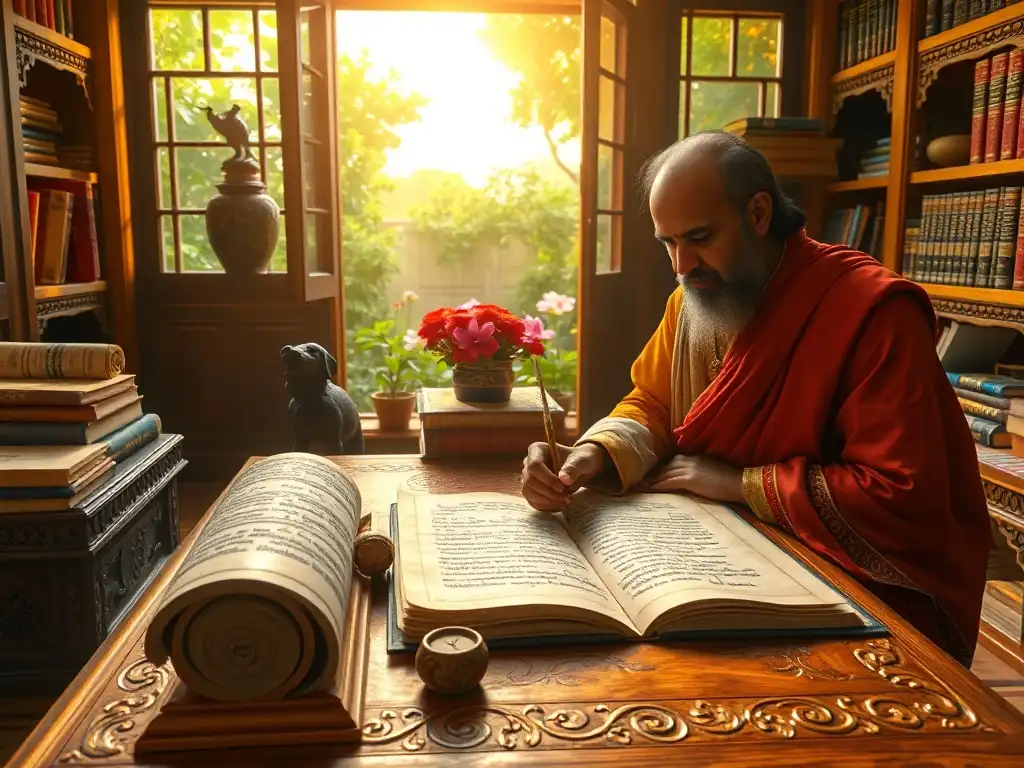
Welcome to Ancient India History, where we embark on an enlightening journey through the rich tapestry of ancient Indian civilizations. Delve into the fascinating world of ancient Indian language development, a cornerstone of cultural expression that blossomed from the intricate grammar to the profound verses of poetry. Discover how these early linguistic advancements shaped not only communication but also the very identity of a civilization.
As you explore our latest article, "The Development of Ancient Indian Language Arts: From Grammar to Poetry," prepare to uncover the remarkable contributions that have left an indelible mark on education and cultural heritage. Your adventure into this captivating realm awaits!
Introduction to Ancient Indian Language Development
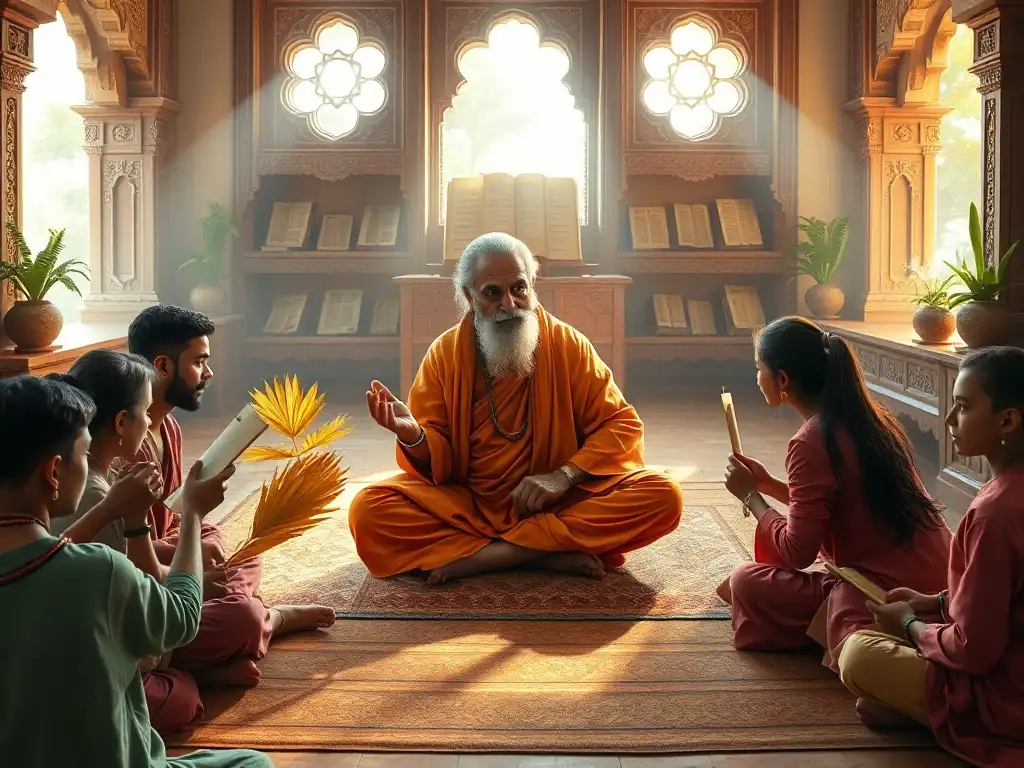
The exploration of ancient Indian language development unveils a fascinating journey through time, showcasing the evolution of communication and literary expression in one of the world's oldest civilizations. Ancient India was not only a cradle of diverse languages but also a hub for profound literary and grammatical advancements.
From the intricate systems of grammar established during the Vedic period to the rich tapestry of poetry that flourished under various dynasties, the study of language arts in ancient India reveals much about the societal values, philosophical thoughts, and cultural practices that defined this remarkable era. This article will delve into the significance of language in ancient Indian civilization, the evolution of grammar, and the vibrant tradition of poetry that continues to influence modern languages and literature.
Overview of Ancient Indian Languages
Ancient India was home to a multitude of languages, with Sanskrit, Prakrit, and Pali being some of the most prominent. Each of these languages played a critical role in the development of literature, philosophy, and religious texts.
- Sanskrit served as the liturgical language of Hinduism and is known for its extensive grammar, developed primarily by the grammarian Panini in the 5th century BCE.
- Prakrit languages, which evolved from Sanskrit, were commonly spoken by the masses and played a crucial role in the literary works of the time, particularly in dramas and poetry.
- Pali, associated with Buddhism, became the language of the Buddha’s teachings and was instrumental in the spread of Buddhist philosophy.
The diverse linguistic landscape of ancient India not only fostered a rich literary tradition but also facilitated the exchange of ideas across different regions and cultures.
Importance of Language Arts in Ancient Indian Culture
Language arts were profoundly significant in ancient Indian culture, serving as a medium for expressing philosophical thought, religious beliefs, and artistic creativity.
- Literary Expression: The ancient texts, including the Vedas, Upanishads, and Mahabharata, highlight the central role of language in conveying complex ideas and emotions. Poetry, prose, and philosophical dialogues were essential for education and the transmission of knowledge.
- Cultural Identity: Language was a cornerstone of identity for various communities. It helped in preserving traditions, values, and stories that have been passed down through generations, reinforcing a sense of belonging and cultural heritage.
- Education and Philosophy: Language arts were integral to ancient educational practices, where the study of grammar, rhetoric, and poetry was essential for scholars and students. The emphasis on linguistic skills was crucial for engaging with philosophical texts and debates, furthering intellectual growth.
The Evolution of Grammar in Ancient India
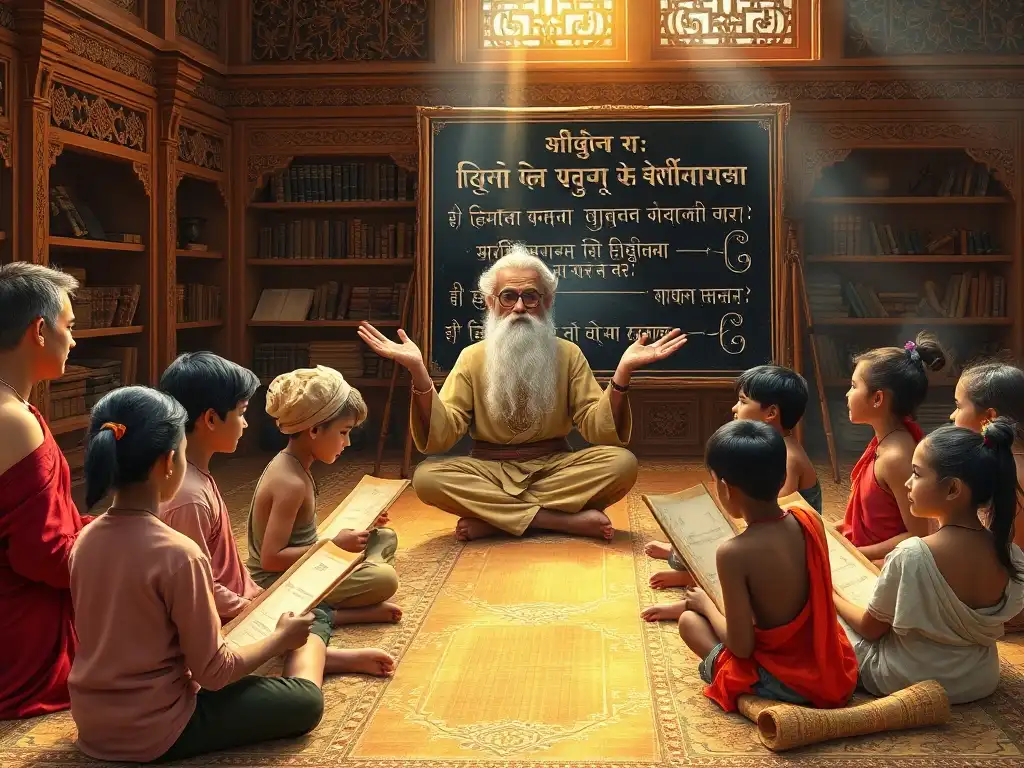
The evolution of grammar in ancient India is a testament to the sophistication and intellectual rigor of Indian scholars. This section will explore the significant milestones in the development of grammatical systems.
Early Grammar Systems: The Vedic Period
During the Vedic period (circa 1500–500 BCE), the earliest forms of grammar began to emerge, primarily through oral traditions. The Vedas, composed in early Sanskrit, laid the foundation for linguistic study by emphasizing precise pronunciation and intonation. Scholars began to recognize the need for systematic rules to preserve the integrity of these sacred texts, marking the beginnings of grammar as a formal discipline.
Panini and the Standardization of Sanskrit Grammar
The most influential figure in ancient Indian grammar is Panini, who lived around the 5th century BCE. His work, the Ashtadhyayi, is a comprehensive treatise that systematically describes the rules of Sanskrit grammar.
- Innovative Techniques: Panini introduced innovative concepts such as morphology and syntax, employing a concise and structured approach that has influenced linguistic studies worldwide.
- Impact on Languages: His grammatical framework not only standardized Sanskrit but also laid the groundwork for the study of other languages, demonstrating the interconnectedness of language development.
Influence of Grammar on Modern Languages
The contributions of ancient Indian grammar extend beyond Sanskrit; they have significantly impacted the development of many modern languages, particularly in South Asia. The principles established by Panini and his successors have influenced:
- Modern Indian Languages: Many contemporary languages, including Hindi, Bengali, and Marathi, exhibit grammatical structures that can be traced back to ancient Sanskrit grammar.
- Linguistic Studies: The analytical methods developed by ancient grammarians have enriched modern linguistic theories, making ancient Indian grammar a subject of study among linguists globally.
Through this exploration, the development of ancient Indian language arts reveals a rich tapestry that intertwines grammar, literature, and cultural identity, laying a profound foundation for the languages we use today.
Rhetoric and Poetics in Ancient Indian Language Arts
Rhetoric and poetics formed the backbone of ancient Indian language arts, greatly influencing how ideas were communicated and artistic expression flourished. Rhetoric, defined as the art of persuasion, was intricately woven into the fabric of ancient Indian literature, where it served not only to convince but also to engage and inspire audiences. Poetics, on the other hand, dealt with the principles and forms of poetry, emphasizing aesthetic beauty and emotional resonance. Together, these elements shaped the evolution of language and literature, contributing to a rich tradition of storytelling, philosophical discourse, and artistic creativity.
Understanding Rhetoric in Ancient Indian Literature
Rhetoric in ancient Indian literature was characterized by its profound emphasis on eloquence and persuasive speech. The ancient texts, particularly the *Bhartrihari's Shringara Shataka and *Kālidāsa’s Shakuntala, echo the principles of rhetoric through their intricate use of language, meter, and style. The Arthashastra, attributed to Kautilya, also underscores the significance of rhetoric in governance and diplomacy, highlighting its role in effective communication. Rhetorical devices such as alliteration, metaphor, and simile were extensively used to enhance the expressiveness of texts, making them more memorable and impactful.
Moreover, the ancient Indian tradition recognized the importance of audience engagement, where speakers and poets would tailor their language according to cultural norms and expectations. This adaptability ensured that rhetoric remained relevant across different contexts, whether in courtly settings or public discourses.
Key Texts on Poetics: Natyashastra and Kavyadarsha
The Natyashastra, attributed to the sage Bharata Muni, stands as a cornerstone of ancient Indian poetics and dramaturgy. It comprehensively outlines the principles of dramatic arts, including the use of language, emotion (rasa), and performance techniques. This text not only covers the structure of plays and performances but also delves into the nuances of poetic forms, emphasizing the importance of rhythm and meter in creating emotional depth and resonance.
Similarly, Kavyadarsha, penned by Dandin, serves as a critical text on poetics and aesthetics. It categorizes different types of poetry and their respective features, providing guidelines for aspiring poets and writers. Dandin’s work emphasizes the significance of the 'kavya' (poetry) as an art form, advocating for a blend of meaning and beauty, where language transcends mere communication to become a powerful tool of artistic expression.
Both texts illustrate the sophistication of ancient Indian language arts and their enduring influence on subsequent literary traditions, highlighting the interconnection between rhetoric, poetics, and cultural expression.
The Role of Metaphor and Symbolism in Poetry
Metaphor and symbolism played a pivotal role in ancient Indian poetry, allowing poets to convey complex ideas and emotions through vivid imagery. Poets often employed metaphors to draw parallels between the human experience and the natural world. For instance, the use of nature as a metaphor for love, beauty, and spirituality is prevalent in the works of poets like Kalidasa, where the blooming of flowers symbolizes the blossoming of love.
Symbolism also enriched the poetic landscape, as various symbols—such as the lotus representing purity and enlightenment—were deeply rooted in the cultural and spiritual ethos of the time. This use of metaphor and symbolism not only enhanced the aesthetic quality of poetry but also provided layers of meaning, inviting readers to explore deeper interpretations and connections within the text.
Through the mastery of these literary devices, ancient Indian poets could articulate profound philosophical and emotional themes, making their works resonate across time and cultures, further contributing to the development of ancient Indian language arts.
The Impact of Ancient Indian Language Development on Literature
The development of ancient Indian languages significantly influenced the literary landscape, shaping the creation and preservation of diverse works of literature. As languages evolved, they facilitated the expression of complex thoughts, ideas, and cultural narratives, leading to a rich tapestry of literary traditions that reflected the values and beliefs of society.
Major Literary Works and Their Contributions
Several major literary works emerged from ancient Indian language development, each contributing uniquely to the cultural and intellectual heritage of the time. The Mahabharata and Ramayana, epic narratives composed in Sanskrit, stand as monumental texts that not only narrate stories of heroism and morality but also explore philosophical dilemmas and ethical questions. These epics played a crucial role in shaping Indian thought and values, influencing generations of writers, poets, and philosophers.
In addition to epics, classical poetry, such as the works of Kalidasa and Bhartrihari, showcased the sophisticated use of language and poetic form. Their contributions to the literary canon highlight the aesthetic and emotional dimensions of ancient Indian literature, paving the way for future literary developments across various regional languages.
Language Development in Regional Languages
As ancient Indian languages evolved, they gave rise to numerous regional languages, each fostering its own literary traditions. Languages like Tamil, Prakrit, and Pali flourished alongside Sanskrit, enriching the literary landscape with diverse voices and styles. The Sangam literature of Tamil Nadu exemplifies this regional development, showcasing poetry that emphasizes love, valor, and the beauty of nature.
The emergence of regional languages facilitated the expression of localized cultural identities and experiences, allowing for the preservation and transmission of folklore, epics, and devotional literature. This linguistic diversity not only reflected the social fabric of ancient India but also contributed to the broader discourse on language development and its implications for literature and culture.
The Interplay Between Language and Cultural Identity
The interplay between language and cultural identity in ancient India is a testament to the profound connection between linguistic expression and societal values. Language served as a vehicle for cultural narratives, enabling the preservation of history, traditions, and beliefs. The development of specific languages often paralleled the rise of distinct cultural identities, with each language embodying the nuances and complexities of its speakers.
Furthermore, the evolution of language arts facilitated dialogues between different cultural groups, promoting exchanges of ideas and fostering a sense of shared heritage. This interplay is evident in the way ancient Indian poets and writers drew upon various linguistic traditions to craft their works, reflecting both regional characteristics and pan-Indian themes.
Through this dynamic relationship, ancient Indian language development not only shaped literature but also contributed to the formation of a collective cultural identity that continues to resonate in contemporary Indian society.
Pedagogical Practices in Ancient Indian Language Arts
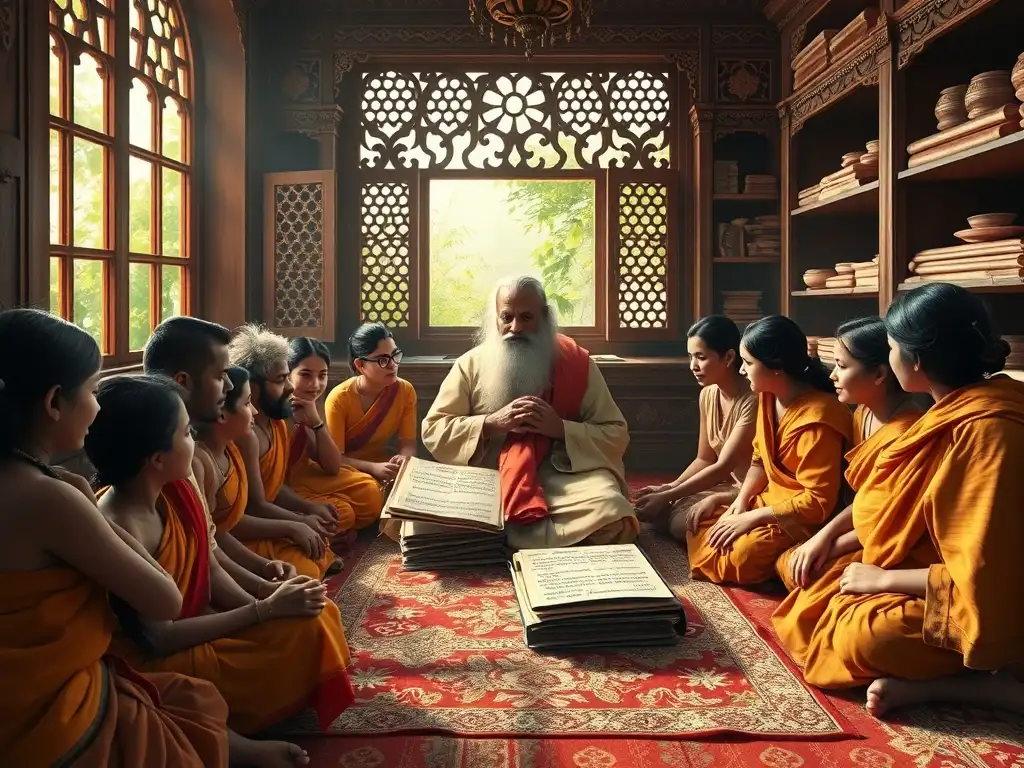
The pedagogical practices in ancient Indian language arts were deeply rooted in the cultural and philosophical contexts of the time. Education was predominantly imparted through oral traditions and interactive learning methods, with an emphasis on memorization, recitation, and practical application. The education system was structured around the Gurukula, where students lived with their teachers, fostering a close-knit community that encouraged immersive learning experiences.
Language arts encompassed not just the study of grammar and poetry but also included rhetoric, philosophy, and the arts. The teaching methods varied based on the subject matter, with a focus on fostering critical thinking and creativity. Students were encouraged to engage in discussions, debates, and performances, which allowed them to articulate their thoughts and hone their linguistic skills.
Methods of Teaching Grammar and Rhetoric
In ancient India, grammar was taught using a systematic and analytical approach, primarily influenced by the work of Panini, whose treatise, the Ashtadhyayi, laid down the foundational rules of Sanskrit grammar. This work is notable for its structured methodology, utilizing both formal rules and examples to illustrate concepts.
Teaching methods included:
- Memorization of Sutras: Students memorized short aphorisms (sutras) that encapsulated grammatical rules, allowing for quick recall and application.
- Practical Exercises: Learners applied grammatical rules through exercises, which involved composing sentences, analyzing texts, and engaging in translation tasks.
- Rhetorical Techniques: Rhetoric was taught through the study of persuasion, argumentation, and styles of speaking, with students practicing public speaking and engaging in formal debates.
This multifaceted approach not only enhanced linguistic proficiency but also cultivated a deeper understanding of the nuances of language.
Oral Tradition and Its Role in Language Learning
Oral tradition played a pivotal role in the language learning process in ancient India. The transmission of knowledge through oral means allowed for the preservation of language and culture, as stories, poems, and teachings were passed down through generations.
Key aspects of oral tradition in language learning included:
- Storytelling: Elders and teachers used storytelling as a medium to teach moral values, cultural history, and language skills, enabling students to learn vocabulary and syntax in context.
- Recitation: Recitation of texts, including scriptures and epics like the Mahabharata and Ramayana, reinforced language patterns and pronunciation while fostering a sense of rhythm and memory.
- Performance Arts: Language was also explored through performance arts such as drama and poetry recitals, encouraging students to express themselves creatively and confidently.
Oral tradition not only facilitated language acquisition but also instilled a sense of identity and belonging among learners.
The Influence of Gurukula System on Language Education
The Gurukula system was a unique educational framework in ancient India that significantly influenced language education. This system emphasized personalized instruction, where students lived in close proximity to their teachers, fostering a mentor-mentee relationship that extended beyond academics.
Characteristics of the Gurukula system include:
- Holistic Learning: Education encompassed various subjects, including language arts, philosophy, mathematics, and the sciences, promoting a well-rounded intellectual development.
- Community Engagement: The collaborative learning environment encouraged discussions and interactions among peers, enhancing language skills through constant practice and feedback.
- Cultural Immersion: Students were immersed in the cultural and linguistic practices of their community, facilitating an organic acquisition of language through daily interactions and rituals.
The Gurukula system created a robust foundation for language education that prioritized personal growth, community values, and intellectual curiosity.
The Legacy of Ancient Indian Language Arts
The legacy of ancient Indian language arts is profound, influencing not only the linguistic landscape of India but also contributing to global linguistics and literary traditions.
Contributions to Linguistics and Language Theory
Ancient Indian scholars made significant contributions to the field of linguistics, particularly through the development of grammar and phonetics. Panini's Ashtadhyayi is regarded as one of the earliest and most comprehensive works on grammar, laying the groundwork for modern linguistic studies.
Key contributions include:
- Grammatical Frameworks: Panini's analytical methods influenced the understanding of syntax, morphology, and semantics.
- Phonetics and Phonology: Indian scholars explored the sounds of language, resulting in advanced theories of phonetics that predate Western linguistic models.
- Language Classification: The categorization of languages and dialects helped in understanding linguistic evolution and diversity.
These contributions have had a lasting impact on the study of languages worldwide.
The Continuation of Language Arts in Modern India
The rich traditions of ancient Indian language arts continue to resonate in modern educational practices in India. While the methods have evolved, the emphasis on literature, poetry, and rhetoric remains significant.
Modern language education incorporates:
- Sanskrit Studies: Sanskrit is still taught in various institutions, preserving its grammatical rigor and literary heritage.
- Literature and Poetry: Contemporary Indian literature draws heavily from ancient texts, with poets and writers often referencing classical themes and styles.
- Rhetorical Skills: Public speaking and debate clubs in schools uphold the ancient traditions of rhetoric, promoting effective communication skills among students.
This continuity showcases the resilience of India's linguistic heritage in contemporary society.
Comparative Analysis with Other Ancient Civilizations
When comparing ancient Indian language arts with those of other civilizations, several distinctive features emerge. For instance, while the Greeks and Romans focused on formal education in rhetoric and philosophy, ancient India placed equal importance on grammar and poetic expression.
Key points of comparison include:
- Focus on Grammar: Unlike many ancient cultures, Indian scholars extensively analyzed grammar, leading to sophisticated linguistic theories.
- Integration of Arts: Language arts in India were deeply intertwined with performance and visual arts, reflecting a holistic approach to education.
- Oral vs. Written Traditions: While both civilizations utilized oral traditions, the Indian emphasis on memorization and recitation was particularly pronounced, contributing to its linguistic continuity.
This comparative analysis highlights the unique contributions of ancient Indian language arts to the broader spectrum of global education and linguistic development.
Conclusion: The Significance of Ancient Indian Language Development
The evolution of ancient Indian language arts holds immense significance in understanding the cultural, philosophical, and literary heritage of the subcontinent. The intricate development of grammar, syntax, and poetic forms not only reflects the intellectual advancements of the time but also illustrates the ways in which language served as a vehicle for the transmission of ideas, values, and traditions. The grammatical frameworks established in ancient texts laid the foundation for subsequent linguistic studies, influencing not just Indian languages but also contributing to broader linguistic theories worldwide.
Moreover, the rich tapestry of ancient Indian poetry, with its diverse forms and themes, showcases the profound connection between language and identity. The poets and scholars of ancient India harnessed the power of language to express complex emotions, societal critiques, and spiritual reflections, contributing to a vibrant cultural dialogue that resonates even today. This legacy of language arts is crucial for contemporary scholars, educators, and students, as it provides insights into the formative ideas that shaped Indian civilization and continues to inform modern discourse.
Reflections on the Cultural Heritage of Language Arts
The cultural heritage of ancient Indian language arts is a reflection of a society deeply engaged with the nuances of communication and expression. The texts produced during this period, such as the Vedas, Upanishads, and various poetic works, reveal a sophisticated understanding of language that transcends mere functionality. These works illustrate how language was used as a means of exploring metaphysical concepts, moral dilemmas, and the human experience.
Language was not merely a tool for communication; it was considered sacred and was deeply intertwined with rituals and spirituality. The phonetics and metrics of ancient Sanskrit poetry, for instance, were meticulously crafted to evoke certain feelings and to adhere to the philosophical principles of sound and meaning. This understanding of language as an art form highlights the intellectual rigor of ancient Indian scholars and poets, whose contributions have enriched the global literary canon.
In reflecting on this cultural heritage, it becomes evident that the ancient Indian approach to language arts encourages a multidisciplinary perspective that combines linguistic, literary, and philosophical studies. As we appreciate this legacy, we gain valuable insights into the values and innovations of ancient Indian civilization, promoting respect for the diverse linguistic traditions that have emerged from this rich cultural soil.
Future Directions for Research in Ancient Indian Language Studies
The field of ancient Indian language studies is ripe for exploration, and several potential research avenues could yield significant insights into the complexities of language development in this historical context. One promising direction is the interdisciplinary study of language alongside archaeology, anthropology, and cultural studies. By examining inscriptions, manuscripts, and other archaeological findings, researchers can gain a clearer understanding of how language evolved in response to sociopolitical changes and cultural exchanges throughout ancient India.
Additionally, comparative studies between ancient Indian languages and other contemporary languages can reveal fascinating parallels and divergences in linguistic structures, semantics, and phonetics. Such investigations could illuminate the influences that ancient Indian languages may have had on neighboring cultures and vice versa, thereby enriching our understanding of regional language development.
Moreover, there is a need for the digitization and preservation of ancient texts, which would facilitate wider accessibility and engagement with these valuable resources. Collaborative efforts among linguists, historians, and technologists could lead to new methodologies for analyzing ancient manuscripts, paving the way for innovative interpretations and scholarship.
The future of research in ancient Indian language studies holds great promise. By embracing interdisciplinary approaches, fostering comparative analyses, and prioritizing the preservation of texts, scholars can deepen our understanding of ancient Indian language development and its enduring impact on contemporary literature and linguistics.
- Introduction to Ancient Indian Language Development
- Overview of Ancient Indian Languages
- Importance of Language Arts in Ancient Indian Culture
- The Evolution of Grammar in Ancient India
- Rhetoric and Poetics in Ancient Indian Language Arts
- The Impact of Ancient Indian Language Development on Literature
- Pedagogical Practices in Ancient Indian Language Arts
- The Legacy of Ancient Indian Language Arts
- Conclusion: The Significance of Ancient Indian Language Development
Frequently Asked Questions
What were the main ancient Indian languages?
The main ancient Indian languages included Sanskrit, Prakrit, and Pali, each contributing significantly to literature and philosophy.
How did grammar evolve in ancient India?
The development of grammar in ancient India was significantly influenced by Panini, whose work established the rules for Sanskrit grammar, laying the foundation for future linguistic studies.
What role did poetry play in ancient Indian culture?
Poetry served as a vital medium for expression, often reflecting the spiritual and philosophical ideas prevalent in ancient Indian society, with notable epics like the Mahabharata and Ramayana.
How did ancient Indian language development influence modern languages?
The language development in ancient India has greatly impacted modern languages, particularly in the Indo-Aryan and Dravidian families, influencing vocabulary and syntax.
What contributions did ancient Indian scholars make to linguistics?
Ancient Indian scholars made groundbreaking contributions to linguistics, particularly in areas like syntax, phonetics, and semantics, establishing principles that are still relevant in the study of language development today.
Final Reflection: The Enduring Legacy of Ancient Indian Language Development
The exploration of ancient Indian language development reveals a profound connection between grammar and poetry that resonates with our contemporary understanding of communication. In an age where language shapes our identities and cultures, the intricate evolution of language arts in ancient India serves as a reminder of the power of words. This historical journey not only enriches our appreciation of linguistic heritage but also underscores the timeless relevance of effective expression in our daily lives.
Cultural narratives and artistic expressions rooted in ancient Indian language development continue to influence modern literature and communication. The intricate grammar and poetic forms established centuries ago have laid the groundwork for diverse literary traditions that thrive today. As we navigate a world increasingly dominated by digital communication, we must remember the wisdom of the past. Language is the road map of a culture. It tells you where its people come from and where they are going.
– Rita Mae Brown. This observation highlights the ongoing significance of language as a vessel for cultural identity and continuity.
As we reflect on the lessons from ancient Indian language arts, let us embrace the beauty of language in our own lives. Consider how you can cultivate your linguistic skills, whether through writing, speaking, or engaging with poetry. By honoring the legacy of those who came before us, we can contribute to the ongoing evolution of language and ensure that its richness continues to inspire future generations. Take a moment to explore your own relationship with language and recognize the profound impact it has on your world.
Unveil the Richness of Ancient Indian Language Arts!
Thank you for taking the time to explore the beautiful evolution of ancient Indian language arts. We hope you found inspiring insights into the intricacies of grammar and poetry that shaped a vibrant literary culture. Now, it’s your turn to dive deeper and connect with this fascinating heritage!
Here’s how you can engage further:
- Immerse yourself in ancient texts: Select a piece of poetry or a grammar text from the period and analyze its themes!
- Share your thoughts: Discuss this article with friends or join an online forum to delve deeper into these themes!
- Explore related resources: Check out our curated list of books and articles that will enhance your understanding of ancient Indian literature.
What aspect of ancient Indian language arts resonates with you the most, and how do you see its influence in today’s literature?