
The Role of Vedic Priests: Guardians of Sacred Knowledge

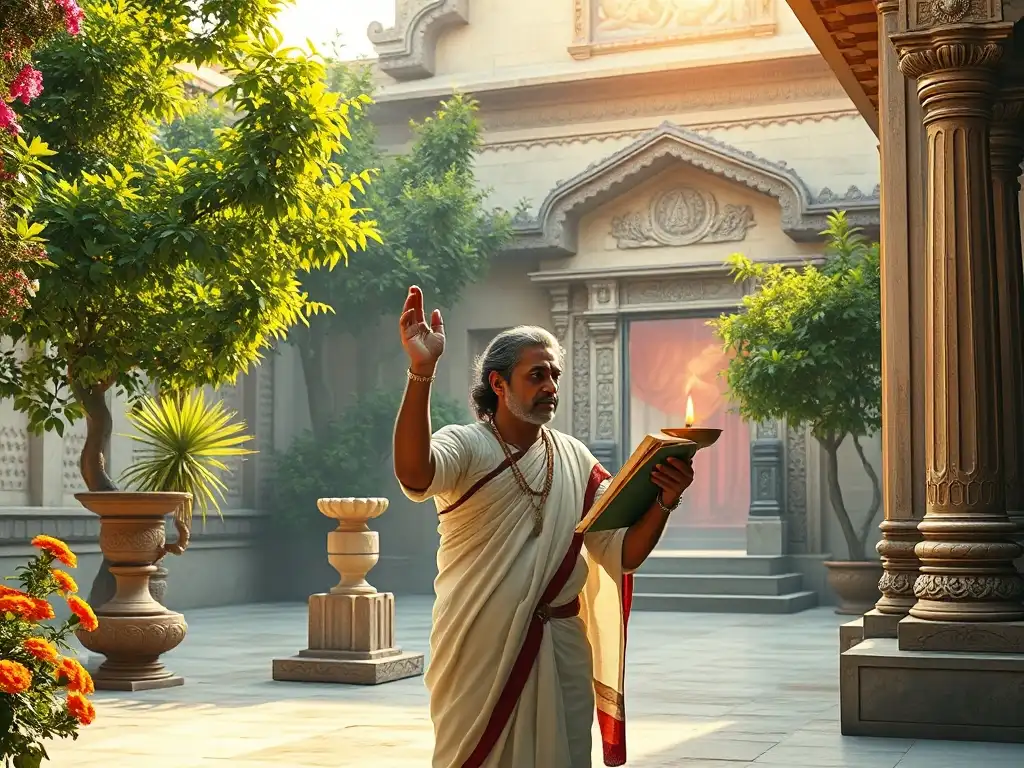
Welcome to Ancient India History, where we embark on a fascinating journey through the rich tapestry of ancient Indian civilizations. Today, we dive deep into the world of Vedic priests in ancient India, the guardians of sacred knowledge whose profound influence shaped the spiritual and cultural landscape of the era. Discover how these enigmatic figures not only preserved the wisdom of the Vedas but also played a pivotal role in the rituals and traditions that defined their society.
Are you ready to unlock the mysteries of the past and explore the enduring legacy of these revered custodians? Let’s delve into the captivating story that awaits you!
Introduction to Vedic Priests in Ancient India
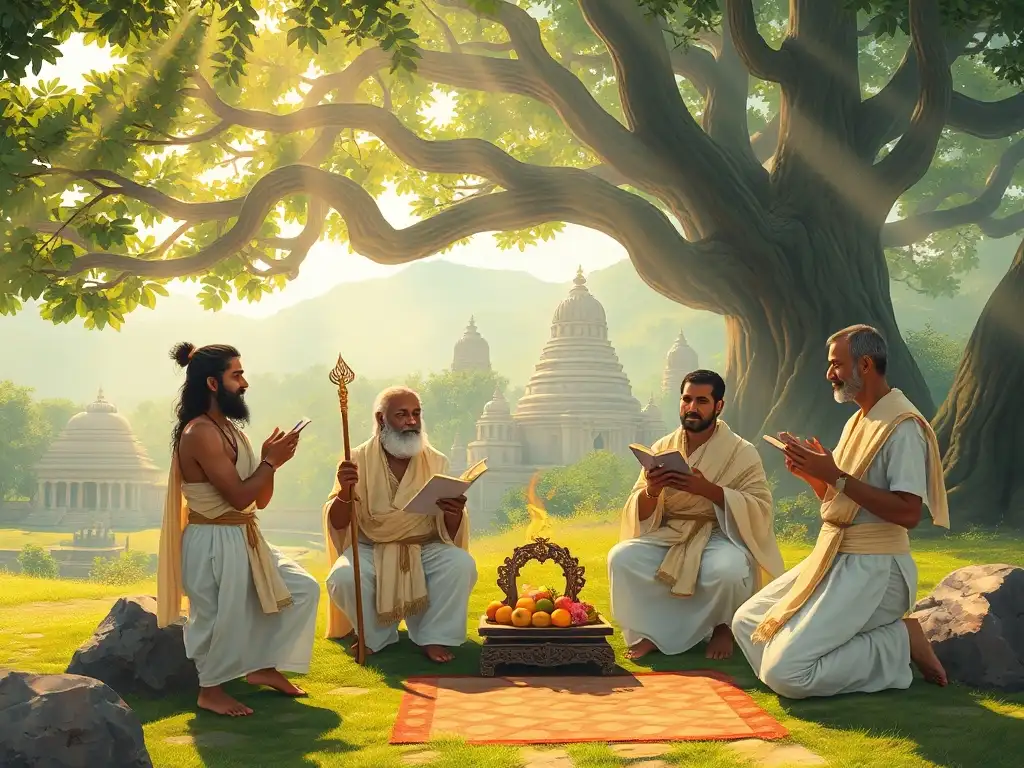
The Vedic priests held a pivotal role in ancient Indian society, serving as the custodians of sacred knowledge and spiritual traditions that shaped the cultural and religious landscape of the time. Their contributions were integral not only to the preservation of the Vedic texts but also to the rituals and practices that defined the spiritual life of the communities they served. This article delves into the multifaceted role of Vedic priests in ancient India, exploring their significance, traditions, and the historical context that influenced their emergence and development.
Definition and Importance of Vedic Priests
Vedic priests, known as Brahmanas, were scholars and ritual specialists responsible for performing ceremonies, conducting sacrifices, and preserving the oral traditions of the Vedas—the oldest sacred texts of Hinduism. Their role extended beyond mere ritualistic functions; they were also educators, philosophers, and interpreters of Vedic knowledge. The importance of Vedic priests can be summarized as follows:
- Custodians of Knowledge: They memorized and transmitted the Vedic hymns and philosophies across generations.
- Ritual Experts: They conducted elaborate rituals that were believed to maintain cosmic order and appease deities.
- Cultural Influencers: Their teachings and practices shaped the moral and ethical frameworks of ancient Indian society.
Overview of Vedic Traditions and Practices
The Vedic tradition encompasses a wide array of practices, beliefs, and rituals, deeply rooted in the texts of the Vedas. Key elements include:
- Sacrificial Rituals: Known as Yajnas, these rituals involved offerings to deities, guided by the Vedic priests to ensure prosperity, health, and harmony.
- Chanting of Hymns: The recitation of hymns, or Suktas, was not only a form of worship but also a means to invoke divine blessings.
- Philosophical Discourses: Vedic priests engaged in profound philosophical discussions, laying the groundwork for later Hindu philosophical systems.
Historical Context of Vedic Priests
Understanding the historical context of Vedic priests is essential to appreciating their significance in ancient Indian civilization.
The Emergence of Vedic Priests in Ancient Indian Society
The emergence of Vedic priests can be traced back to the Vedic period, which is generally dated from around 1500 BCE to 500 BCE. This period marked the transition of Indo-Aryan tribes into settled agricultural communities, leading to the establishment of complex societal structures. As these communities grew, so did the need for spiritual guidance and ritualistic practices, paving the way for the priestly class to rise in prominence.
- Social Stratification: The formation of varnas (social classes) saw the Brahmanas take a leading role in society, often advising rulers and participating in governance.
- Cultural Integration: The interaction between various tribes and cultures further enriched the Vedic traditions, with priests adapting and incorporating diverse practices.
Key Historical Texts Related to Vedic Priests
Several key texts form the foundation of the Vedic tradition and provide insight into the role of priests. These include:
| Text | Description |
|---|---|
| Rigveda | Contains hymns dedicated to various deities and rituals. |
| Samaveda | Focuses on melodies and chants used during rituals. |
| Yajurveda | Provides instructions for conducting sacrifices. |
| Atharvaveda | Contains spells and incantations for daily life. |
These texts collectively illustrate the comprehensive role of Vedic priests as not only spiritual leaders but also as vital contributors to the cultural and historical tapestry of ancient India.
Responsibilities and Functions of Vedic Priests
Vedic priests, also known as Brahmins, played a pivotal role in the religious and social fabric of ancient India. Their primary responsibilities revolved around the performance of rituals, sacrifices, and the preservation of sacred texts. They were considered the custodians of Vedic knowledge, which encompassed hymns, rituals, and spiritual philosophy contained within the four Vedas: Rigveda, Samaveda, Yajurveda, and Atharvaveda.
The functions of Vedic priests were multifaceted, including:
- Conducting Sacrifices: Vedic priests performed various yajnas (sacrificial rituals) to appease deities, seek blessings for prosperity, and ensure cosmic order (Rta). These rituals often required meticulous adherence to prescribed mantras and procedures.
- Teaching and Guiding: They were responsible for educating the younger generation about the Vedas, imparting knowledge about rituals, and guiding their communities in spiritual matters.
- Counseling Kings and Leaders: Vedic priests often served as advisors to rulers, offering counsel on matters of statecraft, ethics, and governance based on Vedic principles.
- Maintaining Ritual Calendars: They kept track of auspicious dates and times for performing rituals, ensuring that ceremonies were conducted in alignment with cosmic cycles.
Rituals and Sacrifices Conducted by Vedic Priests
The rituals conducted by Vedic priests were deeply rooted in the spiritual beliefs and practices of ancient Indian society. These rituals often involved elaborate ceremonies that required precision and a profound understanding of Vedic texts.
The most significant rituals included:
- Agnihotra (Fire Sacrifice): This was a daily ritual involving offerings to the fire, symbolizing the connection between the earthly and divine realms. It was believed to purify the environment and bring prosperity.
- Soma Yajna: This ritual involved the preparation and offering of the soma plant, believed to grant immortality and divine insight.
- Ashvamedha (Horse Sacrifice): A royal ritual that symbolized sovereignty and power, where a consecrated horse was allowed to roam freely, and any territories it entered were claimed by the king.
- Pashubandha: This involved the sacrifice of animals, which was seen as a means of appeasing gods and ensuring fertility and abundance in the community.
Each of these rituals was performed with great reverence and was steeped in symbolic meaning, reflecting the values and beliefs of the time.
Preservation and Transmission of Sacred Knowledge
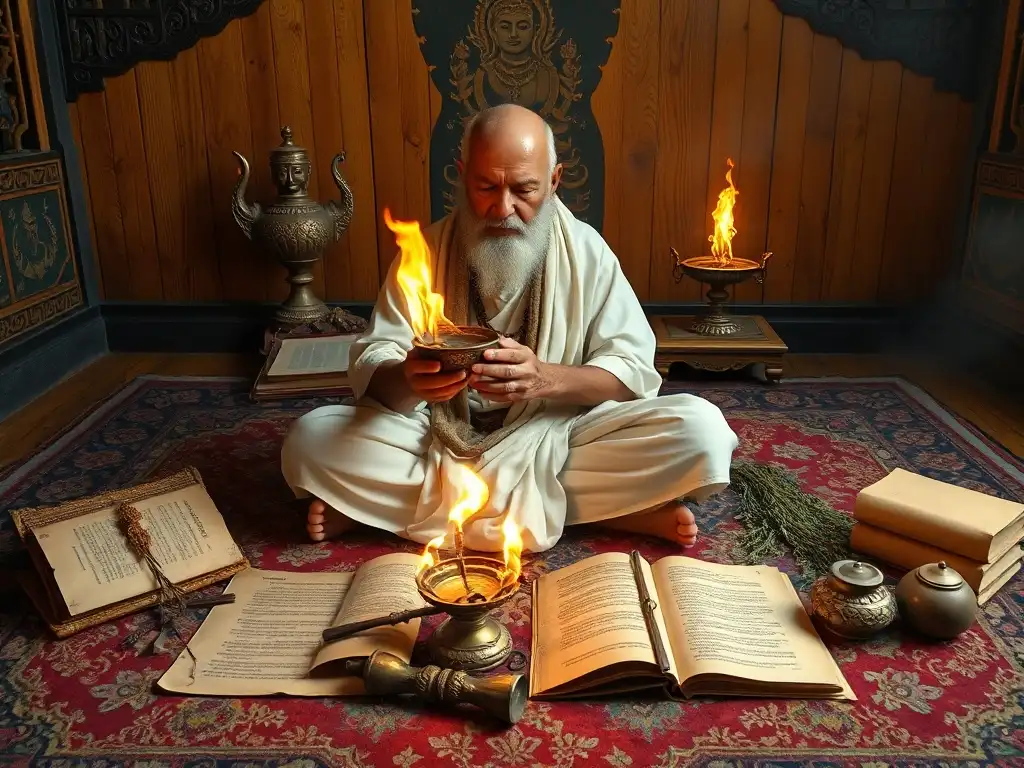
The preservation and transmission of Vedic knowledge were crucial to maintaining the spiritual and cultural heritage of ancient India. Vedic texts were initially passed down orally, with Vedic priests playing a central role in this process.
Key aspects of this preservation included:
- Oral Tradition: Vedic priests memorized vast amounts of text, ensuring that the hymns and rituals remained intact across generations. Techniques such as chanting and repetition were employed to aid memorization.
- Written Records: Although initially oral, the Vedas were eventually documented in written form. This transition helped safeguard the texts against loss and distortion over time.
- Commentaries and Exegesis: Scholars and priests composed commentaries to explain the meanings of Vedic texts, facilitating deeper understanding and interpretation of complex ideas.
- Ritual Practices: By conducting rituals regularly, Vedic priests kept the teachings alive in practical contexts, ensuring that the community remained connected to the sacred knowledge.
The Training and Education of Vedic Priests
The training and education of Vedic priests were rigorous and structured, often beginning in childhood. This education was essential for ensuring that priests were well-versed in the intricate details of Vedic texts and rituals.
- Gurukula System: Young boys would often live with their guru (teacher) in a gurukula, where they received instruction in various subjects, including grammar, philosophy, and ritual practice. This system emphasized a close mentor-student relationship.
- Focused Curriculum: The curriculum was comprehensive, covering the four Vedas, auxiliary texts (such as the Vedangas), and practical training in performing rituals. Education included both theoretical knowledge and practical experience.
- Initiation Rituals: The upanayana or initiation ceremony marked the formal entry into Vedic education, symbolizing the start of a student’s spiritual journey and responsibilities.
Educational Institutions for Vedic Learning
Vedic learning flourished in specialized educational institutions that were often centered around temples or ashrams. These institutions played a crucial role in preserving Vedic knowledge and training new generations of priests.
- Ashrams: Many ashrams housed prominent sages who taught students in immersive environments. Learning was often experiential, with students participating in daily rituals and community life.
- Temples: Temples served as centers of learning where priests trained in Vedic texts while also performing rituals for the public. This dual role helped integrate education with community service.
- Universities: Institutions like Nalanda and Takshashila emerged later, expanding the scope of Vedic education to include philosophy, astronomy, and medicine, influencing the broader intellectual landscape of ancient India.
The Role of Gurus in Shaping Vedic Priests
Gurus were central figures in the education of Vedic priests, embodying the ideals of wisdom and spiritual guidance. Their influence extended beyond mere instruction to include mentorship and moral development.
- Spiritual Mentorship: Gurus provided not only knowledge but also spiritual guidance, helping students develop a deeper understanding of their place in the cosmos and their duties as Vedic priests.
- Cultural Transmission: Through storytelling and discussions, gurus transmitted cultural values, ethics, and traditions that shaped the identity of their students and reinforced the importance of their roles in society.
- Personal Development: A guru emphasized the holistic development of the student, ensuring they were well-rounded individuals capable of fulfilling their responsibilities as guardians of sacred knowledge.
In essence, the relationship between gurus and Vedic priests was foundational to the continuity of Vedic traditions, ensuring that the sacred knowledge was not only preserved but also adapted to meet the evolving needs of society.
The Influence of Vedic Priests on Ancient Indian Culture
The Vedic priests played an instrumental role in shaping ancient Indian culture, influencing both religious practices and social structures. Their significance extended beyond the rituals and sacrifices they performed; they were the custodians of sacred knowledge, ensuring that the teachings of the Vedas were preserved and transmitted across generations. Their influence permeated various aspects of life, including governance, education, and social norms, making them central figures in the evolution of ancient Indian civilization.
Vedic priests were not only spiritual leaders but also educators. They established the groundwork for the oral tradition of learning, whereby knowledge was passed down through rigorous memorization and recitation. This practice increased the accessibility of Vedic wisdom, allowing it to reach various strata of society. As a result, the Vedic texts became the cornerstone of Hindu philosophy and practice, deeply embedding themselves into the cultural fabric of ancient India.
Contributions to Religious Practices and Beliefs
The Vedic priests were primarily responsible for conducting rituals and sacrifices that formed the backbone of Vedic religion. Their expertise in the precise recitation of hymns, mantras, and the performance of complex rituals was believed to invoke divine favor and maintain cosmic order. These practices included fire sacrifices (yajnas), offerings to deities, and rites of passage (samskaras), which were essential for spiritual purification and societal acceptance.
Through their rituals, Vedic priests shaped the belief systems of ancient Indian society, reinforcing the concept of dharma (duty) and the interconnectedness of the universe. The priests’ interpretations of the Vedas guided the people in understanding their relationship with the divine and their responsibilities towards each other, thereby fostering communal harmony and social order.
Vedic Priests and Their Role in Society
Vedic priests held a prominent place in the social hierarchy of ancient India. They belonged to the priestly class, known as the Brahmins, who were revered for their knowledge and spiritual authority. Their status positioned them as advisors to kings and rulers, influencing political decisions and statecraft. This relationship underscored the vital role they played in maintaining the societal balance and upholding the principles of governance in accordance with Vedic teachings.
Moreover, Vedic priests were also involved in education and the establishment of learning centers (gurukuls). They educated the youth in the sacred texts and the arts, nurturing a scholarly tradition that would flourish for centuries. This dual role as spiritual guides and educators allowed them to shape the moral and ethical framework of society, cementing their place as vital contributors to the cultural development of ancient India.
Vedic Priests and the Vedas
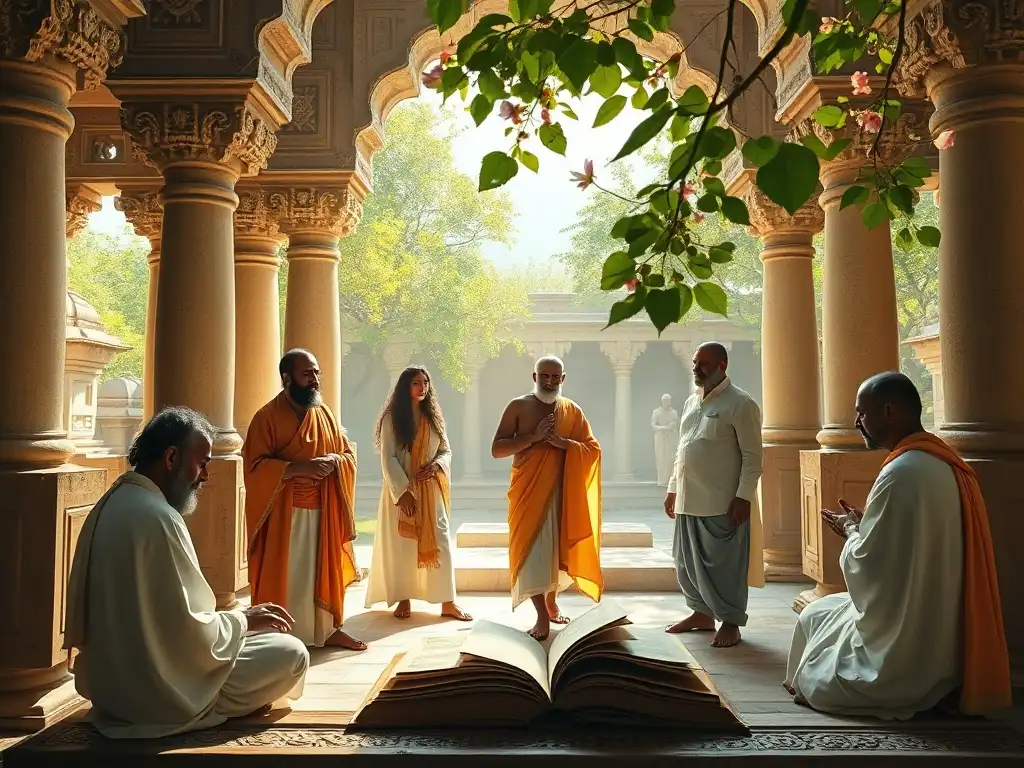
The relationship between Vedic priests and the Vedas is a profound aspect of ancient Indian history. The Vedas, composed of hymns, rituals, and philosophical discourses, are considered the oldest sacred texts of Hinduism. Vedic priests were not merely practitioners of these texts; they were their interpreters, ensuring that the divine wisdom contained within was understood and applied correctly in daily life.
Understanding the Relationship Between Vedic Priests and the Vedas
Vedic priests served as the custodians of the Vedic corpus, which includes the four Vedas: Rigveda, Samaveda, Yajurveda, and Atharvaveda. Each Veda is comprised of various texts, including hymns, rituals, and philosophical treatises, which the priests meticulously memorized and recited. This oral tradition was crucial, as it preserved the integrity of the texts over centuries before they were eventually transcribed.
The priests' role extended to interpreting the Vedas, providing commentaries that elucidated complex concepts and ensuring that the teachings remained relevant to contemporary society. Their interpretations shaped religious practices and philosophical inquiries, allowing the Vedas to adapt within a dynamic cultural landscape while maintaining their core essence.
Interpretation of Vedic Texts by Priests
Interpretation of Vedic texts by priests involved a blend of linguistic, philosophical, and ritualistic understanding. The priests utilized a methodical approach to decipher the layers of meaning embedded within the verses, often employing metaphors and allegories to convey deeper spiritual insights. This interpretative skill was essential for guiding practitioners in their spiritual journeys and ensuring that rituals were performed with the correct intentions.
Vedic priests also facilitated discussions and debates on the meanings of the texts, fostering a culture of inquiry and exploration. This intellectual engagement not only enriched Vedic scholarship but also encouraged the development of various schools of thought within Hindu philosophy. Through their interpretations, Vedic priests helped to establish a profound legacy that would influence countless generations in ancient and modern India alike.
Challenges Faced by Vedic Priests Throughout History
The journey of Vedic priests in ancient India has been marked by numerous challenges that have shaped their roles and practices over the centuries. One of the primary challenges was the evolution of society itself. As the socio-political landscape transformed, so too did the relevance of the rituals and texts that Vedic priests upheld.
For instance, the transition from tribal societies to more complex urban centers led to a decline in the communal rituals traditionally performed by these priests. This shift resulted in a struggle to maintain their significance in an era increasingly influenced by new religious movements and philosophical thought.
Another significant challenge was the rise of heterodox schools of thought, which questioned the authority of the Vedic texts and the rituals associated with them. The emergence of Buddhism and Jainism posed direct competition to the Vedic traditions. These new philosophies offered alternative paths to spiritual enlightenment, often emphasizing personal experience over ritualistic practices, which led to a gradual decline in the influence of Vedic priests.
Moreover, the political upheavals during various historical periods, including invasions and the establishment of foreign rule, created an environment of instability. Such changes often undermined the traditional roles of Vedic priests, as new rulers either adopted different religious beliefs or sought to consolidate power by promoting their own ideologies. Consequently, Vedic priests had to navigate a complex landscape of patronage and power dynamics to maintain their relevance.
Societal Changes and the Decline of Vedic Practices
As Indian society evolved, the rigid caste system became more pronounced, further complicating the role of Vedic priests. Initially, Vedic rituals were performed by Brahmins as part of a collaborative spiritual community; however, over time, the exclusivity of these rituals began to alienate broader segments of society. The increasing stratification of society not only marginalized certain groups but also made it difficult for Vedic priests to maintain a universal appeal.
In addition, the rise of bhakti movements in medieval India began to challenge the authority of Vedic priests. These movements emphasized a personal relationship with the divine, often bypassing the need for intermediaries such as priests. This transition towards more accessible forms of spirituality led to a gradual decline in the ritualistic practices that had long been the hallmark of Vedic traditions.
Furthermore, the colonial period introduced Western educational systems and ideologies that questioned traditional Indian practices. Many Vedic texts were scrutinized through a critical lens, which led to a re-evaluation of their relevance in contemporary society. As a result, Vedic priests faced an identity crisis, struggling to assert their significance in a rapidly changing cultural landscape.
Modern Perceptions of Vedic Priests in Contemporary India
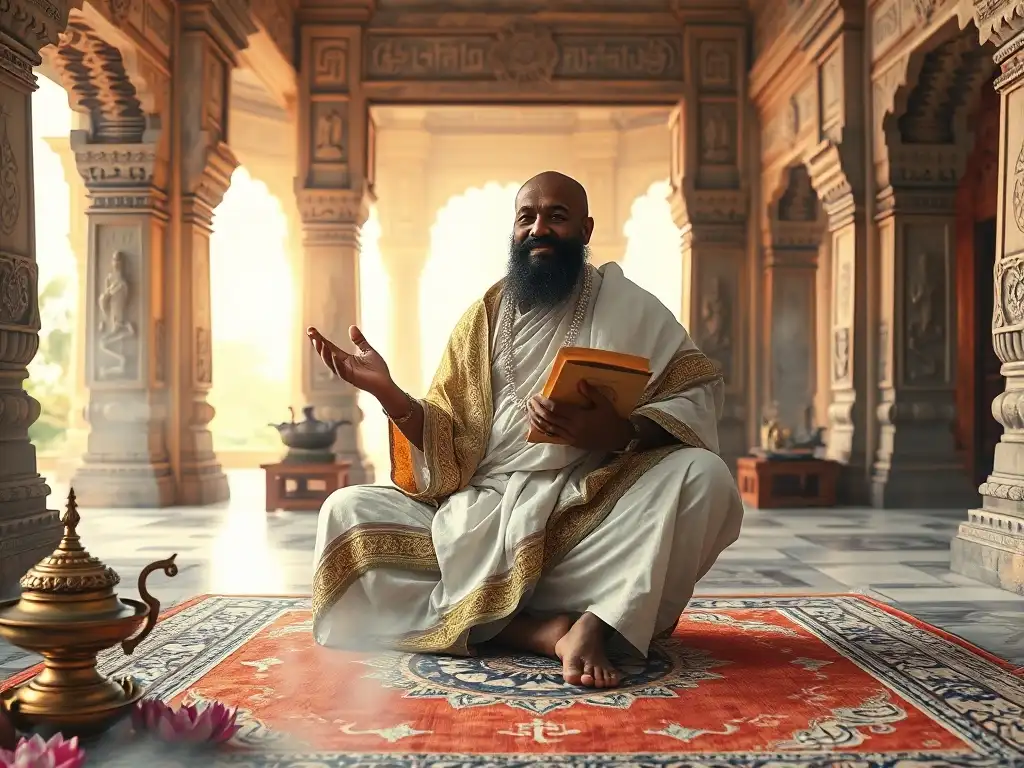
In contemporary India, perceptions of Vedic priests are varied and complex. While some view them as custodians of ancient wisdom and traditions, others see them as relics of a bygone era. The revival of interest in Hinduism and Vedic rituals in recent decades has led to a resurgence in the role of Vedic priests, particularly during significant life events such as weddings and religious ceremonies. Many people seek their expertise to reconnect with cultural roots and spiritual practices.
However, there is also a degree of skepticism surrounding Vedic priests, particularly among younger generations who may prioritize scientific reasoning over traditional beliefs. This skepticism has led to a questioning of the authority and authenticity of Vedic rituals, prompting some to seek alternative spiritual paths that align more closely with modern values.
The portrayal of Vedic priests in popular culture also contributes to contemporary perceptions. Films, literature, and media often depict them in various lights, from revered scholars to superstitious figures. This duality reflects the ongoing negotiation between tradition and modernity in Indian society, as people grapple with the legacy of Vedic knowledge while navigating contemporary challenges.
Conclusion
The role of Vedic priests in ancient India is a testament to the rich tapestry of Indian civilization, embodying the complexities of spirituality, ritual, and societal evolution. Despite facing significant challenges throughout their history, these priests have played a crucial role in preserving and transmitting sacred knowledge across generations.
The Enduring Legacy of Vedic Priests in Ancient India
The legacy of Vedic priests is profound, as they not only served as guardians of sacred texts but also shaped the spiritual and philosophical landscape of ancient India. Their contributions to the development of rituals, chants, and philosophical discourses laid the foundation for many aspects of Hindu spirituality that continue to influence millions today. The Vedas themselves, along with the interpretations and practices of these priests, have left an indelible mark on Indian culture, emphasizing the importance of knowledge, discipline, and devotion.
Reflections on the Role of Vedic Priests in Preserving Sacred Knowledge
Reflecting on the role of Vedic priests reveals a nuanced understanding of their contributions to the preservation of sacred knowledge. They were not merely ritual performers but intellectuals who engaged in deep philosophical inquiry, offering insights that transcended their immediate practices. Their ability to adapt to changing societal contexts, while remaining rooted in the traditions of the Vedas, exemplifies their resilience and commitment to spiritual stewardship. As society continues to evolve, the enduring influence of Vedic priests serves as a reminder of the importance of preserving cultural heritage while embracing the dynamics of modern life.
Further Reading
Recommended Texts and Resources on Vedic Priests and Ancient India
To gain a deeper understanding of the significance of Vedic priests in ancient India, the following texts and resources provide valuable insights into their roles, rituals, and contributions to society:
-
"The Vedas: An Introduction to Hinduism's Sacred Texts" by Roshen Dalal
This book offers a comprehensive overview of the Vedas, including the role of Vedic priests in interpreting these texts. Dalal explains the historical context and the evolution of Vedic practices.
-
"The Rigveda: A Historical Analysis" by Michael Witzel
Witzel's work delves into the Rigveda, one of the oldest texts in the Vedic corpus. It explores the rituals and the importance of priests in performing these rituals, shedding light on their societal impact.
-
"Hinduism: A Very Short Introduction" by Kim Knott
This concise introduction covers the essentials of Hinduism, including the Vedic period and the pivotal role of priests. It is an excellent starting point for those new to the subject.
-
"The Philosophy of the Veda" by Swami Dayananda Saraswati
This text provides a philosophical perspective on the Vedas and the significance of the rituals performed by Vedic priests, linking ancient practices to contemporary beliefs.
-
"Ancient Indian History and Culture" by R. S. Sharma
Sharma's work offers a broader historical context, detailing the social and cultural developments during the Vedic period, including the pivotal function of priests in maintaining religious traditions.
-
Academic Journals and Articles
Research articles in journals such as the Journal of Indian Philosophy and Asian Ethnology frequently publish studies on Vedic rituals, priestly duties, and their evolution over time. Searching through these journals can yield specific studies related to the role of Vedic priests.
-
Online Resources and Lectures
Websites like the Internet Archive and various educational platforms offer free access to lectures and courses on Vedic literature and ancient Indian history. These resources can enhance understanding through multimedia content.
By exploring these texts and resources, readers can gain a more nuanced appreciation of the Vedic priests and their enduring influence on Indian culture and spirituality.
- Introduction to Vedic Priests in Ancient India
- Historical Context of Vedic Priests
- Responsibilities and Functions of Vedic Priests
- Rituals and Sacrifices Conducted by Vedic Priests
- Preservation and Transmission of Sacred Knowledge
- The Training and Education of Vedic Priests
- The Influence of Vedic Priests on Ancient Indian Culture
- Vedic Priests and the Vedas
- Challenges Faced by Vedic Priests Throughout History
- Societal Changes and the Decline of Vedic Practices
- Modern Perceptions of Vedic Priests in Contemporary India
- Conclusion
- Further Reading
- What were the primary responsibilities of Vedic priests in ancient India?
- How did Vedic priests contribute to ancient Indian society?
- What are the Vedas, and why are they significant?
- How did the role of Vedic priests evolve during the Gupta Empire?
- What is the legacy of Vedic priests in modern India?
Frequently Asked Questions
What were the primary responsibilities of Vedic priests in ancient India?
Vedic priests were primarily responsible for conducting sacrificial rituals and preserving sacred texts. They acted as mediators between humans and gods, ensuring that spiritual practices followed Vedic traditions.
How did Vedic priests contribute to ancient Indian society?
Vedic priests played a crucial role in social and religious life by guiding rituals, teaching the Vedas, and maintaining cultural continuity. Their influence extended to governance, as they advised kings on moral and ethical decisions.
What are the Vedas, and why are they significant?
The Vedas are ancient Indian scriptures that form the foundation of Hindu philosophy and rituals. They encompass hymns, chants, and guidelines, and are considered the ultimate source of spiritual knowledge in ancient India.
How did the role of Vedic priests evolve during the Gupta Empire?
During the Gupta Empire, Vedic priests transitioned from purely ritualistic roles to scholarly positions. They began to engage more in philosophical discussions and interpretations of the Vedas, influencing intellectual discourse.
What is the legacy of Vedic priests in modern India?
The legacy of Vedic priests continues in modern India through rituals, festivals, and the study of the Vedas. Their contributions to spiritual practices and cultural identity remain significant in contemporary Hindu traditions.
Final Reflection: The Enduring Legacy of Vedic Priests in Ancient India
The role of Vedic priests in ancient India transcends mere religious function; they embody the guardianship of sacred knowledge that has shaped spiritual and cultural practices for millennia. In today's fast-paced world, where ancient wisdom often feels overshadowed by modernity, the teachings and rituals preserved by these priests remind us of the profound connection between spirituality and daily life. Their commitment to maintaining the Vedic traditions serves as a beacon of continuity in a rapidly changing society.
The influence of Vedic priests extends far beyond their historical context, weaving into the fabric of contemporary Indian culture and spirituality. Their rituals and teachings continue to inspire countless individuals seeking meaning and connection in their lives. As we navigate the complexities of modern existence, we can draw upon the wisdom of the Vedic texts to foster a deeper understanding of ourselves and our place in the universe. The Vedas are the ultimate source of knowledge, guiding humanity towards truth and enlightenment.
This ongoing relevance underscores the importance of preserving and honoring the traditions that have been passed down through generations.
As we reflect on the significance of Vedic priests and their sacred knowledge, I invite you to consider how these ancient teachings can enrich your own life. Embrace the opportunity to explore the wisdom of the Vedas, whether through study, meditation, or participation in rituals. Let the legacy of these guardians of knowledge inspire you to cultivate a deeper connection with your own spiritual journey, fostering a sense of purpose and harmony in an ever-evolving world.
Unveil the Wisdom of Vedic Priests Today!
Thank you for taking the time to explore the fascinating world of Vedic priests and their crucial role as guardians of sacred knowledge. We hope you found inspiration in their teachings and traditions! Now, it’s time to take action and deepen your connection to this rich heritage.
Here are a few steps you can take to immerse yourself further in this remarkable aspect of ancient Indian culture:
- Dive into Vedic Literature: Select a significant Vedic text and dedicate time each week to read and reflect on its teachings.
- Join a Local Exploration Group: Look for community groups or workshops that focus on Vedic studies, allowing you to engage with others who share your interest.
- Share Your Insights: Share what you've learned on social media, and invite your friends to join the conversation about this ancient wisdom.
What aspects of the sacred knowledge of the Vedic priests inspire you to explore further in your own life?