
The Significance of Rituals and Festivals in Ancient Indian Theater

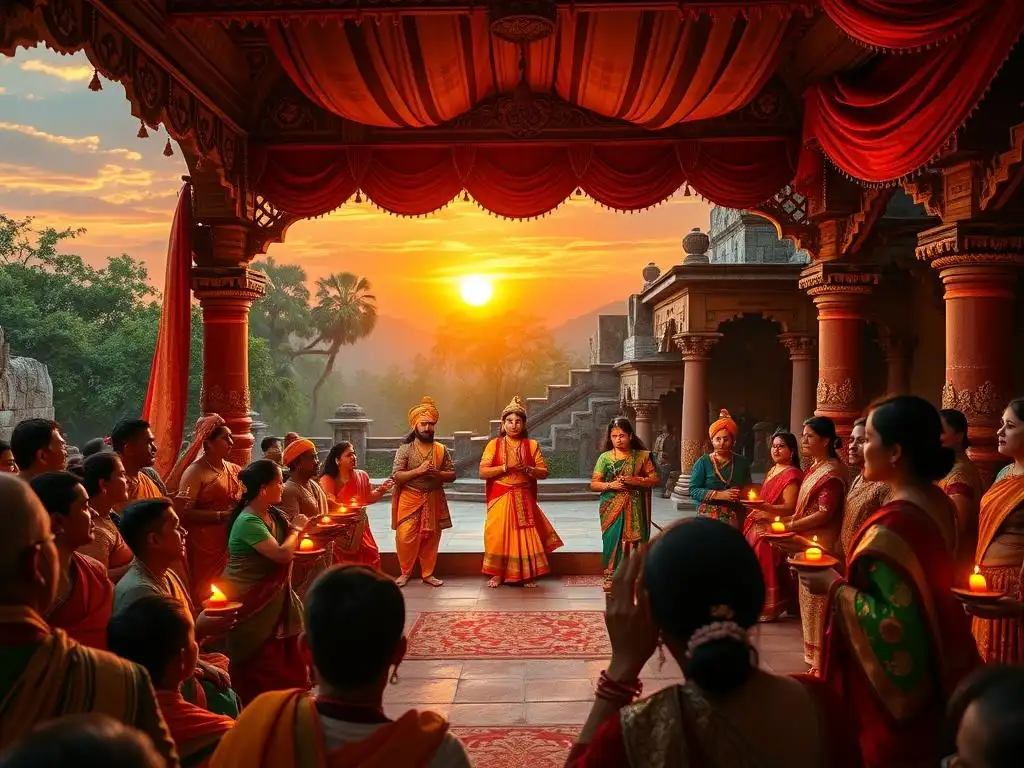
Welcome to Ancient India History, where we delve into the vibrant tapestry of one of the world's oldest civilizations. Here, we explore the intricate dance of culture, art, and ritual that shaped the lives of ancient Indians. In our featured article, "The Significance of Rituals and Festivals in Ancient Indian Theater," we uncover the profound impact that ancient Indian theater rituals had on society, spirituality, and artistic expression. Join us on this fascinating journey through time, and discover how these age-old practices continue to resonate today. Your exploration of ancient wisdom and creativity begins now!
- Introduction to Ancient Indian Theater Rituals
- Historical Context of Ancient Indian Theater
- The Importance of Rituals in Ancient Indian Theater
- Major Festivals Celebrated in Ancient Indian Theater
- The Symbolism of Rituals in Ancient Indian Performances
- Case Studies: Notable Examples of Rituals in Ancient Indian Theater
- The Legacy of Ancient Indian Theater Rituals
- Conclusion: The Enduring Significance of Rituals and Festivals in Ancient Indian Theater
-
Frequently Asked Questions
- What role did rituals play in ancient Indian theater?
- How did festivals influence theatrical performances in ancient India?
- What are some examples of theater rituals in ancient Indian culture?
- How did the Gupta Empire contribute to the development of theater rituals?
- Are there modern influences of ancient Indian theater rituals today?
- Final Reflection: The Enduring Legacy of Ancient Indian Theater Rituals
- Embrace the Spirit of Ancient Indian Theater!
Introduction to Ancient Indian Theater Rituals
The rich tapestry of ancient Indian theater is woven with vibrant threads of culture, spirituality, and artistic expression. Central to this intricate fabric are the rituals and festivals that not only shaped theatrical performances but also reflected the ethos of ancient Indian society. From the mesmerizing dance of the Natya Shastra to the lively narratives of folk theater, rituals played a pivotal role in establishing a connection between the divine and the audience. This article delves into the significance of these rituals, exploring how they influenced the evolution of ancient Indian theater and contributed to its enduring legacy.
Understanding the Role of Rituals in Ancient Indian Culture
Rituals in ancient Indian culture served as a bridge between the mundane and the sacred, encapsulating the beliefs, values, and practices of the time. They were not merely ceremonial acts; rather, they were imbued with deep meanings and intentions.
- Spiritual Connection: Rituals facilitated a connection with the divine, allowing performers and audiences alike to transcend everyday realities. For instance, the invocation of deities at the beginning of a performance was a common practice that sought blessings for a successful enactment.
- Cultural Transmission: Through rituals, stories and teachings were passed down generations, ensuring the continuity of cultural heritage. The dramatization of epics like the Mahabharata and Ramayana during festivals often involved elaborate rituals that reinforced moral and ethical lessons.
- Community Bonding: Rituals fostered community spirit, uniting people in shared experiences. The collective participation in theatrical performances during festivals created a sense of belonging and identity among audiences.
Overview of Festivals and Their Significance in Theater
Festivals in ancient India were vibrant celebrations that intertwined with theatrical performances, enriching the overall experience. They served as platforms for showcasing various art forms, including dance, music, and drama, often centered around significant themes.
- Religious Festivals: Religious festivals such as Navaratri and Diwali featured theatrical performances that depicted stories of gods and goddesses, thereby reinforcing religious beliefs and practices.
- Seasonal Celebrations: Seasonal festivals like Holi and Makar Sankranti encompassed theatrical elements, blending joy and merriment with storytelling. These performances often reflected agricultural cycles, emphasizing the symbiotic relationship between nature and society.
- Cultural Significance: Festivals not only provided entertainment but also served as a medium for cultural expression and preservation. The rituals associated with these festivals helped to maintain the essence of ancient Indian theater, ensuring its relevance through centuries.
The exploration of ancient Indian theater rituals reveals their profound impact on the artistic landscape of the time. By understanding their role within the broader context of rituals and festivals, we can appreciate the intricate connections that shaped the evolution of this vibrant art form.
Historical Context of Ancient Indian Theater
Evolution of Theater in Ancient India
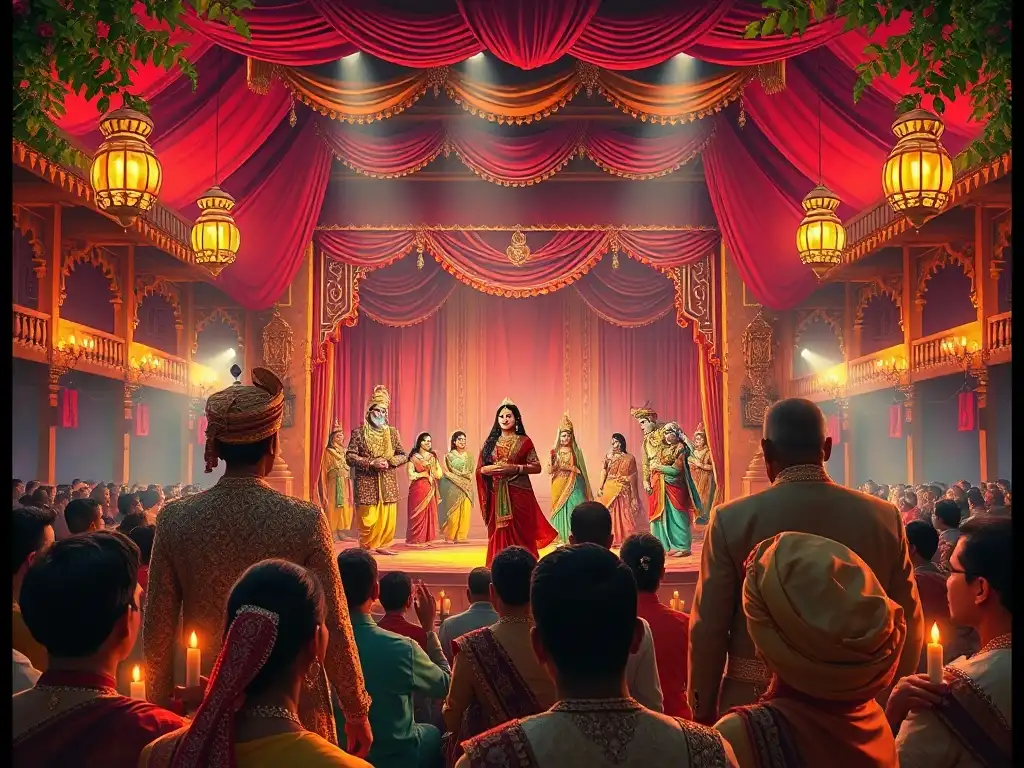
The evolution of ancient Indian theater is deeply intertwined with the cultural and religious practices of the time. Theater in India traces its roots back to the Vedic period, approximately 1500 BCE, where performance elements were predominantly ritualistic. The earliest forms of theater were not merely for entertainment; they served a dual purpose of spiritual and communal engagement.
The transition from ritual to performance can be observed in texts like the Natyashastra, attributed to the sage Bharata Muni, which codifies the principles of drama, music, and dance. This ancient treatise delineates the importance of 'Rasa' (aesthetic experience) and 'Bhava' (emotional states), which became foundational to Indian theater. The Natyashastra emphasizes the role of rituals and festivals in theatrical presentations, highlighting how these events were imbued with spiritual significance and community participation.
As time progressed, various forms of theater emerged, including Natya (dance-drama) and Tamasha (folk theater). Each of these forms incorporated elements from local traditions, reflecting the diverse cultural tapestry of ancient India. For instance, the influence of Bhakti movements in the medieval period introduced devotional themes into performances, further evolving the landscape of Indian theater.
Key Historical Periods Influencing Theater Development
Several key historical periods significantly influenced the development of ancient Indian theater, each contributing unique elements to its rich tapestry:
- Vedic Period (1500–500 BCE):
- Theatrical expressions were closely linked to religious rituals.
- Performance often included chants and recitations during sacrifices and festivals.
- Mauryan Period (322–185 BCE):
- The reign of Emperor Ashoka saw the promotion of arts, including theater.
- The establishment of Buddhist monasteries contributed to the production of plays that often depicted moral tales.
- Gupta Period (c. 240–550 CE):
- Considered the Golden Age of Indian arts, this period saw a flourishing of classical theater.
- Prominent playwrights like Kalidasa and Bhasa emerged, creating works that integrated Rasa and Bhava effectively.
- Medieval Period (c. 600–1700 CE):
- The rise of regional languages led to the multiplication of folk and classical theater forms.
- Festivals became integral to theatrical performances, with local deities often being celebrated through dramatizations.
- Mughal Period (1526–1857 CE):
- Persian influences introduced new themes and styles into Indian theater.
- The synthesis of various art forms led to the emergence of elaborate court performances and dance dramas.
Throughout these periods, rituals and festivals played a critical role in shaping the performances, serving not just as occasions for entertainment but as vital expressions of community identity and cultural heritage. The integration of mythology, spirituality, and social commentary in these performances reflects the profound significance of ancient Indian theater rituals in the broader context of Indian civilization.
The evolution of ancient Indian theater is marked by a rich interplay of historical influences and cultural expressions, where rituals and festivals remain central to its enduring legacy.
The Importance of Rituals in Ancient Indian Theater
Defining Rituals in the Context of Theater
In ancient Indian theater, rituals were not merely performances; they were sacred acts imbued with deep cultural and spiritual significance. Rituals in this context can be defined as structured ceremonies or practices that incorporate symbolic actions, often aimed at invoking divine presence or seeking blessings for a successful performance. These rituals were integral to the overall theatrical experience, creating a bridge between the mundane and the divine.
Theater practitioners, including playwrights, actors, and musicians, often engaged in specific rituals before the performance. These could include:
- Prayers and Offerings: Actors would offer flowers, incense, or food to deities to seek their favor.
- Purification Rites: Ritual baths or the application of sacred ash were common to purify the body and mind.
- Invocation of Deities: Specific chants or mantras were recited to invite divine energy into the performance space.
These practices not only set the stage for the performance but also established a sacred atmosphere that elevated the art of storytelling to a spiritual level.
How Rituals Enhanced the Performance Experience
Rituals played a crucial role in enhancing the performance experience in ancient Indian theater by engaging both performers and audiences in a shared cultural narrative. The rituals were designed to create a heightened sense of awareness and participation, leading to a more immersive experience. Here are some ways in which rituals enhanced the performance:
- Creating a Sacred Space: Rituals transformed the performance area into a sacred space, marked by specific symbols and offerings. This environment allowed both performers and spectators to immerse themselves fully in the unfolding drama.
- Emotional Connection: By invoking deities and spirituality, rituals helped actors connect emotionally with their roles. This emotional depth resonated with the audience, making the performance more impactful.
- Cultural Transmission: Rituals served as a medium for transmitting cultural values and beliefs. By participating in these rituals, audiences were reminded of their heritage, which reinforced their connection to the performance.
The integration of rituals into theatrical performances thus elevated the art form, making it an essential part of the cultural fabric of ancient India.
The Relationship Between Rituals and Audience Engagement
Audience engagement in ancient Indian theater was significantly influenced by the rituals embedded within the performances. The relationship between rituals and audience participation can be understood through several key aspects:
- Active Participation: Audiences were not passive observers; they were often invited to partake in certain rituals. This could involve chanting, clapping, or responding to the actors, creating a communal atmosphere.
- Ritualized Responses: The audience's responses during the performance were often ritualized. Specific gestures or sounds would signal appreciation or reverence, reinforcing the connection between the audience and the performers.
- Collective Experience: Rituals fostered a sense of community among the audience, as they collectively engaged in shared cultural and spiritual practices. This collective experience heightened the emotional impact of the performance, creating lasting memories.
The interplay between ancient Indian theater rituals and audience engagement was a vital component that not only enriched the performances but also strengthened the cultural identity of the spectators. By weaving rituals into the fabric of theater, ancient Indian civilizations created a dynamic art form that celebrated both the divine and the human experience.
Major Festivals Celebrated in Ancient Indian Theater
Overview of Prominent Festivals Linked to Theater
Ancient Indian theater was deeply intertwined with the cultural fabric of society, and its rituals were often aligned with major festivals that celebrated various deities, seasons, or historical events. These festivals provided a vibrant backdrop for theatrical performances, allowing them to flourish as a medium of expression and communal bonding. The festivals acted as a catalyst for creativity, enabling dramatists to weave narratives that reflected the ethos and values of their time.
Some of the most prominent festivals linked to ancient Indian theater include:
- Navaratri: A nine-night festival dedicated to the worship of the goddess Durga, which is marked by dance, music, and theatrical performances.
- Diwali: Known as the festival of lights, Diwali celebrates the victory of light over darkness and often features dramatic reenactments of mythological stories.
- Holi: The festival of colors, where vibrant street performances and plays are common, celebrating the arrival of spring and the triumph of good over evil.
These festivals not only served as occasions for performances but also as platforms for the community to engage with their cultural heritage, fostering a sense of identity and continuity through art.
Specific Festivals and Their Unique Rituals
The unique rituals associated with each festival contributed significantly to the thematic depth and cultural significance of ancient Indian theater. Below are detailed examinations of specific festivals and the rituals that characterized them.
Navaratri and Its Theater Rituals
Navaratri is a major festival that spans nine nights and is dedicated to the worship of the goddess Durga. This festival holds immense importance in ancient Indian theater, as it encompasses various theatrical forms, including Garba and Dandiya Raas, which are traditional dance performances.
- Rituals and Performances:
- Dramatic Enactments: Navaratri features dramatic reenactments of episodes from the Devi Mahatmya, where performers embody the goddess Durga and her battle against malevolent forces. These performances serve to educate and inspire devotion among the audience.
- Community Participation: The rituals include collective dance forms, where participants not only observe but actively engage in the performances, creating a sense of unity and shared cultural identity.
The integration of music, dance, and storytelling during Navaratri enhances the spiritual atmosphere, making it a significant occasion for theatrical expression.
Diwali and Its Cultural Significance
Diwali, the festival of lights, symbolizes the victory of good over evil and is celebrated with great enthusiasm across India. It is marked by various rituals, including lighting lamps, decorating homes, and performing traditional plays.
- Theatrical Elements:
- Mythological Dramas: During Diwali, performances often include reenactments of the Ramayana, particularly the return of Lord Rama to Ayodhya, which is celebrated through elaborate drama. These performances are essential in imparting moral lessons and cultural values.
- Fireworks and Visual Spectacles: The use of fireworks is not merely for celebration; it also enhances the theatrical experience, symbolizing the joy of the occasion and adding a visual grandeur to the performances.
The cultural significance of Diwali in ancient Indian theater lies in its ability to convey profound narratives while fostering communal harmony and cultural pride. The blending of rituals and theatrical performance during this festival showcases the rich tapestry of ancient Indian culture, ensuring that traditions are preserved and celebrated through the arts.
By examining the major festivals and their associated rituals, we gain a deeper understanding of how ancient Indian theater was not only a form of entertainment but a vital component of cultural identity and religious expression. The interconnection between festivals and theater rituals highlights the significance of these art forms in shaping the societal landscape of ancient India.
The Symbolism of Rituals in Ancient Indian Performances
Analyzing the Symbolic Elements of Rituals
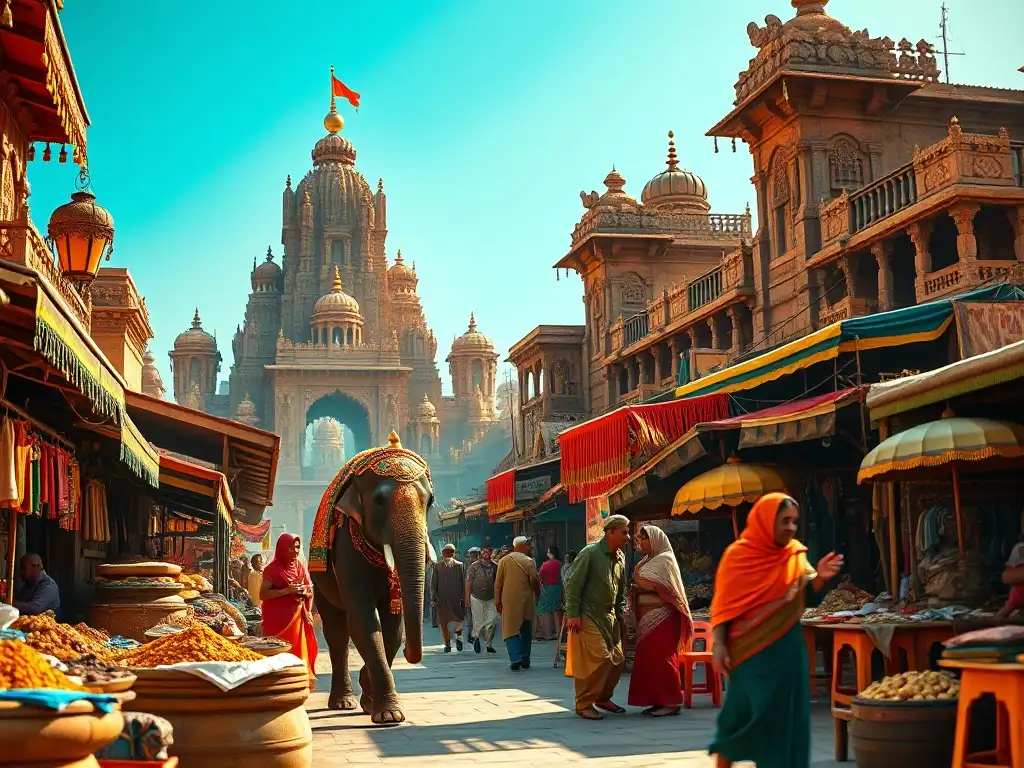
Rituals in ancient Indian theater were not mere acts of performance; they were deeply symbolic, reflecting the cultural, spiritual, and social ethos of the time. Each ritual carried with it a set of meanings that transcended the surface-level actions and dialogues, inviting the audience to engage with the performance on multiple levels.
-
Connection to the Divine:
Rituals often served as a bridge between the earthly and the divine. For example, performers would invoke deities through specific rituals, believing that their presence blessed the performance. This connection was seen in the invocation of Nava Durga during the Durga Puja performances, where each act symbolized elements of the goddess's power.
-
Cycles of Nature:
Many ancient Indian theater rituals were linked to seasonal changes and agricultural cycles. The Natyashastra, an ancient treatise on performing arts, emphasizes the importance of aligning performances with nature's rhythms. Festivals like Makar Sankranti celebrated the harvest, and performances during this time reflected themes of abundance and renewal, illustrating the cyclical nature of life.
-
Social Commentary:
Rituals often served as a medium for social commentary, allowing performers to critique societal norms and injustices. Through allegorical representations, they could address issues such as caste dynamics or gender roles. The use of symbolic characters—like the wise king or the oppressed maiden—enabled audiences to reflect on their own lives while engaging with the performance.
The Role of Mythology in Shaping Theater Rituals
Mythology played a crucial role in shaping the rituals of ancient Indian theater, serving as both a source of inspiration and a framework for narrative structure. The intertwining of mythological elements into performance rituals enriched the theatrical experience, creating a multi-layered narrative that resonated deeply with audiences.
-
Incorporation of Epics:
Many theater rituals drew directly from the great Indian epics, such as the Mahabharata and the Ramayana. These epics provided rich narratives that performers adapted for various festivals and rituals, infusing the performances with elements of heroism, morality, and divine intervention. The performance of Ramlila, a dramatic reenactment of the Ramayana, showcases how mythology can be brought to life through theater rituals, instilling cultural values and teachings.
-
Character Archetypes:
Mythological characters often served as archetypes that transcended individual stories, allowing for a shared cultural understanding among audiences. Characters like Rama, Krishna, and Durga embodied certain virtues and vices, becoming symbols that audiences could relate to. The rituals surrounding their portrayals in theater not only highlighted their narratives but also reinforced moral lessons and cultural identity.
-
Festivals as Mythological Reenactments:
Many festivals in ancient India were essentially reenactments of mythological events, deeply intertwined with theater rituals. For instance, the Navaratri festival involves nine nights of worship and theater performances that depict the battle between Durga and the buffalo demon Mahishasura. These reenactments serve to celebrate the triumph of good over evil while reinforcing community bonds through shared cultural experiences.
The significance of rituals in ancient Indian theater cannot be overstated. They served not only to entertain but also to educate, critique, and connect audiences with their rich cultural heritage. The interplay of symbolism and mythology continues to influence modern interpretations of ancient Indian theater, ensuring that these rituals remain relevant in contemporary performances.
Case Studies: Notable Examples of Rituals in Ancient Indian Theater
The Mahabharata and Its Theatrical Adaptations
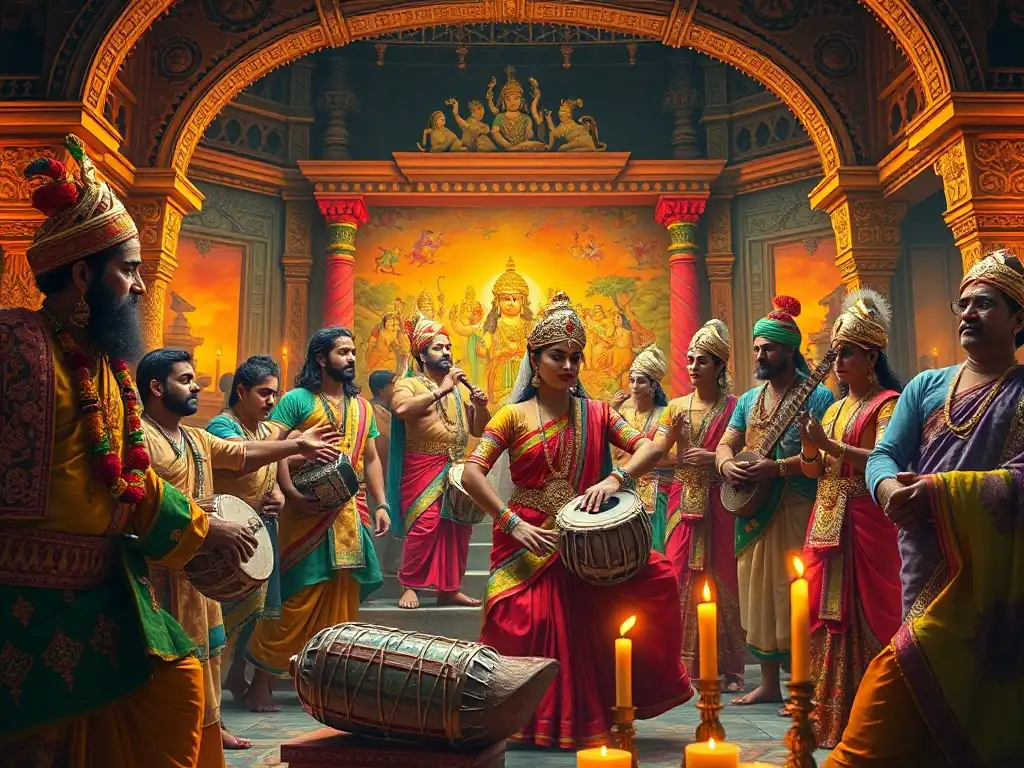
The Mahabharata, one of the two major Sanskrit epics of ancient Indian literature, serves as a rich source of narratives that have significantly influenced the realm of ancient Indian theater rituals. The epic's vast scope, involving complex characters and profound themes, has encouraged various theatrical adaptations that integrate ritualistic elements, transforming storytelling into immersive performances.
Key Adaptations and Ritualistic Elements
- Natya Shastra Influence:
- The foundational text of Indian theatrical arts, Natya Shastra, authored by Bharata Muni, outlines the principles of drama, including the integration of music, dance, and narrative. The Mahabharata's adaptations often draw upon this text to enhance the ritualistic aspect of performances, which include:
- Dramatic Recitation: Central to many adaptations, this involves the recitation of verses from the Mahabharata, often accompanied by gestures (mudras) that signify various emotions and actions.
- Costuming and Symbolism: Performers adorn themselves in elaborate costumes that symbolize their characters, rooted in the epic. This not only adds a visual spectacle but also reinforces the ritualistic connection to the divine and moral teachings of the text.
- The foundational text of Indian theatrical arts, Natya Shastra, authored by Bharata Muni, outlines the principles of drama, including the integration of music, dance, and narrative. The Mahabharata's adaptations often draw upon this text to enhance the ritualistic aspect of performances, which include:
- Rituals in Performance:
- Certain performances of the Mahabharata, especially those held during religious festivals, incorporate rituals such as:
- Puja (Worship): Before the performance, a puja is often conducted to seek blessings from deities, establishing a sacred atmosphere that elevates the theatrical experience.
- Sankalp (Resolution): The performers may express their intent to present the story faithfully, invoking the audience's participation in the ritual of storytelling.
- Certain performances of the Mahabharata, especially those held during religious festivals, incorporate rituals such as:
The Rath Yatra Festival and Its Impact on Theater
The Rath Yatra, or the Chariot Festival, primarily associated with the Jagannath temple in Puri, Odisha, is one of the most significant religious festivals in India. This festival not only celebrates the deities Jagannath, Balabhadra, and Subhadra but also serves as a vibrant platform for ancient Indian theater rituals.
Theatrical Elements of Rath Yatra
- Processional Drama:
- The Rath Yatra features a grand procession where large chariots carry the deities through the streets, transforming the event into a theatrical spectacle. The following theatrical elements are notable:
- Street Theater: Local artists perform traditional dramas and dances along the procession route, drawing from mythological narratives and local folklore.
- Participatory Rituals: Audiences become active participants, engaging in the ritual performance through singing, dancing, and reenacting scenes from the deities' lives.
- The Rath Yatra features a grand procession where large chariots carry the deities through the streets, transforming the event into a theatrical spectacle. The following theatrical elements are notable:
- Cultural Integration:
- This festival exemplifies the blending of various art forms, where rituals and performances coexist:
- Dance and Music: Traditional dances such as Odissi and folk music accompany the chariot procession, enriching the sensory experience of the festival.
- Community Involvement: The Rath Yatra fosters a sense of community, where people from diverse backgrounds come together to partake in the rituals and celebrate through theater.
- This festival exemplifies the blending of various art forms, where rituals and performances coexist:
The Mahabharata and the Rath Yatra festival exemplify how ancient Indian theater rituals are intricately woven into the fabric of cultural expression. These case studies highlight the significance of rituals in enhancing the theatrical experience, ensuring that the performances resonate with the audience on both spiritual and emotional levels. Through these rich traditions, the essence of ancient Indian theater continues to thrive, embodying the collective memory and identity of its people.
The Legacy of Ancient Indian Theater Rituals
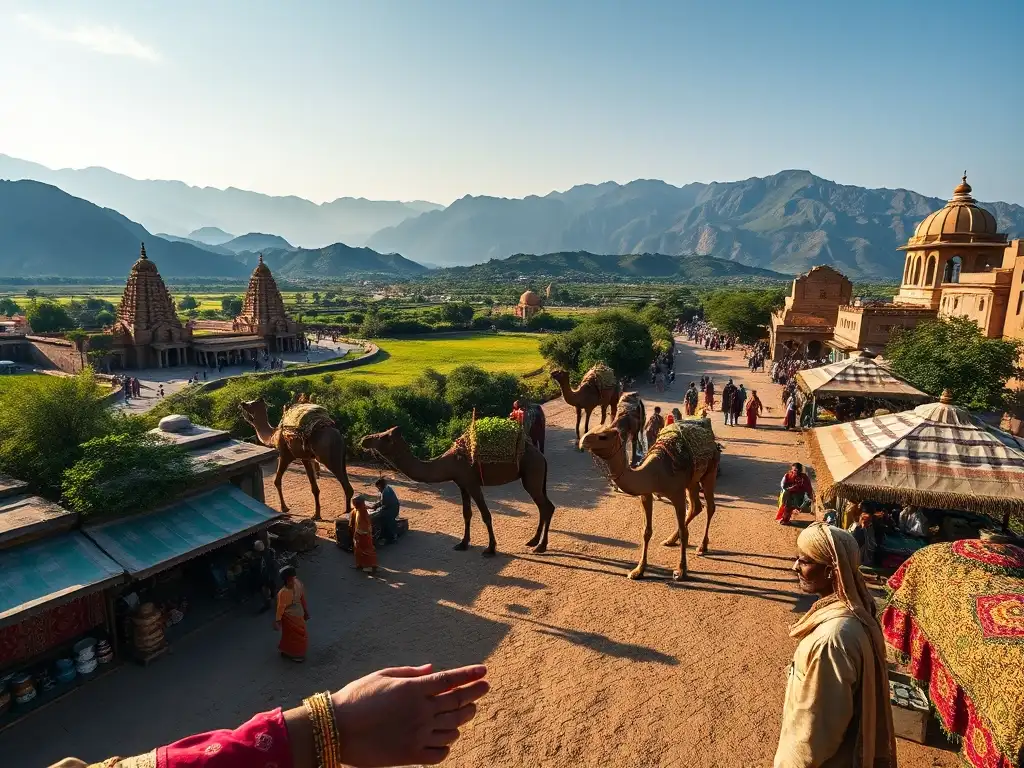
The legacy of ancient Indian theater rituals is deeply embedded in the cultural fabric of the subcontinent, illustrating the significance of performance as a medium for spiritual expression, community bonding, and storytelling. These rituals, which date back to the Vedic period and evolved through various dynasties, such as the Maurya and Gupta, have left an indelible mark on the arts.
Influence on Contemporary Indian Theater Practices
The influence of ancient Indian theater rituals on contemporary practices can be observed in several key aspects:
- Integration of Spirituality: Many modern Indian theater productions still incorporate elements of spirituality, reflecting ancient beliefs. Ritualistic offerings and prayers are often performed before a show, echoing the respect and reverence for the art form seen in ancient times.
- Use of Symbolism: Ancient Indian theater was rich in symbolism, using gestures and expressions to convey complex narratives. Today, contemporary theater often employs similar techniques, utilizing mudras (hand gestures) and abhinaya (expression) to enhance storytelling.
- Festivals as Performance Platforms: Many contemporary performances are staged during festivals, a practice rooted in ancient rituals. Events like Navaratri and Diwali showcase theatrical performances that highlight cultural stories and religious themes, bridging the past with the present.
- Community Engagement: Ancient rituals were communal events, and modern theater continues this tradition by involving local communities in productions. This not only fosters a sense of belonging but also revitalizes interest in traditional narratives.
The table below summarizes the key influences:
| Aspect | Ancient Rituals | Contemporary Practices |
|---|---|---|
| Spirituality | Ritual offerings before performances | Pre-show prayers and offerings |
| Symbolism | Use of gestures and expressions | Modern use of mudras and abhinaya |
| Festivals | Theatrical performances during festivals | Staging productions during cultural festivals |
| Community Engagement | Communal participation in rituals | Involvement of local communities in theater |
Preservation of Rituals in Modern Performances
The preservation of ancient theater rituals in modern performances is crucial for maintaining cultural heritage. Here are some ways in which these rituals are kept alive:
- Revival of Traditional Forms: Many theater groups focus on reviving traditional forms like Kathakali, Koodiyattam, and Nautanki, which are steeped in ancient rituals. By studying and implementing age-old practices, artists ensure that these forms remain relevant.
- Education and Workshops: Educational institutions and theater companies conduct workshops that teach ancient ritualistic practices. This not only preserves the techniques but also introduces a new generation of performers to the richness of their heritage.
- Adaptation and Innovation: While preserving ancient rituals, many modern artists also innovate by blending traditional practices with contemporary themes. This fusion keeps the essence of ancient rituals alive while making them accessible to today’s audiences.
- Documentation and Research: Scholars and practitioners are increasingly documenting these rituals, ensuring that the knowledge is not lost. Research into ancient texts, such as the Natyashastra, provides insights into the performance practices of that era.
By actively engaging with these preservation efforts, contemporary artists honor the legacy of ancient Indian theater rituals and ensure their continuation for future generations.
The rituals intrinsic to ancient Indian theater have not only shaped the past but continue to influence and enrich modern theatrical practices, ensuring that the cultural narratives and artistic expressions of ancient civilizations remain vibrant and relevant.
Conclusion: The Enduring Significance of Rituals and Festivals in Ancient Indian Theater
The rituals and festivals that characterized ancient Indian theater were not merely celebratory events; they served as vital connectors between the spiritual and the artistic realms. These rituals were deeply embedded in the cultural fabric of society, reflecting the beliefs, traditions, and values of the time. They provided a framework through which stories were told and moral lessons were imparted, making them an essential aspect of the performance arts.
The significance of these rituals extends beyond their immediate context. They encapsulated the essence of communal participation, fostering a sense of belonging and collective identity among the audience. From the elaborate ceremonies performed prior to a theatrical performance to the role of the audience in the enactment of myths and legends, every aspect contributed to a shared cultural experience that transcended individual interpretation.
Reflections on Cultural Heritage and Artistic Expression
Ancient Indian theater rituals exemplify a rich tapestry of cultural heritage that continues to inspire contemporary practices. These rituals were not static; they evolved over time, incorporating diverse influences while maintaining their core essence. For example, the integration of local traditions into classical performances allowed for a dynamic interplay between various art forms, showcasing the adaptability and resilience of ancient Indian theater.
The artistic expressions found in these rituals were often tied to the socio-political context of the time. They served as platforms for social commentary, allowing artists to critique and reflect upon societal norms. This dual role of entertainment and reflection is crucial for understanding the relevance of ancient Indian theater rituals today.
Moreover, the intricate choreography, music, and costume design associated with these performances were pivotal in conveying the intended message. Each element, from the use of specific colors to the selection of instruments, held symbolic meanings that enriched the narrative experience. As contemporary artists draw inspiration from these ancient practices, they often seek to revive and reinterpret these rituals, ensuring their survival in modern theatrical expressions.
The Future of Ancient Indian Theater Rituals in a Global Context
In an increasingly interconnected world, the future of ancient Indian theater rituals appears promising, yet complex. The globalization of arts has led to a blending of traditions, where ancient practices can find new life in contemporary settings. However, this also raises questions about authenticity and cultural appropriation. It is essential for practitioners and audiences alike to engage with these traditions respectfully and knowledgeably.
Efforts to preserve and promote ancient Indian theater rituals are crucial for their survival. Initiatives such as workshops, festivals, and educational programs can play a significant role in keeping these practices alive. By fostering a dialogue between past and present, artists can create innovative performances that resonate with modern audiences while honoring their historical roots.
Furthermore, the digital age offers unique opportunities for the dissemination of ancient Indian theater rituals. Online platforms can serve as venues for global audiences to engage with these rich traditions, facilitating cross-cultural exchanges that enrich everyone involved. As we move forward, the challenge will be to balance the preservation of these rituals with the need for innovation and adaptation in a rapidly changing artistic landscape.
The ancient Indian theater rituals, with their profound significance and historical depth, offer invaluable insights into our cultural heritage. By recognizing their importance and exploring their future within a global context, we can ensure that these vibrant traditions continue to thrive and inspire generations to come.
Frequently Asked Questions
What role did rituals play in ancient Indian theater?
Rituals were integral to ancient Indian theater, as they served to connect the performance with spiritual and cultural traditions, enhancing the overall experience for the audience.
How did festivals influence theatrical performances in ancient India?
Festivals provided a vibrant backdrop for theatrical performances, often incorporating mythology and rituals that celebrated deities, thereby enriching the cultural context of the plays.
What are some examples of theater rituals in ancient Indian culture?
Examples include the Natyashastra, which outlines various ritualistic practices in theater, and the use of music and dance as essential components of performances, often linked to religious observances.
How did the Gupta Empire contribute to the development of theater rituals?
The Gupta Empire marked a golden age for arts, where theater rituals flourished, with emphasis on classical dramas that blended religious themes with performance arts, establishing a lasting legacy.
Are there modern influences of ancient Indian theater rituals today?
Yes, many modern Indian performances still draw inspiration from ancient theater rituals, incorporating traditional elements and themes that reflect the rich cultural heritage of India.
Final Reflection: The Enduring Legacy of Ancient Indian Theater Rituals
The exploration of ancient Indian theater rituals reveals their profound significance in shaping cultural identity and community cohesion. In today's fast-paced world, where individualism often overshadows collective experiences, the rituals and festivals that once brought people together in celebration and reflection remain strikingly relevant. They serve as a reminder of the power of shared traditions to foster connection and understanding among diverse groups.
The influence of these rituals extends beyond the stage, permeating the very fabric of society and culture. They remind us of the importance of storytelling and performance in preserving history and values. As we witness a resurgence of interest in cultural heritage, we can appreciate how these ancient practices continue to inspire contemporary art forms and community gatherings. Rituals are the threads that weave the fabric of our shared humanity.
As you reflect on the significance of ancient Indian theater rituals, consider how you can incorporate elements of tradition and community into your own life. Embrace the lessons of connection, creativity, and celebration that these rituals offer, and seek ways to honor your own cultural heritage. By doing so, you not only enrich your personal experience but also contribute to a broader tapestry of shared human experience that transcends time and place.
Embrace the Spirit of Ancient Indian Theater!
Thank you for diving into the fascinating world of rituals and festivals in ancient Indian theater! You’ve uncovered the rich traditions that shaped performances and cultural expressions. Now, let’s take these insights to the next level and bring this history to life!
- Dive deep into your own heritage: Research a local festival or ritual that resonates with you and share your findings with friends or family.
- Attend a cultural performance: Look for events in your area that celebrate these ancient traditions—experience the magic firsthand!
- Join our community discussion: Share your thoughts and insights in the comments below or connect with fellow enthusiasts on our social media platforms.
What rituals or festivals do you think should be reintroduced in modern performances to keep the spirit of ancient Indian theater alive?