
The Influence of Ancient Indian Theater on Southeast Asian Performing Arts

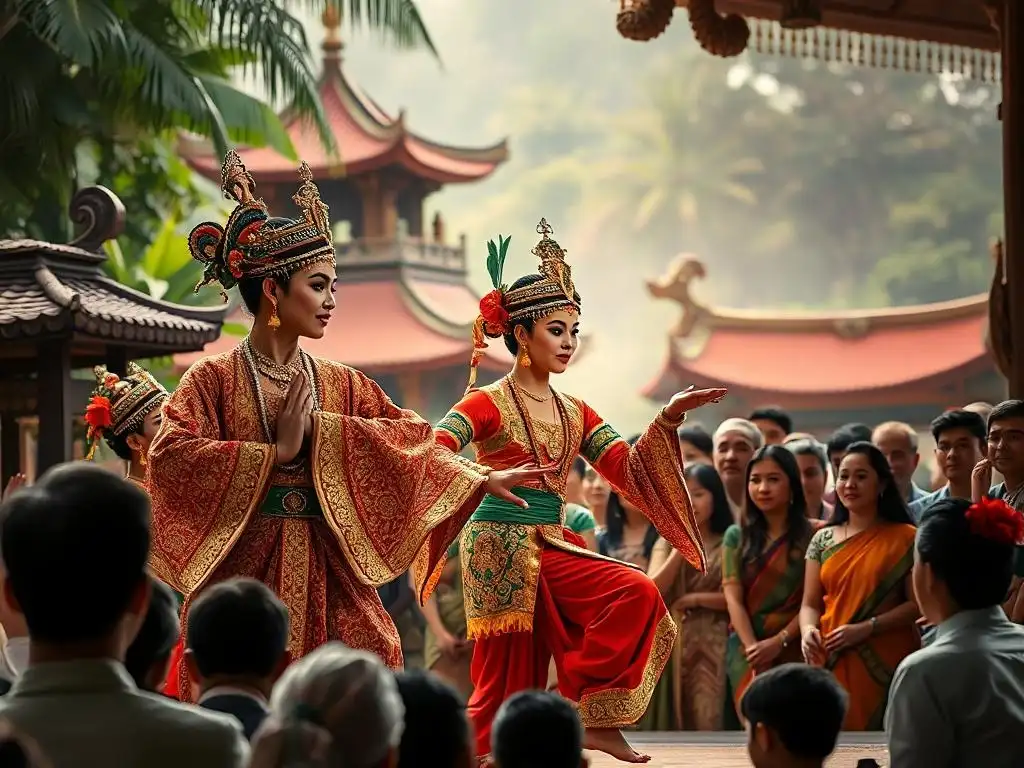
Welcome to Ancient India History, where we delve into the captivating tapestry of ancient Indian civilizations and their profound impact on the world. In this exploration, we invite you to uncover the fascinating influence of ancient Indian theater on Southeast Asian performing arts. How did the dramatic expressions of our ancestors shape the artistic landscapes of neighboring cultures? Join us as we unravel the threads of history, culture, and creativity that connect these vibrant traditions, sparking your curiosity and encouraging you to journey deeper into the rich heritage of ancient India.
Introduction to Ancient Indian Theater Influence
The influence of ancient Indian theater extends far beyond the subcontinent, weaving its way into the cultural fabric of Southeast Asia. From the intricate storytelling techniques to the vibrant performance styles, the theatrical traditions of India have left an indelible mark on the performing arts of neighboring regions.
This article delves into the various dimensions of this influence, exploring how ancient Indian theater shaped the dramatic expressions of Southeast Asia and fostered a rich exchange of artistic ideas. By examining the roots of Indian theater and its profound impact, we gain insights into the interconnectedness of cultural heritage across borders.
Overview of Ancient Indian Theater
Ancient Indian theater is characterized by its diverse forms and rich history, dating back to the Vedic period (circa 1500–500 BCE). The performances were not merely entertainment; they were integral to religious rituals and societal functions. Key elements of ancient Indian theater include:
- Dramatic Narratives: Combining myth, history, and moral lessons.
- Dance and Music: Vital components that enhanced storytelling and emotional expression.
- Costumes and Makeup: Elaborate designs that conveyed character and status.
The most celebrated form of this theater is the Natya, which encompassed various genres, including tragedy, comedy, and dance-drama. The theatrical presentations were often staged in temples or open spaces, attracting diverse audiences and promoting community engagement.
Importance of Theater in Ancient Indian Culture
Theater in ancient India served multiple purposes, functioning as a medium for both entertainment and education. It played a crucial role in:
- Cultural Transmission: Preserving stories, traditions, and values across generations.
- Social Commentary: Offering critiques of contemporary societal norms and practices.
- Spiritual Enlightenment: Facilitating a connection to the divine through performance.
Through these functions, ancient Indian theater not only entertained but also fostered a sense of identity and community among its audiences.
Historical Context of Ancient Indian Theater
To fully appreciate the influence of ancient Indian theater on Southeast Asian performing arts, it is essential to understand its historical context.
Origins of Indian Theater: Vedic and Post-Vedic Periods
The roots of Indian theater can be traced back to the Vedic period, where ritualistic performances laid the groundwork for later dramatic forms. The subsequent Post-Vedic period saw the emergence of a more structured theater, influenced by philosophical texts and cultural exchanges. By the time of the Mauryan Empire (circa 322–185 BCE), theater had evolved into a prominent art form, with performances becoming increasingly sophisticated and varied.
Key Texts: Natya Shastra and Its Significance
A pivotal text in understanding ancient Indian theater is the Natya Shastra, attributed to the sage Bharata Muni. Composed around the 2nd century BCE to the 2nd century CE, this comprehensive treatise covers various aspects of theater, including:
- Dramatic Structure: Guidelines on plot development and character arcs.
- Performance Techniques: Insights into acting, dance, and music.
- Aesthetic Principles: Theories of rasa (emotional flavor) that govern the emotional impact of performances.
The Natya Shastra not only codified the theatrical arts but also served as a foundation for subsequent generations of artists, influencing the theater and performing arts across Asia, particularly in regions like Southeast Asia, where similar traditions began to flourish.
The Spread of Ancient Indian Theater to Southeast Asia
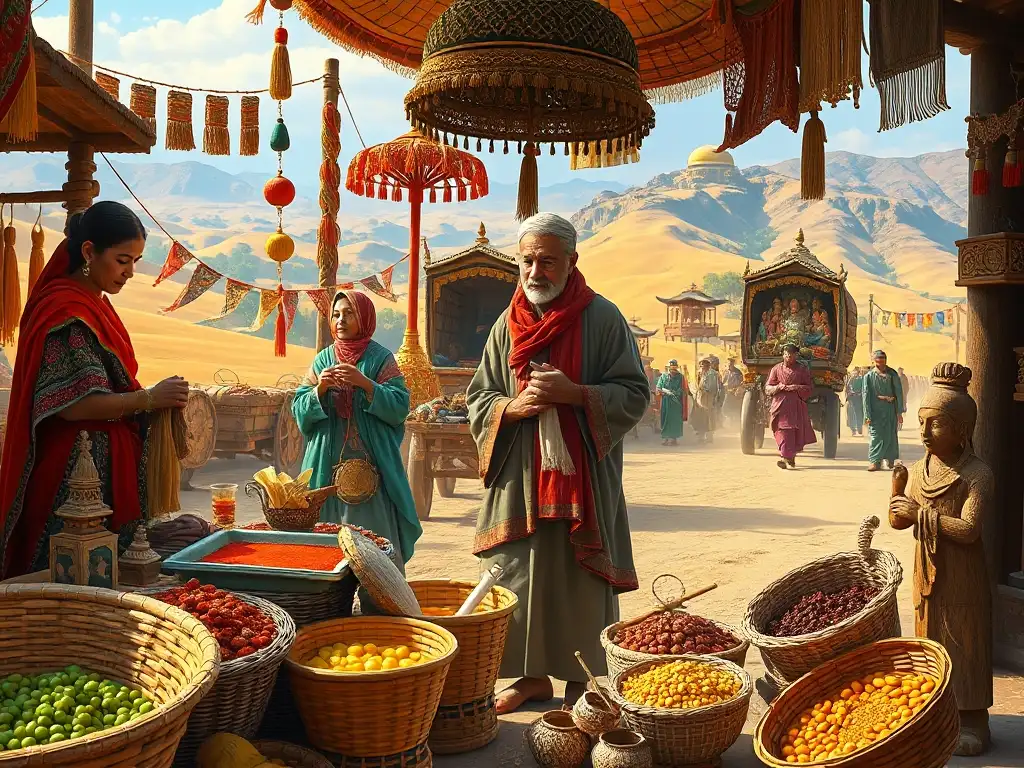
The influence of ancient Indian theater on Southeast Asian performing arts is a profound testament to the cultural exchanges and interactions that occurred over centuries. This cultural diffusion was facilitated by various factors, leading to the adaptation and integration of Indian theatrical elements into the local performing arts of Southeast Asia. The journey of this influence can be traced through trade routes, historical events, and the shared themes found in both Indian and Southeast Asian narratives.
Trade Routes and Cultural Exchanges
The ancient trade routes, particularly the maritime Silk Route and overland pathways, played a pivotal role in the dissemination of Indian culture, including theater, to Southeast Asia. Merchants and travelers not only exchanged goods but also ideas, beliefs, and art forms.
- Maritime Trade: Indian traders sailed to Southeast Asian ports such as Funan, Srivijaya, and the Malay Archipelago, bringing with them not only spices and textiles but also stories, dramas, and theatrical practices.
- Cultural Interactions: These interactions were enriched by the blending of Hindu and Buddhist philosophies, which often served as the foundation for the themes and narratives in both Indian and Southeast Asian performances.
- Local Adaptations: As Indian theater elements were introduced, local cultures began to adapt these influences, resulting in unique forms of theater that reflected indigenous traditions and languages.
Historical Events Influencing the Spread of Theater
Several historical events significantly impacted the spread of ancient Indian theater to Southeast Asia:
- The Spread of Hinduism and Buddhism: The introduction of Hinduism and Buddhism to Southeast Asia during the 1st millennium CE facilitated the acceptance of Indian artistic expressions, including theater. Temples often served as venues for performances that illustrated religious narratives.
- Regional Kingdoms: The rise of powerful kingdoms in Southeast Asia, such as the Khmer Empire and the Majapahit Empire, encouraged the patronage of the arts, including theatrical performances that drew heavily from Indian epics like the Ramayana and Mahabharata.
- Cultural Syncretism: The fusion of Indian narratives with local folklore resulted in new performance styles. For instance, the wayang kulit (shadow puppetry) in Indonesia showcases Indian influence mixed with local storytelling traditions.
Key Elements of Ancient Indian Theater
Ancient Indian theater is characterized by specific elements that have also found resonance in Southeast Asian performing arts. These elements include distinctive themes, narratives, and performance techniques that have been adapted and transformed over time.
Themes and Narratives in Ancient Indian Plays
The themes and narratives prevalent in ancient Indian theater often revolved around morality, mythology, and the human experience, which continue to inspire Southeast Asian performances:
- Mythological Narratives: Many ancient Indian plays are based on epics and Puranic stories, exploring the lives of deities and heroic figures. These narratives often address dilemmas faced by characters, resonating with audiences across cultures.
- Moral Lessons: Plays frequently conveyed moral teachings, a characteristic that has been embraced in Southeast Asian adaptations. The emphasis on dharma (duty/righteousness) serves as a central theme, encouraging reflection on ethical conduct.
- Cultural Identity: The incorporation of local legends alongside Indian narratives has helped shape a unique cultural identity in Southeast Asian theater, blending the universal with the localized.
Performance Techniques and Styles
The performance techniques and styles originating from ancient Indian theater have greatly influenced the theatrics of Southeast Asia:
- Dance and Music Integration: Indian theater traditionally combines dance, music, and drama, a feature that has been mirrored in various Southeast Asian forms, such as Thai Khon and Balinese Kecak, which incorporate intricate choreography and rhythmic musical accompaniment.
- Use of Symbolism: Symbolic gestures and elaborate costumes are hallmarks of both Indian and Southeast Asian performances. The use of masks and puppetry, as seen in Indonesian wayang, reflects the Indian tradition of embodying characters through stylized representations.
- Audience Interaction: Ancient Indian theater placed significant emphasis on audience engagement, a practice that has influenced Southeast Asian performing arts, where performers often interact with the audience to create a communal experience.
The rich tapestry woven from ancient Indian theater's influences continues to thrive in Southeast Asian performing arts, demonstrating the enduring legacy of cultural exchange across regions.
The Adaptation of Ancient Indian Theater in Southeast Asia
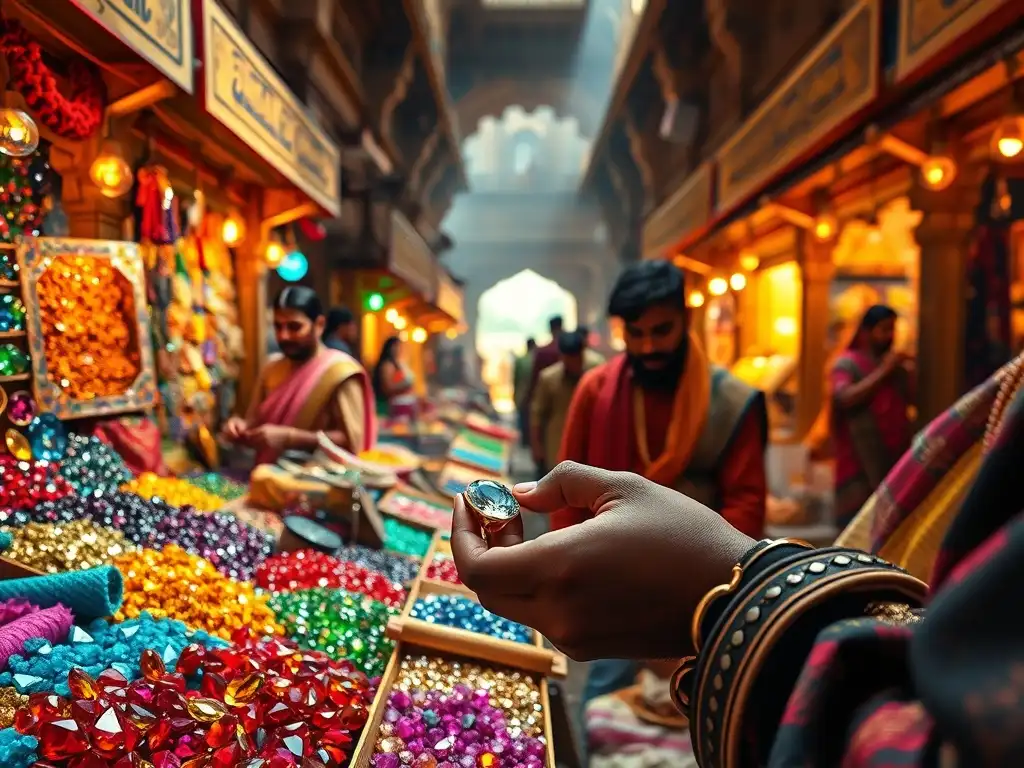
The adaptation of ancient Indian theater in Southeast Asia is a fascinating phenomenon that illustrates the cultural exchanges between India and its neighboring regions. This adaptation began as early as the 1st century CE, when Indian traders, monks, and travelers introduced various forms of theater and performance arts to Southeast Asian cultures. These influences were not merely imitative but were instead creatively integrated into local traditions, resulting in unique hybrid forms that retained the essence of Indian theatrical practices while also embracing local customs and narratives.
As Indian theater spread, it brought with it profound elements, such as the use of music, dance, and elaborate storytelling techniques. The Sanskrit dramas, particularly those of Kalidasa, were pivotal in shaping the narrative structures in Southeast Asian performances. The interaction between Indian and Southeast Asian performers led to the establishment of new genres that reflected both Indian and indigenous elements, showcasing the adaptability of theater as an art form.
Influences on Local Performative Traditions
The influence of ancient Indian theater on local performative traditions in Southeast Asia can be seen in various aspects. One significant area of influence is the incorporation of epic narratives, particularly from the Ramayana and Mahabharata, which became central to many Southeast Asian performance arts. These texts introduced complex characters, moral dilemmas, and cosmic battles that resonated with local audiences and provided rich material for storytelling.
Additionally, the dramatic use of music and dance from Indian theater enhanced the local performing arts, leading to the development of intricate performance styles. For instance, the Balinese and Javanese forms of Wayang Kulit (shadow puppetry) and Wayang Wong (dance drama) exhibit clear influences from Indian storytelling techniques, with their rhythmic chants and elaborate dances that echo classical Indian traditions.
The adaptation also involved the introduction of specific theatrical elements, such as the use of masks, elaborate costumes, and stage settings that mirrored Indian aesthetics. This melding of styles not only enriched local traditions but also helped to preserve Indian cultural narratives, giving rise to a vibrant tapestry of performance arts across the region.
Case Studies: Specific Southeast Asian Art Forms Influenced by Indian Theater
Several Southeast Asian art forms distinctly reflect the influence of ancient Indian theater. One prominent example is the Khmer classical dance, which incorporates intricate movements and storytelling derived from Indian epics. The dance performances often depict scenes from the Ramayana, showcasing the deep-rooted connection between Indian narratives and Khmer culture.
Another notable case is the Thai Khon, a masked dance-drama that draws heavily from the Ramayana. This art form emphasizes stylized movements, elaborate costumes, and an intricate choreography that reflects both Indian and local influences. The combination of music, dance, and narrative in Khon performances showcases the profound impact of ancient Indian theater on Thailand's artistic heritage.
Moreover, Filipino theater has also been shaped by Indian influences, particularly through the introduction of Indian epics during the pre-colonial period. The Komediya, a traditional form of theater in the Philippines, often incorporates themes and characters from Indian stories, reflecting the narrative styles that originated in ancient Indian theater.
Comparative Analysis of Ancient Indian and Southeast Asian Theater
A comparative analysis of ancient Indian and Southeast Asian theater reveals both remarkable similarities and significant differences that highlight the unique characteristics of each tradition.
Similarities in Themes and Narratives
One of the most striking similarities between ancient Indian and Southeast Asian theater is the thematic focus on mythology and epic narratives. Both traditions often explore grand themes such as love, heroism, dharma (duty), and the struggle between good and evil. The narratives from the Ramayana and Mahabharata serve as common threads that connect the two, providing a rich source of material for storytelling.
Additionally, both theatrical traditions utilize character archetypes that resonate with audiences. Heroes, divine beings, and mythical creatures often populate the stories, allowing for moral lessons to be conveyed through their journeys and conflicts. The emotional depth found in both Indian and Southeast Asian performances underscores the universality of human experiences, making the narratives relatable across cultures.
Differences in Performance Styles and Techniques
Despite these similarities, there are notable differences in performance styles and techniques between ancient Indian and Southeast Asian theater. For instance, Indian classical theater often emphasizes the use of Natya Shastra, a comprehensive treatise on performance arts that details aspects of acting, dance, and music. This structured approach to theater is less rigid in some Southeast Asian forms, allowing for more improvisational elements.
Moreover, the physicality and expressiveness of performances differ significantly. Indian theater often incorporates intricate facial expressions (abhinaya) and hand gestures (mudras) to convey emotions and narrative subtleties. In contrast, Southeast Asian performances, while also expressive, may rely more heavily on stylized movements and elaborate choreography, emphasizing visual spectacle over nuanced expression.
The use of space and staging also varies; Indian theater traditionally utilizes proscenium stages, while many Southeast Asian forms, such as shadow puppetry, employ multi-dimensional storytelling techniques that utilize light and shadow to enhance the narrative experience. This difference in staging reflects the diverse cultural contexts in which these art forms developed, showcasing the rich tapestry of global theatrical traditions.
Legacy of Ancient Indian Theater in Modern Southeast Asian Performing Arts
The legacy of ancient Indian theater is evident in the performing arts of Southeast Asia, where it has left an indelible mark on various forms. The theatrical traditions that emerged from the rich narratives, intricate storytelling, and elaborate performances of ancient Indian theater have significantly shaped the cultural landscape of countries such as Indonesia, Thailand, and Cambodia. These influences are most prominently seen in the way traditional dramas incorporate themes, characters, and techniques derived from ancient Indian texts like the Mahabharata and Ramayana.
The adoption of Indian dramatic elements is not merely a replication but an adaptation that resonates with local cultures. For instance, the use of masks, elaborate costumes, and stylized movements in Indonesian wayang kulit (shadow puppetry) can be traced back to the dramatic techniques of ancient Indian theater. Similarly, the traditional Thai Khon dance-drama showcases narratives that parallel those found in Indian epics, demonstrating a fusion of artistic expressions that highlights the historical connections.
Contemporary Art Forms Rooted in Ancient Influences
Modern Southeast Asian performing arts continue to draw inspiration from ancient Indian theater, illustrating how these age-old practices are woven into contemporary expressions. For example, the Bali theater, particularly the Kecak dance, incorporates rhythmic chanting and dramatic storytelling that echo ancient Indian techniques. The performance not only entertains but also serves as a medium for cultural storytelling, often reflecting themes from Indian epics.
Moreover, contemporary playwrights and directors in Southeast Asia have begun to reinterpret traditional narratives, creating new works that still respect the foundational influences of Indian theater. The integration of modern technology and innovative staging can be seen in performances that seek to bridge the gap between ancient traditions and contemporary audiences, ensuring that the essence of ancient Indian theater remains alive and relevant.
Preservation of Traditional Practices
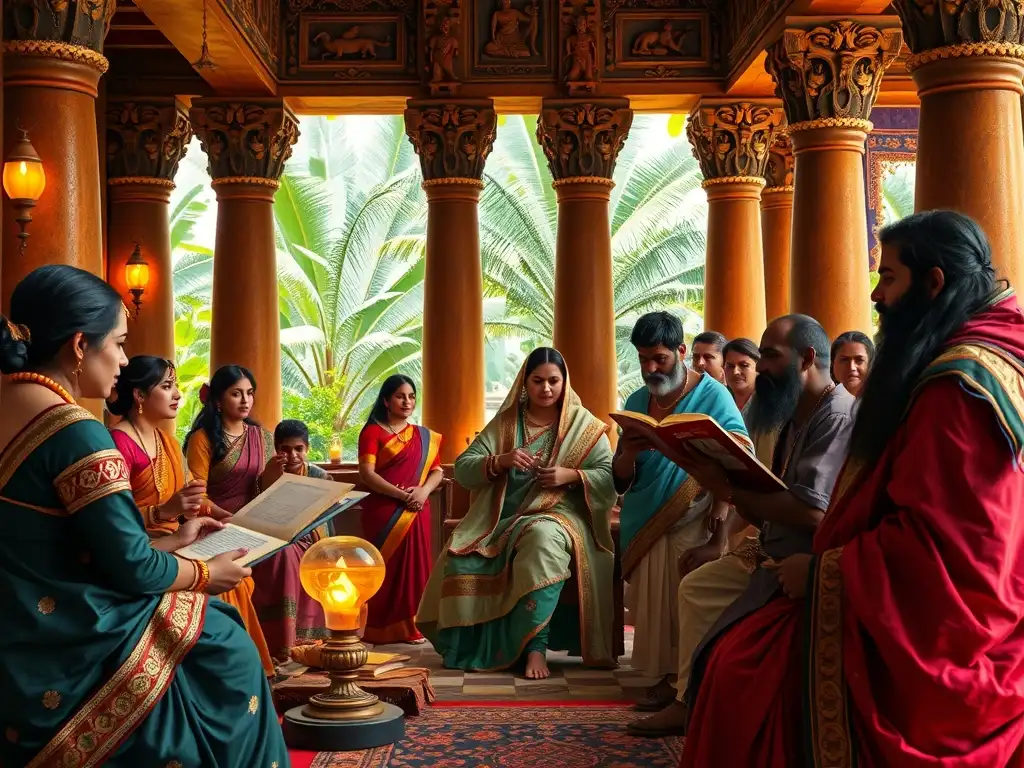
The preservation of traditional practices rooted in ancient Indian theater is critical for maintaining cultural identity in Southeast Asia. Efforts to safeguard these art forms have gained momentum through cultural festivals, academic research, and community initiatives that celebrate heritage. In many regions, traditional performances are not only a source of entertainment but also a vital means of education and cultural transmission.
Organizations and cultural institutions across Southeast Asia are actively involved in training new generations of artists, ensuring that the techniques and stories of ancient Indian theater are passed down. Workshops, festivals, and performances serve as platforms for showcasing these traditions, allowing them to thrive in a modern context while honoring their historical origins.
Conclusion: The Enduring Influence of Ancient Indian Theater
Summary of Key Points
The influence of ancient Indian theater on Southeast Asian performing arts is profound and multifaceted. From the legacy of storytelling and dramatic techniques to the preservation of traditional practices, these art forms reflect a rich tapestry of cultural exchange. The adaptation and reinterpretation of ancient narratives in contemporary performances highlight the dynamic relationship between tradition and modernity.
Final Thoughts on Cultural Exchange and Influence
The enduring influence of ancient Indian theater on Southeast Asian performing arts underscores the importance of cultural exchange in shaping artistic expressions. As these art forms continue to evolve, they serve as a reminder of the interconnectedness of civilizations and the shared heritage that transcends geographical boundaries. Embracing and celebrating these influences not only enriches the cultural landscape of Southeast Asia but also pays homage to the timeless legacy of ancient Indian theater.
References and Further Reading
The exploration of ancient Indian theater's influence on Southeast Asian performing arts is a rich field that draws from a variety of sources. Below are some recommended resources that provide deeper insights and scholarly discussions on this topic.
Suggested Books and Articles on Ancient Indian Theater Influence
-
"The Sanskrit Theatre: A Historical Overview" by K. S. Shankaranarayan
This book provides an in-depth analysis of Sanskrit theater, its origins, and its evolution, highlighting its impact on various regional theaters, including those in Southeast Asia.
-
"Indian Theatre: Traditions of Performance" by S. Kalidasa
This comprehensive work examines different forms of Indian theater, focusing on their stylistic elements and cultural significance, while also linking them to their influences on neighboring regions.
-
"The Influence of Indian Drama on the Theatre of Southeast Asia" by N. R. Sinha
This article discusses the direct connections between Indian dramatic traditions and their adaptations in Southeast Asian countries, providing case studies and examples.
-
"Performing Arts of Southeast Asia: A Cultural History" by A. P. Rao
This book covers various performing arts in Southeast Asia, with sections dedicated to the influences that ancient Indian theater had on local practices.
-
"Theater and Dance in India: A Study of Their Evolution" by M. K. Venkataramaiah
Venkataramaiah’s work outlines the evolution of theater and dance in India and their spread to Southeast Asia, showcasing how cultural exchanges shaped these art forms.
Online Resources for Exploring Southeast Asian Performing Arts
-
The Asian Cultural Council
A platform that offers insights into various cultural programs and exchanges between Asia and the West, with archives dedicated to traditional performing arts.
-
Southeast Asian Arts and Culture Portal
This website provides a wealth of information on performing arts in Southeast Asia, including articles, interviews, and resources linking back to Indian theater influences.
-
YouTube: Ancient Indian Theatre and Its Influence
A collection of documentaries and lectures that visually explore the connections between ancient Indian theater and its impact on Southeast Asian performing arts.
-
The International Theatre Institute (ITI)
The ITI website contains articles and research papers focusing on the global influence of theater, including the historical ties between Indian and Southeast Asian theatrical forms.
-
Academia.edu
A platform where many scholars publish research papers and articles on ancient Indian theater and its influences, allowing readers to access a variety of viewpoints and studies.
These resources will enhance your understanding of the profound and lasting impact that ancient Indian theater has had on the performing arts across Southeast Asia.
- Introduction to Ancient Indian Theater Influence
- Historical Context of Ancient Indian Theater
- The Spread of Ancient Indian Theater to Southeast Asia
- Key Elements of Ancient Indian Theater
- The Adaptation of Ancient Indian Theater in Southeast Asia
- Comparative Analysis of Ancient Indian and Southeast Asian Theater
- Legacy of Ancient Indian Theater in Modern Southeast Asian Performing Arts
- Contemporary Art Forms Rooted in Ancient Influences
- Preservation of Traditional Practices
- Conclusion: The Enduring Influence of Ancient Indian Theater
- References and Further Reading
- What is the significance of ancient Indian theater in Southeast Asia?
- How did ancient Indian theater spread to Southeast Asia?
- What are some specific forms of theater influenced by ancient Indian traditions?
- What role did religion play in the influence of ancient Indian theater?
- Are there any notable figures in ancient Indian theater history?
Frequently Asked Questions
What is the significance of ancient Indian theater in Southeast Asia?
Ancient Indian theater has had a profound influence on Southeast Asian performing arts, introducing dramatic forms, storytelling techniques, and cultural motifs that shaped local traditions.
How did ancient Indian theater spread to Southeast Asia?
The spread of ancient Indian theater to Southeast Asia occurred through trade routes, cultural exchanges, and the migration of artists, allowing Indian narratives and performances to blend with local customs.
What are some specific forms of theater influenced by ancient Indian traditions?
Southeast Asian countries have developed specific forms such as Wayang Kulit in Indonesia and Khmer classical dance, both of which showcase elements of ancient Indian theater in their storytelling and performance styles.
What role did religion play in the influence of ancient Indian theater?
Religious themes from ancient Indian theater, particularly those related to Hinduism and Buddhism, significantly shaped the narratives and ritualistic performances in Southeast Asian arts, reinforcing cultural connections.
Are there any notable figures in ancient Indian theater history?
Yes, notable figures include Bhasa, a renowned playwright, and the Natyashastra by Bharata Muni, which laid the foundational principles of theater and performance that influenced subsequent generations across the region.
Final Reflection: The Enduring Legacy of Ancient Indian Theater Influence
The exploration of ancient Indian theater influence reveals a profound interconnectedness between cultures that continues to shape contemporary performing arts. Today, as we witness a resurgence of interest in traditional art forms, the impact of ancient Indian theater resonates more than ever, reminding us that the roots of creativity often intertwine across borders and epochs. This legacy not only enriches our understanding of cultural heritage but also emphasizes the importance of preserving these art forms for future generations.
Cultural exchange has always been a catalyst for innovation and expression, and the influence of ancient Indian theater on Southeast Asian performing arts is a testament to this dynamic relationship. The vibrant traditions that emerged from this exchange have fostered a rich tapestry of storytelling and performance that captivates audiences today. As the renowned playwright and theorist Antonin Artaud once said, Theater is a spiritual and ritual act, and the actor is a medium.
This notion underscores the idea that the essence of theater transcends time and place, continuing to inspire and connect people through shared narratives and experiences.
As we reflect on the significance of ancient Indian theater influence, I invite you to consider how these artistic traditions can inform your own life and creative endeavors. Embrace the stories and techniques that have traveled through time and across cultures, and let them inspire your own expressions of art and identity. By engaging with this rich heritage, we not only honor the past but also contribute to a vibrant future where the arts continue to flourish and evolve.
Unveil the Rich Tapestry of Performance Arts!
Thank you for diving into the fascinating influence of ancient Indian theater on Southeast Asian performing arts! Your curiosity helps keep the rich histories of these cultures alive and thriving. Now that you’ve explored this vibrant connection, it’s time to take action and deepen your understanding even further.
Here are some exciting steps you can take:
- Join a local cultural dance or theater workshop to experience these traditions firsthand.
- Share this article with friends and family to spark discussions about the beauty and diversity of performing arts.
- Explore unique performance art festivals in your area or through online platforms to immerse yourself in these captivating cultural expressions.
How do you see the influence of ancient Indian theater shaping contemporary arts in your community? We invite you to share your insights in the comments below!