
Stone Carvings of Khajuraho: Love, Life, and the Art of Seduction

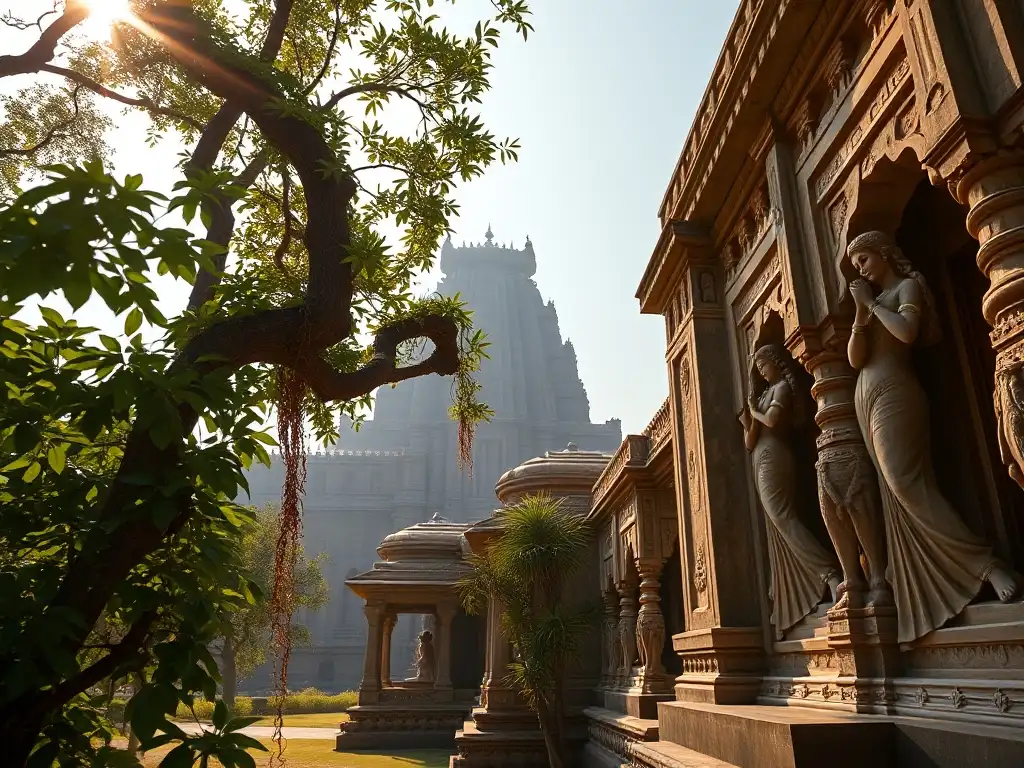
Welcome to Ancient India History, where we invite you to embark on a journey through the vibrant tapestry of India's past. Our exploration begins with the mesmerizing Khajuraho stone carvings, a stunning testament to the artistry and cultural richness of ancient Indian civilizations. In our featured article, "Stone Carvings of Khajuraho: Love, Life, and the Art of Seduction," you will uncover the stories and intricate details behind these iconic sculptures that celebrate the beauty of love and life.
What secrets do these timeless works hold? Dive in and discover the profound connections between art and the human experience that continue to captivate hearts and minds today.
- Introduction to Khajuraho Stone Carvings History
- The Artistic Legacy of Khajuraho
- Themes in Khajuraho Stone Carvings
- Techniques and Styles of Khajuraho Stone Carvings
- The Symbolism Behind Khajuraho Stone Carvings
- Preservation and Challenges of Khajuraho Stone Carvings
- Khajuraho Stone Carvings in Modern Culture
- Conclusion: The Enduring Legacy of Khajuraho Stone Carvings
- Frequently Asked Questions
- Final Reflection: The Timeless Allure of Khajuraho Stone Carvings
- Unleash Your Passion for Ancient Art!
Introduction to Khajuraho Stone Carvings History
The stone carvings of Khajuraho stand as a mesmerizing testament to the artistic brilliance and cultural richness of ancient Indian civilizations. Nestled in the heart of Madhya Pradesh, India, the Khajuraho temples are renowned not only for their architectural grandeur but also for their intricate sculptures that narrate tales of love, life, and spirituality. These carvings, created between 950 and 1050 CE during the reign of the Chandela dynasty, reflect a profound understanding of human emotions, relationships, and the divine.
As we delve into the history of Khajuraho stone carvings, we uncover the intricate artistry and the cultural significance they hold, revealing a civilization that celebrated the complexities of life through visual expression. This exploration will take us through the temples' historical context, the themes depicted in the carvings, and their lasting impact on art and culture.
Overview of Khajuraho Temples and Their Significance
The Khajuraho group of temples consists of around 85 structures, of which around 25 remain well-preserved today. These temples, designated as a UNESCO World Heritage Site, were built during the rule of the Chandela dynasty, who were known for their patronage of the arts and architecture.
- Architectural Style: The temples exhibit a distinctive Nagara style of architecture, characterized by soaring spires (shikhara) and intricate carvings that adorn both the exteriors and interiors.
- Cultural Context: They were built as a part of the Hindu and Jain traditions, symbolizing the integration of spirituality and artistic expression. The temples served not just as places of worship but also as a reflection of the socio-political environment of the time.
The significance of Khajuraho temples transcends their aesthetic appeal; they embody the philosophical and spiritual ethos of ancient Indian society, celebrating themes of love, nature, and divinity.
The Role of Stone Carvings in Ancient Indian Culture
The stone carvings found in Khajuraho serve as a crucial lens through which we can understand the cultural and societal values of ancient India. These carvings are not mere decorations; they are narratives that encapsulate various aspects of life during that era.
- Themes of Love and Eroticism: The temples are famously known for their erotic sculptures, which boldly depict human intimacy and relationships. This celebration of love is seen as a reflection of the ancient Indian view that sexuality is a natural and divine aspect of life.
- Spiritual Symbolism: Beyond eroticism, many carvings represent deities and mythological stories, intertwining religious beliefs with artistic expression. This duality showcases how ancient Indians viewed the human experience as interconnected with the divine.
- Social Commentary: The variety of figures depicted, from daily life activities to celestial beings, provides insight into the social norms, rituals, and practices of the time. Through these carvings, we gain a glimpse into the values and aspirations of ancient Indian society.
The stone carvings of Khajuraho are a vital part of India's artistic heritage, embodying a rich tapestry of themes that reflect the complexities of human experience. As we continue to explore their history, we appreciate not only their aesthetic beauty but also their significance in shaping our understanding of ancient Indian culture.
The Artistic Legacy of Khajuraho
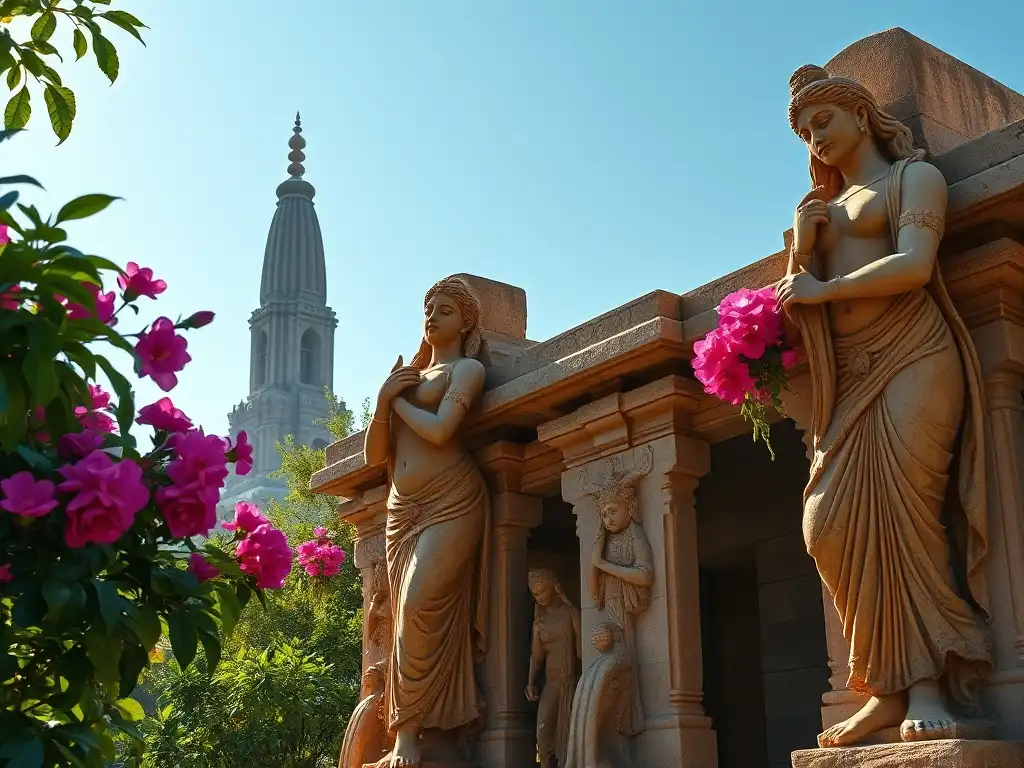
The Khajuraho temples, renowned for their intricate stone carvings, stand as a testament to the artistic brilliance of ancient Indian civilization. Dating back to the medieval period, primarily constructed between 950 to 1050 CE during the reign of the Chandela dynasty, these temples reflect not only a high point in Indian architecture but also represent a complex cultural narrative. The Khajuraho stone carvings history reveals a fusion of spirituality, sensuality, and daily life, making them a unique contribution to the visual arts and sculpture of ancient India.
Historical Context of Khajuraho Stone Carvings
The historical context of Khajuraho stone carvings is deeply intertwined with the socio-political and religious landscape of the time. The Chandela rulers were not only patrons of the arts but also practitioners of a diverse set of beliefs, including Hinduism, Jainism, and Buddhism. This pluralism influenced the thematic diversity seen in the carvings.
- Chandela Dynasty: The Chandela dynasty played a pivotal role in the development of Khajuraho. Their rule marked a period of prosperity that encouraged artistic expression. The temples served not only as places of worship but also as cultural hubs where artisans thrived.
- Religious Significance: The carvings depict various deities, celestial beings, and motifs from Hindu scriptures, showcasing the spiritual beliefs of the era. Temples were often dedicated to specific deities, and the carvings served both decorative and didactic purposes, conveying moral and religious teachings.
- Cultural Reflection: Beyond religious themes, the carvings capture the essence of daily life, including music, dance, and social interactions. This portrayal of life provides valuable insights into the customs, attire, and practices of that era.
- Preservation and Recognition: Despite facing periods of neglect, the site was recognized as a UNESCO World Heritage Site in 1986, ensuring the preservation of its historical significance. Today, it attracts scholars, tourists, and art enthusiasts eager to explore the depths of its history.
Influences on Khajuraho Art and Sculpture
The art and sculpture of Khajuraho were influenced by a multitude of factors, resulting in a distinctive style that resonates through the ages.
- Regional Styles: The artisans of Khajuraho were influenced by the prevailing styles of their time, including those from neighboring regions. The incorporation of local motifs and architectural elements contributed to a unique aesthetic that distinguished Khajuraho from other temple complexes.
- Religious Texts: The themes depicted are often derived from sacred texts such as the Kama Sutra and the Mahabharata, illustrating the philosophical and literary traditions of the period. These texts guided the artisans in their representation of eroticism and spirituality, often blurring the lines between the two.
- Interactions with Other Cultures: The region's strategic location facilitated interactions with various cultures, leading to an exchange of artistic techniques and themes. This cosmopolitan influence can be seen in the stylistic diversity of the sculptures, which include elements from both local and foreign traditions.
- Artisan Guilds: Skilled artisans organized in guilds played a vital role in the creation of these sculptures. Their collective knowledge and expertise allowed them to experiment with techniques, such as high relief and intricate detailing, resulting in the lifelike quality of the carvings.
The Khajuraho stone carvings history provides valuable insights into the artistic legacy of ancient India, showcasing a rich tapestry of influences that shaped one of the most significant achievements in Indian sculpture. The temples of Khajuraho not only celebrate love and life but also encapsulate the era's cultural ethos, making them a lasting symbol of India's artistic heritage.
Themes in Khajuraho Stone Carvings
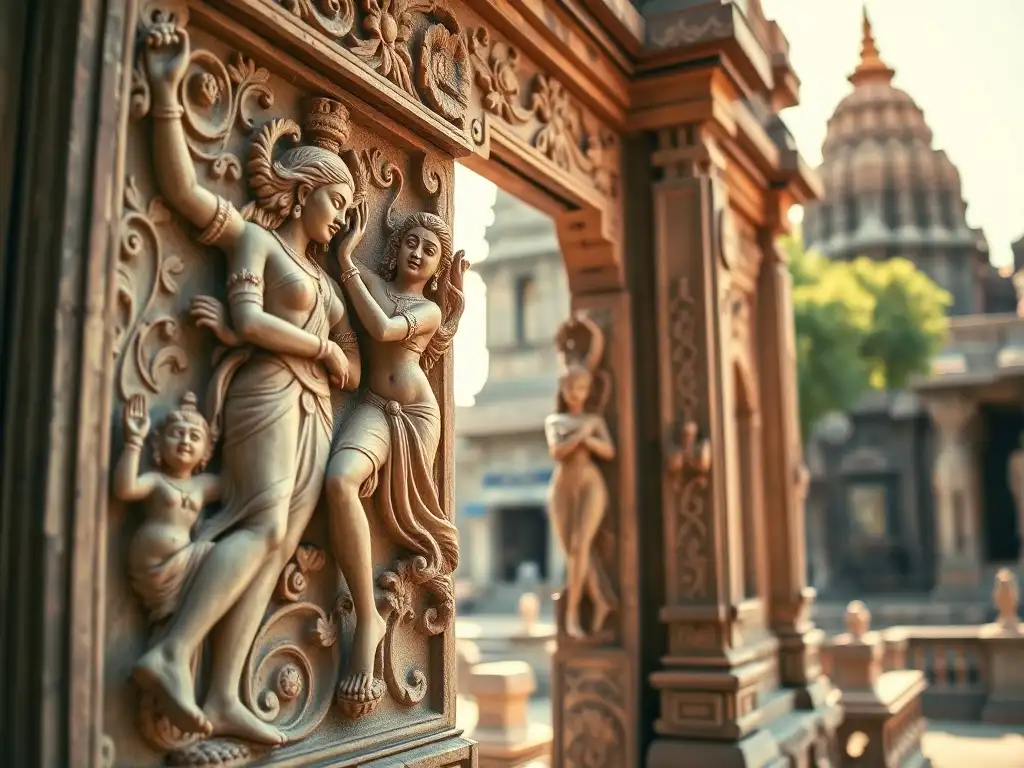
The Khajuraho temples, renowned for their intricate stone carvings, encapsulate a myriad of themes that reflect the cultural, social, and spiritual fabric of ancient India. Each carving acts as a narrative, weaving together tales of love, daily life, and spirituality that resonate through the ages. Understanding these themes provides insight into the civilization that flourished during the Chandela dynasty, highlighting their artistic vision and cultural values.
Love and Romance: The Central Motif
One of the most striking aspects of Khajuraho stone carvings is their prominent depiction of love and romance. These carvings showcase a variety of intimate scenes, celebrating not just physical attraction but also the emotional and spiritual bonds between lovers.
- Symbolism of Love: The carvings often illustrate the concept of Shringara, the aesthetic of love, which is one of the nine sentiments ( Navarasas) in Indian art. This theme is represented through various poses and interactions between couples, which may include:
- Embraces and Kisses: Emphasizing physical intimacy.
- Playful Interactions: Such as couples engaged in games or flirtations, highlighting the joy of companionship.
- Cultural Context: The prominence of romantic themes can be attributed to the historical context of the Chandela rulers, who embraced and promoted the ideals of love and sensuality as part of their cultural identity. The carvings serve as both celebration and education, inviting viewers to contemplate the nature of relationships.
Life and Daily Activities Depicted in Stone
Beyond love, the Khajuraho stone carvings also vividly capture the everyday life of the people during the medieval period. These artworks provide a glimpse into the social and cultural practices prevalent at the time.
- Activities Illustrated: The daily life scenes are rich in detail and include:
- Agricultural Practices: Depictions of farming, showcasing the importance of agriculture in sustaining the community.
- Craftsmanship and Trade: Carvings that illustrate artisans engaged in various crafts, highlighting the prosperity and skill of ancient Indian society.
- Festivals and Celebrations: Scenes that depict communal festivities, dance, and music, emphasizing the importance of social gatherings.
- Cultural Significance: These representations not only serve an aesthetic purpose but also function as historical documentation of the customs and practices of the time. They reflect the harmony and balance of life in ancient India, reinforcing the interconnectedness of daily activities with broader cultural narratives.
Spiritual and Mythological Representations
In addition to the themes of love and daily life, Khajuraho stone carvings also delve into spiritual and mythological representations, showcasing the deep religious beliefs of the people.
- Deities and Divine Narratives: Many carvings depict various Hindu deities, illustrating stories from epics like the Ramayana and Mahabharata. Notable examples include:
- Shiva and Parvati: Carvings that celebrate their divine union, symbolizing the ideal relationship between the divine masculine and feminine.
- Avatars of Vishnu: Scenes that illustrate the various incarnations of Vishnu, such as Rama and Krishna, reflecting the theological diversity of the time.
- Symbolic Elements: The use of symbolic motifs, such as lotuses, serpents, and celestial beings, conveys deeper philosophical concepts and spiritual teachings. These elements serve to elevate the viewer's experience beyond mere aesthetic appreciation to a contemplation of the divine.
Through the exploration of these themes—love, daily life, and spirituality—Khajuraho stone carvings reveal the richness of ancient Indian culture and artistry. The intricate details and narratives embedded within these sculptures serve as a testament to the creativity and spiritual depth of the civilizations that created them. The legacy of Khajuraho continues to inspire and intrigue, offering valuable lessons on the human experience throughout history.
Techniques and Styles of Khajuraho Stone Carvings
Materials Used in Khajuraho Stone Sculpture
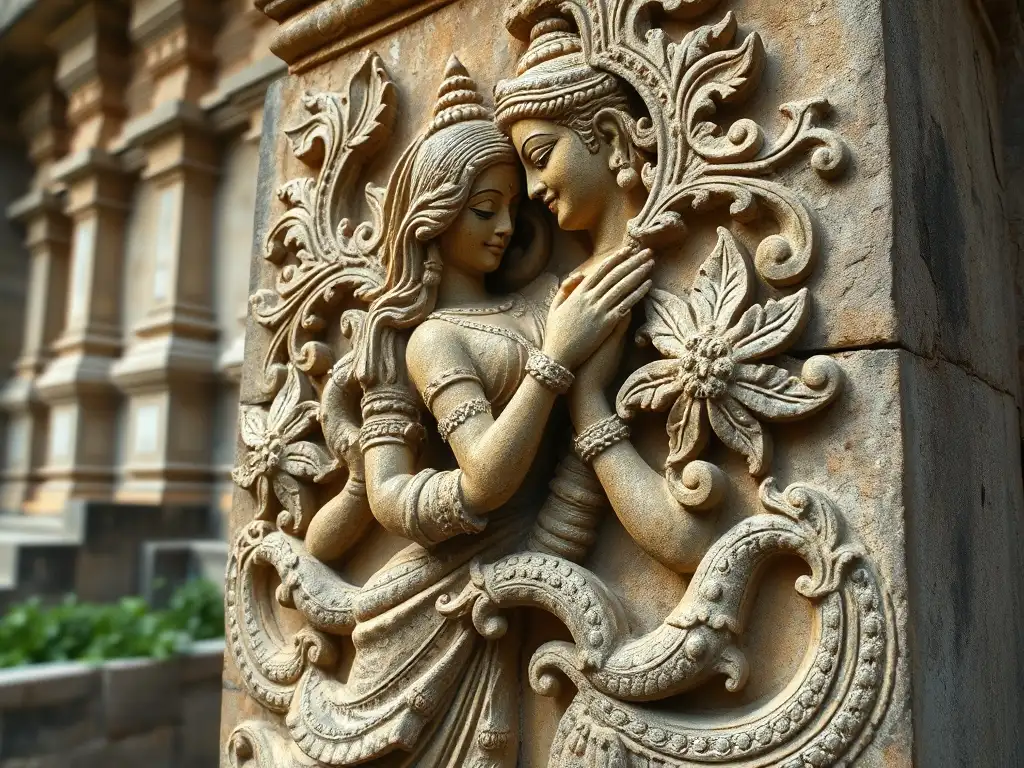
The Khajuraho stone carvings are renowned for their exquisite craftsmanship, and a significant part of their allure lies in the materials chosen for these sculptures. Primarily, the artists utilized sandstone, which was readily available in the nearby regions, providing an ideal medium for intricate detailing. The red and yellow hues of the sandstone lend warmth to the sculptures, enhancing their aesthetic appeal.
- Sandstone: The primary material, known for its workability and durability.
- Granite: Occasionally used for larger sculptures, providing a contrasting texture and strength.
- Limestone: Less common, but some temples feature limestone for specific decorative elements.
The choice of these materials not only reflects the availability but also the artistic vision of the craftsmen, who managed to imbue the sculptures with a lifelike quality that resonates with viewers even today.
Carving Techniques and Tools Employed
The carving techniques at Khajuraho were sophisticated and varied, showcasing a deep understanding of stone manipulation and artistry. The artisans employed several methods that contributed to the stunning visual narratives found in the temple art.
- Chiseling: The primary technique used for shaping the stone. Artisans wielded chisels made from iron, which allowed them to carve out intricate designs with precision.
- Pointing Machine: This ancient tool helped artisans maintain scale and proportion while transferring designs from sketches to stone, ensuring accuracy in their carvings.
- Polishing: Once the carving was complete, the sculptures were polished using finer stones or abrasives, giving them a smooth finish that enhances their visual appeal.
Through these techniques, the artisans of Khajuraho were able to create not just representations of deities and celestial beings but also scenes depicting everyday life, love, and sensuality, reflecting the rich tapestry of ancient Indian society.
Distinct Styles: From Realism to Symbolism
The styles of Khajuraho stone carvings are notable for their diversity, ranging from realistic depictions to highly symbolic representations. This variety reflects the complexity of the cultural and religious beliefs of the time.
- Realism: Many carvings exhibit an exquisite attention to detail, capturing human emotions and activities with remarkable accuracy. This realistic portrayal serves to connect the viewer to the narratives being depicted.
- Examples include scenes of musicians, dancers, and everyday life, which convey the vibrancy of ancient Indian culture.
- Symbolism: In contrast, some carvings employ symbolism to convey deeper philosophical and spiritual meanings. These works often incorporate elements that represent concepts such as fertility, love, and the divine.
- Common motifs include the Yoni and Lingam, symbolizing the union of masculine and feminine energies, and various deities that embody different aspects of life and spirituality.
The interplay of realism and symbolism in Khajuraho stone carvings not only enhances their artistic value but also invites viewers to engage with the deeper narratives of love, life, and the divine that permeate ancient Indian culture. This duality is a testament to the skill and vision of the artisans who created these enduring masterpieces.
The Symbolism Behind Khajuraho Stone Carvings
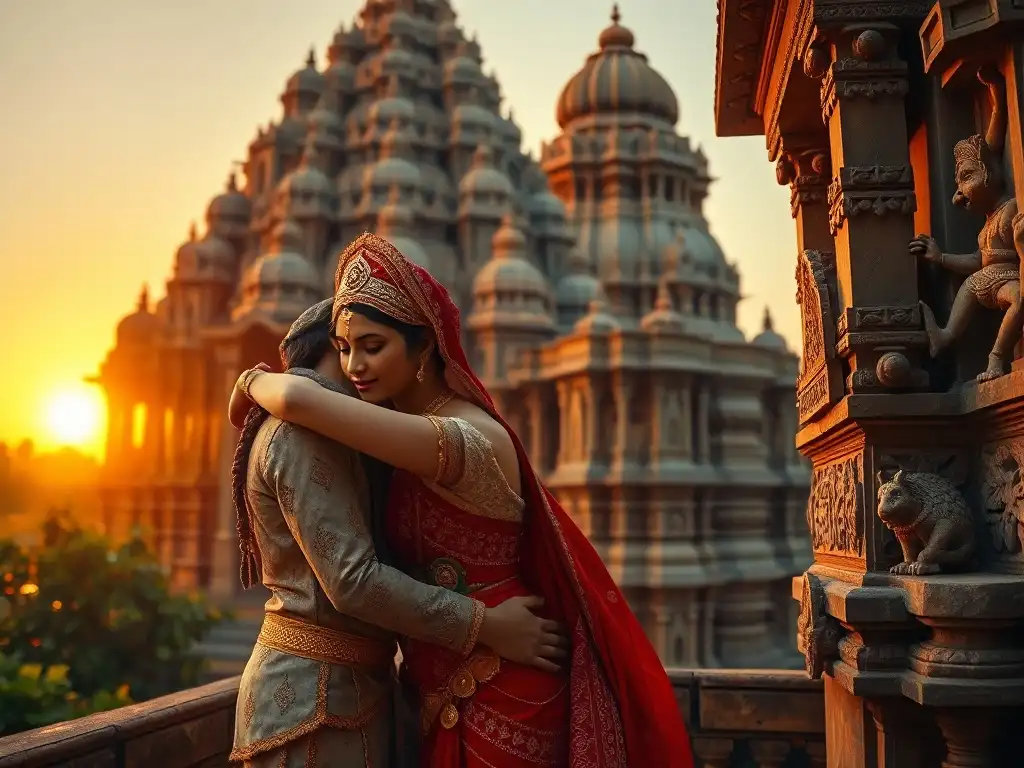
The stone carvings of Khajuraho are not merely artistic representations; they are rich in symbolism that encapsulates the essence of love, life, and the multifaceted nature of human relationships. Each sculpture tells a story, often intertwining themes of eroticism with spirituality, reflecting the broader cultural ethos of ancient India.
Interpretations of Love and Seduction in Art
The interpretation of love and seduction in the Khajuraho stone carvings is complex, encompassing various dimensions of human emotion and interaction. The sculptures depict a myriad of figures engaged in romantic and sensual activities, which can be seen as a celebration of love in its many forms.
- Erotic Symbolism:
- The erotic figures are often attributed to the Kama Sutra, an ancient Indian text on love and sexuality. These carvings serve as visual representations of the philosophies contained within the text, emphasizing the importance of physical intimacy in the pursuit of happiness and fulfillment.
- The postures and expressions captured in these sculptures convey a sense of passion and desire, highlighting the beauty of physical connection between lovers.
- Spiritual Connection:
- Beyond mere eroticism, the carvings also suggest a spiritual dimension to love. Many sculptures depict couples in intimate poses that symbolize the unity of male and female energies, aligning with the Hindu belief in the balance of Shakti (feminine energy) and Shiva (masculine energy).
- This duality reflects the idea that love transcends physicality and enters the realm of the divine, ultimately serving as a pathway to spiritual enlightenment.
- Cultural Expression:
- The stone carvings encapsulate the social and cultural norms of the time, illustrating how love and seduction were perceived within the context of ancient Indian society. They signify the celebration of life, fertility, and the natural human experience, reinforcing the idea that love is a universal theme.
Cultural Significance of Sensual Imagery
The cultural significance of sensual imagery in Khajuraho stone carvings extends beyond artistic expression to encompass broader societal values and beliefs prevalent during the time of their creation.
- Integration of Art and Life:
- The sculptures integrate the realms of art and everyday life, emphasizing that sensuality and love are vital components of the human experience. This integration reflects the belief that art should not only exist for aesthetic pleasure but also serve as a means of exploring and understanding human emotions.
- Preservation of Heritage:
- By depicting sensual themes, the carvings preserve the heritage of ancient Indian customs and practices related to love, marriage, and intimacy. They offer a glimpse into the values that shaped human relationships, providing insights into the historical context of family structures and societal expectations.
- Tourism and Cultural Identity:
- Today, the Khajuraho temples and their stone carvings have become a symbol of India's rich cultural heritage, attracting tourists and scholars alike. The sensual imagery plays a crucial role in defining the identity of Khajuraho as a site of artistic and cultural significance, fostering discussions about the historical acceptance of erotic themes in Indian art.
The Khajuraho stone carvings history is not just a narrative of artistic achievement; it is a profound exploration of love, life, and the intricate dance of human relationships, encapsulated in stone for generations to admire and interpret. The symbolism embedded in these sculptures continues to resonate, inviting interpretations that bridge the past with the contemporary understanding of human connection.
Preservation and Challenges of Khajuraho Stone Carvings
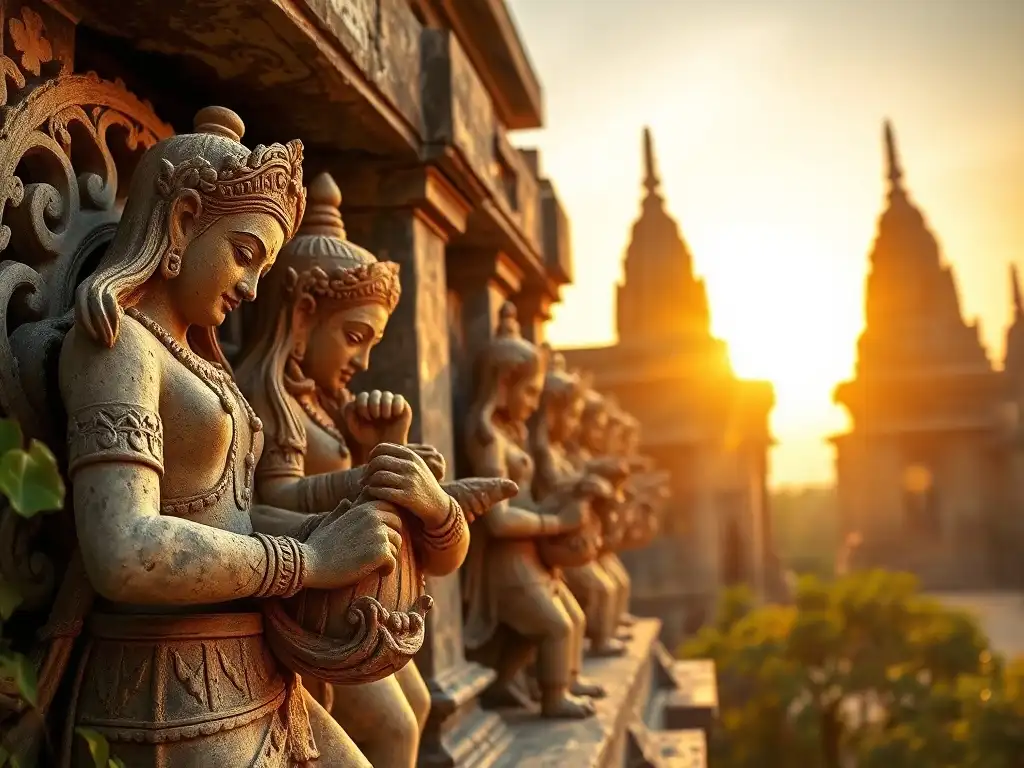
The Impact of Weathering on Stone Carvings
The Khajuraho stone carvings history is deeply intertwined with the challenges posed by weathering and environmental factors. The intricate sculptures, which embellish the temples of Khajuraho, are primarily crafted from sandstone. This choice of material, while aesthetically pleasing, makes the carvings susceptible to erosion over time due to various weather elements.
- Natural Erosion:
- Rainwater: Continuous exposure to rain can lead to chemical weathering, as acids in rainwater react with the minerals in sandstone. This gradually dissolves the surface layers, causing the carvings to lose their fine details.
- Wind: Wind erosion can also play a significant role. Sand particles carried by the wind can abrasively wear down the stone surfaces, leading to a smooth but less detailed finish over the years.
- Biological Factors:
- Vegetation Growth: The presence of vegetation, including moss and lichen, can retain moisture against the stone surface, accelerating the decay process. Roots can penetrate the stone, causing cracks and structural weaknesses.
- Pollution: Urbanization and industrial activities nearby have introduced pollutants that can react with the stone, further exacerbating deterioration.
- Temperature Fluctuations:
- The region experiences significant temperature variations between day and night. Such fluctuations can cause thermal expansion and contraction of the stone, leading to cracking and fragmenting of the carvings.
Conservation Efforts for Khajuraho Temples
In light of the challenges facing the Khajuraho stone carvings, various conservation efforts have been implemented to preserve these invaluable works of art. These initiatives are crucial not only for the preservation of the carvings but also for the cultural heritage they represent.
- Restoration Projects:
- Government and non-governmental organizations have initiated restoration projects that involve careful documentation and restoration of damaged sculptures. Techniques employed include:
- Re-pointing: The removal of weathered mortar and replacement with new material that matches the original composition.
- Surface Treatments: Application of protective coatings to shield the stone from moisture and pollutants.
- Government and non-governmental organizations have initiated restoration projects that involve careful documentation and restoration of damaged sculptures. Techniques employed include:
- Environmental Management:
- The establishment of buffer zones around the temples has been crucial in reducing the impact of urban encroachment and pollution. These zones help to minimize exposure to harmful environmental factors while promoting sustainable tourism.
- Awareness and Education:
- Initiatives aimed at educating visitors about the importance of these carvings and the need for preservation are essential. By fostering a sense of responsibility and respect among tourists, the risk of vandalism and accidental damage can be reduced.
- Research and Innovation:
- Ongoing research into advanced materials and methods for stone conservation is vital. Techniques such as nano-coating and the use of bio-compatible materials are being explored to enhance the durability and longevity of the carvings.
The preservation of the Khajuraho stone carvings is a multi-faceted challenge that requires a concerted effort from various stakeholders. The interplay of natural and human-induced factors necessitates a proactive approach to conservation, ensuring that these remarkable sculptures continue to tell their stories of love and life for generations to come.
Khajuraho Stone Carvings in Modern Culture
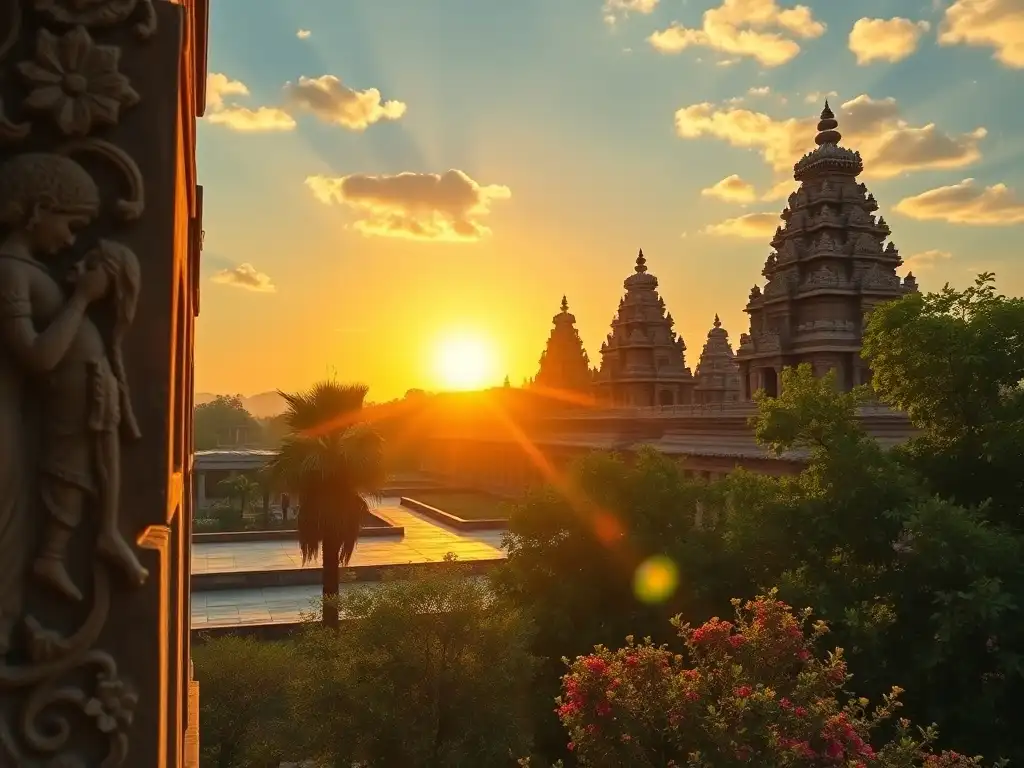
The stone carvings of Khajuraho are not only a testament to the artistic mastery of ancient Indian artisans but also a source of inspiration in modern culture. Their intricate designs, vibrant narratives, and bold themes resonate with contemporary artists, filmmakers, and designers, reflecting an enduring legacy that transcends time.
Influence on Contemporary Art and Sculpture
Khajuraho's stone carvings have significantly influenced various art forms in contemporary India and beyond. Artists often draw upon the sensual and spiritual themes depicted in these sculptures, reinterpreting them through modern techniques and mediums.
- Visual Art: Many contemporary painters and sculptors incorporate motifs from Khajuraho into their work. For instance, the fluidity of movement and expression found in the carvings can be seen in modern dance forms and visual arts, where artists explore themes of love, intimacy, and the human condition.
- Fashion and Design: The intricate patterns and symbolic imagery of Khajuraho have also found their way into fashion and textile design. Designers utilize these motifs to create garments and accessories that pay homage to this ancient art while making them relevant for today's consumers.
- Literature and Film: The narratives of love and life portrayed in Khajuraho's carvings have inspired filmmakers and writers. Films that explore themes of desire and relationships often reference these sculptures as cultural symbols, further emphasizing their relevance in modern storytelling.
The cultural significance of Khajuraho stone carvings is evident in various exhibitions and art installations, where artists engage with the historical context of these works. This interaction helps to keep the conversation about ancient Indian art alive, allowing it to evolve and adapt to contemporary sensibilities.
Khajuraho as a UNESCO World Heritage Site
In 1986, the Khajuraho temples were designated a UNESCO World Heritage Site, acknowledging their exceptional architectural and artistic values. This recognition has heightened global awareness of the site and its significance in the history of art and culture.
- Conservation Efforts: UNESCO's designation has facilitated conservation initiatives aimed at preserving the intricate stone carvings and the overall integrity of the temples. These efforts ensure that future generations can appreciate the artistry and craftsmanship that went into creating these masterpieces.
- Cultural Tourism: Being a UNESCO World Heritage Site has also transformed Khajuraho into a focal point for cultural tourism in India. Tourists from around the world flock to the site, eager to witness the stunning sculptures and learn about their history. This influx of visitors has spurred economic growth and provided a platform for local artisans to showcase their skills.
- Educational Programs: Various educational initiatives have sprung up around Khajuraho, aimed at promoting awareness of its history and cultural significance. Workshops, guided tours, and exhibitions provide insights into the techniques used in stone carving and the themes depicted in the sculptures.
The continued appreciation for Khajuraho stone carvings in modern culture underscores their timelessness and relevance. As a fusion of art, spirituality, and history, they remain a vital part of India's cultural heritage, inspiring new generations of artists and scholars alike.
Conclusion: The Enduring Legacy of Khajuraho Stone Carvings
The stone carvings of Khajuraho stand as a testament to the artistic brilliance and cultural richness of ancient India. These intricate sculptures, adorned on the temples built during the Chandela dynasty (950-1050 CE), encapsulate a plethora of themes ranging from spirituality to the celebration of love and sensuality. The legacy of these carvings transcends mere aesthetics; they are a profound reflection of the socio-cultural ethos of the time, showcasing the harmony between the divine and the human experience.
The Khajuraho temples, recognized as a UNESCO World Heritage Site, continue to draw admiration for their remarkable craftsmanship and the emotive power of their depictions. The carvings convey stories that resonate with universal themes of love, desire, and the human condition, making them relevant even in contemporary discussions surrounding art and sexuality. The enduring legacy of Khajuraho is not just in its historical significance but also in how it challenges and inspires modern interpretations of art.
Reflection on the Importance of Khajuraho's Artistic Heritage
Khajuraho stone carvings serve as an invaluable resource for understanding the complexities of ancient Indian society. The sculptures are not merely ornamental; they provide insights into the cultural practices, religious beliefs, and social norms of the time. For instance, the depictions of various forms of sexual expression within the carvings have sparked discussions about the acceptance of eroticism in ancient Indian culture, which contrasts sharply with modern perceptions of sexuality.
Furthermore, these sculptures reflect the advanced artistic techniques and philosophical underpinnings of their creators. The use of intricate detail, fluid forms, and dynamic compositions reveals a deep understanding of human anatomy and emotion. This mastery of craftsmanship has influenced generations of artists and continues to inspire contemporary art forms.
In addition to their artistic merit, the Khajuraho stone carvings play a crucial role in the preservation of cultural identity. They are a source of pride for the people of India and serve as a reminder of the country's rich historical tapestry. The temples themselves have become pilgrimage sites, attracting visitors from around the globe who seek to appreciate their beauty and significance.
Future of Khajuraho Stone Carvings in Art and Culture
Looking ahead, the future of Khajuraho stone carvings within the realms of art and culture remains promising. As global interest in ancient Indian art continues to grow, there is an increasing appreciation for the nuances of Khajuraho's artistic expressions. This rising awareness opens avenues for scholarly research, exhibitions, and educational programs that aim to deepen understanding of the carvings' historical and cultural contexts.
Moreover, the fusion of traditional art with contemporary practices offers exciting possibilities for innovation. Artists today are exploring themes from the Khajuraho carvings, reinterpreting them through modern mediums such as digital art, installations, and performance. This blending of old and new not only revitalizes interest in Khajuraho's artistic legacy but also ensures its relevance in today's cultural landscape.
Preservation efforts are also crucial for the future of these stone carvings. Initiatives aimed at conserving the temples and their artworks are essential to protect them from environmental degradation and human interference. Collaborative efforts between government bodies, NGOs, and local communities can help ensure that Khajuraho's rich heritage is maintained for future generations to study and enjoy.
The Khajuraho stone carvings encapsulate a multifaceted narrative of love, life, and artistry, ensuring that their legacy endures in the minds and hearts of those who encounter them. As we move forward, the continued exploration and appreciation of this artistic heritage will foster a greater understanding of not only ancient Indian civilization but also the universal human experience.
Frequently Asked Questions
What are the Khajuraho stone carvings known for?
The Khajuraho stone carvings are renowned for their intricate depictions of love, life, and sexuality, showcasing the artistic prowess of ancient Indian craftsmen.
When were the Khajuraho temples built?
The temples were primarily constructed between 950 and 1050 AD during the reign of the Chandela dynasty, representing a peak in ancient Indian architecture.
What themes are depicted in the Khajuraho carvings?
The carvings illustrate a variety of themes, including mythology, nature, and the erotic, reflecting the cultural and spiritual beliefs of the time.
How do the Khajuraho carvings represent ancient Indian culture?
These carvings are a testament to the diversity and richness of ancient Indian culture, revealing the importance of love, art, and spirituality in society.
Are the Khajuraho temples a UNESCO World Heritage Site?
Yes, the Khajuraho temples were designated a UNESCO World Heritage Site in 1986, recognizing their historical significance and architectural brilliance.
Final Reflection: The Timeless Allure of Khajuraho Stone Carvings
The Khajuraho stone carvings stand as a testament to the enduring nature of love, life, and the art of seduction, intricately woven into the fabric of Indian history. Today, as we navigate a world often overshadowed by fleeting connections and superficial interactions, these ancient sculptures remind us of the profound human experiences that have transcended time. The intricate details and passionate expressions captured in stone invite us to reflect on our own relationships and the deeper meanings of intimacy and connection.
The influence of Khajuraho's artistry extends far beyond its geographical confines, shaping cultural narratives and inspiring countless artists and lovers alike. These carvings serve as a bridge between the past and present, inviting us to explore the complexities of human emotion. As the poet Rumi once said, The wound is the place where the Light enters you.
This sentiment resonates deeply with the carvings, as they reveal the beauty and vulnerability inherent in love and desire, encouraging us to embrace our own stories of passion and connection.
As we conclude our exploration of the Khajuraho stone carvings, I invite you to reflect on the lessons embedded within these timeless works of art. Consider how the themes of love, life, and seduction manifest in your own life and relationships. Let the beauty of these carvings inspire you to cultivate deeper connections, celebrate the richness of human experience, and honor the art of seduction in all its forms. Embrace the journey of love, for it is in this pursuit that we truly discover the essence of our humanity.
Unleash Your Passion for Ancient Art!
Thank you for immersing yourself in the captivating world of Khajuraho's stone carvings! You’ve journeyed through a beautiful exploration of love, life, and the art of seduction, gaining a unique perspective on these ancient masterpieces. Now, it’s time to take that inspiration further!
Here’s how you can deepen your appreciation and share the beauty of Khajuraho’s artistry:
- Explore a local museum that showcases ancient sculptures, and don’t hesitate to share your findings with friends or on social media!
- Plan a visit to Khajuraho if possible; experiencing these remarkable carvings in person is truly transformative.
- Join an online community dedicated to ancient art, where you can connect with fellow enthusiasts and exchange insights on various interpretations and styles.
What are your thoughts on how ancient art influences modern perceptions of love and relationships?