
The Mahabharata: The Evolution of Its Text and Interpretations Over Time

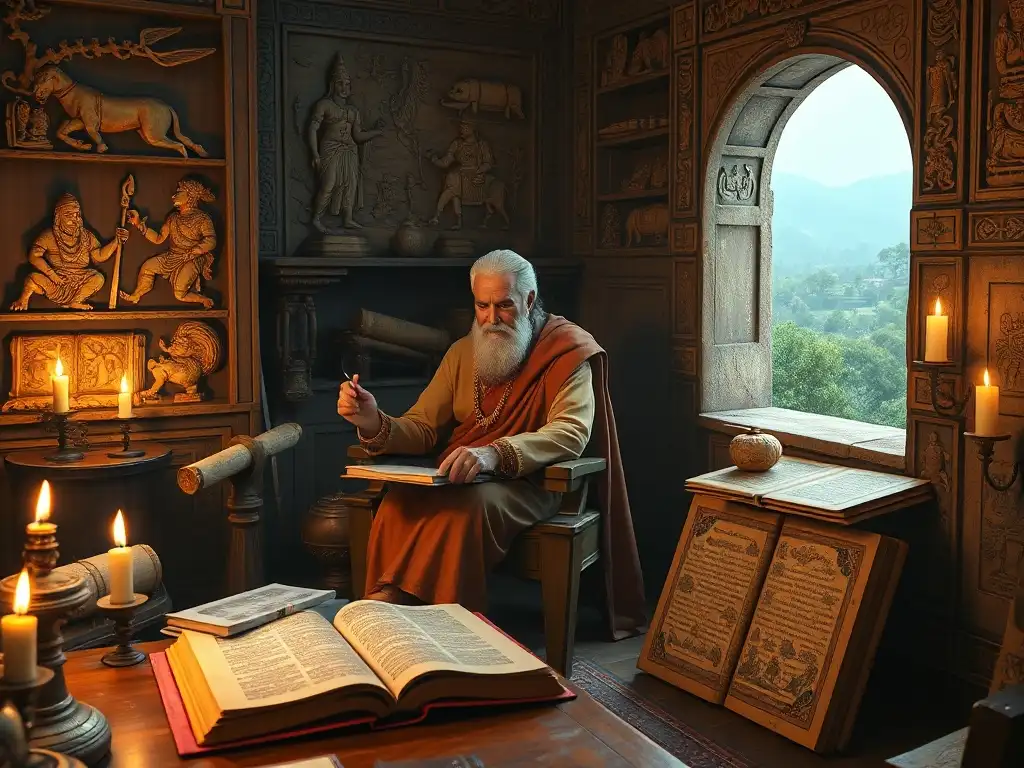
Welcome to Ancient India History, where we delve deep into the vibrant tapestry of India's past! Here, we invite you to explore the profound legacies of ancient civilizations, from the awe-inspiring Indus Valley to the illustrious Gupta Empire. In our featured article, “The Mahabharata: The Evolution of Its Text and Interpretations Over Time,” we unravel the intricate layers of one of the world’s greatest epics.
Discover how interpretations of the Mahabharata have evolved throughout history, offering insights into the cultural and philosophical underpinnings of ancient India. Prepare to embark on a journey that connects you with the wisdom of ages past—read on to uncover the rich narratives that have shaped a civilization!
Introduction to the Mahabharata
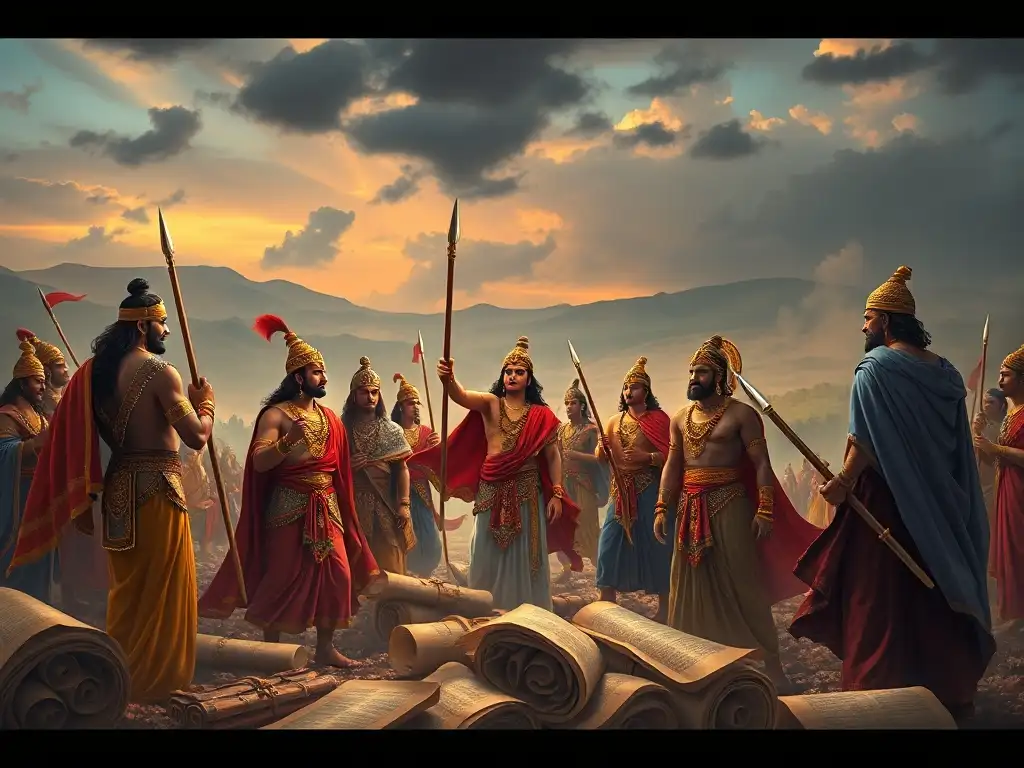
The Mahabharata is not just a story; it is a vast, intricate tapestry that weaves together the rich cultural, philosophical, and historical threads of ancient Indian civilization. Composed over centuries, this epic narrative focuses on the monumental conflict between the Pandavas and Kauravas, capturing the essence of dharma (duty) and the moral dilemmas faced by its characters. Its significance extends beyond mere storytelling, influencing various facets of Indian culture, including art, dance, and literature.
Given its expansive nature, the Mahabharata has undergone numerous interpretations and adaptations, each reflecting the values and beliefs of the time in which they were produced. This article delves into the evolution of the Mahabharata text and its interpretations, examining how it has been shaped by historical contexts and the enduring legacy it holds in the realm of epic literature.
Overview of the Mahabharata Epic
The Mahabharata is a monumental work that consists of over 100,000 shlokas (verses), making it one of the longest epics in the world. Traditionally attributed to the sage Vyasa, its narrative intertwines history, mythology, and philosophy. The central plot revolves around the rivalry between two families, the Pandavas and the Kauravas, leading to the great war of Kurukshetra. Notably, the text includes the Bhagavad Gita, a philosophical dialogue between Prince Arjuna and Lord Krishna, which addresses the moral complexities of war and duty.
- Key Themes:
- Dharma (righteousness)
- Karma (action and consequence)
- The nature of justice and morality
The epic's multifaceted characters and their moral dilemmas resonate across generations, making it a pivotal text in understanding the human condition and ethical philosophy.
Significance of Mahabharata in Ancient Indian Literature
The Mahabharata's significance in ancient Indian literature cannot be overstated. It serves as a critical source for understanding ancient Indian values, societal norms, and philosophical thought. The epic has inspired countless adaptations, commentaries, and retellings, reflecting the cultural zeitgeist of various eras.
- Cultural Impact:
- Influenced traditional Indian arts, including dance and theater
- Shaped moral and ethical discourses in Indian society
- Inspired historical and contemporary literature, films, and television series
The Mahabharata's ability to adapt and resonate with each generation underscores its timeless relevance, making it a living text that continues to evolve.
Historical Context of the Mahabharata Text
To fully appreciate the Mahabharata, it is essential to understand the historical context in which it was composed. The text's origins are deeply rooted in the ancient Indian subcontinent, with its development spanning several centuries.
Origins of the Mahabharata: Timeline and Historical Background
The Mahabharata's origins can be traced back to around 400 BCE, although its components likely existed in oral form much earlier. The epic evolved through various stages, influenced by political, social, and religious changes in ancient India.
- Timeline Highlights:
- 400 BCE: Initial oral traditions begin to coalesce into a written form.
- 300-200 BCE: The text is likely compiled and edited into a cohesive narrative.
- Post-Gupta Era (c. 4th-6th century CE): The Mahabharata garners a more definitive structure with further philosophical elaborations.
This timeline illustrates the dynamic nature of the Mahabharata, emphasizing its adaptability to the changing cultural landscape of ancient India.
The Role of Oral Tradition in Shaping the Mahabharata Text
Oral tradition played a crucial role in the formation and transmission of the Mahabharata. Before being committed to writing, the epic was passed down through generations by bards and storytellers, who adapted the narrative to suit their audiences.
- Influences of Oral Tradition:
- Variability in storytelling allowed for regional adaptations and localized interpretations.
- The oral format facilitated the inclusion of contemporary concerns and social issues, making the epic relevant to various contexts.
This oral legacy is vital to understanding the Mahabharata's evolution, as it highlights how storytelling can be a living process, continuously reshaping cultural narratives as they are retold.
Evolution of the Mahabharata Text Through the Ages
The Mahabharata, one of the longest epics in world literature, has undergone significant transformations since its inception, reflecting the diverse cultural and historical contexts of ancient India. Originally composed in Sanskrit, the epic has been preserved and transmitted through various oral traditions before being inscribed in written form. This evolution can be traced through several key periods, each marked by distinct influences and adaptations.
The earliest version of the Mahabharata is believed to have emerged around 400 BCE, consisting of core narratives focused on the Kurukshetra War and the fates of the Kauravas and Pandavas. Over the centuries, the text expanded considerably, incorporating numerous subplots, philosophical discourses, and devotional hymns. By the time of the Gupta Empire (circa 320-550 CE), the Mahabharata had become a monumental text, enriched with layers of meaning and narrative complexity.
The manuscript tradition also played a crucial role in the evolution of the Mahabharata. Various regional versions emerged, often reflecting local languages, cultures, and religious practices. This multiplicity of texts has led to a rich tapestry of interpretations and adaptations, making the Mahabharata a living document that continues to resonate with audiences across generations.
Major Revisions and Redactions in the Mahabharata
Throughout its history, the Mahabharata has experienced significant revisions and redactions, reflecting the changing socio-political landscape of India. These modifications often stemmed from the need to align the text with contemporary values, norms, and ideologies.
One major revision occurred during the medieval period when the text was reinterpreted to emphasize bhakti (devotion) over the earlier focus on dharma (righteousness). The influence of the Bhakti movement led to the inclusion of devotional passages, making the epic more accessible to the general populace and aligning it with the emerging Hindu devotional practices.
Additionally, the process of redaction was influenced by various commentaries, notably those by scholars such as Adi Shankaracharya and Vedavyasa. These commentaries not only clarified complex philosophical concepts but also introduced new interpretations that shaped the understanding of the Mahabharata in subsequent generations.
The text's fluidity is evident in the myriad versions that exist across different regions, such as the Tamil, Bengali, and Gujarati adaptations. Each version reflects unique cultural nuances and interpretations, showcasing the dynamic nature of the Mahabharata text throughout history.
Influence of Various Dynasties on the Mahabharata Text
The Mahabharata has been significantly influenced by various dynasties that ruled over different regions of India. Each dynasty contributed to the text's preservation, interpretation, and dissemination, enriching the epic in diverse ways.
During the Mauryan dynasty (circa 322-185 BCE), the Mahabharata gained prominence as a cultural and philosophical text. Emperors like Ashoka promoted the spread of Buddhism, which inadvertently led to a greater appreciation of Hindu texts, including the Mahabharata. As a result, the epic began to be included in royal patronage, leading to the creation of lavish manuscripts and commentaries.
The Gupta Empire further solidified the Mahabharata's status as a cornerstone of Indian literature. This period is often referred to as the "Golden Age" of India, where art, literature, and philosophy flourished. The Gupta rulers not only patronized the arts but also encouraged the writing of commentaries that sought to elucidate the complex themes within the Mahabharata, thus contributing to its textual evolution.
Subsequent dynasties, such as the Chola and Vijayanagara empires, also played a role in promoting the Mahabharata through temple inscriptions, dramatic performances, and oral recitations. These dynastic influences fostered a rich tradition of storytelling that ensured the epic's continued relevance in cultural and religious contexts.
Diverse Interpretations of the Mahabharata
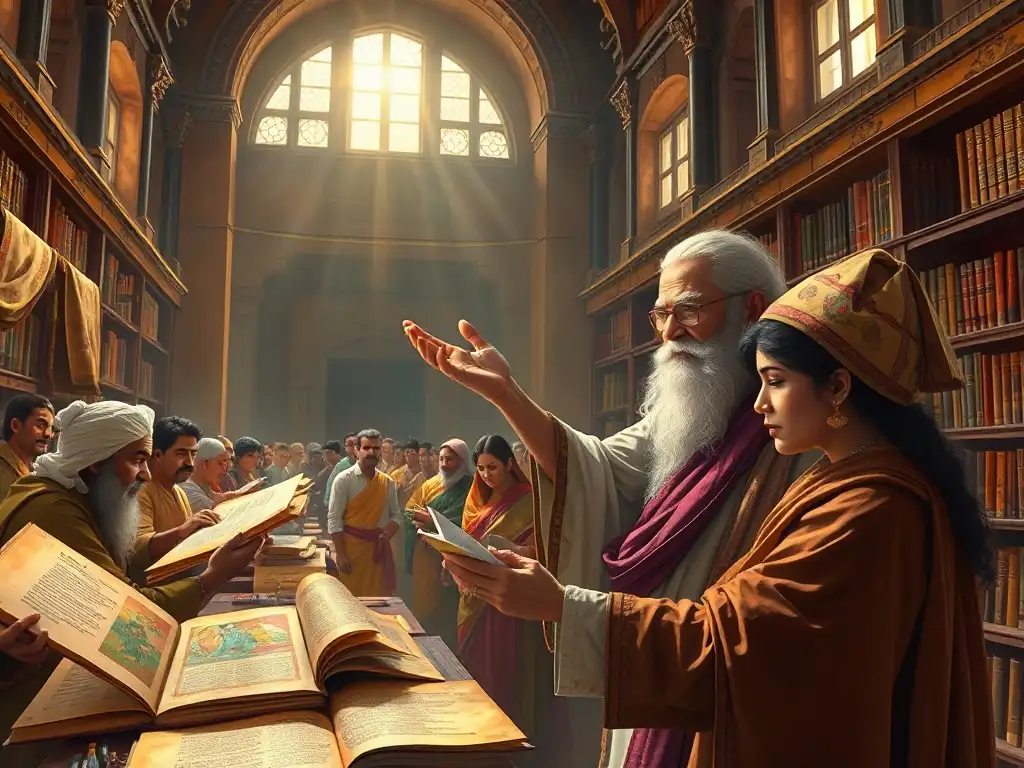
The Mahabharata's complexity and depth have led to a plethora of interpretations over the centuries. These interpretations often reflect the cultural, philosophical, and social contexts in which they were produced, showcasing the epic's adaptability and resonance across time.
Traditional Interpretations: Ancient Commentaries and Their Impact
Ancient commentaries on the Mahabharata have played a pivotal role in shaping its interpretation and understanding. Scholars like Bhatta Bhaskara and Nilakantha Somayaji contributed extensive commentaries during the medieval period, focusing on the text's moral and philosophical dimensions.
These traditional interpretations often emphasized the concept of dharma, exploring the ethical dilemmas faced by the characters. The commentaries provided insights into the characters' motivations, the consequences of their actions, and the broader implications of the epic's themes. This scholarly work not only preserved the text but also elevated it to a philosophical discourse, influencing subsequent generations of thinkers and writers.
The impact of these ancient commentaries is still felt today, as they continue to serve as reference points for scholars and enthusiasts seeking to grasp the intricate layers of meaning within the Mahabharata.
Modern Interpretations: Contemporary Perspectives on the Mahabharata
In recent years, modern interpretations of the Mahabharata have emerged, reflecting contemporary socio-political issues and cultural dynamics. Scholars, writers, and artists have reimagined the epic, exploring themes such as gender, power, and morality through a modern lens.
Contemporary adaptations often challenge traditional narratives, offering new perspectives on characters and events. For instance, feminist interpretations have sought to highlight the roles of female characters, such as Draupadi and Kunti, examining their agency and influence within the patriarchal framework of the epic. These interpretations have resonated with modern audiences, prompting discussions on gender dynamics in literature and society.
Furthermore, modern retellings have found their way into popular culture, encompassing various mediums such as novels, films, and television series. These adaptations not only make the Mahabharata accessible to a broader audience but also invite diverse interpretations that reflect the complexities of modern life, making the epic relevant and engaging in today's world.
Thematic Analysis of Mahabharata Interpretations
The Mahabharata, one of the longest epic poems in the world, has been interpreted through numerous lenses over the centuries, leading to a rich tapestry of themes that resonate with diverse audiences. The thematic analysis of its interpretations reveals how the epic's core narratives have evolved, reflecting the socio-political and cultural contexts of various periods.
Scholars and practitioners alike have explored themes such as duty (dharma), righteousness, the nature of justice, and the complexities of human relationships. These interpretations often reveal deeper philosophical inquiries, inviting readers to explore questions about the human condition, morality, and the consequences of one's actions.
The Mahabharata's themes are not static; they adapt to the changing values and beliefs of society. For instance, the portrayal of female characters has evolved, with modern interpretations often highlighting their agency and strength in contrast to older narratives that may depict them as merely passive figures. This dynamic approach to thematic interpretation allows for an ongoing dialogue between the text and contemporary issues, making the Mahabharata relevant across ages and cultures.
Key Themes in the Mahabharata and Their Interpretations
Several central themes permeate the Mahabharata, each offering a rich ground for varying interpretations:
- Dharma (Duty and Righteousness): The concept of dharma is perhaps the most significant theme. Different interpretations arise based on the context, leading to discussions about what constitutes righteous action in specific situations. Characters like Arjuna and Krishna embody conflicting interpretations of dharma, particularly in the context of war.
- The Nature of Justice: The epic raises profound questions about justice and its execution. Interpretations vary significantly, with some viewing the outcome of the Kurukshetra war as a just resolution, while others see it as a tragic failure of moral integrity.
- Fate vs. Free Will: The tension between predestined fate and individual agency is a recurring theme. Different interpretations explore how characters navigate their destinies, reflecting broader philosophical debates regarding human freedom and divine intervention.
- Family and Duty: The intricate family dynamics at play in the Mahabharata lead to varying interpretations of loyalty and betrayal, particularly in the context of the Pandavas and Kauravas. This theme resonates deeply with audiences, prompting discussions about familial obligations and the sacrifices required in the name of duty.
Morality and Ethics in the Mahabharata: Varied Perspectives
The Mahabharata is a profound exploration of morality and ethics, often presenting dilemmas that challenge conventional understanding. Various interpretations reveal the complexities of moral choices faced by its characters. For instance, the act of killing in war raises ethical questions about justifiable violence. Is it ever morally right to kill for a cause, even one deemed righteous?
Different philosophical schools have interpreted these moral quandaries in diverse ways. For example, the Nyaya school emphasizes logical reasoning in determining ethical behavior, while the Advaita tradition might focus on the illusion of dualism, interpreting moral actions as part of a larger cosmic play. These differing perspectives reflect the rich philosophical discourse that the Mahabharata inspires, inviting readers to engage with its profound questions.
Moreover, the epic's portrayal of characters like Yudhishthira, who grapples with the burden of truth and duty, elucidates the nuanced understanding of morality that the text offers. His internal conflicts allow for interpretations that highlight the often ambiguous nature of ethical decisions, emphasizing that morality is not always black and white.
Regional Variations of the Mahabharata Text
The Mahabharata has not only endured through time but has also transcended geographical boundaries, leading to regional variations that enrich its narrative. These regional retellings often reflect local customs, languages, and cultural nuances, resulting in a diverse array of interpretations of the same core epic.
Differences in Regional Retellings and Their Significance
Regional variations of the Mahabharata are significant as they illuminate how local contexts influence the understanding of the epic. For instance, the Bengali retelling emphasizes the emotional and spiritual aspects of the characters, often focusing on the philosophical discourses presented in the text rather than the battle itself. In contrast, the Tamil versions may highlight the valor and heroism of certain figures, showcasing regional pride and cultural values.
These differences are not merely superficial; they reveal how communities engage with the Mahabharata to address their unique societal challenges. For example, adaptations in contemporary performances might stress themes of empowerment, drawing connections between the epic's struggles and modern social issues such as gender equality and justice.
Influence of Local Cultures on Mahabharata Interpretations
Local cultures play a pivotal role in shaping the interpretations of the Mahabharata. The integration of local folklore, traditions, and beliefs into the narrative allows for a more relatable and meaningful engagement with the text. In some regions, the Mahabharata has been adapted into theatrical performances, dance, and storytelling, which serve as vehicles for cultural expression.
For instance, in the northeastern states of India, the Mahabharata is often told through traditional dance forms, intertwining local myths and legends with the epic's narrative. This not only preserves the essence of the story but also allows communities to reflect their identities and values through the lens of the Mahabharata.
As a result, the Mahabharata continues to evolve, demonstrating its timelessness and adaptability, while fostering a sense of unity among diverse cultures that share in its legacy. The interplay between the epic and regional cultures showcases the Mahabharata's power as a living text, one that can be reinterpreted and reimagined across generations.
The Mahabharata in Popular Culture
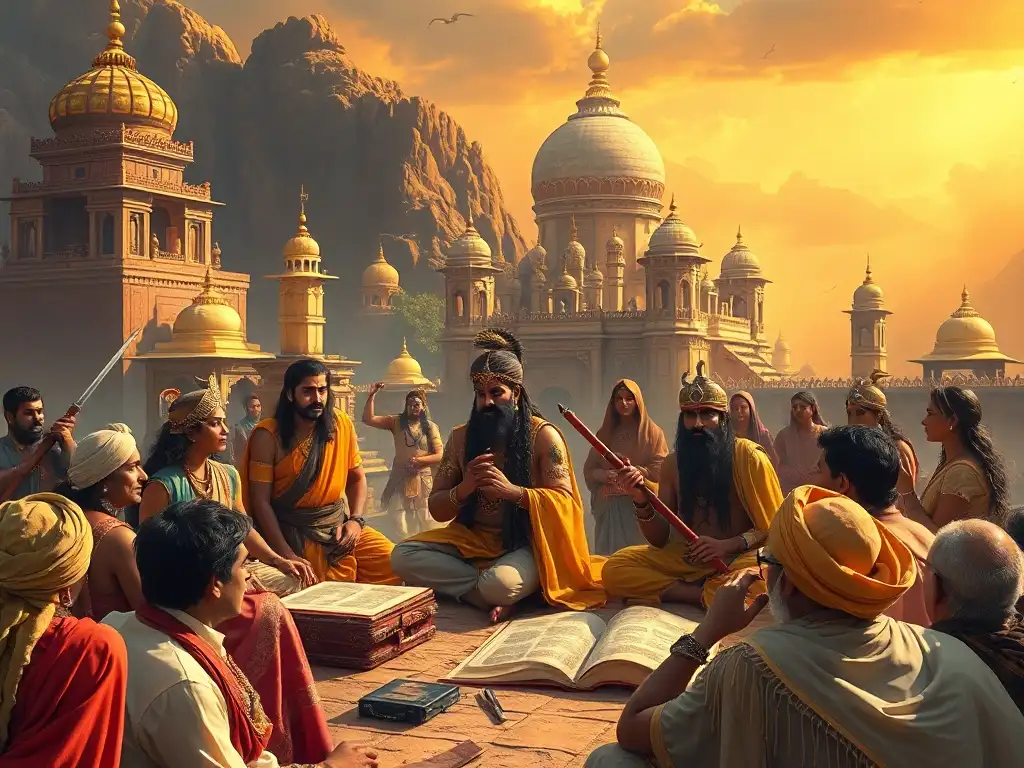
The Mahabharata, one of the two great Indian epics, has transcended its textual origins to become a vital part of popular culture, influencing various forms of art, literature, and media globally. Its themes of duty, righteousness, and moral dilemmas resonate deeply across cultures, making it a rich source for reinterpretation and adaptation. The epic's characters, such as Krishna, Arjuna, and Draupadi, have become archetypes in storytelling, representing complex human emotions and ethical quandaries.
The influence of the Mahabharata is evident in contemporary literature, films, and television series. These adaptations often reinterpret traditional narratives, infusing them with modern sensibilities while retaining their fundamental essence. The ability of the Mahabharata to adapt to changing societal norms and values underscores its relevance in today's cultural landscape.
Adaptations of the Mahabharata in Literature and Media
Numerous adaptations of the Mahabharata exist across various literary genres and artistic mediums. In literature, writers like C. Rajagopalachari, Ramesh Menon, and Devdutt Pattanaik have presented interpretations that highlight different aspects of the epic. For instance, Menon’s retelling is known for its poetic narrative and accessibility, while Pattanaik’s analyses delve into the philosophical underpinnings of the text.
In the realm of visual media, television adaptations like the 1980s series directed by B.R. Chopra and the more recent 2013 adaptation have captivated audiences, bringing the epic's grandeur to life. These adaptations often employ elaborate sets, costumes, and special effects to depict the epic’s significant battles and moral dilemmas, thus engaging a wider audience. Additionally, films such as "Mahabharat" (1989) and various animated versions have introduced the story to younger generations, ensuring its continued relevance.
The Mahabharata has also inspired theatrical performances, dance dramas, and modern art installations, showcasing its versatility and the creative potential it holds for artists and performers. This multifaceted engagement with the Mahabharata illustrates how its themes and characters can be reimagined to reflect contemporary issues while honoring the original text.
The Role of the Mahabharata in Shaping Modern Indian Identity
The Mahabharata plays a crucial role in shaping modern Indian identity by serving as a cultural touchstone that informs values, ethics, and societal norms. The epic's exploration of concepts such as dharma (duty and righteousness) and the complexities of human relationships provides a framework through which individuals navigate moral dilemmas in contemporary society.
In a rapidly globalizing world, the Mahabharata has emerged as a symbol of Indian heritage and pride. It is frequently referenced in political discourse, literature, and education, emphasizing its role in fostering a sense of national identity. Moreover, the epic's universal themes have resonated with diverse audiences, allowing for a shared understanding of Indian culture beyond geographical boundaries.
Educational initiatives in India often include the Mahabharata in curricula, ensuring that future generations understand its significance. Schools and universities engage with the text through critical studies, performance arts, and creative reinterpretations, cementing its status as an integral part of India's cultural fabric.
Conclusion: The Enduring Legacy of the Mahabharata
The Mahabharata's enduring legacy lies in its ability to evolve with time, adapting to changing contexts while retaining its core messages. As a multidimensional text, it continues to inspire scholars, artists, and audiences alike, reflecting the complexities of human existence and the quest for truth.
Summary of the Evolution of Mahabharata Text and Interpretations
From its oral traditions to written manuscripts, the Mahabharata has undergone significant transformations that reflect the historical and cultural contexts of its various interpretations. The text's layers of commentary, philosophical discourse, and narrative adaptations showcase its rich interpretative history. Each retelling offers a new lens through which to explore its themes, enriching our understanding of the epic and its relevance to different eras.
The evolution of the Mahabharata also highlights how interpretations can shift in response to societal changes, enabling the text to remain a living document that speaks to contemporary issues. This adaptability emphasizes the dynamic nature of epic literature and its capacity to engage with the complexities of human experience across generations.
Future Prospects for Mahabharata Studies and Interpretations
The future of Mahabharata studies appears promising, with increasing interest from scholars and enthusiasts in exploring its myriad interpretations. As globalization continues to influence cultural exchanges, the Mahabharata's themes are likely to resonate with audiences worldwide, inspiring further adaptations and scholarly discourse.
Emerging fields such as digital humanities offer innovative ways to analyze the Mahabharata, utilizing technology to create interactive platforms for engagement. This could lead to new interpretations that incorporate diverse perspectives, ensuring that the epic remains relevant in an ever-changing world.
As interdisciplinary approaches gain traction, collaborations across literature, philosophy, psychology, and even political science may yield fresh insights into the Mahabharata's significance. The continued exploration of its themes in modern contexts will not only enhance our understanding of the text but also ensure its legacy endures for future generations.
References and Further Reading
The Mahabharata, one of the most significant epics in ancient Indian literature, has been a subject of extensive study and interpretation through the ages. Its layers of meaning and rich narrative have inspired scholars and enthusiasts alike to delve deeper into its historical context and literary significance. Here are some recommended texts and academic resources that can enhance your understanding of the Mahabharata's interpretations and its evolution over time.
Recommended Texts on Mahabharata Interpretations and History
-
The Mahabharata: A Modern Rendering by Ramesh Menon
This contemporary retelling of the Mahabharata provides insights into its core themes while maintaining the essence of the original text. Menon’s narrative style makes it accessible for modern readers and highlights various interpretations throughout history.
-
Mahabharata: An Inquiry in the Human Condition by Karan Singh
This book offers a philosophical exploration of the Mahabharata, focusing on its moral dilemmas and character motivations. Singh's interpretations dive into the ethical questions posed by the epic, making it an essential read for those interested in the moral implications of the text.
-
The Mahabharata: A Literary Study by M. A. Dhaky
Dhaky’s work presents a comprehensive analysis of the Mahabharata as a literary piece, discussing its structure, themes, and character development. The book also examines how various interpretations have emerged over time, providing a historical perspective on its influence.
-
Mahabharata: The Greatest Indian Epic by Kamala Subramaniam
Subramaniam's book is a concise and engaging version of the epic, ideal for those new to the Mahabharata. It also discusses how the epic has been interpreted in different cultural contexts, making it a valuable resource for understanding its broader impact.
-
The Mahabharata: An Overview edited by Alf Hiltebeitel
This collection of essays presents diverse perspectives on the Mahabharata, including historical, cultural, and literary analyses. Hiltebeitel compiles works from various scholars, offering a rounded view of the epic's interpretations throughout history.
Academic Resources for In-Depth Study of the Mahabharata
-
The Mahabharata Project
An extensive digital archive that hosts various translations, commentaries, and interpretations of the Mahabharata. This project is invaluable for scholars seeking primary texts and diverse interpretations across different historical contexts.
-
Journal of Indian Philosophy
This academic journal often features articles focusing on the philosophical aspects of the Mahabharata, exploring its themes of duty, righteousness, and ethics. It serves as a platform for scholarly discourse on the epic's relevance in contemporary philosophical discussions.
-
The American Oriental Society
This organization publishes numerous works on Indian literature and history, including studies specifically focused on the Mahabharata. Their resources can provide in-depth scholarly insights into the epic’s textual evolution and interpretative history.
-
The Indian Historical Review
Featuring articles that delve into the historical context of ancient Indian texts, this journal often includes research related to the Mahabharata’s historical interpretations and its impact on Indian culture.
-
Institute of Advanced Studies in Education (IASE)
The IASE conducts research on various aspects of Indian literature, including the Mahabharata. Their publications offer rich insights into the epic's textual variations and different interpretative frameworks.
These texts and academic resources provide a solid foundation for anyone interested in exploring the Mahabharata's complex layers of meaning and its interpretations throughout history. Whether you are a student, a scholar, or simply an enthusiast of ancient Indian literature, these readings will enrich your understanding of this monumental epic.
- Introduction to the Mahabharata
- Historical Context of the Mahabharata Text
- Evolution of the Mahabharata Text Through the Ages
- Diverse Interpretations of the Mahabharata
- Thematic Analysis of Mahabharata Interpretations
- Regional Variations of the Mahabharata Text
- The Mahabharata in Popular Culture
- Conclusion: The Enduring Legacy of the Mahabharata
- References and Further Reading
- What is the Mahabharata and why is it significant in Indian history?
- How have interpretations of the Mahabharata changed over time?
- What are some key themes explored in the Mahabharata?
- How did the Indus Valley Civilization influence the Mahabharata?
- What role did the Gupta Empire play in the transmission of the Mahabharata?
Frequently Asked Questions
What is the Mahabharata and why is it significant in Indian history?
The Mahabharata is an ancient Indian epic that narrates the Kurukshetra War and the fates of the Kaurava and Pandava princes. It holds immense significance as it reflects the cultural, philosophical, and social values of ancient India.
How have interpretations of the Mahabharata changed over time?
Interpretations of the Mahabharata have evolved through various historical contexts, reflecting changes in societal norms, religious beliefs, and literary styles. Modern scholars often analyze it through diverse lenses, including feminist and post-colonial perspectives.
What are some key themes explored in the Mahabharata?
Key themes include dharma (duty/righteousness), justice, friendship, and the complexity of human relationships. These themes resonate through its characters and their decisions, making it a profound study of ethical dilemmas.
How did the Indus Valley Civilization influence the Mahabharata?
While the Indus Valley Civilization predates the Mahabharata, its cultural and social advancements laid the groundwork for subsequent Indian civilizations. Elements like urban planning and trade practices shaped the societal context in which the Mahabharata was written.
What role did the Gupta Empire play in the transmission of the Mahabharata?
The Gupta Empire (circa 320-550 CE) is often called the Golden Age of India, where arts and literature flourished. During this period, the Mahabharata was preserved, studied, and commented upon, contributing to its status as a classic in Indian literature.
Final Reflection: The Enduring Legacy of the Mahabharata
The Mahabharata, with its intricate narratives and profound philosophical insights, remains a cornerstone of cultural and spiritual discourse in today's world. As we explore the evolution of its text and interpretations over time, it becomes clear that this epic is not merely a relic of the past but a living document that continues to shape our understanding of morality, duty, and the human experience. The relevance of the Mahabharata in contemporary discussions about ethics and conflict resolution is striking, reminding us that the lessons embedded within its verses are timeless.
The influence of the Mahabharata extends far beyond literature; it permeates our cultural and social landscapes, inspiring art, theater, and even modern-day political discourse. As we navigate the complexities of our own lives, the themes of the Mahabharata resonate deeply, urging us to reflect on our choices and responsibilities. The Mahabharata is a mirror of our own lives, revealing the eternal struggles of humanity.
This ongoing dialogue with the text invites us to engage with its interpretations, fostering a deeper understanding of ourselves and the world around us.
As we conclude this exploration of the Mahabharata's rich history and interpretations, I invite you to reflect on how these ancient teachings can inform your own life. Consider the dilemmas you face and the values that guide your decisions. Let the wisdom of the Mahabharata inspire you to seek clarity in your actions and to embrace the complexities of your journey. In doing so, we honor the legacy of this monumental epic while forging our own paths in the tapestry of life.
Unveil the Depths of the Mahabharata!
Thank you for diving into the rich world of the Mahabharata with us! We hope you gained valuable insights into its evolving text and interpretations through time. Now, it's time to put your newfound knowledge into action!
- Explore more: Delve into various interpretations by reading or listening to different retellings of the Mahabharata.
- Engage with the community: Join online forums or local book clubs to discuss your thoughts and discoveries about this epic tale.
- Share your insights: Write a blog post or a social media update reflecting on how the Mahabharata resonates with contemporary issues.
What aspect of the Mahabharata's evolution intrigues you the most, and how do you believe it influences modern storytelling?