
Lessons from the Ramayana: Navigating Life’s Challenges and Choices


Welcome to Ancient India History, where the echoes of time resonate through the stories of vibrant civilizations! Here, we invite you to embark on a journey that unveils the rich tapestry of ancient Indian culture, from the magnificent Indus Valley to the illustrious Gupta Empire. In our featured article, “Lessons from the Ramayana: Navigating Life’s Challenges and Choices,” we delve into the profound wisdom woven into one of India's greatest epics.
Discover how these timeless teachings can illuminate our paths today and inspire you to confront life's trials with courage and clarity. Ready to unlock the secrets of the past? Dive in and explore the invaluable insights waiting for you!
- Introduction to the Ramayana and Its Significance
- Lessons from the Ramayana: Life’s Challenges and Choices
- Key Characters and Their Life Lessons
- Overcoming Adversity: Insights from the Ramayana
- Ethical Choices and Moral Dilemmas in the Ramayana
- Applying the Lessons from the Ramayana in Modern Life
- Conclusion: Embracing the Lessons from the Ramayana
- Additional Resources on the Ramayana
- Frequently Asked Questions
- Final Reflection: Embracing the Wisdom of the Ramayana
- Unveil Your Path: Embrace Lessons from the Ramayana!
Introduction to the Ramayana and Its Significance
The Ramayana, one of the two great epics of ancient Indian literature, holds a significant place in the cultural and spiritual landscape of India. Composed by the sage Valmiki, this epic narrates the life and adventures of Lord Rama, his wife Sita, and his loyal companion Hanuman, while exploring themes of duty, righteousness, and the complexities of human relationships.
Through its rich storytelling and profound moral lessons, the Ramayana offers valuable insights into navigating life's challenges and making ethical choices. This article delves into the lessons from the Ramayana, illustrating how its teachings remain relevant in contemporary times, guiding individuals through the complexities of modern life.
Overview of the Ramayana
The Ramayana is divided into seven Kandas, or books, each detailing different phases of Rama's journey. From his exile to the forest, the abduction of Sita by the demon king Ravana, and the eventual battle to rescue her, the narrative encompasses a wide array of characters and events. Key figures include:
- Rama: The protagonist and an incarnation of the god Vishnu, symbolizing dharma (righteousness).
- Sita: Rama's devoted wife, representing purity and virtue.
- Hanuman: The monkey god and Rama's faithful ally, embodying loyalty and devotion.
The epic not only serves as a story of heroism but also reflects the ideal virtues and values of society, influencing countless generations in their moral and ethical decision-making.
Importance of Epic Literature in Ancient India
Epic literature, such as the Ramayana and the Mahabharata, played a pivotal role in shaping the cultural and philosophical foundations of ancient India. These texts were not merely stories but were:
- Cultural Narratives: They encapsulated the beliefs, values, and traditions of the time, acting as a repository of collective memory for society.
- Moral Frameworks: The epics provided guidelines for ethical conduct and social responsibilities, helping individuals navigate complex moral dilemmas.
- Educational Tools: Through storytelling, these epics served as a medium to convey knowledge, philosophy, and spirituality to the masses, fostering a sense of identity and community.
The Ramayana, in particular, is revered not only as a literary masterpiece but also as a spiritual guide, influencing religious practices and cultural expressions in various forms, from dance and drama to visual arts.
Key Themes of the Ramayana
The Ramayana is rich with themes that resonate across ages. Some of the key themes include:
- Dharma (Righteousness): The pursuit of duty and moral obligations is central to the narrative, exemplified by Rama's unwavering commitment to his role as a son, husband, and king.
- Devotion and Loyalty: The relationships depicted in the epic highlight the significance of devotion, particularly through Hanuman's unwavering loyalty to Rama and Sita.
- Good vs. Evil: The overarching conflict between Rama and Ravana exemplifies the timeless battle between good and evil, emphasizing the importance of virtue in overcoming adversity.
- Sacrifice and Suffering: Characters in the Ramayana frequently face trials and tribulations, underscoring the lessons of resilience and the necessity of sacrifice for a greater cause.
These themes not only enrich the narrative but also offer profound insights that guide individuals in their personal and ethical lives, making the Ramayana a timeless source of wisdom.
Lessons from the Ramayana: Life’s Challenges and Choices

Understanding Duty (Dharma) in the Ramayana
The concept of Dharma, or duty, is central to the narrative of the Ramayana. It outlines the moral and ethical obligations that individuals must adhere to in various roles—be it as a ruler, a sibling, a spouse, or a friend. The character of Lord Rama embodies the ideal of Dharma, illustrating how one should prioritize duty over personal desires.
- Rama's Exile: When Rama is forced into exile to fulfill his father's promise, it highlights the importance of adhering to one's responsibilities. Despite the personal cost, Rama accepts his fate with dignity, showcasing that personal sacrifice is sometimes necessary to uphold Dharma.
- Sita's Trials: Sita's unwavering loyalty to Rama during her captivity in Lanka signifies her commitment to marital Dharma. Her trials by fire (Agni Pariksha) further exemplify the societal expectations placed on women, raising questions about duty and honor.
The Ramayana teaches that understanding one's Dharma requires reflection, and it may not always align with societal norms or personal happiness. The lessons from this epic encourage individuals to evaluate their roles and responsibilities within the context of their relationships and society.
The Role of Sacrifice and Selflessness
Sacrifice is a recurring theme in the Ramayana, where characters frequently confront choices that demand personal loss for the greater good. This theme is intricately woven into the actions of several key figures:
- Bharata's Loyalty: Bharata, Rama's brother, exemplifies selflessness when he refuses to take the throne while Rama is in exile. Instead of relishing in power, he places Rama's sandals on the throne as a symbol of his loyalty and commitment to his brother, demonstrating that true leadership often requires putting others first.
- Hanuman's Devotion: Hanuman's unwavering loyalty to Rama is evident in his daring feats, such as crossing the ocean to reach Sita and bringing back vital information. His actions serve not only to support Rama but also to showcase the power of selfless love in overcoming adversity.
These examples illustrate that true sacrifice often involves surrendering personal desires for the benefit of loved ones and the larger community. The Ramayana imparts lessons on the significance of selflessness, reminding readers that acts of sacrifice can lead to profound transformation and collective strength.
The Ramayana intricately explores the complexities of human relationships, emphasizing the themes of love, loyalty, and betrayal. Each character's choices reflect the challenges inherent in navigating these emotions:
- Rama and Sita: The relationship between Rama and Sita is a paradigm of love and loyalty. Their bond is tested through trials that challenge their faith in one another. Sita's abduction by Ravana serves as a catalyst for Rama's journey, underscoring how external forces can threaten personal relationships.
- The Betrayal of Surpanakha: The character of Surpanakha illustrates the pain of betrayal. Her rejection by Rama and Lakshmana leads to a series of vengeful actions, emphasizing how unaddressed feelings can spiral into conflict. This narrative serves as a reminder of the importance of communication and understanding in relationships.
- The Role of Friendship: The camaraderie between Rama and Lakshmana exemplifies loyalty. Lakshmana’s unwavering support during Rama's trials signifies the strength of brotherly bonds and the importance of standing by loved ones during difficult times.
These narratives collectively convey that navigating relationships requires a balance of love, loyalty, and an understanding of the potential for betrayal. The lessons from the Ramayana encourage readers to cultivate empathy and communication, essential components for fostering meaningful connections.
Key Characters and Their Life Lessons
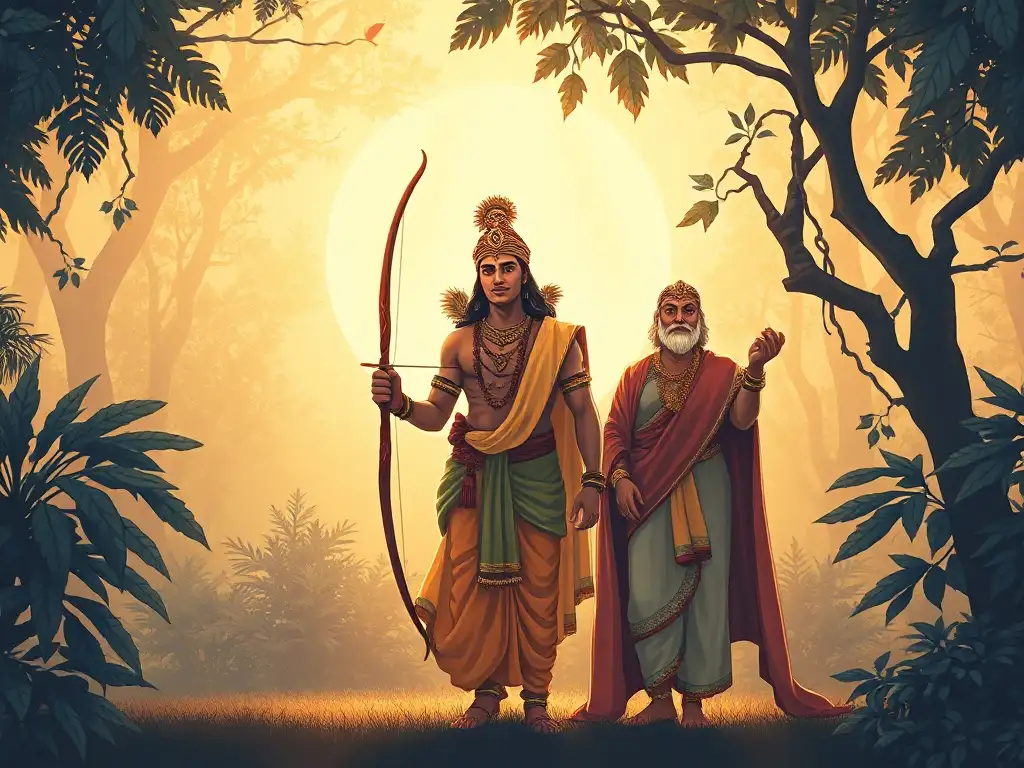
The Ramayana is not just a tale of adventure and heroism; it is also a treasure trove of wisdom imparted through its key characters. Each principal figure embodies specific virtues and lessons that resonate across time and cultures. Understanding these characters can provide valuable insights into navigating life's challenges and choices.
Rama: The Ideal Man and Leader
Rama, the protagonist of the Ramayana, is often hailed as the epitome of virtue and righteousness. His life is characterized by several crucial lessons:
- Dharma (Righteous Duty): Rama's unwavering commitment to dharma is evident throughout his journey. He willingly accepts exile to uphold his father's promise, demonstrating that personal sacrifice is sometimes necessary for the greater good.
- Integrity and Honor: Rama's integrity is reflected in his interactions with others, including enemies and allies. His refusal to abandon Sita, even in the face of public scrutiny, underscores the importance of standing by loved ones and maintaining one's honor.
- Leadership and Compassion: As a leader, Rama combines strength with compassion. His ability to empathize with others, including his loyal brother Lakshmana and the vanaras (monkeys), showcases the balance between authority and kindness.
The lessons derived from Rama's character encourage individuals to act with integrity, uphold their duties, and lead with compassion, even when faced with adversity.
Sita: Strength and Resilience
Sita, the devoted wife of Rama, exemplifies strength and resilience in the face of overwhelming challenges. Her character teaches critical life lessons, including:
- Inner Strength: Sita's ability to endure captivity in Ravana's palace highlights the power of inner strength. She remains steadfast in her loyalty to Rama, showcasing that true strength often lies in perseverance and faith.
- Self-Respect and Dignity: Sita's dignity shines through her trials. When faced with doubt about her chastity after being rescued, she chooses to undergo an agni-pariksha (trial by fire) rather than compromise her self-respect. This act emphasizes the importance of self-worth and personal integrity.
- Role of Agency: Although often portrayed as a passive figure, Sita actively participates in her destiny, reminding us that taking control of one's life and choices is vital. Her journey reinforces the idea that resilience and strength can manifest in various forms.
Sita's character inspires individuals to cultivate their inner fortitude, maintain dignity, and assert their agency in life's journey.
Hanuman: Devotion and Courage
Hanuman, the monkey god and ardent devotee of Rama, represents the ideals of devotion and courage. His narrative serves as a profound lesson in various aspects:
- Unwavering Devotion: Hanuman's dedication to Rama is unparalleled. He goes to great lengths to assist Rama, showcasing that true devotion involves not just belief, but also action. His tireless efforts in locating Sita and rallying allies demonstrate how commitment can lead to transformative outcomes.
- Courage in Adversity: Hanuman's bravery is evident when he leaps across the ocean to reach Lanka. His fearlessness serves as a reminder that courage is not the absence of fear but the willingness to act despite it. This lesson encourages individuals to confront their fears head-on.
- Empowerment through Faith: Hanuman's character illustrates that faith can empower individuals to overcome obstacles. His famous chant, "Buddhi, Shakti, and Vairagya" emphasizes the synergy of intellect, strength, and detachment in achieving one's goals.
Through Hanuman's character, readers learn the importance of devotion, the courage to face challenges, and the empowering nature of faith in navigating life's complexities.
The key characters of the Ramayana offer timeless lessons that transcend the epic itself, serving as guides for individuals seeking to navigate the trials of life with virtue, strength, and unwavering commitment.
Ravana: Lessons on Hubris and Power
Ravana, the ten-headed king of Lanka, is one of the most complex figures in the Ramayana. His character embodies the intricate interplay of power, ambition, and the consequences of hubris. As a revered scholar and a devotee of Lord Shiva, Ravana's life story serves as a cautionary tale about the perils of unchecked ambition and arrogance.
One of the profound lessons from Ravana's narrative is the impact of hubris. Despite his immense power, intelligence, and devotion, Ravana's ego led him to believe that he was invincible. This overconfidence blinded him to the vulnerabilities in his character and his kingdom. He underestimated the strength of Lord Rama, ultimately leading to his downfall. The message here is clear:
- Beware of Overconfidence: When individuals allow their achievements to inflate their self-worth, they risk making poor judgments that can lead to significant consequences.
Ravana's desire for power also highlights the consequences of unethical choices. His abduction of Sita, driven by lust and ambition, not only led to a devastating war but also caused immense suffering to countless beings. This act symbolizes how the pursuit of power can corrupt one's morals and lead to actions that have far-reaching repercussions.
- The Cost of Ambition: Ravana's story teaches that ambition, when pursued without ethical considerations, can result in personal and communal destruction. The allure of power should never overshadow one's moral compass.
Furthermore, Ravana’s interactions with his family, particularly with his brother Vibhishana, provide insights into the importance of listening to wise counsel. Vibhishana's warnings about the consequences of Ravana's actions fell on deaf ears, illustrating how disregarding constructive criticism can be detrimental.
- The Importance of Humility: Acknowledging the perspectives of others and showing humility in the face of criticism is vital for personal growth and wise decision-making.
Ravana's life is a rich tapestry of lessons on hubris, power, and the ethical dilemmas that accompany ambition. His story serves as a reminder that while strength and intelligence are commendable, they must be accompanied by humility and moral integrity to navigate life's challenges successfully.
Overcoming Adversity: Insights from the Ramayana
The Ramayana, one of the two great epics of ancient Indian literature, is not just a tale of heroism and adventure; it serves as a profound guide on overcoming adversity. The trials faced by its characters, particularly Rama and Sita, resonate with timeless lessons applicable to modern life. Through their journey, we learn about resilience, the power of righteousness, and the significance of maintaining faith in the face of challenges.
The Journey of Rama and Sita: Facing Trials
Rama and Sita's journey is emblematic of the human experience, filled with trials that test their strength and character.
- Exile and Separation: Rama’s exile to the forest signifies the unexpected challenges life can present. Despite being the rightful heir to the throne, he faces rejection and must adapt to a life of hardship. Sita’s abduction by Ravana represents the unforeseen adversities that can disrupt our lives.
- Battles and Sacrifices: The epic chronicles the numerous battles Rama engages in to rescue Sita, symbolizing the struggles we must face to reclaim what is valuable to us. Each confrontation with Ravana’s forces illustrates the importance of courage and strategy in overcoming life's obstacles.
- Moral Dilemmas: Rama’s decisions often reflect the complex nature of morality. For instance, his choice to banish Sita upon her return raises questions about loyalty and honor, prompting readers to contemplate the weight of their choices in difficult situations.
These elements of the journey highlight that facing trials is an inevitable part of life, yet how we respond can define our character and path forward.
The Importance of Perseverance and Faith
Perseverance and faith are central themes in the Ramayana, emphasizing their critical role in overcoming adversity.
- Rama's Steadfastness: Throughout his journey, Rama embodies tenacity. Despite the challenges he faces—loss, betrayal, and immense hardships—he remains committed to his dharma (duty). His unwavering resolve teaches us that persistence in our values and goals is essential, even when the odds are stacked against us.
- Sita's Resilience: Sita's character exemplifies inner strength and faith. Her unwavering belief in Rama and her ability to endure trials in captivity reflect the power of hope and loyalty. This teaches us that maintaining faith in ourselves and our loved ones can provide the strength needed to endure life's tribulations.
- Divine Support: The Ramayana also underscores the belief that divine intervention plays a role in our struggles. Rama’s reliance on Lord Hanuman and other allies during his quest illustrates that seeking help and guidance can be crucial in overcoming challenges.
By emphasizing the importance of perseverance and faith, the Ramayana encourages us to remain steadfast in our endeavors, regardless of the difficulties we encounter.
Strategies for Dealing with Life's Challenges
The lessons gleaned from the Ramayana can be translated into practical strategies for navigating life's challenges:
- Embrace Change: Life often presents unexpected changes, much like Rama’s exile. Accepting change rather than resisting it can lead to personal growth and resilience.
- Set Clear Goals: Just as Rama had a clear objective in rescuing Sita, having specific goals can guide our actions and motivate us to push through obstacles.
- Cultivate Support Networks: In the Ramayana, the bonds between characters demonstrate the importance of community. Building a strong support network can provide encouragement and assistance during tough times.
- Practice Reflection: Regular self-reflection can help us understand our values and priorities, much like Rama’s contemplation of his duties. This can guide us in making informed decisions when faced with challenges.
- Maintain Hope: The ultimate message of the Ramayana is one of hope. Cultivating a positive outlook can empower us to face difficulties with optimism and determination.
By implementing these strategies, we can navigate adversity with the wisdom imparted by the Ramayana, transforming challenges into opportunities for growth and learning.
Ethical Choices and Moral Dilemmas in the Ramayana
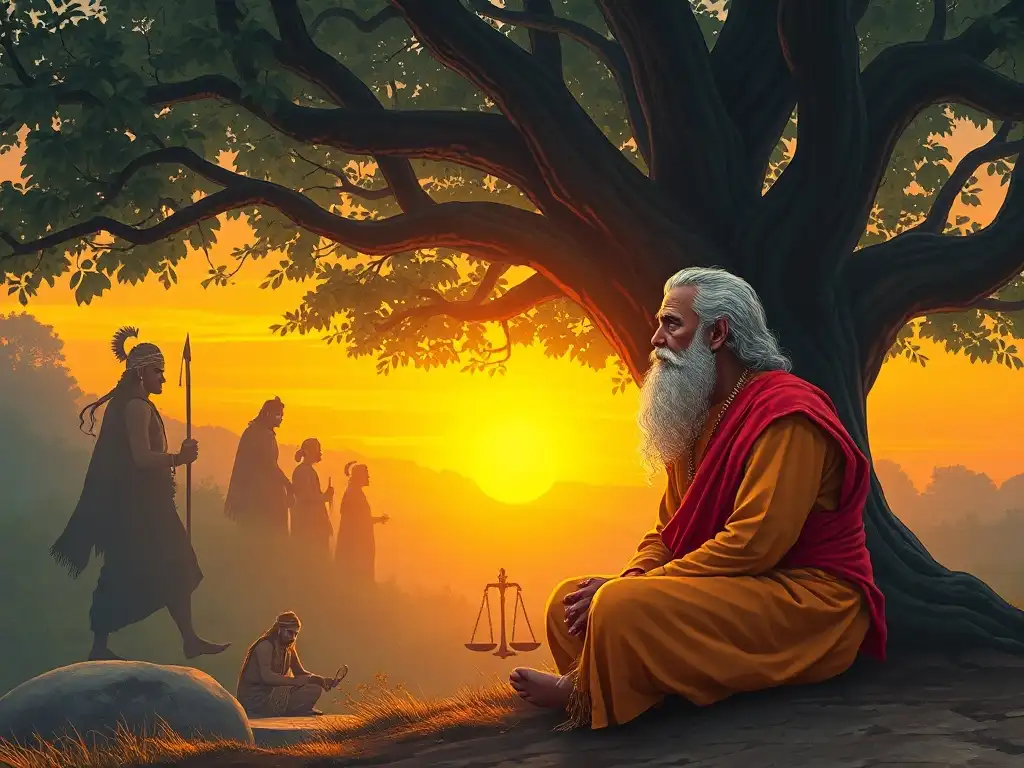
In the epic narrative of the Ramayana, ethical choices and moral dilemmas serve as pivotal elements that shape the characters' journeys and the overarching storyline. The Ramayana is not merely a tale of adventure and heroism; it is a profound exploration of virtue, duty (dharma), and the complexities of human relationships. The characters often find themselves at a crossroads, facing decisions that test their morals and values, which in turn reflect the societal norms and philosophical beliefs of ancient India.
Analyzing Key Decisions Made by Characters
Throughout the Ramayana, several key decisions highlight the ethical dilemmas faced by its characters. These decisions often revolve around the principles of duty, loyalty, and righteousness.
- Rama's Exile: One of the most significant choices arises when Rama, the protagonist, chooses to honor his father's word over his own desires. King Dasharatha, bound by his promise to his wife Kaikeyi, reluctantly exiles Rama for 14 years. This decision underscores the importance of duty and respect for parental authority in ancient Indian society. Rama's acceptance of this fate demonstrates his commitment to dharma, even at great personal cost.
- Sita's Agni Pariksha: After rescuing Sita from Ravana, Rama demands that she undergo an Agni Pariksha (trial by fire) to prove her chastity and purity. This decision raises profound questions about trust and gender roles. While Rama’s actions are rooted in a desire to maintain his honor and that of his kingdom, they also highlight the societal pressures that women faced, leading to debates about justice and fairness.
- Lakshmana's Loyalty: Lakshmana, Rama's devoted brother, faces a moral dilemma when he is tasked with guarding Sita. His decision to leave her momentarily to fetch Rama demonstrates the complexities of loyalty and duty. This choice ultimately leads to Sita's abduction by Ravana, emphasizing how the weight of responsibility can lead to unforeseen consequences.
The Consequences of Choices in the Epic
The choices made by characters in the Ramayana have far-reaching consequences that resonate throughout the narrative. These outcomes serve as cautionary tales, illustrating the impact of ethical decisions on individuals and society.
- Rama and Sita's Separation: The exile of Rama not only leads to his separation from Sita but also sets in motion a series of events that culminate in war and devastation. The personal loss experienced by the characters reflects the broader theme of sacrifice that permeates the epic.
- Ravana's Downfall: Ravana's choices, particularly his decision to abduct Sita, stem from his desire for power and desire. This act not only leads to his own demise but also brings suffering to his kingdom and family, illustrating the destructive nature of greed and lust.
- The Role of Dharma: The Ramayana serves as a reminder that choices rooted in dharma may not always lead to immediate rewards. Rama’s adherence to righteousness ultimately leads him to reclaim his throne, but the path is fraught with trials that test his resolve.
Lessons on Justice and Fairness
The Ramayana provides profound insights into concepts of justice and fairness, encouraging readers to reflect on the moral implications of their actions. Several key lessons emerge from the epic:
- The Complexity of Justice: Justice in the Ramayana is not always clear-cut. Characters such as Rama and Ravana embody conflicting notions of right, illustrating that perspectives on justice may vary based on one's position and beliefs. This complexity encourages readers to consider the nuances of justice in their own lives.
- Empathy and Understanding: The decisions made by characters reveal the importance of empathy. Understanding the motivations and struggles of others is crucial in making fair decisions. For instance, Rama's decision regarding Sita reflects an inability to fully empathize with her situation, leading to a painful outcome.
- Accountability: The consequences of choices underscore the importance of accountability. Each character faces the repercussions of their actions, reinforcing the idea that one must take responsibility for their decisions, whether they lead to triumph or tragedy.
The Ramayana serves as a rich source of ethical reflections, highlighting the moral dilemmas faced by its characters and the lasting impact of their choices. These lessons are timeless, offering valuable insights into navigating the complexities of human relationships and the pursuit of righteousness in our own lives.
Applying the Lessons from the Ramayana in Modern Life

Relevance of Ramayana’s Teachings Today
The Ramayana, one of the two great epics of ancient India, continues to resonate with contemporary society. The teachings embedded within its verses offer profound insights that are applicable in today’s complex world. The characters in the Ramayana exemplify virtues such as duty (dharma), honor, loyalty, and integrity, which remain essential in navigating personal and professional challenges.
- Moral Dilemmas: The story of Rama's exile teaches us about the importance of making tough choices. Just as Rama prioritized his father's honor over personal happiness, individuals today are often faced with similar dilemmas where ethical considerations must lead decision-making processes.
- Resilience and Perseverance: Sita’s unwavering strength during her abduction symbolizes the need for resilience. In modern life, where challenges are inevitable, the ability to endure hardships while maintaining faith can lead to eventual triumph.
- Interpersonal Relationships: The bonds between the characters—be it Rama’s devotion to Sita or Lakshmana’s loyalty—highlight the significance of nurturing relationships. In an age where digital communication often overshadows face-to-face interactions, these lessons remind us of the importance of authentic connections.
Practical Applications of Ancient Wisdom
The wisdom of the Ramayana can be translated into actionable strategies for modern living. Here are some ways to implement these teachings in everyday life:
- Setting Priorities: Like Rama, who placed his dharma above personal desires, individuals can benefit from clarifying their own values and priorities. This can be achieved through:
- Daily Reflection: Spend a few minutes each day assessing personal goals and aligning them with values.
- Mindfulness Practices: Engage in mindfulness to remain present and focused on what truly matters.
- Emphasizing Ethics in Decision-Making: The Ramayana illustrates the importance of dharma in all actions. Modern applications include:
- Ethical Leadership: In the workplace, leaders can establish a culture of integrity by making decisions that honor ethical standards.
- Community Engagement: Participate in community service, reflecting the Ramayana's emphasis on duty to society.
- Cultivating Inner Strength: Much like Sita’s resilience, developing mental fortitude can help individuals navigate life's challenges. Techniques include:
- Resilience Training: Engage in workshops or courses that enhance coping strategies and stress management.
- Support Networks: Build a reliable support system that encourages sharing experiences and seeking guidance.
Personal Growth Through the Lens of the Ramayana
The Ramayana serves as a mirror reflecting the complexities of human nature and the path to personal growth. Each character’s journey provides a framework for self-improvement and understanding:
- Self-Discovery: The trials faced by characters such as Rama and Sita prompt readers to explore their own identities. Engaging with these narratives can inspire individuals to:
- Journaling: Maintain a journal to document personal experiences and insights gained from the epic.
- Mentorship: Seek mentors who embody the virtues found in the Ramayana, facilitating personal growth through guidance.
- Emotional Intelligence: The interactions among characters illustrate profound emotional depth. By analyzing these relationships, individuals can enhance their emotional intelligence through:
- Empathy Exercises: Practice empathy by attempting to understand others' perspectives and motivations.
- Conflict Resolution: Employ the lessons learned from character dynamics to navigate conflicts in personal and professional settings.
The lessons from the Ramayana offer timeless wisdom that remains relevant and applicable in modern life. By integrating these teachings into daily practices, individuals can foster personal growth, strengthen relationships, and navigate life's challenges with greater ease.
Conclusion: Embracing the Lessons from the Ramayana
The Ramayana, one of the two great epics of ancient India, offers profound insights into human nature and the complexities of life. Its teachings are not merely confined to the narrative of Rama, Sita, and the struggles against evil; rather, they extend into the realms of ethics, duty, and personal growth. Embracing these lessons can aid individuals in navigating their own life's challenges, providing a moral compass in times of uncertainty.
Summary of Key Takeaways
The Ramayana encapsulates a wealth of wisdom that remains relevant across generations. Here are some of the key takeaways:
- Dharma (Righteousness): The concept of duty is central to the Ramayana. Characters like Rama exemplify the importance of adhering to one's dharma, even in the face of adversity.
- Devotion and Loyalty: The unwavering loyalty of Hanuman to Rama showcases the power of devotion. This aspect emphasizes the significance of loyalty not only to friends and family but also to one's principles.
- Courage in Adversity: The challenges faced by Sita and Rama highlight the importance of courage and resilience. Their journey teaches us that facing our fears and obstacles head-on is essential for personal growth.
- Conflict Resolution: The epic offers insights into resolving conflicts through dialogue and understanding, as seen in the interactions between various characters, including the foes.
- The Role of Compassion: Compassion emerges as a vital theme, encouraging individuals to empathize with others, reflecting the holistic nature of human relationships.
The Timeless Nature of Ramayana’s Lessons
The lessons derived from the Ramayana transcend time and culture. They resonate with contemporary issues, such as ethical dilemmas in professional settings, personal relationships, and societal challenges. The epic’s exploration of moral choices encourages readers to reflect on their values and the impact of their decisions.
Additionally, the universal themes of love, sacrifice, and the quest for justice resonate with audiences globally. As modern society grapples with complexities and ethical uncertainties, the teachings of the Ramayana provide a framework for understanding the essence of humanity and guiding principles for personal conduct.
Encouragement to Explore Further into Epic Literature
Delving deeper into epic literature, such as the Ramayana, opens up a rich tapestry of cultural heritage and philosophical inquiry. Exploring other epics, like the Mahabharata, can further enhance one’s understanding of ancient Indian thought and its relevance today.
Engaging with these texts not only enriches one’s literary knowledge but also fosters a deeper appreciation for the moral dilemmas and life lessons they present. For those interested in understanding the nuances of human behavior and the philosophical inquiries of ancient civilizations, studying epic literature is an invaluable pursuit that promises to enlighten and inspire.
By embracing the lessons from the Ramayana, we can navigate life’s challenges with wisdom and compassion, ensuring that the teachings of this timeless epic continue to guide future generations.
Additional Resources on the Ramayana
Recommended Books and Articles
Delving deeper into the Lessons from the Ramayana can be greatly enhanced by exploring various books and scholarly articles. Here are some highly recommended resources:
-
"The Ramayana: A New Translation" by Robert Alter
This modern translation captures the essence and poetry of the original text while providing insightful commentary that helps readers understand the cultural and spiritual significance of the Ramayana.
-
"Ramayana: Divine Loophole" by Sanjay Patel
A beautifully illustrated retelling that brings the epic to life for younger audiences, making it accessible while retaining the core lessons of duty, honor, and moral dilemmas.
-
"The Ramayana: An Illustrated Retelling" by Arshia Sattar
This retelling is particularly noted for its engaging narrative style and is accompanied by stunning illustrations, making it an attractive option for both adults and children.
-
"Interpretations of the Ramayana" by various authors
A collection of scholarly essays that examine the Ramayana from different critical perspectives, including feminist, psychological, and post-colonial analyses.
Online Courses and Lectures
For those looking to engage with the Ramayana in a more interactive way, online courses and lectures offer valuable insights:
-
Coursera: "The Ramayana and the Mahabharata"
This course offers an in-depth analysis of the epics, focusing on their cultural relevance and the lessons they impart regarding ethics and morality.
-
edX: "Exploring Indian Epic Literature"
A comprehensive course that explores both the Ramayana and the Mahabharata, discussing their historical contexts, themes, and narrative techniques.
-
YouTube Lectures by Scholars
Numerous scholars have uploaded lectures and discussions about the Ramayana, such as those by Dr. Ramesh Menon and Dr. Shampa Sinha, which can be found on platforms like YouTube. These lectures often touch upon the lessons and moral teachings within the epic.
Documentaries and Films about the Ramayana
Visual storytelling can greatly enhance the understanding of the Ramayana's themes and lessons. Here are some notable documentaries and films:
-
"Ramayana: The Legend of Prince Rama"
An animated film that provides a visually stunning retelling of the Ramayana, making it accessible to audiences of all ages. It beautifully encapsulates the key events and moral lessons of the epic.
-
Documentary Series: "The Ramayana"
This series explores the historical and cultural context of the Ramayana, featuring interviews with scholars and practitioners, as well as insights into the various adaptations of the epic across India.
-
"Raavan: The Legend of Rama's Greatest Enemy"
A film that provides a unique perspective on the Ramayana by focusing on the character of Ravana, examining his motivations and the complexity of his character, which can lead to a deeper understanding of the lessons of the epic.
Engaging with these resources will not only enrich your understanding of the Lessons from the Ramayana but also enhance your appreciation of its profound impact on Indian culture and philosophy.
Frequently Asked Questions
What are the main lessons from the Ramayana?
The Ramayana teaches important moral values such as duty, honor, and the significance of relationships. These lessons guide individuals in making ethical choices throughout their lives.
How can the Ramayana be applied to modern life?
The principles and ethics demonstrated in the Ramayana can help individuals navigate personal challenges and improve their interpersonal relationships, promoting a more harmonious existence.
Who are the key characters in the Ramayana that impart these lessons?
Key characters like Rama, Sita, and Hanuman embody various virtues such as bravery, loyalty, and sacrifice, showcasing how these traits can be essential in overcoming life's difficulties.
What is the significance of dharma in the Ramayana?
Dharma, or righteous duty, is a central theme in the Ramayana, emphasizing the importance of adhering to one's responsibilities and making choices that align with ethical principles.
How does the Ramayana illustrate the concept of good vs. evil?
The Ramayana portrays the constant struggle between good (Dharma) and evil (Adharma), demonstrating that integrity and courage are vital in confronting and overcoming adversity.
Final Reflection: Embracing the Wisdom of the Ramayana
In a world that often feels chaotic and unpredictable, the lessons from the Ramayana resonate more than ever. This ancient epic not only narrates the trials and tribulations faced by its characters but also offers profound insights into navigating our own life's challenges and choices. As we grapple with modern dilemmas, the timeless wisdom embedded in the Ramayana serves as a guiding light, reminding us that courage, duty, and righteousness are essential in overcoming adversity.
The influence of the Ramayana extends far beyond its narrative; it has woven itself into the cultural and social fabric of societies across the globe. The teachings of the Ramayana inspire us to reflect on our values and decisions. As we face moral dilemmas and personal conflicts, the epic encourages us to seek clarity and purpose. The Ramayana teaches us that the path of righteousness is often fraught with challenges, but it is the choices we make that define our character.
This ongoing relevance highlights the importance of these lessons in shaping our identities and guiding our actions in a rapidly changing world.
As we conclude this exploration of the Ramayana's teachings, I invite you to reflect on how these lessons can be applied in your own life. Consider the choices you face and the values that guide you. Let the wisdom of the Ramayana inspire you to act with integrity, embrace your responsibilities, and navigate your challenges with grace. By internalizing these lessons, we can cultivate a more meaningful existence and contribute positively to the world around us.
Unveil Your Path: Embrace Lessons from the Ramayana!
Thank you for exploring the timeless wisdom of the Ramayana with us! By diving into its profound lessons, you've taken a step toward understanding how ancient narratives can illuminate our modern dilemmas. Now, it’s time to put these insights into action.
Here are some impactful ways you can apply these teachings to your life:
- Reflect on your choices: Spend a few moments each day considering how your decisions align with your values, drawing inspiration from the journeys of the characters in the Ramayana.
- Engage in discussions: Share this article with friends or family and discuss how the lessons from the Ramayana can be applied to today’s challenges.
- Connect with the community: Join local or online groups focused on Indian epics to deepen your understanding and exchange ideas with fellow enthusiasts.
What lesson from the Ramayana do you think could transform your approach to a current challenge in your life? We invite you to share your thoughts below!