
The Vedas and Interfaith Dialogues: Bridging Ancient Wisdom with Modern Beliefs

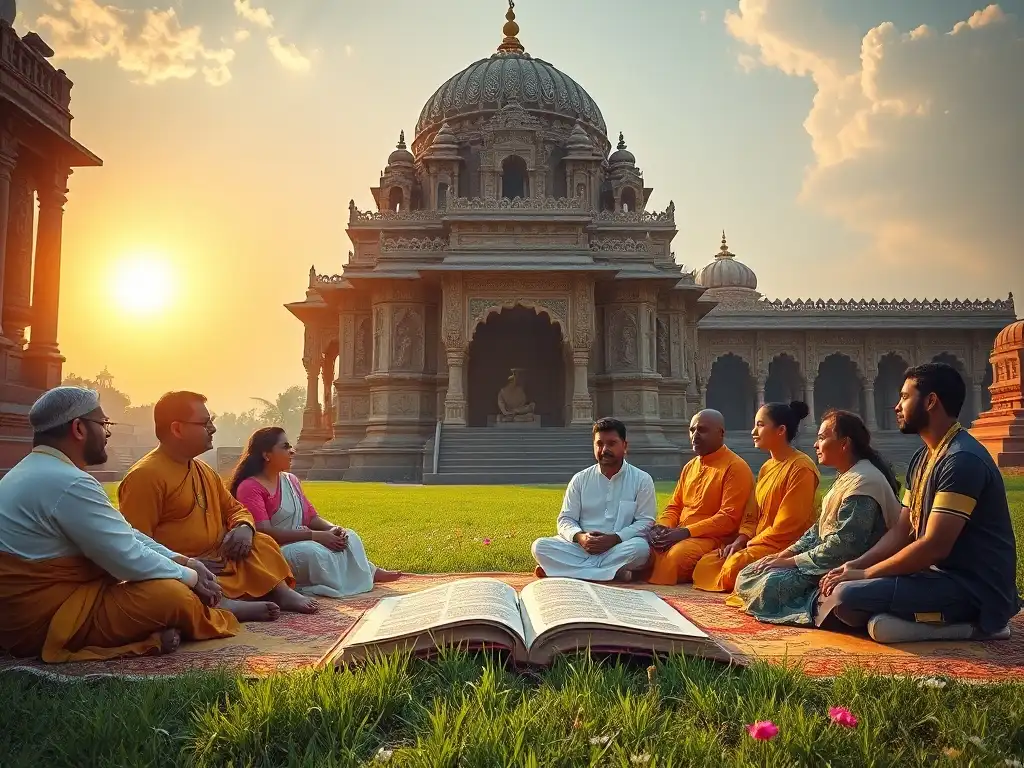
Welcome to Ancient India History, where we embark on a fascinating journey through time to uncover the rich tapestry of ancient Indian civilizations. Today, we delve into a pivotal topic that resonates across ages: the significance of the Vedas in interfaith dialogue. As you explore this compelling article, you'll discover how these ancient texts not only shaped spiritual discourse but also laid the groundwork for understanding diverse beliefs in our modern world. Prepare to bridge the gap between ancient wisdom and contemporary thought—let the exploration begin!

The Vedas, a collection of ancient Indian scriptures, serve as a profound source of wisdom, spirituality, and philosophical thought that has shaped the cultural and religious landscape of India for millennia. These texts, composed in Sanskrit, encompass a vast array of knowledge, including hymns, rituals, and philosophical discourses, reflecting the diverse beliefs and practices of early Indian civilization.
In an increasingly interconnected world, the relevance of the Vedas extends beyond their historical context, providing invaluable insights into interfaith dialogues that can bridge the gap between differing belief systems. This article delves into the significance of the Vedas in fostering understanding and cooperation among various religions, demonstrating how these ancient texts continue to resonate with contemporary spiritual discussions.
Introduction to the Vedas and Interfaith Dialogue
The Vedas, comprising four primary texts—Rigveda, Samaveda, Yajurveda, and Atharvaveda—are considered the oldest scriptures of Hinduism and one of the foundational texts of Indian philosophy. Their teachings encompass not only religious rituals but also moral principles, cosmological ideas, and the quest for ultimate truth.
Interfaith dialogue, on the other hand, refers to the respectful exchange of ideas and beliefs among different religious traditions. It aims to foster understanding, tolerance, and collaboration between diverse faith communities. The interplay between the Vedas and interfaith dialogue highlights how ancient wisdom can inform and enrich modern discussions on spirituality and coexistence.
Understanding the Vedas: An Overview
The Vedas are divided into four main texts:
- Rigveda: The oldest of the Vedas, consisting of hymns dedicated to various deities.
- Samaveda: Primarily a collection of melodies and chants used in rituals.
- Yajurveda: A prose text that provides instructions for rituals and sacrifices.
- Atharvaveda: Contains hymns, spells, and incantations, reflecting everyday life and concerns.
These texts emphasize the importance of dharma (righteousness), karma (action), and moksha (liberation), forming the bedrock of Hindu philosophy and ethics. Their teachings promote values such as compassion, humility, and respect for all living beings, which are crucial in the context of interfaith dialogue.
The Concept of Interfaith Dialogue in Ancient Texts
Interfaith dialogue is not a modern phenomenon; its roots can be traced back to ancient texts, including the Vedas. The Vedic tradition encourages a spirit of inquiry and openness, allowing for multiple interpretations of divine truths. This pluralistic approach is evident in various hymns that extol different deities and philosophies, suggesting that multiple paths can lead to spiritual enlightenment.
Moreover, concepts like "Ekam sat vipra bahudha vadanti" (Truth is one; sages call it by various names) resonate deeply within interfaith discussions, advocating for a respectful acknowledgment of diverse beliefs. This ancient wisdom serves as a foundation for contemporary interfaith initiatives, highlighting the shared values among religions.
The Significance of the Vedas in Interfaith Dialogues
The teachings of the Vedas hold substantial significance in the context of interfaith dialogues, as they provide a framework for understanding and respecting different worldviews. By exploring the philosophical underpinnings of the Vedas, one can gain insights into how these ancient texts contribute to fostering dialogue among varying faith traditions.
Exploring Vedic Philosophy and Its Relevance Today
Vedic philosophy emphasizes the interconnectedness of all existence, advocating for unity and harmony among different life forms. This perspective is crucial in today's globalized world, where interfaith dialogue is increasingly necessary to address conflicts arising from religious differences.
Key principles from Vedic thought that are particularly relevant today include:
- Ahimsa (non-violence): Promoting peace and compassion towards all living beings.
- Satyam (truth): Encouraging honesty and integrity in all interactions.
- Seva (selfless service): Fostering a spirit of giving and support for others.
These values resonate not only within the context of Hinduism but also across various spiritual traditions, making them essential components of meaningful interfaith conversations.
How Vedas Contribute to Modern Interfaith Understanding
The Vedas provide a rich tapestry of philosophical insights that can enhance modern interfaith understanding. By examining the teachings found within these texts, individuals and communities can engage in dialogues that emphasize common ground rather than differences.
Incorporating Vedic principles into interfaith initiatives can lead to:
- Enhanced mutual respect: Understanding the diverse beliefs of others fosters a culture of acceptance.
- Collaborative efforts for social good: Working together on humanitarian projects can bridge gaps between faiths.
- Shared spiritual exploration: Discovering common spiritual practices can create a sense of unity among different religious communities.
By embracing the wisdom of the Vedas, modern interfaith dialogues can draw from a deep well of ancient knowledge, promoting peace and understanding in a world that often feels divided.
Historical Context of Vedas and Interfaith Interactions
The Vedas, which are among the oldest sacred texts of ancient India, date back to approximately 1500 BCE. Composed in Sanskrit, these texts form the foundational scriptures of Hindu philosophy, spirituality, and culture. The historical context of the Vedas is crucial to understanding their significance in interfaith dialogues. During the period when the Vedas were composed, ancient Indian society was characterized by a rich tapestry of beliefs, practices, and cultural exchanges, influenced by various tribes and communities.
The Vedic period was marked by extensive interactions among diverse groups, including pastoral tribes, settled agrarians, and various regional communities. This plurality fostered a rich environment for philosophical discourse and theological debates. As these groups encountered one another, the need for mutual respect and understanding became apparent, laying the groundwork for interfaith dialogues that would evolve over centuries. The Vedas serve not only as religious texts but also as historical documents reflecting the values of coexistence and respect for different perspectives.
Vedic Traditions and Early Interfaith Exchanges
The Vedic traditions emphasize the importance of rituals, hymns, and communal practices, which were often shared among various communities. Early interfaith exchanges can be traced back to the dialogues and debates held in royal courts and religious assemblies, where scholars from different backgrounds shared their philosophical insights and theological positions. These gatherings fostered a spirit of inquiry, inviting individuals to explore the various interpretations of existence, morality, and the divine.
One notable example includes the Brahmanas, which are prose texts associated with the Vedas that describe rituals and their meanings. These texts often reflect the incorporation of diverse beliefs, suggesting an early form of religious syncretism. The recognition of multiple paths to spiritual truth is a recurring theme in Vedic literature, which encourages an open-minded approach towards differing beliefs.
Notable Historical Figures Advocating for Interfaith Dialogue
Throughout history, several prominent figures have emerged as advocates for interfaith dialogue, drawing inspiration from Vedic principles. Among them, Adi Shankaracharya stands out. Living in the 8th century CE, he emphasized the concept of Advaita Vedanta, which teaches the oneness of the individual soul (Atman) with the ultimate reality (Brahman). His teachings encouraged respect for various philosophical perspectives, leading to dialogues that transcended sectarian boundaries.
Another significant figure is Mahatma Gandhi, who, inspired by the Vedic ethos of non-violence (Ahimsa) and truth (Satya), championed interfaith understanding during India’s struggle for independence. Gandhi’s dialogues with leaders of different faiths, including Islam and Christianity, showcased the relevance of Vedic teachings in promoting peace and harmony among diverse communities.
The Vedas encompass profound themes that resonate with the principles of interfaith dialogue. They address fundamental questions about existence, morality, and the nature of the divine, encouraging a pluralistic approach to spirituality.
Unity in Diversity: Vedic Teachings on Pluralism
One of the central tenets of Vedic thought is the idea of "Ekam Sat Vipra Bahudha Vadanti," which translates to "Truth is one; sages call it by various names." This phrase highlights the significance of recognizing and respecting diverse beliefs. The Vedas celebrate the plurality of paths to the divine, advocating for a worldview that honors different spiritual traditions.
This emphasis on pluralism is vital in contemporary interfaith discussions, as it encourages individuals to see beyond rigid dogmas and embrace a more inclusive understanding of faith. By acknowledging the shared quest for truth, the Vedas offer a framework for fostering dialogue and collaboration among various religious communities.
The Role of Dharma in Promoting Interfaith Harmony
Dharma, a key concept in Vedic literature, refers to the moral and ethical duties that govern an individual's behavior. The Vedas articulate that adhering to one's dharma not only benefits the individual but also contributes to societal harmony. This principle is particularly relevant in interfaith contexts, where understanding and fulfilling one's responsibilities towards others can promote peace and coexistence.
The Vedic texts encourage individuals to practice compassion, empathy, and tolerance, essential qualities for fostering interfaith dialogue. By recognizing the interconnectedness of all beings and the importance of living in accordance with dharma, individuals are inspired to engage in meaningful conversations that bridge divides and foster mutual respect among different faiths.
Case Studies of Interfaith Dialogues Inspired by the Vedas
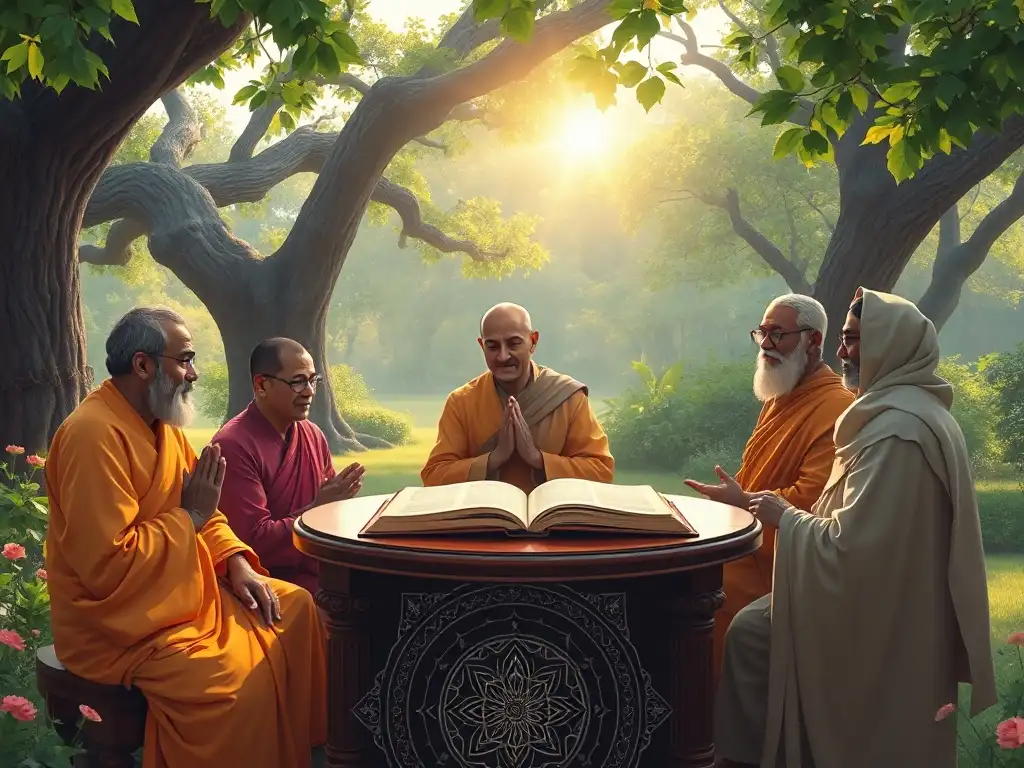
The Vedas, as ancient texts of immense philosophical depth, have inspired numerous interfaith dialogues throughout history. One notable case study is the dialogue initiated during the 19th century with the Brahmo Samaj movement. Founded by Raja Ram Mohan Roy, this movement sought to reform Hinduism by incorporating principles of monotheism and rationalism found within the Vedic texts. This initiative not only fostered a deeper understanding of Hindu beliefs but also opened avenues for discussions with Christians and Muslims, encouraging a blend of ideas and practices that emphasized shared values.
Another significant example is the interfaith dialogues held at the Parliament of the World's Religions, particularly in 1893 and 1993. Here, representatives of various faiths drew upon Vedic concepts such as "Vasudhaiva Kutumbakam," which translates to "the world is one family." This principle has been instrumental in promoting a sense of unity among diverse religious traditions, highlighting the relevance of Vedic teachings in contemporary interfaith discussions. These dialogues have not only validated the importance of mutual respect and understanding but also demonstrated how ancient wisdom can address modern challenges in pluralistic societies.
Modern Examples of Vedic Influences in Interfaith Initiatives
In recent years, various organizations have harnessed the teachings of the Vedas to foster interfaith understanding. One prominent example is the "Global Peace Initiative of Women," which incorporates Vedic principles to promote peace and reconciliation among women leaders of different faiths. The initiative emphasizes the Vedic notion of "dharma" or righteous duty, encouraging participants to find common ground in their spiritual paths while respecting their distinct beliefs.
Another modern initiative is the "Interfaith Youth Core," which utilizes the Vedic concept of "Sewa" (selfless service) as a foundation for collaborative community service projects. By engaging young people from diverse religious backgrounds in joint service activities, this program fosters dialogue and cooperation, helping participants recognize their shared humanity and values. These modern examples illustrate how Vedic teachings continue to influence interfaith initiatives, bridging gaps and fostering a collective sense of purpose.
Success Stories: Vedic Principles in Action
Numerous success stories highlight the practical application of Vedic principles in interfaith dialogues. One such instance is the annual "Interfaith Harmony Week" celebrated in various cities across India, where community leaders from different faiths gather to discuss pressing social issues. The integration of Vedic teachings such as "Ahimsa" (non-violence) and "Satya" (truth) has led to impactful dialogues that promote peace and understanding, reducing communal tensions.
Another success story is the "Vedic Peace Conference," which brings together scholars, religious leaders, and activists from different backgrounds to explore solutions to global conflicts. By focusing on Vedic values that emphasize harmony and respect for all life, participants have successfully negotiated peace agreements in regions experiencing religious strife. These initiatives showcase how the application of Vedic teachings can yield tangible outcomes in fostering interfaith dialogue and resolving conflicts.
Challenges in Interfaith Dialogues and the Role of the Vedas
Despite the promising potential of the Vedas in facilitating interfaith dialogues, several challenges persist. One major obstacle is the differing interpretations of Vedic texts across various sects and communities. These discrepancies can lead to misunderstandings and conflict, as individuals may hold rigid views about their beliefs while dismissing others. Such challenges necessitate a careful and nuanced approach to interpreting Vedic texts, ensuring that dialogue remains constructive rather than divisive.
Misinterpretations of Vedic Texts in Interfaith Contexts
Misinterpretations of Vedic texts can significantly hinder interfaith dialogue. For instance, certain passages may be taken out of context, leading to perceptions that the Vedas promote exclusivity or superiority of one faith over another. This can foster an environment of distrust and animosity, counteracting the very principles of unity and coexistence that the Vedas advocate.
Moreover, the complex language and symbolism of the Vedic texts can be easily misconstrued by those unfamiliar with the cultural and historical contexts in which they were written. Such misinterpretations can perpetuate stereotypes and create barriers to meaningful dialogue. It is essential for interfaith practitioners to engage with scholars and practitioners who have a deep understanding of the Vedas to navigate these complexities effectively.
Overcoming Barriers: How Vedas Can Help Address Conflicts
The Vedas offer valuable tools for overcoming barriers in interfaith dialogues. By promoting values such as "Satyam Vada" (speak the truth) and "Dharma" (righteousness), the Vedic tradition encourages individuals to approach discussions with integrity and respect. This foundational ethos can help mitigate conflicts by fostering a culture of honesty and accountability.
Additionally, the Vedic principle of "Tat Tvam Asi," or "That Thou Art," emphasizes the interconnectedness of all beings. This understanding can serve as a powerful reminder in interfaith contexts, encouraging participants to see beyond their differences and recognize the shared essence of humanity. By invoking these principles, individuals engaged in interfaith dialogues can create a more inclusive environment that embraces diversity while working toward common goals, ultimately enhancing the dialogue's efficacy and impact.
Conclusion: The Future of Vedas and Interfaith Dialogues
The Vedas, as ancient texts embodying profound philosophical insights, continue to offer a rich tapestry for interfaith dialogue. Their teachings transcend the boundaries of time and culture, providing a foundation for understanding and collaboration among diverse belief systems. As we move forward, the significance of the Vedas in promoting interfaith dialogues can be seen not only in academic discussions but also in practical applications within communities striving for peace and mutual respect.
The future of these interfaith dialogues lies in the ability to harness the wisdom of the Vedas to address contemporary challenges. By fostering environments where different faiths can engage with Vedic principles, we can cultivate a greater appreciation for shared values, such as compassion, ethical living, and the pursuit of truth. This collaboration can pave the way for a more harmonious society, where the richness of each tradition is celebrated rather than contested.
The Ongoing Relevance of Vedic Wisdom in Global Contexts
Vedic wisdom remains remarkably relevant in today’s global context, addressing modern issues such as environmental sustainability, social justice, and personal well-being. The emphasis on Dharma (righteousness) and Ahimsa (non-violence) resonates deeply in contemporary discussions about ethical living and human rights. These principles can serve as guiding lights for interfaith dialogues, enabling individuals from different backgrounds to find common ground in their quest for a better world.
Furthermore, the Vedas encourage introspection and personal growth, which are essential in an increasingly interconnected world. By promoting practices such as meditation and mindfulness, derived from Vedic teachings, individuals can cultivate inner peace and resilience. This inner transformation is vital for fostering understanding and respect among diverse communities. As leaders and thinkers from various traditions engage with Vedic texts, the potential for collaborative solutions to global challenges becomes more achievable.
Encouraging Continued Interfaith Dialogue Through Vedic Teachings
To encourage continued interfaith dialogue through Vedic teachings, it is essential to create platforms where individuals can share their interpretations and experiences related to the Vedas. Such platforms can take the form of workshops, interfaith gatherings, and online forums, where participants explore themes like unity in diversity, the nature of the divine, and the interconnectedness of all beings.
Moreover, educational institutions can play a pivotal role by integrating Vedic studies into their curricula, highlighting their universal messages of wisdom and compassion. By inspiring the younger generation to engage with these ancient texts, we can nurture a spirit of inquiry and openness that is crucial for ongoing dialogue.
The Vedas provide not only a rich source of spiritual wisdom but also a powerful framework for fostering interfaith dialogues. As we embrace the teachings of the Vedas, we can work toward a future where diverse beliefs coexist harmoniously, enriching our collective human experience.
- Introduction to the Vedas and Interfaith Dialogue
- The Significance of the Vedas in Interfaith Dialogues
- Historical Context of Vedas and Interfaith Interactions
- Key Themes in the Vedas Related to Interfaith Dialogue
- Case Studies of Interfaith Dialogues Inspired by the Vedas
- Challenges in Interfaith Dialogues and the Role of the Vedas
- Conclusion: The Future of Vedas and Interfaith Dialogues
- What are the Vedas, and why are they important in ancient Indian history?
- How do the Vedas contribute to interfaith dialogue?
- What is the significance of interfaith dialogue in modern society?
- How can the teachings of the Vedas be applied today?
- What impact did the Gupta Empire have on the study of the Vedas?
Frequently Asked Questions
What are the Vedas, and why are they important in ancient Indian history?
The Vedas are the oldest sacred texts of Hinduism, consisting of four collections. They play a crucial role in shaping the spiritual and philosophical foundations of ancient Indian civilization.
How do the Vedas contribute to interfaith dialogue?
The Vedas promote universal values such as truth, non-violence, and compassion, making them significant in fostering interfaith dialogue. Their teachings encourage respect for diverse beliefs while highlighting shared ethical principles.
What is the significance of interfaith dialogue in modern society?
Interfaith dialogue is essential for promoting tolerance, understanding, and peace among different religious communities. It helps to mitigate conflicts and fosters a sense of global unity in a diverse world.
How can the teachings of the Vedas be applied today?
The teachings of the Vedas can guide individuals in their spiritual journeys, promoting values that enhance personal growth and community harmony. They inspire reflective practices that are relevant to contemporary life.
What impact did the Gupta Empire have on the study of the Vedas?
The Gupta Empire marked a golden age of scholarship and culture in ancient India, leading to a revival in the study of the Vedas. This period saw advancements in philosophy, science, and arts, integrating ancient wisdom into broader cultural contexts.
Final Reflection: Embracing Ancient Wisdom for Modern Unity
In an era where the significance of interfaith dialogue is more crucial than ever, the teachings of the Vedas offer timeless insights that can guide us toward mutual understanding and respect. As we navigate a world increasingly divided by belief systems, the Vedas remind us of our shared humanity and the potential for harmony among diverse faiths. This ancient wisdom serves as a beacon, illuminating the path toward a more inclusive and compassionate society.
The influence of the Vedas on contemporary interfaith dialogues cannot be overstated. These sacred texts not only provide philosophical frameworks but also foster a sense of belonging and community among different cultures. As we engage in conversations that bridge gaps between beliefs, we find that the Vedas encourage us to look beyond our differences and appreciate the richness of our shared experiences. The greatest gift of the Vedas is the understanding that truth can be found in many forms, and wisdom is a journey, not a destination.
This perspective is vital in today’s globalized world, where understanding and empathy are essential for coexistence.
As you reflect on the lessons from the Vedas and their role in interfaith dialogue, consider how you can contribute to this vital conversation in your own life. Embrace the opportunity to learn from others, engage in meaningful discussions, and cultivate a spirit of openness. The future of our interconnected world depends on our ability to honor diverse beliefs while finding common ground. Let the wisdom of the Vedas inspire you to be a bridge-builder in your community, fostering unity and understanding in a world that so desperately needs it.
Embrace Ancient Wisdom for Modern Unity!
Thank you for journeying with us through the profound teachings of the Vedas and their significance in fostering interfaith dialogues. You’ve gained insights into how this ancient wisdom can illuminate pathways of understanding and respect among diverse beliefs. Now, let’s take some powerful steps forward together!
- Explore interfaith events in your community—actively participate and share the knowledge you’ve gained about the Vedas!
- Consider starting a blog or journal to reflect on the connections between ancient teachings and contemporary life; your voice could inspire others!
- Join a discussion group dedicated to interfaith dialogues to deepen your understanding and contribute your unique perspective!
How can the teachings you've discovered help you engage with individuals from different beliefs in your everyday life? We invite you to share your thoughts below!