
The Mahabharata as a Cultural Artifact: Art, Dance, and Performance

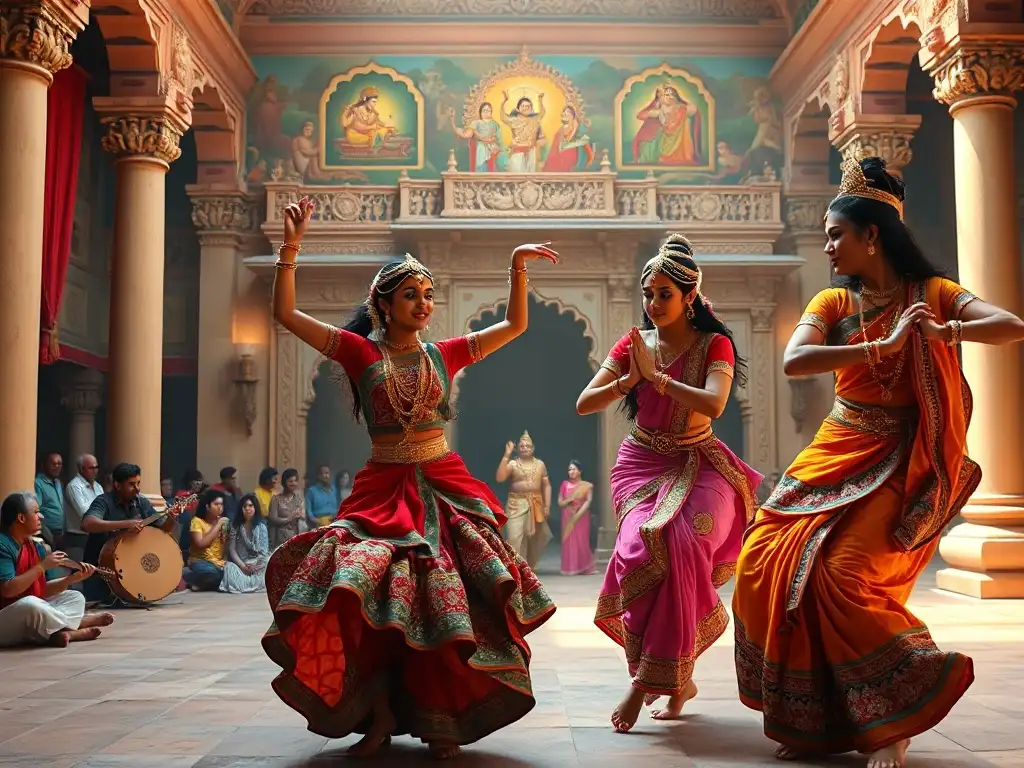
Welcome to Ancient India History, where we invite you to embark on a captivating journey through the rich tapestry of India's past. Here, we delve into the intricate narratives and profound legacies that define ancient Indian civilizations, from the remarkable Indus Valley to the illustrious Gupta Empire.
In this exploration, we shine a spotlight on the cultural significance of the Mahabharata, revealing how this epic transcends literature to influence art, dance, and performance across centuries. Prepare to uncover the layers of meaning and tradition that breathe life into this timeless masterpiece, and let your curiosity guide you deeper into the heart of India’s extraordinary heritage.
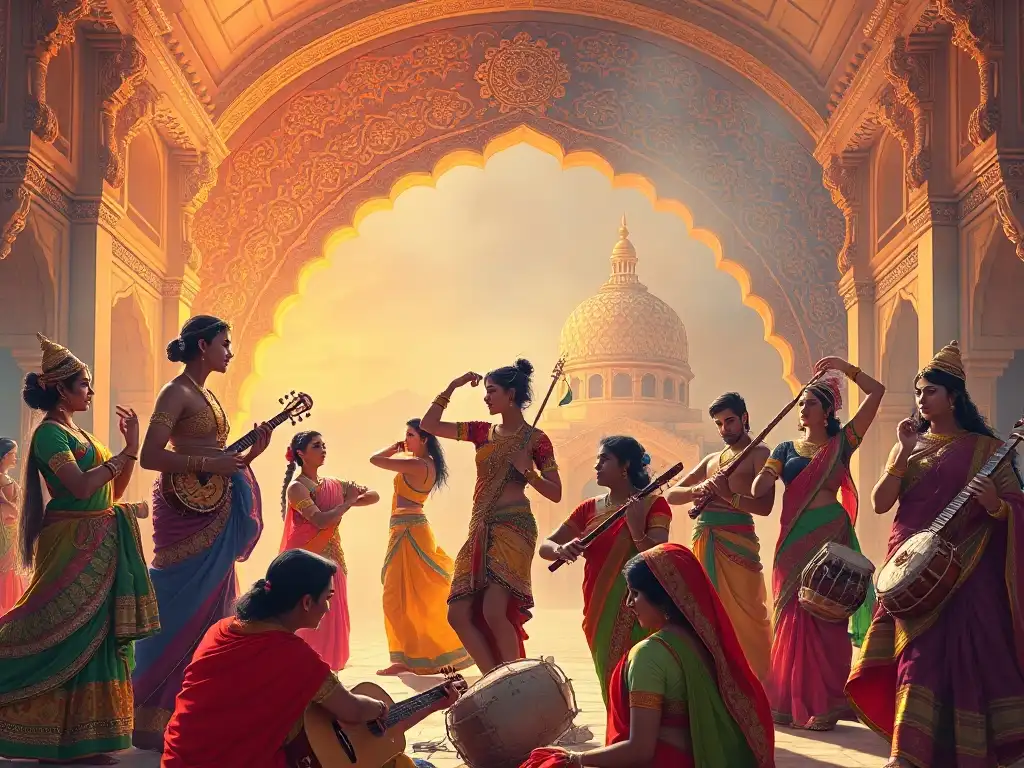
Introduction to the Mahabharata's Cultural Significance in India
The Mahabharata, one of the longest epic poems in history, serves as a monumental work that transcends mere narrative; it is a profound cultural artifact that encapsulates the essence of ancient Indian civilization. This epic not only narrates the epic battle between the Pandavas and Kauravas but also intertwines intricate themes of duty, righteousness, and the moral dilemmas faced by humanity.
Its cultural significance permeates various aspects of Indian life, influencing art, dance, and performance throughout the ages. The enduring legacy of the Mahabharata reflects the values, philosophies, and history of ancient India, making it a pivotal subject of study for understanding the civilization's rich cultural tapestry.
Overview of the Mahabharata
The Mahabharata, traditionally attributed to the sage Vyasa, comprises over 100,000 verses divided into 18 books, or parvas. It is not merely a story of conflict but also a repository of philosophical discourses, ethical quandaries, and reflections on the human experience. Key elements include:
- The Bhagavad Gita: A critical discourse between Lord Krishna and Arjuna that addresses the moral implications of war and duty.
- Dharma and Karma: Central concepts explored throughout the narrative, influencing the characters' decisions and the overarching storyline.
- Diverse Narratives: The epic encompasses numerous sub-stories, illustrating the complexity of human emotions and relationships.
Importance as a Cultural Artifact in Indian History
The Mahabharata's role as a cultural artifact is multifaceted, influencing religion, philosophy, and social structures in India. Its significance can be outlined as follows:
- Historical Reflection: It provides insights into the socio-political landscape of ancient India, including governance, warfare, and the role of women.
- Moral Framework: The teachings embedded within the epic serve as a guiding framework for ethical behavior and decision-making in Indian society.
- Cultural Continuity: The Mahabharata continues to be relevant today, inspiring modern adaptations in various forms, from literature to films and performances.
The Mahabharata in Indian Art
The Mahabharata's influence extends deeply into the realm of Indian art, where it has inspired countless artists, sculptors, and performers throughout history. Its narratives and characters have been vividly depicted across various artistic mediums.
Exploration of Visual Arts Inspired by the Mahabharata
From ancient sculptures in temples to contemporary paintings, the Mahabharata has profoundly influenced visual arts. Notable examples include:
- Frescoes and Murals: Depictions of key battles and events from the epic can be found in temples and palaces across India.
- Sculptures: Carvings of iconic scenes, such as the Bhagavad Gita discourse, showcase the depth of artistic talent and historical context.
Iconography and Symbolism in Mahabharata Art
The Mahabharata's characters and events are rich in symbolism, often represented through specific iconographic elements. For instance:
- Arjuna's Bow: Symbolizes skill and duty.
- Krishna's Flute: Represents divine guidance and harmony.
- The Chariot: Signifies the journey of life and the choices we make.
These elements not only enhance the aesthetic value of the artwork but also convey deeper philosophical meanings inherent in the epic.
Influence on Traditional Indian Painting Styles
The Mahabharata has significantly shaped traditional Indian painting styles, influencing various regional artistic expressions, such as:
- Madhubani: Known for its vibrant colors and intricate patterns, often depicting stories from the Mahabharata.
- Pahari Paintings: Capture the romantic and spiritual aspects of the epic, particularly the relationship between Krishna and the Gopis.
- Tanjore Paintings: Rich in gold foil and vibrant colors, these works often portray scenes from the Mahabharata, reflecting the grandeur of the narrative.
The Mahabharata's cultural significance in India is profound, influencing not only literature but also the vast landscape of art, dance, and performance. Its legacy continues to shape contemporary Indian culture, making it an essential subject for exploration and appreciation.
Dance Forms Influenced by the Mahabharata
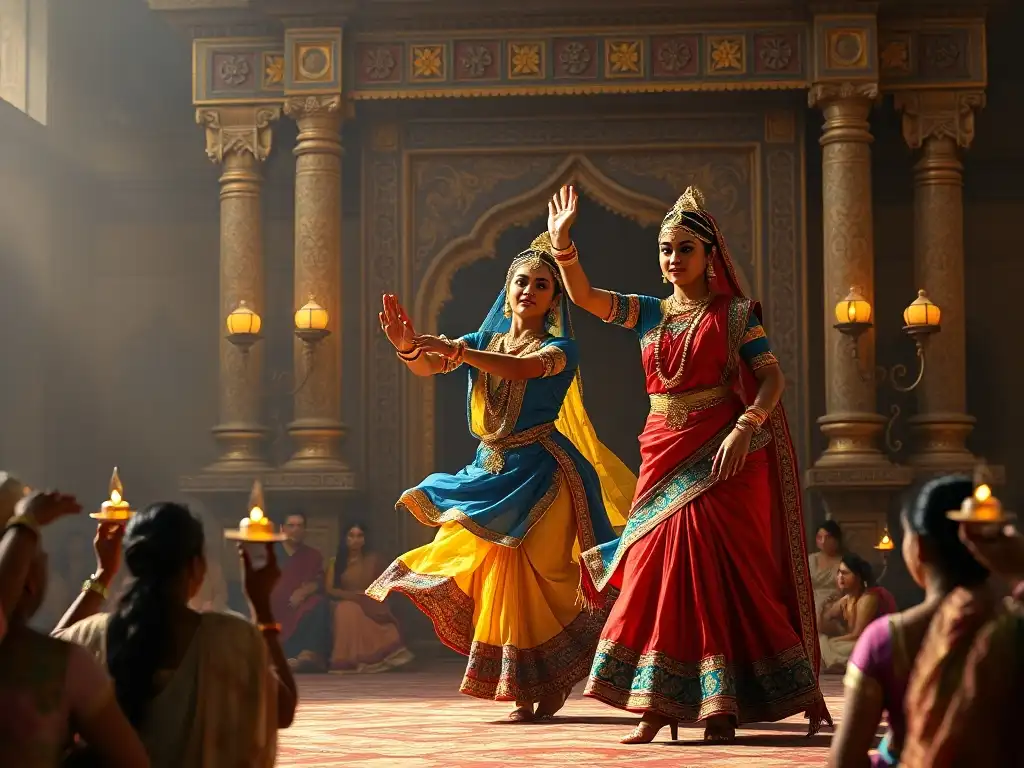
The Mahabharata, one of India's two great epics, has profoundly influenced various dance forms across the subcontinent. Its rich narrative, complex characters, and moral dilemmas lend themselves beautifully to the expressive nature of dance, allowing performers to convey deep emotions and significant themes through movement. These dance forms not only preserve the stories of the Mahabharata but also serve as vessels for cultural expression and continuity.
Classical Dance Styles Depicting Mahabharata Stories
Several classical Indian dance styles have incorporated stories from the Mahabharata into their repertoire. Notable among these are:
- Bharatanatyam: Originating from Tamil Nadu, Bharatanatyam is characterized by its grace, intricate footwork, and expressive hand gestures (mudras). Numerous compositions in this dance form depict scenes from the Mahabharata, such as the iconic duel between Arjuna and Karna, allowing dancers to explore the nuances of their relationships and moral dilemmas.
- Kathak: This dance form from North India often features storytelling through rhythmic footwork and spins. Kathak performances frequently adapt episodes from the Mahabharata, focusing on emotional portrayals, particularly the conflicts faced by the Pandavas and Kauravas.
- Odissi: Hailing from Odisha, Odissi often incorporates mythological narratives, including those from the Mahabharata. The dance's fluid movements and sculpturesque poses allow for the depiction of divine characters and their struggles, making it a powerful medium for storytelling.
These classical styles not only celebrate the epic's narratives but also engage audiences in a traditional context, preserving the cultural heritage surrounding the Mahabharata.
Contemporary Interpretations of Mahabharata in Dance
In recent years, contemporary dance companies and choreographers have begun reinterpreting Mahabharata stories through modern dance forms. This trend allows for innovative expressions that resonate with younger audiences while maintaining the essence of the epic.
- Fusion Dance: Many choreographers blend classical techniques with modern choreography, creating fusion performances that explore themes from the Mahabharata in innovative ways. This approach often incorporates contemporary music and visual elements, making the ancient stories more accessible and relatable.
- Narrative Dance Theatre: Contemporary productions often employ narrative dance theatre, where the Mahabharata is presented through a combination of dance, drama, and multimedia elements. This format provides a fresh perspective on the epic, emphasizing its relevance to contemporary societal issues such as justice, power dynamics, and human relationships.
These contemporary interpretations serve not only as a bridge between tradition and modernity but also as a means to provoke thought and dialogue about the themes central to the Mahabharata.
The Mahabharata has also inspired a myriad of performance traditions beyond dance, contributing to India's rich cultural tapestry. These traditions highlight the epic's narratives through various forms of theatrical expression, storytelling, and community engagement.
The Role of Theatre in Representing Mahabharata Tales
Theatre plays a significant role in the cultural representation of the Mahabharata. Traditional theatre forms, such as Natyashastra and Kathakali, often bring the epic to life on stage through elaborate performances that blend dialogue, music, and dance. Theatrical adaptations help audiences engage with the complex emotions and moral dilemmas faced by the characters.
- Natyashastra: This ancient Indian treatise on performing arts serves as a foundational text for many theatrical performances. Productions based on the Mahabharata often utilize its principles, emphasizing the importance of rasa (emotion) and bhava (mood) to create a compelling narrative experience.
- Kathakali: This classical dance-drama form from Kerala uses elaborate costumes and makeup to portray characters from the Mahabharata. The performances are rich in symbolism and expressiveness, bringing to life the epic’s dramatic conflicts and moral lessons.
Theatre not only entertains but also educates audiences about the values and teachings embedded in the Mahabharata, fostering a deeper understanding of its cultural significance.
Folk Performances and Storytelling: A Cultural Perspective
Folk performances and storytelling traditions throughout India also draw heavily from the Mahabharata. These forms of art often reflect regional variations and local interpretations of the epic, enriching its narrative landscape.
- Tamasha in Maharashtra: This folk theatre form often incorporates episodes from the Mahabharata, blending comedy, drama, and music. The vibrant performances engage local communities, making the epic's themes accessible and relevant to everyday life.
- Ram Leela and Ramlila: Although primarily focused on the Ramayana, these performances occasionally include characters and stories from the Mahabharata, highlighting the interconnectedness of India's epics. The communal aspect of these performances fosters a sense of identity and cultural pride among audiences.
These folk traditions exemplify how the Mahabharata continues to inspire and shape cultural expressions at the grassroots level, serving as a reminder of the epic's enduring legacy.
Modern Adaptations and Their Impact on Audience Engagement
The modern adaptations of the Mahabharata in various performance arts have significantly impacted audience engagement. By recontextualizing the epic in contemporary settings, these adaptations have drawn new generations into the fold of its timeless narratives.
- Television and Film: The Mahabharata has been adapted into numerous television series and films, each bringing its unique interpretation and flair. These adaptations reach wider audiences, allowing the epic's moral and philosophical dilemmas to resonate in today's context.
- Interactive Performances: Some modern adaptations incorporate audience participation, allowing spectators to engage actively with the narrative. This innovative approach fosters a deeper connection with the characters and themes, encouraging critical reflection on the moral lessons imparted by the epic.
Through these modern interpretations, the Mahabharata remains a living cultural artifact, continually evolving while staying true to its roots. The ongoing dialogue between tradition and modernity ensures that its teachings and stories will endure for generations to come.
The Mahabharata's Influence on Indian Culture and Society
The Mahabharata, one of the longest epic poems in the world, serves as a cornerstone of Indian culture and society. Its narratives have deeply influenced various aspects of life, including literature, art, philosophy, and social norms. The epic's multifaceted characters and complex storylines offer rich material for artistic expression, leading to a plethora of adaptations in dance, theater, and visual arts throughout Indian history.
The Mahabharata's themes resonate with the Indian ethos, exploring concepts like dharma (duty/righteousness), karma (action), and the moral dilemmas faced by its characters. These themes have helped shape societal values and continue to be relevant in discussions of ethics and morality in modern India. Indian scholars and artists often draw upon the epic when addressing contemporary issues, demonstrating its lasting impact on the cultural landscape.
Reflection of Social Values and Ethics in Mahabharata
The Mahabharata is not merely a story of conflict and heroism; it is a profound exploration of the complexities of human behavior and ethics. Central to the narrative are dilemmas faced by its characters, such as Arjuna's crisis of conscience on the battlefield, which raises questions about duty and righteousness. These moral quandaries reflect the social values of ancient India, emphasizing the importance of dharma in guiding individual actions.
Moreover, the epic's portrayal of women, including strong figures like Draupadi and Kunti, challenges traditional gender roles, presenting them as key players in the unfolding drama. This nuanced depiction encourages discussions about gender equality and the roles of women in society, making the Mahabharata a mirror of evolving social values.
The Mahabharata's Role in Shaping Indian Identity
The Mahabharata plays a crucial role in forming a collective Indian identity. It encapsulates the cultural diversity of the subcontinent, integrating various regional traditions, languages, and beliefs into its narrative. The epic serves as a unifying force, allowing people from different backgrounds to connect through shared stories and values.
Through its many adaptations, including performances in classical dance forms like Bharatanatyam and Kathak, the Mahabharata has transcended its original context, becoming a symbol of Indian heritage. The epic's themes of unity amidst diversity resonate with contemporary India, reinforcing a sense of belonging among its populace.
Continuing Legacy of Mahabharata in Contemporary Indian Culture
The legacy of the Mahabharata is evident in various facets of contemporary Indian culture. Television adaptations, films, and stage performances continue to draw large audiences, showcasing the epic's relevance in modern storytelling. Additionally, the Mahabharata inspires contemporary literature and art, influencing writers and artists who reinterpret its themes for new generations.
Festivals and cultural events often feature Mahabharata-themed performances, ensuring that the epic remains an integral part of communal celebrations. Furthermore, academic studies focus on its philosophical insights and ethical teachings, proving that the Mahabharata's wisdom continues to inspire and provoke thought in today's society.
Conclusion: The Enduring Cultural Significance of the Mahabharata in India
The Mahabharata stands as a monumental cultural artifact, profoundly influencing Indian art, dance, and performance. Its narratives and themes have shaped not only individual identities but also collective cultural consciousness. The epic's ability to resonate across time and space highlights its enduring significance in Indian society.
Summary of Art, Dance, and Performance Contributions
Artistic expressions inspired by the Mahabharata are manifold. Classical dance forms such as Bharatanatyam, Kathak, and Odissi often depict scenes from the epic, blending storytelling with intricate movements and music. The epic has also inspired numerous theatrical productions, ranging from traditional plays to modern interpretations. Visual arts, including paintings and sculptures, frequently draw upon Mahabharata themes, showcasing the epic's rich imagery and symbolism.
Future Prospects for Mahabharata as a Cultural Artifact
As global interest in Indian culture grows, the Mahabharata is poised to reach new audiences. Digital platforms offer innovative ways to reinterpret and disseminate its narratives, making them accessible to a broader audience. Future adaptations may explore contemporary themes while remaining rooted in the epic's core values, ensuring that the Mahabharata continues to thrive as a cultural artifact. As scholars, artists, and audiences engage with this timeless narrative, the Mahabharata's cultural significance in India is set to endure, adapting to the changing landscape of society while retaining its foundational messages.
- Introduction to the Mahabharata's Cultural Significance in India
- Overview of the Mahabharata
- Importance as a Cultural Artifact in Indian History
- The Mahabharata in Indian Art
- Dance Forms Influenced by the Mahabharata
- Performance Traditions Related to the Mahabharata
- The Mahabharata's Influence on Indian Culture and Society
- Conclusion: The Enduring Cultural Significance of the Mahabharata in India
- What is the Mahabharata and why is it significant in Indian culture?
- How does the Mahabharata influence art and performance in India?
- What role does dance play in interpreting the Mahabharata?
- How does the Mahabharata contribute to Indian identity today?
- In what ways has the Mahabharata been adapted in modern media?
Frequently Asked Questions
What is the Mahabharata and why is it significant in Indian culture?
The Mahabharata is an ancient Indian epic that narrates the story of the Kurukshetra War and its moral dilemmas, serving as a cultural artifact that reflects the philosophical and ethical values of Indian society.
How does the Mahabharata influence art and performance in India?
The Mahabharata has deeply influenced various forms of art, including painting, sculpture, and dance, inspiring countless performances that reinterpret its themes and characters in traditional and modern contexts.
What role does dance play in interpreting the Mahabharata?
Dance serves as a dynamic medium to express the emotions and narratives of the Mahabharata, often performed in classical styles like Bharatanatyam and Kathak, which convey the epic's drama and philosophy.
How does the Mahabharata contribute to Indian identity today?
The Mahabharata continues to shape Indian identity by providing a lens through which people explore moral and ethical dilemmas, making it a relevant source of inspiration in contemporary society.
In what ways has the Mahabharata been adapted in modern media?
The Mahabharata has seen numerous adaptations in films, television, and theater, showcasing its cultural significance and resonating with new generations while retaining its core themes.
Final Reflection: The Enduring Cultural Significance of the Mahabharata in India
The Mahabharata, as a rich tapestry of art, dance, and performance, continues to resonate deeply within the cultural landscape of India today. Its narratives and themes not only shape artistic expressions but also serve as a mirror reflecting the complexities of human nature and societal values. In an era where cultural identities are constantly evolving, the Mahabharata remains a powerful symbol of continuity and relevance, reminding us of our shared heritage and the timeless lessons embedded within its verses.
Cultural artifacts like the Mahabharata have the remarkable ability to influence and inspire generations, transcending the boundaries of time and space. The stories and characters of this epic have permeated various art forms, from classical dance to contemporary theater, fostering a sense of community and belonging. As noted by scholar Raghavendra Rao, The Mahabharata is not merely a story; it is a living tradition that breathes life into our cultural expressions.
This ongoing engagement with the Mahabharata illustrates its role as a vital thread in the fabric of Indian culture, shaping not only artistic endeavors but also moral and ethical discussions within society.
As we reflect on the profound impact of the Mahabharata, I invite you to explore how its themes resonate in your own life. Consider how the lessons of duty, righteousness, and the complexity of human relationships can guide your actions and decisions. Engage with the stories, whether through reading, watching performances, or participating in artistic expressions, and allow the wisdom of this ancient epic to inspire your journey. Embrace the Mahabharata not just as a relic of the past, but as a dynamic force that can illuminate your path forward in an ever-changing world.
Unfold the Legacy of the Mahabharata Through Art and Dance!
Thank you for diving into the vibrant world of the Mahabharata with us! Your curiosity about how this epic shapes culture through art, dance, and performance enriches our understanding of history and creativity. Now, let’s take bold steps to keep this exploration alive!
- Join a local workshop on traditional Indian dance or art forms inspired by the Mahabharata and experience its magic firsthand.
- Share this article with friends and family who appreciate culture, and spark discussions about the epic’s impact on the arts today.
- Explore online courses or documentaries that delve deeper into the Mahabharata’s influence on performing arts and its broader cultural significance.
What aspect of the Mahabharata do you find most inspiring in contemporary artistic expressions? We invite you to share your thoughts below!