
The Vedas and Their Influence on Global Spiritual Traditions

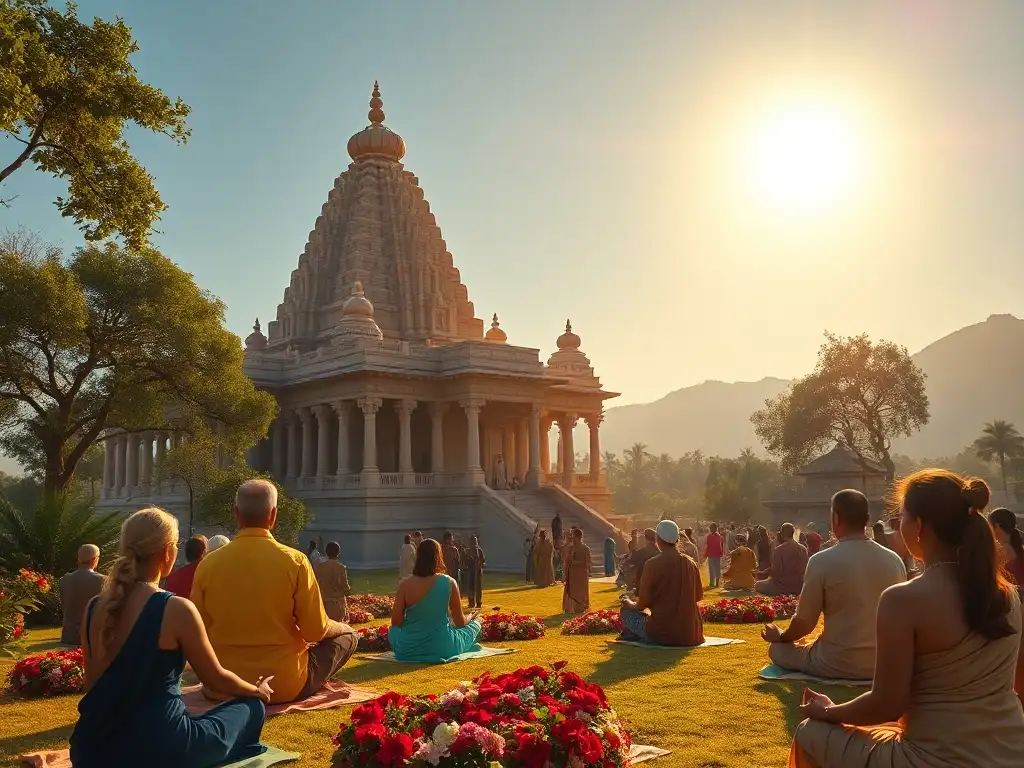
Welcome to Ancient India History, where we embark on a fascinating journey through the rich tapestry of ancient civilizations that shaped the world. In this exploration, we delve into the profound topic of the Vedas' influence on spirituality, uncovering how these ancient texts continue to resonate across global spiritual traditions. Prepare to be captivated as we unveil the vast contributions of the Vedas and their enduring legacy.
Join us in this quest for knowledge, and discover how the echoes of ancient wisdom still shape contemporary beliefs and practices. Are you ready to unlock the secrets of spirituality rooted in the ancient past?
- Introduction to the Vedas and Their Spiritual Significance
- The Four Vedas: Structure and Content
- Historical Context of the Vedas
- Key Philosophical Concepts in the Vedas
- Vedas Influence on Global Spiritual Traditions
- Comparative Analysis of Vedic Influence on Other Religions
- Contemporary Relevance of Vedic Teachings
- Conclusion: The Enduring Legacy of the Vedas
- Frequently Asked Questions
- Final Reflection: The Enduring Influence of the Vedas on Global Spirituality
- Awaken Your Spiritual Journey Today!
Introduction to the Vedas and Their Spiritual Significance
The Vedas, ancient scriptures of Hinduism, stand as monumental texts that encapsulate the spiritual and philosophical ethos of early Indian civilization. Composed in Sanskrit, these texts serve as a profound source of knowledge, guiding not only the spiritual practices within India but also influencing various global spiritual traditions. The Vedas, comprising four primary collections—Rigveda, Samaveda, Yajurveda, and Atharvaveda—are pivotal in shaping the moral, ethical, and spiritual framework that has transcended time. Their teachings resonate across cultures, reflecting universal themes of human existence, the nature of the divine, and the pursuit of truth.
As we delve into the intricate layers of the Vedas, this article aims to elucidate their enduring significance in ancient Indian spirituality and their far-reaching impact on spiritual practices worldwide. By examining the historical context, core teachings, and the Vedas' influence on various spiritual traditions, we can appreciate their role not just as religious texts, but as cultural treasures that fostered a deep understanding of the universe and our place within it.
Overview of the Vedas
The Vedas are among the oldest sacred texts known to humanity, dating back to approximately 1500-500 BCE. They are revered as 'śruti,' meaning "that which is heard," signifying their divine origin as revealed knowledge. The four Vedas are categorized as follows:
- Rigveda: A collection of hymns dedicated to various deities, emphasizing the importance of rituals and offerings.
- Samaveda: Primarily a liturgical text, it focuses on melodies and chants used during rituals.
- Yajurveda: This text provides the prose mantras and instructions necessary for conducting rituals.
- Atharvaveda: A unique Veda that includes hymns, spells, and incantations, addressing everyday life and concerns.
Each Veda comprises four parts: Samhitas (hymns), Brahmanas (ritualistic texts), Aranyakas (theological discussions), and Upanishads (philosophical teachings). The Upanishads, in particular, delve into profound inquiries about existence, the nature of Brahman (the ultimate reality), and the concept of Atman (the individual soul), laying the groundwork for later philosophical and spiritual developments.
Importance of the Vedas in Ancient Indian Spirituality
The Vedas hold a central place in ancient Indian spirituality, not only as religious scriptures but also as the foundation of various philosophical schools. They provide insights into the nature of the cosmos and humanity's relationship with the divine, influencing the development of rituals, moral values, and social structures.
- Spiritual Practices: The rituals and ceremonies prescribed in the Vedas are integral to Hindu worship, emphasizing the connection between human beings and the divine.
- Philosophical Discourses: The Upanishads, which are part of the Vedic corpus, explore metaphysical questions, fostering the growth of various philosophical schools such as Vedanta and Samkhya.
- Cultural Influence: The Vedas have shaped cultural traditions, festivals, and ethical norms within Indian society, providing a spiritual framework that continues to guide millions.
Their teachings have not only enriched Indian spirituality but have also found resonance in other global spiritual movements, offering a multifaceted approach to understanding the divine and the cosmos.
Objectives of the Article: Exploring Vedas Influence on Spirituality
This article aims to achieve several key objectives:
- Analyze the Core Teachings of the Vedas: We will examine the fundamental concepts presented in these texts and their implications for spirituality.
- Investigate the Vedas' Role in Shaping Spiritual Traditions: We will explore how the teachings of the Vedas have influenced various spiritual practices across cultures, including Buddhism, Jainism, and Western philosophies.
- Highlight Contemporary Relevance: The article will discuss how the Vedas continue to inspire modern spiritual movements and personal practices, bridging ancient wisdom with contemporary life.
Through this exploration, we hope to illuminate the profound influence of the Vedas on spirituality, fostering a deeper appreciation for these ancient texts and their enduring legacy in shaping human thought and culture.
The Four Vedas: Structure and Content
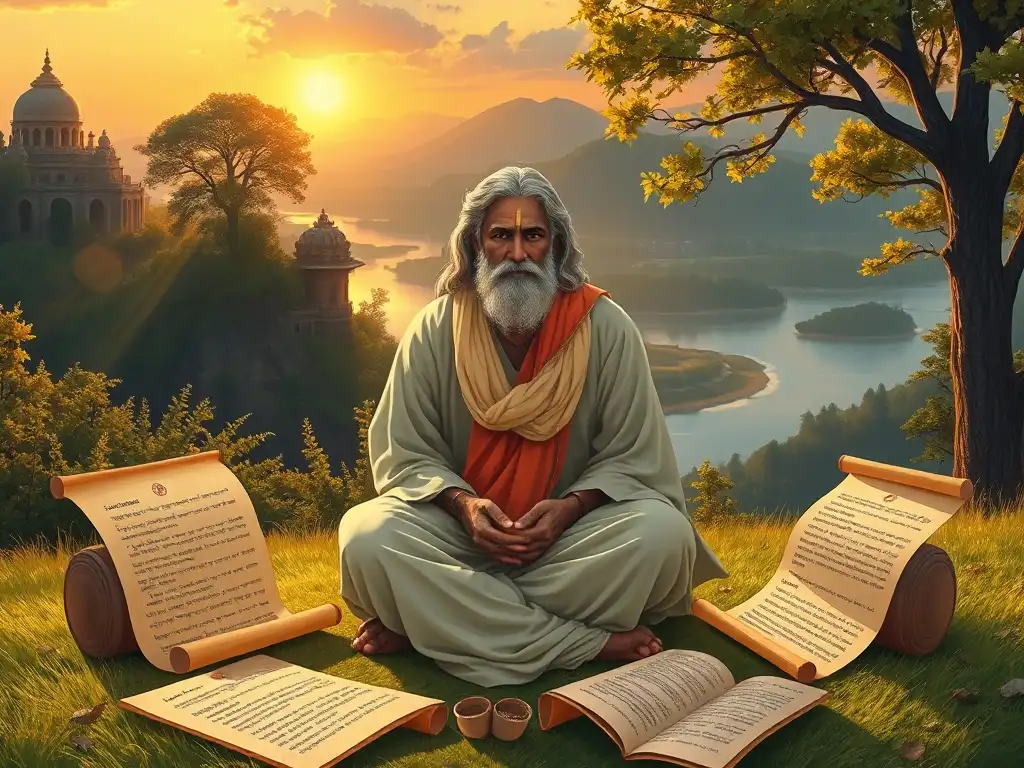
The four Vedas—Rigveda, Samaveda, Yajurveda, and Atharvaveda—constitute the cornerstone of ancient Indian spiritual literature. Each Veda has its own unique structure, content, and purpose, contributing significantly to the spiritual fabric of not only India but also influencing global spiritual traditions. The Vedas are composed in Sanskrit, a language rich in phonetics and grammar, which enhances their spiritual impact through sound and meaning.
Rigveda: The Foundation of Spiritual Knowledge
The Rigveda is the oldest of the four Vedas and serves as the foundation of Vedic literature. Comprising 1,028 hymns (sūktas) organized into ten books (mandalas), it is primarily a collection of prayers and praises to various deities. The Rigveda's hymns explore profound themes such as creation, existence, and the nature of the divine, thereby laying the groundwork for spiritual inquiry.
Key Features of the Rigveda:
- Hymns to Deities: The Rigveda contains hymns dedicated to major deities like Agni (the fire god), Indra (the king of gods), and Varuna (the god of cosmic order).
- Philosophical Questions: It poses essential questions about life, the universe, and the relationship between the individual soul (ātman) and the ultimate reality (Brahman).
- Influence on Later Texts: The concepts introduced in the Rigveda greatly influenced subsequent texts, including the Upanishads, which delve deeper into philosophical and spiritual ideas.
The Rigveda's emphasis on spiritual knowledge and its poetic form have made it a source of inspiration for various spiritual traditions around the world, emphasizing the universality of its insights.
Samaveda: The Role of Music and Chanting in Spiritual Practices
The Samaveda is often referred to as the "Veda of Melodies" and consists of chants and songs derived primarily from the Rigveda. It emphasizes the musical aspect of Vedic rituals, highlighting the importance of sound in spiritual practices.
Key Features of the Samaveda:
- Musical Chants: The Samaveda is designed for chanting during rituals, where the tonal quality and rhythm play a crucial role in invoking divine energies.
- Connection to Rituals: It provides guidelines for how to perform specific chants during sacrificial ceremonies, illustrating the intersection of music and spirituality.
- Influence on Global Music Traditions: The principles found in the Samaveda have influenced various global musical traditions, showcasing the universal language of music in spiritual expression.
Through its focus on music and chanting, the Samaveda underscores the significance of auditory experience in spiritual practices, enhancing the connection between practitioners and the divine.
Yajurveda: Rituals and Sacrifices in Spiritual Context
The Yajurveda serves as a manual for rituals and sacrifices, containing prose and verse that guide priests in the performance of Vedic ceremonies. It is divided into two primary parts: the Shukla Yajurveda (White Yajurveda) and the Krishna Yajurveda (Black Yajurveda), each with its own unique teachings.
Key Features of the Yajurveda:
- Ritual Instructions: The Yajurveda outlines specific rituals and their underlying spiritual significance, emphasizing the role of intention and purity in sacrificial acts.
- Integration of Philosophy and Ritual: It bridges the gap between philosophical concepts found in the Rigveda and practical rituals, illustrating how spiritual principles manifest in everyday practices.
- Global Influence on Ritual Practices: The rituals described in the Yajurveda have influenced not only Hindu practices but also various global spiritual traditions that incorporate ritualistic elements into their belief systems.
By emphasizing rituals and sacrifices, the Yajurveda highlights the importance of action and devotion in the pursuit of spiritual growth, leaving a lasting impact on spiritual traditions worldwide.
The Vedas collectively offer a profound understanding of spirituality that transcends cultural boundaries. Their influence on spirituality is evident in various traditions, showcasing the timeless nature of their teachings. The Vedas continue to inspire countless individuals on their spiritual journeys, emphasizing the interconnectedness of all beings and the pursuit of higher knowledge.
Atharvaveda: Mystical and Healing Aspects of Spirituality
The Atharvaveda, one of the four Vedas in ancient Indian literature, stands out for its unique focus on mysticism and healing. Unlike the other Vedas, which primarily emphasize rituals and hymns directed towards the deities, the Atharvaveda delves into the practical aspects of life, addressing the day-to-day concerns of individuals and society. It encapsulates a treasure trove of knowledge that intertwines spirituality with health, well-being, and the mystical elements of existence.
Healing Practices and Mantras
A significant portion of the Atharvaveda is dedicated to healing rituals and medicinal herbs. It contains numerous mantras and hymns that were believed to have therapeutic effects. For instance, the text includes incantations for curing diseases, warding off evil spirits, and bringing good fortune. The application of specific herbs, such as sandalwood and turmeric, alongside the recitation of these mantras, illustrates the Veda's integration of spirituality with traditional healing practices.
Moreover, the Atharvaveda emphasizes the importance of rituals in promoting physical and mental health. It teaches that the mind and body are interconnected, and spiritual well-being directly influences physical health. This holistic approach is echoed in many modern wellness practices, showcasing the Vedas' enduring influence on global spiritual traditions.
Mysticism and the Divine
The Atharvaveda also explores the mystical dimensions of spirituality. It presents a nuanced view of the divine, portraying it as an omnipresent force that manifests in various forms. The text includes hymns that invoke Agni (the fire god) and Indra (the king of the gods), but it also recognizes the underlying unity of all existence. This perspective fosters a sense of interconnectedness among all beings, emphasizing the importance of harmony and balance in both the spiritual and physical realms.
Furthermore, the Atharvaveda introduces concepts such as samsara (the cycle of birth and rebirth) and karma (the law of cause and effect), which have deeply influenced spiritual philosophies across cultures. These ideas resonate with numerous global spiritual traditions, highlighting the Vedas' profound impact on the understanding of life, death, and the quest for liberation.
Influence on Global Spiritual Traditions
The mystical and healing aspects of the Atharvaveda have not only enriched the spiritual landscape of ancient India but have also permeated various global spiritual traditions. Elements of its teachings can be seen in practices such as Ayurveda, which emphasizes holistic healing, and yoga, which seeks to unite the mind, body, and spirit.
In addition, the Atharvaveda’s focus on rituals and their significance in personal and communal well-being echoes in many cultures' spiritual practices. For instance, the use of mantras in Buddhism and other Eastern philosophies can be traced back to Vedic traditions, demonstrating how the Atharvaveda has contributed to a broader understanding of spirituality worldwide.
The Atharvaveda's rich tapestry of mystical insights and healing knowledge offers a profound exploration of spirituality that resonates with diverse cultures and traditions. Its teachings continue to inspire practices aimed at achieving harmony, health, and spiritual awakening, making it a cornerstone of both ancient wisdom and contemporary spiritual discourse.
Historical Context of the Vedas
The Origins of the Vedic Texts
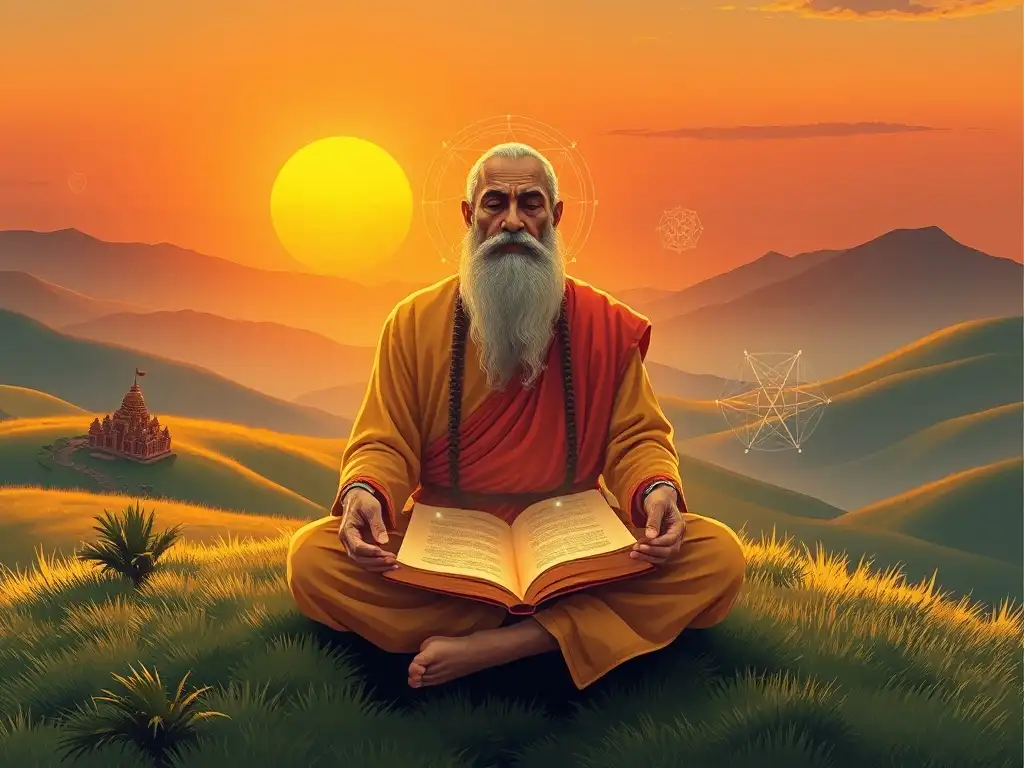
The Vedas, a collection of ancient sacred texts of India, are believed to have originated around 1500 BCE to 500 BCE. These texts are primarily composed in Sanskrit and are categorized into four main collections: the Rigveda, Samaveda, Yajurveda, and Atharvaveda. Each of these Vedas serves a unique purpose within the spiritual and ritualistic practices of ancient Indian civilization.
- Rigveda: The oldest of the Vedas, consisting of hymns dedicated to various deities, reflecting early Vedic spirituality.
- Samaveda: This Veda focuses on melodies and chants, primarily intended for ritualistic singing.
- Yajurveda: A prose text that provides instructions for rituals, emphasizing the practical aspects of Vedic ceremonies.
- Atharvaveda: This collection contains hymns, spells, and incantations, showcasing the everyday life of people and their spiritual beliefs.
The oral tradition played a crucial role in the preservation and transmission of the Vedic texts. The meticulous memorization techniques employed by ancient scholars ensured that these texts remained unchanged for centuries, allowing for the development of a rich spiritual and philosophical discourse that would influence various spiritual traditions worldwide.
The Socio-Cultural Environment during the Vedic Period
The Vedic period, spanning roughly from 1500 BCE to 500 BCE, was marked by significant socio-cultural developments in ancient India. The society during this time was predominantly agrarian, with a strong emphasis on rituals and spirituality. The following aspects shaped the socio-cultural environment of the Vedic period:
- Caste System: The emergence of the varna system laid the foundation for the social stratification that classified society into four main groups: Brahmins (priests), Kshatriyas (warriors), Vaishyas (merchants), and Shudras (laborers). This hierarchy influenced spiritual practices and the transmission of Vedic knowledge.
- Ritual Practices: Rituals played a central role in Vedic society, with elaborate ceremonies performed to appease deities and ensure prosperity. The priests, or Brahmins, were instrumental in performing these rituals, which were documented in the Vedas.
- Philosophical Inquiry: The Vedic texts also reflect an early form of philosophical inquiry, with discussions on the nature of existence, the self, and the cosmos. This intellectual climate fostered the emergence of various schools of thought that would later contribute to the development of Indian philosophy.
- Cultural Exchange: The Vedic civilization was not isolated; it engaged in trade and cultural exchange with neighboring regions. This interaction facilitated the spread of Vedic ideas beyond the Indian subcontinent, influencing various spiritual traditions across Asia.
Evolution of Vedic Thought and Its Impact on Spirituality
The evolution of Vedic thought marked a significant transition in spiritual and philosophical paradigms, laying the groundwork for various spiritual traditions and practices that followed. Key developments include:
- Philosophical Texts: The later Vedic texts, particularly the Upanishads, introduced profound philosophical concepts such as Brahman (the ultimate reality) and Atman (the individual soul). These teachings emphasized the interconnectedness of all beings and the pursuit of self-realization, which have influenced both Hinduism and various global spiritual practices.
- Influence on Hinduism: The Vedas are considered the foundational texts of Hinduism, shaping its rituals, theology, and spiritual practices. Concepts such as karma, dharma, and moksha find their roots in Vedic thought, which continues to resonate in contemporary spiritual discourse.
- Global Impact: The influence of Vedic thought can be traced beyond the Indian subcontinent. Elements of Vedic spirituality have permeated various spiritual traditions, including Buddhism and Jainism, as well as influencing Western philosophies and movements such as Transcendentalism. The universal themes of the Vedas—such as the quest for knowledge, inner peace, and the understanding of the self—continue to inspire spiritual seekers around the world.
The Vedas' influence on spirituality is profound, offering a rich tapestry of insights that transcend cultural boundaries and continue to shape spiritual practices globally.
Key Philosophical Concepts in the Vedas
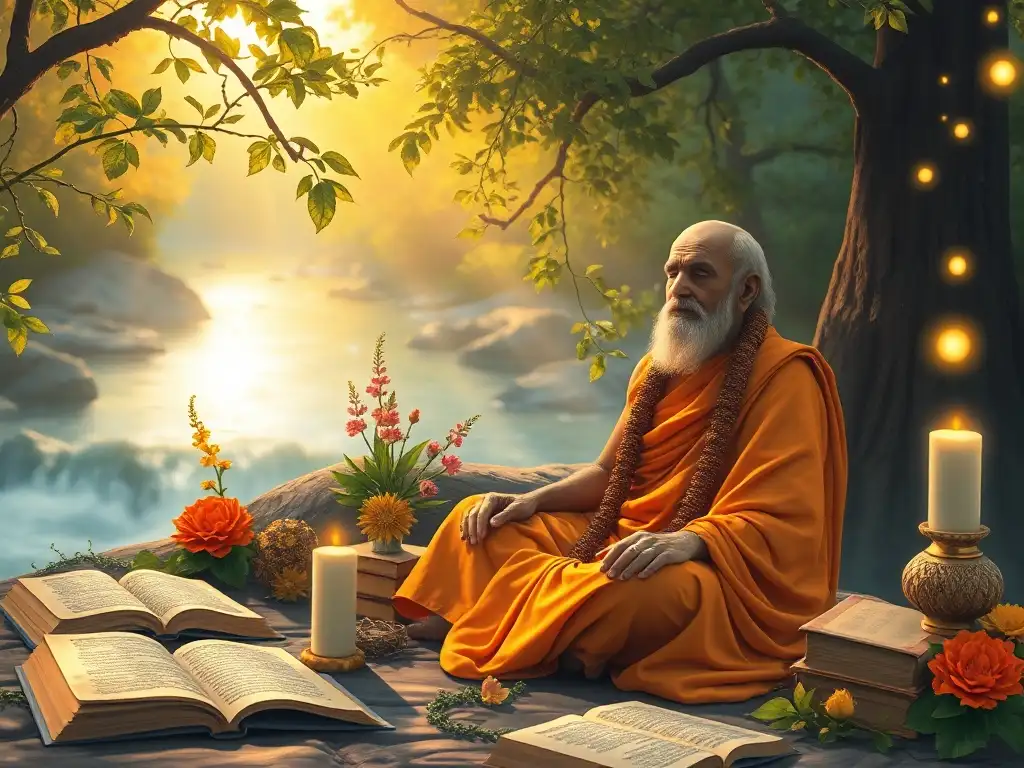
The Vedas, the oldest sacred texts of Hinduism, encapsulate profound philosophical insights that have shaped spiritual understanding not only in India but across the globe. Three central concepts emerge from the Vedic texts: Dharma, Karma, and Moksha. Each of these ideas plays a pivotal role in influencing various spiritual traditions worldwide, guiding individuals towards a meaningful and purposeful life.
Dharma: The Principle of Righteousness in Spiritual Life
Dharma, often translated as "righteousness" or "duty," is a fundamental concept in the Vedas that emphasizes moral and ethical conduct. It serves as a guiding principle for living a balanced and harmonious life. In the context of spirituality, dharma encompasses the duties and responsibilities that an individual has towards themselves, their community, and the universe.
- Types of Dharma:
- Sva-Dharma: Personal duty, which varies based on one’s age, caste, and individual circumstances.
- Sama-Dharma: Universal principles that apply to all, such as truthfulness, compassion, and non-violence.
The influence of dharma extends beyond Hinduism, impacting various spiritual traditions. For example, in Buddhism, the concept of right conduct echoes the principles of dharma, promoting ethical living as essential for spiritual growth.
Dharma is the foundation of a righteous life, guiding every individual on their spiritual journey.
Karma: The Law of Cause and Effect in Spirituality
Karma, derived from the Sanskrit word meaning "action," encapsulates the principle that every action has consequences. This law of cause and effect is central to Vedic philosophy and highlights the importance of intention and mindfulness in one's actions.
- Categories of Karma:
- Sanchita Karma: Accumulated actions from past lives.
- Prarabdha Karma: The portion of karma that is currently being experienced.
- Kriyamana Karma: Actions being performed in the present that shape future experiences.
The concept of karma has transcended Hinduism, influencing various global spiritual traditions, including Jainism and Buddhism. In these contexts, the understanding of karma as a mechanism for spiritual growth and accountability resonates deeply, encouraging adherents to act with awareness and responsibility.
| Aspect | Hinduism | Buddhism |
|---|---|---|
| Definition | Action and consequence | Intentional actions |
| Focus | Moral responsibility | Mindfulness and awareness |
| Outcome | Rebirth and liberation | Nirvana as cessation of suffering |
Moksha: The Pursuit of Liberation and Spiritual Enlightenment
Moksha represents the ultimate goal of human existence in Vedic philosophy—liberation from the cycle of birth, death, and rebirth (samsara). It signifies the realization of one's true nature and unity with the divine.
- Paths to Moksha:
- Jnana Yoga: The path of knowledge and wisdom.
- Bhakti Yoga: The path of devotion and love for the divine.
- Karma Yoga: The path of selfless action.
The pursuit of moksha has inspired numerous spiritual movements worldwide. For instance, the Christian concept of salvation can be seen as a parallel to moksha, where believers seek liberation from sin and communion with God.
Moksha is the freedom from the cycle of life, a state of eternal bliss and unity with the cosmos.
The Vedas' influence on spirituality is profound and far-reaching. By exploring the concepts of dharma, karma, and moksha, one can appreciate how these principles not only enrich individual spiritual journeys but also contribute to the collective understanding of ethical and moral living across various cultures.
Vedas Influence on Global Spiritual Traditions
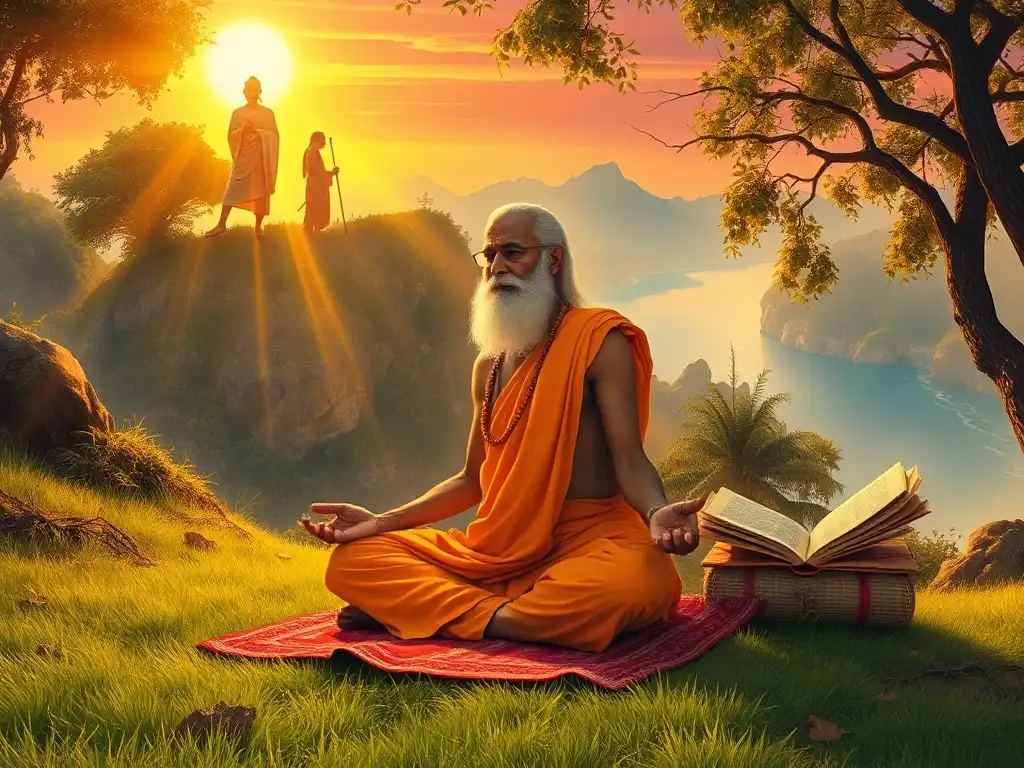
The Spread of Vedic Ideas Beyond India
The Vedas, composed in ancient India between 1500 and 500 BCE, hold a foundational place in Indian spiritual and philosophical traditions. However, their influence is not confined solely to the Indian subcontinent; they have also permeated various cultures and spiritual beliefs around the world. The dissemination of Vedic ideas began with trade routes and migration patterns, facilitating the exchange of philosophical concepts and practices.
- Trade and Cultural Exchange: The establishment of trade routes, particularly the Silk Road, enabled the movement of not just goods but also ideas. Indian merchants and travelers brought Vedic concepts to regions such as Central Asia, Southeast Asia, and even as far as the Mediterranean. This exchange is evident in the incorporation of Vedic motifs in the art and architecture of places like Borobudur in Indonesia.
- Influence on Neighboring Cultures: Neighboring cultures, including those in Persia, Greece, and Egypt, encountered Vedic ideas through various means. For instance, the Persian Zoroastrian texts show parallels with Vedic concepts of dualism and cosmology. Similarly, ancient Greek philosophers such as Pythagoras and Plato exhibited affinities with Vedic thought, particularly in their metaphysical inquiries.
Influence on Buddhism and Jainism
The philosophical underpinnings of Buddhism and Jainism can be traced back to the Vedic texts, reflecting a complex relationship between these traditions. While Buddhism and Jainism emerged as reactions to certain Vedic practices, they also retained and reinterpreted various Vedic concepts.
- Shared Concepts: Both Buddhism and Jainism adopt core ideas from the Vedas, such as karma, samsara (the cycle of rebirth), and moksha (liberation). The reinterpretation of these concepts allowed for the evolution of new spiritual paradigms while maintaining a connection to the Vedic tradition.
- Critique and Reformulation: The founders of Buddhism and Jainism, Siddhartha Gautama (Buddha) and Mahavira, respectively, critiqued certain ritualistic aspects of Vedic practices, emphasizing personal spiritual experience and ethical living. This reformulation significantly shaped the spiritual landscape in India and influenced the development of global spirituality.
Impact on Major Philosophical Schools and Spiritual Movements
The influence of the Vedas extends beyond specific religions; they have profoundly impacted various philosophical schools and spiritual movements throughout history.
- Advaita Vedanta: This non-dualistic school of thought, rooted in the Upanishads (the concluding part of the Vedas), espouses the idea that the individual self (Atman) and the universal consciousness (Brahman) are one. This concept has inspired numerous spiritual seekers globally, fostering a sense of interconnectedness.
- New Age Spirituality: In contemporary times, Vedic teachings have found resonance among New Age spiritual movements, which draw upon Vedic philosophy for meditation practices, yoga, and holistic healing. The emphasis on inner peace and self-realization has led to a resurgence of interest in Vedic texts outside India.
- Interfaith Dialogue: The Vedas continue to play a crucial role in interfaith discussions, providing a framework for understanding diverse spiritual experiences and promoting a dialogue among different traditions. Their insights into the nature of existence and the divine contribute to a broader understanding of spirituality in a global context.
The Vedas have significantly influenced global spiritual traditions, shaping philosophical discourse, interfaith dialogue, and personal spiritual practices across cultures. Their teachings remain relevant, continuing to inspire seekers of truth and wisdom around the world.
Comparative Analysis of Vedic Influence on Other Religions
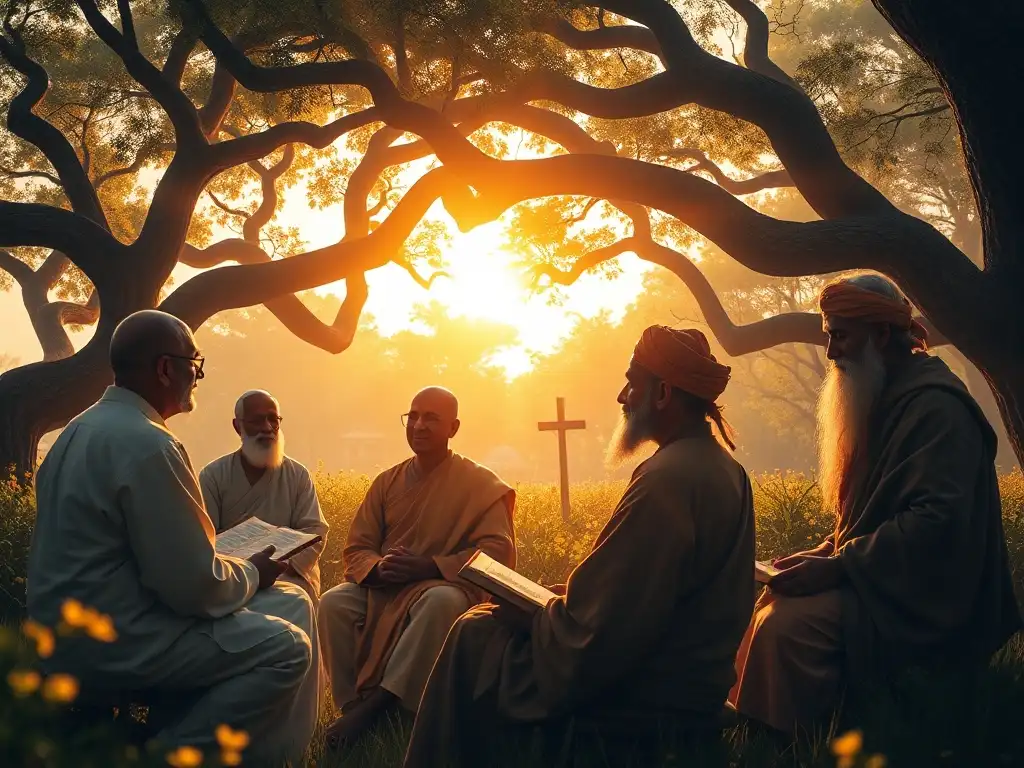
The Vedas, revered as the oldest sacred texts of India, have had a profound influence on various religious and spiritual traditions worldwide. This section delves into how the teachings encapsulated within the Vedas have shaped and intersected with other spiritual practices and philosophies, creating a tapestry of shared knowledge and beliefs.
Vedas and Their Connection to Hinduism
The Vedas, comprising four main texts—Rigveda, Samaveda, Yajurveda, and Atharvaveda—form the foundational corpus of Hindu philosophy and spirituality. Their influence on Hinduism is profound and multifaceted, embracing various aspects of life, ritualism, and ethics.
- Core Concepts and Rituals:
- The Vedas articulate essential concepts such as dharma (duty/righteousness), karma (action and its consequences), and moksha (liberation). These ideas are central to Hindu belief systems and rituals.
- Ritual practices derived from Vedic teachings, such as yajnas (sacrificial rituals), continue to be integral to Hindu worship, reflecting the Vedas' enduring impact.
- Philosophical Underpinnings:
- The philosophical schools that evolved from Vedic thought, such as Vedanta, have deeply influenced Hindu metaphysics. They explore the nature of reality, the self, and the universe, aligning closely with the core messages of the Vedas.
- The Upanishads, which are considered the culmination of Vedic thought, delve into spiritual knowledge, emphasizing the unity of the individual soul ( Atman) with the ultimate reality ( Brahman).
Parallels Between Vedic Teachings and Western Spiritual Traditions
The Vedic teachings have not only influenced Hinduism but have also found resonance with various Western spiritual traditions. A comparative analysis reveals intriguing parallels:
- Mystical Elements:
- The notion of a universal consciousness in the Vedas aligns with similar themes found in Western mysticism, particularly within the works of thinkers like Plotinus and the Gnostic traditions. Both emphasize the quest for spiritual enlightenment and the nature of the divine.
- Ethics and Morality:
- Concepts of ethical living and moral duties in the Vedas mirror the teachings found in Judeo-Christian traditions. The emphasis on righteousness ( dharma) can be compared to the biblical principles of justice and moral conduct, showcasing a shared understanding of universal values.
- Meditative Practices:
- The Vedic practice of meditation and dhyana has parallels in Western contemplative traditions, including Christian mysticism and Sufi practices. Both traditions seek inner stillness and an experiential connection to the divine.
| Aspect | Vedic Tradition | Western Spirituality |
|---|---|---|
| Concept of God | Polytheistic, later monistic | Monotheistic, diverse interpretations |
| Spiritual Practices | Rituals, meditation, yoga | Prayer, meditation, mystical experiences |
| Ethics | Dharma, karma | Moral teachings, divine commandments |
The Vedic Influence on Sufi Mysticism and Other Eastern Religions
Sufi mysticism, with its emphasis on direct experience of the divine, has drawn inspiration from various spiritual traditions, including the teachings of the Vedas. The connections can be observed in several ways:
- The Concept of Divine Love:
- Sufi poetry, particularly the works of Rumi and Hafiz, resonates with the Vedic emphasis on bhakti (devotion). Both traditions celebrate love as a pathway to divine union, highlighting the experiential aspect of spirituality.
- Inner Knowledge and Enlightenment:
- Both Sufism and Vedic philosophy prioritize the attainment of inner knowledge and enlightenment. The Sufi quest for truth parallels the Vedic pursuit of Brahman, emphasizing a transformative journey toward understanding the self and the cosmos.
- Rituals and Practices:
- The practices of zikr (remembrance of God) in Sufism can be likened to Vedic chanting and rituals. Both serve as mediums for spiritual elevation and connection to the divine.
The Vedas have significantly influenced not only Hinduism but also other spiritual traditions across the globe. Their teachings resonate with universal themes of love, ethics, and the quest for enlightenment, fostering a rich dialogue among diverse cultures and religions. The Vedas' influence on spirituality continues to inspire seekers on their paths to understanding the divine and the nature of existence.
Contemporary Relevance of Vedic Teachings
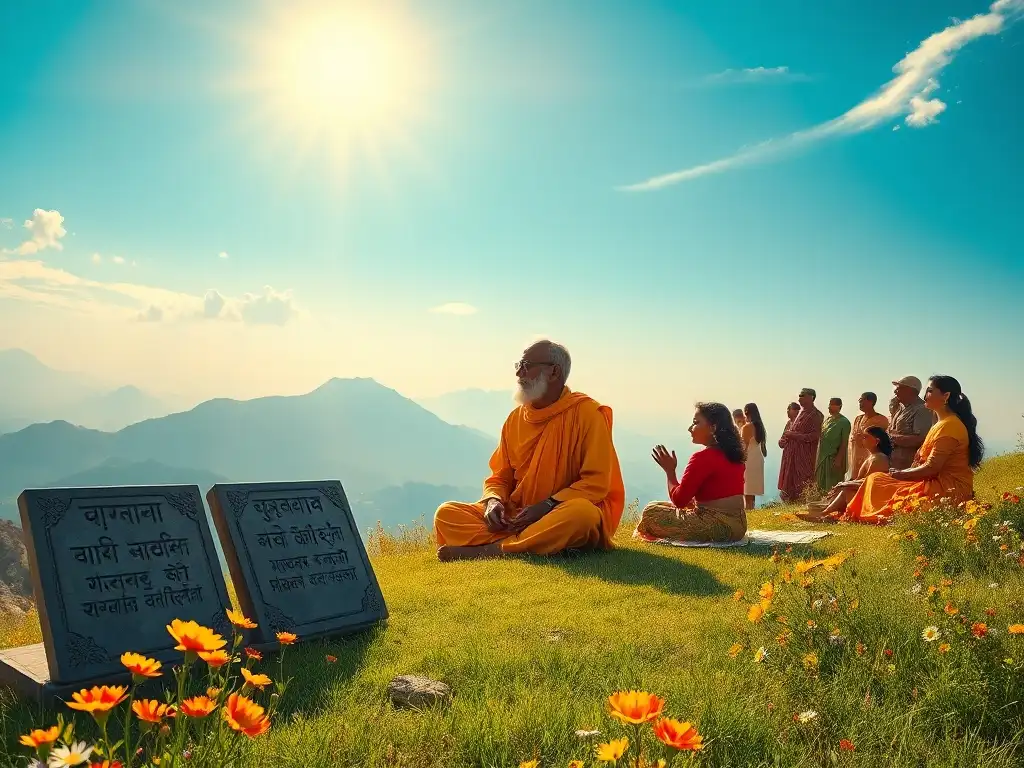
The teachings of the Vedas, ancient Indian texts composed around 1500-500 BCE, continue to resonate in contemporary society. Their profound insights on spirituality, ethics, and the nature of existence have transcended time and culture, influencing a multitude of modern spiritual movements and practices. This section delves into how Vedic wisdom remains relevant today, shaping diverse spiritual perspectives and practices worldwide.
Modern Interpretations of Vedic Spirituality
In recent decades, there has been a significant resurgence of interest in Vedic spirituality, particularly as individuals seek deeper meaning in their lives. Modern interpretations often focus on the following aspects:
- Holistic Well-being:
- Many contemporary wellness practices draw from Vedic principles, emphasizing the interconnectedness of body, mind, and spirit.
- The concept of Ayurveda, an ancient system of medicine rooted in Vedic philosophy, is widely embraced for its holistic approach to health.
- Meditation and Mindfulness:
- Techniques such as meditation and yoga, integral components of Vedic teachings, have become mainstream practices for stress reduction and mental clarity.
- The Vedic understanding of Dharma (righteous living) encourages individuals to align their actions with their higher purpose, fostering a sense of fulfillment.
- Ethical Living:
- The Vedas advocate for values such as Ahimsa (non-violence), Satya (truthfulness), and Sankalpa (intention), which resonate with modern ethical movements promoting social justice and environmental sustainability.
- Many modern spiritual leaders draw from Vedic texts to inspire ethical frameworks that guide personal and collective actions.
The Role of the Vedas in Today’s Spiritual Practices
The Vedas serve as a foundational text for various spiritual practices today. Their influence can be observed in multiple areas:
- Rituals and Ceremonies:
- Many spiritual traditions incorporate Vedic chants and rituals, such as Homa (sacred fire offering), to invoke spiritual energy and blessings.
- The recitation of Vedic mantras is believed to enhance spiritual vibrations, leading to personal transformation and collective harmony.
- Philosophical Frameworks:
- Concepts such as Brahman (ultimate reality) and Atman (individual soul) are foundational in understanding consciousness and existence, influencing various philosophical discussions in modern spirituality.
- Scholars and practitioners alike engage with Vedic texts to explore the nature of reality, contributing to a broader dialogue on spirituality and existence.
- Global Spiritual Movements:
- The teachings of the Vedas have inspired many global spiritual movements, including Transcendental Meditation and various forms of New Age spirituality, which often incorporate elements of Vedic philosophy and practice.
Vedas Influence on New Age Spirituality
The Vedas have significantly influenced New Age spirituality, a diverse and eclectic movement that emerged in the late 20th century, characterized by the following features:
- Integration of Ancient Wisdom:
- New Age practitioners often draw from Vedic texts to create a synthesis of spiritual traditions, blending Indian philosophy with Western metaphysical concepts.
- This integration underscores the universal themes of love, compassion, and interconnectedness present in the Vedas.
- Spiritual Healing Practices:
- Concepts such as chakra healing and energy work in New Age spirituality are rooted in Vedic ideas about the subtle body and energy centers, emphasizing the importance of spiritual and physical alignment.
- Vedic teachings on meditation and mindfulness are frequently incorporated into New Age practices, promoting mental clarity and emotional healing.
- Exploration of Consciousness:
- The quest for higher consciousness, a central theme in the Vedas, resonates deeply with New Age seekers who aim to transcend ordinary experiences and connect with the divine.
- Techniques such as visualization and manifestation often incorporate Vedic principles, encouraging practitioners to align their intentions with the universal flow of energy.
The Vedas continue to play a crucial role in shaping contemporary spiritual landscapes, influencing modern interpretations and practices that seek to explore the depths of human existence and spirituality. Their timeless teachings offer valuable insights into living a meaningful and purposeful life, making them relevant for seekers around the globe.
Conclusion: The Enduring Legacy of the Vedas
The Vedas, as the foundational texts of ancient Indian spirituality, have left an indelible mark not only on Indian culture but also on global spiritual traditions. Their teachings, which encompass a wide range of philosophical ideas, rituals, and ethical guidelines, resonate through time and continue to influence contemporary spiritual practices around the world. The insights offered by these texts have fostered a deeper understanding of the human experience and our connection to the cosmos, promoting a sense of unity that transcends cultural boundaries.
Summary of the Vedas Influence on Spirituality
The influence of the Vedas on spirituality can be seen in various aspects:
- Philosophical Foundations: The Vedas articulate key philosophical concepts such as Brahman (the ultimate reality) and Atman (the individual soul), which have become central to many spiritual discussions globally. These ideas encourage introspection and the search for deeper truths.
- Ritual Practices: Vedic rituals, known as yajnas, emphasize the importance of community, spirituality, and the interconnectedness of all life. This practice of communal worship has influenced various religious ceremonies worldwide.
- Ethical Teachings: The Vedas impart timeless ethical principles, such as Dharma (duty/righteousness), which guide moral conduct and social responsibility. These teachings have found resonance in numerous spiritual traditions, promoting universal values.
- Meditation and Contemplation: Concepts like Dhyana (meditation) are extensively explored in the Vedas, laying the groundwork for meditative practices embraced by various cultures, including Buddhism and modern mindfulness practices.
The Vedas as a Source of Universal Wisdom
The Vedas serve as a treasure trove of universal wisdom, with teachings that extend beyond their immediate cultural context. Their verses encourage individuals to seek knowledge, cultivate virtue, and strive for spiritual awakening.
- Inclusivity of Thought: The Vedas emphasize the importance of inquiry and dialogue, allowing for diverse interpretations and understandings. This inclusivity has facilitated the integration of Vedic wisdom into various philosophical and spiritual systems worldwide.
- Connection to Nature: The Vedas highlight the relationship between the individual and the natural world, advocating for a harmonious existence with nature. This perspective has inspired numerous environmental movements that draw on spiritual teachings to promote sustainability.
- Influential Philosophers: Throughout history, many philosophers and spiritual leaders, such as Ralph Waldo Emerson and Carl Jung, have drawn inspiration from Vedic texts, applying their insights to broader philosophical discourses and spiritual practices.
Call to Explore Further: Engaging with Vedic Texts and Their Teachings
For those interested in delving deeper into the profound teachings of the Vedas, a range of resources and practices are available:
- Reading the Vedas: Engaging with translations and commentaries from respected scholars can provide valuable insights into the text’s meanings and applications.
- Participating in Discussions: Joining study groups or online forums dedicated to Vedic philosophy can enhance understanding and foster communal learning.
- Practicing Meditation: Incorporating Vedic meditation techniques into daily life can help in experiencing the profound insights these texts offer.
- Attending Workshops and Lectures: Many institutions offer courses and lectures that explore the Vedas and their relevance to contemporary spirituality.
The Vedas remain a vital source of inspiration and guidance for anyone seeking to deepen their spiritual journey. By exploring these ancient texts, individuals can unlock the wisdom that has influenced countless spiritual traditions across the globe.
Frequently Asked Questions
What are the Vedas and their significance in ancient Indian history?
The Vedas are the oldest sacred texts of Hinduism, composed in Sanskrit. They are significant for their spiritual teachings and influence on various cultural practices in ancient India.
How do the Vedas influence spirituality today?
The Vedas continue to shape spiritual practices and philosophies, emphasizing concepts like meditation, rituals, and ethical living that resonate in many modern spiritual traditions.
What are the main themes found in the Vedas?
Key themes in the Vedas include cosmology, rituals, and the nature of reality. They explore the relationship between the divine, the human, and the universe.
How did the Vedas impact other global spiritual traditions?
The influence of the Vedas can be seen in various global spiritual traditions, particularly through concepts such as karma, reincarnation, and meditation practices that have transcended cultures.
What role did the Vedas play in shaping ancient Indian civilization?
The Vedas laid the foundation for religious beliefs, social structures, and cultural practices in ancient India, serving as a guide for both spiritual and everyday life throughout centuries.
Final Reflection: The Enduring Influence of the Vedas on Global Spirituality
The exploration of the Vedas' influence on spirituality reveals a profound connection between ancient wisdom and contemporary spiritual practices. In a world increasingly seeking meaning and connection, the teachings of the Vedas resonate now more than ever, reminding us that the quest for understanding transcends time and culture. The Vedas offer a rich tapestry of insights that not only shape individual spiritual journeys but also foster a collective awakening to the interconnectedness of all beings.
Cultural and social landscapes are continuously shaped by the teachings of the Vedas, which have inspired countless spiritual traditions across the globe. The principles of unity, meditation, and self-realization found in these ancient texts have permeated various philosophies and practices, encouraging a deeper exploration of the self and the universe. As Mahatma Gandhi once said, “The Vedas are the foundation of all knowledge.” This highlights the ongoing relevance of Vedic teachings as they inspire individuals and communities to seek harmony and wisdom in their lives.
As we reflect on the teachings of the Vedas, let us embrace the invitation to deepen our spiritual practices and cultivate a greater understanding of our place in the world. Consider how the Vedas can enrich your own spiritual journey and inspire you to connect with others in meaningful ways. By integrating these timeless principles into our daily lives, we can contribute to a more compassionate and enlightened society, fostering a legacy of spiritual growth that transcends generations.
Awaken Your Spiritual Journey Today!
Thank you for taking the time to explore the profound impact of the Vedas on global spiritual traditions. You have uncovered insights that can deepen your understanding of spirituality's rich tapestry. Now, let’s further your exploration by actively engaging with these teachings!
Here are a few powerful ways to connect with and enhance your journey:
- Dive deeper into the Vedic texts: Select a verse that resonates with you, meditate on its meaning, and reflect on how it can influence your daily life.
- Share your insights with others: Initiate a conversation with a friend or join a community to discuss how the Vedas shape your beliefs.
- Explore diverse spiritual practices: Participate in a local workshop or an online class that focuses on integrating Vedic principles into modern spirituality.
What new understanding or practice from the Vedas will you embrace today that could transform your spiritual path?