
The City of Varanasi: A Living Testament to Ancient Indian Architecture

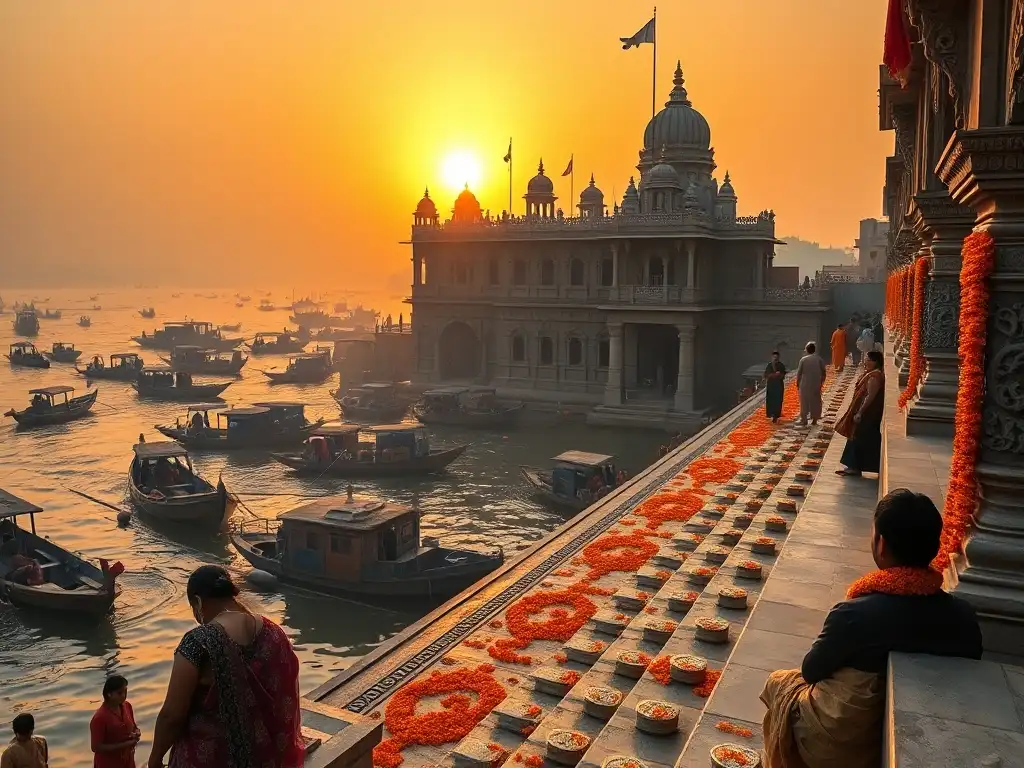
Welcome to Ancient India History, where we embark on a journey through the rich tapestry of ancient civilizations. In this exploration, we invite you to delve into the captivating world of ancient Indian architecture, with a special focus on Varanasi, a city that stands as a living testament to the architectural brilliance of its time.
Discover how the structures and designs from this historic hub reflect the profound cultural and philosophical underpinnings of ancient India. Prepare to be intrigued as we uncover the stories behind the stones, inviting you to explore the remarkable legacy that continues to influence our world today.
Varanasi, one of the oldest continuously inhabited cities in the world, stands as an extraordinary symbol of ancient Indian architecture. Nestled along the banks of the sacred Ganges River, this city encapsulates the essence of ancient Indian culture, spirituality, and artistry. From its intricate temples to its iconic ghats, Varanasi showcases a diverse array of architectural styles that reflect the city's rich historical tapestry. As we delve into the architectural marvels of Varanasi, we uncover how this vibrant city has preserved its ancient heritage while continuing to be a vital center for pilgrimage and cultural activities.
The significance of Varanasi extends beyond its physical structures; it is a living testament to the ingenuity of ancient Indian architects and builders. The city's development over millennia has resulted in a unique blend of Hindu, Buddhist, and Mughal influences, highlighting the interactions of various civilizations that have called this city home. The architectural features found in Varanasi not only serve religious purposes but also demonstrate the aesthetic and engineering prowess of ancient Indian civilization.
In this article, we will explore various aspects of ancient Indian architecture in Varanasi, examining its historical context, key architectural styles, and the enduring legacy that continues to inspire architects and visitors alike. Join us on this journey through time as we unravel the stories behind the magnificent edifices that define the city of Varanasi.
- Introduction to Varanasi's Architectural Significance
- Key Features of Ancient Indian Architecture in Varanasi
- The Cultural and Religious Influence on Architecture
- The Evolution of Varanasi's Architecture Through the Ages
- Preservation Efforts for Ancient Indian Architecture in Varanasi
- Conclusion: Varanasi as a Living Testament to Ancient Indian Architecture
- Call to Action: Exploring Varanasi's Architectural Wonders
-
Frequently Asked Questions
- What is the significance of Varanasi in ancient Indian architecture?
- Which ancient architectural styles can be found in Varanasi?
- How does the architecture of Varanasi reflect its cultural heritage?
- Are there any specific monuments in Varanasi that represent ancient Indian architecture?
- How has ancient Indian architecture influenced modern structures in Varanasi?
- Final Reflection: Embracing the Legacy of Ancient Indian Architecture in Varanasi
- Unveil the Wonders of Varanasi Today!
Introduction to Varanasi's Architectural Significance
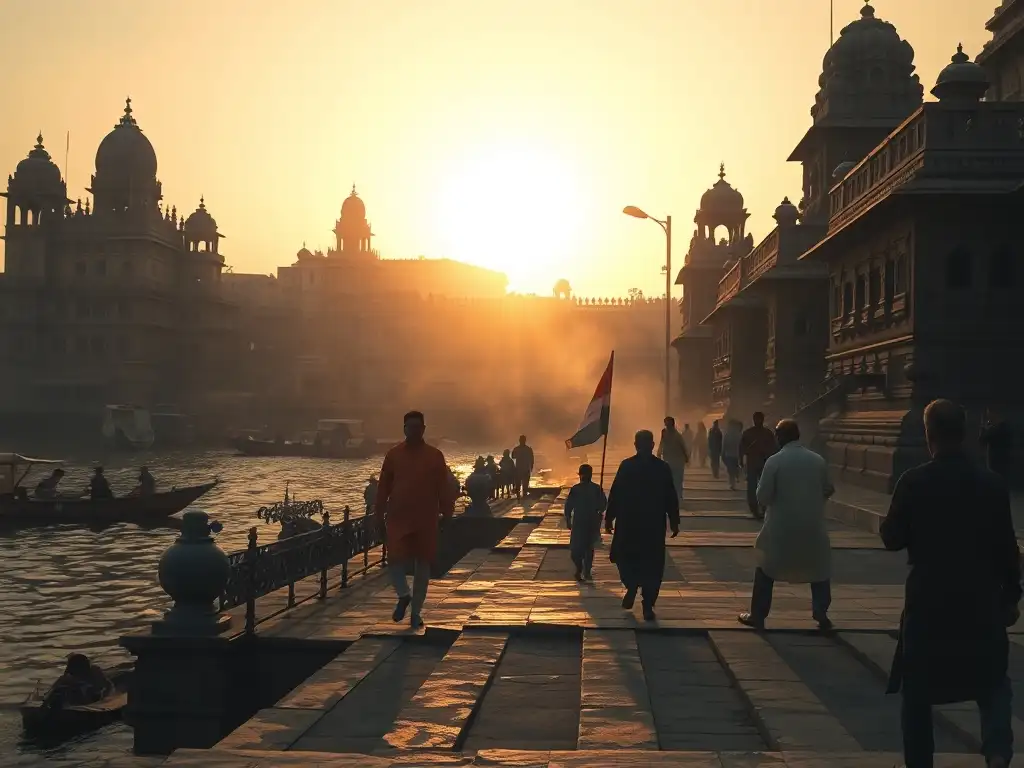
Varanasi, one of the oldest continuously inhabited cities in the world, is often regarded as the spiritual heart of India. Its streets are steeped in history, and its architecture serves as a testament to the rich cultural tapestry that has developed over millennia. The city's architectural landscape is a vivid reflection of ancient Indian architecture, showcasing a blend of styles, techniques, and materials that narrate the story of its evolution. From grand temples to intricate ghats, Varanasi is a living museum of ancient Indian architecture.
Overview of Ancient Indian Architecture
Ancient Indian architecture is characterized by its diversity and regional variations, reflecting the intricate socio-cultural dynamics of the time. The architecture of Varanasi exemplifies several key features of this rich tradition:
- Temple Architecture:
- Nagara Style: This northern architectural style is prevalent in Varanasi, marked by its towering shikharas (spires) and intricate carvings. Temples such as the Kashi Vishwanath Temple reflect this grandeur.
- Dravidian Elements: Although primarily found in southern India, some influences can be seen in the motifs and sculptures adorning Varanasi’s temples.
- Ghat Architecture:
- Functionality and Spirituality: The ghats, which line the banks of the Ganges River, are not only functional but also sacred spaces. Each ghat has its unique architectural features, often adorned with steps leading down to the river, providing access for rituals and ceremonies.
- Materials Used: The primary materials used in constructing ghats include sandstone and limestone, which were locally sourced and skillfully crafted.
- Residential Structures:
- Havelis and Mansions: The residential architecture of Varanasi features havelis (traditional mansions) that showcase intricate balconies, jharokhas (overhanging enclosed balconies), and beautiful frescoes, illustrating the lifestyle of the affluent classes in ancient times.
This architectural diversity not only highlights the artistic prowess of ancient Indian craftsmen but also serves as a reflection of the philosophical and spiritual ideologies prevalent during different periods.
Historical Context of Varanasi
The historical significance of Varanasi is profound and multifaceted. Established around 3000 BCE, it has witnessed various dynasties and empires that have left their imprint on the city's architecture:
- Indus Valley Civilization: Although Varanasi's specific ties to this early civilization are debated, the urban planning and architectural finesse of the era set a precedent for future settlements.
- Maurya and Gupta Periods: The rise of Buddhism and Jainism during these periods brought about a transformation in architectural styles. Stupas and monasteries began to emerge alongside traditional Hindu temples, showcasing a blend of religious influences.
- Medieval Period: Under the rule of the Mughal Empire, significant architectural advancements were made in Varanasi. The introduction of Persian architectural elements, such as domed roofs and intricate inlay work, can be seen in various structures, including the famous Gyanvapi Mosque.
- Modern Influences: The colonial period brought new architectural styles, but the essence of ancient Indian architecture remained intact, continuing to influence contemporary structures in the city.
Varanasi stands as a testament to the evolution of ancient Indian architecture, encapsulating various styles and influences that narrate the city's rich historical narrative. The ongoing preservation and reverence for its architectural heritage ensure that Varanasi remains a focal point for exploring ancient Indian architecture.
Key Features of Ancient Indian Architecture in Varanasi
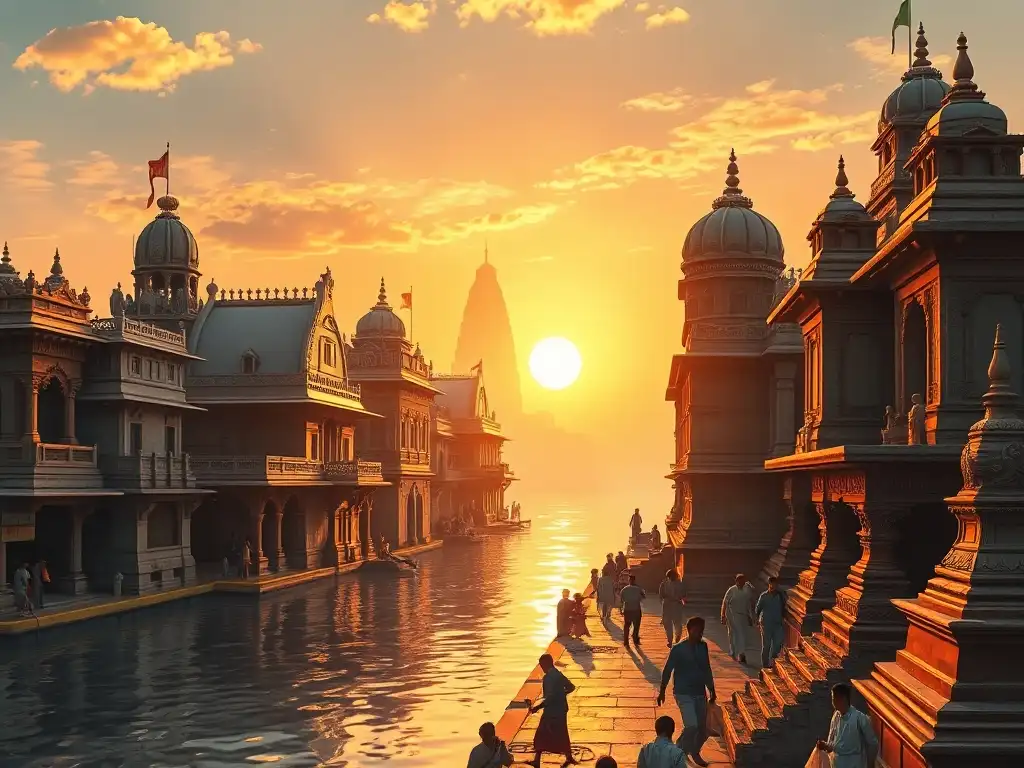
Varanasi, one of the oldest living cities in the world, serves as a remarkable repository of ancient Indian architecture. The city's architectural landscape is characterized by intricate designs, spiritual significance, and a harmonious blend of various styles that reflect the diverse cultural influences over centuries. Here, we explore some of the key features that define ancient Indian architecture in Varanasi, specifically focusing on its temples and ghats.
Temples as Architectural Marvels
The temples of Varanasi are not only places of worship but also stunning examples of ancient Indian architecture that showcase intricate craftsmanship and deep spiritual significance. These temples exhibit a variety of styles and forms, each telling a unique story about the cultural and religious practices of the time.
Notable Temples in Varanasi
- Kashi Vishwanath Temple: Dedicated to Lord Shiva, this temple is one of the most famous in Varanasi. Its gold-plated dome and intricate carvings are a testament to the artistic skills of ancient architects.
- Sankat Mochan Hanuman Temple: A significant site for devotees, this temple is known for its beautiful architecture and serene atmosphere. The temple's design incorporates traditional motifs prevalent in ancient Indian architecture.
- Durga Temple: Built in the 18th century, this temple is notable for its unique red ochre color and intricate sculptures that depict various deities, showcasing the artistic styles of its era.
- Tulsi Manas Temple: Constructed in the 20th century, this temple is inspired by ancient architectural styles and adorned with verses from the Ramayana, reflecting the blend of literature and architecture.
Architectural Styles and Influences
The architectural styles of Varanasi temples reflect a confluence of various influences, including:
- Nagara Style: Characterized by its towering shikhara (spire), this style is prevalent in northern India and is prominently seen in many temples of Varanasi.
- Dravidian Elements: Some temples exhibit Dravidian influences, especially in their decorative motifs and temple layouts, which add to the architectural diversity of Varanasi.
- Islamic Influence: The architectural designs of certain temples also showcase elements of Mughal architecture, particularly in domes and intricate jali work.
The combination of these styles creates a rich tapestry of architectural heritage, making Varanasi a vital center for the study of ancient Indian architecture.
Ghats: The Steps to the Sacred
The ghats of Varanasi are another pivotal aspect of its architectural marvels. These steps leading down to the Ganges River serve both functional and spiritual purposes, playing a crucial role in the daily lives of the city's inhabitants and pilgrims.
Importance of Ghats in Varanasi
Ghats are not merely structures; they are sacred spaces that facilitate various rituals, including bathing, cremation, and religious ceremonies. Each ghat has its own significance and history, contributing to the spiritual ethos of Varanasi. The most famous ghats, such as Dashashwamedh and Manikarnika, attract countless visitors seeking both spiritual solace and cultural enrichment.
Architectural Design of Ghats
The architectural design of the ghats reflects a blend of functionality and aesthetics:
- Step-Well Design: The stepped approach allows easy access to the river, ensuring that devotees can perform their rituals with ease. This design exemplifies ancient Indian engineering skills.
- Pavilions and Mandapas: Many ghats feature beautifully designed pavilions and mandapas (pavilions) that provide shade and space for gatherings, enhancing the communal experience.
- Sculptural Elements: The ghats are adorned with sculptures and carvings that depict various deities and mythological scenes, enriching the narrative of the space.
The ghats of Varanasi, with their distinctive architectural features, are a living testament to ancient Indian architecture, showcasing the seamless integration of form, function, and spirituality. Together with the temples, they create a vibrant architectural landscape that continues to inspire and attract people from all over the world.
The Cultural and Religious Influence on Architecture
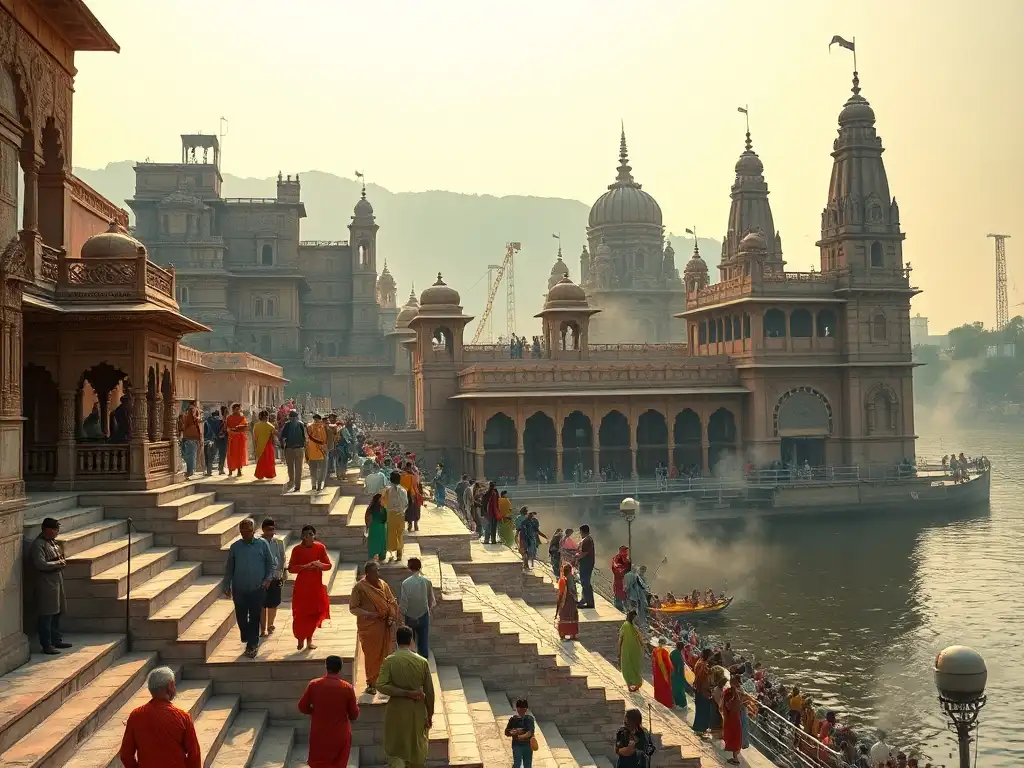
The city of Varanasi, often referred to as Kashi, stands as a remarkable testament to ancient Indian architecture, deeply intertwined with its rich cultural and religious heritage. The architectural landscape of Varanasi is not merely a collection of buildings; it is a sacred tapestry woven with threads of spirituality, tradition, and history.
In Varanasi, the influence of Hinduism is omnipresent. The Ghats, a series of steps leading down to the river Ganges, are prime examples of how religious practices have shaped architectural forms. Each Ghat, adorned with intricate carvings and designs, serves as a site for rituals and ceremonies, blending function with deep spiritual significance. This architectural style exemplifies the Hindu belief in the sacredness of water and the afterlife, as the Ganges is considered a divine river that purifies the soul.
Integration of Spirituality and Design
The architectural elements of Varanasi are often characterized by their spiritual symbolism. Temples, such as the Kashi Vishwanath Temple, exhibit classic features of ancient Indian architecture, including:
- Shikharas (towers) that rise majestically, symbolizing a connection to the heavens.
- Mandapas (pillared halls) that serve as gathering spaces for worship and community, reflecting the importance of congregation in Hindu culture.
- Intricate carvings and motifs that often depict deities, floral patterns, and mythological scenes, reinforcing the sacred narratives of Hinduism.
The use of local materials, such as sandstone and marble, further emphasizes the cultural identity embedded in these structures. The craftsmanship involved in creating these architectural wonders showcases the skills and aesthetics of ancient artisans, who infused their work with devotion and reverence.
Moreover, the layout of Varanasi itself is a manifestation of cosmological design principles found in ancient Indian architecture. The city is arranged in a manner that echoes the sacred geometry of Hindu cosmology, where the Ganges acts as a life-giving force, and the temples and Ghats align with celestial bodies.
Festivals and Their Impact on Architectural Preservation
Festivals in Varanasi play a crucial role in both the cultural life of the city and the preservation of its architectural heritage. Events such as Diwali, Makar Sankranti, and the Ganga Mahotsav draw thousands of pilgrims and tourists, creating a vibrant atmosphere that reverberates through the ancient streets and along the Ghats.
These festivals not only celebrate the rich traditions of Varanasi but also highlight the architectural marvels that define the city. For instance:
- Lighting Up the Ghats: During Diwali, the Ghats are illuminated with thousands of lamps, enhancing the beauty of the ancient structures and drawing attention to their intricate designs.
- Rituals and Processions: Festivals often involve elaborate processions that traverse the city, showcasing the temples and Ghats, which fosters community engagement and enhances the cultural appreciation of these sites.
The influx of visitors during these celebrations provides vital funding for the upkeep and restoration of ancient buildings. Many organizations and local authorities utilize the revenue generated from tourism to invest in preservation efforts, ensuring that the architectural legacy of Varanasi is safeguarded for future generations.
The cultural and religious influences on architecture in Varanasi are profound. The integration of spirituality into design elements and the vibrant life brought forth by festivals work together to create a dynamic environment where ancient Indian architecture thrives, preserving the essence of this historic city.
The Evolution of Varanasi's Architecture Through the Ages
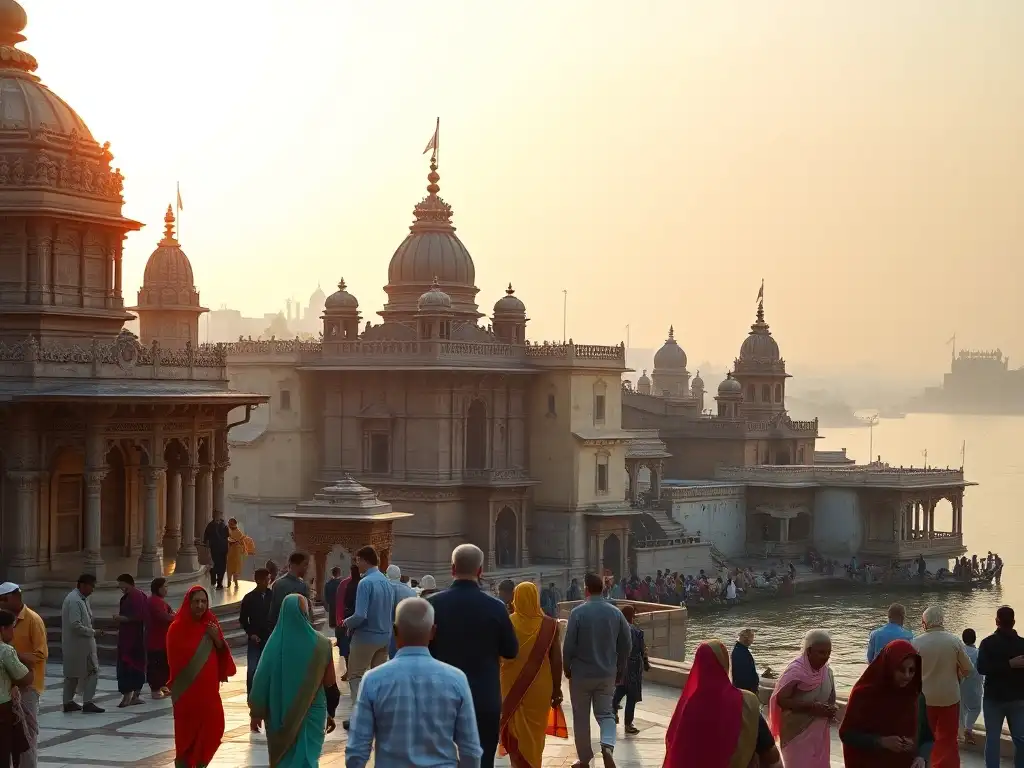
Ancient Period: The Roots of Architectural Excellence
The architectural heritage of Varanasi dates back to the ancient period, with its roots deeply embedded in the Indus Valley civilization, which flourished around 2500 BCE. Archaeological findings suggest that early settlements in the area were characterized by sophisticated urban planning and advanced drainage systems. However, it is during the later Vedic period that Varanasi (also known as Kashi) emerged as a significant cultural and religious hub.
- Religious Structures: The earliest forms of architecture in Varanasi were primarily religious in nature. Temples dedicated to various deities began to appear, often constructed from locally sourced materials such as stone and wood. Hindu scriptures mention the establishment of the Kashi Vishwanath Temple, which signifies the city's long-standing spiritual significance.
- Urban Layout: Varanasi's layout during this period was influenced by the concepts of Vastu Shastra, an ancient Indian science of architecture. This discipline dictated the placement of structures to harmonize with the natural environment, emphasizing the alignment of temples with cardinal directions.
- Architectural Techniques: The use of corbel arch techniques, where stones are layered horizontally to create archways, was prevalent. This method not only provided structural stability but also added to the aesthetic appeal of temples and public spaces.
Medieval Period: Influences and Innovations
The medieval period saw significant transformations in the architectural landscape of Varanasi, particularly from the 8th to the 18th century. This era was marked by the influence of various dynasties, including the Gurjara-Pratihara, the Delhi Sultanate, and the Mughal Empire.
- Fusion of Styles: The architectural style during this period showcased a blend of indigenous Hindu designs with Islamic elements. This cultural syncretism resulted in unique structures, such as the Gyanvapi Mosque, which was built adjacent to the Kashi Vishwanath Temple, highlighting the coexistence of different religious communities.
- Temple Architecture: The temples constructed during the medieval period displayed intricate carvings and elaborate sculptures. The Nagara style of temple architecture, characterized by its towering spires (Shikharas), became prominent in Varanasi.
- Public Works: This era also witnessed the construction of ghats along the Ganges River, which served as sacred bathing areas for pilgrims. The Dashashwamedh Ghat and Manikarnika Ghat are notable examples that not only facilitated religious rituals but also enhanced the city's architectural grandeur.
Modern Era: Preservation and Adaptation of Ancient Styles
The modern era brought about new challenges and opportunities for the architectural heritage of Varanasi, particularly in the 19th and 20th centuries. This period focused on the preservation of ancient structures while adapting to contemporary needs.
- Restoration Efforts: Various restoration initiatives were undertaken to preserve the ancient temples and ghats that had been neglected over the years. The Archaeological Survey of India played a crucial role in these efforts, ensuring that the architectural integrity of these sites was maintained.
- Contemporary Architecture: Modern constructions in Varanasi have aimed to respect the ancient architectural ethos while incorporating modern materials and techniques. Buildings such as the Banaras Hindu University exhibit a fusion of traditional Indian and modern architectural styles, demonstrating the city's evolving landscape.
- Cultural Significance: Today, Varanasi stands as a living testament to ancient Indian architecture, drawing scholars, pilgrims, and tourists alike. The city's commitment to preserving its architectural heritage ensures that the legacy of ancient Indian architecture continues to inspire future generations.
The evolution of Varanasi's architecture reflects the city's rich historical tapestry, showcasing how ancient Indian architecture has adapted over centuries while retaining its core identity. From the ancient roots of architectural excellence to the innovations of the medieval period and the preservation efforts in the modern era, Varanasi serves as a remarkable example of the enduring legacy of ancient Indian architecture.
Preservation Efforts for Ancient Indian Architecture in Varanasi
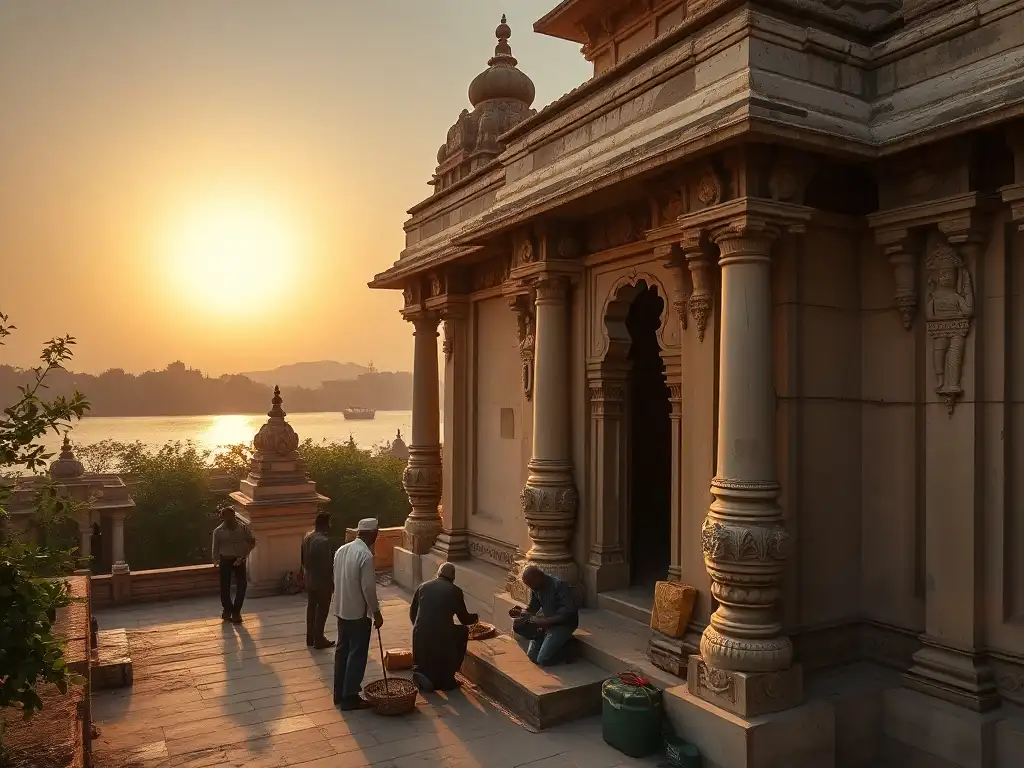
The city of Varanasi, with its ancient temples, ghats, and monuments, stands as a living testament to the rich heritage of ancient Indian architecture. Preserving such a wealth of cultural and architectural history is crucial for future generations. Various efforts are underway to ensure that this legacy endures, encompassing initiatives from both the government and local communities.
Government Initiatives and Policies
The Indian government has recognized the significance of Varanasi's architectural heritage and has launched several initiatives aimed at its preservation. Key policies and programs include:
- Heritage Conservation Schemes: The Archaeological Survey of India (ASI) has implemented specific schemes to conserve historical structures in Varanasi. This includes restoration projects for temples and ancient buildings that reflect the unique architectural styles of the region.
- Smart City Mission: Under the Smart City Mission, Varanasi is undergoing development that respects its heritage. The initiative focuses on integrating modern urban standards while preserving the cultural and historical essence of the city. This includes enhancing infrastructure around ancient sites without compromising their integrity.
- Tourism Development Plans: The government has also initiated plans to promote sustainable tourism in Varanasi. This includes creating awareness among tourists about the importance of preserving ancient Indian architecture. Efforts are made to manage tourist footfall to minimize wear and tear on historical sites.
- Public Awareness Campaigns: Educational programs are conducted to inform citizens and visitors about the significance of Varanasi's architectural heritage. Workshops and seminars are organized to engage the public in preservation efforts.
These government-led initiatives are vital in creating a framework for the systematic preservation of ancient Indian architecture in Varanasi, ensuring that these structures remain intact for years to come.
Role of Local Communities in Preservation
Local communities in Varanasi play an indispensable role in the preservation of ancient Indian architecture. Their involvement not only enhances the effectiveness of preservation efforts but also fosters a sense of ownership among residents. Key aspects of their engagement include:
- Community-Led Restoration Projects: Local groups often come together to initiate restoration projects for temples and ghats. These projects are usually funded through donations, fundraising events, or support from NGOs dedicated to heritage conservation.
- Traditional Knowledge and Craftsmanship: The artisans and craftsmen of Varanasi possess invaluable traditional knowledge regarding ancient building techniques and materials. Their skills are crucial for authentic restoration efforts, ensuring that the architectural integrity of structures is maintained.
- Cultural Festivals and Events: Local festivals often celebrate Varanasi’s architectural heritage, encouraging community participation. These events raise awareness about the importance of preserving the city’s historical sites, while also attracting tourists who contribute to the local economy.
- Advocacy and Education: Community leaders often advocate for the protection of ancient sites through public forums and discussions. By educating local residents about the significance of their architectural heritage, they foster a collective responsibility towards preservation.
Local communities, through their active engagement and commitment, significantly contribute to the preservation of ancient Indian architecture in Varanasi. Their efforts complement government initiatives, creating a holistic approach to safeguarding the city’s rich architectural legacy.
Conclusion: Varanasi as a Living Testament to Ancient Indian Architecture
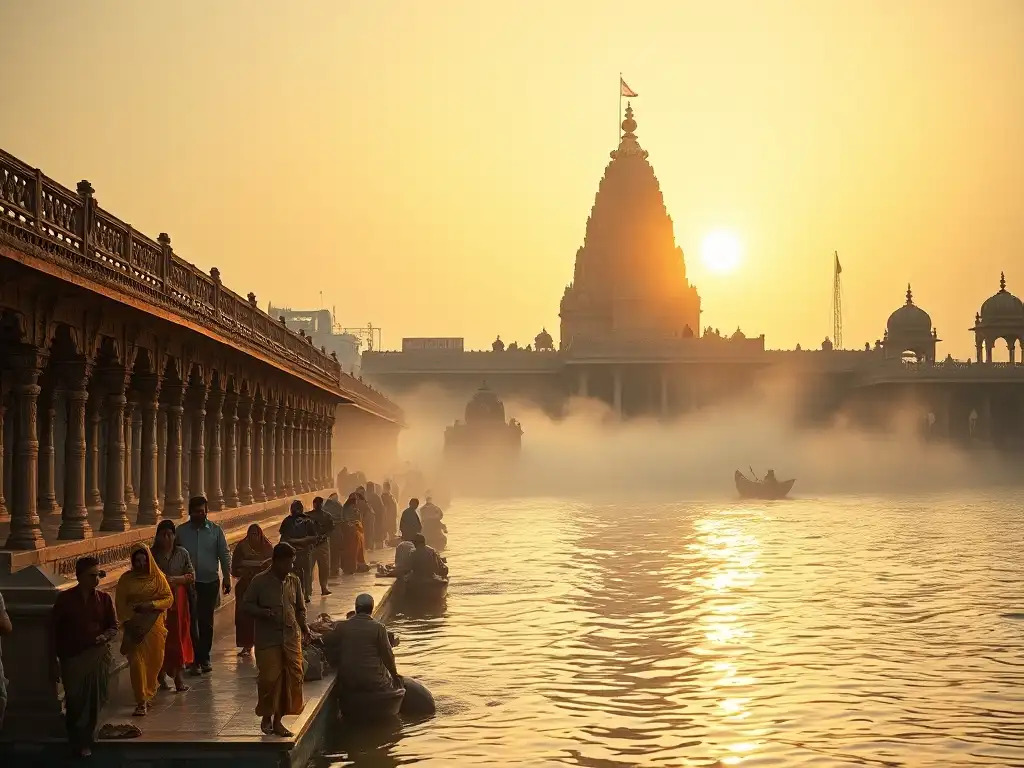
Varanasi, often referred to as Kashi, stands as a vibrant embodiment of ancient Indian architecture, showcasing a confluence of spiritual significance and architectural brilliance. The city's intricate temples, ghats, and historical structures narrate the story of thousands of years of cultural evolution. From the iconic Kashi Vishwanath Temple to the elaborate Manikarnika Ghat, Varanasi encapsulates a unique architectural style that blends various influences while remaining rooted in traditional Hindu principles.
The architectural marvels of Varanasi are not merely structures; they are the living expressions of the socio-religious fabric of ancient Indian civilization. Each brick and carving tells a story of devotion, artistry, and the relentless pursuit of beauty that defined ancient Indian architecture. As a testament to its historical significance, Varanasi continues to attract scholars, architects, and tourists alike, each eager to explore its rich heritage.
The Importance of Preserving Architectural Heritage
Preserving the architectural heritage of Varanasi is crucial for several reasons:
-
Cultural Identity
Varanasi's architectural landscape is a reflection of the city's unique cultural identity. Preserving these structures helps maintain the historical narrative and traditions of the region, ensuring that future generations understand their roots.
-
Tourism and Economic Benefits
The city's architectural wonders draw millions of tourists annually, contributing significantly to the local economy. Preservation efforts can enhance the tourism experience, ensuring that visitors appreciate the historical and cultural contexts of these sites.
-
Educational Value
Architectural heritage serves as an educational resource for students and researchers. It provides insights into ancient construction techniques, religious practices, and the socio-economic conditions of the time.
-
Environmental Sustainability
Restoring and maintaining historic buildings can be an environmentally sustainable approach to urban development. It minimizes the need for new construction materials and promotes the adaptive reuse of existing structures.
-
Community Engagement
Involving local communities in preservation efforts fosters a sense of pride and ownership. It encourages collective responsibility towards safeguarding the cultural heritage of Varanasi.
Future Prospects for Varanasi's Architectural Landscape
The future of Varanasi's architectural landscape hinges on a balanced approach to modernization while respecting its rich heritage. Some key prospects include:
-
Sustainable Development Initiatives
Future urban planning in Varanasi should emphasize sustainable practices, integrating modern infrastructure without compromising the integrity of historical sites. This could involve the use of eco-friendly materials and the promotion of green spaces around significant monuments.
-
Technological Integration
Leveraging technology for the restoration and preservation of ancient structures can enhance their longevity. Techniques like 3D scanning and digital modeling can be employed to create accurate representations and assist in restoration efforts.
-
Public Awareness Campaigns
Raising awareness about the significance of Varanasi's architectural heritage is vital. Educational programs and workshops can engage citizens and visitors, highlighting the importance of conservation efforts.
-
International Collaboration
Collaborating with global heritage organizations can bring in expertise and resources necessary for effective preservation. Such partnerships can enhance the visibility of Varanasi's architectural significance on an international platform.
-
Infrastructural Improvements
Enhancements to connectivity and accessibility to historical sites can improve visitor experiences. Thoughtful transportation solutions that respect the heritage sites can make Varanasi even more appealing to tourists and scholars.
Varanasi's architectural heritage is not only a remnant of ancient Indian civilization but also a living part of its ongoing narrative. By prioritizing preservation and thoughtful development, Varanasi can continue to thrive as a testament to ancient Indian architecture for generations to come.
Call to Action: Exploring Varanasi's Architectural Wonders
Varanasi, often referred to as Kashi, is not only one of the oldest cities in the world but also a vibrant center of ancient Indian architecture. Its intricate temples, ghats, and historic buildings reflect a rich tapestry of culture and spirituality. The city's architectural wonders serve as a living testament to the skill and artistry of ancient Indian civilization. If you're an architecture enthusiast or a curious traveler, Varanasi beckons you to explore its mesmerizing structures and experience the essence of ancient Indian architecture firsthand.
Visiting Varanasi: Tips for Architecture Enthusiasts
- Best Time to Visit:
- The ideal months for exploring Varanasi are from October to March when the weather is pleasant and conducive for walking tours.
- Dress Code:
- Dress modestly, especially when visiting temples and ghats. Lightweight cotton fabrics are recommended due to the city's climate.
- Guided Tours:
- Consider hiring a local guide or joining an architectural tour. Knowledgeable guides can provide insights into the historical significance and architectural styles of the structures.
- Explore on Foot:
- Varanasi's narrow lanes are best navigated on foot. This allows you to appreciate the intricate details of the buildings and discover hidden gems.
- Photography:
- Capture the stunning architecture, but be respectful of local customs, especially in religious sites. Early mornings or late afternoons offer the best lighting for photographs.
- Stay Hydrated:
- The exploration can be exhausting, so keep water handy. Local shops often sell bottled water, but consider using a reusable water bottle to reduce plastic waste.
- Cultural Sensitivity:
- Be aware of cultural practices and local customs. Engaging respectfully with residents can enrich your experience.
- Local Cuisine:
- Don’t miss trying the local delicacies. The food stalls near temples often offer a taste of authentic Varanasi cuisine, which can be a delightful respite after your architectural explorations.
Suggested Itineraries for Architectural Tours in Varanasi
To make the most of your visit, here are suggested itineraries that highlight the architectural marvels of Varanasi:
Itinerary 1: Heritage Walk
- Morning:
- Start at Kashi Vishwanath Temple, an iconic site of ancient Indian architecture.
- Explore the Gyanvapi Mosque, which stands adjacent to the temple, showcasing a blend of architectural styles.
- Afternoon:
- Walk along the Dashashwamedh Ghat, taking in the panoramic views of the Ganges and the intricately designed ghats.
- Evening:
- Attend the Ganga Aarti ceremony, experiencing the spiritual ambiance and stunning temple architecture illuminated at night.
Itinerary 2: Temple Trail
- Morning:
- Visit Sankat Mochan Hanuman Temple, known for its unique architecture and spiritual significance.
- Afternoon:
- Head to Tulsi Manas Temple, which features beautiful marble carvings and murals depicting the Ramayana.
- Evening:
- End your day at Durga Temple, famous for its striking red color and rich history.
Itinerary 3: Ghat Exploration
- Morning:
- Start with a boat ride on the Ganges, viewing the ghats from the water, which gives a unique perspective of their architectural grandeur.
- Afternoon:
- Explore Assi Ghat, known for its vibrant atmosphere and historical significance. Visit the surrounding temples and cafes.
- Evening:
- Conclude your day at Harishchandra Ghat, witnessing the cremation rituals and understanding the cultural importance of this site in ancient Indian society.
Exploring Varanasi offers not only a glimpse into ancient Indian architecture but also an immersive experience of the city's living cultural heritage. Whether you're wandering through ancient temples or along the sacred ghats, each corner of Varanasi tells a story waiting to be discovered.
Frequently Asked Questions
What is the significance of Varanasi in ancient Indian architecture?
Varanasi is renowned for its exceptional architectural heritage, showcasing structures that reflect the city's spiritual and cultural importance throughout history.
Which ancient architectural styles can be found in Varanasi?
In Varanasi, you will find a blend of Hindu, Buddhist, and Mughal architectural styles, each contributing to the city's unique landscape and historical narrative.
How does the architecture of Varanasi reflect its cultural heritage?
The temples, ghats, and palaces of Varanasi are not only architectural marvels but also symbolize the city's rich spiritual traditions and cultural practices that have evolved over centuries.
Are there any specific monuments in Varanasi that represent ancient Indian architecture?
Yes, notable monuments such as the Kashi Vishwanath Temple and the Dashashwamedh Ghat are prime examples of Varanasi's ancient Indian architectural brilliance.
How has ancient Indian architecture influenced modern structures in Varanasi?
Modern constructions in Varanasi often draw inspiration from traditional designs and elements, ensuring that the city's architectural legacy continues to thrive alongside contemporary innovations.
Final Reflection: Embracing the Legacy of Ancient Indian Architecture in Varanasi
The intricate beauty and historical significance of ancient Indian architecture in Varanasi remind us of our rich cultural heritage and its relevance in today's fast-paced world. As we navigate through modernity, the timeless structures of Varanasi stand as a testament to the artistry and craftsmanship of our ancestors, urging us to appreciate and preserve the legacies that shape our identity.
The architectural marvels of Varanasi not only reflect the ingenuity of ancient builders but also continue to inspire contemporary artists, architects, and travelers alike. The city serves as a living museum, where every ghat, temple, and alleyway tells a story of devotion, resilience, and cultural fusion. Architecture is the learned game, correct and magnificent, of forms assembled in the light.
— Le Corbusier. This quote encapsulates the essence of Varanasi, where ancient designs harmoniously interact with the natural environment, creating a space that resonates with both history and spirituality.
As you reflect on the beauty and significance of ancient Indian architecture in Varanasi, consider how these lessons can be applied to your own life. Take a moment to appreciate the artistry around you, whether in your community or within your personal spaces. Let the spirit of Varanasi inspire you to honor and preserve the cultural narratives that surround you, fostering a deeper connection to your roots and a commitment to carrying forward the legacy of those who came before us.
Unveil the Wonders of Varanasi Today!
Thank you for exploring the rich tapestry of Varanasi with us! We hope you’ve gained a deeper appreciation for its ancient architectural beauty and cultural significance. Now, it's time to transform your newfound knowledge into action. Here’s how you can dive deeper into this incredible city and its heritage:
- Plan your visit to Varanasi and experience its vibrant streets and awe-inspiring architecture firsthand!
- Share your insights and favorite moments from this article with friends or on social media to inspire others to appreciate the richness of Indian history.
- Join a local community or online forum focused on Indian architecture to continue the conversation and exchange ideas with fellow enthusiasts!
What aspect of Varanasi's architecture intrigues you the most, and how do you plan to explore it further?