
The Ramayana in the Context of Ancient Indian Warfare

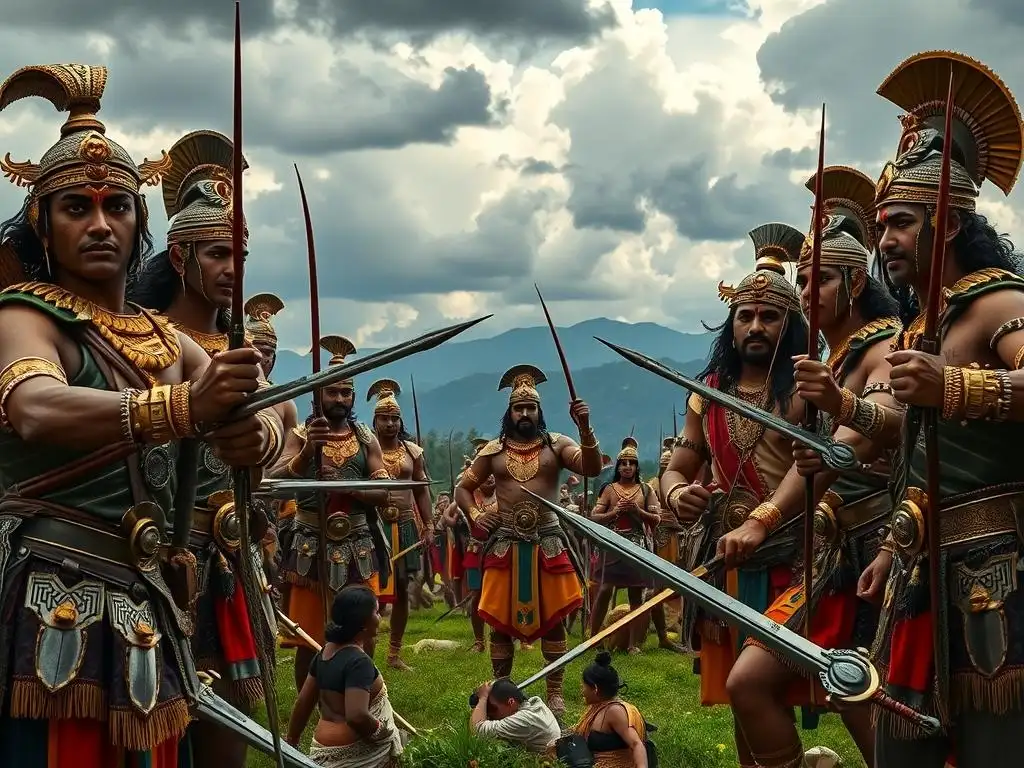
Welcome to Ancient India History, where we embark on a captivating journey through the rich tapestry of ancient Indian civilizations. Here, we delve into their remarkable contributions, vibrant cultures, and profound histories—from the enigmatic Indus Valley to the illustrious Gupta Empire. In our featured article, “The Ramayana in the Context of Ancient Indian Warfare,” we uncover the intricate warfare strategies that shaped epic narratives and influenced the course of history.
Prepare to be intrigued as we unravel the profound connections between literature and military tactics, inviting you to explore the depths of this fascinating topic. Join us on this adventure and discover the legacy of ancient Indian warriors!
Introduction to the Ramayana and Its Importance in Indian Culture
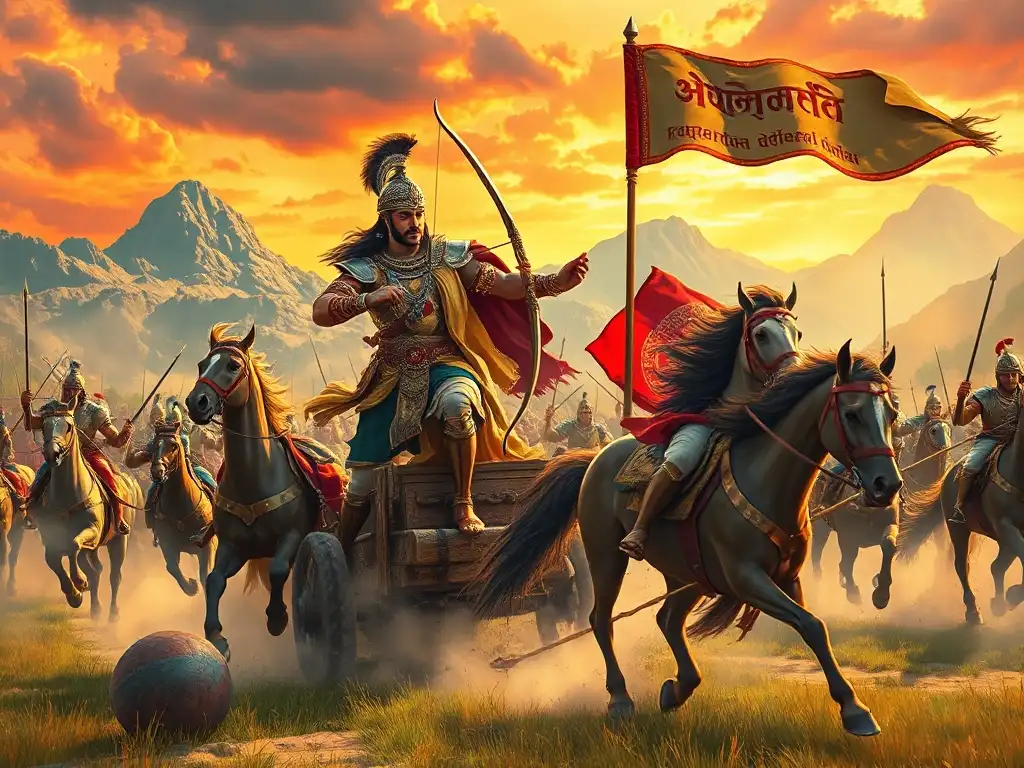
The Ramayana, one of the two major Sanskrit epics of ancient Indian literature, is not merely a tale of heroism and divine intervention; it is a profound reflection on the values, ethics, and cultural fabric of ancient Indian society. Composed by the sage Valmiki, this epic narrates the life of Lord Rama, his wife Sita, and his loyal companion Hanuman, encapsulating themes of duty, righteousness (dharma), and the struggle between good and evil. The significance of the Ramayana transcends literary merit; it serves as a cultural cornerstone, shaping the ethos of Indian civilization for centuries.
In the context of ancient Indian warfare strategies, the Ramayana offers valuable insights into military tactics, the role of leadership, and the philosophical underpinnings of conflict. The epic illustrates how warfare was not solely about physical combat but was intertwined with moral dilemmas, alliances, and the pursuit of justice. Understanding the portrayal of warfare in the Ramayana allows us to appreciate the complexities of ancient Indian military practices and their broader implications on society and governance.
Overview of Ancient Indian Warfare Strategies
Ancient Indian warfare strategies were characterized by their unique approaches to combat, which included both conventional and unconventional methods. These strategies were influenced by geographical, cultural, and spiritual factors, reflecting the diverse landscape of ancient India. The analysis of these strategies reveals a sophisticated understanding of military tactics and the importance placed on ethical considerations during warfare.
Defining Ancient Indian Warfare
Ancient Indian warfare can be defined as a set of military practices and philosophies that evolved from the Vedic period through the Mauryan and Gupta empires. Warfare was often viewed not just as a means to achieve power but as a necessary action in upholding dharma. Key components of ancient Indian warfare included:
- Chariots and Elephants: Utilized for both offense and defense, these were symbols of power and played a critical role in battles.
- Archery and Infantry: Focused on skilled archers and foot soldiers, reflecting the emphasis on training and discipline.
- Strategic Alliances: Diplomacy was as important as direct conflict, with many kingdoms forming alliances to strengthen their positions.
Key Characteristics of Ancient Indian Warfare
The warfare strategies of ancient India exhibited several defining characteristics:
- Moral and Ethical Framework: Warfare was often justified through the lens of righteousness, where the motives behind a conflict were critically examined.
- Use of Terrain: Commanders utilized their knowledge of local geography to gain tactical advantages, employing ambushes and surprise attacks.
- Psychological Warfare: The use of symbols, propaganda, and psychological tactics to demoralize the enemy was a common practice.
- Integration of Spiritual Beliefs: Battles were often preceded by rituals and prayers, emphasizing the spiritual dimension of warfare.
- Emphasis on Leadership: Leaders were expected to be exemplars of virtue and strategy, guiding their armies through both moral and practical challenges.
By examining these elements within the context of the Ramayana, we gain a richer understanding of how ancient Indian warfare strategies were not only about physical confrontations but also deeply rooted in the cultural and ethical beliefs of the time.
The Ramayana as a Historical Text
The Ramayana, attributed to the sage Valmiki, is not merely a revered epic of ancient Indian literature but also serves as a crucial historical text that reflects the socio-political milieu of its time. This epic narrates the tale of Lord Rama, his wife Sita, and his loyal companion Hanuman, focusing on themes of duty, righteousness, and the moral dilemmas faced by its characters. However, it is the depiction of warfare throughout the narrative that provides invaluable insights into ancient Indian warfare strategies.
The text is often viewed through a dual lens: as a spiritual guide illustrating dharma (righteousness) and as a historical account that chronicles the conflicts and battles that shape its narrative. The Ramayana offers a rich tapestry of military tactics, formations, and the philosophical underpinnings of warfare, making it an essential study for understanding ancient Indian military traditions.
The Epic's Narrative: War and Valor
Central to the Ramayana is the theme of war and valor, particularly represented in the conflict between Rama and the demon king Ravana. The epic vividly describes not only the battles fought but also the heroic qualities exhibited by its characters. Key moments include the strategic planning of Rama’s army, the valor of the monkey warriors led by Sugriva, and the unwavering devotion of Hanuman, who plays a pivotal role in the success of Rama's campaign.
The narrative showcases various forms of warfare, including one-on-one duels, ambush tactics, and large-scale battles involving diverse forces. The valor displayed by characters like Rama and Lakshmana against overwhelming odds emphasizes the ancient Indian ethos of bravery and honor in combat. Furthermore, the portrayal of valor is intricately tied to the moral and ethical implications of warfare, highlighting the importance of righteousness in achieving victory.
Historical Context of the Ramayana and Warfare
To fully understand the warfare strategies depicted in the Ramayana, it is essential to contextualize the epic within the historical and cultural framework of ancient India. The Ramayana is believed to have been composed around 500 BCE to 100 BCE, during a time when various kingdoms were engaged in territorial disputes, alliances, and power struggles.
This era saw the rise of powerful monarchies and the establishment of warrior clans, which influenced the nature of warfare. The text reflects the societal values of the time, where warfare was not merely a means to an end but a reflection of dharma. The kings and warriors were expected to uphold their societal roles, balancing the pursuit of power with moral integrity. This historical backdrop provides critical insight into the strategies employed by characters within the Ramayana and their significance in the broader spectrum of ancient Indian warfare.
Analysis of Warfare Strategies in the Ramayana
The Ramayana presents a sophisticated view of ancient Indian warfare strategies, showcasing various tactical approaches and the significance of leadership. The strategies employed in the epic are indicative of the complexities involved in ancient military engagements, where psychological warfare, diplomacy, and alliances played vital roles alongside conventional tactics.
The epic illustrates the importance of intelligence and reconnaissance, exemplified by Hanuman’s reconnaissance mission to Lanka, which not only provided crucial information but also inspired confidence among Rama's forces. Additionally, the formation of alliances, such as Rama’s partnership with Sugriva and the vanaras, highlights the strategic importance of building coalitions to strengthen military might.
Key Battles in the Ramayana
Several key battles throughout the Ramayana exemplify the ancient Indian warfare strategies. The most notable is the battle of Lanka, where Rama’s forces engaged Ravana’s formidable army. This battle is characterized by:
- Diverse Tactics: The use of archery, hand-to-hand combat, and strategic use of terrain.
- Element of Surprise: Rama's forces utilized night raids and ambush tactics, showcasing ingenuity in battle.
- Psychological Warfare: The morale of both armies played a crucial role, with valorous acts and divine interventions shaping the course of the battle.
Other significant confrontations, such as those between Rama and various rakshasas (demons), reveal the layered approach to warfare, where combat was often intertwined with themes of divine justice and moral righteousness.
Character Analysis: Warriors and Their Strategies
The characters in the Ramayana embody various aspects of warfare strategies, each contributing uniquely to the narrative of combat.
- Rama: As the protagonist, he exemplifies the ideal warrior, embodying dharma and strategic leadership. His approach to warfare balances valor with moral considerations, emphasizing that victories should be achieved through righteous means.
- Lakshmana: Rama’s brother, known for his fierce loyalty and combat skills, represents the archetype of the devoted warrior. His tactical prowess is evident in his willingness to engage in battle alongside Rama, often taking on formidable foes without hesitation.
- Hanuman: Serving as both a warrior and a strategist, Hanuman’s role goes beyond that of a combatant. His intelligence, resourcefulness, and ability to inspire others play a crucial role in the overall success of Rama’s mission, showcasing the importance of wisdom in warfare.
- Ravana: As the antagonist, Ravana’s character illustrates the complexities of a formidable leader whose strategic decisions, while initially successful, ultimately lead to his downfall due to hubris and moral failings.
Through these characters, the Ramayana offers a multifaceted view of warfare strategies, illustrating the interplay of ethics, loyalty, and strategy in ancient Indian warfare.
The Influence of Ancient Indian Warfare on the Ramayana's Narrative
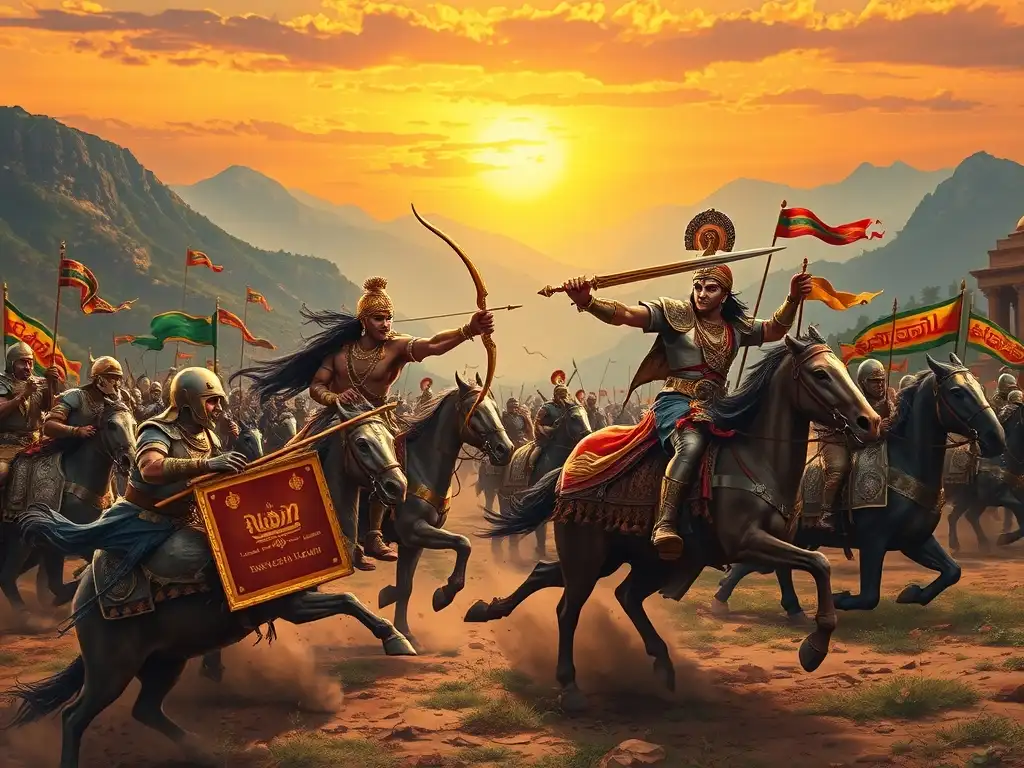
The Ramayana, one of the two major Sanskrit epics of ancient Indian literature, intricately weaves themes of warfare throughout its narrative. The depiction of battle strategies, valor, and the consequences of war not only propels the story forward but also serves as a reflection of the martial culture prevalent during the time of its composition. Warfare is not merely a backdrop but a pivotal element that shapes the very fabric of the narrative, influencing character development, moral dilemmas, and societal values.
The battles depicted in the Ramayana mirror the ancient Indian warfare strategies of the time, showcasing the importance of alliances, tactics, and the role of divine intervention. The epic describes various forms of combat, including individual duels and large-scale confrontations, emphasizing the complexities of warfare in an ancient context. This portrayal illustrates how war was viewed as both an inevitable part of life and a means to uphold dharma, or righteousness, in society.
How Warfare Shapes the Plot and Characters
In the Ramayana, warfare is central to the character arcs and the unfolding plot. Major characters such as Rama, Lakshmana, and Ravana exemplify the virtues and vices associated with war. Rama, as the protagonist, embodies the ideal warrior, demonstrating courage, strategic acumen, and adherence to dharma even in the face of personal loss. His journey to rescue Sita from Ravana is not only a physical quest but also a moral one, where the righteousness of his cause is constantly tested through the trials of war.
The battles themselves are crucial turning points in the story. For instance, the conflict between Rama and Ravana culminates in the epic battle of Lanka, where strategy plays a vital role. The use of various weapons, including the powerful Brahmastra, showcases the advanced military knowledge of ancient Indian civilization. Furthermore, the alliances that Rama forges with the vanaras (monkey warriors) illustrate the significance of unity and cooperation in warfare, reflecting a broader social commentary on the importance of collective strength against adversities.
The Moral and Ethical Dimensions of Warfare in the Ramayana
The Ramayana does not shy away from exploring the moral and ethical dilemmas that arise in the context of warfare. Characters are often faced with choices that test their values, illustrating the complex nature of human motives in conflict. The epic raises questions about the justification of war, the treatment of adversaries, and the consequences of violence, urging readers to contemplate the costs associated with military endeavors.
Rama’s adherence to dharma is a recurring theme, where he must balance his duties as a warrior with his responsibilities towards his family and society. The narrative critiques the idea of blind vengeance, as seen in the character of Ravana, whose arrogance leads to his downfall. The portrayal of Ravana’s defeat serves as a cautionary tale about the perils of hubris and the importance of ethical conduct in warfare. Ultimately, the Ramayana presents warfare as a necessary evil, underscoring the need for righteousness and moral clarity in the pursuit of justice.
Comparison of Ramayana Warfare Strategies with Other Ancient Indian Texts
The warfare strategies depicted in the Ramayana are reflective of the broader martial traditions found in ancient Indian texts. By comparing these strategies with those outlined in other significant works, such as the Mahabharata, one can gain a deeper understanding of the evolution of warfare in ancient India and its cultural implications.
The Mahabharata: A Study in Contrast
The Mahabharata, another key epic of ancient Indian literature, presents a more complex and multifaceted view of warfare compared to the Ramayana. While both epics feature divine intervention and moral quandaries, the Mahabharata delves deeper into the chaos and tragedy of war, particularly in the context of the Kurukshetra War. The strategies employed in the Mahabharata, such as the formation of the Chakravyuha (a circular military formation), highlight a more tactical approach to combat, with a focus on the psychological aspects of warfare.
In contrast, the Ramayana primarily emphasizes the heroism and valor of its protagonists, with more straightforward battle scenarios. The moral implications of warfare in the Mahabharata are pronounced, often portraying the futility and destruction that arise from conflict. This contrast illustrates the varied perspectives on conflict within ancient Indian literature, providing valuable insights into the cultural and philosophical underpinnings of warfare.
Other Historical Sources on Ancient Indian Warfare
Beyond the epics, various historical texts and treatises offer insights into ancient Indian warfare strategies. Works such as Kautilya's Arthashastra provide a comprehensive analysis of military strategy, statecraft, and the economic aspects of war. This treatise emphasizes the importance of espionage, diplomacy, and the art of war, showcasing the sophisticated understanding of warfare that existed in ancient India.
Moreover, inscriptions and accounts from historical battles, such as those recorded in the Puranas, further enrich our understanding of ancient Indian military practices. These sources reveal the significance of chariots, elephants, and infantry in warfare, as well as the rituals associated with preparing for battle. Together, these texts create a mosaic of ancient Indian warfare, allowing for a deeper appreciation of the themes explored in the Ramayana and their enduring relevance in the context of ancient Indian civilization.
The Legacy of the Ramayana in Understanding Ancient Indian Warfare
The Ramayana, one of the two major Sanskrit epics of ancient Indian literature, serves as a vital historical and cultural text that provides insights into the warfare strategies of ancient India. Through its narrative, the Ramayana not only recounts the heroic deeds and valor of its characters but also illustrates the complex interplay of dharma (righteousness) and warfare. The epic delineates various aspects of ancient Indian warfare, including battle formations, strategies, and the ethical considerations that governed conflicts.
Key characters such as Rama, Lakshmana, and Ravana exemplify different approaches to warfare, showcasing the significance of intelligence, bravery, and adherence to moral codes. The epic's portrayal of these elements has left a lasting impact on the understanding of military tactics and the philosophy underlying ancient Indian warfare. By analyzing the battles depicted in the Ramayana, scholars can glean lessons on strategy, leadership, and the consequences of war, which continue to resonate within the context of India's historical military developments.
Influence on Later Indian Warfare Strategies
The teachings and strategies highlighted in the Ramayana significantly influenced subsequent Indian military practices and philosophies. The epic provides a foundational framework that later warriors and kings, such as those from the Maurya and Gupta Empires, would draw upon to formulate their own approaches to warfare.
For instance, the importance of gathering intelligence before engaging in battle is emphasized in the Ramayana through the character of Hanuman, who undertakes reconnaissance missions. This notion of espionage and strategic reconnaissance became a staple in the warfare tactics of later Indian rulers. Additionally, the use of alliances seen in the Ramayana, particularly the coalition of various tribes and characters against Ravana, reflects a strategy that would be employed by future dynasties to strengthen their military positions.
Furthermore, the Ramayana's emphasis on ethical warfare—where the righteousness of one's cause is paramount—has influenced the moral frameworks surrounding battles in later Indian history. This aspect has been observed in various military treatises that emerged in the medieval period, which often cited the Ramayana to justify or critique strategies employed in warfare.
Cultural Implications of Warfare in the Ramayana
The Ramayana not only chronicles warfare but also delves into the cultural implications of conflict in ancient India. The narrative encapsulates the values and beliefs that informed the societal understanding of war. The epic portrays war as a necessary evil, often instigated by the violation of dharma, which reflects the societal ethos of ancient Indian civilization.
Additionally, the characterization of warriors and their motivations reveals much about the cultural significance of honor, loyalty, and sacrifice. For example, Rama's quest to rescue Sita from Ravana is not merely a personal endeavor; it symbolizes the struggle between good and evil, reinforcing the moral imperative to fight against injustice. This portrayal influences how warfare is perceived culturally—not simply as a means to an end but as a noble pursuit tied to familial and societal obligations.
Moreover, the Ramayana also illustrates the consequences of warfare on relationships and society, highlighting themes of loss, grief, and redemption. Such cultural narratives surrounding warfare contribute to a deeper understanding of the ancient Indian worldview, where the battlefield is as much a site of moral conflict as it is of physical confrontation.
Conclusion: The Ramayana's Contribution to the Understanding of Ancient Indian Warfare
The Ramayana stands as a monumental text that offers profound insights into ancient Indian warfare strategies. Through its rich storytelling and character development, the epic encapsulates not only the tactical elements of warfare but also the ethical and cultural dimensions that shaped the ancient Indian approach to conflict. The lessons derived from the Ramayana continue to echo in discussions about warfare, strategy, and ethics in the broader context of Indian history.
Final Thoughts on Warfare Strategies in Ancient Indian Literature
The Ramayana serves as a crucial reference point for understanding the intricacies of ancient Indian warfare strategies. Its influence extends beyond military tactics to encompass the moral and ethical underpinnings of warfare, which remain relevant in contemporary discourse. The epic not only enriches our comprehension of ancient Indian history but also invites reflection on the timeless themes of duty, honor, and the consequences of war that resonate through the ages. As we explore ancient Indian literature, the Ramayana emerges not just as a story of heroism but as a profound commentary on the nature of conflict and its place within the human experience.
- Introduction to the Ramayana and Its Importance in Indian Culture
- Overview of Ancient Indian Warfare Strategies
- The Ramayana as a Historical Text
- Analysis of Warfare Strategies in the Ramayana
- The Influence of Ancient Indian Warfare on the Ramayana's Narrative
- Comparison of Ramayana Warfare Strategies with Other Ancient Indian Texts
- The Legacy of the Ramayana in Understanding Ancient Indian Warfare
- Conclusion: The Ramayana's Contribution to the Understanding of Ancient Indian Warfare
Frequently Asked Questions
What is the significance of the Ramayana in ancient Indian warfare?
The Ramayana provides insights into military tactics and strategies used during ancient times, showcasing the heroic battles and leadership qualities of its characters, particularly Rama.
How did ancient Indian warfare strategies evolve?
Warfare strategies in ancient India evolved through various periods, influenced by geography, politics, and cultural texts like the Mahabharata and Ramayana, which emphasized diplomacy and alliances.
What role did chariots play in ancient Indian warfare?
Chariots were crucial in ancient Indian warfare, providing mobility and a platform for archers. They symbolized power and were often depicted in epic tales like the Ramayana.
How were ancient Indian warriors trained?
Training involved physical conditioning, mastering weaponry, and learning strategies from texts and gurus. This preparation was essential for warriors to excel in battles depicted in the Ramayana.
Were there any unique weapons used in ancient Indian warfare?
Yes, ancient Indian warfare saw the use of unique weapons like the bow and arrow, sword, and spear, as well as advanced tactics illustrated in epic narratives, notably in the Ramayana.
Final Reflection: The Enduring Legacy of Ancient Indian Warfare Strategies
The exploration of ancient Indian warfare strategies, as illustrated through the epic narrative of the Ramayana, reveals a profound connection between military tactics and cultural identity. In today's world, where strategic thinking and leadership are paramount, the lessons drawn from these ancient texts resonate powerfully. The Ramayana not only chronicles the valor and heroism of its characters but also serves as a timeless guide to understanding the complexities of warfare and diplomacy, reminding us that the art of strategy transcends mere conflict.
The Ramayana has significantly influenced our cultural and social landscape, shaping our understanding of heroism, duty, and the moral dilemmas faced in warfare. The strategies depicted in the epic are not merely historical accounts; they are reflections of the values and philosophies that continue to inform contemporary discussions on conflict resolution and leadership. As Mahatma Gandhi once said, "> The weak can never forgive. Forgiveness is the attribute of the strong." This sentiment underscores the importance of wisdom and ethical considerations in warfare, a theme that remains relevant as we navigate modern conflicts.
As we reflect on the ancient wisdom encapsulated in the Ramayana, I invite you to consider how these lessons can be applied in your own life. What strategies can you adopt from these timeless narratives to navigate your personal and professional challenges?
Embrace the call to reflect on the moral dimensions of your decisions and actions, and let the teachings of ancient Indian warfare inspire you to approach conflicts with a sense of purpose and integrity. The legacy of the Ramayana is not just a historical account; it is a living guide that encourages us to forge paths of wisdom and courage in our own journeys.
Unveil the Lessons of Warfare from the Ramayana!
Thank you for taking the time to explore the intricate relationship between the Ramayana and ancient Indian warfare. By diving into this monumental epic, you've gained invaluable insights into strategy, valor, and the moral complexities of conflict. Now, it’s time to put this knowledge into action!
Here are some steps to deepen your understanding and engage with this fascinating topic:
- Join a discussion group focused on epic literature and military strategies from ancient India. Share your thoughts and learn from others' perspectives.
- Explore further: Read related texts or scholarly articles about the Ramayana and its portrayal of warfare. Discover how these lessons can still resonate in contemporary society.
- Revisit your favorite passages from the Ramayana that highlight key battle scenes, and reflect on their strategic significance.
What lessons from the Ramayana do you believe can be applied to modern conflicts or leadership challenges? Share your thoughts below to spark a meaningful conversation!