
The Influence of Ancient Indian Military Thought on Western Strategies

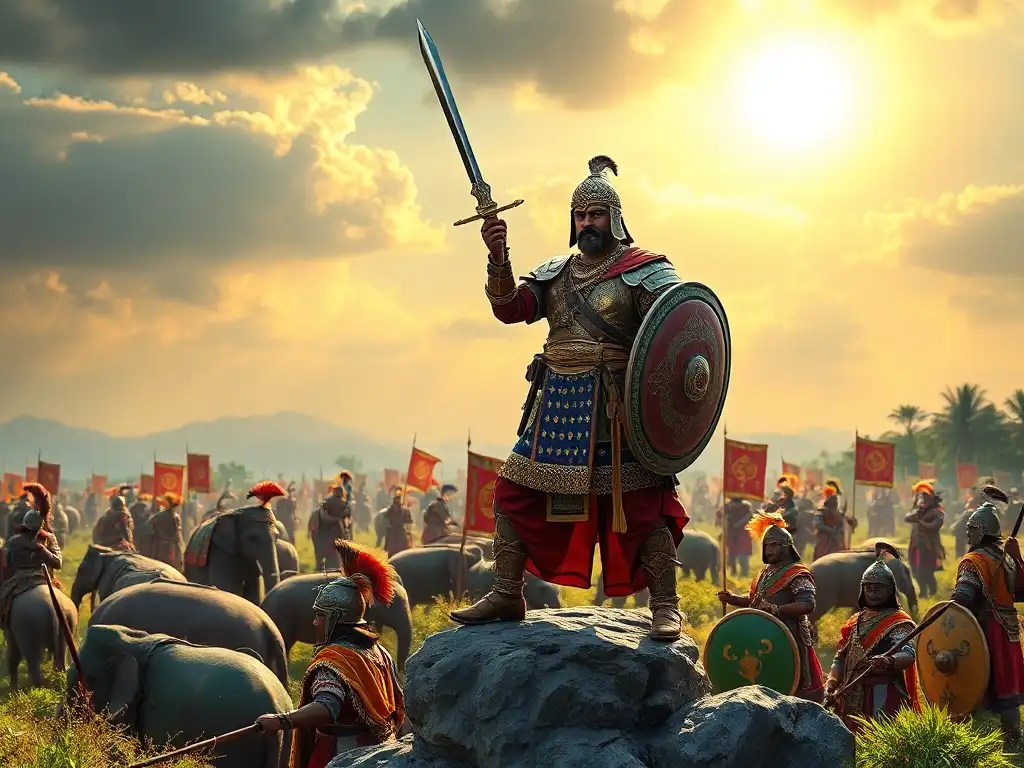
Welcome to Ancient India History, where we embark on a fascinating journey through time to uncover the rich tapestry of ancient Indian civilizations. From the sophisticated urban planning of the Indus Valley to the intellectual advancements of the Gupta Empire, every corner of history has a story to tell. In our featured article, "The Influence of Ancient Indian Military Thought on Western Strategies," we delve into the intriguing world of ancient Indian military strategies and their profound impact on warfare across cultures.
Prepare to discover how these strategies not only shaped the battlefield but also influenced the strategic minds of the West. Join us as we unlock the secrets of an era that continues to resonate through history!
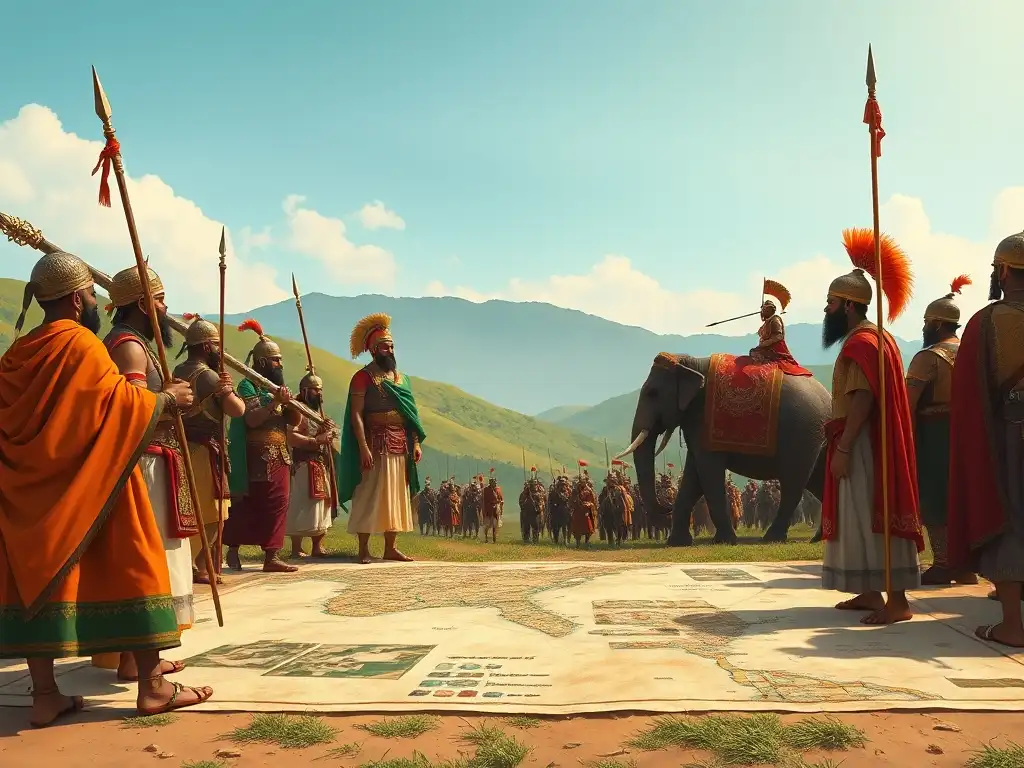
Exploring the intricate tapestry of military history reveals a profound and often underestimated influence of ancient Indian military strategies on Western approaches to warfare. From the sophisticated tactics employed in the Indus Valley to the strategic philosophies articulated during the Gupta Empire, ancient Indian military thought has shaped not only regional conflicts but also left an indelible mark on global military strategies.
This article delves into the rich legacy of ancient Indian military strategies and their enduring impact on Western military thought, highlighting key concepts, principles, and the innovative use of geography and psychological tactics that characterized these ancient practices.
Introduction to Ancient Indian Military Strategies
The history of ancient Indian military strategies is as diverse as the civilizations that thrived on the subcontinent. Spanning thousands of years, these strategies evolved in response to the unique challenges posed by geography, societal structures, and the political landscape of the time. Ancient Indian texts, such as the Arthashastra by Kautilya, provide invaluable insights into military organization, strategy, and the ethical considerations of warfare. Understanding these strategies not only enhances our appreciation of ancient Indian civilizations but also reveals their contributions to global military thought.
Overview of Ancient Indian Military Thought
Ancient Indian military thought is characterized by a holistic approach that integrates philosophy, ethics, and strategy. Central to this thought was the concept of Dharma, or duty, which influenced the moral dimensions of warfare. Leaders and strategists were expected to make decisions that adhered to ethical guidelines while also ensuring the effectiveness of their military campaigns. The emphasis on adaptability, intelligence gathering, and strategic foresight set ancient Indian military philosophy apart, providing a framework that modern military leaders can still learn from today.
Importance of Ancient Indian Military Strategies in History
The significance of ancient Indian military strategies extends beyond mere historical curiosity; they played pivotal roles in shaping the subcontinent's political landscape and interactions with neighboring cultures. For instance, the Mauryan Empire's military innovations facilitated its expansion and consolidation of power, while the defensive strategies employed during the Gupta period showcased a sophisticated understanding of both offense and defense. These strategies not only influenced contemporaneous civilizations but also laid the groundwork for future military doctrines across the globe.
Key Concepts of Ancient Indian Military Thought
Understanding the key concepts of ancient Indian military thought is essential to grasp its influence on Western military strategies. These concepts encompass a range of ideas, from strategic principles to the innovative use of terrain and psychological tactics.
Strategic Principles in Ancient Indian Warfare
Strategic principles in ancient Indian warfare were rooted in a deep understanding of human psychology and the complexities of combat. Concepts such as deception, surprise, and the element of unpredictability were integral to military planning. The importance of intelligence gathering and the assessment of enemy strengths and weaknesses were emphasized, allowing commanders to make informed decisions that could turn the tide of battle.
The Role of Geography in Military Strategies
Geography played a crucial role in shaping ancient Indian military strategies. The vast and varied terrain of the subcontinent influenced tactical decisions, from the choice of battlefield to the movement of troops. Commanders leveraged natural features, such as rivers and mountains, to their advantage, often using them to fortify positions or to create obstacles for the enemy. This strategic use of geography not only enhanced defensive capabilities but also facilitated successful offensives.
Psychological Warfare and Deception Tactics
Psychological warfare and deception tactics were hallmarks of ancient Indian military strategies. The art of misdirection, creating false impressions, and sowing confusion among enemy ranks were common practices. Ancient texts detail various methods to undermine enemy morale and create an advantage through psychological manipulation. These tactics, which remain relevant in contemporary warfare, highlight the sophistication of ancient Indian military thought and its lasting influence on military strategy worldwide.
Prominent Ancient Indian Military Texts
Ancient India produced a wealth of military literature that has significantly influenced both Eastern and Western military thought. These texts not only encapsulate the strategies and tactics of warfare but also delve into the ethics and philosophy behind military decisions. The most notable among these texts are the Arthashastra, Mahabharata, and Ramayana, each providing unique insights into the military mindset of ancient India.
The Arthashastra: A Comprehensive Military Treatise
The Arthashastra, attributed to the ancient scholar Kautilya (Chanakya), is perhaps the most comprehensive military treatise from ancient India. Written in the 4th century BCE, this work covers a vast array of topics, including statecraft, economics, and military strategy.
- Key Concepts: It emphasizes the importance of espionage, strategic deception, and psychological warfare. Kautilya advocates for a pragmatic approach to warfare, suggesting that a ruler must be shrewd and adaptable to the changing dynamics of conflict.
- Military Organization: The text outlines the organization of armies, the importance of training and discipline, and the need for maintaining supply lines. Kautilya also discusses various types of troops, including infantry, cavalry, and chariots, emphasizing their roles in battle.
- Influence: The Arthashastra has been studied by numerous military leaders and strategists across the globe, influencing modern military thought with its emphasis on intelligence and strategy.
The Mahabharata and Its Strategic Insights
The Mahabharata, one of the longest epic poems in history, is not just a tale of war but a profound exploration of duty, ethics, and morality in the context of conflict. Within this epic, the Bhagavad Gita serves as a philosophical dialogue that addresses the complexities of warfare.
- Strategic Lessons: The Mahabharata provides tactical lessons through its portrayal of various battles, especially the Kurukshetra War. Characters like Arjuna and Krishna discuss the principles of dharma (righteousness) in warfare, shedding light on the ethical dilemmas faced by warriors.
- Psychological Warfare: The epic illustrates the use of psychological tactics, such as the creation of illusions and the manipulation of enemy perceptions, which are essential elements in military strategy.
- Broader Implications: The insights derived from the Mahabharata have been utilized not only in military strategy but also in leadership and governance, making it a multifaceted resource for understanding conflict.
The Ramayana: Lessons in Warfare and Ethics
The Ramayana, another ancient Indian epic, focuses on the life of Lord Rama and his battle against the demon king Ravana. This text provides valuable lessons on leadership, ethics, and the moral responsibilities of a warrior.
- Military Tactics: The Ramayana highlights various military tactics, including ambushes and alliances, showcasing how strategic planning can lead to victory. The alliance between Rama and the vanaras (monkey warriors) is a prime example of leveraging diverse forces against a common enemy.
- Ethical Warfare: A significant theme in the Ramayana is the concept of ethical warfare. Rama's commitment to righteousness, even in the face of overwhelming odds, sets a standard for conduct in battle, emphasizing the importance of honor and virtue in military endeavors.
- Cultural Impact: The Ramayana's portrayal of warfare has resonated through generations, influencing not just military strategy but also cultural narratives around heroism and virtue.
Comparisons of Ancient Indian and Western Military Strategies
The military strategies of ancient India and the West exhibit both similarities and contrasts, shaped by their unique cultural, social, and historical contexts. By examining these elements, we gain insights into the evolution of military thought across civilizations.
Similarities in Strategic Philosophies
Both ancient Indian and Western military strategies share fundamental philosophies centered around the importance of strategy, intelligence, and preparation.
- Emphasis on Strategy: Just as the Arthashastra advocates for meticulous planning and strategic deception, Western military leaders like Sun Tzu (though Chinese) emphasize the importance of strategy in works such as "The Art of War." Both traditions recognize that success in warfare often depends on outsmarting the opponent rather than just brute force.
- Role of Ethics: Ethical considerations play a pivotal role in both traditions. The Mahabharata and Western texts like the writings of Cicero highlight the importance of moral conduct in warfare, suggesting that a just cause enhances the legitimacy of military actions.
Contrasts in Tactical Approaches
Despite their similarities, the tactical approaches of ancient Indian and Western military strategies often differ significantly.
- Flexibility vs. Rigidity: Ancient Indian military thought, as seen in the Arthashastra, often promotes flexibility and adaptability in tactics. In contrast, Western strategies, particularly during the Roman period, tended to favor organized formations and rigid tactics.
- Focus on Individual Valor: Western military history frequently glorifies individual heroism and valor, as seen in figures like Alexander the Great. In contrast, ancient Indian texts often emphasize collective effort and the importance of unity among troops, as portrayed in the Ramayana.
Influence of Ancient Indian Strategies on Western Military Thinkers
The impact of ancient Indian military strategies on Western military thought is notable, with several key figures drawing inspiration from these teachings.
- Historical Figures: Notable Western military thinkers, such as Machiavelli and later strategists in the Renaissance, have acknowledged the importance of Indian texts like the Arthashastra. These texts provided a broader perspective on statecraft and military strategy that transcended regional boundaries.
- Modern Applications: Contemporary military leaders and strategists continue to study these ancient texts, recognizing their relevance in today’s geopolitical landscape. The principles derived from ancient Indian military strategies can be seen in modern doctrines that emphasize intelligence, adaptability, and ethical considerations in warfare.
By understanding these ancient military texts and their influence, we gain a richer perspective on the evolution of military strategies and their enduring legacy in shaping modern warfare.
Case Studies of Ancient Indian Military Strategies in Action
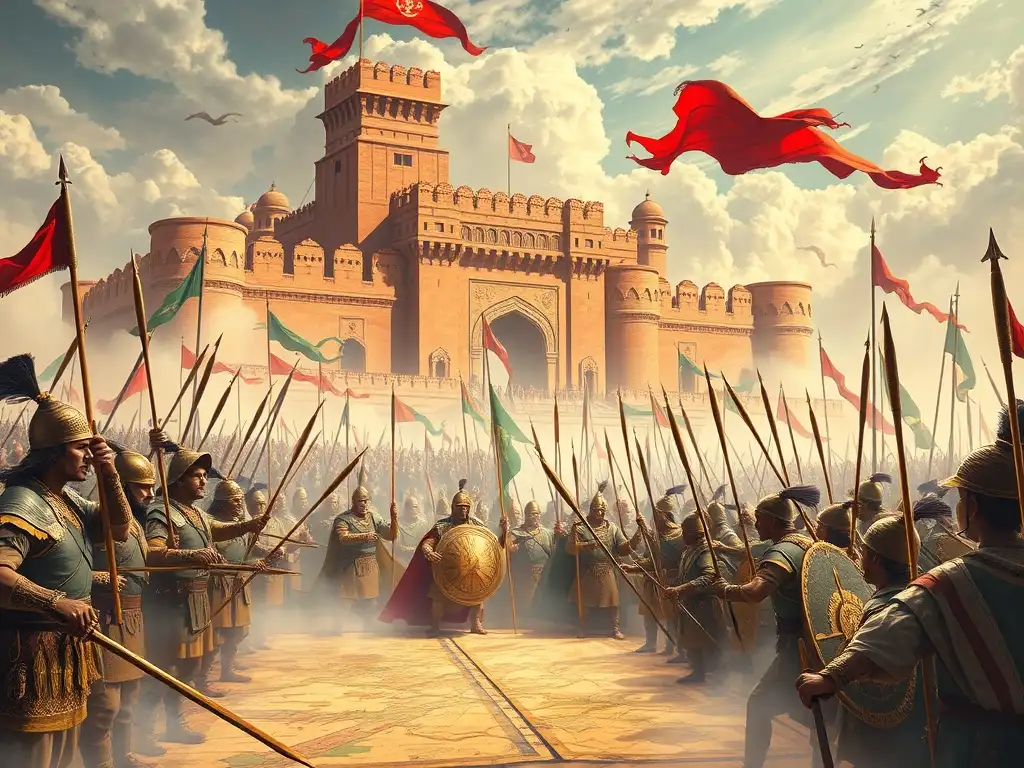
Ancient Indian military strategies have left an indelible mark on the art of warfare, influencing not only local conflicts but also shaping strategies beyond its borders. By examining significant case studies, we can understand the practical application of these strategies and their long-lasting effects on military thought worldwide.
The Kalinga War: A Showcase of Tactical Brilliance
The Kalinga War, fought around 261 BCE, serves as a prime example of ancient Indian military tactics. This conflict, waged by Emperor Ashoka of the Maurya Dynasty against the state of Kalinga, was notable not only for its scale but also for its strategic complexities.
- Tactical Approaches: Ashoka employed a combination of psychological warfare and traditional military tactics. His forces utilized elephants, cavalry, and archers effectively, demonstrating a well-rounded approach to warfare. The strategic use of terrain and the element of surprise played crucial roles in the campaign.
- Aftermath and Reflection: The war resulted in massive casualties and destruction, leading Ashoka to a profound transformation. His subsequent embrace of Buddhism and advocacy for non-violence illustrate the duality in ancient Indian military thought—where the means of warfare were often scrutinized against moral considerations.
This case highlights the sophistication of ancient Indian military strategies and their philosophical implications, influencing subsequent military leaders and thinkers.
The Gupta Empire: Military Innovations and Their Impact
The Gupta Empire (circa 320-550 CE) is often referred to as a golden age for ancient Indian civilization, showcasing significant military innovations that enhanced its territorial ambitions and stability.
- Military Organization: The Gupta military was marked by its organized structure, with clearly defined roles for infantry, cavalry, and war elephants. This stratification allowed for more strategic planning and execution during battles.
- Technological Advancements: The use of advanced weaponry, including bows and arrows with increased range and effectiveness, was notable. The Guptas also developed new fortification techniques, which fortified their cities and strongholds against invasions.
- Cultural Integration: The Gupta military strategies emphasized not just conquest but also integration. They often absorbed local cultures and military practices, which helped in maintaining control over diverse regions. This adaptability in strategy contributed to the empire's longevity and stability.
The military innovations of the Gupta Empire laid a foundation that influenced various military systems in the region, as well as in later periods of history.
Influence on Western Military Conflicts: The Impact of Kautilya's Tactics on Sun Tzu and European Strategies
Kautilya, also known as Chanakya, authored the Arthashastra, a treatise on statecraft and military strategy that has been recognized for its profound insights into warfare and governance.
- Comparative Analysis: Kautilya’s principles bear striking similarities to those of Sun Tzu’s Art of War. Both emphasize the importance of intelligence, deception, and the strategic use of resources. Kautilya's emphasis on espionage and psychological warfare can be seen as a precursor to modern intelligence tactics.
- European Military Thought: The dissemination of Kautilya’s ideas through trade routes and interactions with various cultures, particularly during the Middle Ages, contributed to the evolution of European military strategies. His concepts of diplomacy and realpolitik influenced notable military leaders and theorists.
Kautilya’s strategies continue to resonate in contemporary discussions of military ethics and strategy, illustrating the lasting impact of ancient Indian military thought on global warfare.
The Legacy of Ancient Indian Military Thought in Modern Warfare
The principles and philosophies of ancient Indian military thought have transcended time, influencing modern military strategies and concepts of warfare.
How Ancient Indian Strategies Inform Contemporary Military Tactics
Modern military tactics reflect many ancient Indian strategies, particularly in their emphasis on adaptability and intelligence.
- Strategic Flexibility: Contemporary military operations often mirror the ancient Indian approach of adjusting tactics based on the enemy’s strengths and weaknesses. This flexibility is crucial in asymmetric warfare, where conventional strategies may not apply.
- Psychological Operations: The emphasis on psychological warfare seen in texts like the Arthashastra is evident today in modern military operations, where influencing civilian populations and enemy morale is seen as essential for success.
- Integrated Warfare: The ancient practice of combining various military branches—infantry, cavalry, and artillery—has evolved into the modern concept of combined arms warfare, which leverages the strengths of different units for a cohesive strategy.
The Relevance of Ancient Indian Military Philosophy Today
The philosophical underpinnings of ancient Indian military thought continue to hold relevance in the contemporary context.
- Ethics in Warfare: The moral reflections following the Kalinga War have sparked discussions on the ethics of war, particularly regarding civilian casualties and the pursuit of peace. Modern military leaders often grapple with similar questions of morality in conflict.
- Leadership and Strategy: The qualities of a good leader as discussed in the Arthashastra—such as wisdom, foresight, and decisiveness—remain critical in contemporary military leadership.
- Cultural Sensitivity: Ancient Indian strategies underscore the importance of understanding local cultures and histories in military campaigns, a principle that is increasingly recognized in modern military operations focused on counterinsurgency and peacekeeping.
The influence of ancient Indian military thought extends beyond historical analysis; it provides valuable insights and lessons that continue to inform and shape modern military strategies and philosophies worldwide.
Conclusion
The study of ancient Indian military strategies offers a profound insight into the complexities of warfare and military thought that have shaped not only Indian history but also influenced Western military practices. The strategic concepts articulated by ancient Indian scholars and leaders, such as those found in texts like the Arthashastra by Kautilya and the Mahabharata, highlight an intricate understanding of logistics, diplomacy, and psychological warfare. These principles contributed significantly to the evolution of military tactics and strategies, demonstrating their relevance even in contemporary military discourse.
Summarizing the Influence of Ancient Indian Military Strategies
Ancient Indian military strategies were characterized by a holistic approach that encompassed not only battlefield tactics but also the socio-political landscape surrounding conflicts. The incorporation of intelligence gathering, the importance of deception, and the emphasis on forming alliances were critical to the success of ancient Indian armies. These strategies have been observed in various Western military doctrines, which adopted and adapted these principles to fit their own contexts. The moral and ethical dimensions of warfare, as discussed in Indian texts, also resonate with modern military ethics, emphasizing the need for a balanced approach to combat.
Future Implications for Military Studies and Strategies
The relevance of ancient Indian military thought extends into future military studies, where a cross-cultural examination of strategies can enhance our understanding of global military dynamics. As military scholars and strategists seek innovative approaches to modern conflicts, revisiting ancient Indian military strategies could provide valuable lessons. Emphasizing adaptability, strategic foresight, and the integration of diverse military philosophies may allow contemporary military leaders to craft more effective strategies that address the complexities of modern warfare.
References
Suggested Reading on Ancient Indian Military Strategies
- Kautilya's Arthashastra - A foundational text that delves into statecraft, military strategy, and economic policy in ancient India.
- The Mahabharata - An epic narrative that includes profound insights into the ethics of war, strategy, and the human condition.
- The Art of War by Sun Tzu - While a Chinese text, its parallels with Indian military thought provide an enriching comparative perspective.
Additional Resources on Military History and Strategy
- "A History of Ancient India" by Upinder Singh - This book provides a comprehensive overview of Indian history, including military developments.
- "War and Diplomacy in Ancient India" by R. C. Majumdar - A focused exploration of military strategies and diplomatic practices in ancient Indian context.
- Online databases and journals such as the "Journal of Military History" and "International Journal of Asian Studies" for current research and discussions on military history and strategies.
By exploring these resources, readers can gain a deeper appreciation for the sophisticated military thought emerging from ancient India and its lasting legacy on contemporary military strategies.
- Introduction to Ancient Indian Military Strategies
- Key Concepts of Ancient Indian Military Thought
- Prominent Ancient Indian Military Texts
- Comparisons of Ancient Indian and Western Military Strategies
- Case Studies of Ancient Indian Military Strategies in Action
- The Legacy of Ancient Indian Military Thought in Modern Warfare
- Conclusion
- References
- What were the main military strategies used in ancient India?
- How did ancient Indian military strategies influence Western military thought?
- What role did the caste system play in ancient Indian military organization?
- Were there any notable battles that exemplified ancient Indian military strategies?
- How can modern militaries learn from ancient Indian military strategies?
Frequently Asked Questions
What were the main military strategies used in ancient India?
Ancient Indian military strategies included guerrilla warfare, the use of war elephants, and fortifications. These tactics helped in both defense and offense during various conflicts.
How did ancient Indian military strategies influence Western military thought?
The military strategies of ancient India, particularly those documented in texts like the Arthashastra, provided insights into logistics, strategic planning, and diplomacy that resonated with Western military theorists.
What role did the caste system play in ancient Indian military organization?
The caste system influenced the military by assigning specific roles to different groups, where Kshatriyas were primarily warriors, thus shaping the structure and organization of ancient Indian armies.
Were there any notable battles that exemplified ancient Indian military strategies?
Yes, notable battles like the Battle of Kalinga and engagements during the Maurya Empire showcased strategic brilliance, particularly in the use of terrain and tactics that would later be studied by Western strategists.
How can modern militaries learn from ancient Indian military strategies?
Modern militaries can learn from ancient Indian approaches to psychological warfare, adaptability, and environmental awareness, which emphasize the importance of intelligence and strategy over sheer numbers.
Final Reflection: The Enduring Legacy of Ancient Indian Military Strategies
The exploration of ancient Indian military strategies reveals their profound relevance in today's strategic landscape. As we navigate complex geopolitical challenges, the wisdom embedded in these age-old tactics offers invaluable insights that can reshape modern military thought. The strategic principles derived from texts like the Arthashastra not only highlight the importance of adaptability and intelligence but also underscore the timeless nature of effective leadership and warfare.
The influence of ancient Indian military thought extends far beyond its historical context, permeating contemporary military doctrines and strategic frameworks. This legacy is a testament to the rich tapestry of global military history, where ideas transcend borders and time. As noted by military strategist John Keegan, The study of history is the best medicine for a sick mind,
reminding us that understanding the past equips us to face the future with clarity and purpose.
As we reflect on the lessons drawn from ancient Indian military strategies, I invite you to consider how these principles can be applied in your own life. Embrace the idea of strategic thinking, adaptability, and foresight in your personal and professional endeavors. Whether you are navigating challenges in your career or making decisions in your community, let the wisdom of the ancients guide you toward thoughtful and impactful actions. The legacy of these strategies is not merely historical; it is a call to innovate and lead with courage in an ever-evolving world.
Unveil the Timeless Wisdom of Military Strategy!
Thank you for diving into the fascinating world of ancient Indian military thought! You’ve uncovered insights that shape historical perspectives and offer valuable lessons for contemporary strategy. Now, it's time to take these learnings and apply them to your own journey.
Take action today and:
- Reflect on how ancient strategies can enhance your decision-making — consider writing a short personal reflection on this topic!
- Join a discussion in our community forums to share your thoughts on the relevance of these principles in the modern context.
- Explore further by reading related articles on our site and following our social media pages for more engaging content.
Which strategy from ancient India do you believe is most relevant to today's military or leadership challenges? Your insights could inspire others!