
The Conquests of Samudragupta: A Historical Overview

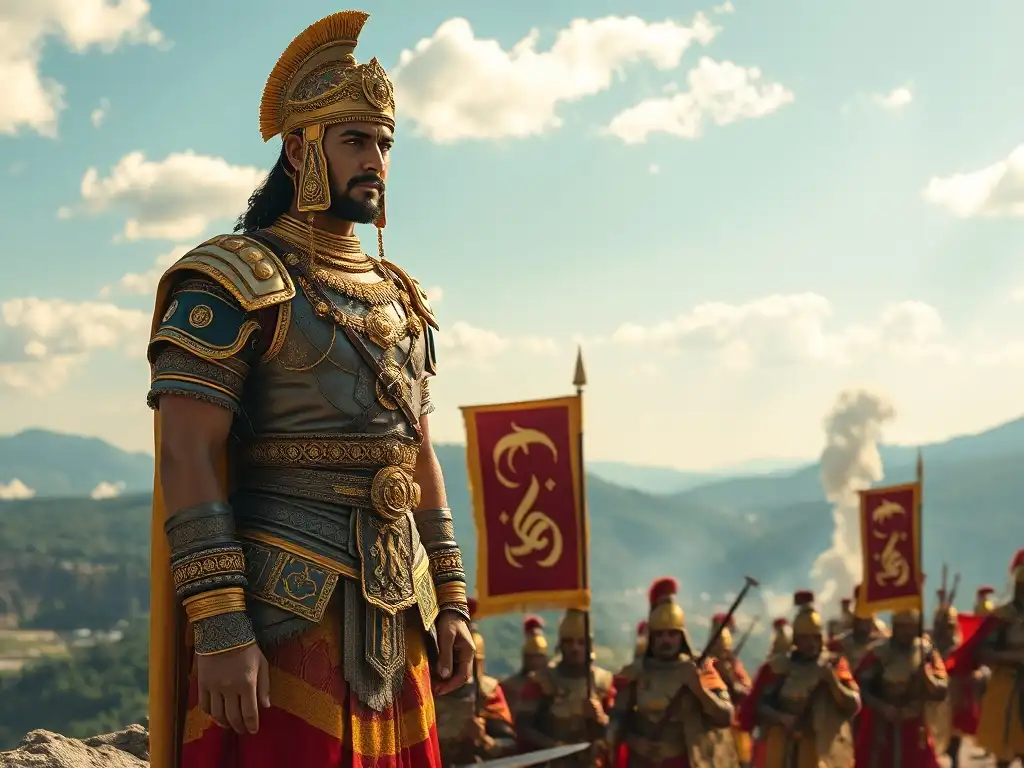
Welcome to Ancient India History, where we embark on a journey through the captivating tapestry of India's past. Delve into the rich and diverse heritage of ancient civilizations, and discover how they shaped the world we know today. In our featured article, "The Conquests of Samudragupta: A Historical Overview," we analyze the remarkable military strategies and historical significance of one of India's most formidable rulers. What made Samudragupta a legend in the annals of history? Join us as we unravel the layers of his conquests and their impact on the ancient world, igniting your curiosity to explore further!
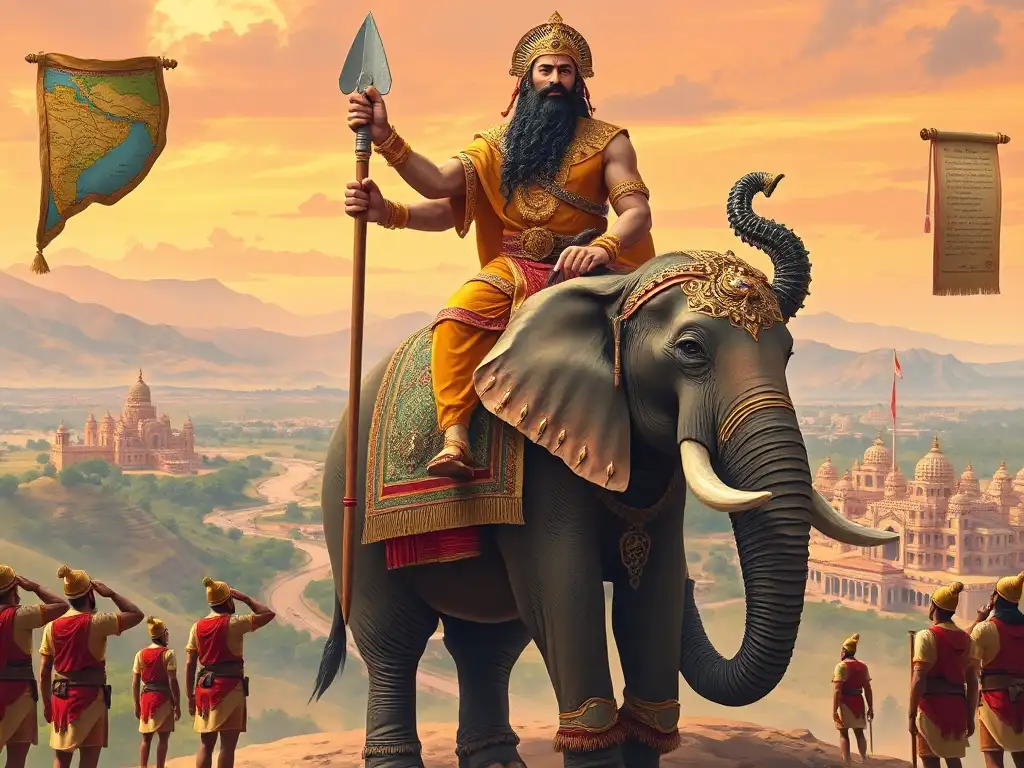
Introduction to Samudragupta and His Conquests
The history of ancient India is marked by the remarkable achievements of its rulers, and among them, Samudragupta stands out as a formidable military leader and a pivotal figure in the expansion of the Gupta Empire. His conquests not only reshaped the political landscape of India but also contributed significantly to its cultural and economic vitality. This article delves into a detailed analysis of Samudragupta's historical conquests, exploring their implications and significance in the broader context of ancient Indian history.
Brief Background of Samudragupta
Samudragupta, often regarded as one of the greatest rulers of the Gupta dynasty, ascended the throne in the early 4th century CE. He was the son of Chandragupta I and was instrumental in consolidating the Gupta Empire, which is often referred to as the Golden Age of India. His reign, believed to have lasted from approximately 335 to 375 CE, is characterized by a series of military campaigns that showcased his strategic prowess and leadership skills.
Samudragupta's campaigns were not merely about territorial expansion; they were also aimed at unifying various regions of India under a centralized authority. His ability to forge alliances and subdue rival kingdoms played a crucial role in establishing the Gupta Empire as a dominant force in the Indian subcontinent.
Importance of Samudragupta in Ancient Indian History
The significance of Samudragupta extends far beyond his military achievements. His conquests laid the foundation for a period of unprecedented cultural and economic growth. The Gupta Empire became a hub of art, science, and philosophy, with Samudragupta's patronage fostering an environment that encouraged intellectual pursuits.
Moreover, his conquests helped in the dissemination of Hindu culture and the revival of Sanskrit literature, which had a lasting impact on Indian civilization. The historical accounts of his feats, particularly the Allahabad Pillar Inscription, provide invaluable insights into the socio-political dynamics of the time and highlight Samudragupta's role in shaping the identity of ancient India.
The Historical Context of Samudragupta's Conquests
Understanding the conquests of Samudragupta requires a contextual exploration of the Gupta Empire and the political landscape of India during this period.
Overview of the Gupta Empire
The Gupta Empire, established around 240 CE, is often hailed as a golden age in Indian history. It was characterized by significant advancements in various fields, including arts, science, mathematics, and literature. The empire's influence extended across a vast territory, encompassing regions that are now part of modern-day India, Pakistan, and Bangladesh.
Samudragupta's military campaigns were crucial in expanding and solidifying this empire. His conquests included various kingdoms such as the Maitraka dynasty in Gujarat and the Malla kings in the eastern regions. This not only increased the territorial expanse of the Gupta Empire but also enhanced its economic prosperity through trade and cultural exchanges.
Political Landscape of India during the Gupta Period
During the Gupta period, India was a mosaic of various kingdoms and tribes, each with its own political dynamics. The fragmentation of power among regional rulers created both challenges and opportunities for Samudragupta.
- Major Kingdoms: The presence of significant kingdoms like the Saka and Kshatrapas posed a challenge to Gupta expansion.
- Alliances and Rivalries: The political landscape was characterized by shifting alliances and rivalries, which Samudragupta adeptly navigated to achieve his objectives.
By analyzing the intricate political environment of the time, we can better understand the strategies employed by Samudragupta in his conquests and the lasting impact of his rule on the trajectory of Indian history.
Major Campaigns and Battles Led by Samudragupta
Samudragupta, a prominent ruler of the Gupta Empire during the 4th century CE, is renowned for his military prowess and strategic acumen. His reign marked a significant expansion of the empire, which was achieved through a series of well-planned campaigns and battles. The inscriptions of his victories, particularly the Allahabad Pillar edict, provide a detailed account of his conquests, showcasing his ability to unify various regions under the Gupta banner. The major campaigns can be broadly categorized into northern and southern expeditions, as well as confrontations with various tribes.
Northern Campaigns: The Conquest of the Kings
The northern campaigns of Samudragupta were primarily aimed at subduing various regional kings and consolidating power across North India. His first major campaign was against the powerful kingdoms of the Magadha region, where he successfully defeated a coalition of kings, including the Maukhari and the Gupta vassals. This campaign showcased his tactical genius, as he employed a combination of direct military engagement and psychological warfare to destabilize his opponents.
Samudragupta's strategy involved swift cavalry movements and surprise attacks, allowing him to conquer several kingdoms in quick succession. Notable victories include the defeat of the king of the Kosala region, who was forced to submit and pay tribute. His campaigns not only expanded the Gupta Empire but also facilitated the spread of trade and culture across the region. Additionally, his ability to incorporate conquered kings into his administration rather than merely obliterating them contributed to the stability of his rule.
Southern Campaigns: The Expansion into South India
The southern campaigns of Samudragupta are particularly significant as they marked the Gupta Empire's foray into the Deccan and further south. His expedition against the southern kingdoms, notably the Pallavas and the Cholas, illustrated his ambition to extend Gupta influence beyond the traditional boundaries of North India. The conquest of the Deccan was characterized by a series of battles that tested his military strategies and resilience.
Samudragupta employed a combination of guerrilla tactics and traditional warfare, adapting to the unique terrain and fighting styles of the southern kingdoms. His successful battles against the Pallavas not only resulted in territorial gains but also enriched the Gupta Empire with diverse cultural influences. The southern campaigns solidified his reputation as a formidable military leader and expanded the economic base of the empire through enhanced trade routes.
The Campaign Against the Shakas and Other Tribes
In addition to his conquests of established kingdoms, Samudragupta also directed his military efforts against the Shakas and other tribal groups that posed threats to Gupta dominance. The Shakas, known for their cavalry and archery skills, were a formidable adversary. Samudragupta's campaigns against them involved a blend of direct confrontation and strategic alliances with other tribes.
Through a series of battles, he successfully subjugated the Shakas, incorporating their territories into the Gupta Empire. His ability to navigate the complexities of tribal politics and warfare highlights his strategic foresight. The campaigns against various tribes not only expanded his empire's borders but also promoted a sense of unity among the diverse populations under Gupta rule, further enhancing his legacy as a unifying figure in Indian history.
Analysis of Samudragupta's Military Strategies
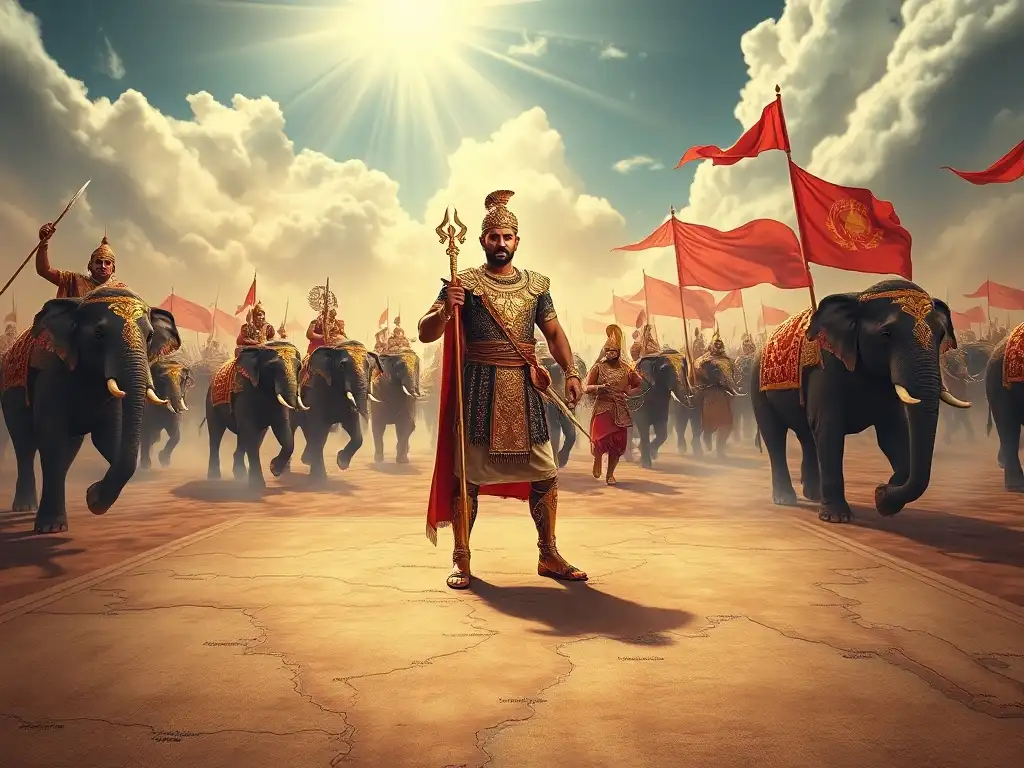
Samudragupta's conquests were not merely a result of brute force; they were underpinned by innovative military strategies that capitalized on his strengths as a leader and tactician. Analyzing his military strategies reveals the depth of his planning and execution, which contributed significantly to his successes.
Tactical Innovations and Warfare Techniques
Samudragupta is credited with several tactical innovations that transformed the nature of warfare during his time. One such technique was the effective use of mobility on the battlefield. His troops, primarily composed of cavalry, were trained for rapid maneuvers, allowing them to outflank and surprise their enemies. Additionally, he utilized formations that maximized the effectiveness of both infantry and cavalry, ensuring that his forces could adapt to various combat situations.
Another important aspect of his tactics was the incorporation of local knowledge and alliances. By understanding the geography and political landscape of the regions he conquered, Samudragupta could devise strategies that played to his strengths while exploiting the weaknesses of his adversaries. This adaptability was key to his successes in both northern and southern campaigns.
Use of Elephants and Cavalry in Battles
The use of war elephants and cavalry was a hallmark of Samudragupta's military strategy. Elephants served not only as a means of transport but also as a psychological weapon on the battlefield. Their sheer size and strength could intimidate opponents, causing disarray in enemy ranks. Samudragupta strategically deployed elephants in the front lines during crucial battles, creating a formidable barrier against enemy forces.
Cavalry units were equally vital in his campaigns. They provided speed and flexibility, enabling quick strikes against unsuspecting foes. Samudragupta's cavalry was well-trained and adept at executing flanking maneuvers, which often turned the tide of battle in his favor. The combination of elephants and cavalry created a well-rounded military force capable of overwhelming adversaries with both might and strategy.
The Role of Diplomacy in Military Success
While Samudragupta is celebrated for his military conquests, diplomacy played a crucial role in his overall strategy. He recognized that direct military engagement was not always the most effective means of achieving his goals. Instead, he often employed diplomacy to forge alliances, negotiate treaties, and secure the loyalty of conquered rulers.
By integrating local kings into his administration and granting them autonomy in exchange for tribute and military support, Samudragupta effectively expanded his influence without constant warfare. This diplomatic approach not only minimized resistance but also fostered a sense of loyalty among diverse populations. The balance of military might and diplomatic finesse is a hallmark of Samudragupta's legacy, illustrating that successful conquests are often the result of strategic relationships as much as they are of battlefield victories.
Impact of Samudragupta's Conquests on Indian History
Samudragupta, the most illustrious ruler of the Gupta Empire, left an indelible mark on Indian history through his extensive military campaigns. His conquests not only expanded the empire's boundaries but also set the stage for a period of unprecedented political stability and cultural flourishing in India. The impact of these conquests can be observed in various dimensions, including political unification, cultural exchange, and economic prosperity. By analyzing these factors, we can appreciate the significance of Samudragupta's military endeavors in shaping the trajectory of ancient Indian civilization.
Unification of North India under Gupta Rule
One of the most profound impacts of Samudragupta's conquests was the unification of North India. Prior to his reign, the region was fragmented into numerous small kingdoms and tribal states, each vying for power. Samudragupta's strategic military campaigns effectively subdued these rival kingdoms, integrating them into the Gupta Empire. Notably, his conquests of the Magadha region, as well as territories in present-day Uttar Pradesh and Bihar, established a centralized authority that fostered political cohesion.
The unification under Samudragupta not only facilitated the administration of a vast empire but also promoted the spread of Gupta governance, which was characterized by a blend of military prowess and administrative efficiency. This consolidation of power laid the groundwork for subsequent rulers, ensuring the stability and longevity of the Gupta Empire, which is often regarded as a golden age in Indian history.
Cultural and Economic Implications of Military Expansion
Samudragupta's military successes had far-reaching cultural and economic implications. The incorporation of diverse regions into the Gupta Empire led to vibrant cultural exchanges. The conquered territories brought with them unique traditions, art forms, and religious practices, which were assimilated into Gupta culture. This cultural amalgamation is evident in the flourishing of literature, sculpture, and architecture during this period. The patronage of art and scholarship by Samudragupta and his successors resulted in significant advancements, such as the famed Kumaragupta inscriptions and the emergence of classical Sanskrit literature.
Economically, the expansion of the Gupta Empire under Samudragupta facilitated trade and commerce across the Indian subcontinent. The establishment of secure trade routes, combined with the stability provided by Gupta governance, encouraged merchants to thrive, contributing to the prosperity of urban centers. The wealth generated from trade not only enriched the empire but also funded cultural and religious institutions, further solidifying the Gupta dynasty's influence on the Indian landscape.
Samudragupta's Legacy in the Gupta Empire
Samudragupta's legacy within the Gupta Empire is multifaceted, reflecting his role as a warrior, statesman, and cultural patron. His military achievements are immortalized in the Allahabad Pillar Inscription, which details his conquests and emphasizes his prowess in battle. This inscription serves as a vital historical document, illustrating the extent of his campaigns and the political entities he subdued.
Moreover, Samudragupta's commitment to the arts and education established a precedent for future Gupta rulers. His reign fostered an environment conducive to learning, leading to advancements in various fields, including mathematics, astronomy, and philosophy. The influence of his legacy can be seen in the flourishing of the arts and sciences that characterized the Gupta period, often referred to as the "Golden Age" of India.
Conclusion: The Significance of Samudragupta's Historical Conquests
The historical conquests of Samudragupta are significant not only for their immediate impact on the Indian subcontinent but also for their long-term implications for subsequent civilizations. His military strategies and diplomatic acumen reshaped the political landscape of North India, laying the foundation for a powerful empire that would influence the course of Indian history for centuries to come.
Summary of Samudragupta's Contributions to Indian Military History
Samudragupta's contributions to Indian military history are marked by his exceptional leadership and strategic brilliance. His campaigns against various kingdoms showcased his skills as a tactician and his ability to inspire loyalty among his troops. The successful consolidation of territories under his rule not only enhanced the Gupta Empire's power but also established a model for future Indian rulers, highlighting the importance of military strength in governance.
Final Thoughts on the Influence of Samudragupta's Conquests on Subsequent Indian Dynasties
The influence of Samudragupta's conquests on subsequent Indian dynasties cannot be overstated. His establishment of a unified North India served as a template for later rulers who sought to emulate his success. The cultural and economic prosperity that emerged during his reign set a standard for the flourishing of future empires, including the Pala and Chola dynasties. Ultimately, Samudragupta's legacy is a testament to the profound impact of military conquests on the political, cultural, and economic development of ancient India, ensuring that his achievements resonate throughout history.
- Introduction to Samudragupta and His Conquests
- The Historical Context of Samudragupta's Conquests
- Major Campaigns and Battles Led by Samudragupta
- Analysis of Samudragupta's Military Strategies
- Impact of Samudragupta's Conquests on Indian History
- Conclusion: The Significance of Samudragupta's Historical Conquests
Frequently Asked Questions
What were the major conquests of Samudragupta?
Samudragupta is known for his military campaigns across northern India, where he expanded the Gupta Empire significantly, defeating various kingdoms and tribes.
How did Samudragupta's conquests impact ancient India?
His conquests led to the unification of large parts of northern India, promoting cultural exchange and economic prosperity during the Gupta period.
What sources provide information about Samudragupta's achievements?
The Allahabad Pillar Inscription and other inscriptions serve as key historical records, detailing his military achievements and administrative policies.
What strategies did Samudragupta use in his military campaigns?
Samudragupta employed strategic diplomacy and warfare tactics, often integrating conquered regions into his empire, which allowed for more effective governance.
How does Samudragupta's legacy influence modern India?
Samudragupta's reign is often viewed as a golden age in Indian history, influencing contemporary views on cultural identity and historical pride in the region.
Final Reflection: The Enduring Legacy of Samudragupta's Conquests
The historical conquests of Samudragupta are not merely tales of military prowess; they are a testament to the complexities of power, culture, and identity in ancient India. Today, as we navigate a world shaped by the legacies of past leaders, the lessons from Samudragupta's reign resonate with our ongoing discussions about leadership, unity, and the impact of conquest on civilization. His ability to forge alliances and integrate diverse cultures serves as a powerful reminder of the importance of understanding and embracing diversity in our global society.
The influence of Samudragupta's conquests extends beyond the battlefield; it has shaped the cultural and social landscape of India for centuries. His campaigns not only expanded territories but also facilitated the exchange of ideas, art, and culture. As historian Romila Thapar noted, The conquests of Samudragupta were not just about territorial expansion; they were about creating a cultural mosaic that would define Indian civilization.
This observation underscores the significance of his legacy in fostering a rich tapestry of cultural interactions that continue to inspire and inform our understanding of identity and heritage today.
As we reflect on the lessons from Samudragupta's historical conquests, let us consider how we can apply these insights to our own lives. How can we embrace the spirit of unity and collaboration in our communities? I invite you to think about the ways in which you can contribute to building bridges across differences, fostering understanding, and celebrating the diverse narratives that enrich our shared human experience. By doing so, we honor the legacy of leaders like Samudragupta and pave the way for a more inclusive and harmonious future.
Unveil the Legacy of Samudragupta: Take Action Today!
Thank you for taking the time to explore the remarkable conquests of Samudragupta with us! We hope you found inspiration in the stories of bravery and strategy that shaped Ancient India. Now, it's time to turn that interest into action.
Here are some simple steps you can take to deepen your understanding and share the legacy of this legendary ruler:
- Dive deeper into the era of Samudragupta by reading books or articles focused on Ancient Indian history. Discover how his rule has influenced modern India.
- Join our community by sharing your thoughts and insights on social media. Use the hashtag #SamudraguptaDiscussion to connect with fellow history enthusiasts!
- Plan a visit to a local museum that features artifacts from this period, or explore virtual exhibitions that showcase the rich heritage of the era.
What aspect of Samudragupta's rule intrigues you the most, and how does it inspire your perception of leadership today?