
The Role of Festivals and Rituals in Ancient Indian Military Culture

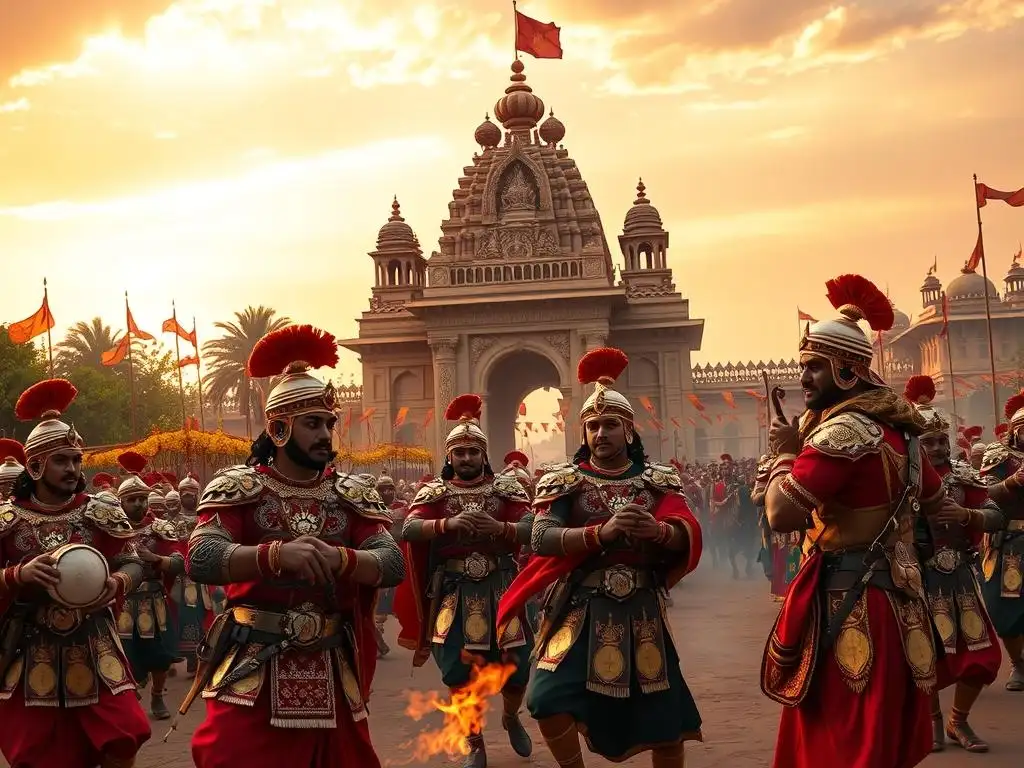
Welcome to Ancient India History, where we embark on an enlightening journey through the rich tapestry of ancient Indian civilizations. Here, we delve into the fascinating world of Ancient Indian military festivals, exploring how these vibrant celebrations not only honored warriors but also shaped the very fabric of military culture. What rituals and traditions were intertwined with the art of warfare? Join us as we uncover the significance of these festivals and their lasting impact on society, sparking curiosity and revealing the profound legacy of ancient Indian heritage. Read on to discover the captivating stories that await!
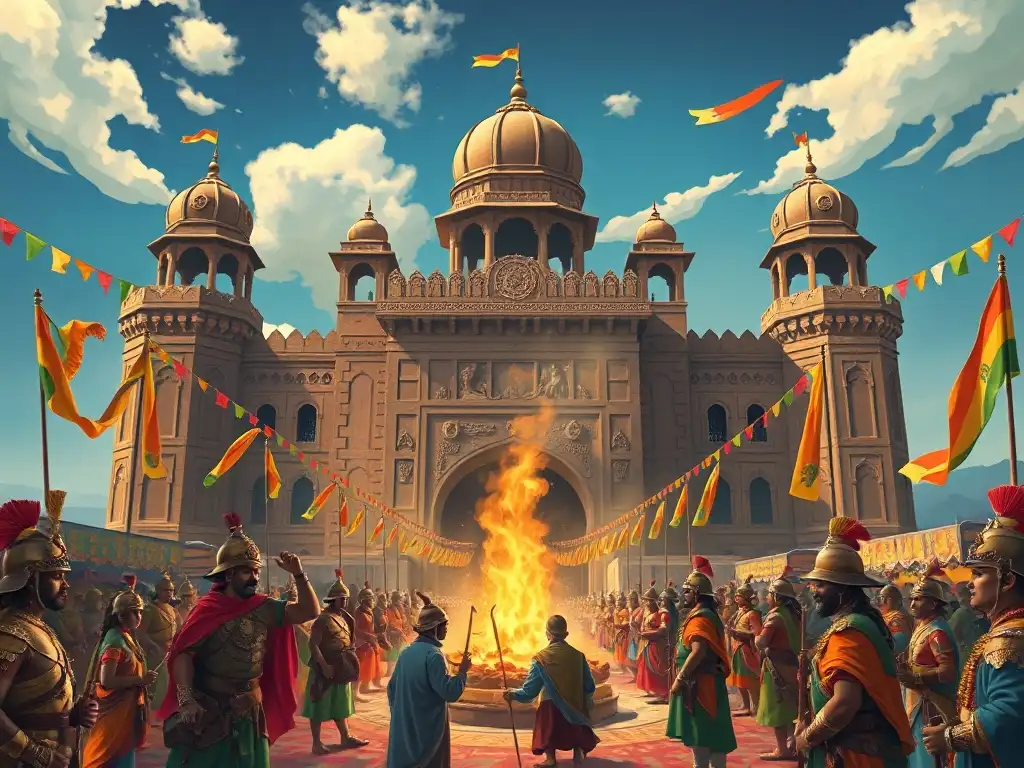
Introduction to Ancient Indian Military Festivals
The rich tapestry of ancient Indian history is woven with vibrant threads of culture, tradition, and military prowess. Among the myriad aspects of this fascinating narrative, the role of festivals and rituals in ancient Indian military culture stands out as both significant and intriguing. Military festivals were not merely celebratory occasions; they embodied the values, beliefs, and communal spirit of the societies that observed them.
They served as critical platforms for fostering unity, instilling discipline, and reinforcing the cultural identity of warriors. From the awe-inspiring processions to the solemn rituals that accompanied military campaigns, these festivals played a pivotal role in shaping the ethos of ancient Indian militaries. In this article, we delve into the multifaceted world of ancient Indian military festivals, exploring their definitions, historical contexts, and the profound impact they had on military culture throughout various civilizations.
Definition and Importance of Military Festivals in Ancient India
Military festivals in ancient India can be defined as organized events that celebrated military achievements, honored deities, and reinforced the camaraderie among soldiers and their communities. These festivals were integral to the social fabric, providing opportunities for:
- Commemoration: Honoring the valor of fallen soldiers and celebrating victories.
- Rituals: Engaging in religious ceremonies to seek blessings for successful campaigns.
- Training and Preparation: Using festival events to showcase military skills and prepare troops for upcoming battles.
- Community Engagement: Fostering a sense of belonging and unity among warriors and civilians alike.
The importance of these festivals cannot be overstated, as they reinforced the connection between military service and cultural identity, ensuring that the values of bravery, honor, and loyalty were passed down through generations.
Overview of Military Culture in Ancient Indian Civilizations
The military culture of ancient Indian civilizations was characterized by a sophisticated understanding of warfare, strategic planning, and strong ethical codes. Various empires and kingdoms, such as the Maurya, Gupta, and Chola dynasties, had structured military systems that included:
- Hierarchy and Organization: Establishing ranks and roles within the military, ensuring effective command and control.
- Training and Education: Emphasizing the importance of training in martial arts and weaponry, often linked to cultural practices and festivals.
- Religious and Mythological Influences: Integrating religious beliefs into military practices, with many festivals dedicated to gods of war, such as Kartikeya.
This rich military culture was often reflected and celebrated through festivals, which served as a vital aspect of both military and societal cohesion.
Historical Context of Military Festivals in Ancient India
To fully appreciate the role of military festivals in ancient Indian culture, it is essential to examine their historical context across various periods. Each era contributed uniquely to the evolution of military celebrations, influenced by social, political, and religious factors.
Festivals During the Indus Valley Civilization
The Indus Valley Civilization, one of the world's earliest urban societies, laid the groundwork for subsequent military traditions. While direct evidence of military festivals is scarce, archaeological findings suggest that rituals associated with fertility and harvest may have had military implications, as food security was crucial for sustaining armies. The presence of seals depicting warriors and animals hints at a culture that revered strength and valor, possibly suggesting the early roots of military celebration.
Military Rituals in the Vedic Period
The Vedic period marked a significant development in ancient Indian military culture, where rituals and sacrifices played a central role. Texts such as the Rigveda highlight the importance of military valor and the divine favor sought through rituals. Key aspects included:
- Ashvamedha Yagna: A royal horse sacrifice that symbolized sovereignty and military might.
- Prayers and Offerings: Invoking deities for protection and success in battle, with festivals often coinciding with such rituals.
These practices not only honored the gods but also reinforced the social status of warriors and their commitment to duty.
The Influence of Empires on Military Celebrations
As empires like the Mauryas and Guptas rose to prominence, military festivals evolved into grand spectacles that showcased power and unity. These celebrations often included:
- Public Displays of Strength: Parades featuring troops, elephants, and weaponry.
- Cultural Performances: Music, dance, and drama that conveyed tales of heroism and valor.
- Religious Observances: Festivals dedicated to war deities, emphasizing the divine sanctioning of military endeavors.
The influence of these empires ensured that military festivals became a vital part of both military strategy and cultural identity, blending the sacred with the secular in a celebration of power and community.
Key Festivals Celebrating Military Valor
Festivals in ancient India served as vital expressions of cultural identity, and many were deeply intertwined with military valor. These celebrations not only honored the warriors and their achievements but also reinforced the values of bravery, loyalty, and honor that were central to military life. Festivals provided an opportunity for communities to come together, celebrate their victories, and pay homage to their deities for protection and strength in battles. Key festivals like Dussehra and Diwali highlight the profound connection between religious observance and military prowess, illustrating how ancient Indian military culture was enriched by these vibrant celebrations.
Dussehra: Symbolism and Its Connection to Military Triumphs
Dussehra, also known as Vijayadashami, is one of the most significant festivals in ancient India, symbolizing the victory of good over evil. The festival commemorates Lord Rama's triumph over the demon king Ravana, a narrative deeply rooted in the epic Ramayana. This celebration serves as a powerful reminder of military prowess, as it emphasizes the importance of strategic warfare, valor, and righteousness in battle.
During Dussehra, dramatic reenactments of the Ramayana were performed, showcasing the military strategies employed by Rama and his allies. The burning of effigies of Ravana, symbolizing the destruction of evil, was a highlight of the festivities. This ritual not only celebrated the triumph of good but also inspired warriors to adopt the virtues of bravery and honor in their own military endeavors. Thus, Dussehra played a vital role in reinforcing the cultural memory of military victories and the values associated with them.
Diwali: The Festival of Lights and Its Military Significance
Diwali, the Festival of Lights, is celebrated with great enthusiasm across India and is often associated with various mythological stories. One of the prominent narratives linked to Diwali is the return of Lord Rama to Ayodhya after defeating Ravana. This return is celebrated as a military victory, and the lighting of lamps symbolizes the dispelling of darkness and evil.
In ancient military culture, Diwali was a time for warriors to reflect on their battles and honor their fallen comrades. The festival served as a reminder of the sacrifices made in the pursuit of peace and justice. Rituals performed during Diwali included prayers for strength and protection, which were essential for military personnel preparing for upcoming battles. The festival not only celebrated past victories but also motivated soldiers to uphold their legacy in future conflicts.
Other Notable Military Festivals in Ancient India
In addition to Dussehra and Diwali, several other festivals in ancient India celebrated military valor. Festivals such as Makar Sankranti, which marks the transition of the sun into Capricorn, were often associated with agricultural cycles that supported military campaigns. The harvest was crucial for sustaining troops, and thus, the festival was celebrated with the hope of prosperity for future military endeavors.
Another notable festival was Maha Shivaratri, dedicated to Lord Shiva, who is often regarded as the ultimate warrior among deities. This festival involved various rituals aimed at seeking blessings for strength and victory in battles. Additionally, regional festivals, like the Gudi Padwa in Maharashtra, also celebrated the military exploits of local heroes, further emphasizing the integration of military culture into the broader tapestry of ancient Indian festivities.
Rituals Associated with Military Training and Preparation
Rituals played a critical role in the military training and preparation processes in ancient India. These practices not only aimed to enhance the skills of warriors but also sought divine favor, ensuring that soldiers were mentally and spiritually equipped for the challenges of battle. Various initiation rites, blessings, and ceremonial practices formed an integral part of a warrior's journey, reflecting the deeply rooted beliefs in the interplay between the sacred and the martial.
Initiation Rites for Warriors
Initiation rites were significant milestones in the lives of young warriors, marking their transition into the world of military service. These rites typically involved rigorous training, mentoring by seasoned warriors, and spiritual ceremonies. For instance, the Upanayana ceremony, or the sacred thread ceremony, symbolized a boy’s readiness to take on the responsibilities of adulthood, including the duties of a warrior.
During these rites, participants would undergo physical training and were often taught the philosophy and ethics of warfare. Rituals included offerings to deities for guidance and strength, reinforcing the belief that martial skills were not solely the result of physical prowess but also required divine blessing and moral integrity.
Rituals of Blessing and Protection Before Battle
Before engaging in battle, ancient Indian warriors participated in various rituals to seek blessings and protection. These ceremonies often involved the chanting of mantras, offerings to deities, and communal prayers aimed at ensuring success and safety during combat. The belief in divine intervention was strong, and warriors sought to fortify themselves spiritually before facing their opponents.
Additionally, rituals might include the anointing of weapons with sacred substances, believed to imbue them with divine power. Such practices underscored the importance of faith in the effectiveness of military tools, as well as the psychological readiness of the warriors for the challenges ahead.
Ceremonial Weapons and Their Significance in Festivals
Ceremonial weapons played a significant role in ancient Indian festivals, symbolizing both military strength and cultural heritage. These weapons were often beautifully crafted and adorned, reflecting the artistry and skill of ancient artisans. During festivals, ceremonial displays of these weapons not only honored the martial tradition but also served as a reminder of the community's strength and resilience.
In various festivals, such as Dussehra, ceremonial weapons were paraded in public processions, showcasing the might of the local warriors and their readiness to defend their land. The presentation of these weapons in a ceremonial context emphasized the sacred relationship between martial duty and cultural identity, reinforcing the values of bravery and honor that were central to ancient Indian military culture.
The Impact of Festivals on Military Morale and Unity
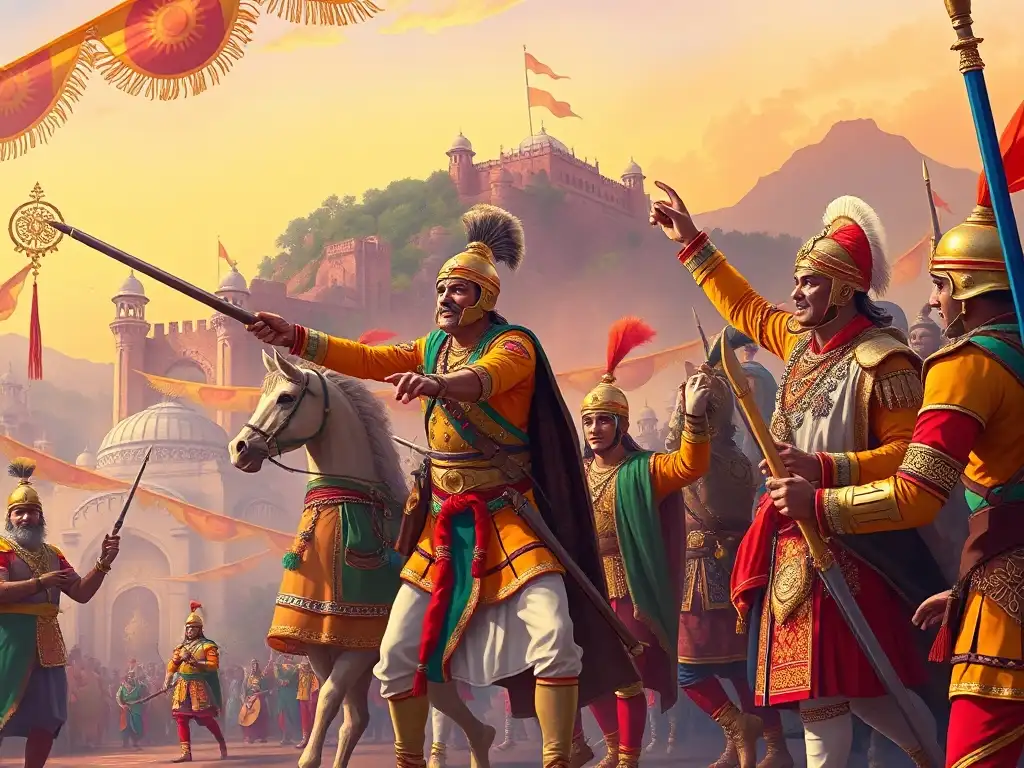
Festivals played a pivotal role in shaping the military culture of ancient India, serving as significant events that fostered unity, morale, and a sense of purpose among soldiers. These celebrations were not mere social gatherings; they were intertwined with the military ethos, reinforcing bonds within the ranks and instilling a collective spirit. During times of peace, these festivals provided a respite for soldiers, allowing them to celebrate victories and commemorate their shared experiences. The rich tapestry of rituals, music, dance, and feasting served to uplift spirits and reaffirm the soldiers' commitment to their cause.
Moreover, the participation of local communities in these festivals created an environment of encouragement and support for the military forces. When soldiers engaged with civilians during festivals, it fostered a sense of belonging and pride. This communal aspect reinforced the idea that the military was not an isolated entity but part of a larger societal framework, thus enhancing morale and unity.
How Festivals Fostered Camaraderie Among Soldiers
Camaraderie among soldiers was significantly enhanced through the celebration of festivals, which cultivated strong interpersonal relationships. Shared experiences during these events allowed soldiers to interact in a relaxed atmosphere, breaking down hierarchical barriers that often existed in military structures. Activities such as traditional games, dance, and communal feasting encouraged bonding and collaboration, fostering mutual respect and understanding among soldiers of different ranks.
The rituals associated with festivals often included collective prayers and offerings to deities for protection and victory in battle. This shared spiritual engagement not only united the soldiers but also reinforced their identity as a cohesive unit. The sense of togetherness experienced during these festivals was essential for maintaining team spirit, especially in times of conflict.
The Role of Festivals in Boosting Morale Before Battles
In the lead-up to battles, festivals served as crucial morale boosters for ancient Indian soldiers. The atmosphere of celebration provided an opportunity for warriors to mentally prepare for the challenges ahead. Festivals often included rituals that invoked blessings for success, thereby instilling a sense of hope and courage among the troops. The act of engaging in celebrations before a battle created a psychological buffer against fear and anxiety, enabling soldiers to focus on their mission.
Additionally, the communal celebrations acted as a reminder of the greater purpose behind their military endeavors. By honoring their victories and commemorating fallen comrades, soldiers were motivated to fight not just for personal glory but for their community and cultural heritage. This connection significantly influenced their performance on the battlefield.
Festivals as a Means of Reinforcing Loyalty to Leaders
Festivals often served as a platform for reaffirming loyalty to military leaders and the ruling authority. During these gatherings, leaders would publicly acknowledge the bravery and contributions of their soldiers, thereby reinforcing a sense of duty and loyalty. The presence of leaders during festivals, participating in rituals and celebrations, symbolized their commitment to the troops, fostering a reciprocal relationship built on respect and allegiance.
The distribution of rewards and honors during festivals further solidified this loyalty. Soldiers who excelled in battle were often recognized in front of their peers, enhancing their status and motivating others to emulate their achievements. This public acknowledgment not only boosted individual morale but also fostered a culture of loyalty and dedication towards the leaders, ensuring a unified military front.
Conclusion: The Legacy of Ancient Indian Military Festivals
The legacy of ancient Indian military festivals is evident in the profound impact they had on the culture and structure of military organizations. These celebrations were more than just cultural artifacts; they were instrumental in shaping the camaraderie, morale, and loyalty of soldiers. The traditions established during these festivals have left a lasting imprint, influencing contemporary military practices and fostering a sense of identity rooted in shared heritage.
Lasting Influence on Modern Military Practices
Today, the essence of ancient military festivals can still be seen in modern military practices, where rituals and celebrations are integral to fostering unity and morale among troops. Contemporary military organizations often incorporate ceremonies that recognize achievements, commemorate sacrifices, and celebrate victories, echoing the traditions of their ancient counterparts. The underlying principles of camaraderie, loyalty, and collective spirit remain as relevant now as they were in ancient times.
Reflection on Cultural Heritage and Identity in Military Contexts
The festivals of ancient India reflect a profound connection between military culture and cultural heritage. They served not only as a means of celebration but also as a vehicle for maintaining cultural identity in the face of conflict. This dual role highlights the importance of integrating cultural practices within military contexts, reinforcing the idea that the military is a guardian of cultural values and heritage. The enduring legacy of these festivals prompts a reflection on how cultural heritage continues to influence the identity and operations of modern military forces, ensuring that history and tradition remain integral to their ethos.
References
Key Texts and Archaeological Evidence Supporting the Study of Military Festivals
The exploration of ancient Indian military festivals is deeply rooted in various historical texts and archaeological findings. Key texts such as the Mahabharata and the Ramayana provide valuable insights into the military practices and associated rituals of ancient Indian societies. These epic narratives not only depict the valor and strategies of warriors but also highlight the significance of festivals in mobilizing troops and fostering camaraderie among soldiers.
Archaeological evidence, particularly from sites like Harappa and Mohenjo-Daro, suggests that rituals connected with military activities were integral to the social fabric of ancient civilizations. Artifacts such as weapons, ceremonial objects, and inscriptions reveal the prominence of military festivals in commemorating victories and honoring deities associated with warfare. For example, the discovery of terracotta figures and seals depicting military processions indicates that such events were celebrated with great fervor, reinforcing the bonds between the military and the community at large.
Further, inscriptions from the reigns of various ancient Indian dynasties, including the Mauryas and Guptas, contain references to specific festivals that were held in honor of military achievements. The Ashoka Edicts, for instance, provide information about the rituals performed to celebrate victories and the establishment of peace, showcasing the duality of military strength and spiritual reflection in ancient Indian culture.
Suggested Readings for Further Exploration of Ancient Indian Military Culture
To delve deeper into the role of festivals and rituals in ancient Indian military culture, the following texts are highly recommended:
-
"War and Society in Ancient India" by A. M. Shastri
This book offers a comprehensive analysis of the relationship between warfare and societal norms, including the role of festivals as a means of soldier recruitment and morale boosting.
-
"The Cultural Heritage of India" Vol. II: The Classical Age
This volume explores the various aspects of Indian culture during the classical period, including military traditions and associated festivals.
-
"The Mahabharata: A Modern Rendering" by Ramesh Menon
A retelling of the epic that emphasizes the military strategies, rituals, and the significance of festivals in the context of war.
-
"Indian Art and Culture" by N. Choudhary
This text examines the cultural expressions in ancient India, including how military festivals influenced art and architecture.
-
"Rituals of Warfare in Ancient India" by N. Rajagopalan
This book provides an in-depth look at specific military rituals and their importance in ancient Indian military practices.
These readings will enhance understanding of the complex interplay between military culture and the rich tapestry of festivals and rituals that characterized ancient India. By examining these texts, readers can gain insights into how military festivals not only commemorated battles but also reinforced identities and social cohesion within ancient communities.
- Introduction to Ancient Indian Military Festivals
- Historical Context of Military Festivals in Ancient India
- Key Festivals Celebrating Military Valor
- Rituals Associated with Military Training and Preparation
- The Impact of Festivals on Military Morale and Unity
- Conclusion: The Legacy of Ancient Indian Military Festivals
- References
- What were some key military festivals in ancient India?
- How did festivals and rituals contribute to military morale?
- Were there any specific deities associated with military success in ancient India?
- How did the Gupta Empire influence military festivals?
- Did ancient Indian military festivals have any political implications?
Frequently Asked Questions
What were some key military festivals in ancient India?
Ancient Indian civilizations celebrated various military festivals, such as Ashvamedha and Dussehra, which honored warriors and marked victories in battles.
How did festivals and rituals contribute to military morale?
Festivals and rituals played a crucial role in boosting military morale by fostering a sense of unity, honor, and commitment among soldiers and their communities.
Were there any specific deities associated with military success in ancient India?
Yes, ancient Indian military culture often revered deities like Durga and Kartikeya, who were believed to grant victory and protection in battles.
How did the Gupta Empire influence military festivals?
The Gupta Empire enhanced the significance of military festivals by integrating them into state celebrations, thereby promoting a strong sense of national identity and unity.
Did ancient Indian military festivals have any political implications?
Absolutely, military festivals often served as platforms for political alliances, showcasing power and reinforcing the legitimacy of rulers through displays of strength and unity.
Final Reflection: The Enduring Legacy of Ancient Indian Military Festivals
The exploration of ancient Indian military festivals reveals their profound significance in shaping not only the warriors of the past but also the cultural fabric of contemporary society. In an era where the essence of tradition often gets overshadowed by modernity, understanding the rituals and festivals that once fortified the spirit of ancient warriors offers a striking reminder of the values we can still embrace today. These celebrations were not merely events; they were vital expressions of identity, unity, and resilience that resonate with us even now.
The impact of these military festivals extends beyond their historical context, influencing our cultural and social landscape in ways that are often overlooked. They served as a means of instilling discipline, camaraderie, and a sense of purpose among the warriors, fostering a community that thrived on shared values. As we reflect on this legacy, we can draw parallels to modern celebrations that continue to honor the spirit of unity and strength. Tradition is not the worship of ashes, but the preservation of fire.
This quote encapsulates the essence of how we can honor our past while igniting the flames of inspiration for future generations.
As we conclude this exploration, I invite you to reflect on the lessons embedded within these ancient practices and consider how they can be applied in your own life. Embrace the spirit of celebration and community in your daily interactions, and recognize the power of rituals in fostering connections. Let the legacy of ancient Indian military festivals inspire you to create your own traditions that honor resilience, unity, and the shared journey of humanity.
Embrace the Legacy of Festivals and Rituals!
Thank you for exploring the fascinating interplay between festivals, rituals, and the rich military culture of ancient India! You have uncovered the traditions that shaped not only the warriors but also the very essence of society. Now, it’s time to take this knowledge a step further.
Here’s how you can engage with and honor this incredible legacy:
- Explore local cultural festivals: Attend nearby celebrations that embrace unique customs and historical connections reminiscent of those in ancient India.
- Share your insights: Discuss what you have learned with friends or on social media to spark curiosity and invite others to discover this vibrant aspect of history.
- Join a community group: Connect with historical or cultural organizations to delve deeper into the traditions that continue to shape modern society.
In what ways do you believe the rituals of ancient warriors can inspire today's community values and foster cooperation?