
The Role of Spies and Intelligence in Ancient Indian Warfare


Welcome to Ancient India History, where we embark on a fascinating journey through the rich tapestry of India's past. Today, we delve into an intriguing aspect of military history: the covert operations and cunning strategies employed by spies in ancient Indian warfare. Discover how these unsung heroes shaped the outcomes of battles and influenced the course of empires.
Prepare to unlock the secrets of espionage that thrived from the Indus Valley to the Gupta Empire, and see how their legacy continues to resonate in our understanding of warfare. Join us as we explore the shadows of history and reveal the pivotal role of intelligence in shaping the ancient world!

In the intricate tapestry of ancient Indian warfare, the role of spies and intelligence was paramount, shaping the outcomes of conflicts and the strategies of empires. From the sophisticated urban centers of the Indus Valley Civilization to the expansive realms of the Gupta Empire, intelligence gathering and espionage were critical components of military strategy.
This article delves into the various facets of spies in ancient Indian warfare, examining how intelligence was utilized to gain strategic advantages over adversaries, the traditions surrounding it, and the foundational texts that offer insight into these practices. By exploring this often-overlooked aspect of military history, we can better appreciate the complexity and depth of ancient Indian civilizations and their contributions to warfare.
Introduction to Spies in Ancient Indian Warfare
The use of spies in ancient Indian warfare was not merely a tactical decision; it was a deeply ingrained aspect of military philosophy. Spies served as the eyes and ears of commanders, providing crucial information on enemy movements, morale, and strengths. They were an essential part of the decision-making process, influencing strategies and tactics that would ultimately determine the fate of battles. The integration of espionage into military operations underscores the advanced understanding of warfare that ancient Indian leaders possessed, emphasizing the importance of intelligence in securing victory.
Understanding the Importance of Intelligence in Warfare
Intelligence in warfare serves several key functions:
- Reconnaissance: Gathering information about enemy positions, capabilities, and intentions.
- Deception: Creating misinformation to mislead adversaries and manipulate their actions.
- Counterintelligence: Preventing the enemy from obtaining sensitive information about one's own plans and operations.
- Psychological Warfare: Undermining enemy morale through strategic misinformation.
The successful execution of these functions often determined the outcomes of significant battles, highlighting the indispensable role of spies in ancient military campaigns.
Overview of Ancient Indian Military Strategies
Ancient Indian military strategies were diverse and evolved over centuries, influenced by geography, culture, and technological advancements. Key elements of these strategies included:
- Formation and Tactics: Use of various formations to maximize combat effectiveness.
- War Elephants: Leveraging elephants as a psychological and physical force on the battlefield.
- Fortification: The construction of fortified cities and strongholds to secure key positions.
- Alliance Building: Forming strategic alliances to strengthen military capabilities against common enemies.
The interplay between these strategies and the gathering of intelligence created a comprehensive approach to warfare that was both dynamic and adaptive to changing circumstances.
Historical Context of Spies in Ancient Indian Warfare
The practice of espionage in ancient India can be traced back to its earliest civilizations. The traditions of spying were deeply rooted in the cultural and political frameworks of the time, reflecting a sophisticated understanding of warfare.
Spying Traditions in Early Indian Civilizations
In the early Indian civilizations, especially during the Vedic period, the concept of spying was often linked to the duties of the Kshatriya (warrior) class. Spies were not only tasked with gathering intelligence but also with assessing the loyalty and morale of troops. The ethical considerations surrounding espionage were often discussed in ancient texts, emphasizing the necessity of intelligence for the protection and prosperity of the kingdom.
Key Texts on Warfare and Intelligence: Arthashastra and Others
One of the most significant texts that discusses the role of spies in warfare is the Arthashastra, attributed to the ancient scholar Kautilya (Chanakya). This treatise outlines various aspects of statecraft, including:
- Types of Spies: Kautilya categorizes spies into different types based on their roles and methods, such as secret agents, messengers, and informants.
- Spying Techniques: The text details various techniques for gathering intelligence and the importance of maintaining secrecy and counterintelligence measures.
- Strategic Use of Information: Emphasizing that timely and accurate information is crucial for making informed decisions on the battlefield.
Other texts and historical accounts also provide insights into the espionage practices of different dynasties, showcasing a rich legacy of intelligence operations that played a vital role in shaping the course of ancient Indian warfare.
Types of Spies in Ancient Indian Warfare
The landscape of espionage in ancient India was diverse, reflecting the intricate social and political structures of its time. Different types of spies were employed, each serving unique purposes in the broader framework of military intelligence.
- Informants: Often locals or commoners, these spies gathered information about enemy movements, troop strengths, and resources. They were critical in providing real-time data that could influence military strategies.
- Undercover Agents: These individuals operated within enemy territories, often disguising themselves as merchants or travelers. Their ability to blend into various social contexts allowed them to gather sensitive information without arousing suspicion.
- Double Agents: Some spies played a more treacherous role by working for both sides. This duality allowed them to manipulate information, creating confusion and mistrust among enemy ranks.
- Reliquary Spies: These spies specialized in gathering information from sacred texts or religious gatherings, often revealing insights about the morale and intentions of opposing factions.
- Scouts: Primarily responsible for reconnaissance, scouts ventured into enemy territory to assess the terrain, enemy formations, and potential vulnerabilities, providing crucial information before major engagements.
The Role of Informants in Gathering Intelligence
Informants played a pivotal role in the success of ancient Indian military campaigns. Operating within densely populated regions, these individuals were often privy to gossip, rumors, and local sentiments, which could reveal vital intelligence about enemy plans and movements.
- Local Knowledge: Informants were usually well-versed in their surroundings, allowing them to provide detailed information about the geography, supply routes, and troop movements of adversaries. This knowledge was invaluable, especially in regions where traditional reconnaissance might be too risky or challenging.
- Cultural Insights: Many informants had deep understanding of the cultural and social dynamics of their communities, enabling them to discern potential threats or opportunities that might not be evident from a purely military perspective.
- Communication Networks: Informants often formed intricate networks, facilitating rapid communication between distant military leaders and frontline troops. This network allowed for swift decision-making and strategic adjustments in response to changing circumstances.
Espionage Techniques Used by Ancient Indian Rulers

Ancient Indian rulers employed a variety of espionage techniques that showcased their ingenuity and adaptability in warfare.
- Disguise and Deception: Spies often utilized disguises to infiltrate enemy camps or cities. By adopting the attire and mannerisms of local merchants or commoners, they could gather intelligence without revealing their true intentions.
- Subterfuge: Rulers would sometimes send false information through their spies to mislead the enemy. This tactic created confusion and could lead to strategic errors on the part of the opposing forces.
- Use of Signals: Ancient Indian armies employed various signaling methods, such as smoke signals or drum beats, to communicate between different units. Spies were often tasked with observing these signals to anticipate enemy movements.
- Psychological Warfare: Espionage also involved spreading disinformation to weaken the morale of enemy troops. Spies would circulate rumors about impending attacks or betrayals, instilling fear and distrust among the ranks of the adversary.
The Function of Undercover Agents in Military Campaigns
Undercover agents were essential in the complex web of intelligence operations during ancient Indian military campaigns. Their primary function was to infiltrate enemy lines and gather information that could pivot the course of battle.
- Infiltration: By posing as sympathizers or neutral parties, undercover agents could gain access to critical meetings, military strategies, and even troop deployments. This access enabled their rulers to make informed tactical decisions.
- Sabotage: Besides gathering intelligence, undercover agents sometimes engaged in sabotage, undermining enemy resources or morale. This could include inciting dissent among enemy troops or disrupting supply lines.
- Misinformation: Undercover agents also played a role in disseminating misinformation. By planting false narratives within enemy circles, they could create division and confusion, hindering the enemy's ability to respond cohesively.
Notable Spies and Their Impact on Battles
Throughout ancient Indian history, several spies emerged as pivotal figures in shaping the outcomes of battles. Their contributions often went beyond mere information gathering; they influenced the strategies and morale of entire armies.
Influential Spies in the Maurya Empire
During the Maurya Empire, which thrived from 322 to 185 BCE, espionage was not just an auxiliary aspect of warfare but a central component of statecraft. Notable spies from this period include:
- Chanakya (Kautilya): Perhaps the most famous figure associated with espionage in ancient India, Chanakya was not only a philosopher and strategist but also a master of intelligence. His insights into the use of spies helped Chandragupta Maurya establish and expand the empire.
- Dhananjoy: Serving under Chandragupta, Dhananjoy was instrumental in gathering intelligence on the Nanda dynasty, which enabled strategic military planning against them.
The Role of Spies in the Gupta Empire's Military Successes
The Gupta Empire, flourishing from around 240 to 550 CE, also relied heavily on espionage for its military successes.
- Military Strategy: Gupta rulers like Samudragupta used spies to assess the strengths and weaknesses of rival kingdoms, leading to successful campaigns against the Shakas and other adversaries.
- Civic Intelligence: Spies played a role in maintaining internal security and civic stability, reporting on dissent or potential rebellions. This prevented uprisings and allowed the Gupta Empire to maintain its influence across a vast territory.
Spies in ancient Indian warfare were not merely observers; they were integral to military strategy and statecraft, shaping the course of battles and the destiny of empires.
Techniques and Tools Used for Espionage
Espionage in ancient India was a sophisticated practice that utilized various techniques and tools to gather intelligence on enemy movements, strategies, and resources. The ancient texts, notably the Arthashastra by Kautilya, detail a range of methods employed by spies that highlight their critical role in warfare.
- Human Intelligence (HUMINT): Spies often infiltrated enemy territories disguised as commoners or merchants. They gathered information through conversations and observations, leveraging social interactions to gain insights into military plans and troop movements.
- Surveillance: The use of scouts to monitor enemy camps was prevalent. These scouts would report back on the strength and disposition of enemy forces, allowing commanders to make informed decisions.
- Signal Systems: Various signaling methods were employed for communication among spies and military leaders. These included smoke signals, drumbeats, and flags that conveyed messages over long distances without revealing the content to potential eavesdroppers.
- Written Messages: Spies often carried coded messages written on materials like palm leaves or cloth. The use of ciphers and codes was common to protect sensitive information from interception.
- Animal Messengers: Pigeons were frequently used as messengers, delivering intelligence swiftly across long distances. This method allowed for relatively secure and quick communications between spies and their commanders.
Communication Methods Among Spies
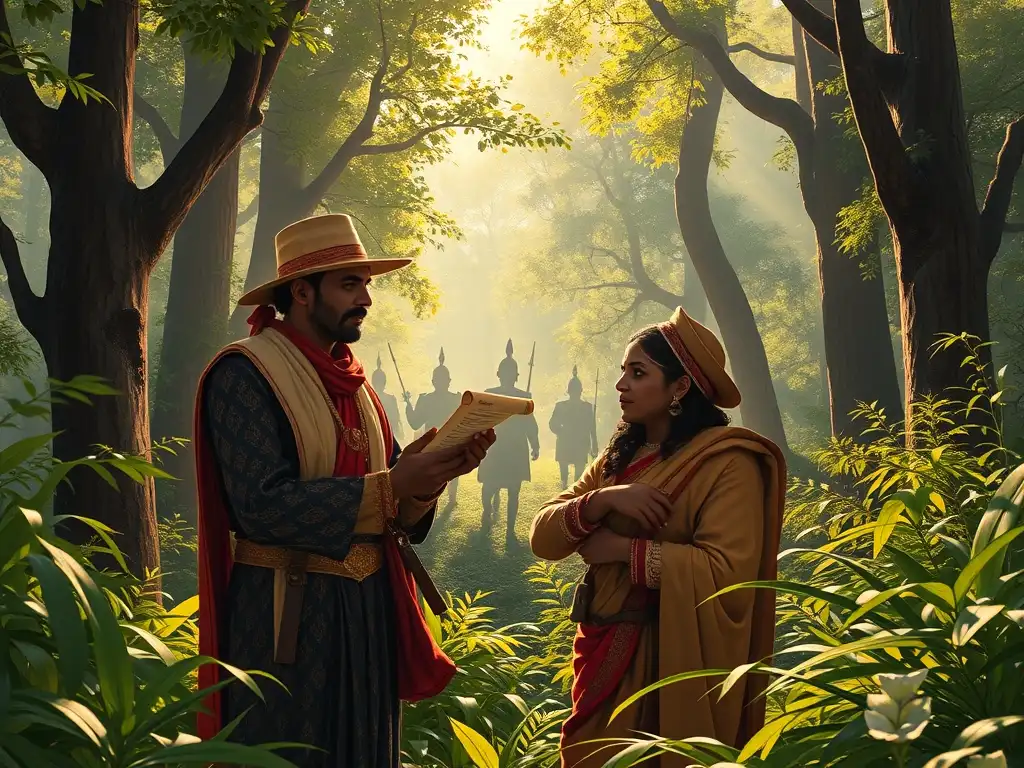
Effective communication among spies was crucial for successful intelligence operations in ancient India. Various methods were utilized to ensure that vital information was conveyed accurately and discreetly.
- Ciphers and Codes: Spies often used complex codes to encrypt messages. This practice not only protected the information from enemies but also required a deep understanding of the code among the operatives.
- Secret Meetings: Spies would arrange clandestine meetings in pre-determined locations to exchange information. These meetings were often held at night or in secluded areas to minimize the risk of detection.
- Non-verbal Communication: Gestures and symbols played a significant role in espionage communication. Specific signals could indicate danger or the successful completion of a mission without alerting others.
- Use of Trusted Intermediaries: Spies sometimes relied on trusted individuals to relay messages, particularly when the information was sensitive or required discretion. This method helped to create layers of security around the information.
Use of Disguises and Deception in Gathering Intelligence
Disguises and deception were integral to the tactics employed by spies in ancient India. These strategies enabled them to infiltrate enemy ranks, gather intelligence, and return undetected.
- Costume Changes: Spies often donned the attire of different professions—such as merchants, travelers, or local farmers—to blend in seamlessly with the local populace. This allowed them to gather crucial information without raising suspicion.
- Mimicry and Acting: The ability to mimic local dialects and customs was vital for spies operating in foreign territories. By convincingly portraying themselves as locals, they could engage with individuals and extract information more effectively.
- Feigning Friendship: Establishing rapport with enemy soldiers or officials was a common tactic. Spies would often feign loyalty or friendship to gain access to restricted areas and inside information.
- Creating Diversions: In some cases, spies would create distractions or false scenarios to divert attention away from their true objectives, allowing them to gather intelligence without being noticed.
Case Studies of Spies in Ancient Indian Battles
The role of spies in ancient Indian warfare can be illustrated through notable case studies, demonstrating their strategic importance and effectiveness in various campaigns.
Case Study 1: The Kalinga War
The Kalinga War, fought between the Mauryan Empire and the state of Kalinga, serves as a significant example of espionage in action. As Emperor Ashoka sought to expand his empire, he relied heavily on intelligence gathered by spies to assess Kalinga's military strength and societal structure.
- Infiltration: Spies were sent into Kalinga to understand the morale of the population and the readiness of the army. Their reports revealed the Kalingan people's fierce resistance, prompting Ashoka to reconsider his approach to warfare.
- Strategic Advantage: The information gathered allowed the Mauryan forces to plan their attacks more effectively, targeting weak points in the Kalinga defenses while avoiding heavily fortified areas.
- Aftermath: The war resulted in significant casualties and a turning point for Ashoka, leading to his eventual embrace of Buddhism and principles of non-violence. The intelligence operations played a crucial role in shaping the course of this conflict.
Case Study 2: The Battle of Chandragupta Maurya Against Dhananjoy
The struggle between Chandragupta Maurya and the local ruler Dhananjoy illustrates the strategic use of spies in early Indian warfare. Chandragupta's success in overthrowing Dhananjoy can be attributed to effective intelligence gathering and espionage tactics.
- Local Informants: Chandragupta employed local informants to gather intelligence on Dhananjoy's forces. This network of spies provided crucial insights into troop movements and the ruler's vulnerabilities.
- Psychological Warfare: By spreading disinformation and rumors among Dhananjoy's ranks, Chandragupta's spies sowed distrust and confusion within the enemy camp, weakening their resolve before the battle even began.
- Decisive Victory: The intelligence gathered not only facilitated strategic planning for the attack but also enabled Chandragupta to execute surprise maneuvers that ultimately led to his victory over Dhananjoy, establishing the foundation for the Mauryan Empire.
These case studies highlight the pivotal role of spies in ancient Indian warfare, showcasing their contributions to military strategy and the outcomes of significant battles.
The Influence of Spies on Warfare Outcomes

Spies played a crucial role in shaping the outcomes of battles in ancient India, significantly influencing military strategies and decisions. The utilization of espionage provided kings and commanders with vital information that could determine the success or failure of their campaigns. By gathering intelligence on enemy troop movements, morale, and resources, spies allowed leaders to make informed decisions and adapt their strategies accordingly.
In many instances, the effectiveness of a military campaign hinged on the quality of intelligence gathered. For example, the ancient Indian text "Arthashastra," attributed to Kautilya (Chanakya), emphasized the importance of spies in warfare. It detailed various methods of espionage and the necessity of having a well-rounded intelligence network to keep tabs on both allies and enemies. This comprehensive approach to intelligence gathering enabled rulers like Chandragupta Maurya to build a formidable empire through calculated strategies based on real-time information.
Analyzing the Impact of Intelligence on Battle Strategies
The impact of intelligence on battle strategies in ancient Indian warfare cannot be overstated. Well-informed commanders could anticipate enemy movements, exploit weaknesses, and avoid ambushes. For instance, during the famous battle of the Kalinga War, Ashoka the Great utilized intelligence to assess the strengths and weaknesses of the Kalinga forces, allowing him to plan a more effective approach to the conflict.
Furthermore, intelligence allowed for the deployment of psychological tactics. Knowing when and how to instill fear or doubt in the enemy's ranks could result in a significant advantage. The ability to spread misinformation or rumors could lead to demoralization within enemy troops, turning the tide of battle in favor of the informed commander. This strategic utilization of spies to manipulate perceptions and sow discord among adversaries is a hallmark of ancient Indian military doctrine.
How Spies Changed the Course of Ancient Indian Conflicts
Throughout various conflicts in ancient India, spies have been credited with changing the course of battles. Their contributions were not limited to direct military intelligence; they also facilitated diplomatic relations and espionage against rival states. For instance, during the conflicts between the Maurya Empire and its neighboring kingdoms, spies were instrumental in both gathering intelligence and negotiating peace treaties.
One notable example involves the strategic use of spies in the wars between the Mauryas and the Seleucid Empire. By infiltrating enemy ranks and gathering intelligence on troop movements and strategies, Indian commanders could effectively counter the tactics employed by their adversaries. Such operations not only influenced military outcomes but also paved the way for alliances and territorial expansions that would shape the political landscape of ancient India.
Conclusion: The Legacy of Spies in Ancient Indian Warfare
The legacy of spies in ancient Indian warfare is profound, reflecting their essential role in shaping military history. The integration of espionage into military strategy highlighted the complexities of warfare, emphasizing that knowledge and information could often be as powerful as sheer force.
Reflection on the Role of Intelligence in Military History
Reflecting on the role of intelligence in military history, it is evident that the practices established in ancient India have influenced modern military strategies. The systematic approach to gathering intelligence and employing spies not only revolutionized warfare tactics of the time but also laid the groundwork for contemporary espionage methods. The recognition that information is a vital asset in warfare continues to resonate in military doctrines around the world today.
The Lasting Influence of Ancient Espionage Techniques on Modern Warfare
The techniques developed by ancient Indian rulers and military strategists have left a lasting influence on modern warfare. The principles of intelligence gathering, counter-intelligence, and psychological operations can trace their roots back to the practices of spies in ancient India. As nations continue to adapt and evolve their military strategies, the foundational concepts of espionage established in this period remain relevant, showcasing the timeless nature of intelligence in the realm of warfare. The rich history of spies in ancient Indian warfare serves as a testament to the power of information and its capacity to shape the course of history.
Further Reading and References on Spies in Ancient Indian Warfare
To gain a deeper understanding of the role of spies and intelligence in ancient Indian warfare, several texts and academic resources illuminate the complexities of military strategies and the utilization of espionage throughout various periods. These resources provide insights not only into the tactics employed by ancient Indian civilizations but also into the cultural and historical contexts that shaped their military practices.
Recommended Texts and Academic Resources
-
"The Art of War in Ancient India" by K. M. K. Shastri
This book explores the military strategies of ancient Indian states, delving into the significance of intelligence and espionage. Shastri analyzes various texts, including the Arthashastra, to highlight how information gathering was pivotal in warfare.
-
"Arthashastra" by Kautilya (Chanakya)
Often considered the foundational text on statecraft and military strategy, the Arthashastra contains extensive discussions on espionage. Kautilya emphasizes the importance of spies in gathering intelligence about enemies, assessing risks, and ensuring the state's security.
-
"War in Ancient India" by A. S. Altekar
Altekar provides a comprehensive overview of warfare in ancient India, including details on the methodologies of intelligence gathering and the roles played by spies. This work examines various dynasties and their military engagements, providing context to the use of espionage.
-
"The Historical Dictionary of Ancient India" by J. R. B. Singh
This dictionary offers an accessible reference to key figures, events, and concepts related to ancient Indian history, including espionage. It is useful for those seeking quick insights or specific information about spies and their impact on military campaigns.
-
"Indian Military History" by G. S. Khurana
Khurana's work outlines the evolution of military tactics in India, including the strategic role of spies across different eras. The book highlights specific battles and campaigns where intelligence played a crucial role.
Notable Scholars and Their Contributions to the Study of Military Intelligence
-
M. N. Deshpande
Deshpande is known for his extensive research on the military systems of ancient India. His analyses of historical texts shed light on the organizational structure of espionage networks and their operational effectiveness in warfare.
-
R. C. Sharma
A prominent historian, Sharma's studies focus on the socio-political dimensions of warfare, including the role of spies. His works analyze how espionage influenced diplomatic relations and military strategies in ancient Indian states.
-
R. S. Sharma
Known for his research on ancient Indian society, R. S. Sharma has contributed to the understanding of military practices, including the use of spies. His writings connect the dots between societal norms and military intelligence.
-
K. P. Jayaswal
Jayaswal's scholarly contributions include discussions on the ethical dimensions of espionage in ancient India. He examines how spies navigated moral dilemmas while serving their states, providing a nuanced perspective on military intelligence.
-
N. N. Bhattacharya
Bhattacharya's research emphasizes the strategic importance of intelligence in the military campaigns of various dynasties. He has analyzed archaeological findings and historical records to offer insights into the practices of espionage and reconnaissance.
These resources and scholars collectively contribute to a richer understanding of the integral role of spies in ancient Indian warfare, highlighting the complexities of military intelligence in shaping the outcomes of battles and the fates of empires.
- Introduction to Spies in Ancient Indian Warfare
- Historical Context of Spies in Ancient Indian Warfare
- Types of Spies in Ancient Indian Warfare
- The Role of Informants in Gathering Intelligence
- Espionage Techniques Used by Ancient Indian Rulers
- The Function of Undercover Agents in Military Campaigns
- Notable Spies and Their Impact on Battles
- Techniques and Tools Used for Espionage
- Communication Methods Among Spies
- Use of Disguises and Deception in Gathering Intelligence
- Case Studies of Spies in Ancient Indian Battles
- The Influence of Spies on Warfare Outcomes
- Conclusion: The Legacy of Spies in Ancient Indian Warfare
- Further Reading and References on Spies in Ancient Indian Warfare
- What was the significance of spies in ancient Indian warfare?
- How did ancient Indian civilizations utilize intelligence gathering?
- Were there specific techniques for espionage in ancient India?
- What can we learn about military strategy from the use of spies in ancient India?
- How did the Gupta Empire incorporate spies into their military efforts?
Frequently Asked Questions
What was the significance of spies in ancient Indian warfare?
Spies played a crucial role in gathering intelligence about enemy movements, troop strength, and strategies, which significantly influenced the outcomes of battles.
How did ancient Indian civilizations utilize intelligence gathering?
Ancient Indian kingdoms employed a network of informants and agents to monitor rivals and assess their military capabilities, ensuring they remained one step ahead in warfare.
Were there specific techniques for espionage in ancient India?
Yes, ancient Indian spies used various disguises, deception, and strategic communication to infiltrate enemy lines and relay important information back to their leaders.
What can we learn about military strategy from the use of spies in ancient India?
The effective use of intelligence in warfare highlights the importance of information superiority and strategic planning, which remains relevant in modern military strategies.
How did the Gupta Empire incorporate spies into their military efforts?
The Gupta Empire recognized the value of espionage by establishing a structured system for intelligence that included both civilian and military spies, enhancing their defensive and offensive capabilities.
Final Reflection: The Enduring Legacy of Spies in Ancient Indian Warfare
The intricate role of spies in ancient Indian warfare underscores the timeless significance of intelligence in shaping the outcomes of conflicts. As we navigate through modern complexities, the lessons from history remind us that information is power, and the strategic use of intelligence can alter the course of events in profound ways. The art of espionage, as practiced by ancient Indian states, reveals a sophisticated understanding of human nature and the importance of foresight in warfare.
The influence of espionage in ancient Indian society resonates deeply within our contemporary cultural and social landscapes. From the tales of Chanakya's cunning strategies to the covert operations of various kingdoms, the legacy of spies serves as a testament to the ingenuity and resourcefulness of our ancestors. As noted by the historian K.M. Panikkar, The art of war is not merely a matter of brute force; it is a complex interplay of strategy, intelligence, and the human psyche.
This observation highlights how the principles of espionage continue to inform modern military tactics and intelligence operations, emphasizing the relevance of these ancient practices in today's world.
As we reflect on the lessons drawn from the role of spies in ancient Indian warfare, I invite you to consider how these insights can be applied in your own life. Think about the importance of gathering information, understanding your environment, and making informed decisions.
Whether in personal relationships, professional endeavors, or community engagement, the ability to perceive and interpret the subtleties around us can lead to more strategic and successful outcomes. Embrace the wisdom of the past as you navigate your own journey, recognizing that the art of intelligence is as vital today as it was in ancient times.
Unveil the Secrets of Ancient Warfare!
Thank you for delving into the fascinating world of spies and intelligence in ancient Indian warfare! You've explored how strategic espionage shaped the battlefield, and now it’s time to consider how these lessons can be applied today.
Take actionable steps to deepen your knowledge and connect with this intriguing topic:
- Dive deeper into historical accounts by reading books or articles that highlight the role of intelligence across different cultures.
- Join a discussion group or an online community focused on historical warfare to share insights and learn from others.
- Share your newfound knowledge with friends or on social media to spark interest in the strategic elements of history!
What strategies from ancient warfare do you believe can still inform modern tactics across various fields?