
The Interplay of Religion and Medicine in Ancient Indian Surgery

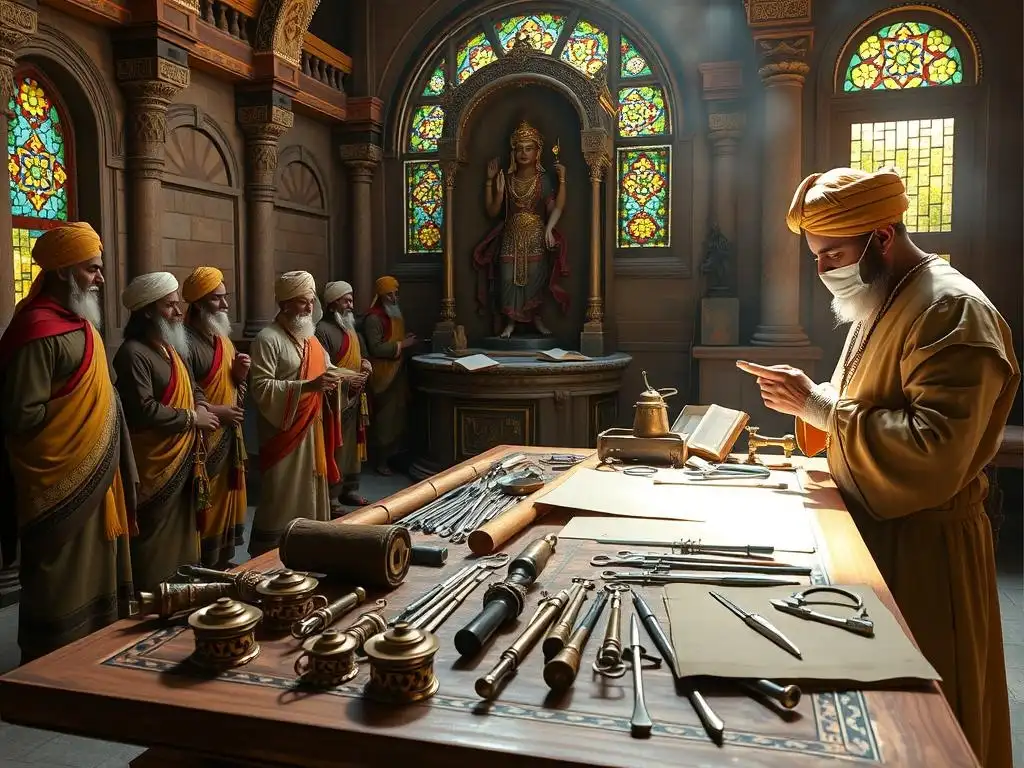
Welcome to Ancient India History, where we embark on a fascinating journey through time, delving into the rich tapestry of ancient Indian civilizations. Today, we shine a spotlight on the intriguing world of ancient Indian surgery practices, where the interplay of religion and medicine reveals the profound wisdom and innovations of our ancestors.
From the meticulous techniques of the Indus Valley to the groundbreaking contributions during the Gupta Empire, this exploration promises to uncover secrets that shaped not just a culture, but the very foundations of modern medicine. Dive in and discover how spirituality and science converged to create a legacy that continues to inspire!
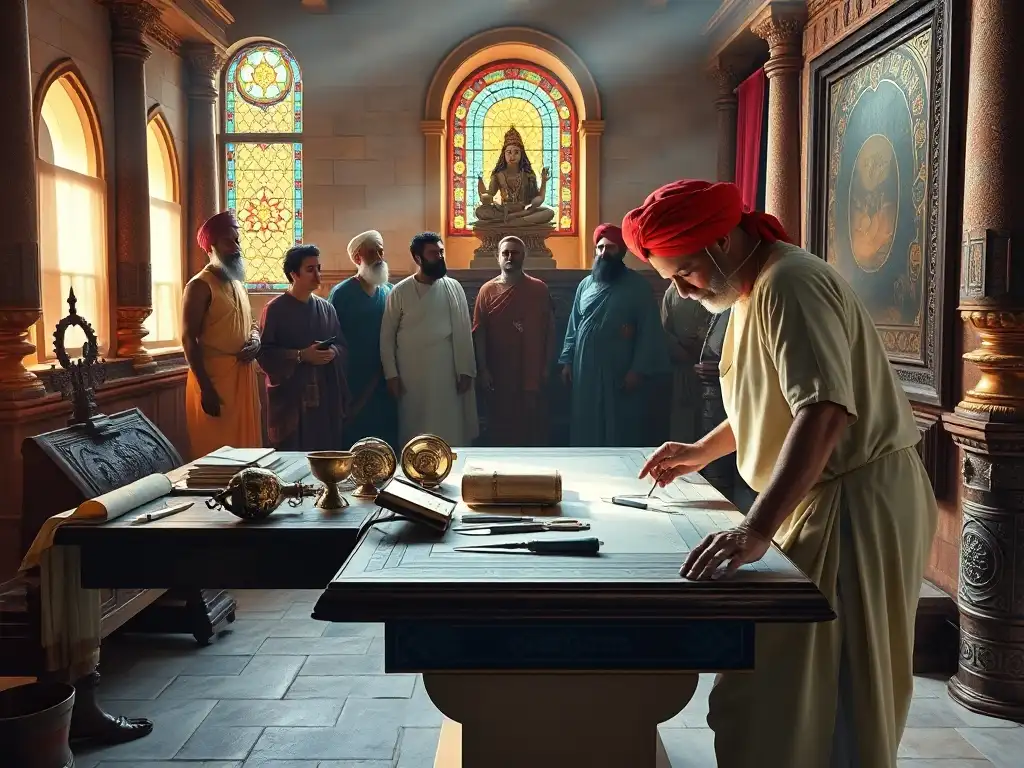
Exploring the intricacies of ancient Indian surgery practices reveals a fascinating blend of medical knowledge and spiritual beliefs. From the sophisticated techniques employed in surgical procedures to the underlying religious principles that guided these practices, ancient India offers a unique perspective on the evolution of medicine.
This article delves into the rich tapestry of ancient Indian surgical practices, highlighting their historical significance, the influence of religion, and the profound contributions of ancient civilizations to the field of medicine. By examining key texts and significant advancements, we uncover how ancient Indian surgery was not merely a practice of physical healing but also intertwined with spiritual and cultural dimensions.
Introduction to Ancient Indian Surgery Practices
Ancient Indian surgery practices emerged as a significant aspect of the medical landscape, characterized by advanced techniques and a deep understanding of human anatomy. The surgical practices were documented in various ancient texts, notably the Sushruta Samhita, attributed to the legendary surgeon Sushruta, who is often referred to as the "Father of Surgery." This seminal work outlined various surgical procedures, including plastic surgery, cataract surgery, and cesarean sections, showcasing the remarkable skills of ancient Indian surgeons.
Key features of ancient Indian surgery include:
- Techniques and Tools: Surgeons utilized an array of instruments made from materials such as metal, bamboo, and even animal bones.
- Anesthesia: The use of herbal concoctions to alleviate pain during surgery was a notable practice.
- Post-Operative Care: Emphasis on hygiene and careful post-operative management was integral to the healing process.
Overview of Ancient Indian Surgical Techniques
The techniques employed in ancient Indian surgery were diverse and innovative. Some of the prominent surgical practices include:
- Rhinoplasty: Ancient texts describe methods for reconstructing the nose, a procedure that has gained recognition in modern plastic surgery.
- Amputation: Surgeons were skilled in performing amputations, often using methods that minimized blood loss and infection.
- Suturing: Techniques for closing wounds were advanced, employing materials that ranged from plant fibers to animal sutures.
Importance of Religion in Ancient Indian Medicine
Religion played a vital role in shaping the practices of medicine and surgery in ancient India. Medical practitioners often operated under the auspices of various deities, believing that divine intervention was crucial for successful outcomes.
The interrelationship between medicine and religion can be seen in:
- Healing Rituals: Many surgical procedures were preceded by rituals to invoke blessings from gods and goddesses.
- Ethical Considerations: The principles of Dharma (duty) influenced the ethical practices of surgeons, guiding them in their responsibilities toward patients.
- Integration of Ayurveda: The Ayurvedic system of medicine, deeply rooted in spiritual beliefs, emphasized holistic healing, including surgical interventions as part of a comprehensive approach to health.
Historical Context of Ancient Indian Surgery
Understanding the historical backdrop of ancient Indian surgery is crucial to appreciating its evolution. Ancient India was home to several flourishing civilizations, each contributing to the advancement of medical knowledge.
Timeline of Surgical Advancements in Ancient India
- Indus Valley Civilization (c. 2500-1500 BCE): Archaeological findings indicate the presence of surgical tools, suggesting early practices.
- Vedic Period (c. 1500-500 BCE): The emergence of Ayurveda laid the groundwork for integrating surgery with medicinal practices.
- Sushruta Samhita (c. 600 BCE): The compilation of surgical knowledge marked a significant milestone in ancient Indian medicine.
Key Texts on Ancient Indian Surgery Practices
Several texts provide insight into the surgical practices of ancient India, including:
- Sushruta Samhita: This foundational text details surgical techniques, tools, and ethical considerations.
- Charaka Samhita: While primarily focused on internal medicine, it also addresses surgical aspects relevant to holistic treatment.
- Ashtanga Sangraha: A comprehensive medical text that encompasses Ayurvedic practices, including surgical methods.
Through these texts, we gain a deeper understanding of how ancient Indian surgery practices were not only advanced but also culturally significant, reflecting the values and beliefs of the time.
The Role of Religion in Shaping Surgical Practices
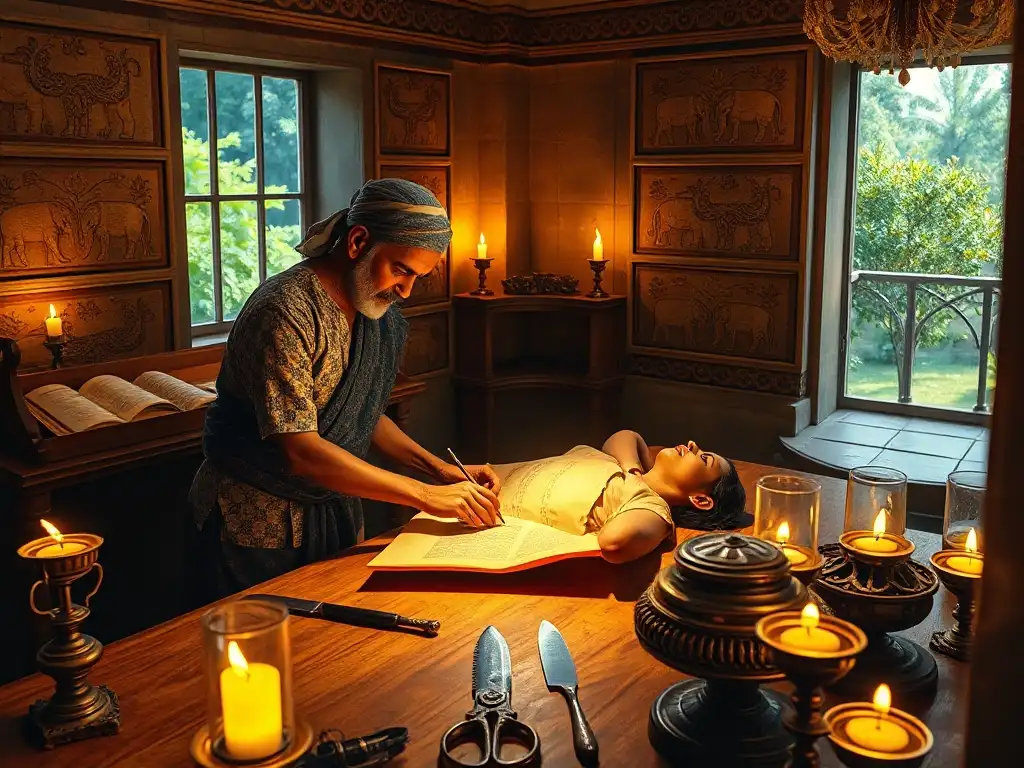
In ancient India, the interplay between religion and medicine was profound, significantly influencing surgical practices. The prevailing religious beliefs often dictated not only the methods of treatment but also the approach to healing. Medicine was not merely a scientific endeavor but also a spiritual practice, where rituals and prayers accompanied surgical procedures. This synergy between the sacred and the clinical created a holistic approach to healing, where physical ailments were often viewed through a spiritual lens.
The reverence for life in Hinduism, along with the belief in karma and dharma, led to ethical considerations in surgical practices. Surgeons, or shalyakaras, were seen as practitioners who wielded the power of healing, and their roles were often intertwined with religious duties. This sacred perception of surgery fostered a deep respect for the profession, encouraging skilled practitioners to emerge, who were not only trained in techniques but also in the spiritual aspects of healing.
Religious Beliefs Influencing Medical Procedures
Religious beliefs played a crucial role in shaping medical procedures in ancient India. The concept of Ayurveda, which translates to the "science of life," is rooted in spiritual philosophies that emphasize balance and harmony within the body and with the universe. This holistic view meant that surgeries were often preceded by rituals aimed at appeasing deities, seeking blessings for both the surgeon and the patient.
Additionally, certain medical texts, such as the Sushruta Samhita, reflect the integration of religious practices within surgical procedures. For instance, before performing surgeries, practitioners would invoke divine blessings, ensuring that the surgical act was not only a physical intervention but also a spiritual one. This connection between the divine and the medical reinforced the notion that healing was a sacred duty.
Deities and Their Significance in Healing Practices
In ancient Indian culture, various deities were associated with health and healing, further intertwining religion with medicine. For example, Dhanvantari, the god of medicine, was revered as the divine physician and is often depicted holding Ayurvedic texts and medicinal herbs. Worshipping Dhanvantari before surgery was common, as it was believed that his blessings would lead to successful outcomes.
Moreover, Ashwini Kumars, the twin gods associated with health and medicine, were also invoked for their healing powers. Their connection to the sun and the concept of vitality symbolized the rejuvenation and restoration of health. The significance of these deities in surgical practices illustrates how deeply embedded religious beliefs were in the medical practices of ancient India, ensuring that the act of surgery was as much a spiritual undertaking as it was a physical one.
Prominent Figures in Ancient Indian Surgery
The history of ancient Indian surgery is marked by influential figures whose contributions laid the foundation for surgical techniques that have persisted through the ages. Among these luminaries, Sushruta and Charaka stand out as pivotal figures whose work revolutionized the understanding and practice of surgery and medicine.
Contributions of Sushruta to Surgical Techniques
Sushruta, often referred to as the "Father of Surgery," made significant contributions to surgical techniques that are still acknowledged today. His seminal text, the Sushruta Samhita, is one of the earliest comprehensive surgical manuals, detailing various surgical procedures, instruments, and techniques. Sushruta's work emphasized the importance of anatomical knowledge, surgical precision, and patient care.
He introduced innovative surgical methods such as rhinoplasty, cataract surgery, and complex wound management, showcasing a sophisticated understanding of human anatomy and physiology. His techniques, such as the use of sutures and the principles of asepsis, demonstrate a remarkable blend of empirical observation and surgical skill, laying the groundwork for future advancements in surgery.
The Influence of Charaka on Medicine and Surgery
Charaka, another towering figure in ancient Indian medicine, greatly influenced the practice of medicine and its intersection with surgery. His Charaka Samhita is a foundational text in Ayurveda, focusing on the principles of diagnosis, treatment, and the holistic aspects of health. Charaka emphasized the importance of understanding the patient's constitution and the nature of diseases, which was essential for effective treatment.
While Charaka is primarily known for his contributions to medicine, his emphasis on the integration of surgical practices into the broader context of healthcare is noteworthy. He advocated for a comprehensive approach that included preventive measures, dietary regulations, and lifestyle considerations, thereby influencing surgical interventions. Charaka's holistic philosophy underscored the importance of treating not just the physical ailment but also the underlying health conditions, marking a significant evolution in ancient Indian surgical practices.
Surgical Techniques and Procedures in Ancient India
Ancient Indian surgery practices were remarkably advanced for their time, underpinned by a deep understanding of human anatomy and a commitment to holistic healing. The surgical techniques employed were documented extensively in ancient texts, with the most notable being the Sushruta Samhita, attributed to the ancient surgeon Sushruta. This text is often referred to as one of the foundational works of surgery and medicine in ancient India, detailing various surgical procedures, instruments, and the principles of surgery.
Surgical practices in ancient India included a range of procedures such as suturing wounds, removing tumors, and performing cataract operations. Techniques involved the use of anesthesia derived from natural substances to alleviate pain, highlighting an advanced understanding of patient care. Furthermore, the practice of surgery was not merely a physical act but was often intertwined with philosophical and spiritual beliefs, influencing the approach to both the procedure and the patient’s overall well-being.
Overview of Surgical Instruments Used
The surgical instruments used in ancient Indian surgery were crafted with precision and intent, reflecting a sophisticated understanding of their purposes. Instruments made from materials such as bronze, iron, and even ivory were commonplace. Some of the primary surgical tools included:
- Scalpels: Used for making incisions and cutting tissue.
- Surgical Hooks: Employed to manipulate tissue during procedures.
- Forceps: Utilized for grasping and holding organs or tissues.
- Needles and Sutures: Essential for stitching wounds and closing incisions.
Each instrument was designed with specific functions in mind, showcasing the meticulous nature of ancient Indian surgeons. The Sushruta Samhita not only lists these instruments but also provides detailed instructions on their use, emphasizing the importance of proper technique and hygiene in surgical practices.
Common Surgical Procedures in Ancient Indian Medicine
Ancient Indian medicine encompassed a variety of surgical procedures that demonstrate the advanced medical knowledge of the time. Some of the most common surgeries included:
- Cataract Surgery: Known as couching, this procedure involved displacing the cloudy lens of the eye to restore vision.
- Suturing Wounds: This fundamental procedure was crucial for treating injuries and preventing infections.
- Tumor Excision: Surgeons performed surgical removal of tumors, reflecting an understanding of cancer and its treatment.
- Bone Setting: Techniques for realigning fractures and dislocations were well developed, showing an appreciation for orthopedic surgery.
These procedures were often performed with a combination of surgical skill and the use of herbal medications to promote healing, showcasing the integrative approach of ancient Indian medicine.
The Integration of Spirituality in Surgical Practices
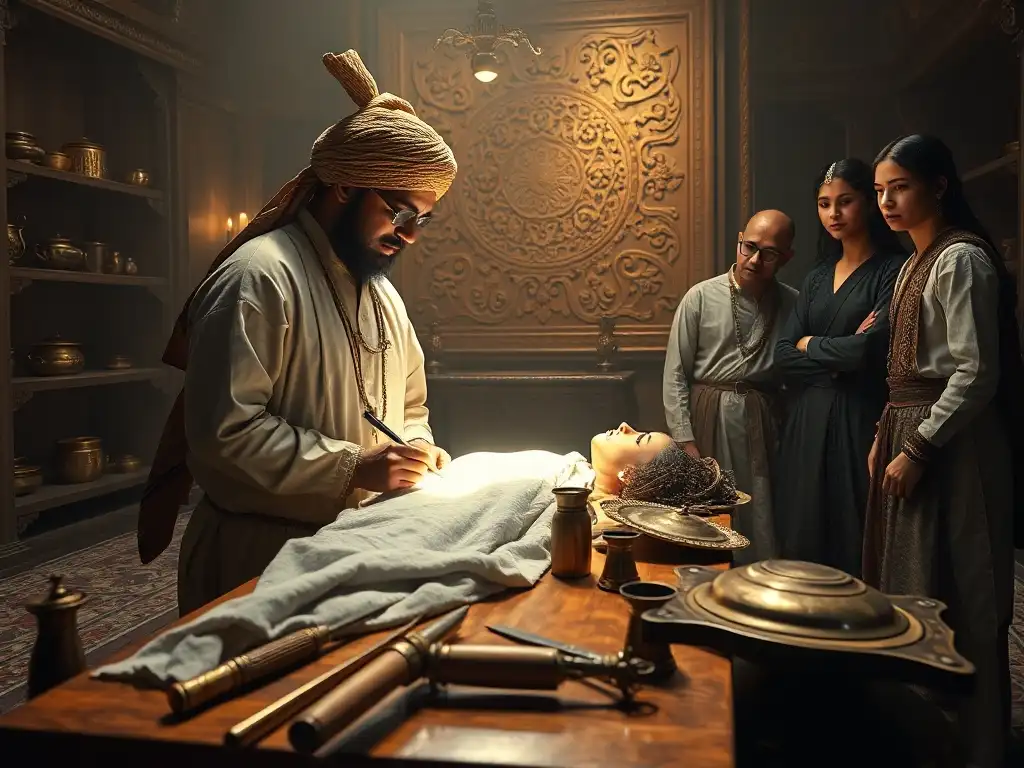
Spirituality played a significant role in ancient Indian surgical practices, influencing both the mindset of the surgeon and the recovery of the patient. The belief that the physical body and spiritual well-being were interconnected shaped the approach to surgery and healing.
Rituals and Prayers Associated with Surgery
Before undergoing surgery, patients often participated in rituals and prayers intended to invoke divine support and ensure a successful outcome. These rituals included:
- Purification Rites: To cleanse the body and spirit before the procedure.
- Mantras and Chants: Recited by the surgeon or the patient to invoke blessings from deities associated with health and healing.
- Offering of Flowers and Fruits: Symbolizing gratitude and devotion, these offerings were made to deities to seek protection during surgery.
Such practices highlighted the belief that spiritual favor could significantly impact the healing process, merging the realms of medicine and faith.
The Concept of Karma in Healing
The concept of karma was integral to ancient Indian thought and profoundly influenced healing practices. It was believed that a patient's past actions could affect their health and recovery. In this context, surgeons viewed their work as not only a medical intervention but also a moral and spiritual duty.
- Healing as a Divine Act: Surgery was seen as a means of aligning the patient's karma, facilitating their path to recovery and spiritual balance.
- Ethics in Practice: Surgeons were expected to uphold ethical standards, ensuring that their intentions were pure and their skills used wisely to benefit patients.
This intertwining of karma and healing created a unique framework in which ancient Indian surgery practices were conducted, emphasizing both physical and spiritual dimensions of health.
The Impact of Ancient Indian Surgery on Modern Practices
Ancient Indian surgery, particularly as documented in texts like the Sushruta Samhita, has had a profound impact on modern surgical practices. The meticulous methods and ethical considerations outlined by ancient surgeons have not only influenced techniques but also contributed to the philosophical underpinnings of contemporary medicine.
The advancements made by ancient Indian surgeons, particularly in areas such as plastic surgery and ophthalmology, laid the groundwork for many modern procedures. Techniques such as rhinoplasty and cataract surgery were pioneered in ancient times, showcasing a remarkable understanding of human anatomy and surgical precision. This knowledge has been preserved and continues to inform current practices, highlighting the significance of ancient wisdom in today's medical landscape.
Influence of Ancient Techniques on Contemporary Surgery
The surgical techniques established in ancient India have found their way into modern medical curricula and practices. For instance, the principles of aseptic techniques and surgical instruments detailed in ancient texts resonate with today's standards of hygiene and instrument design. The use of specific tools, such as scalpels and forceps, can be traced back to the innovations made by ancient Indian surgeons.
Moreover, the holistic approach to health that integrated surgery with nutrition, herbs, and spiritual well-being is gaining renewed interest in contemporary medicine. Modern practitioners are increasingly recognizing the importance of a comprehensive treatment philosophy, echoing the ancient Indian belief in treating the whole patient rather than merely addressing symptoms.
Lessons from Ancient Indian Surgical Practices for Modern Medicine
Ancient Indian surgical practices provide valuable lessons in patient care and ethical considerations. The emphasis on patient consent and the ethical responsibility of the surgeon as highlighted in texts like the Sushruta Samhita serves as a reminder of the moral dimensions of medical practice.
Furthermore, the integration of psychological well-being in surgical recovery, as practiced by ancient healers, is increasingly acknowledged in modern medicine. The understanding that mental health directly influences physical recovery has led to the incorporation of psychological support in surgical protocols today.
Conclusion
Summary of the Interplay Between Religion and Medicine
The interplay between religion and medicine in ancient India created a unique framework that shaped surgical practices. This relationship fostered a deep respect for life, which was evident in the ethical guidelines followed by surgeons. The spiritual beliefs intertwined with medical practices not only enhanced the surgical techniques but also provided a holistic view of health that is still relevant today.
The Legacy of Ancient Indian Surgery Practices in Today's World
The legacy of ancient Indian surgery practices is evident in the principles and techniques that continue to be relevant in modern medicine. The foundational knowledge developed centuries ago has influenced various surgical fields, ensuring that the wisdom of ancient practitioners remains vital. As contemporary medicine evolves, the recognition of these ancient practices serves as a bridge connecting the rich history of ancient Indian surgery with the innovations of the present, underscoring the timelessness of knowledge in the field of medicine.
- Introduction to Ancient Indian Surgery Practices
- Importance of Religion in Ancient Indian Medicine
- Historical Context of Ancient Indian Surgery
- The Role of Religion in Shaping Surgical Practices
- Prominent Figures in Ancient Indian Surgery
- Surgical Techniques and Procedures in Ancient India
- The Integration of Spirituality in Surgical Practices
- The Impact of Ancient Indian Surgery on Modern Practices
- Conclusion
- What is the significance of ancient Indian surgery practices?
- How did religion influence surgery in ancient India?
- What were some key surgical techniques developed in ancient India?
- How did the Gupta Empire impact medical practices?
- Are there any historical texts that discuss surgery in ancient India?
Frequently Asked Questions
What is the significance of ancient Indian surgery practices?
Ancient Indian surgery practices were pioneering in the field of medicine, showcasing a sophisticated understanding of anatomy and surgical techniques that influenced later medical practices.
How did religion influence surgery in ancient India?
Religion played a critical role in ancient Indian surgery, with spiritual beliefs often guiding medical treatments and rituals, which were believed to enhance healing and recovery.
What were some key surgical techniques developed in ancient India?
Ancient Indian surgeons, notably Sushruta, developed techniques such as plastic surgery, cataract surgery, and the use of anesthesia, laying the groundwork for modern surgical practices.
How did the Gupta Empire impact medical practices?
The Gupta Empire marked a golden age for medicine in India, where advancements in surgery, pharmacology, and medical literature flourished, significantly enhancing healthcare practices.
Are there any historical texts that discuss surgery in ancient India?
Yes, texts like the Sushruta Samhita provide comprehensive insights into ancient Indian surgery practices, detailing surgical procedures, instruments, and the ethical considerations surrounding medicine.
Final Reflection: The Enduring Legacy of Ancient Indian Surgery Practices
The intricate relationship between religion and medicine in ancient Indian surgery reveals a profound understanding of healing that resonates with contemporary practices. Today, as we navigate the complexities of healthcare, the wisdom embedded in these ancient practices serves as a reminder of the holistic approach to well-being that transcends time. The synthesis of spiritual beliefs and surgical techniques not only shaped the medical landscape of ancient India but also laid the groundwork for a more integrated view of health that we are only beginning to appreciate in modern medicine.
The influence of these ancient practices continues to echo in our cultural and social landscapes, reminding us of the importance of viewing health through a multifaceted lens. As we explore the depths of ancient Indian surgery, we uncover not just techniques but a philosophy that values the interconnectedness of body, mind, and spirit. The greatest medicine of all is teaching people how not to need it.
This quote encapsulates the essence of ancient Indian healing practices, emphasizing prevention and the nurturing of the whole person rather than merely treating symptoms.
As we reflect on the lessons from ancient Indian surgery, let us carry forward the spirit of inquiry and integration into our own lives. Consider how you can embrace a holistic approach to your health and well-being, drawing inspiration from the past while innovating for the future. Take a moment to reflect on the interplay of your beliefs and practices in your journey toward health. By doing so, you not only honor the legacy of ancient wisdom but also contribute to a more compassionate and comprehensive understanding of healing in our modern world.
Unveil the Wisdom of Ancient Healing Practices!
Thank you for taking the time to explore the fascinating interplay of religion and medicine in ancient Indian surgery. You've uncovered insights that highlight the remarkable contributions of ancient scholars who blended spiritual and medical knowledge to heal both the body and soul. Now, it’s time to take that knowledge a step further!
Here’s how you can deepen your engagement with this captivating topic:
- Dive deeper into the subject: Read extensively about ancient surgical techniques and the historical texts that documented their applications. Start by exploring significant surgical manuscripts that have left a lasting impact on modern medical practices.
- Engage with the community: Participate in online forums or social media groups where enthusiasts discuss historical medical practices. This is a great way to exchange ideas and share findings with like-minded individuals.
- Share the knowledge: Consider writing a short article or a blog post to share what you've learned. Inspire others to appreciate the rich tapestry of religion and medicine throughout history!
What aspect of ancient Indian surgery intrigues you the most, and how do you think those practices can influence modern medicine? Let's discuss!