
The Influence of Ancient Indian Scripts on Modern Calligraphy

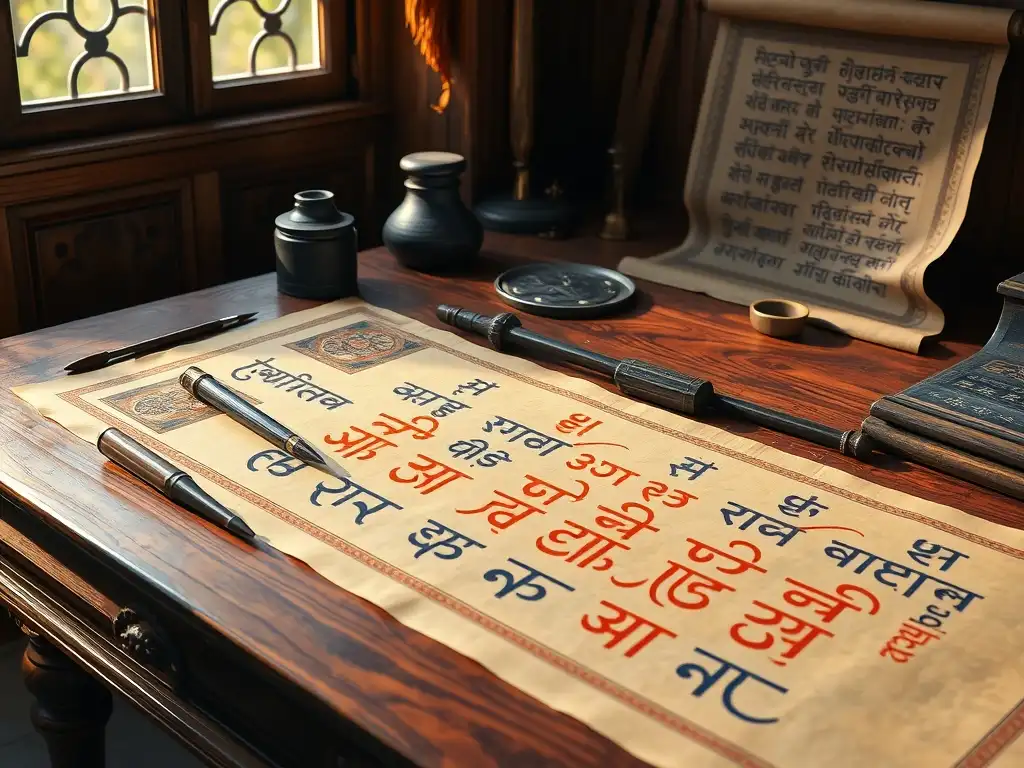
Welcome to Ancient India History, where we embark on a captivating journey through the rich tapestry of India's past. From the enigmatic Indus Valley to the grand Gupta Empire, our exploration reveals the profound cultural and historical contributions of ancient Indian civilizations. In this article, we delve into the influence of ancient Indian scripts on modern calligraphy, uncovering how these timeless forms of writing continue to inspire artists today.
Are you ready to discover the intricate connections between history and art? Join us as we unravel the fascinating legacy that shapes our understanding of calligraphy and its roots in ancient India!
Introduction to Ancient Indian Scripts
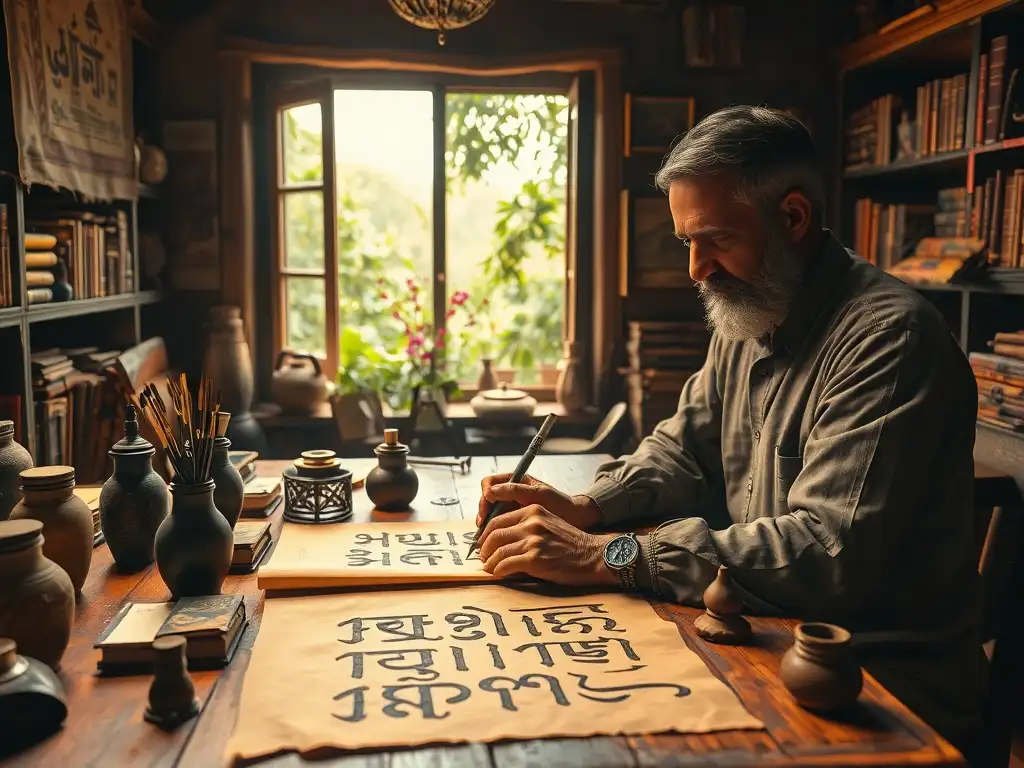
The rich tapestry of ancient Indian scripts is a testament to the ingenuity and creativity of early Indian civilizations. These scripts not only served as means of communication but also played a pivotal role in the cultural and artistic expressions of their time. From the intricate symbols of the Indus Valley Civilization to the more structured forms seen in later empires, ancient Indian scripts have left an indelible mark on the development of writing and calligraphy.
Understanding their influence on modern calligraphy opens a fascinating window into how these early forms of writing continue to inspire contemporary artists and calligraphers. Let's delve into the historical significance and evolution of these ancient scripts, exploring their enduring legacy in the art of writing today.
Overview of Ancient Indian Scripts
Ancient India was home to several scripts, each with its own unique characteristics and uses. The most prominent among them include:
- Brahmi: Considered one of the oldest scripts, Brahmi is the ancestor of many modern Indian scripts. It features a distinctive syllabic structure and has influenced several Southeast Asian writing systems.
- Kharosthi: This script was primarily used in the northwestern regions of India and is known for its right-to-left writing style. It was mainly used for administrative and religious texts.
- Siddham: Emerging later, Siddham was used in Buddhist texts and is characterized by its intricate and decorative letters.
- Devanagari: Although developed later, Devanagari has roots in ancient scripts and remains widely used for several modern languages, including Hindi and Sanskrit.
These scripts were not just functional; they were also works of art, showcasing the aesthetic sensibilities of their time.
Historical Context of Calligraphy in Ancient India
Calligraphy in ancient India was deeply intertwined with religion, culture, and tradition. The art of beautiful writing was often reserved for sacred texts, inscriptions, and important manuscripts.
- Religious texts: Many ancient scriptures, such as the Vedas and Puranas, were meticulously transcribed, highlighting the religious reverence for the written word.
- Inscriptions: Kings and emperors would commission inscriptions on stone pillars and edicts, showcasing their power and promoting their achievements. For instance, the Edicts of Ashoka are exemplary of the use of script for governance and moral instruction.
- Cultural significance: The aesthetic aspects of writing were highly valued, as calligraphy was seen as a reflection of the writer’s education and social status.
As a result, ancient Indian calligraphy evolved into a sophisticated art form that harmonized functionality and beauty.
The Evolution of Calligraphic Styles
Transition from Ancient Scripts to Modern Calligraphy
The transition from ancient Indian scripts to modern calligraphy has been a gradual process influenced by various historical, cultural, and technological changes.
- Colonial influences: The arrival of colonial powers introduced new writing materials and styles, which began to blend with traditional forms.
- Printing technology: The advent of printing technology in the 19th century played a significant role in standardizing scripts and making beautiful writing more accessible to the masses.
- Cultural revival: In modern India, there has been a resurgence of interest in traditional arts, including calligraphy, leading to the revival and reinterpretation of ancient styles.
This evolution has resulted in a rich tapestry of modern calligraphy that draws inspiration from ancient scripts while incorporating contemporary aesthetics.
Key Ancient Indian Scripts and Their Characteristics
To appreciate the influence of ancient Indian scripts on modern calligraphy, it is essential to understand their unique characteristics:
| Script | Characteristics | Influence |
|---|---|---|
| Brahmi | Syllabic, modular structure, angular shapes | Foundation for many Indian scripts |
| Kharosthi | Right-to-left writing, rounded forms | Influenced Central Asian scripts |
| Siddham | Decorative, intricate letters, used in religious texts | Impacted Buddhist calligraphy |
| Devanagari | Linear, phonetic representation, widely used today | Basis for numerous modern languages |
These characteristics not only highlight the artistic elements of each script but also underline their impact on modern calligraphic styles, showcasing a lineage of artistic expression that continues to evolve.
The Impact of Ancient Indian Scripts on Modern Calligraphy
Ancient Indian scripts, particularly Brahmi, Devanagari, and various other regional scripts, have had a profound influence on modern calligraphy. Their intricate designs and unique aesthetic principles resonate in contemporary calligraphic practices across the globe. The roots of these scripts can be traced back thousands of years, showcasing a rich legacy that informs modern artistic expressions. This influence manifests in both the techniques used by calligraphers and the visual styles they adopt, bridging the gap between ancient traditions and modern interpretations.
Direct Influences on Calligraphic Techniques
The techniques employed in ancient Indian scripts have laid foundational principles for contemporary calligraphy. For instance, the use of varied stroke thickness and a balance between curved and straight lines found in Devanagari has inspired modern calligraphers to experiment with similar contrasts. The fluid motion of pen strokes, as seen in the meticulous formation of letters in Brahmi, encourages artists to embrace dynamic movement in their work.
Moreover, the practice of using specific tools like bamboo pens and natural inks, which were prevalent in ancient India, has seen a revival among modern calligraphers. These traditional tools not only produce distinctive results but also connect contemporary artists to the historical practices of their predecessors. By integrating these ancient techniques, modern calligraphers are able to create works that honor the past while innovating for the future.
Aesthetic Elements Borrowed from Ancient Scripts
The aesthetic appeal of ancient Indian scripts is characterized by elegance, symmetry, and decorative flourishes. Many modern calligraphers have drawn inspiration from these elements, incorporating ornate designs and embellishments that echo the intricate motifs of ancient manuscripts. For instance, the use of spirals, loops, and dots in scripts like Tamil and Kannada enhances the visual narrative of calligraphic pieces.
Additionally, the concept of space and layout, as emphasized in ancient texts, has influenced modern calligraphy. Calligraphers today often employ similar spatial arrangements and alignment techniques to create harmony and balance in their works. This careful consideration of aesthetics not only pays homage to ancient scripts but also elevates the overall impact of contemporary calligraphic art.
Variations Across Different Cultures and Regions
The influence of ancient Indian scripts on modern calligraphy is not confined to India alone; it has transcended borders, inspiring artists across various cultures and regions. In Southeast Asia, for example, the adaptation of Brahmi script has shaped local writing systems, leading to unique calligraphic styles that blend indigenous elements with traditional Indian influences.
In the Middle East, the fusion of Indian scripts with Arabic calligraphy has resulted in a rich tapestry of artistic expression. Calligraphers in these regions often embrace the fluidity of ancient Indian letters while maintaining the intricate patterns characteristic of Arabic script. This cross-cultural exchange enriches the calligraphic landscape, illustrating how ancient Indian scripts continue to inspire and evolve within diverse artistic frameworks.
Case Studies of Calligraphers Inspired by Ancient Indian Scripts
Notable Modern Calligraphers and Their Work
Several contemporary calligraphers have made significant contributions to the field by drawing from the legacy of ancient Indian scripts. For example, the works of Sanjay Kumar, who specializes in Devanagari calligraphy, reflect a deep understanding of the script's historical context. His pieces often incorporate traditional motifs alongside modern themes, creating a dialogue between past and present.
Similarly, calligrapher Radhakrishna Sharma has gained recognition for his innovative approach to Brahmi script. By blending ancient forms with contemporary design principles, Sharma's work exemplifies the potential for ancient influences to shape modern artistic expressions. These artists demonstrate how the rich heritage of ancient Indian scripts can inspire and inform the creative processes of today's calligraphers.
Analysis of Specific Calligraphic Works Influenced by Ancient Scripts
A closer examination of specific calligraphic works reveals the nuanced ways in which ancient Indian scripts influence modern artistry. For instance, the piece titled "Echoes of Brahmi" by calligrapher Anjali Mehta utilizes the foundational forms of Brahmi letters, intertwining them with contemporary design elements. The result is a visually striking composition that honors the historical significance of the script while engaging with modern aesthetics.
Another notable example is "Devanagari Dreams" by artist Vikram Singh, which features flowing lines and vibrant colors that pay tribute to the elegance of Devanagari. Singh's ability to merge traditional script with abstract forms showcases the versatility of ancient influences in contemporary calligraphy.
These case studies illustrate that the legacy of ancient Indian scripts is alive and well in the modern calligraphic landscape, inspiring artists to push the boundaries of their craft while remaining connected to their cultural roots.
The Role of Cultural Exchange in Calligraphy
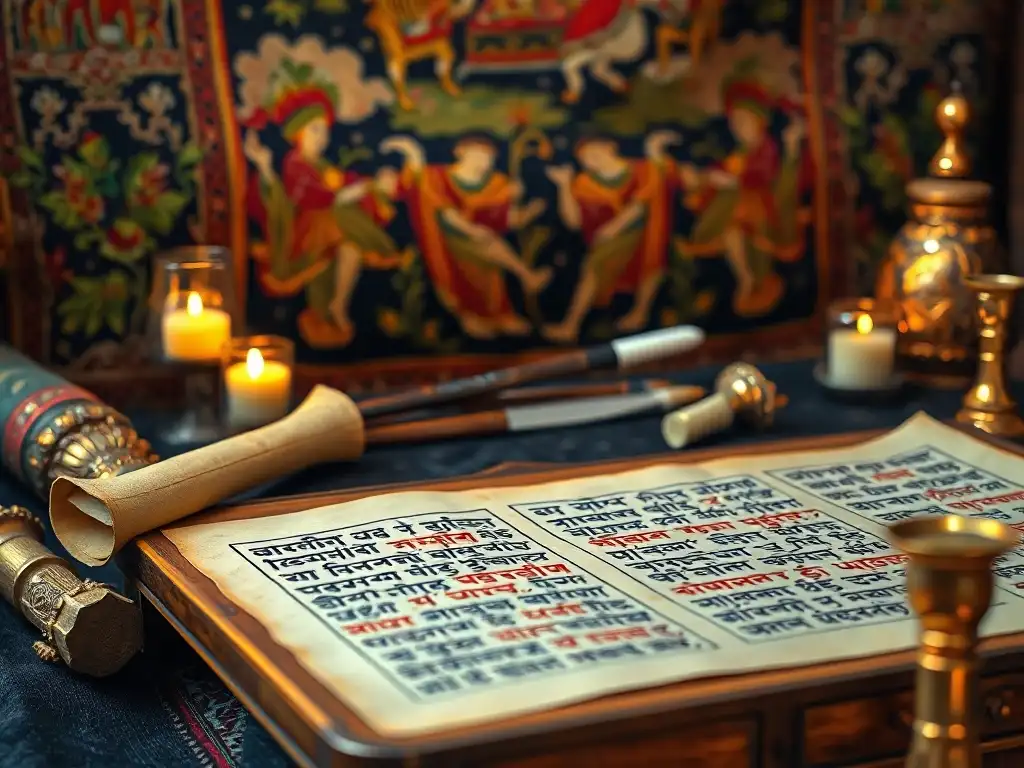
Cultural exchange has played a pivotal role in the evolution of calligraphy, particularly in the context of ancient Indian scripts. The movement of people, ideas, and artistic practices across regions facilitated a rich tapestry of influences that shaped calligraphic styles. As ancient Indian civilizations engaged in trade and cultural interactions with neighboring regions, they exchanged not only goods but also artistic techniques and script styles. This cross-pollination of ideas led to the development of unique calligraphic forms that incorporated elements from various cultures, making them distinctive yet reflective of a broader artistic heritage.
The dissemination of ancient Indian scripts such as Brahmi and Kharosthi was significantly enhanced through cultural exchanges along trade routes. These scripts traveled alongside merchants and scholars, leading to their adoption and adaptation in various regions of Asia, including Central Asia and Southeast Asia. As a result, ancient Indian scripts influenced local writing systems and calligraphic traditions, demonstrating the dynamic nature of cultural interactions in shaping artistic expressions.
Influence of Trade and Travel on Calligraphic Practices
Trade routes, such as the Silk Road, were vital conduits for cultural exchange, where merchants and travelers shared not just commodities but also artistic traditions. Ancient Indian scripts found their way into new territories through these interactions, impacting local calligraphic practices. For instance, the introduction of the Brahmi script to Southeast Asia led to the development of the Khmer and Thai scripts, which retain aspects of their Indian origins.
As artisans and scribes traveled, they brought their skills and knowledge, resulting in the fusion of styles. This fusion is evident in the intricate calligraphic forms seen in regions influenced by Indian culture. The aesthetic principles of balance, symmetry, and fluidity present in ancient Indian scripts were assimilated into local practices, enriching the calligraphic landscape. The adaptation of Indian scripts in different cultural contexts illustrates how trade and travel catalyzed the evolution of calligraphy, making it a living art form.
Cross-Cultural Adaptations of Ancient Indian Scripts
The adaptability of ancient Indian scripts is a testament to their enduring influence on calligraphy across cultures. As these scripts were integrated into various linguistic landscapes, they underwent transformations that reflected the unique characteristics and needs of the adopting cultures. For example, the Brahmi script evolved into numerous regional scripts, each with its stylistic nuances, while still retaining a connection to its Indian roots.
In addition to Southeast Asia, the influence of ancient Indian scripts extended to the development of Persian calligraphy during the Mughal period in India. The interplay between Devanagari and Persian scripts led to a hybrid style that blended the elegance of Persian calligraphy with the fluidity of Indian scripts, showcasing how cross-cultural adaptations can yield new artistic expressions. Such adaptations not only highlight the versatility of ancient Indian scripts but also their capacity to inspire and evolve within diverse contexts.
Conclusion
Summary of Key Points on Ancient Indian Scripts' Influence on Calligraphy
The exploration of ancient Indian scripts reveals their significant influence on the development of calligraphy across various cultures. Key points include:
- Cultural Exchange: The role of trade and travel facilitated the spread of ancient Indian scripts, leading to their integration into new artistic traditions.
- Cross-Cultural Adaptations: Scripts like Brahmi and Kharosthi were adopted and evolved in different regions, resulting in unique calligraphic forms that retained their Indian essence.
- Artistic Fusion: The convergence of Indian and local styles led to innovative calligraphic practices, exemplifying the dynamic nature of art influenced by cultural interactions.
These points underscore the importance of understanding ancient Indian scripts as foundational elements in the broader history of calligraphy.
Reflection on the Continued Relevance of Ancient Scripts in Contemporary Art
The legacy of ancient Indian scripts continues to resonate in contemporary art and calligraphy. Modern artists draw inspiration from these scripts, incorporating their forms and aesthetics into new works that celebrate cultural heritage. The visual appeal of ancient scripts, characterized by intricate designs and expressive lines, provides a rich source of inspiration for contemporary calligraphers seeking to blend tradition with innovation.
Moreover, as globalization fosters a renewed interest in cultural roots, ancient Indian scripts are being revisited and reinterpreted in various artistic expressions. The integration of these scripts into contemporary calligraphy not only pays homage to their historical significance but also reinforces their relevance in today's artistic landscape. As we continue to explore and celebrate the influence of ancient Indian scripts, it becomes clear that their impact on calligraphy is not just a relic of the past, but an ongoing dialogue that enriches modern artistic practices.
Further Reading and Resources
To gain a deeper understanding of the influence of ancient Indian scripts on modern calligraphy, several books and online resources provide valuable insights. This section highlights recommended readings and online platforms that can enhance your knowledge of ancient Indian scripts, their historical significance, and their impact on contemporary calligraphic practices.
Recommended Books on Ancient Indian Scripts and Calligraphy
-
"The Origin of Scripts: The Evolution of Writing Systems" by Peter T. Daniels and William Bright
This comprehensive volume explores various writing systems around the world, including ancient Indian scripts. It delves into their origins, development, and influence on modern writing and calligraphy.
-
"Indian Scripts: A Historical Outline" by R. N. Dandekar
Dandekar provides an in-depth analysis of the various scripts that have emerged in India over the centuries. The book covers the evolution and geographical spread of these scripts, making it a crucial resource for understanding their influence on calligraphy.
-
"Calligraphy: A History" by Patricia A. McKellar
This book examines the art of calligraphy throughout history, including the impact of ancient Indian scripts. It offers insights into how these scripts have been adapted and integrated into modern calligraphic practices.
-
"The Art of Calligraphy in Modern India" by Shantanu A. Bhattacharya
Focusing specifically on the Indian context, this book discusses the resurgence of traditional calligraphic practices in contemporary India, drawing connections to ancient scripts and their enduring legacy.
-
"Sanskrit Calligraphy: An Artistic Exploration" by R. K. Sharma
Sharma’s work is dedicated to the exploration of Sanskrit calligraphy, reflecting on its historical roots and its influence on modern calligraphic forms. The book includes practical examples and techniques for aspiring calligraphers.
Online Resources for Exploring Calligraphic Practices
-
The Calligraphy Exchange
This online platform offers a wealth of resources for calligraphy enthusiasts, including forums, tutorials, and galleries showcasing various styles, including those influenced by ancient Indian scripts.
-
Digital Library of India
An extensive collection of digitized texts and manuscripts, this resource allows users to explore ancient Indian texts written in various scripts, providing context and insight into their calligraphic styles.
-
YouTube Channels
Several YouTube channels focus on calligraphy techniques, including tutorials that incorporate ancient Indian scripts. Channels like "Calligraphy Masters" and "The Calligraphy Pen" often feature videos that demonstrate how to write using traditional styles influenced by historical scripts.
-
Academia.edu
Researchers and scholars frequently post papers and articles related to ancient Indian scripts and their impact on modern calligraphy. This platform provides an opportunity to access scholarly work and engage with the academic community.
-
Online Calligraphy Courses
Websites like Skillshare and Udemy offer courses specifically on calligraphy, some of which include modules on the influence of ancient scripts. These courses can provide hands-on practice alongside historical context.
By exploring these recommended books and online resources, readers can enrich their understanding of how ancient Indian scripts have shaped the art of calligraphy today, fostering a greater appreciation for this intricate craft.
- Introduction to Ancient Indian Scripts
- The Evolution of Calligraphic Styles
- The Impact of Ancient Indian Scripts on Modern Calligraphy
- Case Studies of Calligraphers Inspired by Ancient Indian Scripts
- The Role of Cultural Exchange in Calligraphy
- Conclusion
- Further Reading and Resources
- What are the key ancient Indian scripts that influenced modern calligraphy?
- How did ancient Indian scripts evolve over time?
- In what ways did ancient Indian calligraphy contribute to art?
- How does modern calligraphy draw from ancient Indian scripts?
- Why is understanding ancient Indian scripts important for artists today?
Frequently Asked Questions
What are the key ancient Indian scripts that influenced modern calligraphy?
Ancient Indian scripts like Brahmi, Kharosthi, and Devanagari are foundational to many modern writing systems and have significantly impacted calligraphy styles across cultures.
How did ancient Indian scripts evolve over time?
Ancient Indian scripts underwent various transformations influenced by regional languages and cultural exchanges, leading to the development of different scripts that are still in use today.
In what ways did ancient Indian calligraphy contribute to art?
Ancient Indian calligraphy was not only about writing; it incorporated aesthetic principles, integrating intricate designs and spiritual motifs, showcasing the rich cultural heritage of the time.
How does modern calligraphy draw from ancient Indian scripts?
Modern calligraphy often incorporates stylized elements from ancient scripts, blending traditional techniques with contemporary practices, creating a unique fusion that honors historical influences.
Why is understanding ancient Indian scripts important for artists today?
Grasping the historical context and techniques of ancient Indian scripts can enhance an artist's ability to innovate, providing deeper insights into the artistic traditions that shape modern calligraphy.
Final Reflection: The Enduring Legacy of Ancient Indian Scripts in Modern Calligraphy
The exploration of ancient Indian scripts and their influence on modern calligraphy reveals a profound connection between the past and present. As we navigate a world increasingly defined by digital communication, the artistry and craftsmanship of traditional scripts remind us of the beauty and significance of handwritten expression. The intricate designs and philosophical underpinnings of these ancient scripts continue to resonate, demonstrating that the art of writing is not merely functional but a form of cultural heritage that shapes our identity.
The impact of ancient Indian scripts extends far beyond their historical context; they have woven themselves into the fabric of contemporary artistic expression. This ongoing influence is evident in the way modern calligraphers draw inspiration from the fluidity and grace of scripts like Devanagari and Brahmi.
The revival of interest in these scripts highlights a collective yearning for authenticity in an age dominated by technology. As Mahatma Gandhi once said, “The best way to find yourself is to lose yourself in the service of others.” This sentiment echoes in the way artists today serve the legacy of these scripts, ensuring their relevance and appreciation in modern times.
As we reflect on the lessons drawn from the intricate beauty of ancient Indian scripts, I invite you to consider how you can incorporate these timeless principles into your own creative endeavors. Embrace the art of calligraphy not just as a skill, but as a means of connecting with history and expressing your unique voice.
Let the elegance of these ancient forms inspire you to explore your creativity, fostering a deeper appreciation for the written word and its power to transcend generations. The journey of calligraphy is not just about letters; it is about the stories they tell and the connections they forge across time.
Unleash Your Creativity Through Calligraphy!
Thank you for diving into the fascinating world of ancient Indian scripts and their impact on modern calligraphy! You've gained insights into a unique fusion of history and art that can elevate your creative expressions. Now, it’s time to turn inspiration into action!
Here’s how you can embrace the artistry of calligraphy:
- Start a Calligraphy Journal: Dedicate a journal to practice the strokes and styles you learned about. Experiment with various inks and papers to discover your ideal combination!
- Join an Online Calligraphy Community: Connect with fellow enthusiasts to share your work, discuss techniques, and exchange tips. Collaboration can spark new ideas!
- Explore Workshops or Courses: Look for local or virtual classes that focus on calligraphy techniques inspired by ancient scripts. You might be surprised by how transformative a workshop can be!
What will your first calligraphy creation be, inspired by the rich history of ancient scripts? Share your thoughts below, and let’s keep the conversation flowing!