
IndianPersian Culinary Influences: A Taste of Historical Fusion

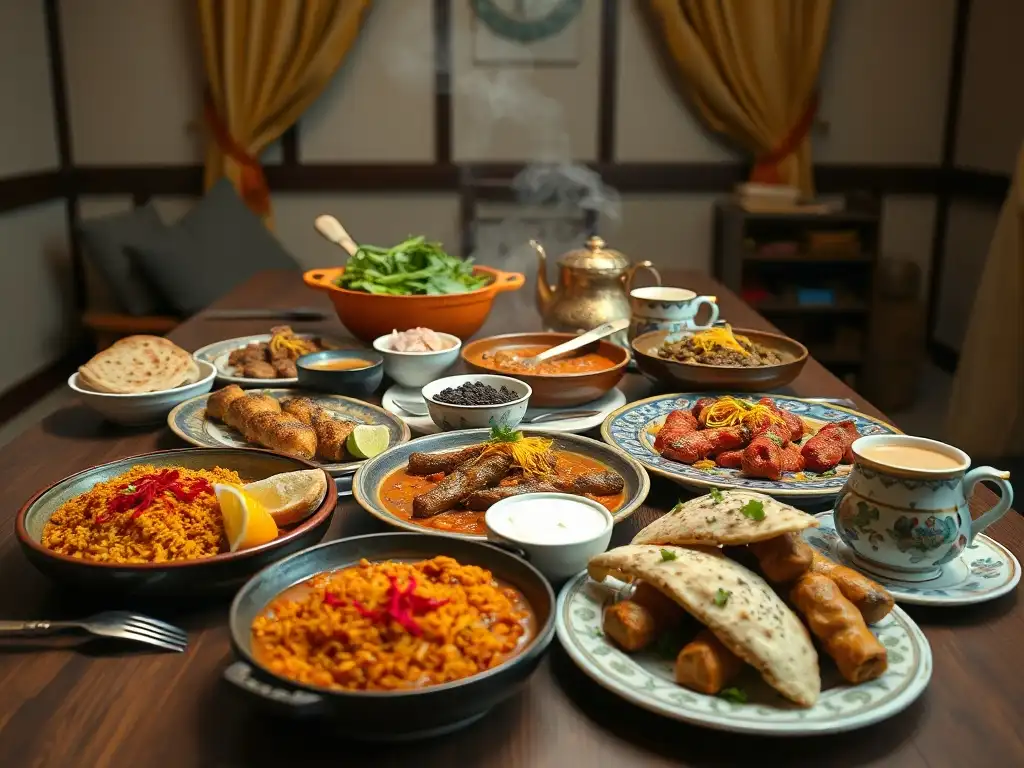
Welcome to Ancient India History, where we embark on a fascinating journey through time, unraveling the rich tapestry of India's diverse past. Our latest exploration, "IndianPersian Culinary Influences: A Taste of Historical Fusion," dives deep into the delectable world of Indian Persian culinary fusion, revealing how these two great civilizations intertwined to create a unique gastronomic heritage. As you navigate through the flavors and stories that shaped our culinary landscape, prepare to be captivated by the intricate interactions that brought forth this delicious blend. Join us in discovering how history can be tasted and savored!
-
Indian Persian Culinary Fusion: A Taste of Historical Fusion
- Introduction to Indian Persian Culinary Fusion
- Historical Background of Indian-Persian Interactions
- Key Ingredients in Indian Persian Culinary Fusion
- Signature Dishes Representing Indian Persian Culinary Fusion
- Techniques and Cooking Methods in Indian Persian Cuisine
- Cultural Significance of Indian Persian Culinary Fusion
- Modern-Day Indian Persian Culinary Fusion
- Conclusion: The Lasting Legacy of Indian Persian Culinary Fusion
- References to Explore Further
-
Frequently Asked Questions
- What is the significance of Indian Persian culinary fusion?
- How did the Indus Valley civilization contribute to culinary practices?
- What role did the Gupta Empire play in the evolution of Indian cuisine?
- Can you name some popular dishes that showcase this fusion?
- How does modern cuisine reflect the historical influences of Indian and Persian cooking?
- Final Reflection: Celebrating the Richness of Indian-Persian Culinary Fusion
- Explore the Rich Tapestry of Flavors!
Indian Persian Culinary Fusion: A Taste of Historical Fusion
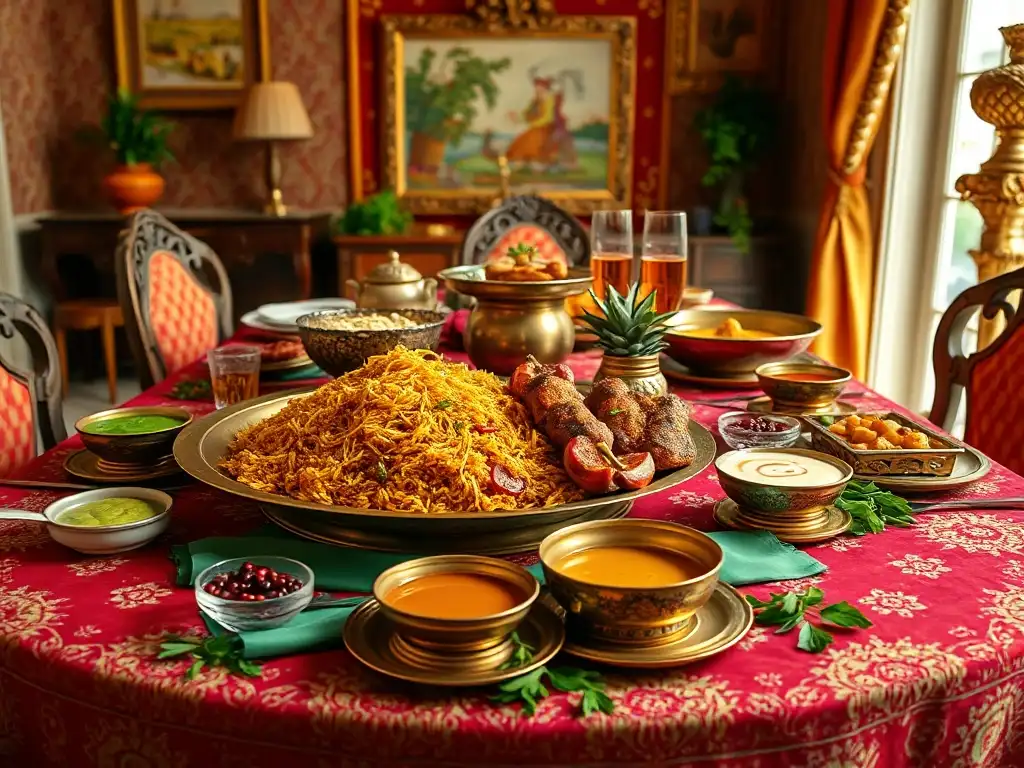
The culinary landscape of ancient India and Persia is a fascinating tapestry woven through centuries of interaction, trade, and cultural exchange. The concept of Indian Persian culinary fusion encapsulates not just the blending of flavors but also the rich historical narratives that shaped these two great civilizations.
This article delves into the intricate relationships that have influenced culinary practices across borders, highlighting how the migration of people, ideas, and ingredients created a unique gastronomic identity that resonates to this day. By exploring the historical context, we can better appreciate how food serves as a medium of cultural expression and connection between these two vibrant cultures.
Introduction to Indian Persian Culinary Fusion
Overview of Indian and Persian Culinary Traditions
The culinary traditions of India and Persia are as diverse as the regions themselves. Indian cuisine is characterized by its use of spices, herbs, and a variety of cooking techniques, resulting in a myriad of flavors and textures. Staples like rice, lentils, and a wide array of vegetables form the backbone of many Indian meals, often accompanied by rich gravies and aromatic breads.
On the other hand, Persian cuisine is known for its delicate flavors, use of fragrant herbs, and the artful combination of sweet and savory elements. Dishes often feature rice as a staple, complemented by grilled meats, stews, and the exquisite use of saffron and dried fruits.
The fusion of these culinary traditions has led to the creation of unique dishes that reflect the shared history and cultural interactions between India and Persia.
Significance of Culinary Interactions in Historical Context
Culinary interactions between India and Persia are not merely about food; they symbolize historical exchanges that have shaped societies. These interactions highlight the importance of trade routes, migrations, and the exchange of ideas that have influenced not only culinary practices but also art, architecture, and language.
Food, in this context, serves as a lens through which we can understand the complexities of these interactions, revealing how cultural identities evolve and merge over time. The significance of these culinary fusions extends beyond the kitchen, offering insights into the sociopolitical dynamics of ancient times.
Historical Background of Indian-Persian Interactions
Early Contacts between India and Persia
The historical ties between India and Persia date back to ancient times, with evidence suggesting that contacts existed as early as the Indus Valley Civilization. Archaeological findings indicate trade links that facilitated the exchange of goods, including spices, textiles, and agricultural products.
As empires rose and fell, such as the Achaemenid Empire, Persian influences began to permeate Indian society, particularly in regions like the northwestern frontier. This early contact laid the groundwork for more profound interactions in subsequent centuries.
The Role of Trade in Culinary Exchange
Trade played a pivotal role in the culinary exchange between India and Persia. The Silk Road, along with maritime routes, was instrumental in the movement of spices, herbs, and cooking techniques. Notable trading hubs like Taxila and Ctesiphon acted as melting pots where merchants and travelers shared not just goods but also culinary secrets.
This exchange facilitated the introduction of Persian ingredients like saffron, pomegranate, and nuts into Indian kitchens, while Indian spices added depth and complexity to Persian dishes. The result was a culinary dialogue that enriched both cuisines.
Influence of Persian Empires on Indian Cuisine
The influence of Persian empires, particularly during the Mughal era, marked a significant turning point in Indian culinary history. The Mughals, with their rich culinary heritage, blended Persian cooking techniques with Indian flavors, giving rise to iconic dishes such as biryani and kebabs.
This period saw the introduction of elaborate feasts and a new appreciation for presentation and aesthetics in food, which continues to influence Indian culinary practices today. The fusion of these two rich cuisines not only transformed the dining experience but also reflected the cultural amalgamation that defined the era.
By exploring these facets of Indian Persian culinary fusion, we can appreciate the profound connections between these two historical civilizations and their lasting impact on modern gastronomy.
Key Ingredients in Indian Persian Culinary Fusion
The Indian Persian culinary fusion is a rich tapestry woven from the diverse ingredients and flavors that characterize both Indian and Persian cuisines. This fusion has evolved over centuries, resulting in a unique culinary heritage that showcases the best of both worlds. The key ingredients often reflect the agricultural bounty of the regions, climate, and cultural preferences, leading to a delightful mixture that tantalizes the palate.
Common Spices and Herbs
Central to both Indian and Persian cuisines are a variety of spices and herbs that enhance dishes with their aromatic qualities.
- Cumin: Widely used in both cuisines, cumin adds a warm, earthy flavor to dishes and is often found in spice blends.
- Coriander: The seeds and fresh leaves of coriander are staples, providing a citrus-like freshness to curries and salads alike.
- Turmeric: Known for its vibrant yellow color and health benefits, turmeric is a common ingredient in Indian dishes and has also found its way into some Persian preparations.
- Cardamom: This spice is celebrated for its sweet and floral notes, commonly used in both savory and sweet dishes across the two culinary traditions.
- Saffron: A luxurious spice integral to Persian cuisine, saffron is also used in various Indian dishes, particularly in biryanis and desserts, bringing a rich color and distinct flavor.
These spices not only enhance the taste but also contribute to the aromatic experience that defines Indian Persian cuisine.
Unique Ingredients from Persian Cuisine
Persian cuisine introduces several unique ingredients that complement Indian flavors beautifully:
- Pomegranate: Often used as a garnish or in sauces, pomegranate adds a sweet-tart flavor and vibrant color to dishes.
- Barberry: Known as zereshk, these tart berries are frequently incorporated into rice dishes, providing a unique burst of flavor.
- Rose Water: A fragrant ingredient used in desserts and beverages, rose water adds a delicate floral note that is cherished in both culinary traditions.
- Pistachios and Almonds: These nuts are often used in Persian sweets and rice dishes, adding texture and richness.
The incorporation of these ingredients allows for a deeper exploration of flavors that highlight the fusion of culinary practices.
The Evolution of Ingredients through Cultural Exchange
The exchange of ingredients between India and Persia can be traced back to ancient trade routes, where merchants and travelers shared their culinary knowledge.
- Spice Trade: The spice trade routes facilitated the movement of spices from India to Persia and vice versa, leading to the adaptation of local ingredients into each other’s cuisines.
- Mughal Influence: The Mughal Empire, with its Persian roots, played a significant role in blending these culinary traditions. During this period, Persian chefs introduced new cooking techniques and ingredients, which were embraced by Indian cooks.
- Regional Variations: As the culinary traditions mingled, regional variations emerged, adapting to local tastes and available ingredients. This evolution has led to a unique identity for dishes that are now staples in both cultures.
The continuous interaction and exchange of culinary practices have created a dynamic food landscape that is deeply appreciated today.
Signature Dishes Representing Indian Persian Culinary Fusion
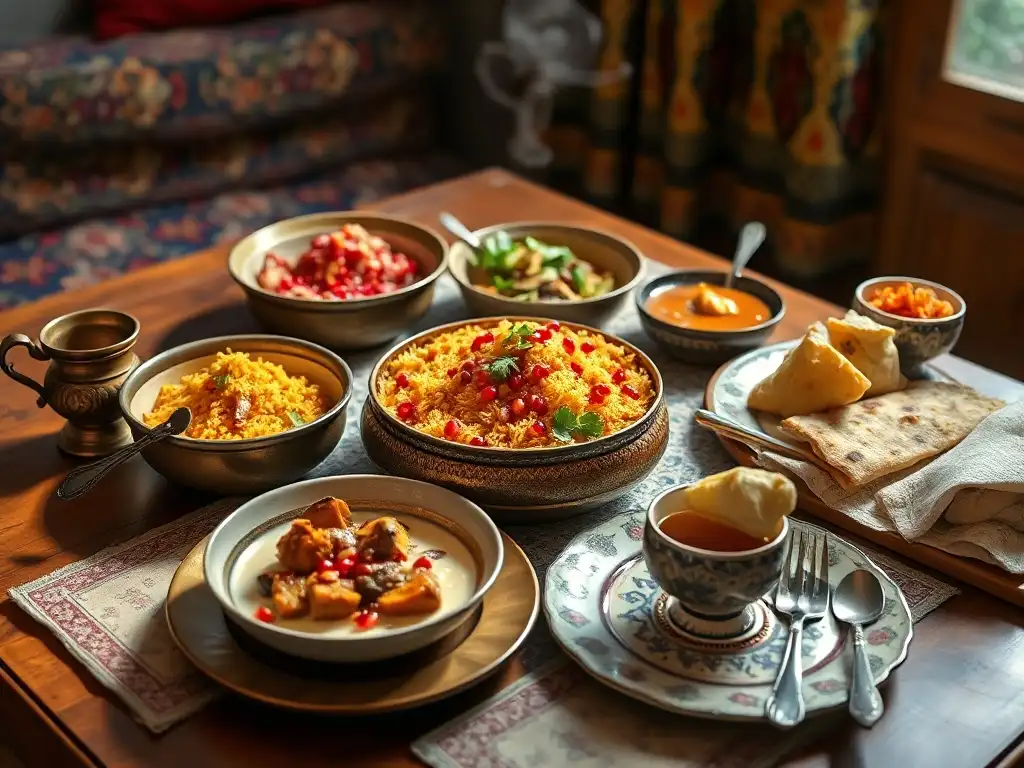
Several iconic dishes exemplify the delicious blend of Indian and Persian culinary traditions, showcasing the best of both worlds.
Biryani: The Iconic Fusion Dish
Biryani is perhaps the most celebrated dish that represents Indian Persian culinary fusion.
- Origins: This fragrant rice dish is believed to have been brought to India by Persian travelers and merchants. Over time, it evolved into various regional varieties, each with its unique twist.
- Ingredients: Biryani typically combines basmati rice, marinated meat (often chicken or lamb), and an exquisite blend of spices like saffron, cardamom, and cloves. The marriage of these flavors creates a dish that is both rich and aromatic.
- Cultural Significance: Biryani is not only a staple at festive occasions in India but also reflects the historical confluence of Indian and Persian culinary traditions.
Kebabs: A Culinary Legacy
Kebabs are another hallmark of Indian Persian culinary fusion, with a wide array of styles and flavors.
- Varieties: The range of kebabs—such as seekh, shami, and tandoori—showcases the grilling techniques borrowed from Persian cuisine, adapted to local ingredients and flavors.
- Marination and Spices: The marination process often includes yogurt and a plethora of spices, resulting in tender, flavorful meat that is a delight on the palate.
- Cultural Impact: Kebabs have become a popular street food in India, enjoyed by people from all walks of life, exemplifying the enduring legacy of this culinary fusion.
Sweets and Desserts: Merging Flavors
The dessert offerings in Indian Persian culinary fusion are an enchanting blend of flavors and textures.
- Gulab Jamun and Baklava: Both desserts feature rich sweetness, with gulab jamun being a deep-fried milk-based sweet soaked in sugar syrup, and baklava offering layers of flaky pastry, nuts, and honey.
- Ras Malai and Saffron Rice Pudding: Ras malai combines creamy cheese balls with sweetened milk, while saffron rice pudding takes inspiration from Persian desserts, highlighting the use of saffron as a flavoring agent.
- Cultural Celebrations: These sweets often feature prominently during festivals and celebrations, symbolizing joy and festivity in both cultures.
The fusion of Indian and Persian desserts not only preserves traditional recipes but also reflects the cultural intermingling that has occurred over centuries.
Techniques and Cooking Methods in Indian Persian Cuisine
The culinary landscape of Indian Persian fusion is a remarkable interplay of techniques and cooking methods that evolved over centuries of interaction between India and Persia. This fusion reflects the shared histories, trade routes, and cultural exchanges that have contributed to the rich tapestry of both cuisines. Understanding the techniques involved not only enhances our appreciation of these dishes but also reveals the intricate ways in which food can serve as a medium for cultural synthesis.
Traditional Cooking Techniques
Traditional cooking techniques in Indian Persian cuisine encompass a variety of methods that enhance the flavors and textures of the dishes. Key techniques include:
- Dum Cooking: This method, involving slow cooking in a sealed pot, is prevalent in both cuisines. It allows the ingredients to simmer in their own juices, resulting in rich, concentrated flavors. Dum biryani, for instance, is a classic dish that showcases this technique.
- Tandoor Baking: The use of the tandoor, a clay oven, is integral to both Indian and Persian cooking. This technique imparts a unique smoky flavor to meats and breads, such as naan and kebabs, making them staples in the culinary repertoire.
- Slow Simmering: Many Indian Persian dishes, particularly curries and stews, benefit from slow simmering, which allows spices to meld beautifully and create a deep, aromatic profile. This technique is often seen in dishes like korma and dhansak.
These traditional methods emphasize the importance of patience and precision in cooking, reflecting a shared culinary ethos that values depth of flavor and authenticity.
The Influence of Persian Cooking Methods on Indian Practices
The influence of Persian cooking methods on Indian culinary practices is evident in several distinctive ways. One of the most notable contributions is the use of saffron and dry fruits. Saffron, a prized Persian ingredient, found its way into Indian kitchens, enhancing the color and flavor of dishes like biryani and various sweets. Additionally, the incorporation of nuts and dried fruits—common in Persian cuisine—into Indian dishes like kheer and various pilafs showcases this cross-cultural exchange.
Another significant influence is the introduction of spice blends. Persian chefs often utilized a combination of spices to create complex flavors. This practice influenced Indian cuisine, leading to the development of regional spice mixes such as garam masala, which became essential in Indian cooking.
Furthermore, the Persian emphasis on presentation and garnishing is mirrored in Indian culinary practices. The art of plating and the use of fresh herbs for garnish have enhanced the visual appeal of Indian dishes, making them not only delicious but also aesthetically pleasing.
The Role of Royal Kitchens in Culinary Evolution
Royal kitchens played a pivotal role in the evolution of Indian Persian culinary fusion. During various historical periods, particularly under the Mughal Empire, royal chefs known as "khansamas" became instrumental in blending the culinary traditions of India and Persia. These kitchens served as melting pots of culture, where chefs experimented with flavors and techniques, resulting in the creation of iconic dishes.
For example, the Mughal emperors introduced elaborate feasts, where dishes like biryani, kebabs, and pulao became staples, showcasing a synthesis of Persian and Indian flavors. The luxury of royal kitchens allowed for the use of exotic ingredients and elaborate cooking techniques, which trickled down to the nobility and eventually to the general populace.
Moreover, the royal kitchens also became centers for culinary innovation, where new recipes were developed and documented. Cookbooks and manuscripts from this period reveal the intricate relationship between food and power, as culinary excellence was often seen as a reflection of a ruler's sophistication and cultural refinement.
Cultural Significance of Indian Persian Culinary Fusion
The cultural significance of Indian Persian culinary fusion extends beyond mere taste; it encapsulates a rich history of interactions between two great civilizations. This fusion has influenced not only the food itself but also the social and cultural fabric of the regions where these cuisines intersect.
The Impact on Festivals and Celebrations
Indian Persian culinary fusion has profoundly impacted festivals and celebrations across the Indian subcontinent. Dishes like biryani and kebabs have become integral to festivities such as Eid and Diwali, symbolizing unity and shared cultural heritage. At these celebrations, families often prepare elaborate meals that reflect the blending of traditions, emphasizing the importance of food in community bonding.
Moreover, sweets like gulab jamun and barfi, which incorporate Persian techniques and flavors, are often prepared during major festivals, showcasing the sweet aspect of this fusion. These culinary practices not only highlight the flavors but also reinforce social ties and cultural identities.
Culinary Influences in Literature and Art
The influence of Indian Persian culinary fusion extends into literature and art, where food often symbolizes cultural identity and social status. Historical texts and poetry frequently reference the sumptuous banquets of emperors, filled with dishes that epitomize the blend of Indian and Persian cuisines.
Artists have also depicted these culinary traditions through various forms, capturing the beauty and intricacies of food presentation. The portrayal of banquets in Mughal miniature paintings often highlights the lavish spread of food, showcasing the importance of culinary artistry in cultural expression.
Social Interactions through Food
Food has always served as a vehicle for social interaction, and Indian Persian culinary fusion exemplifies this idea. Shared meals, particularly in communal settings, foster relationships and build bridges between diverse communities. The act of sharing dishes like kebabs and biryani often transcends cultural barriers, allowing individuals to connect over a shared love of food.
Furthermore, the blending of culinary traditions has led to the emergence of new social customs, such as the hosting of elaborate dinner parties featuring a mix of Indian and Persian dishes. These gatherings not only celebrate the flavors of the two cuisines but also promote cultural dialogue and understanding, illustrating how food can be a powerful unifier in society.
Modern-Day Indian Persian Culinary Fusion
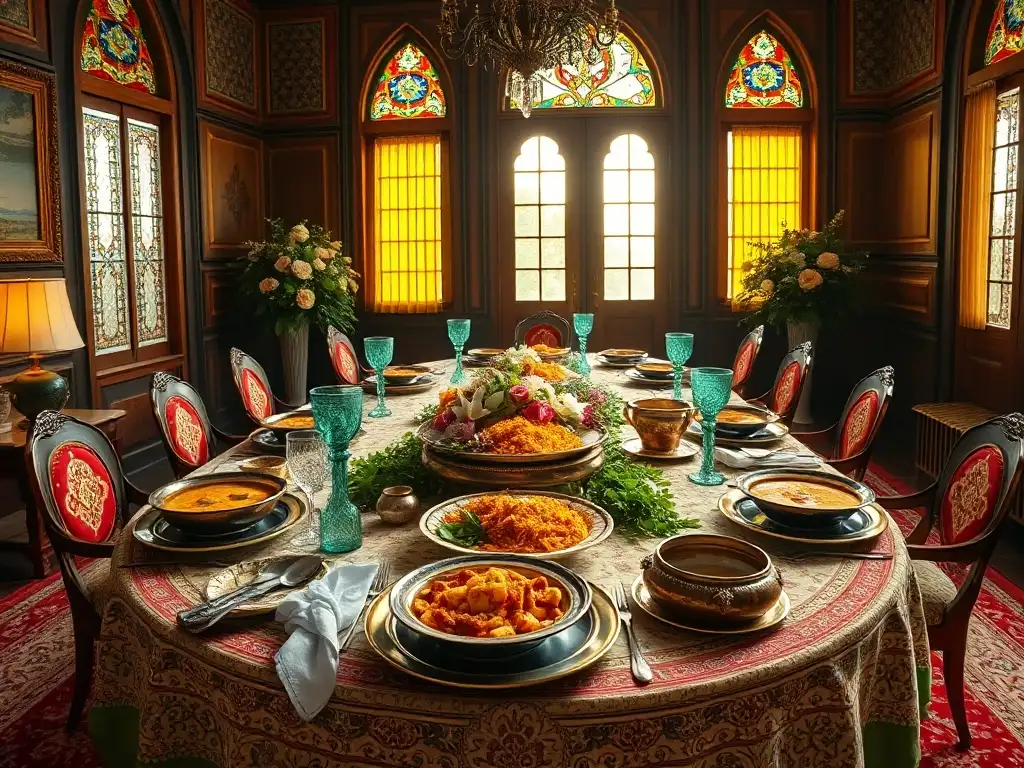
The legacy of Indian-Persian culinary fusion continues to thrive in contemporary kitchens across India and beyond. This culinary marriage not only reflects a shared history but also showcases how ancient influences can evolve into modern interpretations. Today, the fusion of Indian and Persian cuisines can be seen in various forms, with chefs and home cooks experimenting with flavors and techniques that embody this rich heritage.
Contemporary Dishes and Innovations
Modern Indian Persian dishes often blend traditional ingredients and cooking methods with innovative presentations and flavors. For instance:
- Biryani: While biryani is a staple of Indian cuisine, its origins can be traced back to Persian influences, particularly the use of saffron and dried fruits. Contemporary chefs have introduced variations that incorporate local spices and seasonal vegetables.
- Kebabs: The kebab, a popular dish across both cultures, has seen exciting innovations. Chefs now create unique versions using local meats and marinades, such as spicy paneer or tandoori chicken, often served with traditional Persian dips like mint chutney or yogurt sauces.
- Sweets: Desserts like Gulab Jamun have also been reimagined with Persian ingredients. For example, fusion desserts may include saffron-infused syrups or rosewater that reflect Persian traditions while maintaining their Indian roots.
These contemporary dishes not only celebrate the shared history of Indian and Persian cuisine but also highlight the creativity of modern culinary artists.
Fusion Restaurants and Culinary Trends
The rise of fusion cuisine has led to the establishment of numerous restaurants specializing in Indian Persian culinary fusion. These establishments often create dynamic menus that highlight the best of both worlds. Some notable trends include:
- Tasting Menus: Many fusion restaurants offer tasting menus that take diners through a journey of flavors, combining traditional Persian dishes like Fesenjan with Indian spices and cooking techniques.
- Street Food Inspiration: Street food culture has also embraced this fusion, with food trucks and stalls serving items like Pav Bhaji Kebabs—a combination of the popular Indian dish with Persian-inspired spices.
- Food Festivals: Culinary festivals celebrating Indian Persian fusion are becoming popular, showcasing the artistry of chefs dedicated to this unique culinary heritage and encouraging further exploration of these flavor combinations.
These trends reflect a growing appreciation for the historical connections between Indian and Persian cuisines, allowing diners to experience the flavors of this fusion in exciting new ways.
Preserving Traditional Recipes in Modern Context
As culinary fusion flourishes, there is also a concerted effort to preserve traditional recipes that have defined Indian Persian cuisine for centuries. Many chefs and home cooks are dedicated to maintaining the authenticity of these dishes while adapting them for modern palates. Some strategies include:
- Culinary Workshops: Workshops and cooking classes focused on traditional Indian Persian recipes are gaining popularity, allowing enthusiasts to learn the nuances of these time-honored dishes.
- Cookbooks and Blogs: A surge of cookbooks and food blogs dedicated to Indian Persian cuisine enables the documentation and dissemination of traditional recipes, ensuring that these culinary treasures are not lost.
- Community Gatherings: Families and communities often come together to celebrate their heritage through food, making traditional dishes that have been passed down through generations, thereby fostering a sense of belonging and cultural identity.
By preserving these recipes, modern cooks honor the rich history of Indian Persian culinary fusion, ensuring that future generations can enjoy and appreciate this unique heritage.
Conclusion: The Lasting Legacy of Indian Persian Culinary Fusion
The culinary fusion between Indian and Persian traditions has resulted in a vibrant legacy that continues to influence modern cuisine. This fusion not only highlights the historical interactions between two great civilizations but also reflects the adaptability and creativity of their culinary practices.
Summary of Historical Influences
The historical influences of Indian Persian culinary fusion can be traced back to the Mughal Empire, where Persian cooks and flavors significantly impacted Indian cuisine. Ingredients such as saffron, dried fruits, and unique cooking techniques became integral to Indian culinary practices. This blending of flavors has created a rich tapestry of dishes that tell the story of cultural exchange and mutual influence.
The Importance of Culinary Heritage in Cultural Identity
Culinary heritage plays a vital role in shaping cultural identity. The fusion of Indian and Persian cuisines serves as a reminder of the interconnectedness of cultures and the importance of preserving traditions. Food is not just sustenance; it is a reflection of history, community, and identity. By celebrating the culinary fusion between these two cultures, we honor the past while paving the way for future innovations, ensuring that the legacy of Indian Persian culinary fusion remains alive and relevant in today's culinary landscape.
References to Explore Further
The culinary fusion between Indian and Persian cultures offers a fascinating glimpse into the rich tapestry of historical interactions. For those looking to delve deeper into this subject, a variety of resources are available that provide insightful perspectives on the shared culinary heritage. Below are some recommended readings and online resources that can enhance your understanding of Indian Persian culinary fusion.
Recommended Books and Articles on Indian Persian Cuisine
-
"The Mughal Feast: Recipes from the Kitchen of Emperor Shah Jahan" by Salma Husain
This book offers an in-depth look at the lavish feasts of the Mughal Empire, showcasing how Persian influences shaped Indian cuisine. It includes traditional recipes that reflect the synthesis of flavors.
-
"Culinary Cultures of India and Iran: Connections and Influences" by Anjali Mukherjee
Anjali Mukherjee explores the historical ties between Indian and Persian culinary practices, detailing the shared ingredients, techniques, and dishes that emerged from their interactions.
-
"The Spice Route: A History" by John Keay
While not exclusively focused on Indian-Persian cuisine, this book provides valuable context about the spice trade and its effect on the culinary practices of both cultures, illustrating how spices facilitated the fusion of flavors.
-
"Persian Food and Cooking: A Food Lover's Guide" by Ramin Ganeshram
This comprehensive guide includes various recipes that highlight Persian cooking, many of which have been adapted in Indian kitchens, showcasing the blend of culinary traditions.
-
"Flavors of the Silk Road: A Culinary Journey Through Central Asia" by Nargis Khamitova
This book examines the broader context of culinary exchanges along the Silk Road, including the significant impact of Persian cuisine on Indian food culture.
Online Resources for Indian Persian Culinary Recipes
-
The Spice Route
An online platform dedicated to exploring culinary traditions, featuring a collection of Indian Persian recipes, articles discussing historical influences, and cooking techniques that highlight their fusion.
-
Culinary Heritage of India
This website offers a range of recipes that showcase the melding of Indian and Persian cuisines, complete with step-by-step instructions and historical notes on each dish.
-
Food52
A vibrant community where food enthusiasts share recipes, including a section dedicated to Indian Persian fusion dishes, providing a modern twist on traditional flavors.
-
YouTube Channels
Channels like "Nisha Madhulika" and "Kunal Kapur" often feature recipes that reflect Indian Persian influences. Their tutorials provide visual guidance on preparing a variety of dishes that exemplify this culinary fusion.
-
Blogs on Indian Cuisine
Numerous food bloggers focus on Indian Persian culinary fusion, offering personal anecdotes, recipes, and cooking tips. Blogs like "My Diverse Kitchen" or "Indian Simmer" can be great sources for home cooks looking to explore this rich culinary tradition.
Through these resources, readers can not only enhance their culinary skills but also gain a deeper appreciation for the historical and cultural connections that shape Indian Persian cuisine today.
Frequently Asked Questions
What is the significance of Indian Persian culinary fusion?
The Indian Persian culinary fusion represents a blend of cooking techniques and flavors from both cultures, showcasing how historical interactions influenced the development of diverse cuisines in the region.
How did the Indus Valley civilization contribute to culinary practices?
The Indus Valley civilization is known for its advanced agriculture and trade, which laid the foundation for culinary variety and the use of spices, influencing future Indian and Persian cuisines.
What role did the Gupta Empire play in the evolution of Indian cuisine?
During the Gupta Empire, there was a significant cultural and culinary exchange that enriched Indian cuisine, integrating Persian flavors and techniques into traditional recipes.
Can you name some popular dishes that showcase this fusion?
Dishes like biryani and kebabs exemplify the Indian Persian culinary fusion, combining spices, marinating techniques, and cooking styles from both traditions.
How does modern cuisine reflect the historical influences of Indian and Persian cooking?
Modern cuisine often features a variety of dishes that marry Indian spices with Persian ingredients, highlighting the rich history of cultural exchange and culinary innovation.
Final Reflection: Celebrating the Richness of Indian-Persian Culinary Fusion
The intricate dance of flavors between Indian and Persian cuisines is not just a historical curiosity; it is a vibrant testament to the enduring power of cultural exchange. Today, as we navigate an increasingly globalized world, the fusion of these two culinary traditions serves as a reminder of our shared heritage and the beauty of diversity. The melding of spices, techniques, and ingredients from both cultures creates a tapestry of tastes that continues to captivate palates and inspire chefs around the globe.
Culinary fusion has always been a reflection of societal connections, and the Indian-Persian relationship is no exception. This blend has not only enriched our dining experiences but has also fostered a deeper understanding of each other’s cultures. Food is the ingredient that binds us together.
This quote resonates profoundly as we explore how the shared history of these two regions has led to a unique gastronomic identity that transcends borders and celebrates unity in diversity. The influence of Indian-Persian culinary fusion can be seen in contemporary dishes that pay homage to their roots while innovating for modern tastes, showcasing the dynamic nature of cultural evolution.
As we savor the flavors of Indian-Persian culinary fusion, I invite you to reflect on your own culinary journeys. Consider how the food you enjoy can serve as a bridge to understanding different cultures and histories. Embrace the opportunity to explore new recipes, share meals with friends from diverse backgrounds, and create your own fusion dishes that honor this rich heritage.
By doing so, you not only enrich your own life but also contribute to a greater appreciation of the interconnectedness of our global community. Let us celebrate the flavors that unite us and continue to explore the delicious possibilities that lie ahead.
Explore the Rich Tapestry of Flavors!
Thank you for diving into the world of Indian-Persian culinary influences with us! We hope you found inspiration in the delicious fusion that has shaped a unique gastronomic heritage. Now, it's time to take your culinary journey to the next level!
Here are some exciting steps you can take right now:
- Try your hand at a traditional recipe! Choose a dish that embodies the fusion of Indian and Persian flavors, and gather the necessary ingredients. Rediscover the rich tastes that unite these two incredible cultures in your kitchen.
- Share your culinary creations. Capture a photo of your dish and post it on social media using the hashtag #CulinaryFusion. Invite friends to join you in exploring this delightful blend of tastes.
- Join a local cooking class or workshop. Look for events that focus on Indian or Persian cuisines. Immerse yourself in the techniques and secrets of these rich culinary traditions.
What unique fusion dish will you create to pay homage to this historical relationship? We would love to hear about your creations in the comments below!