
The Interconnection Between Religion and Education in Ancient Indian Civilizations

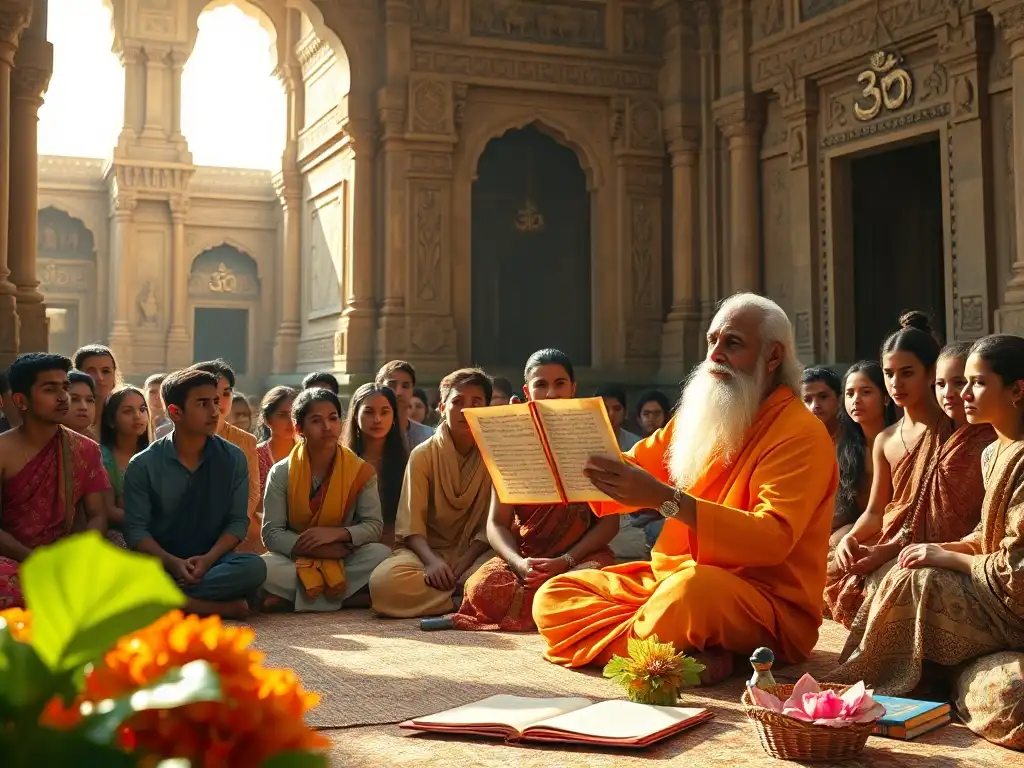
Welcome to Ancient India History, where we delve into the rich tapestry of the past and uncover the remarkable stories of ancient Indian civilizations. In our featured article, "The Interconnection Between Religion and Education in Ancient Indian Civilizations," we explore how spiritual beliefs and educational practices intertwined, shaping the intellectual and cultural landscape of the time.
Prepare to embark on a journey through time and thought, as we reveal the profound impact of religion on education and how these elements together fostered a legacy that still resonates today. Join us as we uncover the layers of knowledge and tradition that defined an era—your exploration begins now!
- Introduction to Religion and Education in Ancient India
- The Role of Religion in Ancient Indian Education
- Major Religions and Their Impact on Education
- Religious Institutions as Educational Centers
- The Interrelation Between Cultural Practices and Educational Methods
- Conclusion: Legacy of Religion and Education in Ancient India
-
Frequently Asked Questions
- What role did religion play in education in ancient India?
- How did the caste system influence education in ancient India?
- What were the major educational institutions in ancient India?
- How did ancient Indian civilizations contribute to global education?
- What was the impact of religious texts on ancient Indian education?
- Final Reflection: The Enduring Legacy of Religion and Education in Ancient India
- Unlock the Wisdom of Ancient Education!
Introduction to Religion and Education in Ancient India
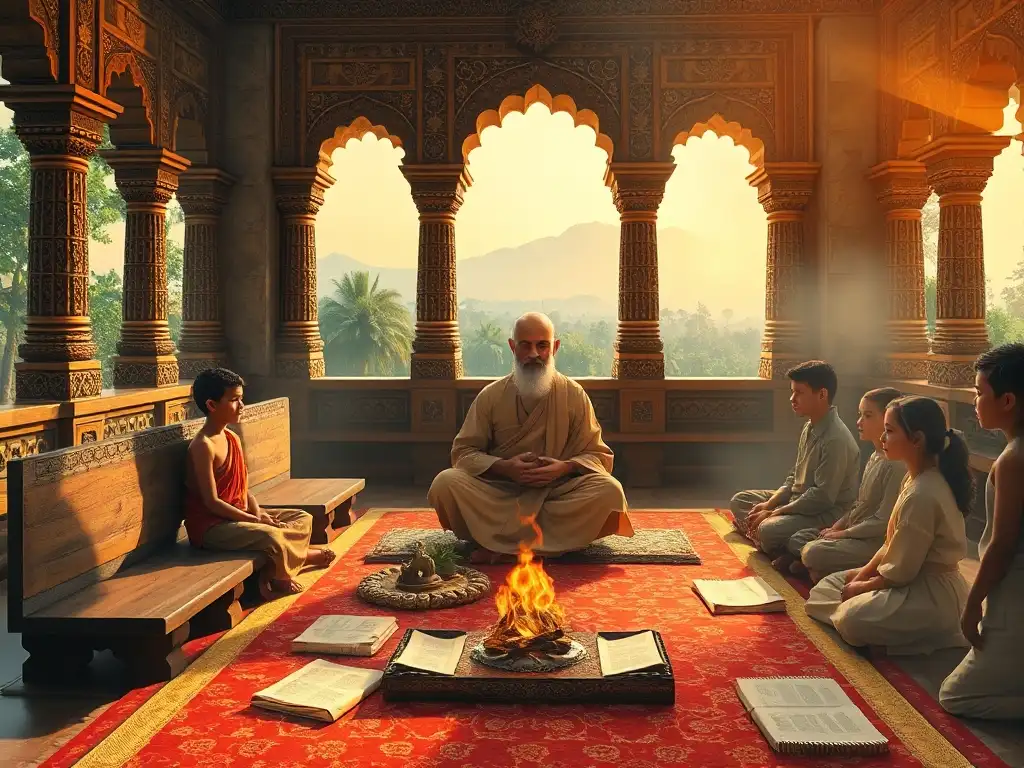
The intricate relationship between religion and education in ancient India is a fascinating subject that reveals the profound impact of spiritual beliefs on learning and knowledge dissemination. From the early days of the Indus Valley Civilization to the flourishing cultures of the Gupta Empire, educational practices were deeply intertwined with religious principles and ideologies.
This article delves into the multifaceted roles that religion played in shaping educational systems, curricula, and philosophies in ancient Indian civilizations. By exploring how sacred texts, rituals, and religious institutions influenced education, we can gain a deeper understanding of how these elements contributed to the rich tapestry of ancient Indian society.
Overview of Ancient Indian Civilizations
Ancient India was home to several remarkable civilizations, each contributing uniquely to the development of education and religious thought. The progression can be broadly categorized into the following periods:
- Indus Valley Civilization (c. 3300 – 1300 BCE): Known for its advanced urban planning and trade systems, this civilization laid the groundwork for later religious and educational developments.
- Vedic Period (c. 1500 – 500 BCE): The arrival of the Indo-Aryans marked a significant shift, with the Vedas becoming central texts guiding both spiritual and educational practices. Education during this time was primarily oral, focusing on memorization and recitation.
- Maurya Empire (c. 322 – 185 BCE): Under leaders like Ashoka, the spread of Buddhism influenced educational philosophies, promoting a more inclusive approach to learning.
- Gupta Empire (c. 320 – 550 CE): Often referred to as the Golden Age of India, this period saw remarkable advancements in sciences, mathematics, and the arts, all supported by religious patronage.
Throughout these periods, education was largely conducted in Gurukuls, where students learned under the guidance of a guru, emphasizing the importance of mentorship and spiritual growth alongside academic knowledge.
Significance of Religion in Educational Systems
Religion served as the bedrock of education in ancient India, influencing various aspects of teaching and learning:
- Curriculum Development:
- Sacred Texts: The Vedas, Upanishads, and later Buddhist scriptures formed the core of educational content, teaching students about ethics, philosophy, and the universe.
- Moral and Ethical Instruction: Education focused on instilling virtues such as truthfulness, non-violence, and respect for all living beings, guided by religious teachings.
- Institutional Framework:
- Temples and Monasteries: These served dual roles as places of worship and centers of learning, where students could pursue various disciplines, including philosophy, astronomy, and medicine.
- Brahmanical Education Systems: Exclusive to the Brahmin caste initially, this system evolved to include diverse social groups, showcasing the changing dynamics of religion and education.
- Rituals and Practices:
- Ceremonial Learning: Rituals accompanied educational milestones, such as the sacred thread ceremony (upanayana), marking a boy's initiation into formal education, emphasizing the spiritual aspects of learning.
The interplay between religion and education in ancient India was not merely about acquiring knowledge; it was about fostering a holistic understanding of the self and the universe through a lens of spirituality. This enduring legacy continues to influence modern educational practices and philosophical thought in contemporary India.
The Role of Religion in Ancient Indian Education
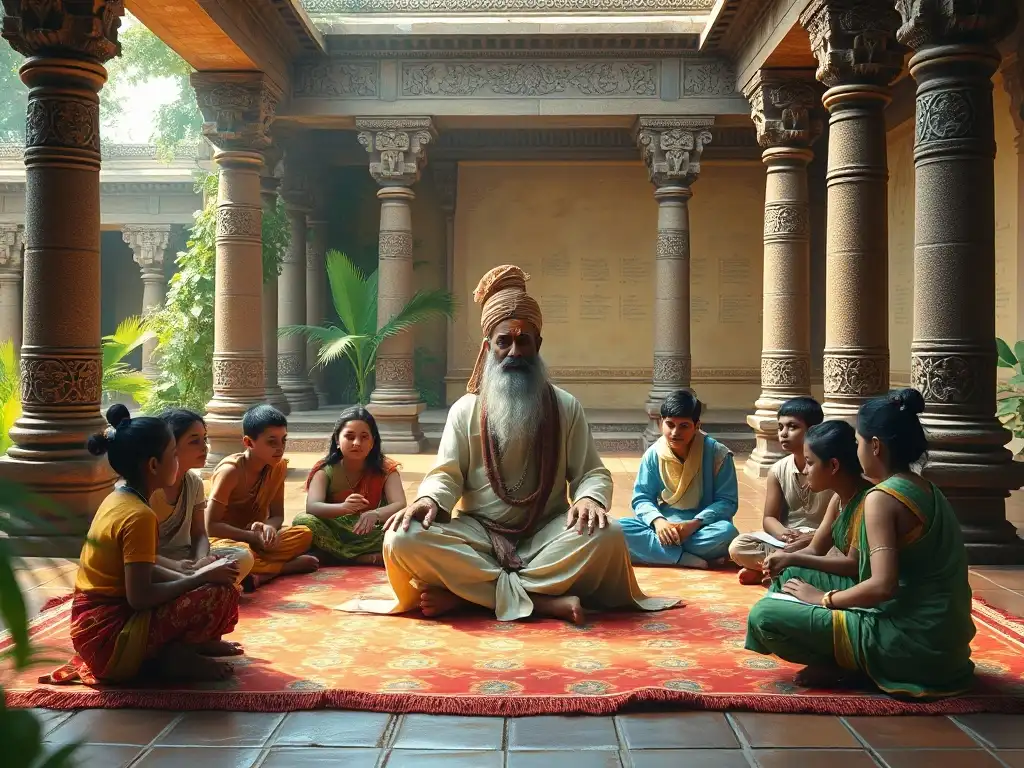
Religion played a pivotal role in shaping the educational landscape of ancient India. It served not only as a spiritual guide but also as a framework through which knowledge was transmitted. The intertwining of religion and education in ancient Indian civilizations created a unique system where learning was deeply rooted in spiritual and moral values. Educational practices were largely influenced by the prevailing religious beliefs, which emphasized the importance of knowledge for spiritual growth.
Spiritual Foundations of Learning
In ancient India, the pursuit of knowledge was considered a sacred duty. Education was not merely an intellectual endeavor but also a spiritual journey aimed at self-realization and understanding the cosmos. The idea of Dharma, or righteous living, was central to this educational philosophy. Learning was seen as a means to attain higher consciousness and align oneself with divine principles.
- Religious Rituals: Education often commenced with rituals that invoked blessings from deities. These rituals underscored the belief that knowledge was a divine gift.
- Moral and Ethical Teaching: The curriculum included teachings on ethics and morality, derived from religious texts. Students were taught to uphold values such as truth, non-violence, and compassion.
- Connection to the Cosmos: The ancient Indian worldview saw a deep connection between the individual, society, and the universe. Education was designed to promote understanding of this interconnectedness, encouraging students to seek harmony within themselves and with the world around them.
The Influence of Religious Texts on Curriculum
Religious texts served as primary sources of knowledge in ancient Indian education. The Vedas, Upanishads, and later texts like the Bhagavad Gita provided not only spiritual guidance but also insights into various fields of study, including philosophy, mathematics, and astronomy.
- Vedic Literature: The Vedas were foundational texts that shaped the educational curriculum. They contained hymns, rituals, and philosophical discourses that students memorized and interpreted.
- Philosophical Inquiry: The Upanishads encouraged critical thinking and philosophical inquiry, prompting students to explore existential questions about life, the self, and the ultimate reality.
- Integration of Sciences: Religious texts also encompassed knowledge of astronomy, medicine, and mathematics, showcasing a holistic approach to education that combined spiritual and empirical learning.
Gurukula System: A Blend of Religion and Education
The Gurukula system epitomized the seamless integration of religion and education in ancient India. This system of informal education was typically conducted in a residential setting where students, or shishyas, lived with their teacher, or guru, often in a natural environment.
- Personalized Learning: The close relationship between guru and shishya allowed for personalized instruction that catered to individual learning styles and spiritual needs.
- Curriculum Focus: The curriculum in Gurukulas included a wide array of subjects, including Shastras (scriptures), music, arts, and physical education, all taught within a religious context that emphasized moral values.
- Rituals and Disciplines: Daily life in a Gurukula involved rituals and disciplines that reinforced the connection between learning and spirituality. Activities such as meditation, chanting, and performing rituals were integral to the educational experience.
The interplay between religion and education in ancient India fostered a rich and diverse intellectual tradition. This unique blend not only facilitated the transmission of knowledge but also ensured the cultivation of ethical and spiritual values that were essential for personal and societal development. The legacy of this integrated approach continues to influence modern educational philosophies in the region.
Major Religions and Their Impact on Education
Hinduism and Educational Practices
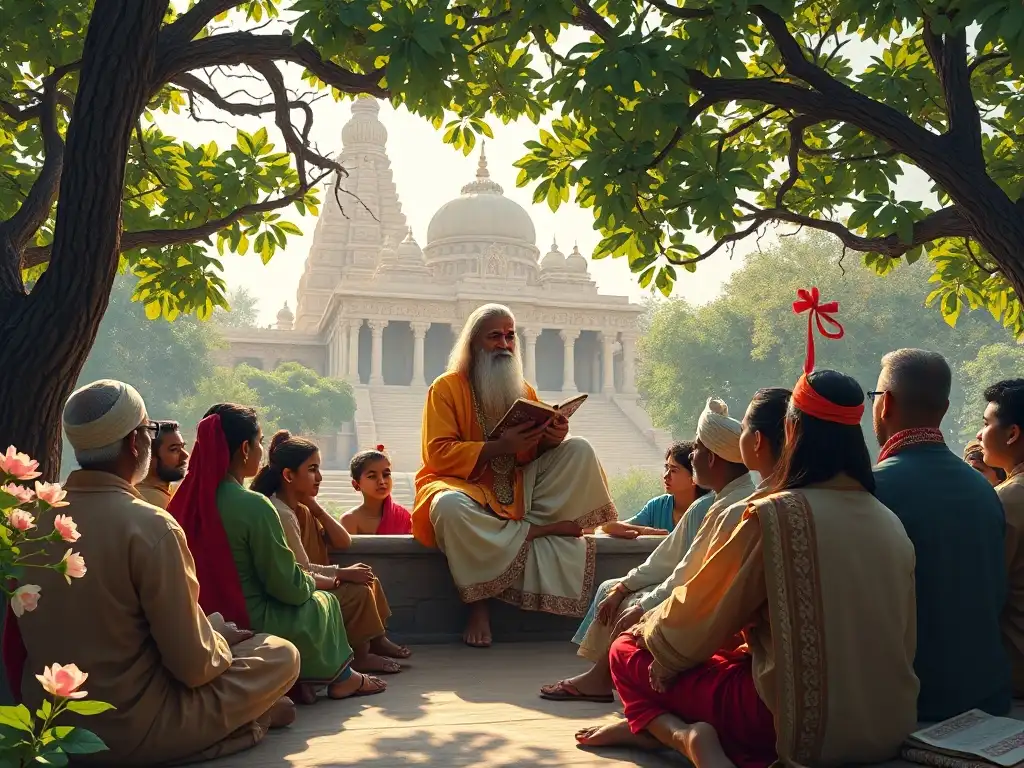
Hinduism has played a crucial role in shaping educational practices in ancient India. The intertwining of religion and education is evident in various aspects of Hindu culture, where learning was often associated with spiritual growth, moral values, and societal responsibilities.
Vedic Education and Ritualistic Learning
The foundation of education in ancient India can be traced back to the Vedic period (approximately 1500-500 BCE). Vedic education was primarily oral, with a strong emphasis on ritualistic learning. Students, known as shishyas, would live with their teachers, or gurus, in a system known as Gurukul. This immersive environment fostered not only academic learning but also the spiritual and ethical dimensions of education.
The curriculum included the study of the Vedas, which encompassed various subjects such as philosophy, mathematics, astronomy, and medicine. The learning process was deeply rooted in memorization and recitation of texts, with an emphasis on understanding the underlying principles of life and the universe.
Key components of Vedic education included:
- Rituals and Sacrifices: Understanding the significance of rituals and their role in maintaining cosmic order.
- Philosophical Discussions: Engaging in dialogues about concepts like dharma (duty), karma (action), and moksha (liberation).
- Practical Skills: Acquiring skills related to agriculture, trade, and craftsmanship, often linked with the spiritual practices of the time.
The Role of Brahmins in Education
Brahmins, the priestly class of Hindu society, were the primary educators and custodians of knowledge during ancient times. Their influence on education was profound, as they were responsible for transmitting sacred texts and oral traditions.
The educational system was predominantly hierarchical, with Brahmins imparting knowledge primarily to the upper castes. This exclusivity created a divide in access to education, but it also ensured the preservation of religious texts and philosophies.
Brahmins contributed to education in several ways:
- Textual Preservation: They meticulously preserved and annotated sacred texts, ensuring continuity and consistency in religious teachings.
- Teaching Methodologies: Their methods included tarka (logic) and anumana (inference), which encouraged critical thinking and analysis.
- Cultural Transmission: Brahmins facilitated the exchange of ideas through discussions, ensuring that education was not merely about rote learning but also about engaging with complex philosophical concepts.
Buddhism's Contribution to Educational Systems
Buddhism emerged in the 6th century BCE, offering a different paradigm of education that emphasized accessibility and practical learning. It advocated for the dissemination of knowledge to all, regardless of caste or social standing, which marked a significant shift from the previous educational practices associated with Hinduism.
Monastic Education and Its Influence
Buddhist monasticism introduced a new educational framework through the establishment of monastic universities. These institutions served as centers for learning, where monks and laypeople could study various subjects, including philosophy, medicine, and the sciences.
The monastic education system was characterized by:
- Inclusivity: Education was open to all, promoting equality and the idea that knowledge should not be confined to a select few.
- Practical Learning: Emphasis on practical skills, such as medicine and agriculture, which were relevant to society's needs.
- Community Engagement: Monasteries often served as community centers, fostering social cohesion and cultural exchange.
Spread of Educational Institutions like Nalanda
One of the most renowned centers of learning in ancient India was Nalanda University, established in the 5th century CE. It became a pivotal institution for the study of Buddhism and attracted scholars from various regions, including China, Korea, and Tibet.
Nalanda's contributions to education included:
- Diverse Curriculum: Offering courses in multiple disciplines, such as astronomy, mathematics, linguistics, and philosophy.
- International Collaboration: Facilitating cross-cultural exchanges, which enriched the academic environment and promoted the diffusion of knowledge.
- Legacy of Scholarship: Producing notable scholars like Xuanzang, who traveled to India to seek knowledge, thereby contributing to the global understanding of Buddhism and Indian educational practices.
The interplay between religion and education in ancient India was complex and multifaceted. Hinduism provided a structured, ritualistic approach to learning, while Buddhism introduced an egalitarian ethos that expanded access to education. Together, these religious traditions laid the groundwork for a rich educational heritage that continues to influence modern educational systems.
Jainism and Its Educational Philosophy
Jainism, one of the oldest religions in India, has profoundly influenced the educational landscape of ancient Indian civilization. Its core principles, which emphasize non-violence (ahimsa), truth (satya), and asceticism, have shaped a unique educational philosophy that prioritizes moral and ethical development alongside intellectual growth. The Jain educational system sought to cultivate not only knowledge but also character, promoting a holistic approach to learning.
In Jainism, education was often intertwined with spiritual practice. Monastic orders played a crucial role in imparting education, where monks and nuns taught disciples about scripture, philosophy, and moral conduct. The curriculum included the study of the Tattvartha Sutra and other sacred texts, which laid the groundwork for understanding the nature of reality and the path to liberation (moksha). This religious education was not limited to theoretical knowledge; it also encompassed practical applications, encouraging students to embody Jain values in their daily lives.
Furthermore, Jainism's emphasis on dialogue and debate fostered a culture of critical thinking. Educational institutions, known as "Gachchhas," provided platforms for discussions on ethics, metaphysics, and logic, allowing students to explore diverse viewpoints. This method of learning not only enriched the intellectual environment but also promoted respect for differing opinions, a crucial aspect of Jain philosophy.
Ethical Teachings and Learning Environments
The ethical teachings of Jainism significantly influenced the learning environments established by its followers. Central to Jain education is the principle of ahimsa, which not only pertains to non-violence in actions but also extends to speech and thought. This ethical framework cultivated a nurturing and peaceful atmosphere conducive to learning. Students were encouraged to engage in self-reflection and develop compassion towards all living beings, fostering an environment of mutual respect and understanding.
In practical terms, Jain educational institutions often adhered to strict codes of conduct that reflected these ethical teachings. For example, the practice of vegetarianism was emphasized, as it aligned with the principle of non-violence. Classrooms were designed to be serene spaces, free from distractions and disruptions, allowing students to focus on their studies. Meditation and mindfulness practices were integral parts of the curriculum, further enhancing students' ability to concentrate and engage with the material deeply.
Moreover, the learning environments in Jainism were inclusive, with education provided to all, irrespective of caste or gender. This progressive stance contributed to a broader dissemination of knowledge among different segments of society. By fostering a sense of community and shared values, Jain educational practices not only aimed at individual enlightenment but also sought to uplift society as a whole.
Jainism's educational philosophy and ethical teachings established a framework that intertwined personal development with academic pursuits. This holistic approach to education laid the foundation for future educational practices in ancient India, emphasizing the importance of morality, critical thinking, and inclusivity in the learning process.
Religious Institutions as Educational Centers
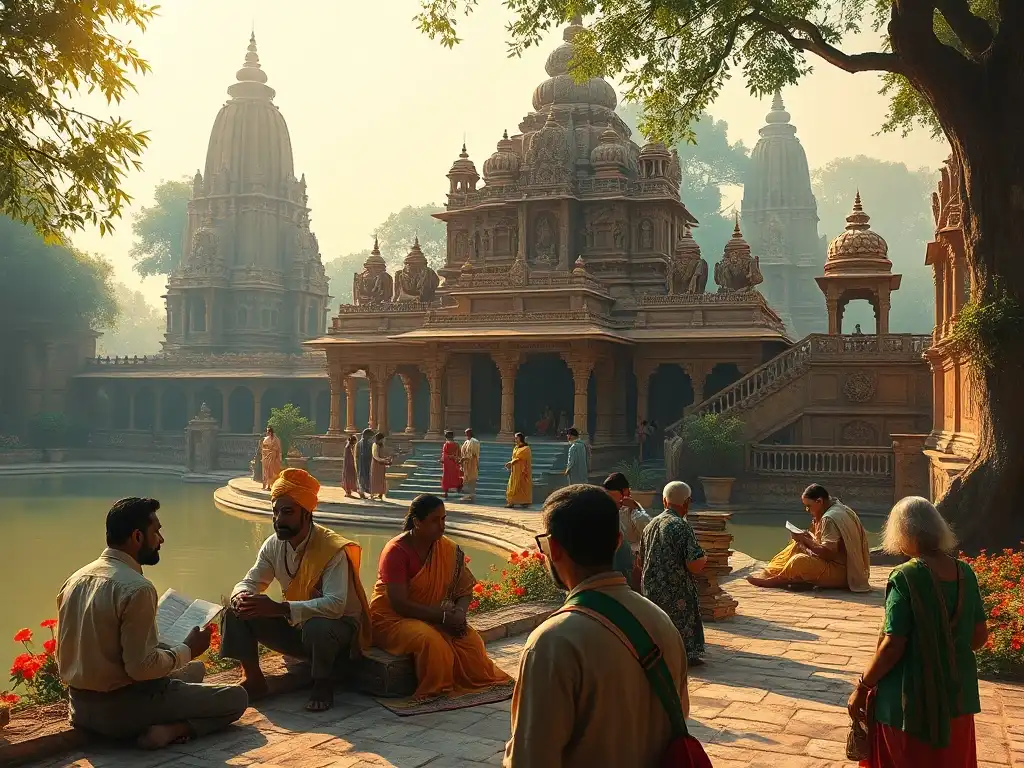
In ancient India, religious institutions played a pivotal role in shaping educational practices and promoting the dissemination of knowledge. These institutions, primarily temples and monasteries, served not only as places of worship but also as centers for learning and intellectual development. The interconnection between religion and education in ancient India is a fascinating subject that highlights how spiritual beliefs influenced educational curricula and methodologies.
Temples as Learning Hubs
Temples in ancient India were more than mere places of worship; they functioned as vibrant centers of learning. Many temples housed scholars and sages who imparted knowledge in various fields, including philosophy, mathematics, astronomy, and literature. The relationship between religion and education was evident in the way these temples fostered an atmosphere conducive to learning.
- Curriculum and Subjects:
- The subjects taught in temples often had strong ties to religious texts. Students studied the Vedas, Upanishads, and other scriptures, which formed the foundation of their education.
- Practical subjects such as architecture and music were also taught, reflecting the holistic approach of education in temples.
- Teaching Methods:
- Oral transmission of knowledge was a common practice, with teachers (often priests) engaging students in discussions and debates.
- Rituals and ceremonies were integrated into the learning process, emphasizing the spiritual significance of education.
- Inclusivity and Accessibility:
- Temples often welcomed students from various backgrounds, promoting inclusivity in education.
- Festivals and public gatherings at temples provided opportunities for communal learning and cultural exchange.
The temple was not just a religious space; it was a crucible of learning and enlightenment.
Monasteries and Their Role in Knowledge Transmission
Monasteries, particularly those associated with Buddhism and Jainism, were instrumental in the preservation and transmission of knowledge in ancient India. They served as dedicated educational institutions, fostering intellectual growth and scholarly pursuits.
- Focus on Scholarly Pursuits:
- Monasteries housed extensive libraries containing a wealth of manuscripts and texts, making them vital repositories of knowledge.
- The Nalanda University, for instance, emerged as a prominent center of learning, attracting students from across Asia and offering courses in various disciplines.
- Training and Discipline:
- Monastic education emphasized discipline and a rigorous study routine. Students underwent comprehensive training in philosophy, logic, and ethics.
- The monastic lifestyle encouraged a deep commitment to learning, often involving meditation and reflection as essential components of education.
- Cultural Exchange:
- Monasteries were also hubs of cultural exchange, attracting scholars from different regions and backgrounds.
- This facilitated the spread of ideas and knowledge beyond the Indian subcontinent, influencing educational systems in neighboring countries.
Religious institutions such as temples and monasteries played a crucial role in the educational landscape of ancient India. They not only provided a robust framework for learning but also highlighted the deep interconnection between religion and education, shaping the intellectual heritage of the civilization. The legacy of these institutions continues to influence educational practices today, emphasizing the importance of holistic development and the pursuit of knowledge.
The Interrelation Between Cultural Practices and Educational Methods
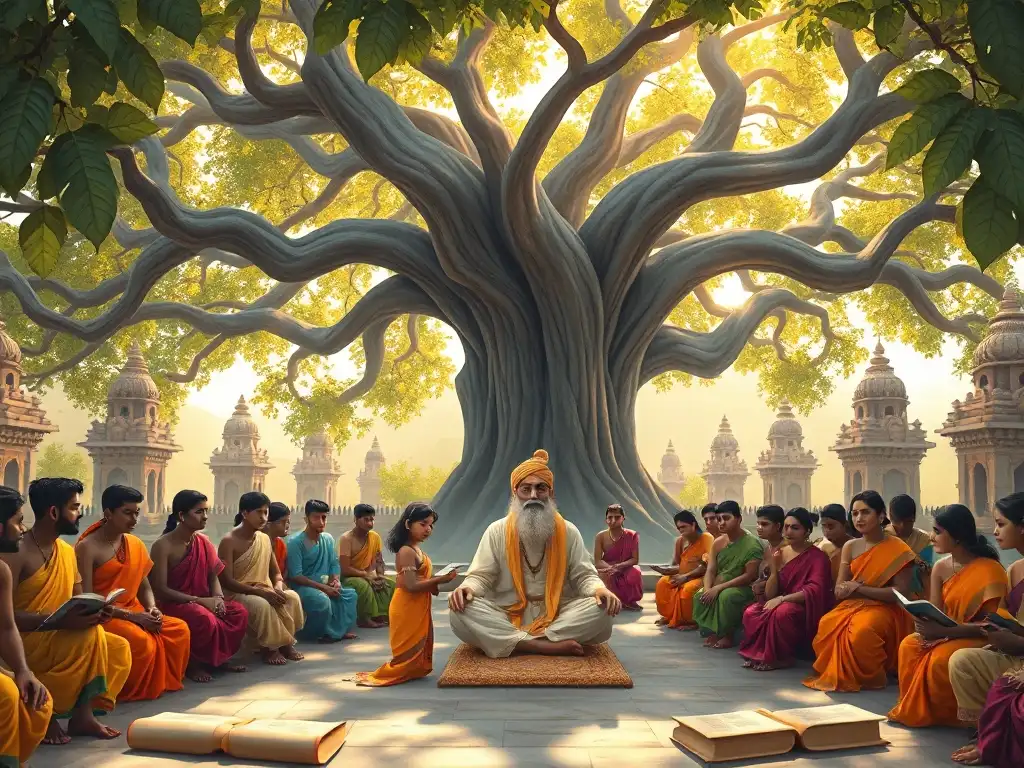
The interplay between cultural practices and educational methods in ancient Indian civilizations was profound, particularly in how religion shaped educational paradigms. In ancient India, education was not merely a means of acquiring knowledge; it was intricately connected with religious beliefs, practices, and societal norms. This relationship was evident in various aspects of life, including festivals, arts, and literature, which served as vehicles for imparting religious values and teachings.
Festivals and Their Educational Significance
Festivals in ancient India were not only occasions for celebration but also served significant educational purposes. They provided opportunities for imparting moral values, social responsibilities, and cultural heritage through various activities.
- Cultural Transmission: Festivals such as Diwali and Makar Sankranti acted as platforms for passing down traditions and rituals. Through storytelling and communal participation, children learned about their history, mythology, and the importance of their cultural identity.
- Religious Instruction: Significant religious festivals, like Holi and Navaratri, often included specific rituals that educated individuals about religious texts and philosophies. For instance, during Navaratri, the recitation of the Durga Saptashati not only celebrated the goddess Durga but also educated participants about her virtues, tales, and the broader spiritual concepts in Hinduism.
- Community Learning: Festivals fostered a sense of community, where different generations came together. Elders would share wisdom and teachings that reinforced ethical and moral lessons, creating a communal bond through shared knowledge.
These festive occasions were vital in reinforcing the connection between religion and education, as they were designed to engage participants in learning while celebrating their heritage.
Arts and Literature in Religious Education
The arts and literature of ancient India played a crucial role in the educational landscape, particularly in the context of religious instruction. The intertwining of artistic expression with religious narratives allowed for a multifaceted approach to education.
- Epic Narratives: Texts like the Mahabharata and Ramayana served as both literary masterpieces and pedagogical tools. They provided moral lessons, philosophical insights, and complex character studies, teaching readers about duty (dharma), righteousness, and the consequences of actions. These epics were often recited and discussed in educational settings, thereby reinforcing their teachings.
- Visual Arts: Temple architecture and sculptures depicted various deities and mythological stories, serving as visual aids for education. Students and devotees learned about religious iconography, symbolism, and the cultural significance of these representations. For example, the intricate carvings at Khajuraho not only showcased artistic skill but also conveyed religious narratives that educated viewers about divine principles.
- Performing Arts: Dance and music were integral to religious ceremonies and festivals, acting as dynamic forms of education. Classical dance forms like Bharatanatyam and Kathak often depicted stories from sacred texts, allowing performers and audiences alike to engage with religious teachings in a visceral, memorable way.
The arts and literature of ancient India were not only avenues for creative expression but also essential components of the educational framework that conveyed religious values and cultural heritage. Through these mediums, individuals learned about their faith, moral values, and the interconnectedness of their cultural identity.
Conclusion: Legacy of Religion and Education in Ancient India
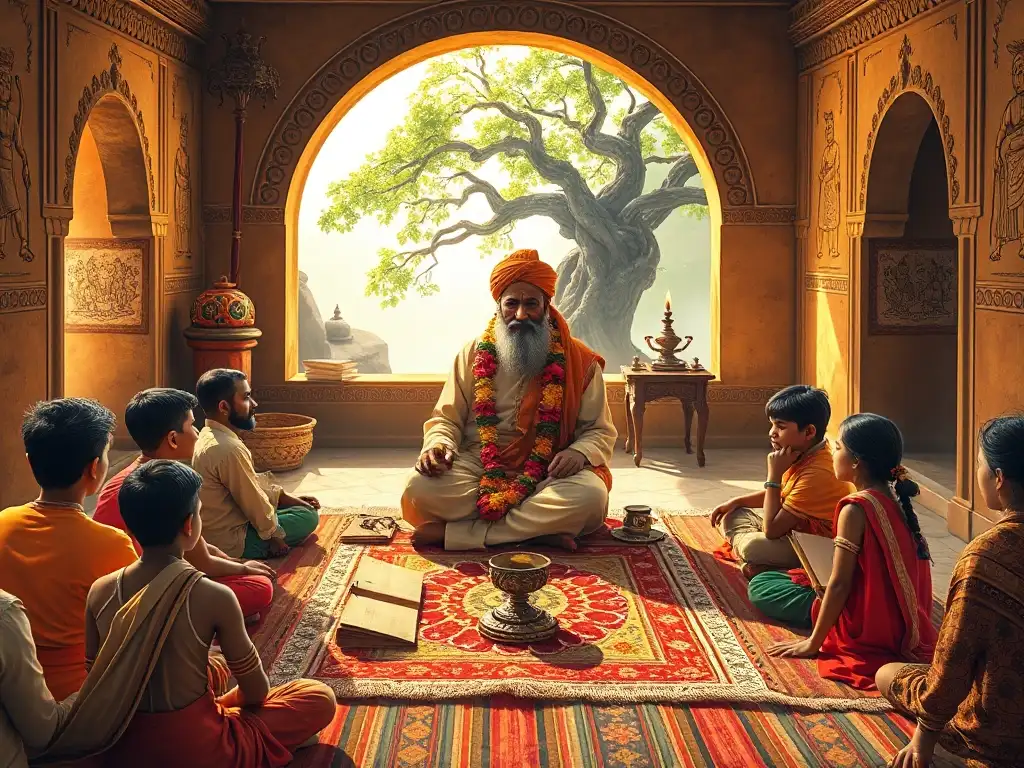
The interplay between religion and education in ancient India has left an indelible mark on the educational landscape we see today. Ancient Indian civilizations, particularly during the Vedic and post-Vedic periods, established frameworks where education was not merely a means of acquiring knowledge but also a spiritual pursuit. This legacy is evident in the emphasis placed on moral values, philosophical inquiry, and the cultivation of dharma (righteousness) which were integral to the educational curriculums of the time.
Lasting Impact on Modern Educational Practices
The foundations laid by ancient Indian education systems can be observed in several modern educational practices. For instance:
- Holistic Education: The ancient Indian approach emphasized a balance between spiritual, intellectual, and physical development. This concept has influenced contemporary educational philosophies that advocate for the development of the whole child.
- Curriculum Integration: The curriculum was deeply intertwined with religious texts and practices, fostering a sense of moral and ethical responsibility. Modern educational systems increasingly recognize the importance of integrating values and ethics into the curriculum.
- Guru-Shishya Tradition: The teacher-student relationship characterized by mutual respect and personal mentorship is a principle that continues to be valued in modern education, fostering deeper learning experiences.
| Aspect | Ancient India | Modern Education |
|---|---|---|
| Focus | Spiritual and ethical development | Holistic development |
| Curriculum | Religious texts and moral education | Values integration in various subjects |
| Teaching Methodology | Guru-Shishya (mentor-student) | Mentorship and personalized learning |
The ancient practice of using storytelling and oral traditions to impart knowledge has also seen a resurgence, with educators recognizing the effectiveness of narrative in engaging students and enhancing understanding.
Reflection on the Interconnectedness of Religion and Education
The relationship between religion and education in ancient India was not merely supplementary; it was fundamentally interwoven. Education was seen as a sacred duty, and learning was often pursued in religious contexts. The Vedas, one of the oldest sacred texts, served as both religious scripture and an educational curriculum, emphasizing the importance of knowledge for spiritual advancement.
This interconnectedness can be characterized by several key elements:
- Spiritual Foundations: Education was deeply rooted in spiritual teachings, where subjects such as philosophy, astronomy, and mathematics were often taught within religious institutions, reinforcing the idea that knowledge is a path to understanding the divine.
- Cultural Transmission: Religious festivals and practices were educational opportunities, serving as platforms for transmitting cultural values, rituals, and traditions to younger generations.
- Moral Education: The emphasis on dharma in education shaped individuals' character, leading to a society that valued ethical conduct and social responsibility.
The legacy of religion and education in ancient India continues to influence modern educational systems, encouraging a holistic approach that values not just intellectual growth but also moral and spiritual development. As we reflect on this rich history, it becomes clear that the lessons learned from ancient practices hold relevance in shaping a more integrated and value-driven educational framework today.
Frequently Asked Questions
What role did religion play in education in ancient India?
Religion was central to education, with many teachings and texts rooted in spiritual beliefs. Schools were often associated with temples, where students learned sacred scriptures and philosophy.
How did the caste system influence education in ancient India?
The caste system determined access to education, with higher castes receiving more formal training. This led to a disparity in educational opportunities based on one's social status.
What were the major educational institutions in ancient India?
Nalanda and Taxila were prominent centers of learning, attracting students from across the world. These institutions offered a diverse curriculum, including religion, philosophy, and science.
How did ancient Indian civilizations contribute to global education?
Ancient India laid the groundwork for many educational practices and philosophies that influenced civilizations worldwide. Texts like the Vedas and Upanishads were integral to the development of knowledge.
What was the impact of religious texts on ancient Indian education?
Religious texts served as the primary curriculum for students, emphasizing moral values, ethics, and knowledge of the divine. This integration fostered a holistic approach to education, blending spiritual and intellectual growth.
Final Reflection: The Enduring Legacy of Religion and Education in Ancient India
The intricate relationship between religion and education in ancient India continues to resonate in today's society, reminding us that knowledge and spirituality are intertwined. As we navigate a world increasingly defined by technological advancement and secularism, the foundational principles laid down by ancient Indian civilizations urge us to recognize the profound impact of spiritual wisdom on educational practices. The lessons from this historical interplay are not merely relics of the past; they are vital to understanding our present and shaping our future.
Culture and society are shaped by the values we uphold, and the legacy of ancient Indian education systems reflects a commitment to holistic development that transcends mere academic achievement. The emphasis on moral and spiritual education in ancient India has influenced contemporary educational philosophies, encouraging a more integrated approach to learning. Education is the manifestation of the perfection already in man.
– Swami Vivekananda. This quote encapsulates the essence of how education, when rooted in spiritual understanding, can elevate the human experience and foster a more compassionate society.
As we reflect on the teachings of ancient Indian civilizations, let us strive to incorporate the wisdom of their educational practices into our own lives. Consider how you can blend knowledge with ethical and spiritual values in your personal and professional endeavors. By embracing this holistic approach, we can honor the legacy of our ancestors while paving the way for a more enlightened future, where education serves not just as a means to an end, but as a transformative journey toward self-discovery and communal harmony.
Unlock the Wisdom of Ancient Education!
Thank you for exploring the fascinating relationship between religion and education in ancient Indian civilizations! We hope you’ve uncovered valuable insights that deepen your understanding of this rich heritage. Now, it's time to take that knowledge a step further!
Here are some actions you can take right now:
- Dive deeper into the subject by researching how ancient texts influenced modern education systems. Start with your local library or an online database dedicated to historical literature.
- Join a discussion group or an online community to share your insights and learn from others about the ongoing impacts of ancient educational practices on contemporary philosophies.
- Visit a local museum or cultural center that features exhibits related to ancient Indian education and religion. Engaging with these artifacts can enrich your understanding!
What aspects of ancient Indian education do you find most relevant to today’s learning environments? We invite you to share your thoughts below!