
The Role of Spiritual Beliefs in Ancient Indian Surgical Techniques

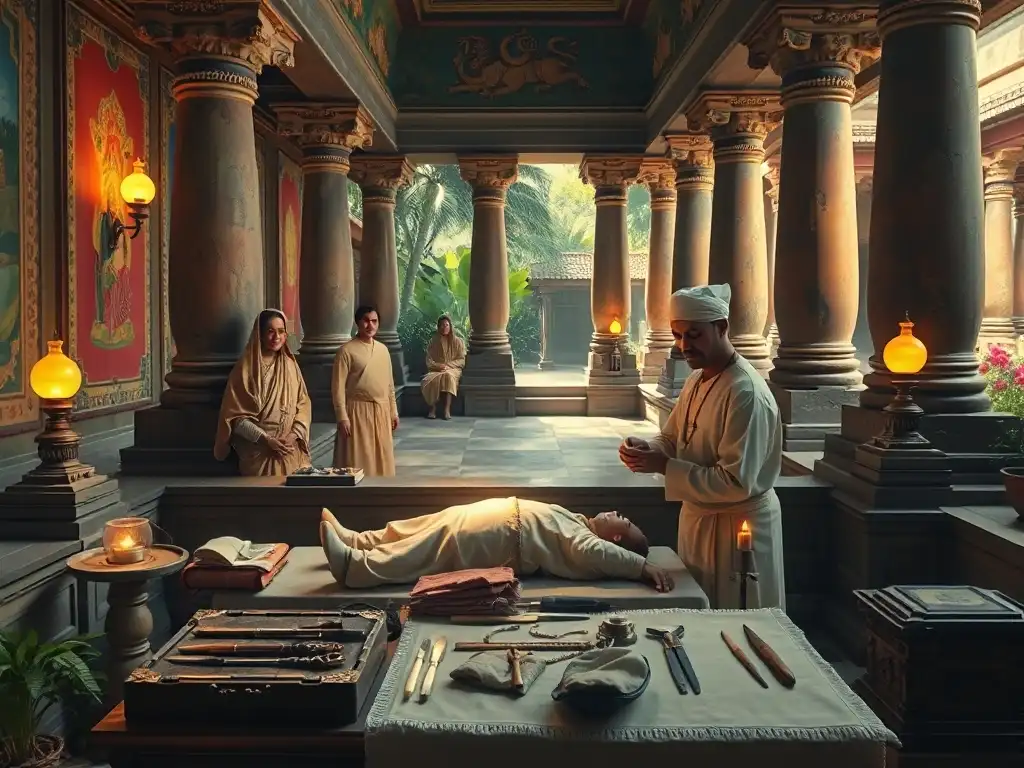
Welcome to Ancient India History, where we embark on a fascinating journey through time to uncover the rich tapestry of ancient Indian civilizations. Today, we delve into the intriguing realm of Ancient Indian surgical practices, exploring how spiritual beliefs intertwined with medical techniques in a way that shaped early healthcare. Have you ever wondered how ancient surgeons balanced the art of healing with the profound spiritual beliefs of their time?
Join us as we unravel the mysteries behind these practices and discover the remarkable contributions of ancient Indian medicine that continue to influence the world today. Your adventure into history awaits!
Introduction to Ancient Indian Surgical Practices
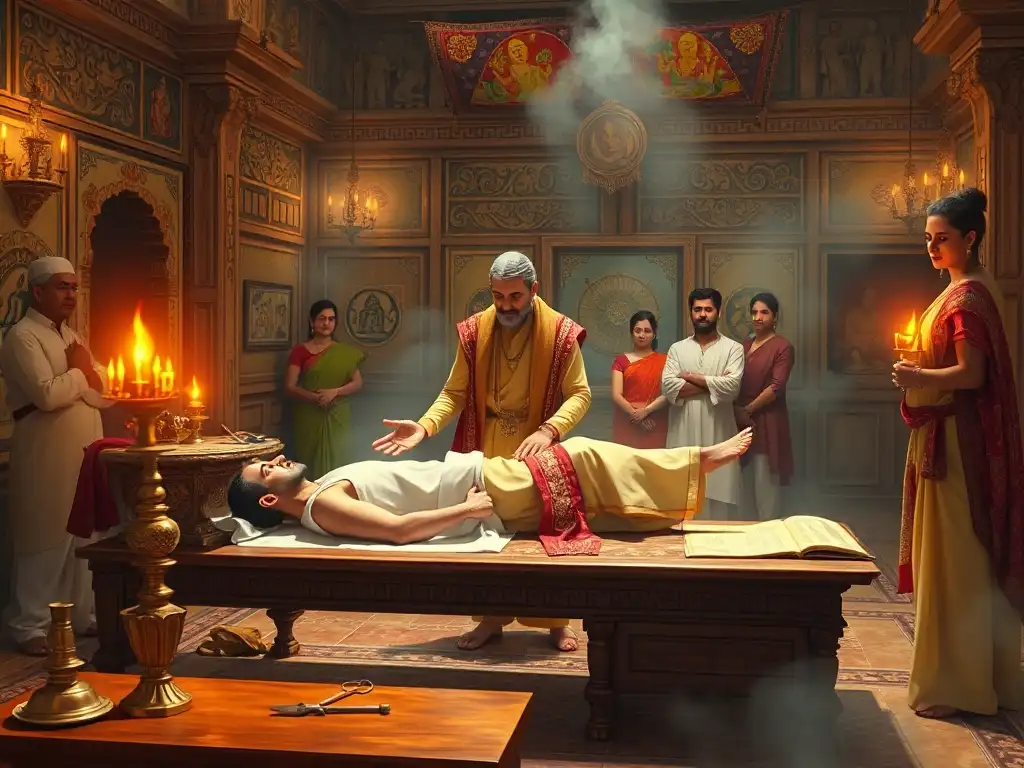
The exploration of Ancient Indian surgical practices unveils a fascinating intersection of medicine, spirituality, and culture that thrived in one of the world's oldest civilizations. From the meticulous techniques employed in surgery to the profound spiritual beliefs that underpinned these practices, ancient Indian medicine is a testament to the remarkable advances made by early practitioners. This article delves into the intricate relationship between spiritual beliefs and surgical techniques in ancient India, highlighting how these elements shaped the healthcare practices of the time.
Overview of Ancient Indian Medicine and Surgery
Ancient Indian medicine, known as Ayurveda, is one of the most comprehensive health systems in history. It encompasses not only physical health but also mental and spiritual well-being. Surgical practices within this framework were highly advanced for their time, incorporating a range of techniques that included:
- Suturing wounds: Early surgeons used herbal mixtures for antisepsis.
- Cauterization: This method was employed to stop bleeding and prevent infections.
- Dental surgery: Evidence suggests that dental procedures, including tooth extractions, were practiced.
The integration of surgery within the broader context of Ayurveda illustrates a holistic approach, where the body, mind, and spirit were treated as interconnected components of health.
Importance of Spiritual Beliefs in Ancient Indian Culture
Spiritual beliefs played a crucial role in shaping the medical landscape of ancient India. Healing was often seen as a sacred process, influenced by various religious and philosophical doctrines. Some key aspects include:
- Divine Intervention: Many believed that health was a gift from the gods, and thus, surgical practices often included rituals to seek divine favor.
- Ayurvedic Texts: Texts like the Sushruta Samhita emphasize the importance of purity, both physically and spiritually, in surgical practices.
- Holistic Healing: Spiritual well-being was considered essential for physical health, leading to the integration of meditation and rituals in treatment regimens.
These spiritual dimensions not only provided a framework for understanding health and disease but also fostered a sense of community and support among practitioners and patients.
Historical Context of Ancient Indian Surgical Techniques
Evolution of Surgical Practices in Ancient India
The evolution of surgical practices in ancient India can be traced back to various dynasties and cultural influences. Early practitioners like Sushruta, often hailed as the "father of surgery," contributed significantly to the field through detailed descriptions of surgical techniques and instruments. Key developments included:
- Innovative Instruments: The creation of tools such as scalpels and forceps, which were made from materials like iron and bronze.
- Comprehensive Training: Surgeons underwent rigorous training that combined practical skills with philosophical teachings.
This evolution reflects a blend of empirical knowledge and spiritual practice, showcasing the unique character of ancient Indian medicine.
Key Texts and Treatises on Surgery in Ancient India
Several key texts have been instrumental in documenting ancient Indian surgical practices:
| Text Title | Author/Origin | Key Contributions |
|---|---|---|
| Sushruta Samhita | Sushruta | Descriptions of surgical procedures and anatomy. |
| Charaka Samhita | Charaka | Focus on internal medicine and holistic practices. |
| Ashtanga Hridaya | Vagbhata | Integration of surgical and medicinal knowledge. |
These texts not only provide insight into the surgical techniques of the time but also emphasize the spiritual beliefs that influenced medical practices. They serve as invaluable resources for understanding how ancient Indian civilizations approached health, healing, and the human body.
Spiritual Foundations of Ancient Indian Surgery
The spiritual foundations of ancient Indian surgery are deeply intertwined with the cultural and religious beliefs prevalent during that era. Surgery, known as "Shalya Tantra" in ancient texts, was not merely a technical practice but also an act imbued with spiritual significance. Surgeons, referred to as "Shalyakars," were often seen as practitioners of divine art, invoking the blessings of deities to ensure successful outcomes. The underlying belief was that physical ailments could not be treated in isolation from the spiritual and mental well-being of the patient.
This holistic approach is reflected in ancient texts such as the "Sushruta Samhita," which emphasizes the importance of mental readiness and spiritual alignment before undertaking surgical procedures. Rituals, prayers, and offerings were commonly performed before surgeries to appease the gods and seek their guidance, thereby establishing a connection between the surgeon and the divine.
Connection Between Spirituality and Medicine
The connection between spirituality and medicine in ancient India is a remarkable aspect of its surgical practices. Ancient Indian physicians believed that health was a balance of physical, mental, and spiritual elements. This trinity of health was crucial for diagnosing and treating ailments. Spirituality was perceived as a guiding force, impacting not only the surgeon’s skill but also the patient’s recovery.
The integration of spiritual practices in medicine facilitated a supportive environment where patients felt cared for holistically. Patients participated in rituals that fostered positivity and hope, thus enhancing their mental state, which is now recognized as a fundamental aspect of healing. This connection highlights how ancient Indian surgeons viewed the human body not just as a physical entity but as a vessel of the spirit, necessitating a comprehensive approach to treatment.
The Concept of Dharma in Surgical Practices
The concept of Dharma played a pivotal role in ancient Indian surgical practices, influencing the ethical and moral dimensions of medicine. Dharma, often translated as duty or righteousness, guided surgeons in their professional responsibilities. It dictated the need for precision, respect for life, and the commitment to alleviate suffering.
Surgeons were expected to uphold their Dharma by performing surgeries with skill and care, ensuring that their actions were aligned with the greater good. This moral framework extended to patient interactions, emphasizing compassion and understanding. Consequently, the adherence to Dharma not only shaped surgical techniques but also fostered a sense of accountability among practitioners, ensuring that their work was in service of humanity.
Influence of Ayurveda on Surgical Techniques

Ayurveda, the ancient system of medicine in India, significantly influenced surgical techniques and practices. It provided a comprehensive understanding of human anatomy, physiology, and pathology, which formed the foundation of surgical knowledge. The holistic approach of Ayurveda emphasized the interconnectedness of body, mind, and spirit, which was pivotal in shaping surgical practices.
Ayurvedic texts like the "Sushruta Samhita" meticulously document surgical procedures, instruments, and patient management strategies, showcasing the integration of Ayurvedic principles into surgery. The emphasis on balance, preventive care, and the use of herbal remedies also informed surgical practices, enhancing patient outcomes and promoting healing.
Principles of Ayurveda in Ancient Indian Surgery
The principles of Ayurveda are fundamental to understanding ancient Indian surgical practices. Ayurveda advocates for a balance between the three doshas—Vata, Pitta, and Kapha—which correspond to different bodily functions. This balance is essential in determining the appropriate surgical approach and techniques.
Surgeons were trained to assess these doshas in patients, allowing for tailored surgical interventions. For instance, a procedure for a patient with a predominant Pitta imbalance would differ from one with a Vata imbalance, as each dosha affects healing and recovery differently. Additionally, Ayurveda emphasizes the importance of diet, lifestyle, and mental state, all of which were considered crucial for surgical success and overall health.
The Role of Spirituality in Ayurvedic Surgical Methods
Spirituality in Ayurvedic surgical methods is a testament to the holistic approach of ancient Indian medicine. The integration of spiritual practices in surgical procedures not only aimed to ensure physical healing but also sought to address the spiritual and emotional needs of patients. Surgeons often recited prayers and performed rituals to invoke divine presence and support during surgeries.
This spiritual element is reflected in the meticulous preparation of both surgeon and patient, fostering a sacred space for healing. The belief that a positive mental state can influence physical outcomes underscores the importance of spirituality in Ayurveda. By viewing surgery as a spiritual journey, practitioners were able to promote a more profound healing experience, aligning their technical skills with spiritual wisdom to enhance recovery and well-being.
Case Studies of Spiritual Influence in Ancient Surgeries
Throughout ancient India, spiritual beliefs were intricately woven into the fabric of medical practices, particularly in the realm of surgery. One prominent case is that of Sushruta, often referred to as the "father of surgery." His seminal work, the Sushruta Samhita, not only outlines various surgical techniques but also emphasizes the importance of spiritual purity and rituals before performing surgeries. Sushruta believed that the surgeon must be spiritually and mentally prepared to ensure the patient's well-being.
Another notable case involves the use of mantras and chants during surgical procedures. For instance, certain practitioners would recite specific verses from sacred texts to invoke divine blessings, aiming to reduce the risk of complications and enhance the healing process. This practice highlights the integration of spiritual beliefs with practical surgical techniques, demonstrating how ancient Indian surgeons viewed healing as a holistic process involving both the body and the spirit.
Notable Surgeons and Their Spiritual Beliefs
Sushruta is not the only surgeon whose work was influenced by spirituality. Charaka, a contemporary of Sushruta, contributed significantly to ancient Indian medicine with his focus on holistic healing. Charaka believed that a physician's moral and spiritual integrity was vital for effective treatment. His texts emphasize the necessity for a healer to be compassionate and spiritually attuned, arguing that such qualities directly impact the healing outcomes of their patients.
Additionally, the Ayurvedic tradition, which heavily influenced surgical practices in ancient India, underscores the significance of spirituality. Practitioners like Vagbhata integrated spiritual principles into their medical teachings, advocating for mental and emotional balance as prerequisites for successful surgical interventions. This connection between spirituality and surgery highlights a broader understanding of health in ancient Indian culture.
Examples of Surgical Techniques Guided by Spiritual Beliefs
Several surgical techniques in ancient India reflect the influence of spiritual beliefs. One example is the practice of shalaka (the insertion of instruments) in the treatment of fractures or wounds. Surgeons would often perform this technique after conducting rituals to appease the deities associated with healing. The belief was that divine favor would enhance the efficacy of the procedure, ensuring better recovery for the patient.
Another technique influenced by spirituality is kshara sutra, a method used to treat anal fistulas. This technique involves the application of a medicated thread that is periodically tightened. The process was often accompanied by spiritual rites intended to purify the environment and the patient, thereby promoting successful healing. These examples demonstrate how ancient Indian surgical practices were not merely technical procedures but were deeply intertwined with the spiritual beliefs of the practitioners and their patients.
Comparison of Ancient Indian Surgical Practices with Other Civilizations
When comparing ancient Indian surgical practices to those of other civilizations, notable differences emerge, particularly in the integration of spirituality into medical procedures. Ancient Indian surgeons emphasized spiritual purification and rituals, which were absent in many other cultures. This distinction highlights a unique approach to surgery where the mental and spiritual state of both the surgeon and the patient played a crucial role in the healing process.
Ancient Indian Surgery vs. Ancient Greek Surgery
Ancient Greek surgery, while advanced in its techniques, primarily focused on empirical observation and rationality. Figures like Hippocrates and Galen laid the groundwork for surgical practices based on anatomical knowledge and clinical observations, often sidelining spiritual beliefs. In contrast, ancient Indian surgery, as exemplified by Sushruta, incorporated a spiritual dimension, viewing the act of surgery as not only a physical intervention but also a spiritual undertaking.
While Greek surgeons utilized methods such as trepanation and cauterization with a strong emphasis on anatomical precision, Indian surgeons complemented these techniques with spiritual rituals and prayers. This holistic approach in ancient India recognized the importance of the mind and spirit in the healing process, setting it apart from its Greek counterparts.
Spirituality in Medicine: A Comparative Analysis
The comparative analysis of spirituality in medicine between ancient cultures reveals significant insights into their respective approaches to health. In ancient India, the intertwining of spiritual beliefs and medical practices created a unique paradigm where healing was seen as a balance of physical and spiritual well-being. This contrasts sharply with the more rationalist approach of ancient Greece, where spirituality played a minimal role in surgical practices.
Furthermore, other ancient civilizations, such as those in Egypt and China, similarly recognized the importance of spirituality in health but through different frameworks. Egyptian medicine incorporated rituals and prayers to deities like Imhotep, while traditional Chinese medicine emphasized harmony and balance, often linked to spiritual beliefs as well. However, the comprehensive and systematic integration of spirituality in surgical practices, as observed in ancient India, remains a distinctive feature that highlights the complexity and depth of ancient Indian surgical practices.
The Legacy of Spiritual Beliefs in Contemporary Practices
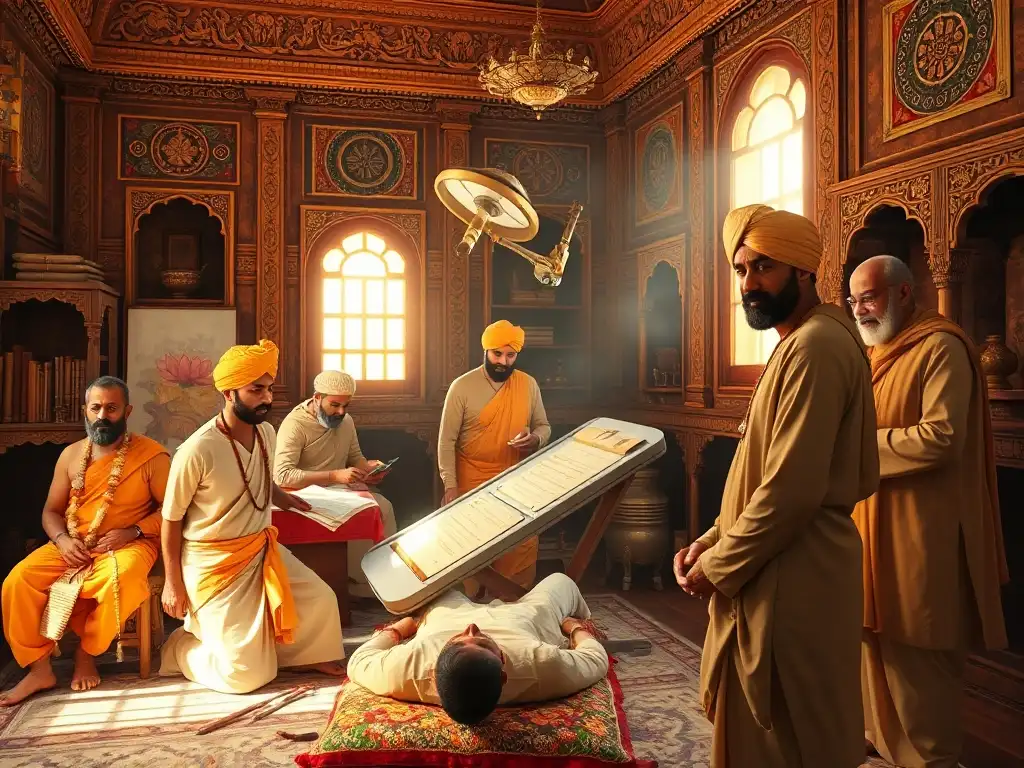
The spiritual beliefs that permeated ancient Indian surgical practices have left a lasting imprint on the medical landscape of modern India. Contemporary medicine in India retains a unique blend of traditional and modern healing methods, often intertwining spiritual elements with clinical practices. This legacy reflects a broader cultural understanding where health and spirituality are not seen as opposing forces but rather as interconnected aspects of human well-being.
Many practitioners today still incorporate rituals, prayers, and meditative practices into their treatment regimens. For instance, some surgeons may invoke blessings or perform specific rites before a significant surgical procedure, believing that divine intervention can enhance the outcome. This fusion of spirituality and medicine not only serves to comfort patients but also reinforces the practitioner's commitment to their healing responsibilities.
Influence on Modern Indian Medical Practices
Modern Indian medical practices have been significantly influenced by ancient surgical techniques, which were often guided by spiritual beliefs. Techniques derived from texts like the Sushruta Samhita, written by the ancient physician Sushruta, continue to be relevant. This foundational work includes surgical procedures and ethical practices that resonate with contemporary medical ethics.
Moreover, Ayurveda, a traditional system of medicine that emphasizes holistic healing, remains a vital part of healthcare in India. Many Ayurvedic practitioners incorporate spiritual elements into their treatments, acknowledging the mind-body connection that ancient cultures understood so well. For instance, practices such as yoga and meditation, which have roots in ancient Indian spirituality, are often recommended to complement surgical treatments, aiding in recovery and overall health.
The Enduring Connection Between Spirituality and Healing
The connection between spirituality and healing endures in many forms within Indian society. This relationship is evident in how patients approach their health issues, often seeking not only physical remedies but also spiritual guidance. The belief that a balanced spirit contributes to physical health is a prevalent notion, leading to an integrative approach to healing.
Spiritual leaders and healers often work alongside medical professionals, creating a collaborative environment that respects both scientific understanding and traditional beliefs. This synergy allows for a more comprehensive approach to patient care, where healing is viewed as a multifaceted process involving physical, mental, and spiritual dimensions.
Conclusion
Summary of Spiritual Influence on Ancient Indian Surgical Techniques
The spiritual beliefs that shaped ancient Indian surgical practices have profoundly influenced contemporary medicine in India. The integration of spirituality into surgical techniques reflects a deep-seated cultural understanding of health, where physical and spiritual well-being are intertwined. Ancient texts and practices continue to inform modern approaches, demonstrating the timelessness of this legacy.
Reflection on the Importance of Understanding Historical Context in Medicine
Understanding the historical context of ancient Indian surgical techniques and their spiritual underpinnings is crucial for modern practitioners and scholars alike. It provides insight into how cultural beliefs shape medical practices and the importance of a holistic approach to healing. By appreciating this historical framework, today's medical professionals can foster a more inclusive practice that honors the traditions and beliefs of their patients, ultimately leading to improved health outcomes and patient satisfaction.
References
In understanding the intricate relationship between spiritual beliefs and surgical practices in ancient India, several key texts and resources provide a comprehensive overview. These texts not only illustrate the surgical techniques employed but also delve into the spiritual context that framed these medical practices. Below are significant references that scholars and enthusiasts can explore for in-depth insights.
Key Texts and Resources on Ancient Indian Surgical Practices
- Sushruta Samhita: Often regarded as one of the foundational texts of ancient Indian medicine, the Sushruta Samhita outlines various surgical techniques, instruments, and procedures. Authored by Sushruta, this text integrates spiritual beliefs, emphasizing rituals performed before surgeries to invoke divine blessings for successful outcomes.
- Charaka Samhita: This classical text focuses on internal medicine and is crucial for understanding the holistic approach to health in ancient India. It discusses the philosophical underpinnings of health and disease, linking physical ailments with spiritual well-being.
- Ayurvedic Texts: Various texts within the Ayurvedic tradition explore the connection between body, mind, and spirit. The principles of Ayurveda contribute to understanding how spiritual beliefs shaped medical practices, including surgery.
- Historical Accounts and Inscriptions: Archaeological findings and inscriptions from ancient Indian civilizations provide evidence of surgical practices and the cultural context in which they were embedded. These accounts often reflect the spiritual beliefs of the time.
Suggested Further Reading on Spirituality and Medicine
- "Spirituality and Health: The Role of Spirituality in Medical Practice": by Dr. Harold Koenig: This work discusses the broader implications of spirituality in healthcare, offering insights that can be applied to ancient practices.
- "The Healing Power of Ritual: A Spiritual Approach to Medicine": by Dr. Michael L. W. Hinton: This book explores how rituals, including those practiced in ancient India, play a vital role in the healing process.
- "Ayurveda and the Mind: The Healing of Consciousness": by Dr. David Frawley: This text delves into the mental and spiritual aspects of Ayurveda, providing a deeper understanding of how these beliefs influenced medical practices, including surgery.
- "Surgery in Ancient India" by Dr. R. K. Sharma: This comprehensive resource focuses on the historical development of surgical practices in ancient India, highlighting the spiritual dimensions involved.
These references and suggested readings offer a rich tapestry of knowledge, shedding light on how spiritual beliefs significantly influenced ancient Indian surgical practices.
- Introduction to Ancient Indian Surgical Practices
- Historical Context of Ancient Indian Surgical Techniques
- Spiritual Foundations of Ancient Indian Surgery
- Influence of Ayurveda on Surgical Techniques
- Case Studies of Spiritual Influence in Ancient Surgeries
- Comparison of Ancient Indian Surgical Practices with Other Civilizations
- The Legacy of Spiritual Beliefs in Contemporary Practices
- Conclusion
- References
- What were the primary surgical practices in ancient India?
- How did spiritual beliefs influence surgical techniques in ancient India?
- Who was Sushruta and what was his contribution to surgery?
- What materials were used in ancient Indian surgeries?
- How did ancient Indian surgical practices compare to those in other civilizations?
Frequently Asked Questions
What were the primary surgical practices in ancient India?
Ancient Indian surgical practices included advanced techniques such as surgery for wounds, fractures, and even plastic surgery, rooted in texts like the Sushruta Samhita.
How did spiritual beliefs influence surgical techniques in ancient India?
Spiritual beliefs played a crucial role in ancient Indian surgery, as rituals and prayers were often performed to ensure healing and protection, reflecting the intertwining of medicine and spirituality.
Who was Sushruta and what was his contribution to surgery?
Sushruta, often referred to as the father of surgery, made significant contributions through his detailed descriptions of surgical procedures and instruments in the Sushruta Samhita, emphasizing the importance of anatomy and technique.
What materials were used in ancient Indian surgeries?
Ancient Indian surgeons utilized a variety of natural materials, including herbs, minerals, and vegetable matter, for anesthesia and antiseptics, showcasing their understanding of medical properties.
How did ancient Indian surgical practices compare to those in other civilizations?
Ancient Indian surgical practices were notably advanced, often surpassing those of contemporary civilizations, with a unique blend of practical techniques and spiritual elements that reflected a holistic approach to healthcare.
Final Reflection: The Enduring Legacy of Ancient Indian Surgical Practices
The exploration of ancient Indian surgical practices reveals a profound connection between spirituality and medicine, highlighting how these beliefs shaped the techniques and ethics of healing. Today, as we navigate a world increasingly driven by technology and scientific advancement, the integration of spiritual beliefs into medical practices serves as a reminder of the holistic approach to health that was prevalent in ancient times. The wisdom of our ancestors continues to resonate, urging us to consider not just the physical but also the spiritual dimensions of healing.
The influence of ancient Indian surgical practices extends beyond their historical context; they have woven themselves into the fabric of modern medicine and cultural identity. The principles of balance, harmony, and respect for life that underpin these practices still echo in contemporary healthcare discussions, emphasizing the importance of treating the whole person rather than merely addressing symptoms. The greatest medicine of all is to teach people how not to need it.
- Hippocrates. This quote encapsulates the essence of ancient practices, reminding us that the journey toward health is as much about prevention and understanding as it is about intervention.
As we reflect on the lessons from ancient Indian surgical practices, let us embrace the call to integrate spiritual awareness into our own lives and health journeys. Consider how you can apply these timeless principles of holistic healing in your daily routine, fostering a deeper connection between your mind, body, and spirit. By doing so, we honor the legacy of those who came before us and pave the way for a more compassionate and comprehensive approach to health in the future.
Unlock the Secrets of Ancient Healing!
Thank you for diving into the fascinating world of ancient Indian surgical techniques with us! You've explored the profound connection between spirituality and medicine, uncovering how cultural beliefs shaped surgical practices. Now, it's time to take that knowledge and embrace action.
Here are a few practical steps to deepen your exploration:
- Engage with Communities: Join online forums or social media groups focused on ancient medicine and spirituality to share insights and broaden your understanding.
- Read Further: Delve into historical texts or scholarly articles about ancient surgical techniques and their philosophical foundations to enrich your perspective.
- Practice Mindfulness: Incorporate spiritual practices, such as meditation or yoga, into your daily routine to experience the holistic approach of ancient healing.
Which aspect of ancient Indian surgical practices resonates with you the most, and in what ways do you see spirituality influencing modern medicine today? Let’s discuss!