
The Role of Women in Ancient Indian Dance and Music: Voices from the Past

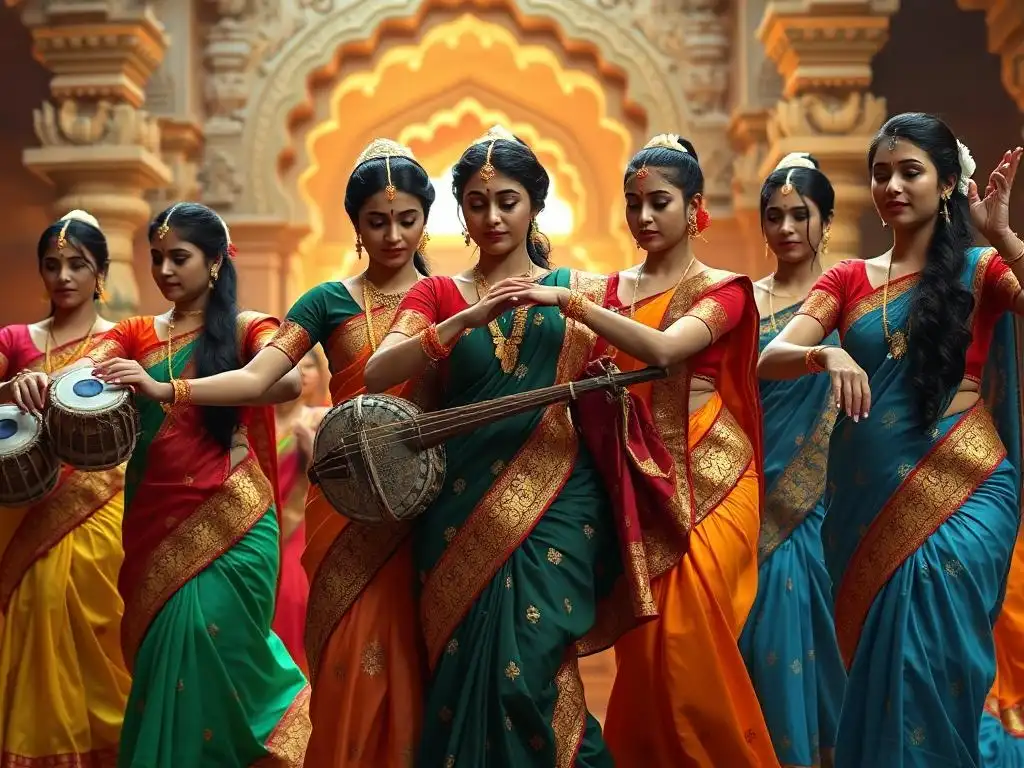
Welcome to Ancient India History, where we embark on a journey through the rich tapestry of India's past. Today, we delve into the captivating world of Women in Ancient Indian Dance—a dynamic force that shaped the cultural landscape of this vibrant civilization. From the graceful movements of temple dancers to the powerful narratives woven through music, the stories of these remarkable women echo through time, revealing their profound impact on art and society.
Join us as we uncover the voices from the past and explore how these early artists contributed to the legacy of Indian culture. Prepare to be inspired and intrigued as you dive deeper into their enchanting world!
Introduction to Women in Ancient Indian Dance and Music
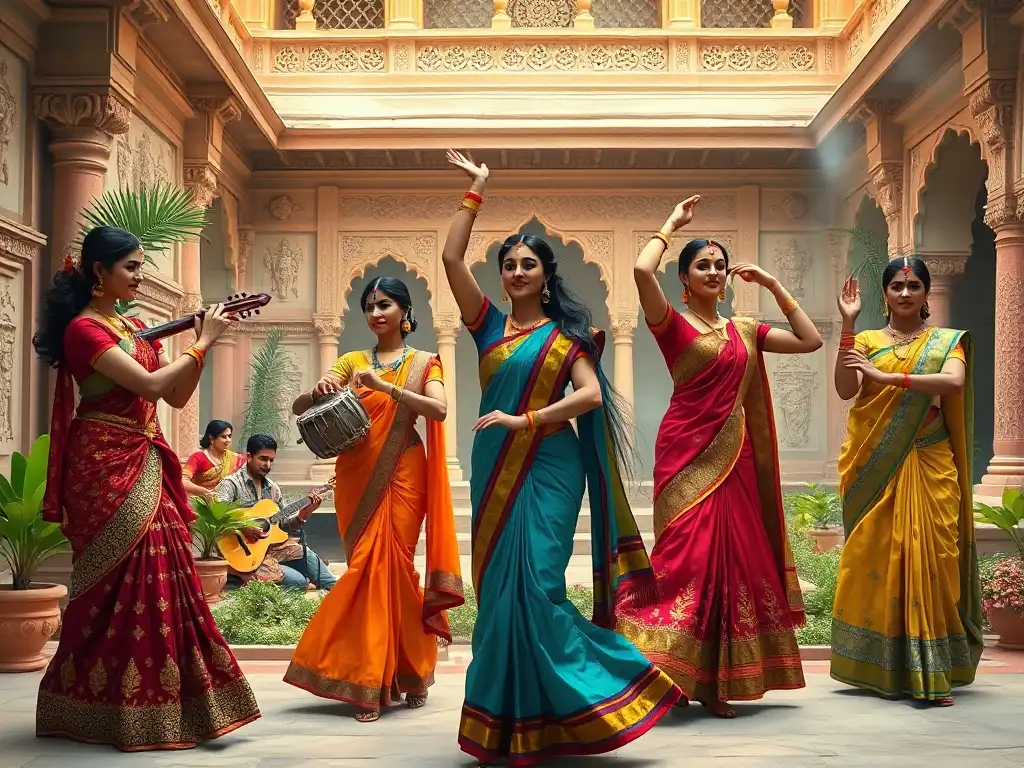
The rich tapestry of ancient Indian civilization is woven with the vibrant threads of dance and music, art forms that have not only entertained but also conveyed profound cultural narratives. Within this artistic heritage, women have played a pivotal role, serving as both creators and performers. Exploring the role of women in ancient Indian dance and music reveals a fascinating intersection of gender, culture, and artistry. This article delves into the historical significance of women's contributions, highlighting their enduring influence and the societal values reflected in these art forms.
Overview of Ancient Indian Art Forms
Ancient India was a cradle of diverse art forms, with dance and music being integral to its cultural identity. The various styles of dance, such as Bharatanatyam, Kathak, and Odissi, emerged from different regions, each embodying unique narratives and traditions. Similarly, music, ranging from classical ragas to folk tunes, was deeply embedded in the social fabric, often accompanying religious rituals and celebrations.
- Key Features of Ancient Indian Dance and Music:
- Spiritual Significance: Many performances were considered sacred, aimed at connecting the divine with the earthly realm.
- Storytelling: Dance and music served as mediums to narrate mythological tales and historical events.
- Cultural Expressions: These art forms reflected the socio-political contexts and values of the time, often depicting the lives of women and their roles in society.
Importance of Dance and Music in Ancient Indian Society
Dance and music were not merely forms of entertainment; they held significant social and religious importance. These art forms facilitated community cohesion, celebrating festivals and marking important life events.
- Functions of Dance and Music:
- Ritualistic Practices: Integral to temple rituals and worship, enhancing the spiritual experience.
- Social Gatherings: Brought communities together, fostering bonds among individuals through shared cultural experiences.
- Education and Knowledge Transfer: Served as tools for imparting moral values and historical narratives to the younger generations.
Historical Context of Women in Dance and Music
The Evolution of Dance and Music in Ancient India
The evolution of dance and music in ancient India can be traced back to the Vedic period, where hymns and chants laid the foundation for musical traditions. Over centuries, these art forms transformed, influenced by various dynasties and cultural interactions.
- Major Influences:
- Religious Texts: Scriptures like the Natya Shastra provided guidelines for performance, emphasizing the importance of expressiveness and technique.
- Royal Patronage: Kings and emperors supported artists, leading to the flourishing of dance and music in courts.
Women’s Contributions to Early Dance and Music Traditions
Women have long been at the forefront of dance and music in ancient India, often regarded as the custodians of these art forms. Their contributions have been substantial, as they not only performed but also innovated and preserved traditions.
- Roles of Women:
- Performers: Many women were celebrated dancers and musicians, captivating audiences with their artistry.
- Teachers: They played a crucial role in passing down techniques and styles to future generations.
- Cultural Icons: Women like Mirabai and Tulsidas' wife were not just performers; they became symbols of devotion and artistic expression.
The influence of women in ancient Indian dance and music is profound and multifaceted, reflecting their essential role in shaping these art forms. As we continue to explore their contributions, we uncover the layers of history that elevate these women as pivotal figures in India's cultural heritage.
Prominent Female Figures in Ancient Indian Dance
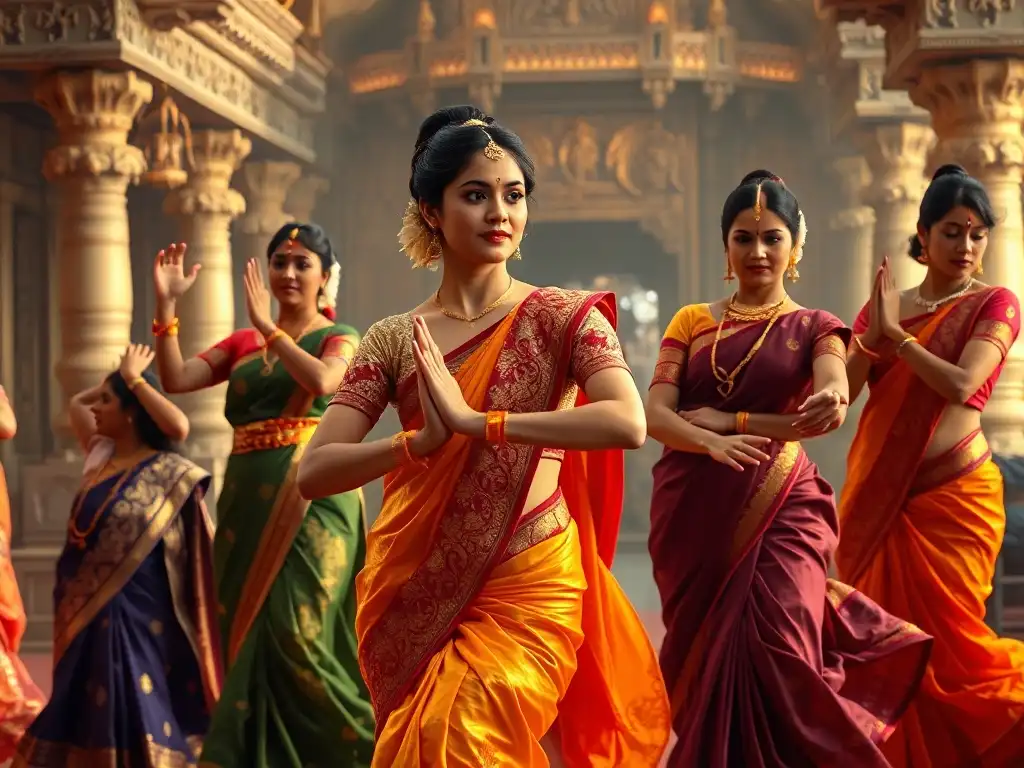
Throughout ancient Indian history, women have played a crucial role in the vibrant tapestry of dance and music. Their contributions have not only enriched the cultural landscape but also shaped the evolution of various art forms. Prominent female figures in ancient Indian dance are often celebrated for their artistic prowess, charisma, and influence on traditional practices.
One of the most revered figures is Vasavadatta, a dancer mentioned in ancient texts, known for her exceptional grace and skill. Her performances were said to embody the essence of divine beauty, captivating audiences and inspiring generations of dancers. Another notable figure is Madhura, who gained fame as a court dancer during the Gupta period. Her ability to blend storytelling with dance added depth to performances, making her a significant figure in the history of Indian classical dance.
These women not only excelled in their craft but also served as mentors, passing down their knowledge and techniques to younger generations. Their legacies continue to influence contemporary practices, highlighting the enduring impact of female performers in the realms of dance and music.
Legendary Women Dancers and Musicians
The annals of ancient Indian history are replete with legendary women who transcended the boundaries of their time through their dance and music. Tara, a celestial nymph, is often depicted in literature as an exemplar of grace and beauty, her dance said to enchant even the gods. Such divine associations underscored the reverence for female performers in ancient society.
Another legendary figure is Rukmini, celebrated for her role in the Bhagavata Purana. Her musical talents and dance were integral to the narratives of Krishna's life, illustrating how women were not just performers but central characters in the storytelling tradition.
Additionally, the devadasi system, a tradition where women were dedicated to temple service through dance and music, brought forth many skilled artists. Figures like Panchali and Mangalya exemplified the devotion and artistic excellence expected of devadasis, contributing significantly to the spiritual and cultural heritage of India.
Impact of Female Performers on Cultural Practices
The impact of female performers on cultural practices in ancient India was profound and multifaceted. Women in dance and music served as cultural ambassadors, preserving and transmitting traditions through their performances. They often played pivotal roles in religious and social ceremonies, using their art to communicate spiritual narratives and societal values.
Moreover, female performers were instrumental in shaping local traditions and styles. Their unique interpretations and innovations contributed to the evolution of classical dance forms such as Bharatanatyam and Odissi. The incorporation of feminine perspectives into these art forms added layers of meaning and emotional depth, enhancing their cultural significance.
Additionally, the presence of women in dance and music fostered community engagement. Through performances, they created spaces for social interaction and cultural exchange, bridging gaps between different societal groups. Their influence extended beyond the stage, impacting literature, poetry, and visual arts, thereby enriching the overall cultural milieu of ancient India.
Societal Perceptions of Women in Dance and Music
The societal perceptions of women in dance and music in ancient India were complex, reflecting a blend of reverence and restriction. While women were celebrated for their artistic talents, societal norms often dictated the contexts in which they could perform, creating a dichotomy between public admiration and private limitations.
Gender Roles in Ancient Indian Art Forms
Gender roles in ancient Indian art forms were defined by both tradition and societal expectations. Women were predominantly seen as nurturers and caregivers, which influenced their roles in dance and music. While they were celebrated as artists, their performances were often confined to specific settings, such as temples or royal courts, where their talents could be showcased but also controlled.
Despite these limitations, many women navigated these gender roles adeptly, carving out spaces for themselves as performers and creators. The devadasi system exemplifies this dynamic, where women were revered for their artistic contributions yet faced societal stigmas. This duality highlights the tension between recognition of women's talents and the constraints imposed by patriarchal structures.
The Dichotomy of Public and Private Performances
The dichotomy between public and private performances significantly influenced the role of women in ancient Indian dance and music. Public performances in temples and courts allowed women to gain recognition and prestige, showcasing their skills to broader audiences. These events often celebrated female performers as embodiments of divine grace, revered for their ability to connect the earthly realm with the spiritual.
Conversely, private performances were often limited to domestic spaces, where women's roles were more subdued and confined. In these settings, women were expected to perform for family or intimate gatherings, often emphasizing traditional values and cultural continuity rather than personal expression. This separation between public acclaim and private obligation illustrates the complexities of women's roles in the arts, as they strived to balance societal expectations with their artistic aspirations.
The intricate interplay of societal perceptions, gender roles, and the impact of female performers in ancient Indian dance and music reveals a rich legacy that continues to inspire and influence contemporary practices. The voices of these women from the past resonate through time, affirming their indispensable contributions to India's cultural heritage.
Spiritual and Religious Significance of Female Performers
In ancient Indian culture, women held a significant position in the realms of dance and music, especially in spiritual and religious contexts. Female performers were often seen as embodiments of divine power, acting as mediators between the earthly and the celestial. Their performances were not mere artistic expressions; they were imbued with spiritual meaning, serving as a form of worship and devotion.
The depiction of women in classical dance forms, such as Bharatanatyam and Odissi, often draws from ancient texts and scriptures, portraying goddesses and female figures from mythology. This representation underscores the belief that women, through their artistry, could connect with the divine and inspire others to do the same. The spiritual significance of female performers is reinforced by their roles in various rituals and ceremonies, where their movements and music were believed to invoke blessings and purify spaces.
Women as Devotees and Artists in Temples
Historically, many women were integral to temple rituals, serving as dancers and musicians dedicated to the worship of deities. These female performers, often referred to as "Devadasis," were trained in the arts from a young age and dedicated their lives to temple service. Their dances were not just performances; they were acts of devotion, celebrating the divine through intricate movements and expressive gestures.
In temples, women played a crucial role in creating an atmosphere of spirituality and reverence. Their performances were accompanied by sacred music, and together, they formed a holistic experience of worship. The artistry of these women was deeply respected, and they often held a revered status within the temple community, contributing to the cultural and spiritual fabric of society.
The Connection Between Dance, Music, and Spiritual Practices
Dance and music in ancient India were interwoven with spiritual practices, creating a rich tapestry of expression that transcended mere entertainment. Women, as primary performers, channeled their art to convey deep philosophical and spiritual messages. The rhythms and melodies used in their performances were often linked to sacred texts, symbolizing cosmic order and harmony.
The concept of "Natyashastra," an ancient treatise on performing arts, emphasizes the role of dance and music as vehicles for spiritual enlightenment. Women’s participation in these arts was essential in conveying stories of gods and goddesses, thereby educating the audience about moral values and spiritual philosophies. This profound connection between art and spirituality highlights the integral role women played in preserving and promoting ancient Indian cultural heritage.
Modern Interpretations of Women’s Roles in Ancient Dance and Music
As the nuances of ancient dance and music evolve, contemporary interpretations increasingly reflect the foundational roles women played in these art forms. Modern artists draw inspiration from the rich traditions of the past while infusing their work with contemporary themes and perspectives. This revival not only honors the legacy of female performers but also reimagines their contributions in a modern context.
Reviving the Legacy of Women in Ancient Art Forms
Efforts to revive the legacy of women in ancient dance and music have gained momentum, with numerous initiatives aimed at educating new generations about these art forms. Workshops, festivals, and performances dedicated to showcasing the historical significance of female performers have emerged, promoting awareness and appreciation for their contributions.
Many dance schools and cultural organizations are now integrating the historical context of female performers into their curriculums, ensuring that the stories and techniques of ancient women artists are preserved and celebrated. This revival serves as a reminder of the strength and resilience of women in the face of changing societal norms and highlights their enduring influence on the arts.
Contemporary Female Artists Influenced by Ancient Traditions
Today, many contemporary female artists are deeply influenced by the traditions of ancient Indian dance and music. They blend classical forms with modern interpretations, creating innovative performances that resonate with current audiences while paying homage to their roots. Artists like Mallika Sarabhai and Shobana are examples of individuals who have successfully merged traditional styles with contemporary themes, expanding the scope and appeal of these ancient art forms.
These modern interpretations not only preserve the techniques and narratives of the past but also provide a platform for women to express their identities and experiences in the current socio-cultural landscape. Through their work, these artists continue to challenge stereotypes and redefine the role of women in the performing arts, ensuring that the voices of female performers from ancient times echo in the present.
Challenges Faced by Women in Ancient Indian Dance and Music
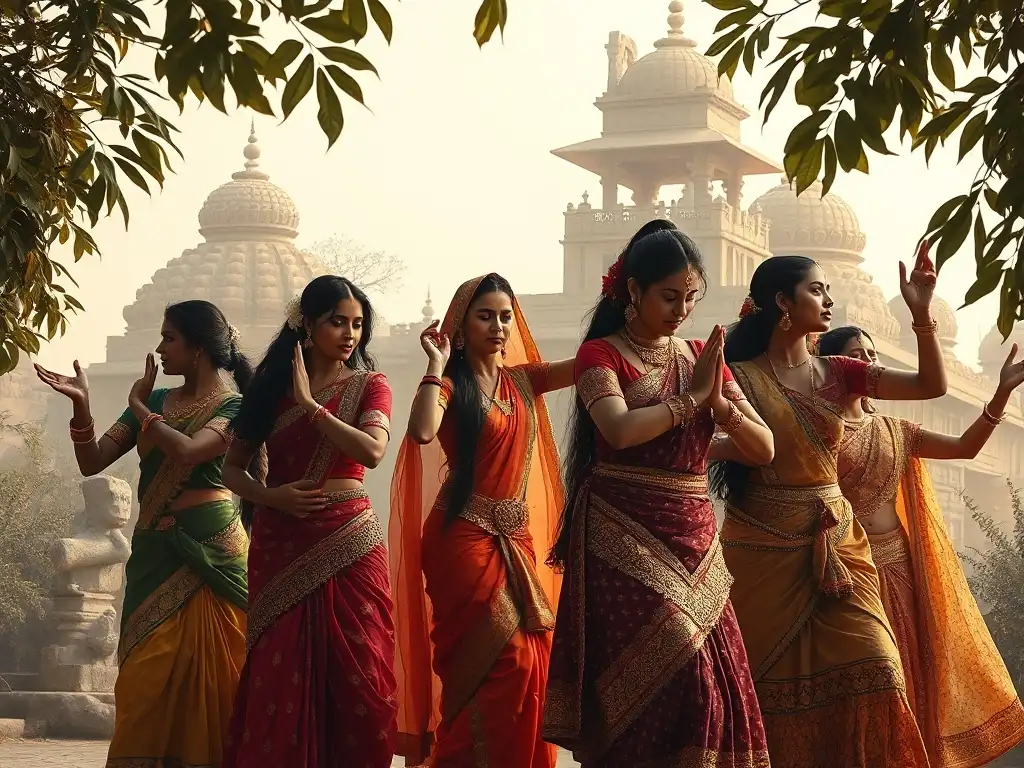
The journey of women in ancient Indian dance and music has been fraught with challenges that have shaped their roles and expressions in these art forms. From societal restrictions to changing cultural norms, women's participation has evolved, often constrained by the prevailing attitudes of their times. Understanding these challenges provides a deeper insight into the historical significance and contributions of women in the performing arts of ancient India.
Societal Restrictions and Cultural Barriers
In ancient India, societal norms often dictated the roles women could play, particularly in cultural expressions like dance and music. While women were celebrated as performers in temples and royal courts, they were also subjected to strict regulations regarding their conduct and participation.
- Caste and Class Limitations: Many women from lower castes faced additional barriers, hindering their access to training and performance opportunities. The notion that only certain classes could engage in high art forms limited the diversity of female talent in dance and music.
- Patriarchal Norms: Patriarchy played a significant role in restricting women's freedom to express themselves through art. The expectation to conform to domestic roles often sidelined their aspirations to pursue dance and music professionally.
- Cultural Expectations: The perception of dance and music as frivolous pursuits often diminished their status as serious art forms, leading to further marginalization of women who sought to excel in these fields.
These societal restrictions not only affected the opportunities available to women but also influenced the themes and narratives presented in their performances.
The Decline of Female Participation Over Time
As ancient Indian society transitioned through various political and cultural phases, the participation of women in dance and music began to wane. Several factors contributed to this decline:
- Political Changes: The fall of powerful dynasties that had supported the arts led to a decrease in patronage for female artists. With the decline of royal courts, many women found it increasingly difficult to find platforms to showcase their talents.
- Colonial Influence: The arrival of colonial powers introduced new cultural paradigms that often dismissed traditional Indian art forms. This shift led to the relegation of women's roles in performing arts as colonial narratives favored more Western-centric views of culture.
- Emergence of New Art Forms: As new forms of entertainment and art emerged, traditional dance and music began to lose their appeal, further diminishing the opportunities for women to engage in these art forms.
Despite these challenges, the legacy of women in ancient Indian dance and music remains a testament to their resilience and creativity.
Conclusion: The Enduring Legacy of Women in Ancient Indian Dance and Music
The contributions of women in ancient Indian dance and music have left an indelible mark on the cultural heritage of India. Their artistic expressions not only reflect the complexities of their lives but also serve as a narrative of strength and perseverance.
Reflections on the Impact of Women in Cultural Heritage
Women have played a crucial role in shaping the cultural landscape of ancient India. Their performances often conveyed profound stories, emotions, and spiritual themes that resonated with audiences.
- Spiritual and Ritual Significance: Many female dancers were also involved in religious rituals, emphasizing the sacred nature of their performances. This fusion of art and spirituality enriched the cultural fabric of society.
- Preservation of Traditions: Women have been instrumental in passing down dance and music traditions through generations, ensuring that these art forms continue to thrive despite societal challenges.
The impact of women in these art forms is not only historical but also serves as a source of inspiration for contemporary artists seeking to revive and innovate within the realm of Indian dance and music.
The Future of Women in Indian Dance and Music
Looking forward, the future of women in Indian dance and music appears promising, with several initiatives and movements advocating for greater recognition and opportunities.
- Empowerment Through Education: Increasing access to formal training and education in dance and music is crucial for empowering women. Institutions are beginning to focus on nurturing female talent and providing platforms for their expressions.
- Global Recognition: With the globalization of art, women in Indian dance and music are gaining international recognition. This exposure not only elevates their status but also encourages a fusion of traditional and contemporary styles.
- Feminist Narratives: The ongoing discourse around gender equality is reshaping the narratives within dance and music, enabling women to explore themes of empowerment, identity, and resistance through their art.
As women continue to reclaim their space in these art forms, their voices will undoubtedly shape the future of Indian dance and music, ensuring that their rich legacy endures for generations to come.
References and Further Reading
The exploration of women's roles in ancient Indian dance and music reveals a tapestry of cultural significance, artistic expression, and social dynamics. To deepen your understanding of this fascinating subject, the following resources provide valuable insights and extensive scholarship.
Suggested Books on Women in Ancient Indian Dance and Music
-
"Dancing in the Dark: Women in Ancient Indian Dance" by Anjali Desai
This book examines the historical context and evolution of women's participation in dance, featuring case studies and narratives from various ancient texts and artifacts.
-
"Voices of the Past: Women in Indian Classical Music" by Sunita Rao
This work highlights the contributions of women musicians throughout history, showcasing their influence on classical music traditions and their roles in cultural preservation.
-
"The Feminine Principle in Indian Dance" by Madhuri Joshi
Joshi's book investigates the representation and expression of femininity in Indian dance forms, analyzing how women have shaped and been shaped by these artistic practices.
-
"Singing Her Song: The Role of Women in Indian Folk Music" by Leela Nair
This publication explores the rich tradition of folk music sung by women, delving into its cultural significance and the societal roles women played in its transmission.
-
"Echoes of Tradition: Women in Ancient Indian Performing Arts" by Priya Ghosh
Ghosh presents a comprehensive overview of women’s contributions to various performing arts, including dance and music, through historical accounts and contemporary interpretations.
Academic Journals and Articles for In-Depth Study
-
"The Journal of Asian Studies"
This peer-reviewed journal publishes articles on various aspects of Asian cultures, including studies focused on women in performance arts. Recent issues have explored gender dynamics in ancient Indian dance.
-
"Dance Research Journal"
Featuring scholarly articles on dance history, this journal often includes research on women’s roles in dance traditions globally, with specific articles dedicated to Indian classical dance.
-
"Indian Musicological Society Journal"
This journal covers a wide range of topics related to Indian music, including the historical contributions of women musicians and the intersection of gender and musical practices.
-
"Gender and Society"
While broader in scope, this journal often includes articles that analyze the roles of women in various cultural contexts, providing valuable frameworks for understanding women's participation in ancient Indian music and dance.
-
"Women’s Studies International Forum"
This interdisciplinary journal publishes research on women's roles across cultures. Articles focusing on Indian women in the arts can provide important comparative analyses.
Engaging with these resources will enhance your understanding of the vital contributions of women in ancient Indian dance and music, offering both historical perspectives and contemporary interpretations.
- Introduction to Women in Ancient Indian Dance and Music
- Overview of Ancient Indian Art Forms
- Importance of Dance and Music in Ancient Indian Society
- Historical Context of Women in Dance and Music
- Prominent Female Figures in Ancient Indian Dance
- Societal Perceptions of Women in Dance and Music
- Spiritual and Religious Significance of Female Performers
- Modern Interpretations of Women’s Roles in Ancient Dance and Music
- Challenges Faced by Women in Ancient Indian Dance and Music
- Conclusion: The Enduring Legacy of Women in Ancient Indian Dance and Music
- References and Further Reading
- What was the significance of women in ancient Indian dance and music?
- How did ancient Indian society view women in the context of dance?
- What were some prominent forms of dance performed by women in ancient India?
- Did women have any formal training in dance and music during ancient times?
- How did the role of women in dance evolve through different periods in ancient India?
Frequently Asked Questions
What was the significance of women in ancient Indian dance and music?
Women played a crucial role in ancient Indian dance and music, often serving as cultural transmitters and performers who preserved traditions and expressed emotions through their art.
How did ancient Indian society view women in the context of dance?
In ancient India, women's participation in dance was often seen as honorable and respectable, contributing to both spiritual practices and entertainment, which highlighted their artistic talents.
What were some prominent forms of dance performed by women in ancient India?
Women engaged in various classical dance forms such as Bharatanatyam, Odissi, and Kathak, each showcasing their expressive movements and deep connection to mythology and storytelling.
Did women have any formal training in dance and music during ancient times?
Yes, many women received formal training in dance and music, often through gurukuls or temple schools, where they learned techniques and traditions passed down through generations.
How did the role of women in dance evolve through different periods in ancient India?
The role of women in dance evolved from being sacred performers in temples to entertainers in royal courts, reflecting changes in social, religious, and cultural dynamics throughout ancient Indian history.
Final Reflection: Echoes of Empowerment in Women’s Roles in Ancient Indian Dance
The exploration of women in ancient Indian dance and music reveals a rich tapestry of cultural significance that resonates profoundly in today's society. As we uncover the historical narratives of these women, we recognize their contributions not only as performers but as pivotal figures in shaping the artistic landscape of their time. Their stories remind us that the arts have always been a powerful medium for expression and empowerment, illustrating how the past continues to inform our present understanding of gender roles and creativity.
The influence of these women extends far beyond their era, permeating the cultural and social fabric of contemporary India and beyond. Their legacy serves as a reminder of the resilience and strength that women have exhibited throughout history. The voices of these artists echo through time, inspiring modern generations to reclaim their narratives and assert their identities. As noted by the renowned scholar, Art is the most beautiful of all lies; it is the truth that we seek to express.
This sentiment underscores the ongoing relevance of women's contributions to the arts, encouraging us to honor and amplify their voices in our current cultural discourse.
As we reflect on the lessons drawn from the past, let us embrace the call to action: to celebrate and support the artistic expressions of women today. Each of us has the power to contribute to a more inclusive narrative that recognizes the importance of women's roles in the arts. I invite you to explore the rich heritage of women in ancient Indian dance and music, and consider how you can uplift and amplify the voices of women in your own community. Together, we can ensure that the echoes of empowerment continue to resonate for generations to come.
Thank you for exploring the rich tapestry of women’s contributions to dance and music throughout history! Your journey reveals the powerful voices that have shaped our cultural heritage. Now, it’s time to take action and honor this legacy.
- Join a local dance or music class that focuses on traditional styles to deepen your appreciation and understanding.
- Share your insights on social media using the hashtag #WomenInIndianArts to spark conversations and connect with fellow enthusiasts.
- Explore more: Discover biographies and works of influential female artists, and consider attending live performances to witness their impact today.
As you reflect on the inspiring role of women in the performing arts, consider this: How will you embody the spirit of these trailblazers in your own creative journey?