
The Fusion of Cultures: How Ancient India Integrated Dance from Other Civilizations

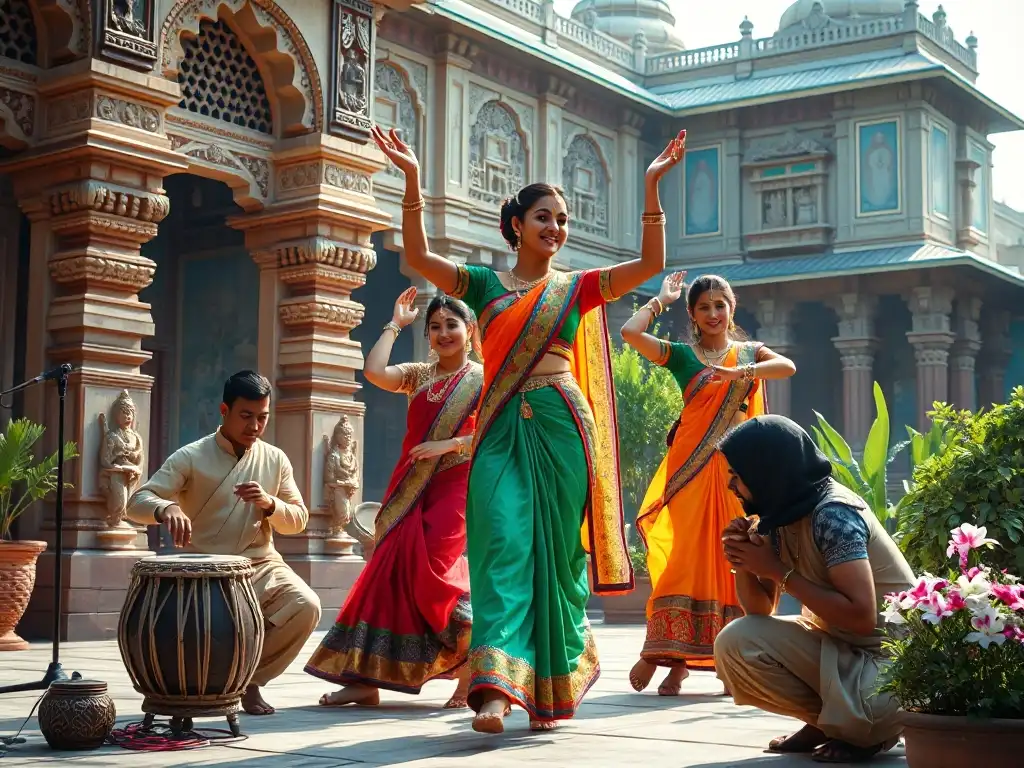
Welcome to Ancient India History, where we embark on a captivating journey through the vibrant tapestry of India's rich and diverse past. Discover the intriguing influences of ancient Indian dance as we explore how this expressive art form was shaped by interactions with various civilizations.
From the rhythmic movements of the Indus Valley to the elaborate performances of the Gupta Empire, the story of dance in ancient India is a fusion of cultures waiting to be uncovered. Join us as we delve deeper into this fascinating topic and reveal the profound connections that continue to resonate in today’s art forms.
Introduction to Ancient Indian Dance Influences
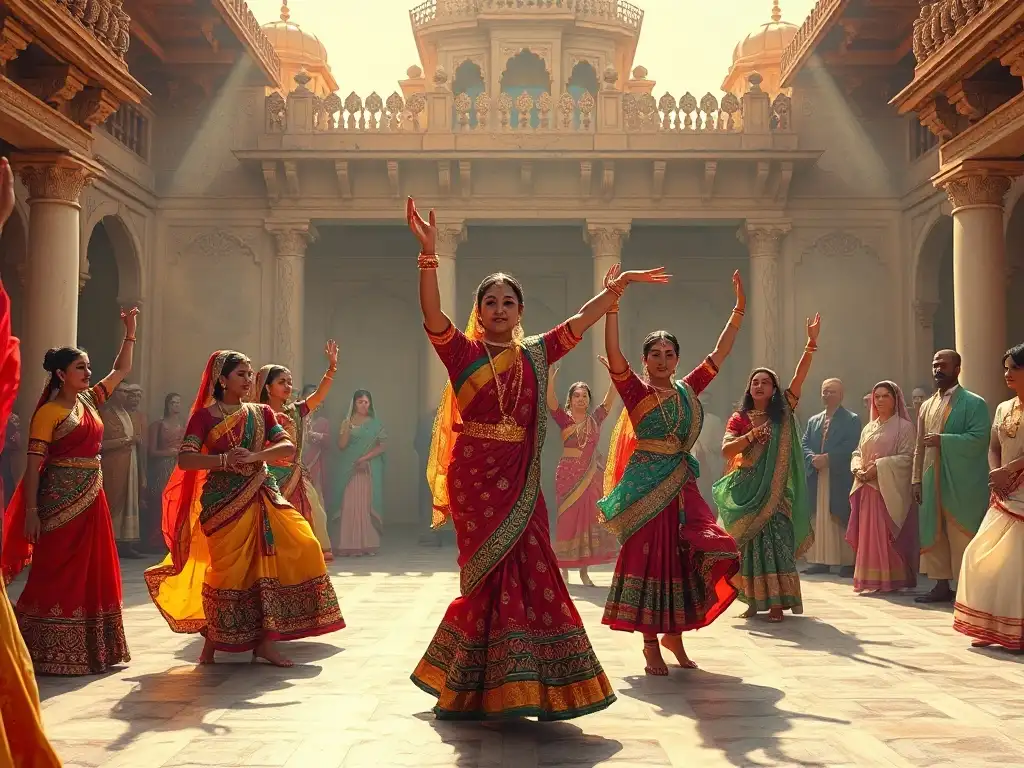
The history of ancient Indian dance is a captivating narrative woven through the fabric of time, characterized by a rich tapestry of influences from various cultures and civilizations. From the graceful movements of classical dance to the rhythmic beats of folk traditions, ancient Indian dance reflects a confluence of diverse cultural elements that have shaped its evolution.
This article delves into the intricate relationships between ancient Indian dance and the myriad influences that contributed to its development. By exploring how ancient Indian civilizations integrated external dance forms, we can appreciate the dynamic exchange of ideas and artistic expressions that transpired across borders and eras, ultimately enriching the cultural heritage of India.
Overview of Dance in Ancient India
Dance in ancient India was not merely a form of entertainment; it was a profound expression of spirituality, storytelling, and social commentary. The various styles of dance that emerged during this period served multiple functions, including religious rituals, court entertainment, and communal celebrations. Some key features of ancient Indian dance include:
- Dramatic Expression: Dance was often used to convey narratives from epics like the Mahabharata and Ramayana, where movements and gestures told the stories of gods, heroes, and moral lessons.
- Rhythmic Complexity: Ancient Indian dance forms incorporated intricate footwork and rhythmic patterns, often synchronized with live music, which highlighted the importance of rhythm in Indian arts.
- Symbolism and Meaning: Many dance movements were imbued with symbolic significance, representing various emotions (rasa) and states of being, allowing performers to connect deeply with their audience.
As these dance forms evolved, they were influenced by the cultural exchanges that occurred as a result of trade, migration, and conquest, which played a pivotal role in shaping the landscape of ancient Indian dance.
Importance of Cultural Exchange in Dance Evolution
Cultural exchange is a cornerstone of artistic evolution, and ancient Indian dance is no exception. Interaction with neighboring civilizations and distant cultures led to the integration of new ideas, techniques, and styles into the Indian dance repertoire. The importance of this cultural interchange can be summarized as follows:
- Diversification of Styles: The amalgamation of various dance forms enriched the Indian dance palette, resulting in a diversity that reflected the influences of different regions and cultures.
- Innovation in Technique: Exposure to foreign dance styles inspired Indian dancers to innovate and refine their techniques, leading to the establishment of unique forms that maintained their indigenous roots while incorporating new elements.
- Shared Narratives: Cultural exchanges facilitated the sharing of stories and myths across civilizations, broadening the thematic scope of dance performances and allowing for a more universal appeal.
Historical Context of Ancient Indian Dance
To fully understand the influences that shaped ancient Indian dance, it is essential to examine the historical contexts in which these changes occurred. Each period brought unique contributions and interactions that significantly impacted the development of dance.
The Indus Valley Civilization and Early Dance Forms
The Indus Valley Civilization (c. 3300–1300 BCE) is one of the earliest known urban cultures in India, and its contributions to dance are often inferred from archaeological findings. While direct evidence of dance practices is limited, artifacts such as figurines depicting dancers and seals with dance motifs suggest the existence of early dance forms. Some characteristics of this period include:
- Ritualistic Elements: Dance likely played a role in religious and social ceremonies, possibly as a form of worship or celebration within the community.
- Community Participation: Early dance forms were probably communal, involving groups rather than solo performances, fostering a sense of unity among the people.
Influence of Aryan Culture on Dance Traditions
The arrival of the Aryans around 1500 BCE marked a significant cultural shift in ancient India, introducing new religious and social paradigms. The integration of Aryan culture had notable effects on dance, including:
- Incorporation of Vedic Rituals: The Vedic texts highlighted the importance of music and dance in religious rituals, leading to the establishment of dance as an integral part of worship.
- Performance for Royal Courts: As Aryan society evolved, dance began to be performed in royal courts, leading to the development of more sophisticated styles and techniques.
The Role of Religion in Shaping Dance Styles
Religion has been a profound influence on the evolution of dance in ancient India, with various deities and spiritual beliefs shaping performance styles. Major religious influences include:
- Hinduism: Dance forms such as Bharatanatyam and Odissi were intricately linked to temple rituals and worship, often depicting stories from Hindu mythology.
- Buddhism and Jainism: These religions contributed to the development of distinctive dance forms that emphasized meditation and spiritual expression, reflecting their philosophical tenets.
The fusion of various cultural influences, from early civilizations to religious transformations, played a crucial role in shaping the rich and diverse landscape of ancient Indian dance. Understanding these influences provides valuable insights into how ancient Indian dance continues to evolve while retaining its historical essence.
Major Civilizations Contributing to Ancient Indian Dance
Ancient Indian dance has always been a dynamic tapestry woven from various cultural threads, with significant contributions from multiple civilizations. Each of these cultures left an indelible mark on the dance forms, enriching them with unique styles, themes, and techniques. The influences from these civilizations not only shaped the evolution of dance in ancient India but also helped in creating a diverse array of performances that resonated with spirituality, storytelling, and communal gatherings. Here, we explore some of the major civilizations that played a pivotal role in this cultural amalgamation.
Ancient Greece: The Exchange of Artistic Expressions
The interaction between Ancient India and Greece, particularly during the time of Alexander the Great, provided a fertile ground for the exchange of artistic ideas. Greek theater, with its emphasis on dramatic expression and elaborate choreography, significantly influenced the performance styles in India. Notably, the emphasis on narrative and character portrayal in Greek performances found its counterpart in Indian dance, where storytelling is a fundamental aspect.
The Greeks brought with them concepts of rhythm and movement that resonated with Indian traditions, leading to the incorporation of more structured patterns in dance. This exchange can be observed in the use of gestures, known as "mudras," which are essential in conveying emotions and narratives in both cultures. Ancient Indian texts such as the Natya Shastra, which outlines the principles of dance and drama, reflect the synthesis of these influences, showcasing how Greek aesthetics enriched Indian dance forms.
The Persian Influence on Classical Indian Dance
The Persian influence on Indian culture is particularly significant during the Mughal period, where art and aesthetics saw a flourishing integration of Persian traditions. Persian dance forms, characterized by their grace and fluidity, found their way into classical Indian dance, resulting in a hybridization that can be seen in various styles.
One of the most notable impacts was on the dance form of Kathak, which absorbed many elements from Persian dance, including intricate footwork and the use of expressive hand gestures. Mughal courts became centers of artistic confluence, where Persian poets and dancers mingled with Indian artists, resulting in performances that celebrated both cultural heritages. This synthesis not only enriched the visual appeal of the dances but also introduced themes of love, beauty, and nature, which are prevalent in both Persian literature and Indian artistic expression.
Southeast Asian Cultures and Their Impact on Dance Forms
The maritime trade routes that connected India with Southeast Asia facilitated a vibrant exchange of cultural practices, including dance. Southeast Asian cultures, particularly those of Indonesia and Thailand, shared similarities with Indian dance, evidenced by the incorporation of Hindu epics such as the Ramayana and Mahabharata into local performances.
Dance forms like the Balinese and Kathakali showcase narratives that reflect Indian themes while adopting local stylistic elements. The use of masks, elaborate costumes, and ritualistic movements in these Southeast Asian dances highlights the mutual influences that have enriched both traditions. Furthermore, the temple dance traditions of these regions often mirror the devotional aspects found in Indian classical dance, underscoring the spiritual connection shared across these cultures.
Key Dance Forms Evolving from Cultural Fusion
The cultural exchanges that shaped ancient Indian dance have resulted in several distinctive dance forms that embody the essence of this fusion. These dances not only serve as a medium of artistic expression but also preserve the rich narratives and traditions that have emerged from centuries of cultural interactions.
Bharatanatyam: Blending of Traditional and Contemporary Styles
Bharatanatyam, one of the oldest classical dance forms of India, exemplifies the fusion of traditional and contemporary styles. Originating in Tamil Nadu, its roots can be traced back to the Natya Shastra and the Devadasi tradition, where it was performed in temples as a form of worship. Over time, Bharatanatyam has evolved through the influence of various cultures and artistic movements.
The incorporation of Western classical dance techniques in the 20th century led to a modern reinterpretation of Bharatanatyam, allowing it to reach a broader audience. This blending of styles has resulted in innovative choreography that retains traditional elements while embracing contemporary themes and expressions, making Bharatanatyam a living art form that continues to adapt and thrive.
Kathak: The Influence of Mughal Culture
Kathak is a dance form that exemplifies the rich cultural interplay between Hindu and Mughal traditions. Originating as a storytelling medium, Kathak dancers, known as "Kathakas," would narrate tales of gods and heroes using intricate footwork and expressive gestures. The Mughal period brought about a significant transformation, introducing Persian and Central Asian influences into the dance.
The Mughal love for opulence and elegance can be seen in the lavish costumes and the incorporation of romantic themes in Kathak performances. Furthermore, the use of improvisation, a hallmark of Kathak, was influenced by the spontaneity of Persian dance, allowing dancers to showcase their skills and creativity. This evolution has rendered Kathak a versatile form that seamlessly blends its historical roots with modern interpretations.
Odissi: Integrating Tribal and Regional Elements
Odissi, originating from the eastern state of Odisha, is characterized by its graceful movements and expressive storytelling. This dance form has deep tribal roots and is believed to have evolved from ancient temple rituals dedicated to the deities. The influence of various regional cultures has significantly shaped its development.
The integration of tribal dance elements into Odissi has resulted in unique postures and movements that reflect the local aesthetics and spirituality. For instance, the incorporation of the "tribal chhau" style showcases the vigorous and dynamic aspects of Odissi, while also highlighting the dance's connection to nature and agricultural themes. This fusion of tribal and classical elements has created a rich and diverse dance form that speaks to the cultural heritage of the region, making Odissi a vibrant representation of the interplay between tradition and evolution.
Techniques and Styles Adopted from Other Civilizations
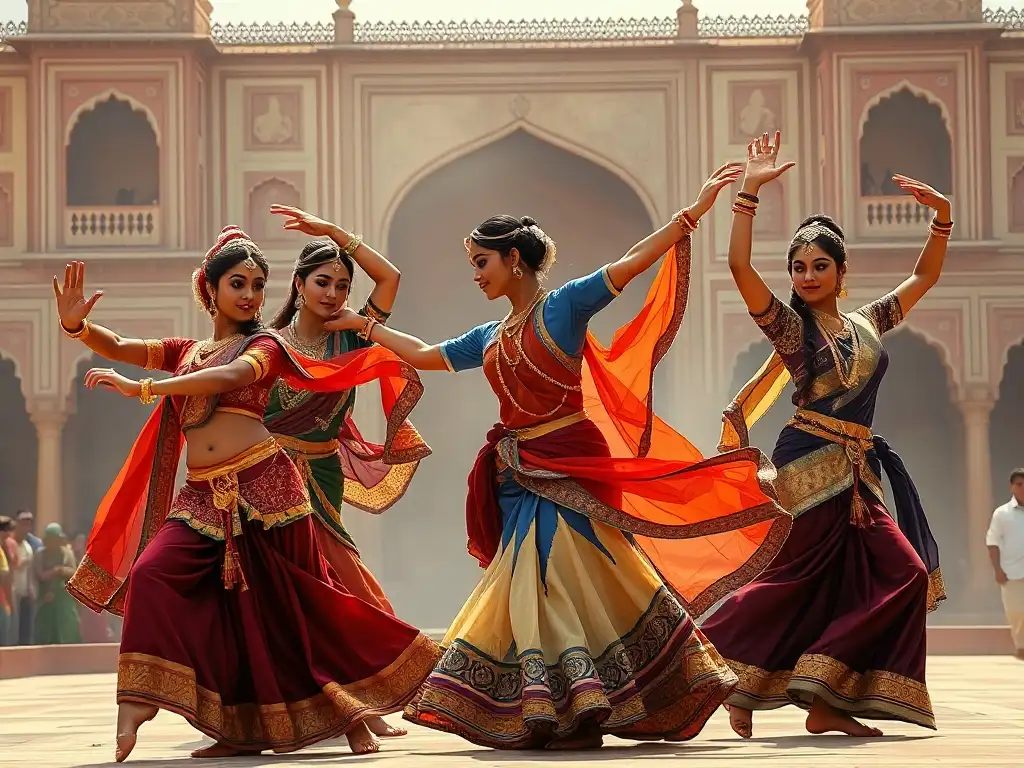
Ancient Indian dance is a vibrant tapestry woven from various techniques and styles borrowed from neighboring civilizations. The integration of influences from Persia, Greece, and Southeast Asia played a pivotal role in shaping the diverse dance forms that emerged throughout Indian history. For instance, the influence of the Persian court dances can be observed in the graceful movements and intricate footwork of classical Indian dance forms like Kathak.
Similarly, the Hellenistic period introduced elements of storytelling through dance, which found resonance in Indian narratives, particularly in the tradition of storytelling through Bharatanatyam and Odissi. The incorporation of elaborate gestures and facial expressions, essential in conveying emotional depth, also reflects a blend of these external influences.
As a result of these cultural exchanges, dance in ancient India became a dynamic art form, characterized by fluid movements, expressive storytelling, and a rich variety of styles that continued to evolve over centuries. This cultural fusion not only enriched the dance practices of ancient India but also laid the groundwork for the wide array of styles present in contemporary Indian dance.
The Role of Gesture and Expression (Mudras) in Dance
Mudras, or hand gestures, are an integral part of ancient Indian dance, serving as a powerful means of expression and communication. Derived from ancient texts like the Natya Shastra, these gestures convey specific meanings and emotions, allowing dancers to narrate stories and express complex feelings without spoken words. Mudras can symbolize everything from deities to natural elements, providing depth and context to the performance.
Each classical dance style, such as Kathakali, Bharatanatyam, and Odissi, has developed its own repertoire of mudras, influenced by local traditions and external sources. For instance, the use of intricate hand movements in Kathak is reminiscent of the gestures seen in ancient Greek dance, showcasing a blend of cultural influences.
Moreover, the expressive use of the face and body in conjunction with mudras enhances the storytelling aspect of the dance, transforming each performance into a vivid portrayal of ancient myths and legends. This emphasis on gesture and expression reflects the importance of communication in ancient Indian societies, where dance was not merely an art form but a means of preserving and sharing cultural narratives.
Musical Influences on Ancient Indian Dance Rhythms
Music has always been a fundamental component of ancient Indian dance, with rhythms and melodies drawing inspiration from various civilizations. The integration of musical elements from Persian, Arab, and Central Asian traditions significantly enriched the rhythmic patterns used in dance performances. This cross-pollination can be seen in the incorporation of new instruments and scales, which broadened the auditory palette of Indian classical music.
For instance, the use of the tabla, which has roots in Persian drumming techniques, became essential in providing the intricate rhythmic structures that accompany dance forms like Kathak. Additionally, the melodic frameworks known as ragas, influenced by various cultural exchanges, added emotional depth and variety to performances, allowing dancers to express a wide range of sentiments.
The rhythmic complexity present in classical Indian dance is a testament to this cultural integration, where ancient traditions met new influences, resulting in a unique musical landscape that continues to evolve. This convergence of musical styles not only enhanced the dance experience but also played a crucial role in the overall aesthetic of ancient Indian art forms.
Costume and Ornamentation: Cultural Borrowings
Costumes and ornamentation in ancient Indian dance reflect a rich history of cultural borrowing and adaptation. The attire worn by dancers is often a blend of indigenous styles and influences from various civilizations, showcasing the interconnectedness of ancient cultures. For example, the elaborate draping of fabrics in Bharatanatyam and the intricate jewelry worn in Kathakali highlight influences from both local and foreign traditions.
The vibrant colors and rich textiles used in dance costumes were often inspired by trade relations with regions such as Persia and Arabia. These exchanges not only introduced new materials and designs but also contributed to the overall visual appeal of the performances.
Ornamentation, including the use of traditional jewelry, headdresses, and body adornments, is another area where cultural influences can be traced. The incorporation of motifs and patterns from other civilizations into dance attire signifies a continuous exchange of ideas and aesthetics, enriching the cultural fabric of ancient Indian dance.
The Legacy of Cultural Integration in Ancient Indian Dance
The legacy of cultural integration in ancient Indian dance is profound, leaving an indelible mark on the evolution of various dance forms that continue to thrive today. This legacy is characterized by a rich blend of techniques, styles, and expressions that reflect the historical interactions between diverse civilizations.
By embracing influences from surrounding cultures, ancient Indian dance not only evolved as an art form but also served as a medium for cultural dialogue and exchange. The adaptability of these dance forms demonstrates how ancient Indian artists were able to incorporate new ideas while preserving their unique identity.
Preservation of Diverse Dance Forms through Generations
The preservation of diverse dance forms through generations is a testament to the resilience and dedication of those who have safeguarded these traditions. Various dance styles, such as Kathak, Bharatanatyam, and Odissi, have been passed down through oral traditions, dance schools, and familial lineages, ensuring that the influences of ancient cultures remain alive.
Efforts to document and preserve these dance forms have been crucial in maintaining their integrity and historical significance. Scholars, gurus, and performers have worked tirelessly to keep the essence of these dances intact while also allowing for evolution and adaptation in response to contemporary contexts.
This preservation not only honors the past but also enriches the cultural landscape of modern India, where ancient dance forms continue to inspire and influence new generations of artists.
The Impact on Modern Indian Dance Styles
The impact of ancient Indian dance's cultural integration on modern styles is evident in the way contemporary dance has evolved. Modern Indian dance forms often draw upon traditional techniques and themes while infusing them with contemporary aesthetics and narratives. This blend of old and new reflects the ongoing dialogue between history and modernity, showcasing the dynamic nature of Indian dance.
For example, fusion dance styles that incorporate elements of hip-hop, ballet, and other global influences are increasingly popular, demonstrating how ancient Indian dance continues to inspire innovation. This evolution allows for a vibrant exchange of ideas, encouraging artists to explore their cultural roots while also engaging with global artistic trends.
The legacy of ancient Indian dance influences is thus not only preserved but reinvented, ensuring that the art form remains relevant and resonant in a rapidly changing world.
Celebrating Cultural Diversity in Contemporary Performances
Contemporary performances of Indian dance celebrate cultural diversity by showcasing the rich tapestry of influences that have shaped the art form. Festivals, dance competitions, and collaborative performances often highlight the fusion of various styles, encouraging an appreciation for the cultural dialogues that have occurred throughout history.
Dancers today frequently incorporate elements from different traditions, reflecting the multicultural landscape of modern India. This celebration of diversity is not only a tribute to ancient influences but also a recognition of the importance of inclusivity and representation in the arts.
By embracing a variety of styles and influences, contemporary Indian dance performances serve as a powerful reminder of the interconnectedness of cultures, fostering a sense of unity and shared heritage among diverse communities. This ongoing celebration of cultural diversity continues to enrich the narrative of ancient Indian dance, ensuring its relevance and vitality for future generations.
Conclusion: The Ongoing Journey of Ancient Indian Dance Influences
The journey of ancient Indian dance is a testament to the rich tapestry of cultural exchange that has shaped its evolution over millennia. From the rhythmic footwork of Bharatanatyam to the graceful movements of Kathak, each dance form has absorbed influences from various civilizations, creating a unique and diverse artistic expression. The integration of elements from neighboring cultures, such as Persian, Mongolian, and even Southeast Asian, has enriched the foundational styles of Indian dance, resulting in a dynamic fusion that continues to evolve today.
While the historical influences laid the groundwork for these dance forms, the ongoing journey is characterized by contemporary interpretations and adaptations. Modern choreographers and dancers are increasingly exploring the intersections of traditional Indian dance with global styles, further expanding its reach and appeal. This ongoing evolution demonstrates that ancient Indian dance is not a static art form but a living tradition that thrives through creativity and innovation.
Reflections on Cultural Exchange and Artistic Development
Cultural exchange is a fundamental aspect of artistic development, particularly in the context of ancient Indian dance. The fluid movement of ideas, practices, and artistic expressions across geographical boundaries has led to the enrichment of Indian dance forms. Historical accounts reveal that trade routes and conquests facilitated the interaction of different cultures, allowing for the introduction of new techniques and styles into the Indian subcontinent.
For instance, the influence of Buddhist art and dance from the regions of Central Asia and the Himalayas brought new themes and narratives to Indian dance. Similarly, the Mughal Empire's patronage introduced Persian aesthetics and storytelling elements that transformed the performance landscape. Such exchanges highlight the adaptability of ancient Indian dance, as it absorbed and reinterpreted diverse influences to create something uniquely Indian yet globally resonant.
Moreover, this rich exchange underscores the importance of dialogue in artistic practices. The collaborative efforts of artists from different backgrounds have led to innovative performances that celebrate both tradition and modernity. As dancers today continue to draw inspiration from a multitude of sources, the legacy of cultural exchange remains a vital force in the ongoing development of ancient Indian dance.
The Future of Ancient Indian Dance in a Global Context
Looking ahead, the future of ancient Indian dance is poised for exciting possibilities in a global context. As the world becomes increasingly interconnected, the dialogue between traditional Indian dance and international art forms opens new avenues for collaboration and creativity. The integration of technology and multimedia in performances is also transforming how audiences experience dance, allowing for broader engagement and appreciation.
The global interest in yoga and traditional Indian practices has paved the way for a revival of interest in Indian dance forms, inspiring dancers and choreographers to present these art forms on international stages. Festivals, workshops, and cultural exchanges are facilitating greater exposure and understanding of the historical influences that shaped ancient Indian dance, fostering a sense of pride in its rich heritage.
As ancient Indian dance continues to evolve, it is essential to maintain a balance between honoring traditional practices and embracing innovation. The challenge lies in preserving the authenticity of these art forms while allowing for creative interpretations that resonate with contemporary audiences. By nurturing this delicate balance, ancient Indian dance can thrive not only as a cherished cultural heritage but also as a vibrant and influential art form in the global dance community.
- Introduction to Ancient Indian Dance Influences
- Historical Context of Ancient Indian Dance
- Major Civilizations Contributing to Ancient Indian Dance
- Key Dance Forms Evolving from Cultural Fusion
- Techniques and Styles Adopted from Other Civilizations
- The Legacy of Cultural Integration in Ancient Indian Dance
- Conclusion: The Ongoing Journey of Ancient Indian Dance Influences
Frequently Asked Questions
What are the main influences on ancient Indian dance?
Ancient Indian dance was significantly influenced by various cultures, including Persian, Greek, and local tribal traditions. This fusion led to diverse dance forms that reflect the rich cultural tapestry of ancient India.
How did the Indus Valley civilization contribute to dance?
The Indus Valley civilization laid early foundations for ritualistic dance through archaeological findings, such as figurines depicted in dance poses. These findings suggest that dance was integral to their spiritual and social practices.
What role did the Gupta Empire play in the evolution of dance?
The Gupta Empire is known for its patronage of the arts, which included dance. During this period, dance forms became more structured and formalized, leading to the emergence of classical styles that are still practiced today.
How did religious beliefs influence ancient Indian dance?
Religious beliefs deeply influenced ancient Indian dance, as many forms were ritualistic and served to express devotion to deities. Dance became a means of spiritual expression and was often performed in temples as part of ceremonies.
Are there any surviving ancient dance forms today?
Yes, several ancient dance forms, such as Bharatanatyam, Kathak, and Odissi, have survived and evolved over time. These classical dances continue to showcase the influence of ancient traditions while incorporating modern elements.
Final Reflection: Embracing the Tapestry of Ancient Indian Dance Influences
The exploration of ancient Indian dance influences reveals a profound truth: the beauty of cultural fusion is not just a relic of the past, but a vibrant force shaping our present. As we delve into the intricate ways in which ancient India integrated diverse dance forms from various civilizations, we uncover a dynamic narrative that reflects the resilience and adaptability of human expression. This ongoing dialogue between cultures continues to inspire artists and audiences alike, reminding us that creativity knows no boundaries.
Cultural exchange is a living testament to our shared humanity, and the evolution of dance in ancient India exemplifies this beautifully. The influences from neighboring regions and distant lands not only enriched Indian dance but also fostered a sense of unity amidst diversity. As the renowned dancer and choreographer Martha Graham once said, Dance is the hidden language of the soul.
This sentiment resonates deeply as we recognize that the dance forms born from this fusion are not merely performances; they are stories that connect us to our roots and to one another.
As we reflect on the lessons of ancient Indian dance influences, let us embrace the spirit of collaboration and openness in our own lives. I invite you to explore the rich tapestry of cultures around you, to celebrate the unique contributions of each, and to allow these influences to inspire your own creative journey. By doing so, we honor the legacy of those who came before us and pave the way for future generations to continue this beautiful dance of cultural exchange.
Unveil the Rhythms of Cultural Fusion!
Thank you for taking the time to explore the fascinating journey of ancient Indian dance and its rich tapestry of influences! Your interest in how diverse cultures intertwined through the art of movement highlights the beauty of shared heritage. Now, let’s take your appreciation a step further!
Here are some exciting actions you can take right now:
- Dive Deeper: Explore local dance workshops or online classes that showcase traditional Indian dance forms. Experience the movements and stories firsthand!
- Share Your Passion: Discuss the diverse influences on dance in ancient India with friends or on social media. Let’s spread the appreciation for cultural fusion!
- Discover More: Read about the various civilizations that shaped Indian dance by checking out our related articles on its historical context. There’s so much more to learn!
What aspect of cultural fusion in dance resonates with you the most, and how do you see it reflected in today’s art forms?