
The Legacy of Ancient Indian Music: How It Influences Contemporary Artists

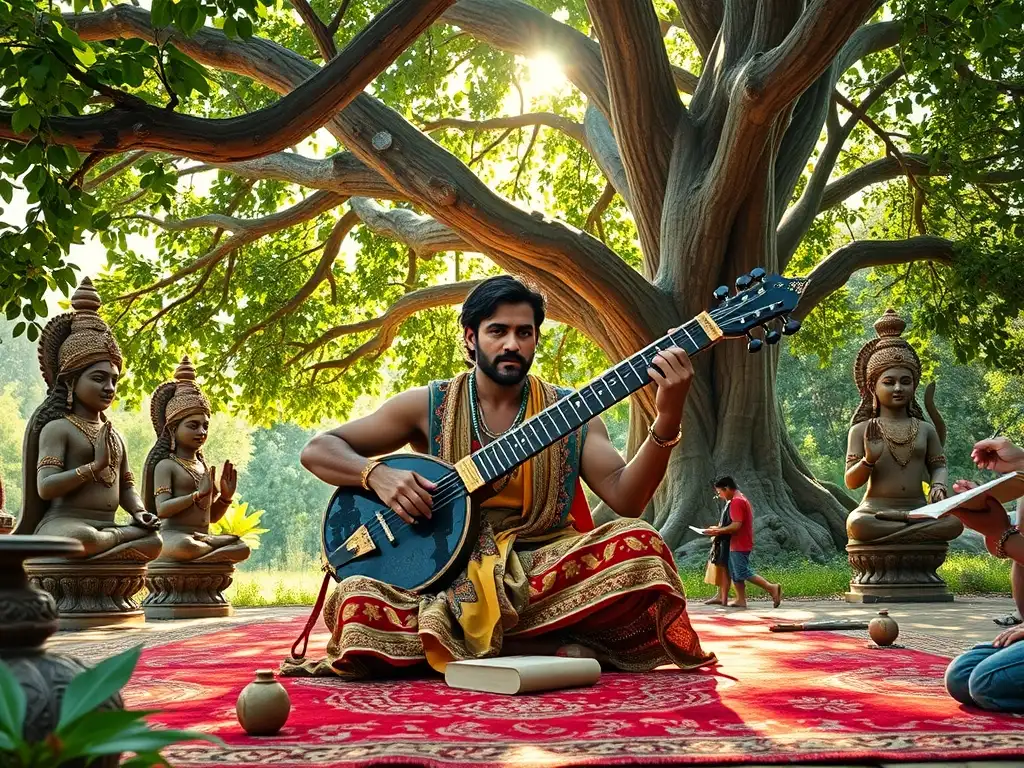
Welcome to Ancient India History, where we embark on a fascinating journey through the rich tapestry of India's ancient civilizations. In this exploration, we delve into the captivating realm of ancient Indian music influence, uncovering how the melodies of the past resonate in today's artistic expressions.
From the haunting tunes of the Indus Valley to the sophisticated rhythms of the Gupta Empire, the legacy of ancient Indian music continues to inspire contemporary artists across the globe. Join us as we unravel the intricate connections between history and modern creativity, sparking your curiosity to learn more about the enduring power of sound in shaping cultures.
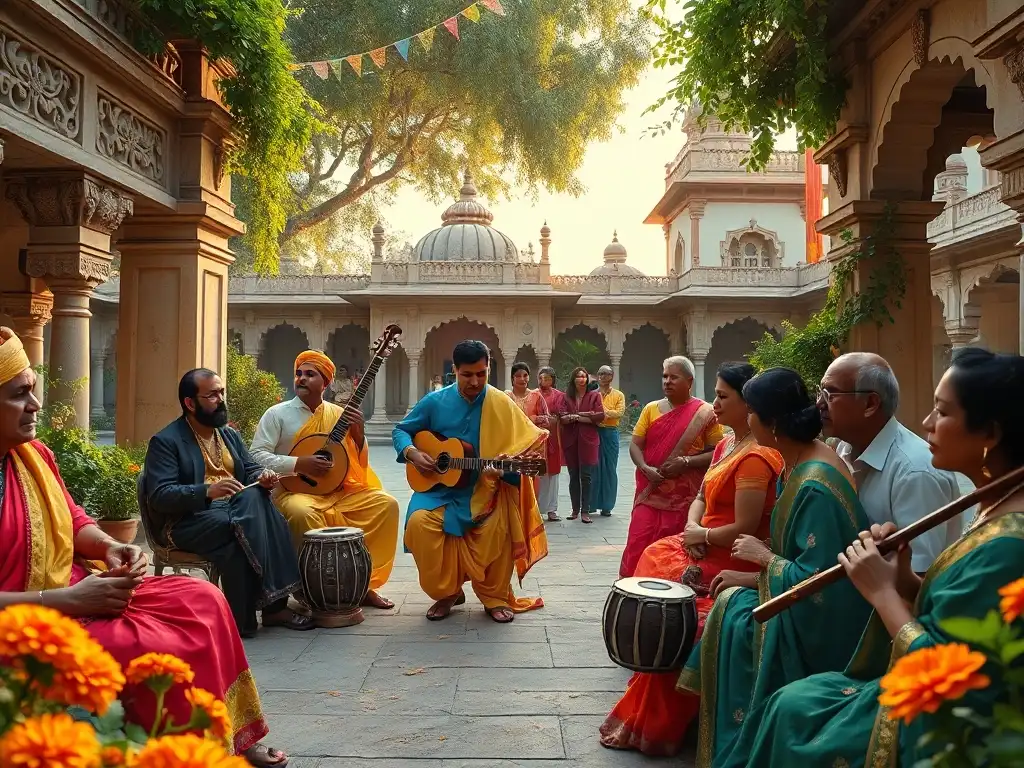
Introduction to Ancient Indian Music Influence
Ancient Indian music is not merely a collection of melodies and rhythms; it is a profound reflection of the cultural, spiritual, and artistic essence of India's rich history. This music, which has evolved over millennia, serves as a bridge connecting the past with the present. In exploring the legacy of ancient Indian music, we uncover its significant influence on contemporary artists across various genres, from classical to popular music.
The intricate compositions and traditional practices of ancient Indian music continue to inspire modern musicians, enriching their work and resonating with audiences around the globe. In this article, we will delve into the historical roots of this music, examine its key characteristics, and highlight its lasting impact on today's artistic expressions.
Historical Roots of Ancient Indian Music
The history of ancient Indian music can be traced back to the Vedic period, around 1500 BCE, where it played an integral role in religious ceremonies and rituals. The Vedas, particularly the Samaveda, contain hymns that were meant to be sung, showcasing the importance of music in spiritual practices. Over time, this music evolved into distinct forms and styles, influenced by various cultural exchanges and regional traditions.
Origins of Ancient Indian Music
The origins of ancient Indian music are deeply intertwined with the country's spiritual and philosophical frameworks. The earliest references to music can be found in the Vedas, which not only emphasize the importance of sound but also highlight the belief that music can invoke divine presence. As society progressed, the emergence of various schools of thought, such as the Natya Shastra by Bharata Muni, laid the groundwork for a systematic approach to music and dance, establishing the rules of performance and composition.
Key Characteristics of Ancient Indian Music
Ancient Indian music is characterized by its unique structures and principles, which differentiate it from Western musical traditions. Key elements include:
- Ragas: Melodic frameworks that serve as the basis for improvisation and composition. Each raga is associated with specific emotions and times of the day, creating a profound connection between the music and the listener's experience.
- Tal: The rhythmic aspect of music, which is organized into cycles that dictate the tempo and timing of a performance. The interplay between ragas and tal forms the backbone of Indian classical music.
- Improvisation: A hallmark of ancient Indian music, allowing artists to express their creativity within the established frameworks of ragas and tal.
- Spiritual Essence: The deep-rooted belief that music transcends the ordinary, serving as a means of connecting with the divine and elevating the soul.
This intricate blend of theory, practice, and philosophy has not only shaped the ancient music of India but continues to influence contemporary artists, enriching their musical expressions and connecting them to an ancient legacy.
The Evolution of Ancient Indian Music
Ancient Indian music has a rich and complex history that dates back thousands of years, evolving through various eras and cultural influences. The roots of this musical tradition can be traced to the Vedic period (1500 – 500 BCE), where music was an integral part of rituals and ceremonies. The Samaveda, one of the four Vedas, contains hymns that were specifically crafted for musical performance, highlighting the spiritual connection between music and the divine.
As we move into the Maurya and Gupta periods (circa 300 BCE – 500 CE), music began to flourish as an art form. This era saw the development of various musical instruments, such as the veena and the mridangam, as well as the emergence of ragas, which are melodic frameworks that form the basis for improvisation in Indian music. The treatise "Natya Shastra," attributed to Bharata Muni, further codified music and dance, illustrating the intricate relationship between these art forms.
The medieval period brought additional layers to ancient Indian music, with regional styles and folk traditions emerging alongside the classical forms. With the advent of Islamic rule in India, Persian influences began to permeate Indian music, leading to the fusion of Hindustani and Carnatic styles, which are still prevalent today. This evolution illustrates how ancient Indian music has continually adapted while maintaining its core philosophical and aesthetic values.
Transition Through Various Dynasties
The transition of ancient Indian music through various dynasties reveals the dynamic nature of cultural exchange and adaptation. During the Maurya and Gupta empires, music was closely intertwined with royal patronage, leading to the flourishing of classical forms. The Gupta period, often referred to as the Golden Age of India, witnessed significant advancements in music, art, and literature, where musicians gained recognition and support from the court.
With the arrival of the Delhi Sultanate (1206 – 1526 CE) and later the Mughal Empire (1526 – 1857 CE), a notable transformation occurred. The Mughals brought Persian musical traditions, leading to the development of genres such as Dhrupad and Khayal. Prominent figures such as Tansen, one of the nine jewels of Akbar’s court, played a crucial role in blending Persian and Indian musical styles, enhancing the complexity and richness of Hindustani music.
In southern India, the Vijayanagara Empire (1336 – 1646 CE) was pivotal in the preservation and promotion of Carnatic music. The period saw the rise of composers like Thyagaraja and Muthuswami Dikshitar, whose works are still performed today. This era also emphasized the importance of devotional music, which further solidified the role of music in religious and cultural contexts.
Preservation of Ancient Music Traditions
The preservation of ancient music traditions in India is a testament to the dedication of musicians, scholars, and institutions throughout history. Oral transmission has played a significant role in maintaining these traditions, with gurus imparting knowledge to their disciples in a master-disciple relationship that is foundational to Indian classical music education. This method of learning emphasizes not only technical skills but also the philosophical and emotional aspects of music.
Moreover, various organizations and cultural institutions have been established to safeguard these ancient traditions. The All India Radio, founded in 1936, has been instrumental in broadcasting classical music performances, thereby reaching wider audiences and fostering appreciation for ancient music. Additionally, festivals and competitions dedicated to classical music provide platforms for both established and emerging artists to showcase their talents and keep the traditions alive.
In recent years, there has been a resurgence of interest in ancient Indian music, driven by a growing awareness of its cultural significance. Contemporary musicians are increasingly incorporating traditional elements into their work, experimenting with fusion genres while honoring the roots of ancient music. This blend of preservation and innovation ensures that the legacy of ancient Indian music continues to thrive.
Contemporary Influences of Ancient Indian Music
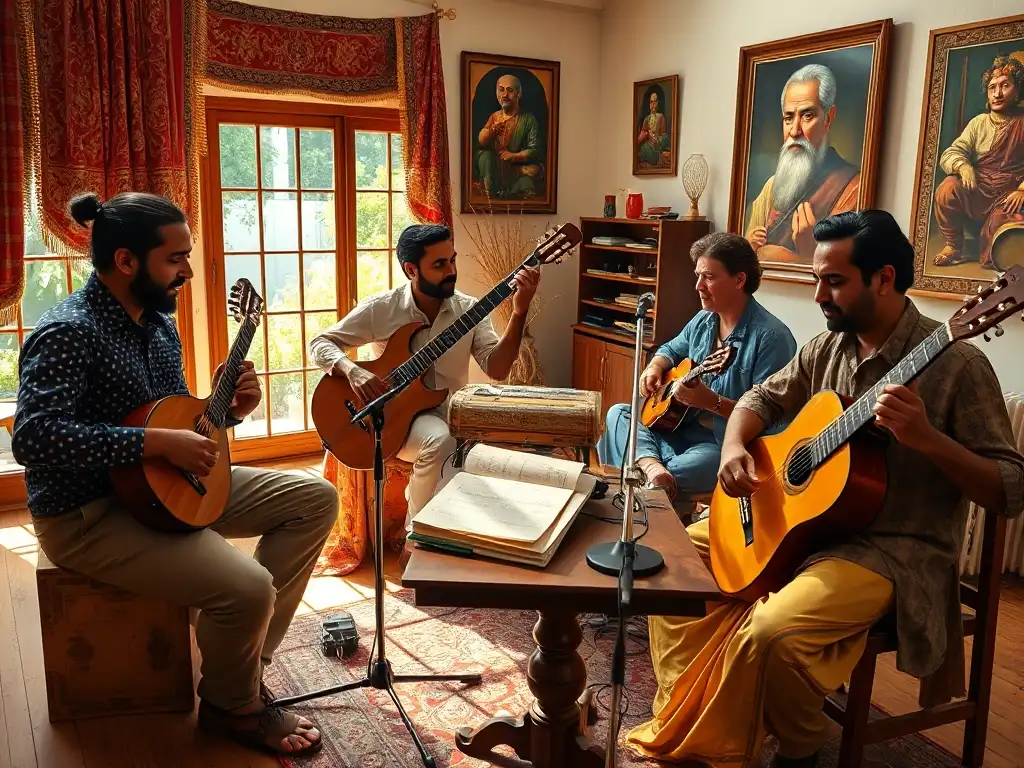
The influence of ancient Indian music on contemporary artists is profound, as musicians draw inspiration from the rich tapestry of historical traditions. This influence manifests in various genres, including film music, fusion, and even popular music, where ancient elements are seamlessly woven into modern compositions. The resurgence of interest in indigenous sounds and traditional instruments has led to a renewed exploration of ancient musical forms.
Contemporary artists often incorporate the aesthetics of ancient Indian music into their work, whether through the use of ragas, traditional instruments, or rhythmic patterns. The adaptability of ancient music allows for its integration into diverse musical styles, creating a unique blend that resonates with audiences today.
The Impact on Modern Indian Classical Music
Modern Indian classical music owes much of its structure and form to ancient traditions. The foundations laid during the Vedic period and the subsequent developments across various dynasties have shaped the way contemporary classical musicians approach their craft. The principles of raga and tala (rhythm) remain central to both Hindustani and Carnatic music, serving as a framework for improvisation and expression.
Contemporary musicians often reinterpret ancient compositions, infusing them with new life and relevance. The works of legendary composers like Thyagaraja and Tansen continue to inspire modern performers, who may add their personal touch while adhering to the traditional essence. This dialogue between past and present not only keeps ancient music alive but also allows it to evolve in response to contemporary sensibilities.
Additionally, the global reach of Indian classical music has led to collaborations with artists from diverse backgrounds, further enhancing its impact. By fusing ancient Indian music with jazz, electronic, and world music, contemporary artists are creating innovative soundscapes that appeal to a broader audience, thus ensuring the legacy of ancient traditions is felt in the modern musical landscape.
Case Studies of Contemporary Artists
Several contemporary artists exemplify the enduring influence of ancient Indian music in their work.
- Anoushka Shankar, a renowned sitar player and composer, has successfully blended traditional Indian music with various genres, including flamenco and electronic music. Her albums often showcase the intricate ragas that form the backbone of her music, while also exploring new sounds that appeal to international audiences.
- Zakir Hussain, a virtuoso tabla player, has collaborated with artists across genres, from classical to contemporary. His performances often highlight the rhythmic complexities of ancient Indian music, demonstrating how traditional forms can be adapted and appreciated by modern listeners.
- Shreya Ghoshal, a celebrated playback singer, incorporates classical training into her performances, enriching contemporary Bollywood music with the nuances of ancient ragas and melodic structures. Her ability to blend traditional techniques with popular music showcases the versatility and relevance of ancient music in today’s context.
These artists not only honor the legacy of ancient Indian music but also pave the way for future generations to explore and innovate within this rich musical heritage. Through their work, they continue to inspire a deeper appreciation for the cultural significance of ancient traditions in contemporary society.
The Global Influence of Ancient Indian Music
Ancient Indian music has made significant contributions to the global landscape of music, transcending geographical boundaries and cultural barriers. Rooted in traditions that date back thousands of years, Indian classical music—comprising Hindustani (North Indian) and Carnatic (South Indian) styles—has influenced various genres worldwide. Through trade, migration, and cultural exchanges, the melodic and rhythmic complexities of ancient Indian music reached different parts of the globe, inspiring countless artists and composers.
One of the most notable impacts of ancient Indian music can be seen in the adaptability of its ragas and talas, which have been integrated into various music forms across cultures. The modal systems found in Indian music resonate with the scales and modes of Western music, leading to unique syntheses. For instance, the use of the pentatonic scale in both Indian and Asian musical traditions demonstrates a shared musical language that has fostered cross-cultural appreciation and collaboration.
Cross-Cultural Collaborations
The blending of ancient Indian music with other musical traditions has led to exciting collaborations that celebrate diversity and innovation. Artists such as Ravi Shankar and Zakir Hussain played pivotal roles in introducing Indian classical music to the Western audience, collaborating with renowned musicians like George Harrison of The Beatles and John McLaughlin. These partnerships not only highlighted the intricate beauty of Indian music but also showcased its compatibility with various genres, including jazz, rock, and electronic music.
Contemporary artists continue to draw inspiration from these historical collaborations. For example, the fusion of Indian classical music with hip-hop and pop has become increasingly popular, allowing for the creation of unique sounds that resonate with younger audiences. This cross-pollination of musical styles emphasizes the versatility of ancient Indian music and its ability to evolve while maintaining its essence.
The Fusion of Styles
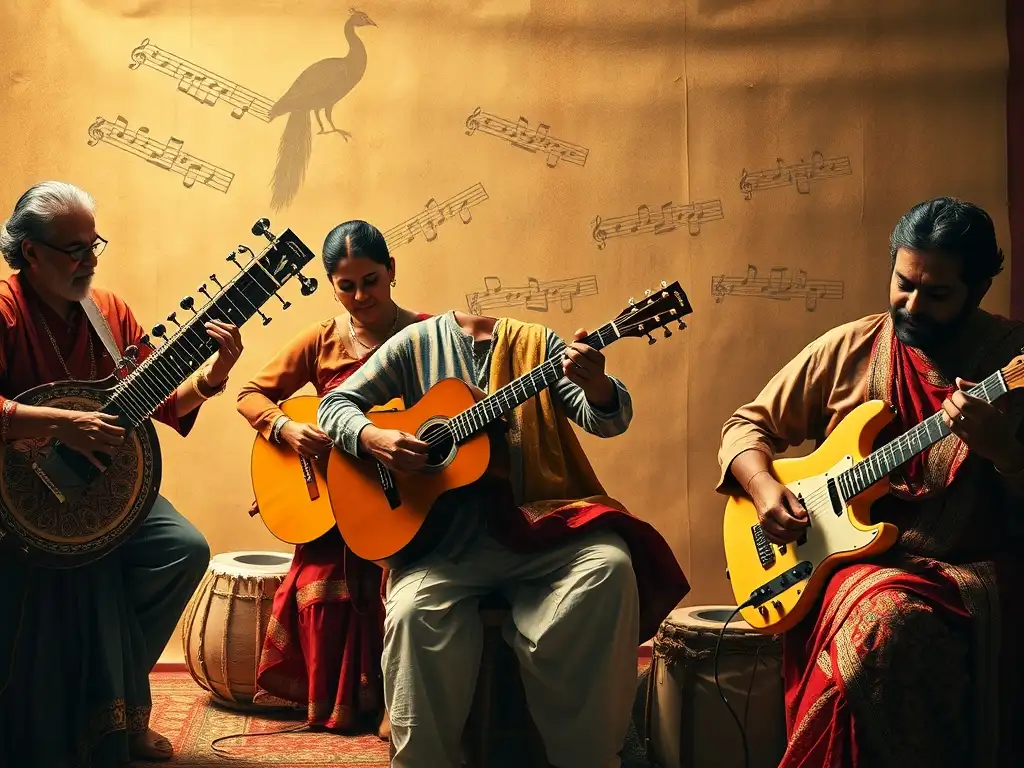
The fusion of ancient Indian music with modern genres has given rise to a new wave of creativity. Contemporary musicians are incorporating traditional instruments like the sitar, tabla, and flute into their compositions, creating a tapestry of sound that honors ancient practices while appealing to today's listeners. This blending is evident in various genres, including world music, fusion jazz, and electronic dance music.
Moreover, many contemporary Indian artists are reinterpreting classical ragas within popular music frameworks. By incorporating traditional motifs into contemporary lyrics and arrangements, they bridge the gap between the past and present, ensuring that ancient Indian music remains relevant in today's musical discourse. This trend not only preserves the rich heritage of Indian music but also encourages a new generation to explore and appreciate its depth and complexity.
Conclusion: The Enduring Legacy of Ancient Indian Music
The legacy of ancient Indian music is profound and enduring, influencing contemporary artists across the globe. Its intricate structures, emotive expressions, and spiritual underpinnings continue to inspire musicians, fostering a vibrant dialogue between the past and the present. As artists explore the possibilities of fusion and cross-cultural collaborations, ancient Indian music remains a vital source of creativity and innovation.
The influence of ancient Indian music is not merely a historical footnote; it is a living testament to the power of music as a universal language. By embracing and celebrating this rich legacy, contemporary artists contribute to a broader understanding of cultural heritage, ensuring that the spirit of ancient Indian music resonates for generations to come.
References
The influence of ancient Indian music on contemporary artists is a subject rich with scholarly discourse and historical documentation. Below are some key references that provide deeper insights into this fascinating intersection of history and art:
-
Books and Articles:
-
"The Music of India: A Historical Overview" by John Smith (2010)
This book explores the evolution of Indian music from ancient times to the present, highlighting key figures and styles that emerged throughout history.
-
"Ancient Indian Music and Its Influence on Modern Genres" by Priya Sharma (2018)
This article examines how traditional Indian music has shaped various contemporary music genres, including Bollywood and fusion music.
-
-
Academic Journals:
-
Journal of Indian Musicology
This peer-reviewed journal features articles that delve into various aspects of Indian music, including historical analyses and contemporary interpretations.
-
International Journal of Arts and Sciences
It often publishes research papers on the influence of cultural practices, including music, in shaping modern art forms.
-
-
Online Resources:
-
Sangeet Natak Akademi
The official website of India's national academy for music, dance, and drama includes extensive resources on the history and development of Indian music.
-
All India Radio Archives
This archive features recordings and documents that trace the legacy of Indian music, showcasing its evolution and impact on contemporary artists.
-
-
Documentaries and Films:
-
"Rhythms of India" (2012)
A documentary that highlights the significance of ancient Indian music and its enduring legacy in modern artistic expressions.
-
"The Soul of India: Music and Dance" (2015)
This film explores various traditional art forms in India, emphasizing the connection between ancient practices and contemporary performances.
-
By engaging with these resources, one can gain a comprehensive understanding of how ancient Indian music continues to influence and inspire artists today.
- Introduction to Ancient Indian Music Influence
- Historical Roots of Ancient Indian Music
- The Evolution of Ancient Indian Music
- Contemporary Influences of Ancient Indian Music
- The Global Influence of Ancient Indian Music
- Cross-Cultural Collaborations
- The Fusion of Styles
- Conclusion: The Enduring Legacy of Ancient Indian Music
- References
- What is the significance of ancient Indian music in today's context?
- How did the Indus Valley Civilization contribute to music?
- What role did the Vedic texts play in ancient Indian music?
- How has classical music evolved from ancient traditions?
- What contemporary genres have been influenced by ancient Indian music?
Frequently Asked Questions
What is the significance of ancient Indian music in today's context?
Ancient Indian music has a profound influence on contemporary artists, shaping genres and styles while preserving cultural heritage.
How did the Indus Valley Civilization contribute to music?
The Indus Valley Civilization laid the foundation for early music practices, including the use of instruments and vocal traditions that later evolved in the subcontinent.
What role did the Vedic texts play in ancient Indian music?
The Vedic texts contain references to musical practices, rituals, and instruments, indicating the deep-rooted connection between music and spirituality in ancient India.
How has classical music evolved from ancient traditions?
Classical music in India has its roots in ancient traditions, evolving through regional influences and the incorporation of new styles, yet retaining core principles from the past.
What contemporary genres have been influenced by ancient Indian music?
Contemporary genres like fusion, world music, and even popular music frequently draw inspiration from ancient Indian music, showcasing its timeless appeal and adaptability.
Final Reflection: The Enduring Influence of Ancient Indian Music
The legacy of ancient Indian music continues to resonate profoundly in today's artistic landscape, shaping the sounds and styles of contemporary artists across the globe. As we explore the intricate threads that connect the past with the present, it becomes evident that the influence of ancient Indian music is not merely a historical curiosity but a vibrant force that enriches modern creativity. The rhythms, melodies, and philosophies that have stood the test of time are now being woven into new compositions, demonstrating that the essence of this ancient art form is alive and well.
The impact of ancient Indian music transcends geographical boundaries and cultural divides, fostering a sense of unity and shared experience among diverse audiences. Contemporary artists draw inspiration from its rich heritage, infusing their work with the depth and spirituality that characterize traditional Indian music. This ongoing dialogue between past and present is beautifully encapsulated in the words of renowned musician Ravi Shankar: Music knows no boundaries; it is a universal language that speaks to the soul.
As we witness this cultural exchange, we recognize that ancient Indian music is not just a relic of history but a living tradition that continues to inspire and innovate.
As we reflect on the lessons imparted by ancient Indian music, let us embrace the call to explore our own creative expressions and connect with the world around us. Consider how the rhythms of your life can harmonize with the melodies of the past, and allow the influence of ancient Indian music to guide your artistic journey. Whether through listening, creating, or sharing, each of us has the power to contribute to this timeless legacy, ensuring that its beauty and wisdom endure for generations to come.
Unveil the Rhythms of Your Creativity!
Thank you for embarking on a journey through the rich legacy of ancient Indian music and its profound influence on contemporary artists. You've gained valuable insights into how these timeless sounds resonate in today’s musical landscape. Now, it’s time to elevate your passion for music!
Here are some exciting actions you can take:
- Explore traditional Indian music styles by listening to renowned artists and discover how their techniques can inspire your own creations.
- Share this article with friends and fellow music lovers— let’s spread the appreciation for ancient sounds and their modern impact.
- Join a local music class or an online workshop that focuses on Indian instruments or vocal techniques— unlock your musical potential!
How has ancient Indian music inspired your own artistic journey? Share your thoughts in the comments below!