
Insights from Ancient Scripts: What They Reveal About Daily Life

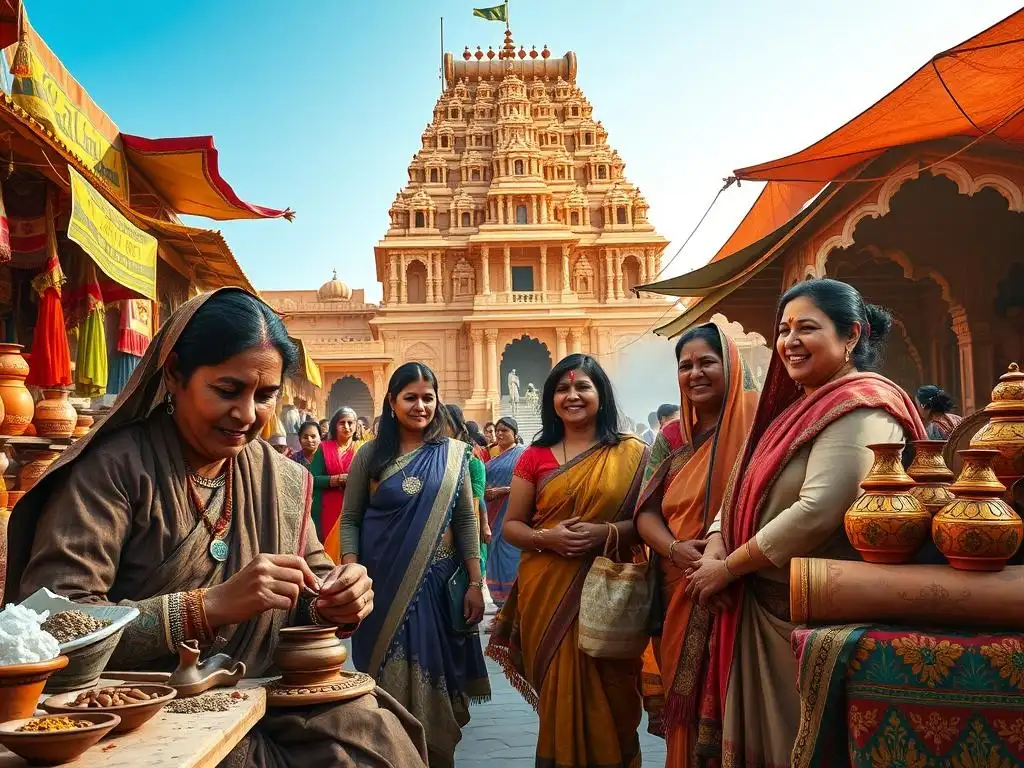
Welcome to Ancient India History, where we embark on a captivating journey through the rich tapestry of ancient Indian civilizations. Here, you’ll uncover insights from ancient scripts that unveil the fascinating nuances of daily life, from the bustling streets of the Indus Valley to the intellectual heights of the Gupta Empire. What secrets do these inscriptions hold about the everyday experiences of our ancestors? Join us as we delve deeper into the fascinating world of ancient Indian daily life insights, and let your curiosity guide you through the remarkable contributions that shaped a civilization. Your exploration begins now!
- Introduction to Ancient Indian Daily Life Insights
- Historical Context of Ancient Indian Scripts
- Daily Life in Ancient India: Insights from Scripts
- Language and Communication: Insights from Ancient Scripts
- Case Studies: Specific Ancient Inscriptions and Their Revelations
- The Role of Inscriptions in Preserving Cultural Heritage
- Conclusion: The Value of Ancient Indian Daily Life Insights
- Additional Resources and Further Reading
-
Frequently Asked Questions
- What insights do ancient scripts provide about daily life in India?
- How did the Indus Valley civilization influence daily life?
- What role did religion play in the daily lives of ancient Indians?
- How did the Gupta Empire contribute to daily life insights?
- Are there any surviving texts that detail ancient Indian daily life?
- Final Reflection: Unveiling the Wisdom of Ancient Indian Daily Life
- Unlock the Secrets of Daily Life in Ancient India!
Introduction to Ancient Indian Daily Life Insights
Exploring the rich tapestry of ancient Indian civilizations offers invaluable insights into their daily lives, practices, and societal structures. From the sophisticated urban planning of the Indus Valley Civilization to the philosophical advancements of the Gupta Empire, ancient India has left behind a wealth of knowledge that continues to fascinate historians, archaeologists, and enthusiasts alike.
This article delves into the ancient Indian daily life insights gleaned from scripts and inscriptions, illuminating how these artifacts reveal the intricate details of everyday existence, social interactions, and cultural norms in ancient times. Through a careful examination of these writings, we can better appreciate the complexity and diversity of life in ancient India.
Overview of Ancient Indian Civilizations
Ancient India was home to several remarkable civilizations, each contributing distinct elements to the fabric of Indian history. The journey begins with the Indus Valley Civilization (circa 3300–1300 BCE), known for its advanced urban planning, drainage systems, and trade networks. Major cities like Harappa and Mohenjo-Daro showcased a high level of craftsmanship and organization, reflecting the daily lives of their inhabitants.
Following this era, the Vedic period (circa 1500–500 BCE) introduced the foundational texts of Hinduism and social structures that shaped the region for centuries. This period was marked by the composition of the Vedas, which provide insights into religious practices, rituals, and daily activities.
The emergence of the Maurya Empire (322–185 BCE) further transformed Indian society, with notable figures like Emperor Ashoka promoting principles of governance based on moral and ethical values. The subsequent Gupta Empire (circa 240–550 CE) is often referred to as the "Golden Age of India," characterized by remarkable achievements in art, science, and literature, further enriching our understanding of daily life during this period.
Importance of Ancient Scripts in Understanding Daily Life
Ancient scripts and inscriptions serve as vital keys to unlocking the mysteries of daily life in ancient India. These writings, inscribed on various mediums such as pottery, seals, and stone tablets, offer direct evidence of the thoughts, beliefs, and practices of past civilizations. The significance of these scripts can be outlined as follows:
- Documentation of Social Structure: Many inscriptions detail the hierarchy within society, including the roles of different castes and professions. This information sheds light on how individuals interacted and functioned within their communities.
- Insights into Economic Practices: Trade and commerce are frequently mentioned in ancient texts, providing a glimpse into the economic activities that fueled these civilizations. Understanding trade routes and economic exchanges reveals the interconnectedness of ancient Indian societies.
- Cultural and Religious Practices: Scripts often contain references to religious rituals, festivals, and cultural norms, revealing how spirituality was woven into the daily lives of individuals. These texts help reconstruct the beliefs and values that guided ancient Indians.
- Language Development: The evolution of language over centuries is chronicled through inscriptions, highlighting the linguistic diversity and development in ancient India. This aspect not only enriches our understanding of communication but also reflects the cognitive and cultural evolution of societies.
Ancient scripts are indispensable for uncovering the nuances of daily life in ancient India. By analyzing these texts, we can gain profound insights into the thoughts, practices, and societal norms that shaped the lives of individuals across centuries.
Historical Context of Ancient Indian Scripts
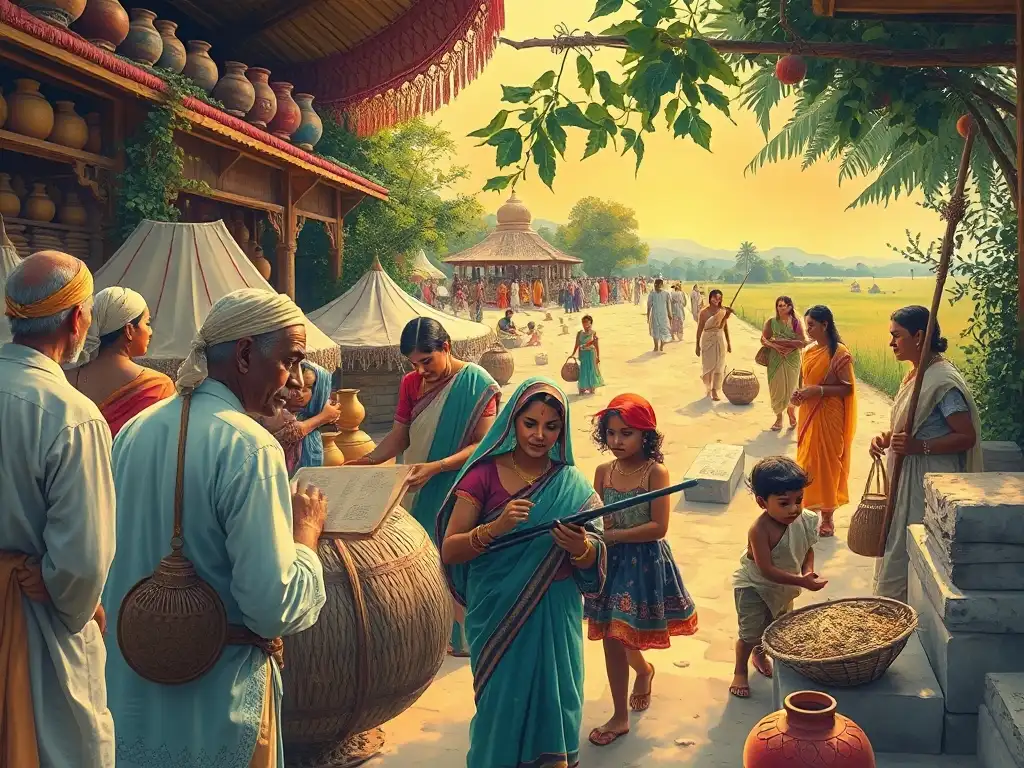
The study of ancient Indian scripts provides a profound understanding of the daily life insights of civilizations that flourished across the subcontinent. Scripts such as Brahmi and Kharosthi emerged during significant historical periods, reflecting the socio-political and cultural dynamics of their time. These scripts were not mere tools for communication; they were pivotal in documenting the ethos, practices, and beliefs of ancient Indian societies.
Overview of Major Ancient Indian Scripts
Ancient Indian scripts can be categorized into several major types, each offering unique insights into daily life. Here are some of the most significant:
- Brahmi:
- Considered the mother of many Indian scripts, Brahmi dates back to the 3rd century BCE. It was used to inscribe various texts, from administrative orders to religious texts.
- Its widespread use across different regions indicates the interconnectedness of ancient Indian cultures.
- Kharosthi:
- Predominantly used in the northwestern regions of India, Kharosthi was used alongside the Aramaic script. It played a crucial role in the administration of the Mauryan Empire.
- Kharosthi inscriptions often provide insights into trade, commerce, and daily interactions of the people.
- Tamil-Brahmi:
- This script represents the early forms of the Tamil script, emerging around the 3rd century BCE in the southern regions of India.
- The inscriptions reveal a lot about the agrarian lifestyle, local governance, and societal norms of the Tamil people.
- Siddham:
- Evolving from Brahmi, Siddham became prominent in the 7th century CE, especially in Buddhist texts.
- The use of Siddham in manuscripts provides a glimpse into religious practices and the scholarly pursuits of that era.
- Devanagari:
- Emerging later, Devanagari became the script for many North Indian languages by the 10th century CE.
- Inscriptions in this script reveal aspects of daily life, including literature, law, and education.
Timeline of Script Development and Usage
The evolution of ancient Indian scripts is marked by significant milestones that illustrate the changing dynamics of society, trade, and culture. Here is a concise timeline detailing the key developments:
| Time Period | Script | Key Insights |
|---|---|---|
| 3rd century BCE | Brahmi | Used for royal edicts, religious texts, and administrative records, showcasing governance and spiritual life. |
| 3rd century BCE | Kharosthi | Primarily for trade and administrative purposes in the northwestern regions, reflecting economic activities. |
| 2nd century BCE | Tamil-Brahmi | Inscriptions indicate agricultural practices and local governance in Tamil Nadu. |
| 7th century CE | Siddham | Predominantly used for Buddhist texts, illustrating religious and scholarly pursuits. |
| 10th century CE | Devanagari | Indicates the rise of regional languages and literature, revealing cultural diversity and education. |
The scripts not only facilitated communication but also served as a medium for documenting the complexities of ancient Indian daily life insights. From trade transactions to religious practices, the inscriptions provide a window into the multifaceted aspects of life in ancient India. Each script, with its unique characteristics, plays a vital role in understanding the evolution of civilization in the region.
Daily Life in Ancient India: Insights from Scripts
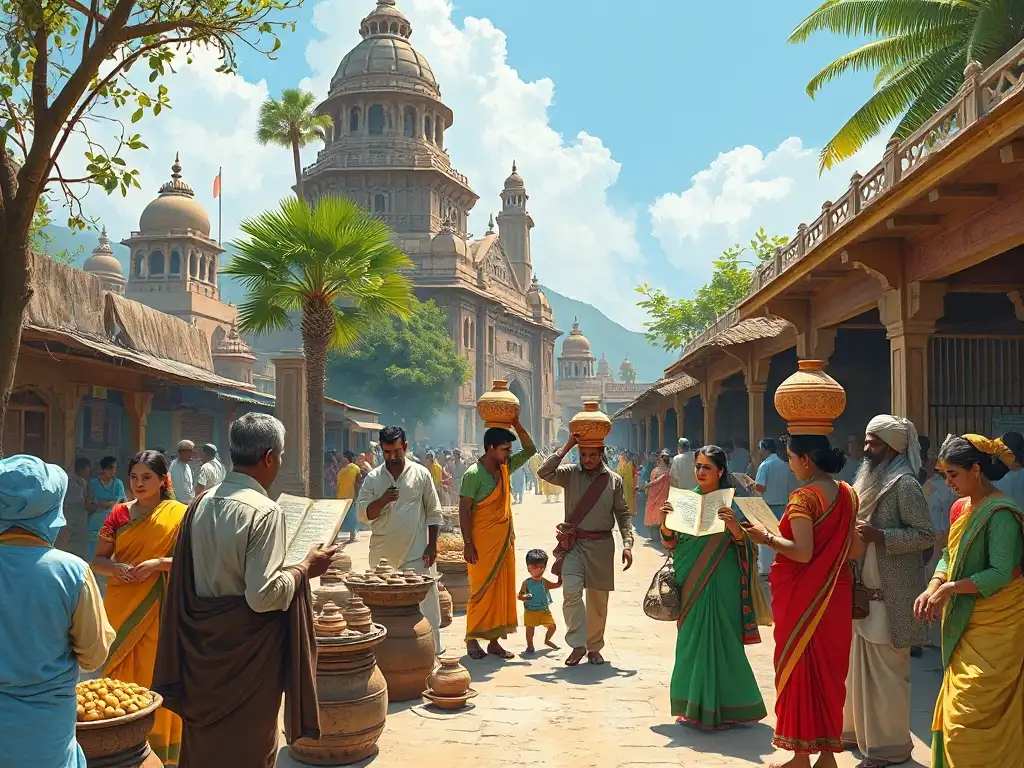
Ancient Indian scripts provide a profound understanding of the social structure that governed daily life in ancient civilizations. These inscriptions reveal the complex hierarchies, customs, and roles that defined interactions among people. The examination of various texts, such as the Arthashastra and Manusmriti, alongside archaeological findings, offers enlightening glimpses into how societies were organized and functioned.
Caste System and Its Implications
The caste system, a cornerstone of ancient Indian society, is frequently highlighted in various inscriptions. It categorized individuals into distinct groups based on their professions and social roles. The four primary varnas—Brahmins (priests and scholars), Kshatriyas (warriors and rulers), Vaishyas (merchants and landowners), and Shudras (laborers and service providers)—were instrumental in maintaining societal order.
- Social Mobility: While the caste system was rigid, some inscriptions hint at opportunities for social mobility, particularly through acts of valor in warfare or notable contributions to the community.
- Religious Influence: The intertwining of religion and caste is evident. For instance, Brahmins often held significant power in society due to their roles in performing rituals and preserving sacred knowledge, shaping the moral and ethical frameworks of the time.
Roles of Men and Women in Society
The roles of men and women in ancient Indian society were distinctly defined, as reflected in various texts and inscriptions. Men predominantly occupied positions of power and responsibility, while women's roles were often centered around the household and family.
- Men's Responsibilities: Men were typically engaged in governance, warfare, and economic activities. Inscriptions from the Maurya and Gupta periods frequently mention kings and warriors, illustrating their societal prominence.
- Women's Status: Women, while primarily responsible for domestic duties, also held significant cultural influence. Texts reveal that women participated in religious activities and some even engaged in trade. Notably, the Arthashastra mentions women as merchants, indicating their active role in economic life.
Economic Activities Described in Ancient Texts
Economic activities in ancient India were diverse and played a crucial role in shaping daily life. Inscriptions and texts reveal insights into agricultural practices, trade routes, and the overall economic environment.
Agriculture and Farming Practices
Agriculture was the backbone of the ancient Indian economy, and inscriptions provide valuable insights into farming practices, crop cultivation, and land management.
- Crop Varieties: Ancient texts mention a variety of crops, including rice, wheat, barley, and pulses. The Rigveda and later agricultural manuals describe seasonal cycles and the importance of monsoons for successful harvests.
- Irrigation Techniques: Inscriptions have also shed light on sophisticated irrigation systems, including wells, canals, and tanks, which facilitated farming in diverse geographical regions.
Trade and Commerce in Ancient India
Trade and commerce flourished in ancient India, with inscriptions revealing extensive trade networks and economic exchanges both domestically and internationally.
- Trade Routes: Ancient texts detail major trade routes, such as the Silk Road and maritime paths, which connected India to regions like Persia, Rome, and Southeast Asia. These routes were vital for the exchange of goods such as spices, textiles, and precious stones.
- Marketplaces and Currency: Inscriptions indicate the presence of bustling marketplaces where goods were exchanged. The use of currency, as evidenced by various coins found in archaeological sites, facilitated trade and commerce, reflecting a sophisticated economic system.
By examining these aspects of ancient Indian daily life insights through inscriptions, we can appreciate the complexity and richness of ancient civilizations, revealing how societal structures, economic activities, and cultural practices shaped the lives of people in that era.
Religious Practices and Beliefs
Religious practices and beliefs in ancient India were deeply intertwined with daily life, shaping social norms, cultural expressions, and community interactions. The inscriptions from various periods provide a wealth of information that reveals how spirituality was integrated into the everyday existence of people. These texts highlight the polytheistic nature of ancient Indian religions, where a pantheon of deities was worshipped, each associated with specific aspects of life and nature.
The emphasis on rituals and ceremonies suggests that daily life was punctuated by religious observances, which were believed to maintain harmony between the human and divine realms. Temples served not just as places of worship but as community centers where social, economic, and political activities also took place. The inscriptions also indicate that various sects and philosophical schools coexisted, contributing to a rich tapestry of beliefs and practices that influenced the moral and ethical frameworks of society.
Rituals and Daily Worship as Revealed by Inscriptions
Inscriptions from ancient temples and household altars reveal a structured approach to daily worship and rituals. Devotees were encouraged to engage in morning and evening prayers, often accompanied by offerings of flowers, food, and incense. The scripts detail specific mantras and hymns that were recited to invoke blessings from deities, reflecting the importance of oral tradition in preserving religious practices.
Moreover, the presence of household shrines in many inscriptions indicates that personal devotion was common. Families would engage in rituals that fostered a connection with their chosen deities, often documenting their practices in inscriptions. These records reveal a range of rituals, from simple daily offerings to elaborate ceremonies during significant life events, illustrating how daily worship was a central aspect of life in ancient India.
Festivals and Their Significance in Daily Life
Festivals played a crucial role in the social and religious fabric of ancient Indian society, as uncovered through various inscriptions. Each festival, often dedicated to specific deities, served to reinforce community bonds and cultural identity. Inscriptions describe grand celebrations, complete with processions, music, dance, and communal feasting, highlighting the festive spirit that permeated these events.
The significance of festivals extended beyond mere celebration; they were times for renewal and reflection, marking seasonal changes and agricultural cycles. Texts often reference specific dates and rituals associated with each festival, indicating how these celebrations were meticulously observed and integrated into the agricultural calendar. This seasonal rhythm not only fostered a sense of unity among communities but also ensured that agricultural practices aligned with religious observances, thus intertwining daily life with the cyclical nature of the environment.
The insights gleaned from ancient inscriptions provide a multidimensional understanding of religious practices and beliefs in ancient India, illustrating how deeply they affected daily life, community interactions, and the cultural landscape.
Language and Communication: Insights from Ancient Scripts
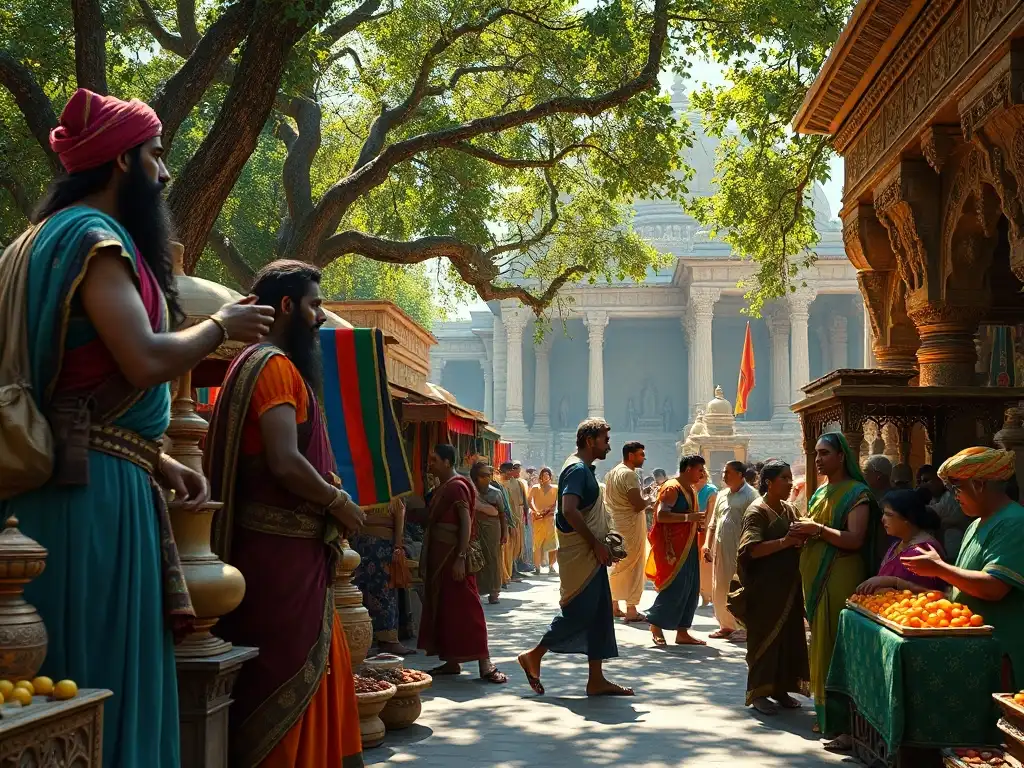
Linguistic Diversity and Its Impact on Daily Life
Ancient India was a tapestry of languages and dialects, reflecting the vast cultural diversity of its civilizations. The inscriptions discovered from the Indus Valley Civilization to the later dynasties showcase not only linguistic variety but also how this diversity influenced daily life.
- Regional Languages: Different regions developed their own languages, which were often influenced by local cultures and the interactions with neighboring communities. For instance, the use of Brahmi script in the Mauryan Empire facilitated communication across diverse populations.
- Cultural Exchange: The multilingual environment encouraged cultural exchanges, impacting art, religion, and trade practices. For example, the coexistence of Sanskrit, Prakrit, and regional languages allowed for a rich interchange of ideas, which is evident in ancient texts and inscriptions.
- Administrative Efficiency: The use of different languages in administration, as seen in various edicts from the Ashoka period, emphasizes the importance of language in governance. Administrative inscriptions were often bilingual or multilingual, ensuring wider understanding among the populace.
The linguistic diversity of ancient India not only shaped communication but also influenced social structures, rituals, and community interactions. The scripts reveal insights into how different groups coexisted and collaborated, providing a clearer picture of daily life during that period.
Language served as a crucial medium for trade and social interactions in ancient Indian societies. The scripts and inscriptions from various periods shed light on how language facilitated economic activities and social cohesion.
- Trade Communication: Merchants utilized specific terminologies and phrases to conduct trade effectively. Inscriptions found in trade hubs indicate the use of Prakrit for local transactions, while Sanskrit might have been employed for formal agreements. This duality allowed traders to engage with a broader audience, enhancing commerce.
- Cultural Integration: Language acted as a bridge, integrating different cultures through trade. For instance, inscriptions from the Gupta period suggest that trade routes extended beyond India, with merchants communicating in multiple languages, fostering relationships with foreign traders.
- Social Networks: Language also played a vital role in building social networks. Community gatherings, festivals, and rituals involved specific dialects that strengthened social ties among participants. The use of local languages in inscriptions related to temples and community projects emphasizes the importance of language in fostering a sense of belonging.
The insights gained from ancient scripts regarding language use illuminate the vibrant social and economic life of ancient India. Through trade and social interactions, language not only facilitated communication but also played a pivotal role in the development of a cohesive society.
The exploration of ancient Indian daily life insights through language and communication provides a deeper understanding of how interconnected and dynamic these civilizations were. The rich linguistic landscape reflects the complexities of daily life, revealing the social fabric that characterized ancient Indian society.
Case Studies: Specific Ancient Inscriptions and Their Revelations

The Indus Valley Civilization: Insights from Seals and Tablets
The Indus Valley Civilization (IVC), flourishing from approximately 3300 to 1300 BCE, is renowned for its advanced urban planning and sophisticated social structure. Among the artifacts that provide us with ancient Indian daily life insights are the seals and tablets uncovered from sites like Harappa and Mohenjo-Daro.
Seals: A Window into Trade and Economy
The seals of the IVC, often made of steatite, feature intricate carvings of animals, scripts, and symbols. These seals serve multiple purposes, primarily in trade and administration. The presence of various animal motifs, such as unicorns and elephants, suggests that these seals may have held significance in commercial transactions. The script on these seals, which remains undeciphered, is believed to provide insights into the economic exchanges and the possible religious or cultural beliefs of the people.
- Trade Networks: The seals indicate extensive trade connections, even with regions as far as Mesopotamia. This points to a complex economic framework where daily life revolved around trade and barter.
- Administrative Control: The uniformity in seal designs suggests a centralized authority managing trade and commerce, reflecting the organized nature of IVC society.
Tablets: Evidence of Daily Activities
Tablets from the IVC, primarily made of clay, often bear inscriptions that may refer to administrative records or literacy practices. These inscriptions provide clues about:
- Agriculture: References to agricultural practices, including the cultivation of wheat and barley, highlight the importance of farming in daily life.
- Social Structure: The existence of administrative tablets suggests a hierarchical society where roles and responsibilities were well-defined.
Mauryan Empire: Edicts of Ashoka and Daily Life
The Mauryan Empire, particularly during the reign of Emperor Ashoka (268-232 BCE), is a pivotal era in ancient Indian history. The Edicts of Ashoka, inscribed on rocks and pillars across the Indian subcontinent, offer profound ancient Indian daily life insights.
Moral and Ethical Guidelines
Ashoka's edicts emphasize moral and ethical behavior, reflecting the values of the time. They advocate for non-violence, tolerance, and respect for all living beings, illuminating the philosophical underpinnings of daily life.
- Public Welfare: The edicts detail initiatives aimed at enhancing public welfare, such as the establishment of hospitals for humans and animals, which underscores the empire's commitment to the well-being of its subjects.
- Social Harmony: The promotion of tolerance among different sects and communities is a recurring theme, indicating a society striving for peace and mutual respect.
Administrative Insights
The administrative details outlined in the edicts reveal how governance affected daily life:
- Taxation and Economic Policies: The edicts discuss taxation practices, which were aimed at ensuring a fair distribution of resources, suggesting an organized economic structure.
- Urban Planning: References to the construction of roads and the establishment of trade routes indicate the Mauryan Empire's efforts to facilitate commerce and connectivity, enhancing daily life for its citizens.
Gupta Empire: Literature and Inscriptions Reflecting Daily Life
The Gupta Empire (circa 320-550 CE) is often referred to as the Golden Age of India, marked by significant advancements in literature, science, and the arts. The inscriptions and literary works from this period provide rich ancient Indian daily life insights.
Literary Contributions
The period saw the emergence of renowned literary figures like Kalidasa, whose works reflect the cultural and social dynamics of Gupta society.
- Drama and Poetry: Kalidasa's plays often depict daily life, love, and relationships, offering a glimpse into the social fabric of the time. His use of nature as a backdrop illustrates the connection between the environment and daily activities.
- Scientific Treatises: Texts on medicine and astronomy indicate a society deeply engaged in scientific inquiry, influencing everyday life through advancements in health and navigation.
Inscriptions: Temples and Society
Inscriptions found in temples and public places provide insights into religious practices and societal norms.
- Religious Observances: Many inscriptions detail rituals and festivals, highlighting the importance of religion in daily life. The dedication of temples to various deities reflects the spiritual landscape of the Gupta Empire.
- Civic Responsibility: Inscriptions often call for civic engagement and contributions to public works, indicating a society where individuals were encouraged to participate actively in communal life.
The study of inscriptions and scripts from various ancient Indian civilizations unveils a tapestry of daily life, reflecting the economic, social, and cultural dimensions that shaped the experiences of people in these historical periods. From the trade networks of the Indus Valley to the ethical guidelines of Ashoka and the literary treasures of the Gupta Empire, each inscription serves as a vital key to understanding the rich heritage of ancient Indian daily life.
The Role of Inscriptions in Preserving Cultural Heritage
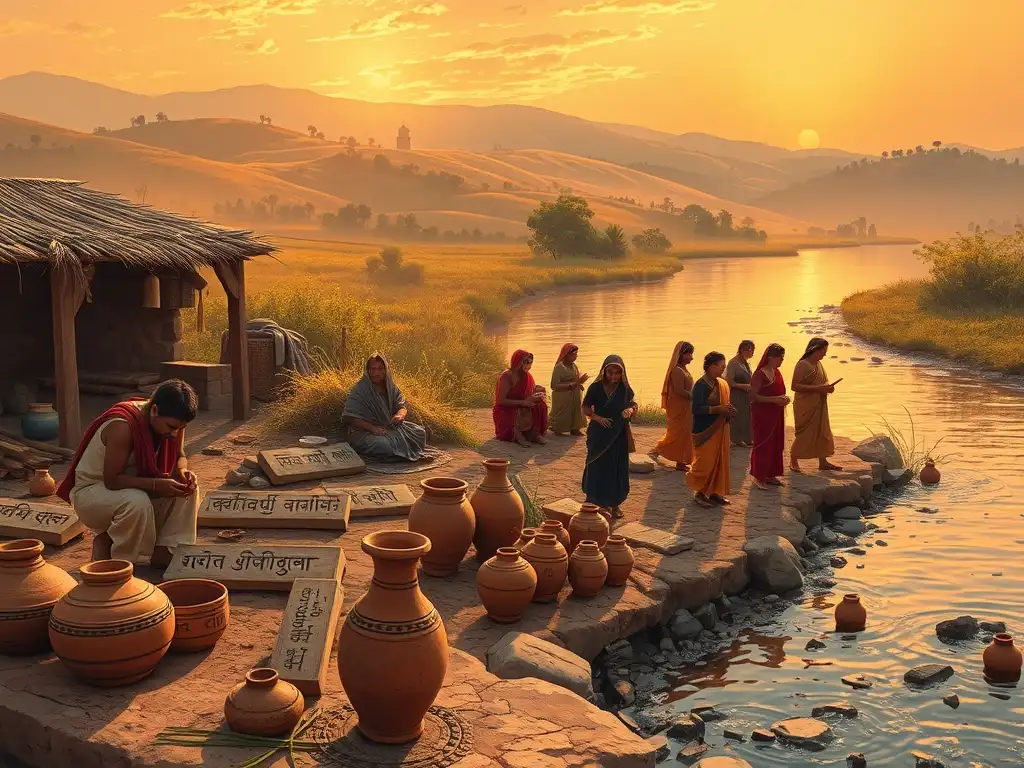
Inscriptions serve as vital artifacts that provide invaluable insights into the cultural heritage of ancient Indian civilizations. These engravings, often found on stone, metal, and pottery, encapsulate the thoughts, beliefs, and daily practices of societies long past. By studying these ancient scripts, historians and archaeologists can piece together the intricate tapestry of daily life, social structures, and religious practices that characterized various epochs in Indian history.
How Ancient Scripts Contribute to Understanding Daily Practices
Ancient Indian daily life insights gleaned from inscriptions reveal a wealth of information about the everyday experiences of people. Here are some key contributions:
- Economic Activities: Inscriptions often detail trade practices, agricultural productivity, and the roles of artisans. For example, records from the Mauryan period mention specific commodities like textiles and grains, highlighting the significance of trade routes and agricultural practices in sustaining communities.
- Religious and Cultural Practices: Many inscriptions are dedicated to deities or commemorate religious events. These texts provide context for rituals, festivals, and societal norms, offering a glimpse into the spiritual lives of ancient Indians. For instance, the edicts of Ashoka emphasize moral values and social welfare, reflecting the integration of governance and spirituality.
- Social Structures: The analysis of inscriptions reveals hierarchies within society, including the roles of different castes and professions. While some inscriptions commend the contributions of specific groups, others illustrate the complexities of social dynamics, such as patronage systems between rulers and local artisans.
- Language and Communication: The evolution of scripts, such as Brahmi and Kharosthi, is documented through inscriptions, showcasing linguistic diversity and the spread of literacy. This evolution aids in understanding how communication evolved, influencing education and knowledge dissemination in ancient India.
- Family and Personal Life: Personal inscriptions, including those on tombstones or memorials, provide insights into familial relationships, marriage customs, and individual identities. These texts often highlight the importance of lineage and ancestral worship, which were key aspects of daily life in ancient societies.
Preservation Challenges and Modern Efforts
Despite their significance, the preservation of ancient inscriptions faces numerous challenges. Natural erosion, urban development, and human activities threaten these irreplaceable records. Additionally, the fragility of materials like stone and clay can hinder their longevity.
To combat these challenges, several modern efforts are underway:
- Conservation Techniques: Experts employ various conservation methods, such as chemical treatments and controlled environments, to protect inscriptions from decay. These techniques are critical for maintaining the integrity of historical artifacts.
- Digital Documentation: The digitization of inscriptions allows for broader access and study. By creating high-resolution images and databases, researchers can analyze inscriptions without risking physical damage. This effort also facilitates the sharing of knowledge across the global academic community.
- Public Awareness Campaigns: Initiatives to educate the public about the importance of preserving cultural heritage are essential. By promoting awareness, communities can foster a sense of responsibility toward protecting their historical sites and inscriptions.
- Collaboration with Archaeological Institutions: Partnerships between governments, NGOs, and academic institutions can lead to more effective preservation strategies. Collaborative projects often include field surveys, excavation, and restoration efforts, ensuring that ancient inscriptions are safeguarded for future generations.
Inscriptions play a crucial role in understanding the daily life of ancient Indian civilizations. The insights derived from these ancient scripts not only illuminate the past but also underscore the importance of preserving cultural heritage for future exploration and appreciation.
Conclusion: The Value of Ancient Indian Daily Life Insights
The study of ancient Indian daily life insights, gleaned from various scripts and inscriptions, provides a profound understanding of the cultural, social, and economic frameworks that shaped ancient civilizations. These insights not only highlight the intricacies of daily routines but also reveal the values, beliefs, and innovations that characterized societies from the Indus Valley to the Gupta Empire. By examining these scripts, researchers can reconstruct the vibrant tapestry of life in ancient India, enriching our understanding of how these civilizations functioned and thrived.
Reflection on the Importance of Epigraphy in Historical Research
Epigraphy, the study of inscriptions, plays a crucial role in unraveling the complexities of ancient Indian daily life. Through inscriptions found on stone, metal, and pottery, historians can access first-hand accounts of societal norms, trade practices, and cultural rituals. For instance:
- Administrative Records: Inscriptions often contain details about taxation, land grants, and governance, providing insights into the political organization of ancient states.
- Religious Texts: Religious inscriptions offer glimpses into the spiritual lives of individuals and communities, revealing their beliefs and practices.
- Literary References: Engravings of poetry and philosophical thought allow us to understand the intellectual pursuits and artistic expressions of the time.
The meticulous study of these inscriptions has enabled historians to piece together narratives that would otherwise remain obscured. It underscores the notion that everyday life in ancient India was rich and multifaceted, shaped by various influences and interactions.
Future Directions for Research in Ancient Indian Daily Life
As we look ahead, several promising avenues for research in ancient Indian daily life insights emerge. These include:
- Technological Advances: The use of advanced imaging techniques, such as multispectral imaging, can uncover hidden texts on damaged inscriptions, providing new data for analysis.
- Interdisciplinary Approaches: Collaborations between historians, archaeologists, and linguists can yield a more holistic understanding of daily life, integrating material culture with textual evidence.
- Digital Epigraphy: The digitization of inscriptions and the development of online databases can make these resources more accessible, encouraging broader academic engagement and public interest.
By pursuing these directions, researchers can continue to illuminate the complexities of ancient Indian societies, ensuring that the insights gleaned from their daily lives contribute to a richer understanding of the past. The ongoing exploration of these ancient scripts will undoubtedly reveal further layers of meaning, deepening our appreciation for the civilizations that laid the groundwork for modern India.
Additional Resources and Further Reading
Recommended Books and Articles on Ancient Indian Scripts
For those interested in delving deeper into the nuances of ancient Indian daily life insights as revealed through scripts, the following books and articles are highly recommended:
-
"The Indus Script: Texts, Concordance and Tables" by Asko Parpola
This comprehensive work dissects the enigmatic Indus script, providing insights into its symbols and potential meanings, offering a glimpse into the daily activities and customs of the Indus Valley civilization.
-
"Ancient Indian Epigraphy" by D.C. Sircar
This book serves as an essential guide to understanding the different scripts used in ancient India, providing context to inscriptions that reflect societal norms, economic activities, and cultural practices.
-
"Deciphering the Indus Script: A New Perspective" by N. S. Rajaram
Rajaram presents an innovative approach to the Indus script, suggesting interpretations that could shed light on daily life and the socio-economic structures of the time.
-
"Scripts and Cultures: The Future of Epigraphy" (Journal Article)
This article discusses the evolution of writing systems in ancient India, with a particular focus on how these scripts reveal insights into everyday life, governance, and spirituality.
-
"Daily Life in Ancient India" by R. S. Sharma
This broad exploration of daily life in ancient India integrates archaeological findings with ancient texts, providing a vivid picture of the lifestyles, customs, and social structures that defined the era.
Online Resources for Exploring Ancient Indian Civilizations
The digital age has made a wealth of information available at our fingertips. Below are some valuable online resources that offer further exploration into ancient Indian scripts and daily life insights:
-
Digital South Asia Library
A comprehensive digital repository that includes texts, manuscripts, and scans of ancient scripts, providing resources for researchers and enthusiasts interested in the daily life of ancient civilizations.
-
The Archaeological Survey of India (ASI)
The ASI website offers a plethora of resources, including reports and publications that provide insights into archaeological finds related to ancient Indian daily life and epigraphy.
-
Epigraphia Indica
This online collection features a range of inscriptions from ancient India, complete with translations and interpretations, allowing users to explore the language and context of daily life as recorded in these texts.
-
Ancient India on JSTOR
JSTOR hosts numerous scholarly articles and studies focusing on ancient Indian history, scripts, and cultural practices. Accessing these articles can offer deeper insights into specific aspects of daily life in ancient civilizations.
-
YouTube Channels on Ancient Indian History
Channels such as "Epic History TV" and "History with Hilbert" often feature documentaries and detailed discussions on various aspects of ancient Indian life, including the significance of scripts and inscriptions.
By utilizing these resources, readers can further their understanding of ancient Indian daily life insights, enriching their knowledge of the diverse and intricate tapestry of India's historical civilizations.
Frequently Asked Questions
What insights do ancient scripts provide about daily life in India?
Ancient scripts reveal daily routines, social structures, and cultural practices of Indian civilizations, showcasing how people lived, worked, and interacted.
How did the Indus Valley civilization influence daily life?
The Indus Valley civilization set foundational aspects of urban planning, trade, and craftsmanship, impacting subsequent cultures and daily life practices in ancient India.
What role did religion play in the daily lives of ancient Indians?
Religion was deeply embedded in daily activities, influencing festivals, rituals, and social norms, which shaped community interactions and individual practices.
How did the Gupta Empire contribute to daily life insights?
The Gupta Empire is known for advancements in science, arts, and literature, providing insights into the intellectual and cultural life that shaped everyday experiences.
Are there any surviving texts that detail ancient Indian daily life?
Yes, texts like the Arthashastra and various religious scriptures offer a glimpse into the economic, social, and political aspects of daily life in ancient India.
Final Reflection: Unveiling the Wisdom of Ancient Indian Daily Life
In exploring the insights from ancient scripts, we uncover not just the routines and practices of daily life in ancient India, but also the profound wisdom that continues to resonate in our modern world. The meticulous records of daily activities, social structures, and cultural practices provide a mirror reflecting our own lives today. These ancient narratives remind us that the essence of human experience—community, spirituality, and the pursuit of knowledge—remains timeless.
The influence of these ancient insights extends beyond mere historical curiosity; they shape our cultural and social landscapes in significant ways. By understanding the values and traditions that guided daily life in ancient India, we gain a deeper appreciation for our own cultural heritage and the interconnectedness of human experiences across time. As Mahatma Gandhi once said, "> A nation's greatness is measured by how it treats its weakest members." This sentiment echoes the lessons embedded in ancient texts, urging us to reflect on our societal values and the importance of compassion and community.
As we conclude this exploration, I invite you to reflect on the lessons of ancient Indian daily life and consider how they can inspire your own journey. What practices can you adopt to cultivate a deeper sense of community? How can the wisdom of the past guide your actions in the present? Embrace the opportunity to learn from these ancient insights, and let them illuminate your path toward a more meaningful and connected existence.
Unlock the Secrets of Daily Life in Ancient India!
Thank you for exploring the fascinating world of ancient scripts with us! You've uncovered key insights into the daily lives of those who came before us, and now it's time to put that knowledge into action.
Here’s how you can dive deeper and enrich your understanding:
- Join our community: Connect with fellow history enthusiasts by joining our Ancient India History Forum, where you can discuss intriguing discoveries and share insights.
- Explore further: Visit our extensive archives on ancient texts and cultural practices to enhance your knowledge and uncover more hidden gems from history.
- Share your findings: Write a short post or share a photo inspired by what you've learned today on social media using #AncientIndiaHistory to inspire others!
What aspect of daily life in ancient India fascinates you the most, and why? Let's spark a conversation!