
The Cultural Exchange at Ancient Indian Universities: A Historical Overview

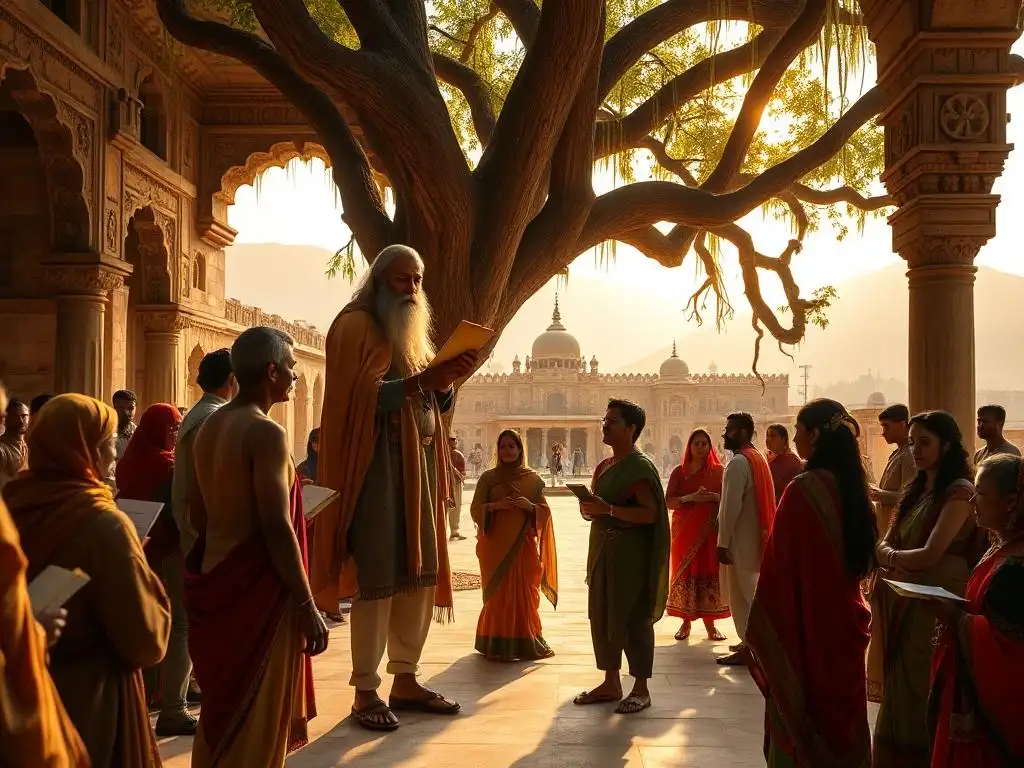
Welcome to Ancient India History, where we embark on a fascinating journey through the tapestry of time that weaves together the rich and diverse heritage of ancient Indian civilizations. In this exploration, we shine a spotlight on the intriguing history of ancient Indian universities, revealing how these centers of learning fostered cultural exchange and intellectual growth during a remarkable era.
As you delve into our main article, "The Cultural Exchange at Ancient Indian Universities: A Historical Overview," prepare to uncover the secrets of knowledge and wisdom that shaped societies and influenced the world. Join us as we unravel the stories that lie within the hallowed halls of these esteemed institutions!

Introduction to Ancient Indian Universities History
The history of ancient Indian universities is a fascinating tapestry woven with threads of knowledge, culture, and cross-cultural exchange. These institutions were not merely centers of learning; they were vibrant hubs where scholars from various backgrounds converged to share ideas, philosophies, and innovations. The most renowned among these, such as Nalanda and Takshashila, attracted students and teachers from distant lands, fostering an environment rich in intellectual discourse.
Understanding the evolution of these universities provides insight into how ancient Indian civilizations contributed to the global repository of knowledge, influencing diverse fields such as mathematics, astronomy, philosophy, and medicine. This article aims to explore the critical role of cultural exchange at these ancient educational institutions and the profound impact they had on the development of education in India and beyond.
Importance of Cultural Exchange in Ancient Education
Cultural exchange played a pivotal role in shaping the educational landscape of ancient India. Here's why it was significant:
- Diversity of Thought: Scholars from various regions brought different perspectives, enriching the curriculum and fostering critical thinking.
- Innovation and Collaboration: The blending of ideas led to groundbreaking advancements in various disciplines, including sciences and arts.
- Global Influence: Ancient Indian universities served as a model for educational systems worldwide, influencing practices in neighboring regions and beyond.
Such exchanges were not limited to the sharing of knowledge but also included the transmission of cultural values, languages, and religious beliefs, making these universities melting pots of enlightenment and diversity.
Overview of Ancient Indian Universities
Ancient Indian universities were distinguished by their comprehensive educational systems, which included a wide array of subjects. The primary features included:
- Curriculum: Courses covered subjects such as philosophy, mathematics, medicine, and the arts.
- Faculty: Renowned scholars and philosophers often taught at these institutions, drawing students from across Asia and even beyond.
- Residential System: Many universities provided accommodation, allowing students to immerse themselves in their studies and foster community living.
These features not only facilitated academic growth but also promoted social cohesion and cultural understanding.
The Establishment of Ancient Indian Universities
The establishment of ancient Indian universities marked a significant milestone in the history of education.
Historical Background of Educational Institutions in India
The roots of education in ancient India can be traced back to the Vedic period, where informal learning took place within the family and community settings. Over time, this evolved into more structured educational institutions known as "Gurukuls" and later, formal universities. Key developments include:
- Growth of Cities: As urban centers flourished, the demand for educated individuals increased, leading to the establishment of formal institutions.
- Royal Patronage: Many universities received support from kings and wealthy patrons, which facilitated their growth and sustainability.
This historical backdrop laid the foundation for the sophisticated educational frameworks that emerged in ancient Indian universities.
Key Ancient Indian Universities: Nalanda, Takshashila, and Others
Among the notable ancient Indian universities, a few stand out due to their historical significance and contributions:
- Nalanda: Established in the 5th century CE, Nalanda was one of the world's first residential universities, famous for its large library and diverse curriculum.
- Takshashila: Preceding Nalanda, Takshashila thrived between the 6th century BCE and 5th century CE, attracting students from various regions and known for its emphasis on various fields, including law and military science.
- Others: Universities such as Vikramshila and Ujjain also played crucial roles in the dissemination of knowledge and cultural exchange.
These institutions were not just educational centers but also represented the spirit of inquiry and scholarship that characterized ancient Indian civilization.
The Role of Cultural Exchange in Ancient Indian Universities
Cultural exchange played a pivotal role in the development and enrichment of ancient Indian universities, such as Nalanda and Takshashila. These institutions were not just centers for academic learning; they served as melting pots for diverse cultures, ideas, and philosophies. Students and scholars from various regions converged in these universities, contributing to a vibrant intellectual atmosphere that transcended geographical boundaries. This exchange fostered an environment of collaboration, debate, and innovation, which significantly influenced the evolution of educational practices and knowledge systems in ancient India.
Definition and Importance of Cultural Exchange
Cultural exchange refers to the process by which different cultures share their beliefs, customs, knowledge, and practices with one another. In the context of ancient Indian universities, this exchange was crucial for several reasons:
- Diversity of Knowledge: The influx of scholars from different regions introduced a variety of perspectives and methodologies in studying subjects ranging from philosophy to mathematics.
- Innovation and Adaptation: As scholars interacted, they exchanged ideas, leading to advancements in various fields, including astronomy, medicine, and literature.
- Cultural Integration: The blending of different cultural elements fostered a sense of unity and collaboration, which was essential for the growth of a rich academic tradition.
Understanding the significance of cultural exchange in these universities helps illuminate the dynamic nature of education in ancient India.
How Cultural Exchange Shaped Educational Practices
Cultural exchange significantly influenced the educational practices at ancient Indian universities through the following ways:
- Curriculum Development: The presence of international scholars necessitated a broad and inclusive curriculum that encompassed various subjects and methodologies. This led to the establishment of an interdisciplinary approach that is still revered today.
- Pedagogical Methods: The interaction between students and scholars from diverse backgrounds resulted in the adoption of varied teaching methods. This included dialogue-based learning, debates, and practical demonstrations, enhancing the overall educational experience.
- Language and Communication: The necessity for communication among scholars from different linguistic backgrounds led to the adoption and adaptation of languages, particularly Sanskrit, which became a medium for scholarly discourse.
The evolution of these educational practices not only enriched the learning environment but also laid the groundwork for future academic institutions in India and beyond.
Contributions of Different Cultures to Ancient Indian Universities
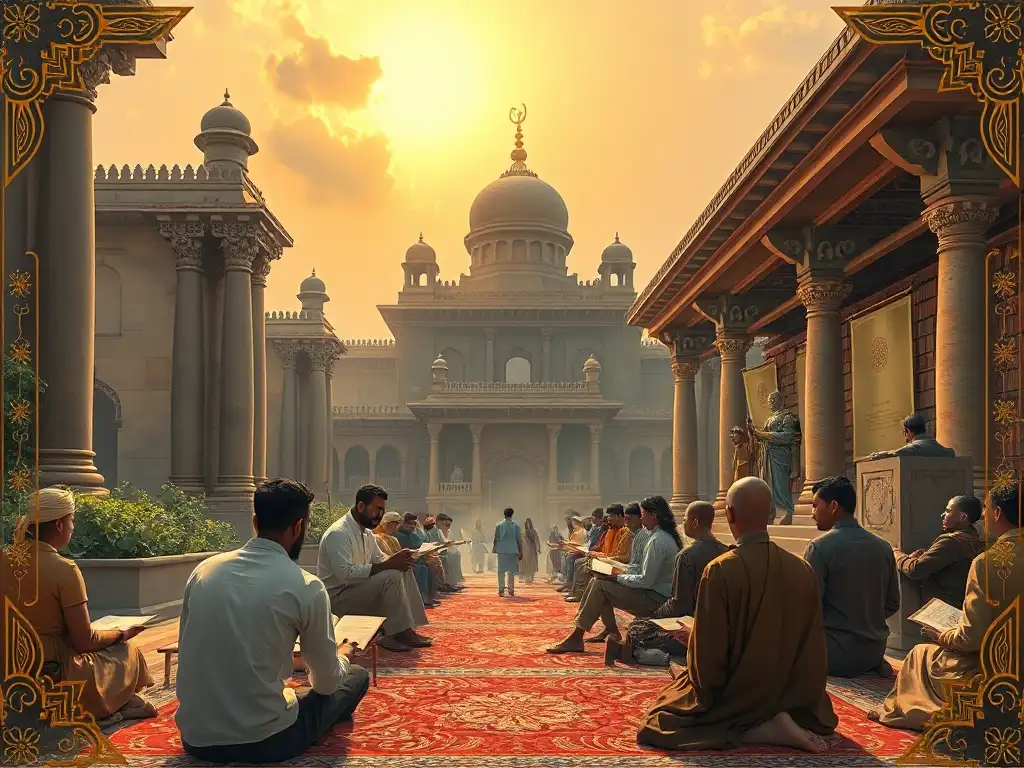
The contributions of various cultures to ancient Indian universities were instrumental in shaping their intellectual landscape. These influences came from regions as varied as Persia, Greece, and China.
Influence of Persian Scholars and Thought
Persian scholars played a vital role in the intellectual milieu of ancient Indian universities. The arrival of Persian influence can be traced back to the interactions that occurred during the conquests and trade between the two regions. Key contributions include:
- Scientific Knowledge: Persian scholars brought advanced knowledge in fields such as astronomy, mathematics, and medicine, significantly enriching the academic curriculum.
- Literary Traditions: The introduction of Persian literary works contributed to the development of a more nuanced understanding of poetry and prose in the Indian context, inspiring local scholars to produce original works.
- Philosophical Exchange: The synthesis of Persian philosophical ideas with Indian thought led to new interpretations and discussions that enhanced the understanding of ethics, governance, and cosmology.
The Impact of Greek Philosophy and Education
Greek philosophy and educational practices had a profound impact on ancient Indian universities. The following aspects highlight this influence:
- Philosophical Inquiry: The introduction of Greek philosophical concepts, particularly those of Socrates, Plato, and Aristotle, encouraged rigorous inquiry and debate, which became central to the pedagogical approach in Indian universities.
- Mathematical Advances: Greek mathematicians, such as Euclid and Pythagoras, influenced the development of mathematical theories in India, leading to advanced studies in geometry and algebra.
- Scientific Methodology: The empirical approach of Greek scholars inspired Indian thinkers to adopt more systematic methods of observation and experimentation, which were crucial for the advancement of science and technology.
This intercultural dialogue significantly enriched the intellectual traditions of ancient India.
Contributions of Chinese Scholars to Indian Learning
Chinese scholars made notable contributions to the academic landscape of ancient Indian universities, primarily through the exchange of ideas and practices. Their influence can be observed in several key areas:
- Buddhism and Philosophy: Many Chinese scholars traveled to India to study Buddhism, bringing back Indian philosophical teachings that enriched Chinese thought. This exchange fostered a deeper understanding of Buddhist doctrines on both sides.
- Cultural Practices: The introduction of Chinese educational practices, such as the importance of moral education and teacher-student relationships, influenced the social structure within Indian universities.
- Art and Literature: The interaction between Indian and Chinese scholars led to the exchange of artistic styles and literary forms, resulting in a rich tapestry of cultural expression that blended elements from both civilizations.
The contributions of Chinese scholars illustrate the global nature of knowledge and the collaborative spirit that characterized ancient Indian universities.
Major Subjects and Disciplines Taught in Ancient Indian Universities
Ancient Indian universities, such as Nalanda and Takshashila, were centers of learning that attracted students and scholars from across the globe. The curriculum was diverse, encompassing a range of subjects that were designed to foster knowledge and intellectual growth. Among the major disciplines taught at these institutions were philosophy, science, mathematics, arts, and literature. Each of these subjects contributed significantly to the development of knowledge and culture in ancient India.
Students engaged in rigorous studies, often under the guidance of esteemed scholars. The emphasis was not only on rote learning but also on critical thinking and debate, which were encouraged through various pedagogical methods. The universities served as melting pots for different cultures, ideas, and philosophies, enriching the educational experience and contributing to a broader understanding of the world.
Focus on Philosophy and Religion
Philosophy and religion were paramount in the curriculum of ancient Indian universities. Influential schools of thought, such as Hinduism, Buddhism, and Jainism, played a significant role in shaping philosophical discourse. Courses covered various aspects, including metaphysics, ethics, epistemology, and the nature of existence.
Notable philosophers, such as Adi Shankaracharya and Nagarjuna, emerged from these institutions, contributing to the rich tapestry of Indian philosophy. The study of texts like the Vedas, Upanishads, and the Bhagavad Gita formed the foundation for philosophical inquiry, while Buddhist texts encouraged discussions on the nature of suffering and enlightenment.
Religious studies were also integral, with students exploring rituals, scriptures, and the historical contexts of various faiths. This focus on philosophy and religion not only nurtured spiritual understanding but also promoted dialogue between different belief systems, fostering a culture of tolerance and intellectual exchange.
Advancements in Science and Mathematics
Ancient Indian universities were notable for their contributions to science and mathematics. Scholars like Aryabhata and Brahmagupta made groundbreaking advancements in fields such as astronomy, algebra, and geometry. The curriculum included subjects like astronomy, where students learned to calculate the movements of celestial bodies, and mathematics, which was crucial for trade, architecture, and astronomy.
One of the remarkable achievements was the concept of zero, which revolutionized mathematics and was later transmitted to the Islamic world and Europe. The study of medicine, known as Ayurveda, was also prevalent, with universities offering courses on herbal medicine, surgery, and anatomy. This emphasis on scientific inquiry laid the groundwork for future innovations and discoveries.
The integration of empirical observation and theoretical principles in these subjects illustrated a sophisticated understanding of the natural world, showcasing the advanced intellectual climate of ancient Indian universities.
Arts and Literature: A Cultural Perspective
The arts and literature were equally significant in the ancient Indian educational landscape. Universities nurtured creativity through various forms of artistic expression, including poetry, drama, sculpture, and painting. Students studied classical texts, such as the Mahabharata and Ramayana, which were not only literary masterpieces but also offered insights into the cultural and moral values of the time.
Courses in aesthetics explored concepts of beauty and artistic representation, leading to the development of distinct styles in sculpture and painting. The performance arts, including classical dance and music, were also integral to the curriculum, emphasizing the importance of cultural heritage and expression.
Through these studies, students gained a deeper appreciation for their cultural identity while also learning to respect and incorporate influences from other traditions. This cultural exchange enriched the arts, leading to a vibrant artistic community that celebrated diversity and creativity.
The Impact of Cultural Exchange on Ancient Indian Universities
The cultural exchange that took place at ancient Indian universities had a profound impact on educational practices and societal development. As scholars from various regions converged, ideas flowed freely, creating a dynamic intellectual environment. This exchange resulted in significant advancements in curriculum, teaching methods, and the overall educational philosophy of the time.
Enhancing Curriculum and Teaching Methods
The influx of diverse cultures and ideas prompted ancient Indian universities to enhance their curriculum. Students were exposed to a variety of subjects and methodologies, encouraging interdisciplinary studies. For instance, the incorporation of Persian and Arabic scientific texts enriched the existing body of knowledge, leading to a more holistic educational approach.
Teaching methods evolved as well, with an increased emphasis on dialogue, debate, and practical application of knowledge. Teachers encouraged critical thinking and problem-solving, fostering an atmosphere where students could challenge established norms and contribute original ideas. This approach not only refined the educational experience but also prepared students to tackle real-world issues.
Fostering Multilingualism and Diverse Thought
Cultural exchange at ancient Indian universities fostered multilingualism and a spirit of inquiry among students. With scholars coming from different linguistic backgrounds, the universities became hubs for language learning and translation. Students acquired proficiency in multiple languages, including Sanskrit, Pali, and regional dialects, enabling them to access a wider range of texts and ideas.
This linguistic diversity also encouraged the exchange of philosophical and religious thoughts, allowing students to engage with different perspectives. The exposure to various cultural contexts enhanced their understanding and appreciation of global philosophies, contributing to a more nuanced worldview.
Legacy of Cultural Exchange in Ancient Indian Education
The legacy of cultural exchange in ancient Indian universities continues to influence modern educational systems. The principles of inclusivity, interdisciplinary learning, and critical inquiry established during this period laid the groundwork for contemporary education.
Moreover, the emphasis on dialogue and mutual respect for diverse ideas remains relevant today, echoing the importance of cultural understanding in an increasingly globalized world. The historical exchanges fostered at these universities serve as a reminder of the enduring value of collaboration and knowledge-sharing across cultures, inspiring future generations to pursue education with an open mind and a commitment to lifelong learning.
The Decline of Ancient Indian Universities and Cultural Exchange
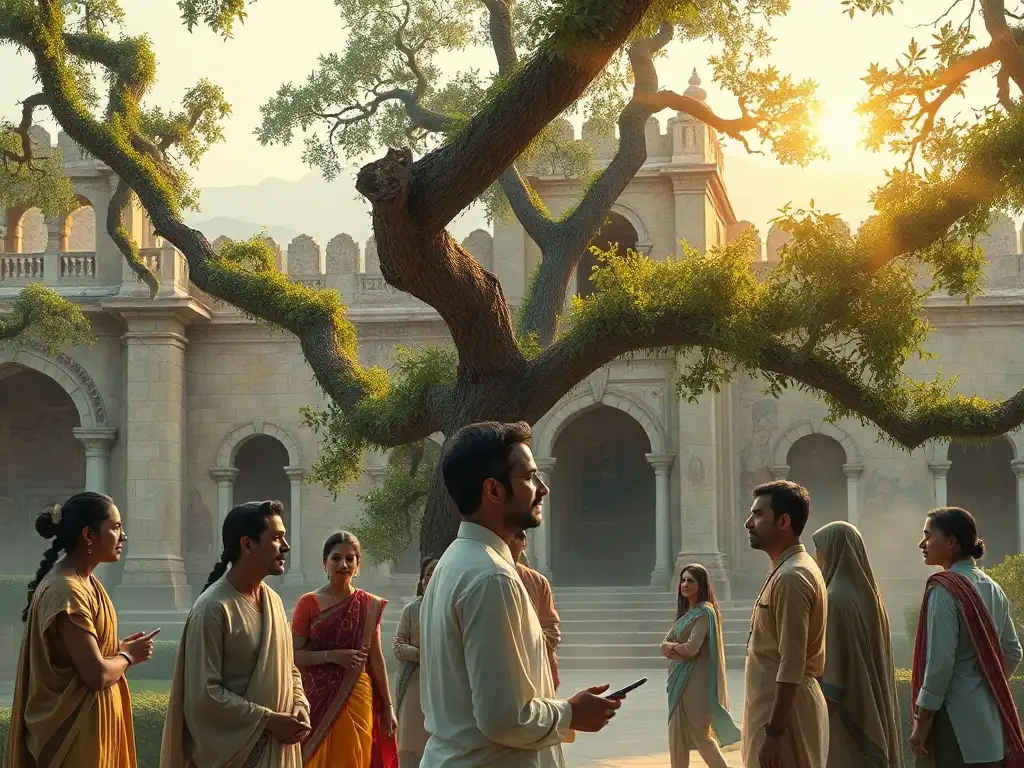
The decline of ancient Indian universities, such as Nalanda and Takshashila, marked a significant turning point in the educational landscape of India and the broader cultural exchange that had flourished for centuries. Several intertwined factors contributed to this decline, ultimately leading to a decrease in the vibrant academic and cultural interactions that had characterized these institutions.
Factors Leading to the Decline
- Invasions and Political Turmoil:
- The repeated invasions by foreign powers, notably the Huns and later Islamic rulers, disrupted the stability of the regions hosting these universities. The destruction of infrastructure and displacement of scholars severely impacted the continuity of education.
- Decline in Patronage:
- With the shifting political landscape, the patronage that ancient universities received from kings and wealthy merchants dwindled. This economic decline led to reduced funding for educational institutions, making it difficult to maintain their status and quality.
- Changing Educational Needs:
- As society evolved, the focus shifted towards practical knowledge and vocational training over traditional scholarly pursuits. This shift diminished the relevance of ancient universities, which predominantly emphasized philosophy, theology, and classical studies.
- Internal Factors:
- Administrative inefficiencies and corruption within the universities themselves may have played roles in their decline. The lack of innovation in curricula and teaching methods led to stagnation, contributing to a loss of reputation.
Effects of Decline on Cultural Exchange and Learning
The decline of ancient Indian universities had profound effects on cultural exchange and learning:
- Loss of Knowledge Centers:
- The closure of prominent universities resulted in the loss of invaluable texts, manuscripts, and oral traditions. Scholars who once traveled to these centers for education were left with fewer options, leading to a homogenization of knowledge.
- Decreased Interaction:
- Cultural exchanges that had occurred between Indian scholars and those from other regions, including Central Asia and the Middle East, significantly diminished. This isolation impacted the dissemination of knowledge and cultural practices.
- Impact on Future Generations:
- The decline in quality education meant that future generations lacked access to the comprehensive and diverse educational systems that had once thrived. As a result, the rich intellectual traditions of ancient India were not passed down effectively.
Conclusion: The Lasting Legacy of Ancient Indian Universities
The legacy of ancient Indian universities extends beyond their physical presence; they symbolize a golden age of academic and cultural brilliance. Their contributions continue to influence modern educational systems and cultural dialogues.
Summary of Key Points on Cultural Exchange
- Ancient Indian universities played a pivotal role in fostering cultural exchange through their diverse student bodies and curricula.
- Factors such as invasions, loss of patronage, and changing societal needs contributed to their decline.
- The effects of this decline resonate through the loss of knowledge and diminished cultural interactions, impacting future generations.
The Relevance of Ancient Indian Universities History Today
Understanding the history of ancient Indian universities is vital for appreciating the roots of contemporary educational philosophies and practices. Their emphasis on holistic education, critical thinking, and cultural inclusivity offers valuable lessons that can inform modern educational reforms. Moreover, as globalization continues to shape our world, revisiting the principles established by these institutions can promote a richer, more interconnected academic landscape, celebrating the diversity that characterized ancient Indian scholarship.
Further Reading and Resources on Ancient Indian Universities
To deepen your understanding of the rich history and cultural exchanges that took place at ancient Indian universities, a variety of books, articles, and online resources are available. These materials explore not only the educational systems of ancient India but also their impact on culture, philosophy, and science. Below are some recommended readings and online resources that provide valuable insights into the topic.
Suggested Books and Articles
-
"Nalanda: The Ancient University of India" by R. S. Sharma
This book presents a comprehensive account of Nalanda University, one of the most renowned ancient centers of learning. It explores its history, architecture, and the diverse subjects taught there.
-
"The History of Indian Philosophy" by Surendranath Dasgupta
This extensive work covers the philosophical teachings that emerged from Indian universities, detailing how these ideas influenced not just India but also neighboring cultures.
-
"Education in Ancient India" by R. C. Sharma
This text delves into the educational practices of ancient India, examining various universities, their curricula, and the role of teachers and students in the learning process.
-
"Ancient Indian Education: Brahmanical and Buddhist" by R. S. Sharma
This book compares the educational systems established by Brahmanical and Buddhist traditions, highlighting the cultural exchanges that took place within these institutions.
-
"The Rise of Universities" by H. A. Hargreaves
Although primarily focused on Western education, this book provides a comparative perspective that includes ancient Indian universities and their influence on global educational practices.
Online Resources and Archives
-
Digital Library of India
This online repository offers a vast collection of historical texts and manuscripts related to ancient Indian universities. Users can access works in various languages, including Sanskrit, Pali, and more.
-
Ancient India: A Historical Overview
This website hosts a range of scholarly articles and papers discussing various aspects of ancient Indian universities, including their history, contributions, and cultural exchanges.
-
Internet Archive
The Internet Archive features a wealth of digitized books and documents pertaining to ancient Indian education. Search for keywords such as "Nalanda," "Takshashila," and "ancient Indian universities" to find relevant materials.
-
The Indus Valley Civilization: A Gateway to Early Indian Education
This online resource explores the foundational aspects of education that originated in the Indus Valley and how they evolved into the sophisticated systems seen in later universities.
-
University of Nalanda: A Historical Perspective
This academic journal provides articles focused specifically on Nalanda University, its impact on education, and the exchange of knowledge among scholars from various regions.
These resources serve as a starting point for anyone interested in exploring the profound cultural exchanges and educational advancements that occurred at ancient Indian universities, shedding light on their enduring legacy in the realm of education and beyond.
- Introduction to Ancient Indian Universities History
- The Establishment of Ancient Indian Universities
- The Role of Cultural Exchange in Ancient Indian Universities
- Contributions of Different Cultures to Ancient Indian Universities
- Major Subjects and Disciplines Taught in Ancient Indian Universities
- The Impact of Cultural Exchange on Ancient Indian Universities
- The Decline of Ancient Indian Universities and Cultural Exchange
- Conclusion: The Lasting Legacy of Ancient Indian Universities
- Further Reading and Resources on Ancient Indian Universities
- What were the major ancient Indian universities?
- How did cultural exchange occur at these universities?
- What subjects were taught in ancient Indian universities?
- What impact did ancient Indian universities have on global education?
- How did the Gupta Empire contribute to the development of universities?
Frequently Asked Questions
What were the major ancient Indian universities?
The most prominent ancient Indian universities included Nalanda, Takshashila, and Vikramshila, known for their scholarly contributions and diverse curricula.
How did cultural exchange occur at these universities?
Cultural exchange at ancient Indian universities was facilitated through the interaction of scholars from different regions, including foreign students who brought diverse ideas and philosophies.
What subjects were taught in ancient Indian universities?
Ancient Indian universities offered a wide range of subjects, including philosophy, mathematics, astronomy, medicine, and literature, promoting a holistic education.
What impact did ancient Indian universities have on global education?
Ancient Indian universities significantly influenced global education by shaping the curricula of later institutions and contributing to the dissemination of knowledge across cultures.
How did the Gupta Empire contribute to the development of universities?
The Gupta Empire played a crucial role in the development of universities by providing patronage, fostering an environment of learning and inquiry, and establishing educational institutions as centers of knowledge.
Final Reflection: The Enduring Legacy of Ancient Indian Universities
The rich tapestry of knowledge woven through ancient Indian universities is not just a relic of the past; it is a testament to the profound impact of cultural exchange on the development of education. Today, as we navigate an increasingly interconnected world, the principles of collaboration and shared learning that flourished in these institutions remain crucial. The ancient Indian universities, such as Nalanda and Takshashila, were not merely centers of learning; they were vibrant hubs where diverse ideas converged, fostering innovation and understanding across cultures.
The influence of these ancient institutions can still be felt in our modern educational landscape. The spirit of inquiry and the pursuit of knowledge that characterized ancient Indian universities continue to inspire contemporary scholars and educators. As we reflect on their legacy, we must recognize how these early centers of learning laid the groundwork for a global exchange of ideas. Education is the most powerful weapon which you can use to change the world.
– Nelson Mandela. This quote resonates deeply, reminding us that the pursuit of knowledge transcends borders and has the power to transform societies.
As we look to the future, let us embrace the lessons from the history of ancient Indian universities. I invite you to reflect on how you can contribute to a culture of learning and exchange in your own life. Whether through sharing knowledge, engaging in dialogue with diverse perspectives, or fostering curiosity in others, each of us has a role to play in continuing the legacy of these remarkable institutions. Together, we can cultivate a world where education serves as a bridge, connecting us all in our shared quest for understanding and progress.
Unleash the Wisdom of Ancient Indian Universities!
Thank you for taking the time to explore the fascinating world of ancient Indian universities and their rich cultural exchanges. Your interest in this vital piece of history not only expands your knowledge but also connects you to a legacy of learning and diversity. Now, let’s take the next step together and dive deeper into this incredible heritage!
Here are some exciting ways you can continue your journey:
- Discover More: Delve into additional articles on our site about the influential scholars who shaped these universities and the diverse curriculum they offered.
- Join the Conversation: Engage with us on social media! What aspect of ancient education intrigues you the most? Use #AncientIndianUniversities to connect with others who share your passion.
- Embark on a Learning Adventure: Participate in a local seminar or workshop that focuses on ancient philosophies or cultural exchanges to fully immerse yourself in this rich topic.
What insight or lesson from ancient Indian universities resonates with you the most, and how would you like to see it applied in today's educational landscape?