
The Evolution of the Ramayana: From Valmiki to Contemporary Retellings

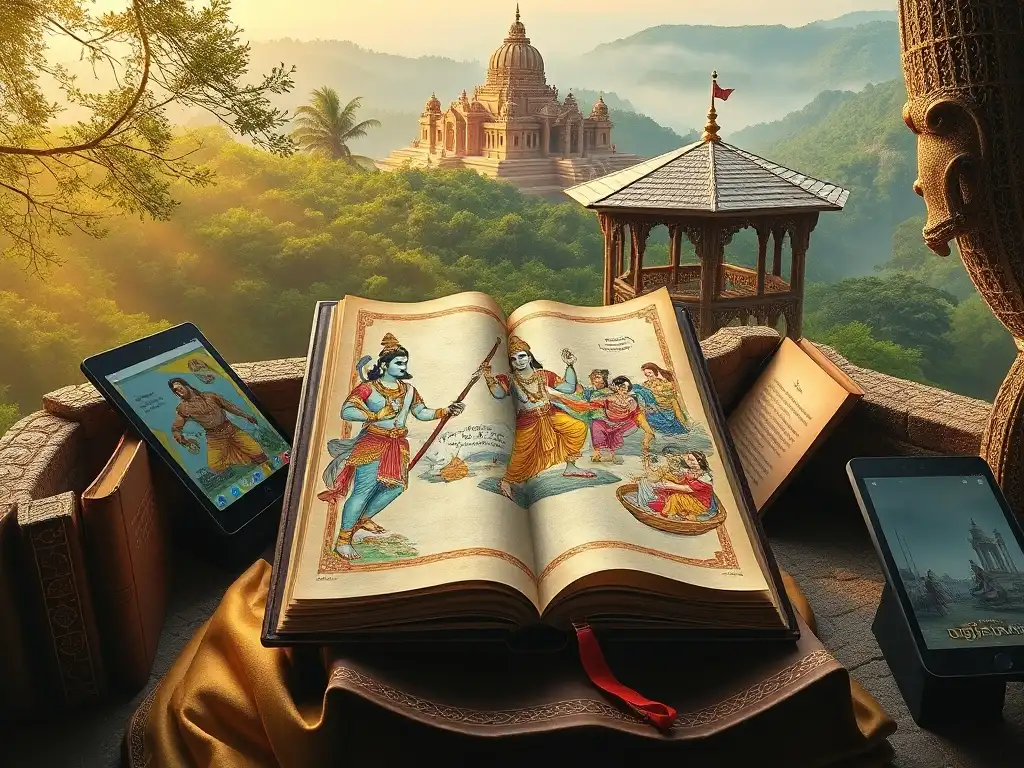
Welcome to Ancient India History, where we embark on a fascinating journey through the rich tapestry of India's past. Here, we delve into the evolution of the Ramayana, exploring its adaptations from Valmiki's original verses to the vibrant retellings that grace modern storytelling. What transformations have shaped this epic narrative over the centuries?
As you navigate through the intricate layers of history, culture, and literature, prepare to uncover the profound impact the Ramayana has had not only on Indian civilization but also on global narratives. Join us as we unravel the threads of this legendary tale and its enduring relevance today!
Introduction to the Ramayana and Its Significance
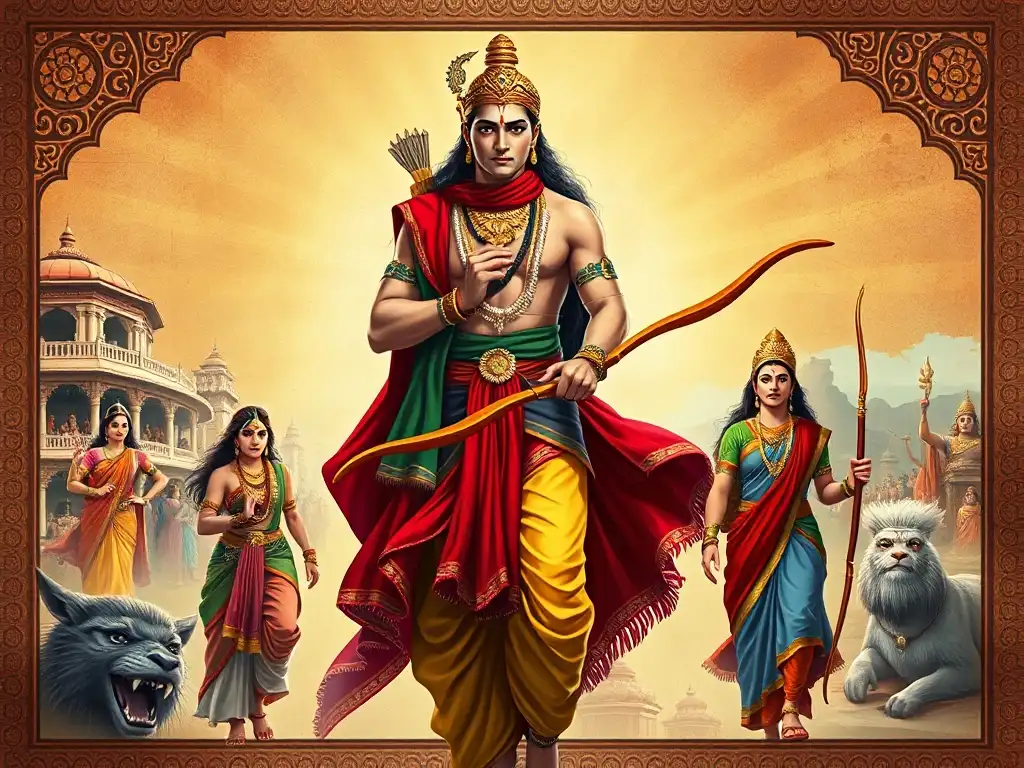
The Ramayana, one of the two great epics of ancient Indian literature, is not merely a story but a profound narrative that encapsulates the values, beliefs, and cultural ethos of ancient Indian society. Spanning centuries, this epic has evolved through various adaptations, interpretations, and retellings, reflecting the dynamic nature of its themes and characters. Understanding the Ramayana adaptations through history not only provides insight into the literary evolution of this text but also highlights its enduring relevance in contemporary culture.
The Ramayana explores the ideals of dharma (righteousness), devotion, and the complexities of human relationships, making it a timeless source of moral and ethical guidance. As we delve into its evolution, we will uncover how this ancient narrative has been transformed and reimagined across different eras, resonating with audiences in diverse cultural contexts.
Overview of the Ramayana as an Epic
The Ramayana, attributed to the sage Valmiki, consists of approximately 24,000 verses distributed across seven books known as Kandas. It narrates the life of Lord Rama, his wife Sita, and his loyal companion Hanuman, emphasizing themes of loyalty, love, and justice. The epic is structured around Rama's quest to rescue Sita from the demon king Ravana, symbolizing the eternal struggle between good and evil.
- Main Sections of the Ramayana:
- Bala Kanda: The birth and early life of Rama.
- Ayodhya Kanda: Rama's exile and the events leading to it.
- Aranya Kanda: The forest life and Sita's abduction.
- Kishkindha Kanda: The alliance with Hanuman and the search for Sita.
- Sundara Kanda: Hanuman's journey to Lanka.
- Yuddha Kanda: The great battle between Rama and Ravana.
- Uttara Kanda: The aftermath and Rama's return to Ayodhya.
This epic not only serves as a narrative of adventure and romance but also acts as a cultural repository, containing philosophical discussions and moral lessons that have influenced the spiritual and ethical framework of Indian society.
Importance of Ramayana in Ancient Indian Culture
The Ramayana has played a pivotal role in shaping the cultural and religious landscape of ancient India. It is revered not only as a literary masterpiece but also as a sacred text that has inspired countless rituals, performances, and artistic expressions. The epic's characters have become archetypes within Indian culture, embodying virtues such as bravery, loyalty, and righteousness.
- Cultural Impact:
- Festivals: Celebrations such as Diwali commemorate Rama's return to Ayodhya.
- Theatrical Performances: Traditional dances and dramas, including Ramlila, depict the epic's stories.
- Art and Sculpture: Numerous sculptures and paintings throughout India illustrate scenes from the Ramayana.
The Ramayana's teachings continue to resonate with audiences, reinforcing its significance as a cultural touchstone that has transcended time and geography.
Valmiki's Original Ramayana: The Foundation of the Epic
Valmiki's Ramayana forms the bedrock of the epic tradition in India, setting the stage for subsequent adaptations and interpretations. Understanding its historical context and thematic elements is essential to appreciate its enduring legacy.
Historical Context of Valmiki's Ramayana
Valmiki, often referred to as the "Adi Kavi" or the first poet, composed the Ramayana during a period marked by significant social and religious changes in ancient India. The epic is believed to have been written around 500 BCE to 100 BCE, during the transition from Vedic traditions to more narrative forms of storytelling.
- Societal Influences:
- Caste System: The epic reflects the social dynamics of the time, including the roles and responsibilities of different classes.
- Religious Practices: It intertwines Hindu beliefs and practices, making it a key text in the establishment of dharma and moral conduct.
Valmiki's work not only preserves the historical and cultural milieu of its time but also serves as a canvas for exploring universal themes that resonate across generations.
Key Themes and Characters in Valmiki's Ramayana
At the core of Valmiki's Ramayana are themes that delve into the complexities of human nature and the moral dilemmas faced by its characters.
- Prominent Themes:
- Dharma: The concept of duty and righteousness, as embodied by Rama.
- Devotion: The unwavering loyalty of Hanuman and the sacrifices made by Sita.
- Good vs. Evil: The conflict between Rama and Ravana epitomizes the eternal struggle between virtue and vice.
- Key Characters:
- Rama: The ideal man and hero, representing dharma.
- Sita: The epitome of virtue and dedication, facing trials with strength.
- Hanuman: The devoted disciple whose loyalty and courage are central to the narrative.
- Ravana: The ten-headed demon king, symbolizing the complexities of evil.
Through these themes and characters, Valmiki's Ramayana provides a rich tapestry of moral and philosophical inquiries, making it a profound influence on subsequent adaptations and cultural expressions of this timeless epic.
Early Adaptations of the Ramayana in Ancient India
The Ramayana, originally composed by the sage Valmiki around the 5th century BCE, has undergone numerous adaptations throughout history, each reflecting the cultural values and social norms of its time. These early adaptations primarily stemmed from oral traditions, which played a pivotal role in shaping the narratives and themes of the epic. Various versions emerged as storytellers traveled across regions, sharing the tale of Rama, Sita, and their trials and tribulations.
These adaptations were not merely retellings but were often infused with local beliefs, practices, and languages, which allowed the Ramayana to resonate with diverse audiences. The flexibility of its characters and themes enabled adaptations to explore different moral and philosophical questions reflective of the times. As a result, the Ramayana became a living text, evolving and adapting to the contexts in which it was told.
The Influence of Oral Traditions on Ramayana Adaptations
Oral traditions have significantly influenced the adaptations of the Ramayana, as various communities recounted the epic in their unique styles. These oral narratives often emphasized different aspects of the story, such as heroism, devotion, or justice, tailored to the values of their audiences.
The performative nature of oral storytelling allowed for dynamic interactions between the narrator and the listeners. This interaction encouraged improvisation and the incorporation of local elements, making each rendition distinct. Furthermore, oral traditions facilitated the transmission of the Ramayana across generations, ensuring its relevance and accessibility, especially in rural areas where written texts were less common.
As a result, the Ramayana evolved into a mosaic of stories, each characterized by its cultural nuances, illustrating the adaptability of the epic to varying societal contexts.
Notable Early Retellings and Their Impact
Several notable early retellings of the Ramayana have emerged since Valmiki's original composition. One such adaptation is the Ramcharitmanas by Tulsidas in the 16th century. Written in Awadhi, this version emphasized devotion and bhakti (devotional love) toward Lord Rama, making it accessible to the common people and solidifying Rama's status as a divine figure.
Another significant retelling is the Kamba Ramayanam by the Tamil poet Kambar, which introduced local cultural elements and emphasized the emotional depth of characters. Kambar's version is celebrated for its poetic beauty and has played an essential role in shaping Tamil literature and drama.
These retellings not only enriched the Ramayana tradition but also fostered a sense of identity and belonging among different communities, underscoring the epic's role in India's cultural and literary landscape.
The Ramayana in Different Regions of India
As the Ramayana traversed different regions of India, it absorbed local customs, languages, and traditions, leading to diverse regional interpretations. Each region's unique cultural backdrop contributed to the distinct storytelling styles and themes that characterized their adaptations of the epic.
The widespread popularity of the Ramayana across India facilitated its integration into various art forms, including dance, theater, and puppetry, further enhancing its reach and significance. The epic became a vehicle for conveying moral lessons, religious beliefs, and cultural values, reflecting the diversity of Indian society.
Regional Variations and Cultural Significance
The Ramayana's adaptations vary significantly across India, influenced by regional languages and cultural contexts. For instance, in the northern states, the Ramcharitmanas became a central text, while in the east, the Dandi Ramayana of Bhavabhuti offered different interpretations.
In the west, the Ramayana is often depicted in folk theater forms like the Ramlila, which dramatizes the narrative and engages the audience in a participatory experience. Each region's adaptation of the Ramayana highlights the local cultural nuances, such as customs, beliefs, and societal norms, enriching the epic's narrative tapestry.
These regional variations not only showcase the Ramayana's adaptability but also underscore its role as a unifying cultural force that transcends linguistic and geographical barriers, fostering a shared identity among diverse Indian communities.
Case Study: The Ramayana in South India
In South India, the Ramayana has been adapted through various forms, notably in Tamil literature. The Kamba Ramayanam, as mentioned earlier, is a prime example, reflecting the richness of Tamil culture and spirituality. Kambar’s rendition is celebrated not only for its narrative but also for its poetic finesse, making it a staple in Tamil festivals and performances.
Another notable adaptation is the Ananda Ramayana, which offers a unique perspective on the events of the Ramayana, diverging from Valmiki's original plotline. This version emphasizes Dharma (righteousness) and the importance of community and relationships, resonating deeply with South Indian audiences.
The performance arts, particularly dance forms like Bharatanatyam, often incorporate narratives from the Ramayana, showcasing its enduring influence in South Indian culture. Rituals and festivals centered around the epic further illustrate its significance, as communities come together to celebrate the values embodied in the story.
Overall, the Ramayana in South India exemplifies how adaptations can reflect regional identities while contributing to the wider Indian cultural heritage, reinforcing the epic's timeless relevance.
The Ramayana in Southeast Asia: A Cross-Cultural Phenomenon
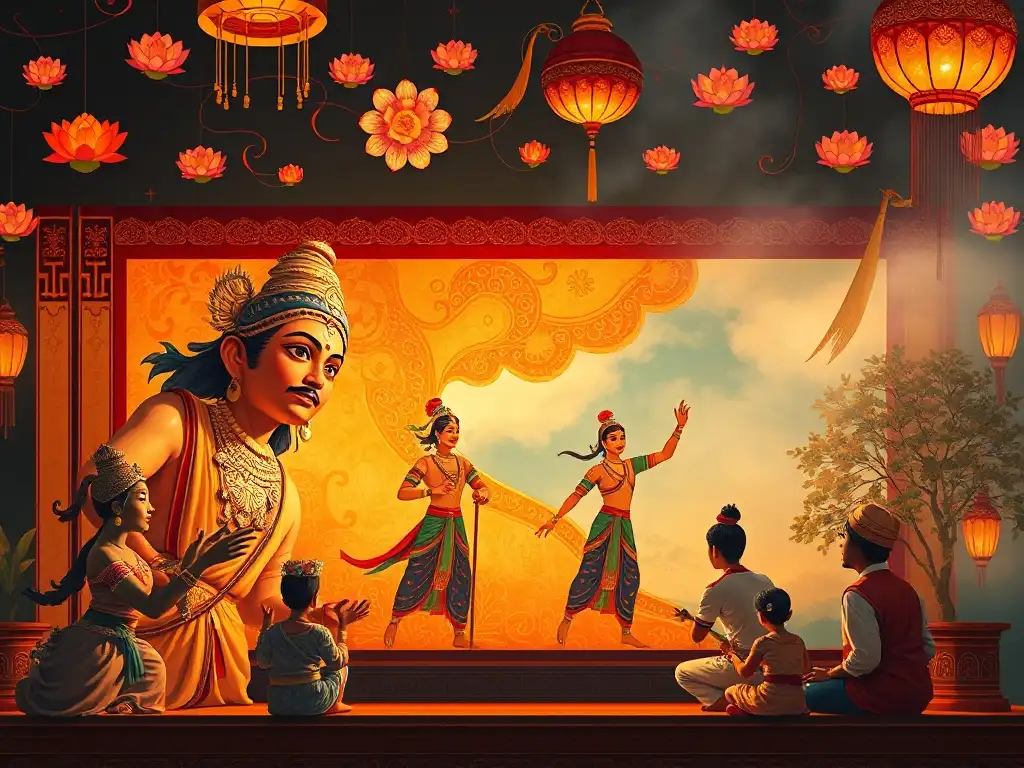
The Ramayana, originally composed by Valmiki in ancient India, transcended geographical boundaries, inspiring a multitude of adaptations across Southeast Asia. This epic's themes of duty, righteousness, and the triumph of good over evil resonated deeply within the cultural fabric of various Southeast Asian nations, where it was integrated into local narratives, religious practices, and artistic expressions. The adaptability of the Ramayana has allowed it to take on unique forms while preserving its core messages, effectively creating a cross-cultural phenomenon that showcases the interconnectedness of these societies.
Introduction to Ramayana Adaptations in Southeast Asia
The introduction of the Ramayana to Southeast Asia can be traced back to the spread of Hinduism and Buddhism through trade routes, cultural exchanges, and royal patronage. As the epic entered different regions, local storytellers and artists began to reinterpret the narrative, infusing it with indigenous elements, beliefs, and traditions. This resulted in a rich tapestry of adaptations that not only reflect the original story but also embody the cultural nuances of the respective societies.
One notable feature of these adaptations is the emphasis on local heroes and deities, which allowed the narrative to resonate more profoundly with the local populace. For instance, while the core characters such as Rama, Sita, and Hanuman remain central to the story, their portrayals and the surrounding context can vary significantly, reflecting the values and practices of each society.
Key Adaptations: Ramakien and Other Variants
Among the most prominent adaptations of the Ramayana in Southeast Asia is the Ramakien, the Thai version of the epic. The Ramakien not only retains the essential storyline of the original but also incorporates local customs, beliefs, and characters unique to Thai culture. For example, the character of Rama is often depicted as a divine king, embodying the ideal ruler's qualities in accordance with Thai values.
Other notable adaptations include:
- Kakawin Ramayana: This Balinese adaptation features intricate poetry and emphasizes the philosophical aspects of the tale, reflecting the influence of Javanese culture.
- Hikayat Seri Rama: In Malaysia, the Hikayat Seri Rama presents the story with a blend of Malay folklore, showcasing the cultural amalgamation that has occurred over centuries.
- Ramayana in Cambodia: Known as the Reamker, this variant diverges significantly from Valmiki's version, particularly in character roles and narrative focus, aligning the epic with Cambodian cultural and religious contexts.
These adaptations highlight the fluidity of storytelling and the ways in which the Ramayana has been reshaped to fit various cultural landscapes while still preserving its essence.
The Medieval Period: Ramayana in Literature and Art
The Medieval Period marked a significant expansion of the Ramayana's influence in literature and art, reflecting the evolving societal and cultural landscapes of India and neighboring regions. During this era, the epic was not only retold in various literary forms but also became a prominent subject in visual arts, contributing to its enduring legacy.
Ramayana in Classical Literature: Key Works and Authors
During the Medieval Period, numerous poets and playwrights drew inspiration from the Ramayana, creating retellings that enriched the epic's narrative. Noteworthy figures include:
- Tulsidas: His rendition, Ramcharitmanas, composed in the 16th century, is one of the most celebrated adaptations in Hindi literature. Tulsidas emphasized devotion (bhakti) and presented the characters in a manner that was relatable to the common people, thus popularizing the epic across North India.
- Kambar: In Tamil Nadu, Kambar's Kamba Ramayanam is a significant adaptation that incorporates local folklore and poetic styles, reflecting Tamil culture's ethos while staying true to the original narrative.
- Bhasa: The ancient Sanskrit playwright Bhasa contributed to the performance traditions surrounding the Ramayana, creating plays that dramatized key episodes of the epic, making it accessible to audiences.
These adaptations not only showcased the literary prowess of their authors but also facilitated the continued relevance of the Ramayana in various regional contexts.
Artistic Representations of the Ramayana: Sculptures and Paintings
The Ramayana's narrative has also been immortalized through various artistic forms during the Medieval Period. Sculptures and paintings depicting scenes from the epic adorn temples and palaces across India and Southeast Asia, serving both aesthetic and didactic purposes.
- Temple Sculptures: Many temples feature intricate carvings illustrating pivotal moments from the Ramayana, providing a visual narrative that enhances the spiritual experience for devotees. Notable examples include the sculptures at the Khajuraho and Banteay Srei temples, where scenes of Rama’s battles and divine interventions are prominently displayed.
- Miniature Paintings: The Mughal era saw the rise of miniature paintings that depicted the Ramayana's characters and stories, blending Indian and Persian artistic styles. These artworks often illustrated the emotional depth of the characters and were commissioned by royal patrons for personal collections.
The artistic representations of the Ramayana not only served as a means of storytelling but also reflected the socio-political dynamics of the time, reinforcing the epic's role as a cultural cornerstone in both literature and art.
Modern Adaptations of the Ramayana: A Contemporary Perspective
The Ramayana, an ancient epic attributed to the sage Valmiki, has transcended its origins to become a cornerstone of cultural expression in various forms. In the modern era, adaptations of the Ramayana have surged, reflecting contemporary societal values, technological advancements, and diverse artistic interpretations.
These adaptations serve not only as retellings but also as a means to engage with the core themes of duty, morality, and righteousness, making the epic relevant to modern audiences. Today, the Ramayana is explored through various mediums such as literature, theater, dance, and digital platforms, allowing for a richer and multifaceted understanding of its narrative and characters.
The Rise of Ramayana Adaptations in Popular Culture
The last few decades have witnessed a remarkable increase in Ramayana adaptations within popular culture. This rise can be attributed to several factors, including the global interest in Indian culture, the expansion of the Indian diaspora, and the accessibility of mass media. Contemporary adaptations often reinterpret the traditional storyline to address current social issues, such as gender equality, environmental concerns, and communal harmony. This shift reflects a broader trend wherein ancient texts are not merely preserved but are actively reimagined to resonate with modern audiences.
- Influence of Technology: The digital era has played a significant role in popularizing Ramayana adaptations. Social media platforms and streaming services have facilitated the dissemination of various adaptations, reaching a wider audience and fostering discussions around the themes presented in the epic.
- Diverse Voices: Adaptations by diverse creators have introduced new perspectives, enriching the narrative and inviting reinterpretation from various cultural and social standpoints. This inclusivity has helped to ensure that the Ramayana remains a living text, continually evolving with the times.
Film and Television: Transforming the Ramayana Narrative
Film and television have emerged as pivotal mediums for the adaptation of the Ramayana, bringing its stories to life through visual storytelling. From the iconic television serials of the 1980s to contemporary films and web series, these adaptations have significantly influenced public perception and engagement with the epic.
- Notable Adaptations: Iconic adaptations such as the 1987 television series "Ramayan" and the more recent "Ram Siya Ke Luv Kush" have captivated audiences, showcasing the epic's grandeur while highlighting its moral and ethical dilemmas. These productions often employ elaborate sets, special effects, and musical compositions that enhance the storytelling experience.
- Cultural Impact: The success of these adaptations has led to a resurgence of interest in the Ramayana, prompting discussions about its themes and characters. They also serve as a platform for exploring the cultural significance of the epic in contemporary society, bridging the gap between ancient narratives and modern sensibilities.
Thematic Analysis of Ramayana Adaptations Through History
The Ramayana's enduring appeal lies in its exploration of universal themes that resonate across generations. Analyzing the thematic evolution in adaptations reveals how these narratives have been shaped by the cultural, social, and political contexts of their times.
Common Themes in Ramayana Adaptations
Throughout history, various adaptations of the Ramayana have consistently highlighted several key themes:
- Dharma (Righteousness): The concept of dharma, or duty, is central to the Ramayana narrative. Adaptations often emphasize the moral dilemmas faced by characters, illustrating the complexities of adhering to one's duty in challenging circumstances.
- Love and Sacrifice: The relationships between characters, particularly that of Rama and Sita, are depicted with a focus on love, loyalty, and sacrifice. Modern adaptations frequently explore these themes in the context of contemporary relationships and societal expectations.
- Heroism and Valor: The portrayal of heroes and their journeys is a recurring theme. Adaptations often highlight the heroic qualities of Rama and other characters, inspiring audiences to reflect on their own understanding of bravery and righteousness.
Evolution of Characterizations in Modern Retellings
Characterizations within the Ramayana have evolved significantly through various adaptations, reflecting changing societal values and perspectives:
- Female Protagonists: Contemporary adaptations often present Sita and other female characters with greater agency, challenging traditional portrayals that may have emphasized subservience. This evolution allows for a more nuanced understanding of their roles within the narrative.
- Complex Antagonists: Characters like Ravana have been reinterpreted in modern adaptations, often portrayed with greater complexity, allowing for explorations of villainy that delve into motivations and backstories. This shift invites audiences to engage with the moral ambiguities of the epic.
- Cultural Representation: Modern retellings frequently incorporate diverse cultural representations, showcasing how the Ramayana can be adapted to reflect the realities and issues faced by different communities, thereby enriching the narrative tapestry of this ancient epic.
Conclusion: The Enduring Legacy of the Ramayana
The Ramayana stands as one of the most influential epics in Indian literature, having shaped cultural, spiritual, and social paradigms for centuries. Valmiki's original Sanskrit text laid the groundwork for a narrative rich in moral and ethical dilemmas, heroism, and the complexities of dharma (duty). Its themes of love, sacrifice, and righteousness resonate deeply with audiences across generations, making it a timeless work that continues to inspire.
The enduring legacy of the Ramayana can be observed in various aspects of contemporary culture, from literature and theater to film and television. Each adaptation, whether traditional or modern, reflects the prevailing values of the time, showcasing the Ramayana's adaptability and relevance. The epic's characters and their journeys serve as archetypes for exploring human emotions and relationships, ensuring that its teachings remain pertinent in a rapidly changing world.
The Ramayana's Relevance in Today's Society
In today’s context, the Ramayana's themes are more relevant than ever. The epic addresses issues such as the struggle between good and evil, the importance of family and loyalty, and the quest for justice. These universal themes resonate with modern audiences who grapple with similar challenges in their personal and societal lives.
Furthermore, the Ramayana has transcended cultural and geographic boundaries, finding resonance in various adaptations worldwide. Its retellings in different languages and formats highlight its ability to connect with diverse audiences, fostering a sense of community and shared values.
In educational settings, the Ramayana serves as a tool for teaching moral lessons and ethics, empowering students to reflect on their values and choices. The epic also plays a crucial role in religious and spiritual practices, offering guidance and inspiration to millions of devotees who regard it as a sacred text.
Future Directions for Ramayana Adaptations Through History
As we look to the future, the potential for new Ramayana adaptations is boundless. Contemporary artists and writers are exploring innovative ways to reinterpret the epic, using modern technology and storytelling techniques to reach younger audiences.
- Digital Media: The rise of digital platforms presents an opportunity for interactive adaptations of the Ramayana, including video games and animated series. These formats can engage audiences by allowing them to explore the epic's narrative in an immersive environment.
- Diverse Perspectives: Future adaptations may focus on underrepresented voices, offering fresh interpretations from different cultural or gender perspectives. This approach could enrich the narrative and provide new insights into the characters' motivations and struggles.
- Global Collaborations: Cross-cultural collaborations can lead to unique adaptations that blend the Ramayana with other folklore and traditions. Such projects can foster a global dialogue, celebrating the shared human experience while honoring the epic's original essence.
The Ramayana's journey from Valmiki's time to contemporary retellings exemplifies its adaptability and enduring relevance. As new adaptations emerge, the epic will undoubtedly continue to inspire future generations, ensuring its place in the tapestry of world literature and culture.
- Introduction to the Ramayana and Its Significance
- Valmiki's Original Ramayana: The Foundation of the Epic
- Early Adaptations of the Ramayana in Ancient India
- The Ramayana in Different Regions of India
- The Ramayana in Southeast Asia: A Cross-Cultural Phenomenon
- The Medieval Period: Ramayana in Literature and Art
- Modern Adaptations of the Ramayana: A Contemporary Perspective
- Thematic Analysis of Ramayana Adaptations Through History
- Conclusion: The Enduring Legacy of the Ramayana
- The Ramayana's Relevance in Today's Society
- Future Directions for Ramayana Adaptations Through History
- What is the significance of the Ramayana in ancient Indian culture?
- Who was Valmiki and what role did he play in the Ramayana's history?
- How have modern adaptations of the Ramayana evolved from the original text?
- What are some notable adaptations of the Ramayana throughout history?
- Why is the study of Ramayana adaptations important for understanding ancient Indian civilization?
Frequently Asked Questions
What is the significance of the Ramayana in ancient Indian culture?
The Ramayana is a fundamental epic that not only narrates the life of Lord Rama but also serves as a moral and ethical guide, reflecting ancient Indian values and ideals.
Who was Valmiki and what role did he play in the Ramayana's history?
Valmiki is regarded as the original author of the Ramayana, composing it in Sanskrit around the 5th century BCE, which laid the foundation for all subsequent adaptations and retellings.
How have modern adaptations of the Ramayana evolved from the original text?
Modern adaptations often incorporate contemporary themes and diverse perspectives, reflecting changes in society, culture, and values, while still honoring the core narrative of the original epic.
What are some notable adaptations of the Ramayana throughout history?
Notable adaptations include the Ramcharitmanas by Tulsidas, various regional versions across India, and modern interpretations in literature, theatre, and film, showcasing its enduring relevance.
Why is the study of Ramayana adaptations important for understanding ancient Indian civilization?
Studying these adaptations helps reveal how the Ramayana has been a vehicle for expressing cultural identity, moral lessons, and social values, showcasing the dynamic nature of ancient Indian civilizations.
Final Reflection: The Timeless Journey of the Ramayana
The evolution of the Ramayana, from its ancient roots in Valmiki's verses to the myriad contemporary adaptations we see today, underscores its enduring relevance in our lives. As society continues to grapple with themes of duty, righteousness, and the complexities of human relationships, the Ramayana offers a rich tapestry of narratives that resonate deeply with modern audiences. This timeless epic not only reflects the values of its time but also adapts to the changing cultural landscapes, proving that its lessons are as pertinent today as they were thousands of years ago.
Cultural narratives like the Ramayana shape our understanding of morality and identity, influencing generations across the globe. The various adaptations, whether in literature, film, or theater, serve as a testament to the story's flexibility and its ability to speak to the human experience. As noted by scholar Arshia Sattar, “The Ramayana is not just a story; it is a mirror reflecting the complexities of life.” This ongoing dialogue between the ancient text and contemporary interpretations invites us to explore our own values and beliefs, fostering a deeper connection to our cultural heritage.
As you reflect on the themes presented in this article, I encourage you to consider how the Ramayana's lessons can be applied in your own life. What values resonate with you? How can you embody the principles of duty and righteousness in your daily actions? By engaging with this epic and its adaptations, you not only honor its legacy but also contribute to the ongoing conversation about morality and humanity in our ever-evolving world. Let the Ramayana inspire you to navigate your own journey with wisdom and compassion.
Dive Deeper into the Legacy of the Ramayana!
Thank you for exploring the rich journey of the Ramayana with us! From its origins in Valmiki's verses to its modern interpretations, you've uncovered the profound impact of this epic on culture and storytelling. Now, it's time to take the next step.
Here are a few ways you can continue your exploration:
- Read a contemporary retelling. Seek out a modern adaptation of the Ramayana to see how its themes resonate in today's context.
- Start a conversation. Share your thoughts about the Ramayana’s relevance with friends or in online communities—ask them which version resonates with them the most!
- Create your own retelling. Let your imagination flow! Craft a short story or a poem inspired by the Ramayana, infusing your personal perspective.
What aspects of the Ramayana do you believe connect most with the challenges faced by society today?