
The Role of Merchants in Strengthening IndianPersian Ties

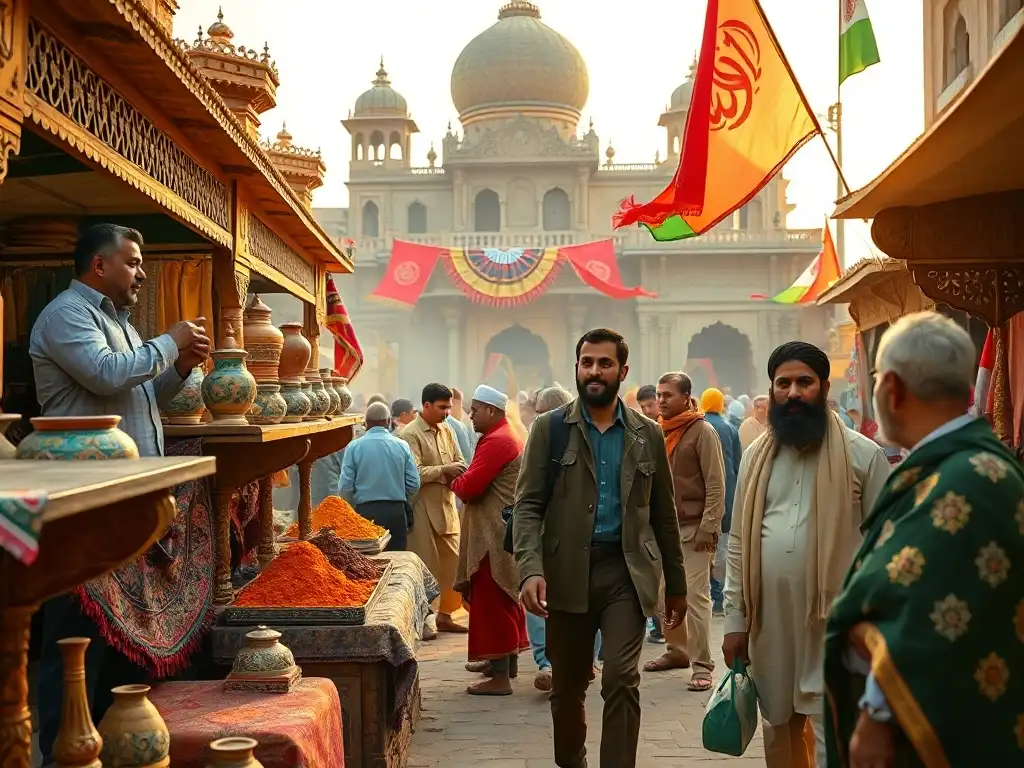
Welcome to Ancient India History, where we embark on a fascinating journey through the vibrant tapestry of ancient Indian civilizations! In this captivating exploration, we delve into the intricate relationships that shaped the subcontinent's past, starting with a closer look at the influential role of merchants in Indian-Persian trade. Discover how these enterprising individuals not only facilitated the exchange of goods but also forged enduring cultural connections that resonate through history. Are you ready to uncover the stories of trade routes that transformed societies? Join us as we dive deeper into this remarkable narrative!
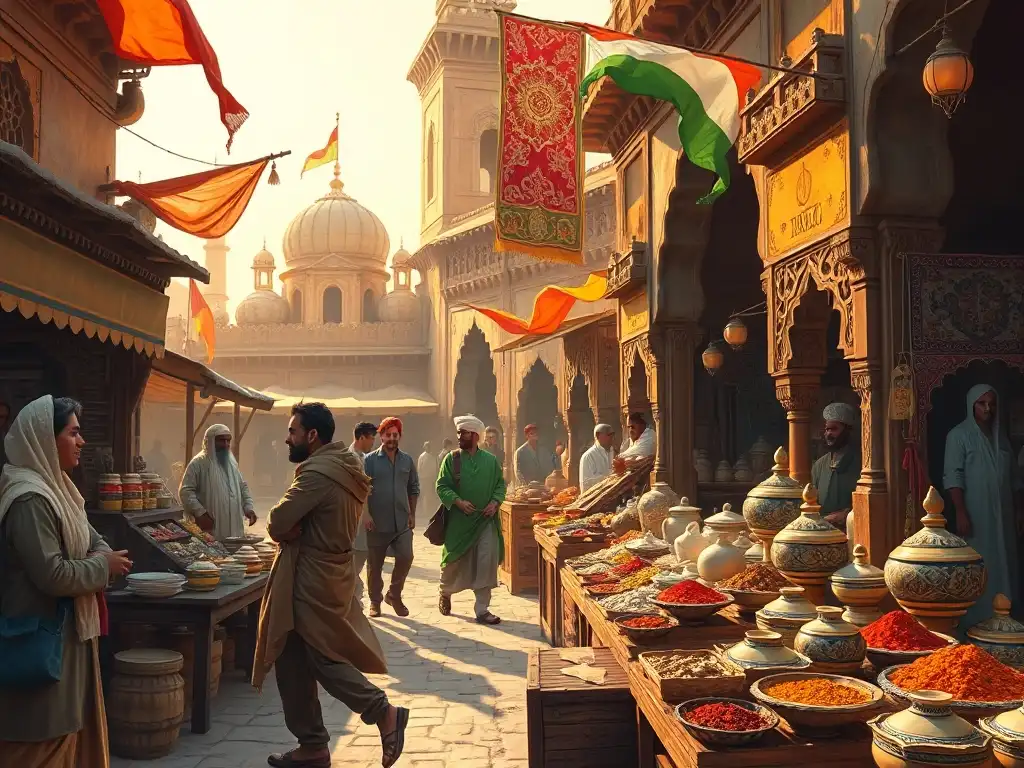
Introduction to Indian-Persian Trade Relations
The intricate web of trade between India and Persia has been a cornerstone in the historical tapestry of both civilizations. From the bustling bazaars of ancient Indian cities to the opulent markets of Persian cities, merchants played a pivotal role in fostering not only economic exchanges but also cultural, technological, and intellectual interactions. This article delves into the significance of merchants in Indian-Persian trade, highlighting how their activities contributed to the strengthening of ties between these two great civilizations. Understanding this relationship provides insights into the broader dynamics of ancient global trade and cultural exchange.
Overview of Historical Context
The history of Indian-Persian trade can be traced back to as early as the Indus Valley Civilization, which had contact with the Elamites of Persia. Over the centuries, these interactions evolved, particularly during the rise of the Achaemenid Empire and later the Sassanian Dynasty. Merchants acted as vital intermediaries, facilitating not only trade in goods such as spices, textiles, and precious stones but also the exchange of ideas and beliefs. The establishment of trade routes, including the famous Silk Road and maritime paths across the Arabian Sea, further cemented these connections.
Importance of Trade in Ancient Civilizations
Trade has always been a catalyst for growth and interaction among ancient civilizations. It not only stimulated economic prosperity but also fostered cultural exchanges that enriched societies. In the context of Indian and Persian interactions, trade introduced various innovations, artistic styles, and philosophies, significantly impacting local cultures. The exchanges facilitated by merchants contributed to the evolution of urban centers, as cities became hubs for commerce and cultural interaction.
The Emergence of Merchants in Indian-Persian Trade
With the establishment of robust trade networks, merchants emerged as influential figures in the socio-economic landscape of both India and Persia. Their roles extended beyond mere trade as they became key players in the diplomatic and cultural exchanges between the two regions.
Key Characteristics of Merchants in Ancient India
Indian merchants were characterized by their adaptability, extensive knowledge of trade routes, and a deep understanding of cultural nuances. Many were organized into guilds, which provided them with a framework for conducting trade, setting prices, and establishing fair practices. Their ability to navigate complex social and economic landscapes made them critical in facilitating trade with Persian counterparts.
Roles of Persian Merchants in India
Persian merchants, often driven by the wealth of India, established a strong presence in various Indian regions. They brought not only goods but also cultural influences, introducing Persian art, architecture, and administrative practices to Indian society. This cross-cultural interaction enriched both civilizations, leading to a blend of traditions and practices that can still be observed today.
Trade Routes Facilitating Indian-Persian Interactions
The trade routes connecting India and Persia were vital arteries of exchange. Major land routes traversed through the Iranian plateau, while maritime routes linked key ports on the Western coast of India to Persian Gulf cities. These routes enabled the flow of not only goods but also people, ideas, and innovations, solidifying the long-standing relationship between Indian and Persian civilizations. The strategic significance of these routes cannot be overstated, as they shaped the economic and cultural landscapes of both regions.
The role of merchants in Indian-Persian trade was multifaceted and profoundly impactful, establishing a legacy of interaction that continues to resonate in the cultural and economic exchanges of today.
Economic Contributions of Merchants to Indian-Persian Relations
The merchants in Indian-Persian trade played a pivotal role in shaping economic relations between the two civilizations. Their activities not only facilitated the exchange of goods but also fostered economic interdependence that benefited both regions. The flourishing trade routes, notably the Silk Road, became avenues for merchants to transport a variety of commodities, enhancing the wealth and prosperity of both Indian and Persian states.
Merchants contributed to the establishment of vibrant markets and trade hubs, particularly in coastal cities like Surat in India and Hormuz in Persia. These centers became melting pots of commerce, where not only goods but also ideas and cultures were exchanged. The economic interactions between the two regions can be highlighted through the extensive trade networks that emerged, leading to increased taxation revenues for rulers and the establishment of more structured economic policies.
Moreover, the economic contributions of merchants extended beyond mere trade; they played a significant role in the introduction of innovative practices such as credit systems and banking, which facilitated larger transactions and more complex trade arrangements. This development laid the groundwork for future economic growth and integration in both regions.
Trade Goods Exchanged Between India and Persia
The trade goods exchanged between India and Persia were diverse and reflected the unique resources and specialties of each region. Indian merchants exported valuable commodities such as:
- Spices: India was renowned for its rich variety of spices, including black pepper, cardamom, and cinnamon, which were highly sought after in Persia and beyond.
- Textiles: Indian cotton and silk textiles were prized for their quality and intricate designs, making them a staple in Persian markets.
- Precious Stones: India was a significant source of gemstones, including diamonds, rubies, and emeralds, appealing to the affluent Persian elite.
Conversely, Persian merchants traded:
- Luxury Goods: Persian silk and carpets, known for their craftsmanship, were in high demand in Indian markets.
- Metals: Persian artisans produced high-quality metalwork, including gold and silver items, which were valued in Indian society.
- Agricultural Products: Items such as dried fruits and grains were also exchanged, benefiting both agricultural regions.
This exchange of goods not only enriched both economies but also played a crucial role in the cultural interactions that followed.
Impact of Merchants on Local Economies
The presence of merchants in Indian-Persian trade significantly impacted local economies, particularly in port cities and trading hubs. As merchants established trade routes, they created job opportunities for local labor, fostering economic activity and growth. This economic influx led to increased urbanization, with cities expanding to accommodate the influx of traders and their support staff.
The merchants often engaged local producers in their supply chains, promoting agricultural development and artisanal crafts. For instance, the demand for spices and textiles encouraged farmers and weavers to enhance their production, improving local economic conditions. Additionally, the wealth generated from trade led to investments in infrastructure, such as roads and ports, further stimulating economic development.
Overall, the economic contributions of merchants helped bridge the Indian and Persian economies, creating a dynamic environment that encouraged innovation, growth, and prosperity.
The influence of merchants in Indian-Persian trade extended far beyond economics, shaping the social and cultural landscapes of both civilizations. As merchants traveled across regions, they served as conduits for cultural exchange, introducing new ideas, beliefs, and practices.
Cross-Cultural Interactions: Religion and Philosophy
Merchants played a crucial role in the cross-cultural interactions between India and Persia, particularly in the realms of religion and philosophy. As they traversed trade routes, they brought with them diverse religious beliefs, including Hinduism, Zoroastrianism, and later, Islam. This interaction facilitated discussions and exchanges that enriched the spiritual landscapes of both cultures.
For instance, the arrival of Persian Zoroastrian merchants in India contributed to the syncretism of religious practices, influencing local customs and beliefs. Similarly, Indian merchants introduced Persian traders to concepts of karma and dharma, which found resonance in certain Persian philosophical thoughts. Such interactions not only fostered mutual respect and understanding but also laid the groundwork for future religious dialogues.
Influence of Indian and Persian Merchants on Art and Literature
The artistic and literary influences exchanged between Indian and Persian merchants were profound and lasting. The interactions led to the fusion of artistic styles and literary traditions, enriching both cultures. Persian miniature painting, for example, drew inspiration from Indian themes and styles, resulting in a unique blend that characterized the art of both regions.
In literature, the trading class contributed to the dissemination of stories and fables, often serving as narrators of tales from their respective cultures. This cross-pollination of ideas enriched the literary heritage of both civilizations, with Persian poetry and prose influencing Indian literary forms and vice versa.
Merchants often commissioned artworks and literature that depicted their experiences, further catalyzing this cultural exchange. The resulting works not only celebrated the merchant class but also immortalized the rich tapestry of interactions between India and Persia.
The Role of Merchants in Culinary Exchange
Culinary exchange was another significant aspect of the interactions between Indian and Persian merchants. The trade routes enabled the sharing of diverse food practices, ingredients, and cooking techniques, leading to the development of unique culinary traditions that blended flavors from both cultures.
Indian spices, such as saffron and cardamom, became integral to Persian cuisine, enhancing dishes and adding a layer of complexity to Persian flavors. Conversely, Persian culinary practices, including the use of rice and various meat dishes, influenced Indian cooking styles. The introduction of dishes like biryani exemplifies this fusion, where Persian cooking techniques combined with Indian spices resulted in a beloved culinary staple.
Moreover, the social gatherings and feasts organized by merchants often became cultural melting pots, showcasing the rich diversity of both cuisines. This culinary exchange not only delighted palates but also served as a means of fostering social ties and cultural appreciation between the two civilizations.
Challenges Faced by Merchants in Indian-Persian Trade
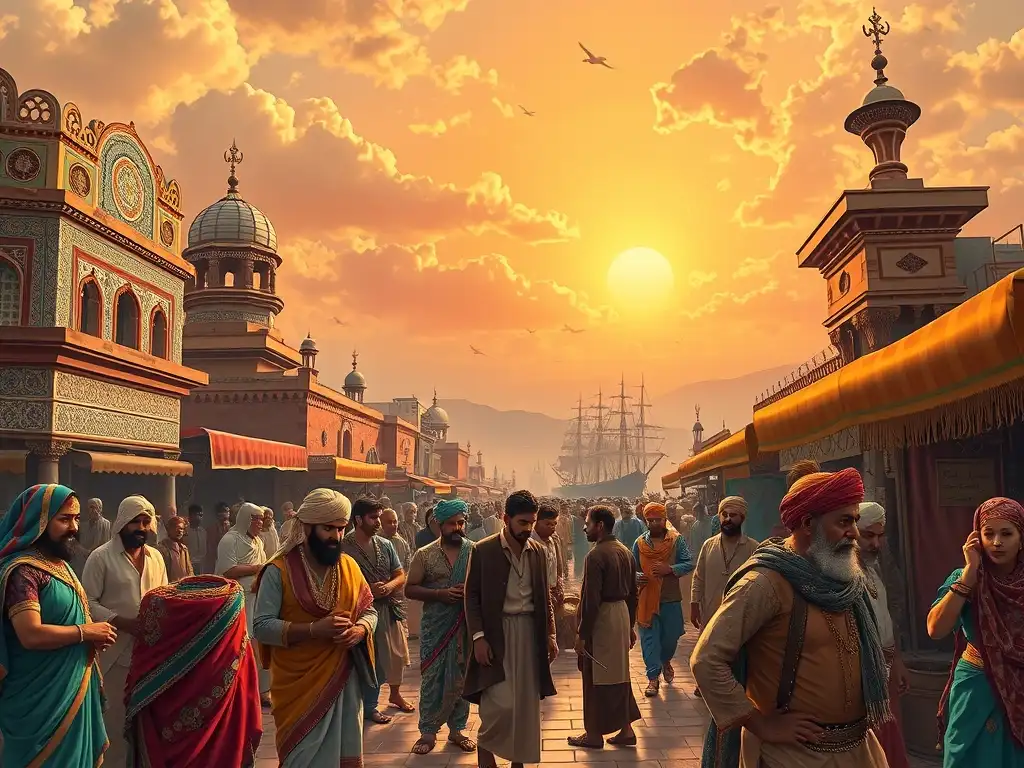
Merchants in Indian-Persian trade encountered numerous challenges that impacted their operations and the dynamics of commerce between these two rich civilizations. These challenges were multifaceted, encompassing geopolitical issues, regulatory hurdles, and cultural differences that shaped the trading landscape.
Geopolitical Factors Affecting Trade
Geopolitical factors played a crucial role in the Indian-Persian trade network. The vast distances and varying political landscapes often led to instability, which merchants had to navigate. The shifting power dynamics, such as the rise and fall of empires, impacted trade routes and created uncertainties. For instance, the Persian Empire, at different times, faced threats from neighboring powers, which could disrupt trade agreements and affect the safety of merchants traveling between regions. The conflicts between local rulers and the central authority in Persia also led to fluctuating trade policies, creating an unpredictable environment for merchants.
Additionally, the geographic barriers, such as mountain ranges and deserts, posed logistical challenges. Merchants had to devise intricate routes that would avoid hostile territories while ensuring the safe passage of goods. This often required establishing networks of trust and alliances with local leaders, further complicating the trade process.
Trade Regulations and Taxes
Trade regulations and taxes imposed by both Indian and Persian authorities were another significant challenge. Each region had its own set of rules governing trade practices, which could vary significantly. Merchants were often subjected to heavy tariffs, customs duties, and other taxes that could eat into their profits. These costs were particularly burdensome for small-scale traders who could not absorb such expenses as easily as larger merchants.
Moreover, the lack of standardized regulations across different regions led to confusion and disputes. Merchants had to be well-versed in the legal frameworks of both Indian and Persian markets to avoid penalties. This complexity necessitated a strong understanding of local laws and customs, which could vary even within the same country. As a result, many merchants relied on local intermediaries to help them navigate these regulations, further increasing their operational costs.
Navigating Cultural Differences
Cultural differences between Indian and Persian societies also presented challenges for merchants. The two civilizations had distinct languages, religious practices, and social norms, which could lead to misunderstandings and conflicts. Merchants operating in foreign lands needed to be culturally sensitive and adaptable to foster good relations with local communities.
For example, variations in business etiquette and negotiation styles could result in failed transactions or damaged reputations. Merchants had to learn the customs and expectations of their Persian counterparts to ensure successful dealings. Language barriers further complicated communication, often requiring merchants to employ translators or learn basic phrases to facilitate trade discussions.
Case Studies of Prominent Merchants in Indian-Persian Trade
Throughout history, several prominent merchants played a pivotal role in enhancing Indian-Persian trade relations. Their endeavors not only contributed to economic exchange but also fostered cultural interactions between these two ancient civilizations.
Notable Figures in Indian-Persian Trade History
One of the most notable figures in Indian-Persian trade history is the renowned merchant Sulaiman al-Tajir, who traveled extensively between the Indian subcontinent and Persia during the 9th century. His accounts provide valuable insights into the trade practices, goods exchanged, and the social dynamics of the time. Sulaiman's successful ventures included the trade of spices, textiles, and precious stones, which were highly sought after in Persian markets. His ability to bridge the cultural gap and establish trust with Persian merchants set a precedent for future trade interactions.
Another significant figure is Ibn Battuta, the famous Moroccan traveler who documented his experiences in India and Persia during the 14th century. His writings highlight the role of merchants in facilitating trade and cultural exchange. Ibn Battuta's observations on the vibrant markets and the diversity of goods exchanged underscore the importance of merchants in the Indian-Persian trade network.
Analysis of Successful Trade Ventures
Successful trade ventures often hinged on the ability of merchants to adapt to changing circumstances and seize opportunities. For instance, during the Mughal Empire's zenith, the flourishing economy allowed merchants to thrive. The establishment of the Grand Trunk Road enhanced connectivity between India and Persia, enabling merchants to transport goods more efficiently.
Additionally, the demand for Indian textiles in Persian markets led to profitable trade ventures for merchants who capitalized on this trend. Partnerships between Indian weavers and Persian traders flourished, resulting in a vibrant exchange of goods and ideas. The successful integration of local artisans into the trade network contributed to the durability of these ventures, showcasing the merchants' adaptability and foresight.
The Legacy of Merchants in Strengthening Ties
The legacy of merchants in strengthening Indian-Persian ties is profound. They not only facilitated the exchange of goods but also served as cultural ambassadors, promoting mutual understanding and cooperation. The interactions between Indian and Persian merchants led to the sharing of knowledge, art, and technology, enriching both civilizations.
Over time, the trade networks established by these merchants laid the groundwork for future economic collaborations. The alliances formed through trade continued to influence diplomatic relations long after the merchants had passed. Their contributions to the economic and cultural landscapes of both India and Persia remain a testament to the power of commerce in bridging divides and fostering enduring relationships between civilizations.
Conclusion: The Lasting Impact of Merchants on Indian-Persian Relations
The role of merchants in Indian-Persian trade was pivotal in shaping the socio-economic landscape of both civilizations. Through their extensive trading networks, merchants facilitated not merely the exchange of goods, but also the sharing of ideas, cultural practices, and technologies.
This interaction enriched the cultural tapestry of both regions, allowing for a synthesis of local and foreign elements that laid the groundwork for mutual understanding and cooperation. The impact of these early traders can still be felt today, as modern India and Iran continue to explore ways to enhance their bilateral relations, often harkening back to the historical ties forged through commerce.
The merchants' contributions to the establishment of trade routes and marketplaces fostered a sense of community and interdependence between the Indian and Persian peoples. Their ability to navigate the complex political landscapes of their time allowed for a relatively stable environment in which trade could flourish. Furthermore, the legacy of these merchants is reflected in the continued significance of trade in contemporary geopolitics, where economic partnerships are seen as vital for mutual prosperity.
Summary of Contributions by Merchants in Indian-Persian Trade
Merchants played several crucial roles in the development of Indian-Persian trade relations:
- Cultural Exchange: Through their travels, these merchants not only exchanged goods but also shared cultural practices, languages, and religious beliefs, creating a rich tapestry of interactions that shaped societal norms in both regions.
- Economic Growth: They contributed significantly to the economies of both India and Persia by facilitating trade in high-demand commodities such as spices, textiles, and precious stones. This trade not only generated wealth but also supported local industries.
- Establishment of Trade Routes: Merchants were instrumental in establishing and maintaining trade routes that connected the Indian subcontinent with Persia and beyond, ensuring a steady flow of goods and ideas.
- Diplomatic Relations: Their activities often served as a foundation for diplomatic relations, as trade agreements and treaties were negotiated to facilitate commerce, thus enhancing political ties between the two civilizations.
Future Perspectives on Historical Trade Relations
Looking ahead, the historical relationship between Indian and Persian merchants can serve as a model for contemporary trade partnerships. As both nations seek to expand their economic horizons, revisiting the ancient trade routes and practices could provide valuable insights into fostering modern collaborations. There is an increasing recognition of the importance of cultural diplomacy, which can be strengthened through the common heritage of trade.
Additionally, the rise of digital trade platforms offers new opportunities to revive these ancient connections. By leveraging technology, contemporary merchants can recreate the vibrant exchange that characterized historical trade, leading to enhanced economic ties and cultural understanding. This potential for growth is underscored by the shared interests in areas such as energy, technology, and agriculture, which can further cement the bond established by their forebears.
References
Suggested Readings on Indian-Persian Trade
- "Trade and Traders in the Early Indian Ocean World" - A comprehensive examination of the trading networks that thrived in ancient times.
- "Persian Influence on Indian Culture" - This book explores the cultural exchanges that took place due to trade between India and Persia.
- "Merchants and Trade in Ancient India" - An insightful look into the roles played by merchants in shaping India's economic landscape.
Historical Sources and Archaeological Findings
- Archaeological Sites: Excavations at sites like Lothal and Harappa have revealed evidence of trade with Persia, showcasing the extent of established trade networks.
- Historical Texts: Ancient texts, such as the writings of travelers like Ibn Battuta and Xuanzang, provide insights into the nature of trade and cultural exchanges between India and Persia.
- Artifacts: The discovery of Persian coins in Indian archaeological digs highlights the economic interactions that took place, serving as tangible links to the past.
By examining these sources, scholars can gain a deeper understanding of the intricate web of relationships that characterized the trade between Indian and Persian civilizations, further illustrating the lasting impact of merchants in shaping historical ties.
- Introduction to Indian-Persian Trade Relations
- The Emergence of Merchants in Indian-Persian Trade
- Economic Contributions of Merchants to Indian-Persian Relations
- Social and Cultural Influences of Merchants
- Challenges Faced by Merchants in Indian-Persian Trade
- Case Studies of Prominent Merchants in Indian-Persian Trade
- Conclusion: The Lasting Impact of Merchants on Indian-Persian Relations
- References
- What was the role of merchants in Indian-Persian trade?
- How did Indian merchants contribute to Persian markets?
- What were the main goods traded between India and Persia?
- How did trade influence cultural interactions between India and Persia?
- What were the historical impacts of Indian-Persian trade relations?
Frequently Asked Questions
What was the role of merchants in Indian-Persian trade?
Merchants were crucial intermediaries who facilitated the exchange of goods, culture, and ideas between India and Persia, enhancing economic ties and cultural interactions.
How did Indian merchants contribute to Persian markets?
Indian merchants introduced exotic goods such as spices, textiles, and precious stones to Persian markets, significantly enriching the local economy and trade networks.
What were the main goods traded between India and Persia?
Key commodities included spices, silk, gemstones, and metals, which were highly sought after in both regions, showcasing the diverse trade exchanges of the time.
How did trade influence cultural interactions between India and Persia?
The interaction of merchants led to a fusion of cultures, resulting in shared artistic styles, language influences, and the spread of religious ideas, which enhanced mutual understanding.
What were the historical impacts of Indian-Persian trade relations?
The trade not only boosted economic prosperity but also established long-lasting diplomatic ties, shaping the political and cultural landscapes of both civilizations throughout history.
Final Reflection: The Enduring Legacy of Merchants in Indian-Persian Trade
The intricate web of connections woven by merchants in Indian-Persian trade continues to resonate in today's globalized world. The historical exchanges between these two rich cultures not only shaped their economic landscapes but also fostered a spirit of collaboration and mutual respect that remains relevant in contemporary international relations. As we navigate the complexities of modern trade, the lessons learned from these early merchants remind us of the power of commerce to bridge divides and cultivate understanding.
The influence of merchants in Indian-Persian trade extends far beyond mere economic transactions; it has shaped cultural identities and social dynamics over centuries. This enduring legacy is evident in the shared art, cuisine, and traditions that emerged from these interactions. As historian K. S. Lal aptly noted, Trade is not just about goods; it is about the exchange of ideas and cultures that enrich both parties.
The ongoing appreciation for this cultural amalgamation highlights the vital role that merchants played in fostering a sense of community and interconnectedness that transcends borders.
As we reflect on the profound impact of merchants in Indian-Persian trade, let us consider how we can embody their spirit in our own lives. Take a moment to think about how you can contribute to building bridges in your community, whether through cultural exchange, collaboration, or simply by fostering understanding among diverse groups. The legacy of these merchants serves as a reminder that, in a world often divided by differences, the act of trade—be it of goods, ideas, or kindness—can create pathways to unity and shared prosperity.
Unveil the Cultural Ties: Take Action Today!
Thank you for diving into the fascinating world of Indian-Persian trade relations! You've explored how merchants played a pivotal role in strengthening these ancient ties. Now, it's time to take that knowledge and spark connections of your own.
Here’s how you can deepen your understanding and share the legacy of these rich cultures:
- Dive into a local cultural event: Seek out Indian or Persian festivals and immerse yourself in their vibrant traditions.
- Join online forums or communities dedicated to historical commerce—share your insights and learn from others who share your interests.
- Explore further reading: Discover insightful books and articles that delve deeper into the lives of merchants throughout history.
What aspect of Indian-Persian culture intrigues you the most, and how will you connect with it today?