
Dance and Drama: The Powerful Connection in Ancient Indian Culture

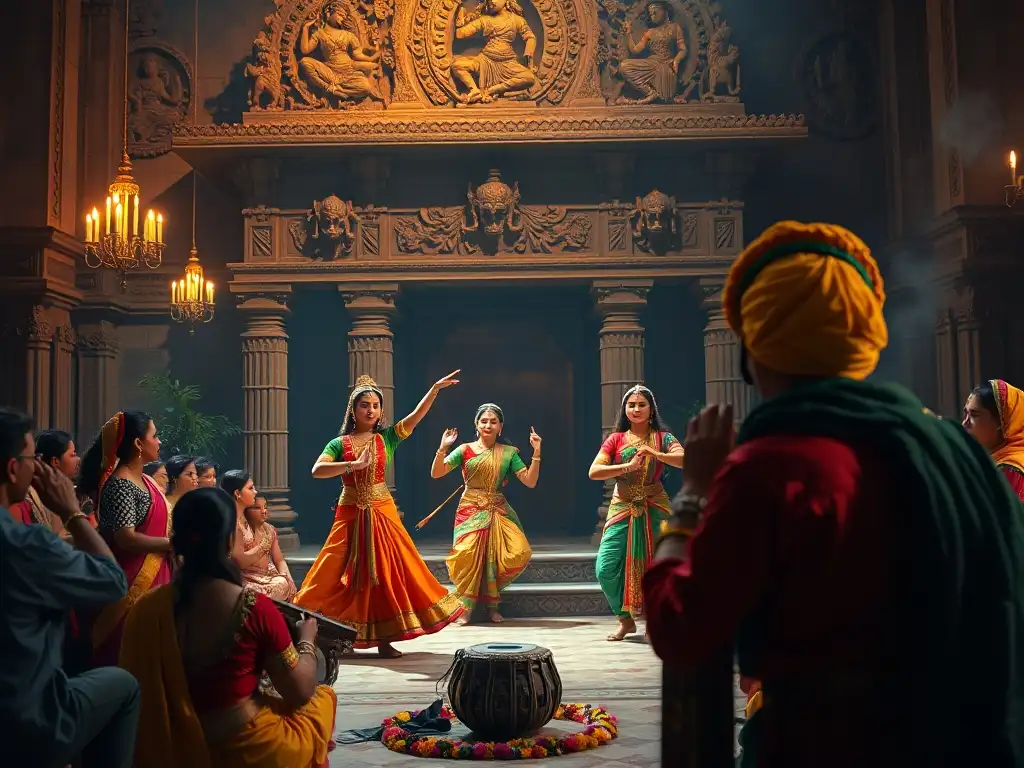
Welcome to Ancient India History, where we embark on an enlightening journey through the rich tapestry of India's past. In this exploration, we delve into the captivating world of ancient Indian dance and drama—art forms that not only entertained but also conveyed profound cultural narratives and spiritual truths. As you navigate through our pages, prepare to uncover how these vibrant expressions shaped society and continue to influence the arts today. Are you ready to discover the powerful connection between rhythm, movement, and storytelling in the ancient Indian culture? Let the journey begin!
- Introduction to Ancient Indian Dance and Drama
- Historical Roots of Ancient Indian Dance and Drama
- Key Forms of Ancient Indian Dance
- The Role of Drama in Ancient Indian Society
- The Interconnection of Dance and Drama
- Rituals and Festivals: The Stage for Dance and Drama
- Legacy of Ancient Indian Dance and Drama
- Conclusion: The Enduring Power of Dance and Drama in Ancient Indian Culture
-
Frequently Asked Questions
- What role did dance and drama play in ancient Indian culture?
- How did ancient Indian dance and drama influence modern art forms?
- What are some notable ancient Indian dance forms?
- How were ancient Indian dance and drama connected to religion?
- What contributions did the Gupta Empire make to dance and drama?
- Final Reflection: The Enduring Legacy of Ancient Indian Dance and Drama
- Unveil the Rhythm of Ancient Indian Culture!
Introduction to Ancient Indian Dance and Drama
The vibrant tapestry of ancient Indian culture is woven with threads of artistic expression that have transcended time, showcasing the profound connection between dance and drama. Emerging from the fertile ground of diverse traditions, ancient Indian dance and drama played a pivotal role in not only entertaining but also educating and instilling moral values within society. These art forms were not mere performances; they were integral to religious rituals, community gatherings, and royal courts, reflecting the ethos and values of the time.
Understanding dance and drama in ancient India requires delving into a rich history characterized by various regional styles and influences. This exploration reveals how these art forms were intertwined with spirituality, philosophy, and social dynamics, making them a reflection of the broader cultural landscape. In this article, we will navigate through the various elements of ancient Indian dance and drama, illuminating their significance and enduring legacy.
Overview of Ancient Indian Culture
Ancient Indian culture is a mosaic of diverse practices and beliefs, shaped by centuries of evolution and cross-cultural exchanges. Rooted in the Indus Valley Civilization (circa 2500-1500 BCE), this culture blossomed into a rich tapestry influenced by various dynasties, philosophies, and religions, including Hinduism, Buddhism, and Jainism.
Key features of ancient Indian culture include:
- Spiritual Foundations: Religion played a central role in shaping artistic expressions. Many dance forms and theatrical performances were deeply associated with religious rituals and storytelling.
- Regional Diversity: Each region contributed its unique style, leading to a multitude of dance forms such as Bharatanatyam, Kathak, Odissi, and more, each with distinct movements and narratives.
- Literary Contributions: Ancient texts like the Natya Shastra, authored by Bharata Muni, codified the principles of performance arts, encompassing dance, drama, and music, and serve as foundational texts for these disciplines.
This cultural milieu provided fertile ground for dance and drama to flourish, establishing them as key mediums for storytelling and emotional expression.
Significance of Dance and Drama in Ancient Society
The significance of dance and drama in ancient Indian society extends beyond entertainment; they were vehicles for cultural transmission, social commentary, and moral instruction. Here are several dimensions of their importance:
- Cultural Identity: Dance and drama served as a means for communities to express their identity, values, and beliefs, fostering a sense of belonging and continuity.
- Moral Instruction: Many performances were designed to impart ethical lessons, often drawn from epics like the Mahabharata and Ramayana. These narratives not only entertained but also educated audiences about dharma (righteousness).
- Religious Rituals: Dance and drama were often intertwined with religious practices, used in temples and during festivals to honor deities and narrate sacred stories, creating a sacred space for communal worship.
In essence, ancient Indian dance and drama were vital components of society, embodying the ideals, struggles, and aspirations of the people, while also contributing to the rich artistic heritage that continues to influence contemporary art forms today.
Historical Roots of Ancient Indian Dance and Drama
Origins of Dance in Ancient India
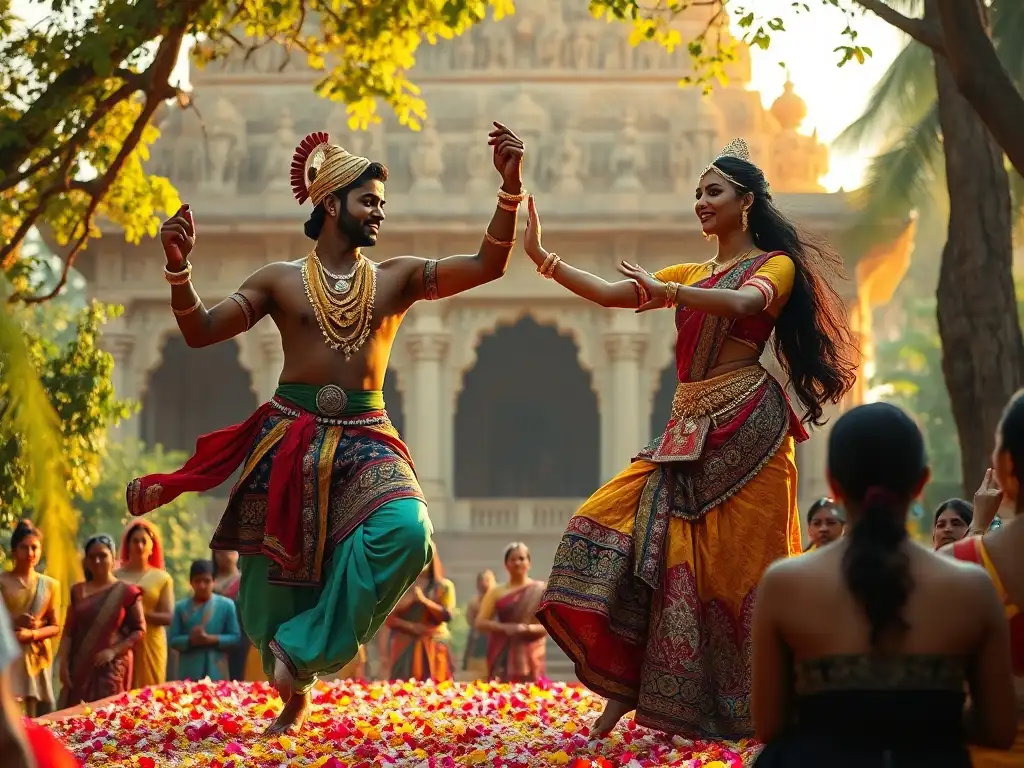
The origins of dance in ancient India can be traced back to the Vedic period, around 1500 BCE, where the practice was deeply intertwined with religious rituals and ceremonies. The Vedas, particularly the Natyashastra, a comprehensive treatise on the performing arts attributed to Bharata Muni, serves as a crucial historical document outlining the significance of dance. This ancient text not only details various dance forms but also discusses the aesthetic principles underpinning them.
Key Aspects of Early Dance Forms:
- Religious Significance: Dance was primarily a form of worship, often performed in temples as an offering to deities. The Natya was seen as a means to convey devotion and spirituality.
- Ritualistic Context: Early dance forms were highly ritualistic, characterized by symbolic gestures ( mudras) that conveyed specific meanings. These gestures formed an essential vocabulary for dancers.
- Community Involvement: Dance was often a communal activity, bringing together various segments of society to participate in festivities and rituals.
Evolution of Drama in Ancient Indian Culture
The evolution of drama in ancient India is closely linked to the development of dance, with both art forms coexisting and influencing one another. The transition from purely ritualistic performances to structured theatrical productions marks a significant phase in ancient Indian culture.
Stages of Development:
- Religious Plays: The earliest forms of drama were religious narratives based on mythology. These performances aimed to educate audiences about spiritual concepts and moral values.
- Classic Texts: The Natyashastra not only provided foundational techniques for dance but also established the framework for dramatic performance, including elements like plot structure, character development, and staging.
- Regional Variations: Different regions of India developed their own styles of drama, influenced by local traditions, languages, and cultures. Notable examples include Kathakali from Kerala and Yakshagana from Karnataka.
Notable Features:
- Sanskrit Drama: Sanskrit plays, such as those written by Kalidasa, showcased a sophisticated understanding of human emotions and relationships, often incorporating dance elements to enhance storytelling.
- Theatrical Components: The integration of music, dance, and elaborate costumes became essential features of Indian drama, creating a rich and immersive experience for audiences.
Influences on Dance and Drama from Other Cultures
Throughout its history, ancient Indian dance and drama were influenced by various cultures, leading to a dynamic exchange of artistic ideas and practices.
Major Influences:
- Persian Influence: The arrival of Persian culture during the invasions led to the incorporation of new themes and styles in Indian dance and drama. This is evident in the use of elaborate costumes and staging techniques.
- Greek Influence: The interaction with Hellenistic cultures, particularly during the Maurya Empire, introduced elements of Greek theatre, such as the use of masks and a focus on dramatic storytelling.
- Regional Interactions: Trade routes facilitated cultural exchanges with Southeast Asia, where Indian dance forms influenced local traditions, leading to the emergence of unique styles like Bali's Barong and Thai dance.
Conclusion
The historical roots of ancient Indian dance and drama showcase a rich tapestry of cultural interplay and evolution. These art forms not only reflect the values and beliefs of ancient Indian society but also demonstrate the continuous dialogue with external influences that enriched their development over the centuries. Understanding these connections provides valuable insight into the enduring legacy of ancient Indian dance and drama in the contemporary cultural landscape.
Key Forms of Ancient Indian Dance
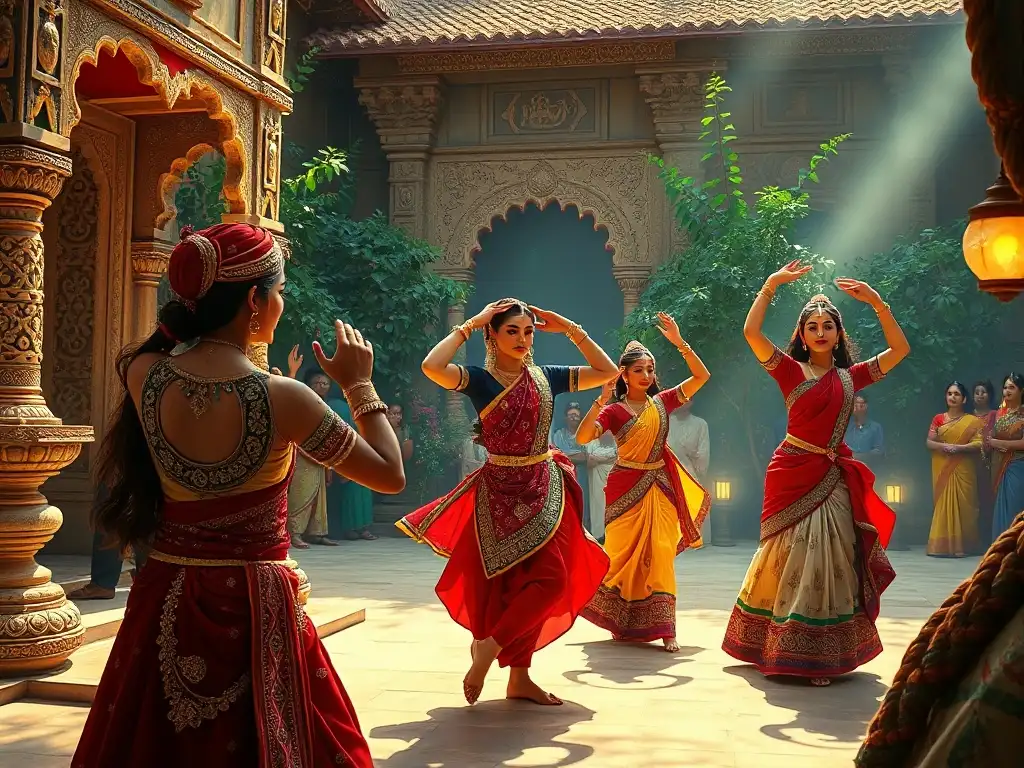
Ancient Indian dance forms are integral to the cultural heritage of India, reflecting the rich tapestry of its history, spirituality, and social fabric. This section delves into the classical dance styles that originated from various regions, as well as the vibrant folk dances that convey the everyday life and traditions of the people. The connection between dance and drama is deeply embedded in these art forms, showcasing storytelling through movement, music, and expression.
Classical Dance Styles of Ancient India
Classical dance in ancient India serves not only as a form of artistic expression but also as a means of spiritual communication and storytelling. These dance styles, steeped in tradition, often depict religious themes and narratives from ancient texts.
Bharatanatyam: The Temple Dance
Bharatanatyam is one of the oldest classical dance forms, originating from Tamil Nadu. It was traditionally performed in temples as a form of worship and storytelling. This dance is characterized by its:
- Expressive hand gestures (Mudras): Each gesture holds a specific meaning, allowing dancers to convey intricate stories.
- Facial expressions (Abhinaya): The ability to express emotions through the face is essential, making the performance deeply engaging.
- Rhythmic footwork: The intricate footwork combined with the beats of traditional music creates a mesmerizing experience.
Bharatanatyam performances often depict mythological stories, drawn from texts like the Natya Shastra, and serve as a medium to convey spiritual teachings.
Kathak: The Storytelling Dance
Kathak, originating from North India, is known for its narrative style, emphasizing storytelling through expressive movements. Key features include:
- Fast footwork and spins: Dancers often perform rapid footwork combined with graceful pirouettes, captivating the audience.
- Narrative structure: Each Kathak performance is typically structured around a story, often drawn from Hindu epics.
- Use of improvisation: Kathak allows for a degree of improvisation, where dancers can express their creativity while adhering to traditional forms.
The dance form's origins can be traced back to the temples, where it was performed to narrate tales of deities and historical events.
Odissi: The Dance of Odisha
Odissi is one of the eight classical dance forms recognized in India, with roots in the temples of Odisha. This dance style is known for its graceful movements and sculpturesque poses, emphasizing:
- Tribal and temple influences: The dance draws inspiration from the sculptures found in ancient temples, reflecting the intricate artistry of the region.
- Devotional themes: Odissi performances often depict stories of Lord Krishna, showcasing his playful and divine nature.
- Mudra and expression: Similar to Bharatanatyam, the use of hand gestures and facial expressions is pivotal in conveying meaning.
Odissi has evolved over centuries, blending traditional elements with contemporary interpretations, yet retains its spiritual essence.
Folk Dances and Their Cultural Significance
Folk dances of ancient India are vibrant expressions of community, culture, and daily life, varying significantly from region to region. Each folk dance embodies the traditions, beliefs, and social practices of the people. Key aspects include:
- Cultural representation: Folk dances often celebrate festivals, harvests, and significant life events, serving as a medium to reinforce community bonds.
- Diverse styles: From the energetic Bhangra of Punjab to the graceful Garba of Gujarat, each dance has its unique rhythm and style, rooted in local customs.
- Storytelling through movement: Much like classical dance, folk dances narrate stories, often reflecting the struggles, joys, and aspirations of the community.
Folk dance serves as a vital component of ancient Indian culture, preserving the essence of regional traditions and fostering continuity across generations.
Ancient Indian dance and drama remain vital conduits for cultural expression, allowing communities to communicate their stories, beliefs, and identities. The rich diversity of these art forms underscores the profound connection between performance and the collective memory of the Indian civilization.
The Role of Drama in Ancient Indian Society
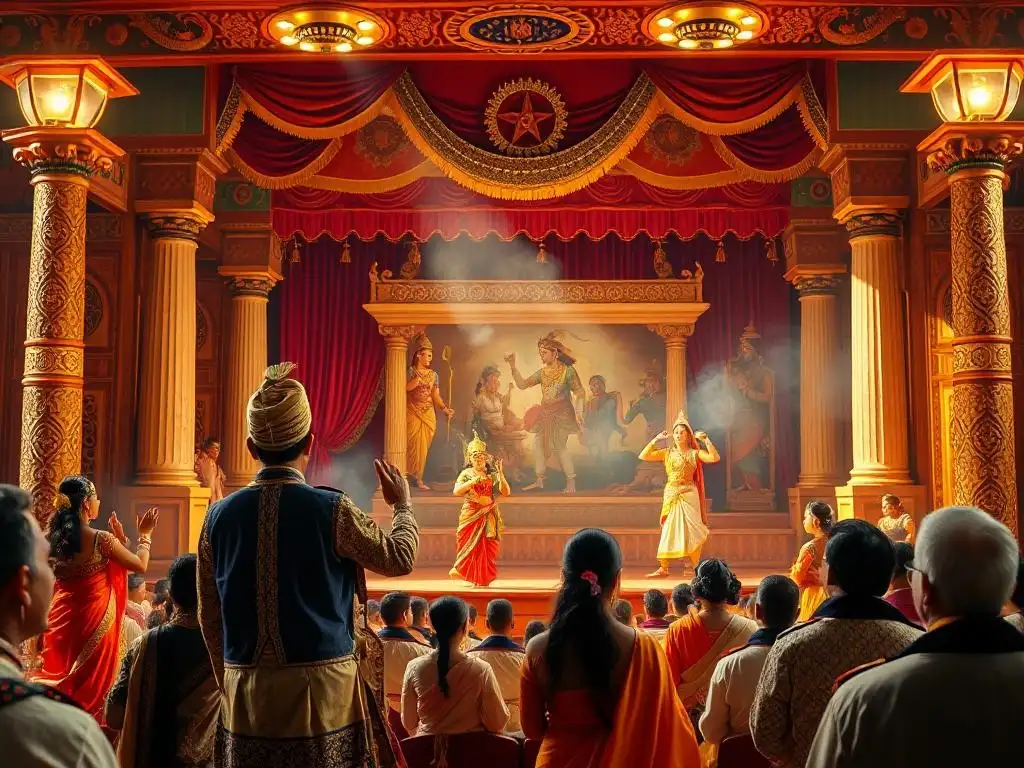
The impact of drama in ancient Indian society was profound, serving as a dynamic medium for storytelling, cultural expression, and social commentary. During ancient times, drama was not only a form of entertainment but also a vital component of spiritual and religious practices. Through performances, communities were able to preserve their narratives, values, and traditions.
Theatrical Traditions and Their Impact
Ancient Indian theatrical traditions, such as Natya and Nataka, played a significant role in shaping societal norms and collective identities. These traditions often drew from the everyday lives of people and depicted moral dilemmas, historical events, and mythological stories. The performances utilized elaborate costumes, intricate movements, and expressive gestures, which were essential for conveying emotions and themes.
- Cultural Significance: Theatrical performances were often held during festivals and religious ceremonies, reinforcing community bonds and shared beliefs. They provided a platform for social critique, allowing audiences to reflect on societal issues through allegorical narratives.
- Educational Aspects: Drama served as an educational tool, imparting lessons on ethics, duty, and dharma through engaging stories. The use of shlokas (verses) and slokas (poems) in performances fostered an appreciation for language and literature among the audience.
Important Texts on Ancient Indian Drama
Several texts have been instrumental in preserving the essence of ancient Indian dance and drama. These works not only outline performance techniques but also elucidate the underlying philosophical concepts.
Natyashastra: The Foundation of Indian Performance Arts
The Natyashastra, attributed to the sage Bharata Muni, is often regarded as the cornerstone of Indian performance arts. This ancient treatise, written between 200 BCE and 200 CE, provides comprehensive guidelines on various aspects of theater, including:
- Dance Techniques: It details the different styles of dance, emphasizing the importance of abhinaya (expression) and mudras (hand gestures) in conveying emotions.
- Music and Rhythm: The text explores the relationship between dance and music, showcasing how rhythm enhances the overall impact of the performance.
- Stagecraft: The Natyashastra outlines the architecture of the stage, types of actors, and the role of audience engagement, establishing the groundwork for future theatrical productions.
Key Playwrights and Their Contributions
Ancient Indian drama was enriched by the contributions of notable playwrights whose works remain influential even today.
- Kalidasa: Often hailed as the greatest Sanskrit dramatist, Kalidasa's plays, such as Shakuntala and Malavikagnimitram, blend poetic language with profound themes of love, nature, and fate. His ability to evoke emotions through vivid imagery has left a lasting legacy on Indian literature.
- Bhavabhuti: Known for his masterpieces like Malati-Madhava and Uttararama Charita, Bhavabhuti's works are characterized by their deep psychological insight and the exploration of human emotions. His narratives often focus on the complexities of love and duty.
- Bhasa: Recognized as one of the earliest playwrights, Bhasa's works, including Svapnavasavadattam and Pratima Nataka, are marked by their innovative plot constructions and memorable characters, significantly influencing subsequent generations of dramatists.
The interwoven tapestry of dance and drama in ancient India not only reflects the artistic genius of its creators but also serves as a testament to the cultural richness and historical depth of Indian civilization. The exploration of these art forms reveals the profound connections between performance, spirituality, and societal values, highlighting their enduring legacy in contemporary culture.
The Interconnection of Dance and Drama
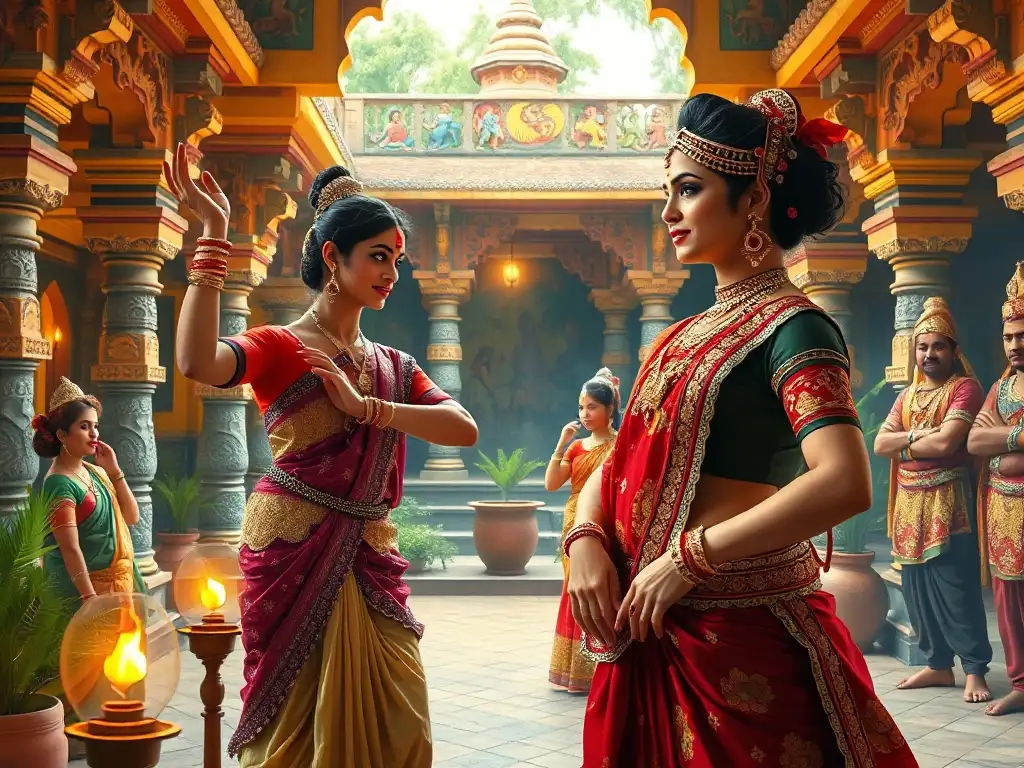
In ancient Indian culture, dance and drama were not only forms of entertainment but also profound expressions of spirituality, emotion, and storytelling. The interconnection between these two art forms is deeply rooted in the socio-religious fabric of the times, with each enhancing the other to create a rich tapestry of performance that captivated audiences.
Dance, with its rhythmic movements and intricate gestures, served as a vital tool for conveying emotions and narratives within dramatic presentations. The integration of dance into drama allowed for a multifaceted experience, where the audience could engage both intellectually and emotionally. This relationship is evident in classical texts such as the Natya Shastra, which outlines the principles of drama and emphasizes the importance of dance as a medium of expression.
How Dance Enhances Dramatic Expression
Dance plays a crucial role in ancient Indian drama by elevating the emotional intensity and depth of the narrative. Through various forms of dance, performers can convey complex emotions that words alone may not fully express.
- Mudras (Hand Gestures): In classical Indian dance forms, mudras signify specific meanings and emotions. For instance:
- Anjali Mudra: Represents salutation and gratitude.
- Pataka Mudra: Symbolizes various objects and actions, such as a flag or the act of cutting.
- Bharatanatyam and Kathakali: These dance forms are known for their dramatic storytelling techniques. In Bharatanatyam, dancers often embody characters through expressive facial expressions (abhinaya) and body movements, providing a visual narrative that complements the spoken dialogue. Kathakali, on the other hand, uses elaborate costumes and makeup to enhance dramatic portrayals, with dance movements serving as a language of their own.
- Integration of Music and Rhythm: The rhythmic patterns (tala) in dance synchronize with the emotional cadence of the drama, creating a harmonious blend that captivates the audience. The interplay of rhythm and movement amplifies the storytelling aspect, drawing spectators into the emotional world of the characters.
Choreography in Ancient Indian Drama
Choreography in ancient Indian drama was meticulously crafted to ensure that every movement served a purpose, whether it was to advance the story, express a character's emotions, or symbolize broader themes. The choreographic elements were often dictated by traditional texts and performances, making them integral to the overall production.
- Sanskrit Dramas: Works like "Shakuntala" by Kalidasa incorporate dance as a vital component of the narrative. Choreography in these dramas often included:
- Sequential Movements: Dancers would perform sequences that mirrored the dialogue, enhancing the clarity of the story.
- Character Representation: Specific dance styles were associated with different characters, allowing the audience to instantly recognize and connect with them.
- Role of the Choreographer: The choreographer (natyacharya) played a pivotal role in shaping performances, guiding actors and dancers in their movements to ensure that the dance and drama synergized. Their expertise in both forms was critical for creating a seamless narrative flow.
Symbolism in Dance Movements and Dramatic Themes
The symbolism inherent in dance movements and dramatic themes in ancient Indian culture profoundly influenced the way stories were told and understood. Each gesture, step, and expression had a deeper meaning that connected to the cultural and spiritual beliefs of the time.
- Cosmic Symbolism: Many dance movements represented cosmic principles. For example:
- Shiva's Tandava: The vigorous dance of Lord Shiva symbolizes creation and destruction, encapsulating the cycle of life.
- Krishna's Raas Leela: The playful dances of Lord Krishna with the gopis reflect themes of love and devotion.
- Emotional Symbolism: The portrayal of emotions (rasa) through dance connects to various dramatic themes, such as:
- Shanta (Peace): Represented through gentle, flowing movements, often embodying serenity and tranquility.
- Veera (Bravery): Expressed through strong, assertive gestures, showcasing valor and heroism.
- Cultural Narratives: Dance movements often encapsulated cultural narratives, from mythological stories to historical events. Each performance served as a medium to transmit knowledge, traditions, and values across generations.
The powerful connection between ancient Indian dance and drama not only enriched the cultural landscape of the time but also provided a means for deeper emotional and spiritual exploration. The integration of these art forms continues to influence contemporary performances, preserving the legacy of ancient traditions.
Rituals and Festivals: The Stage for Dance and Drama
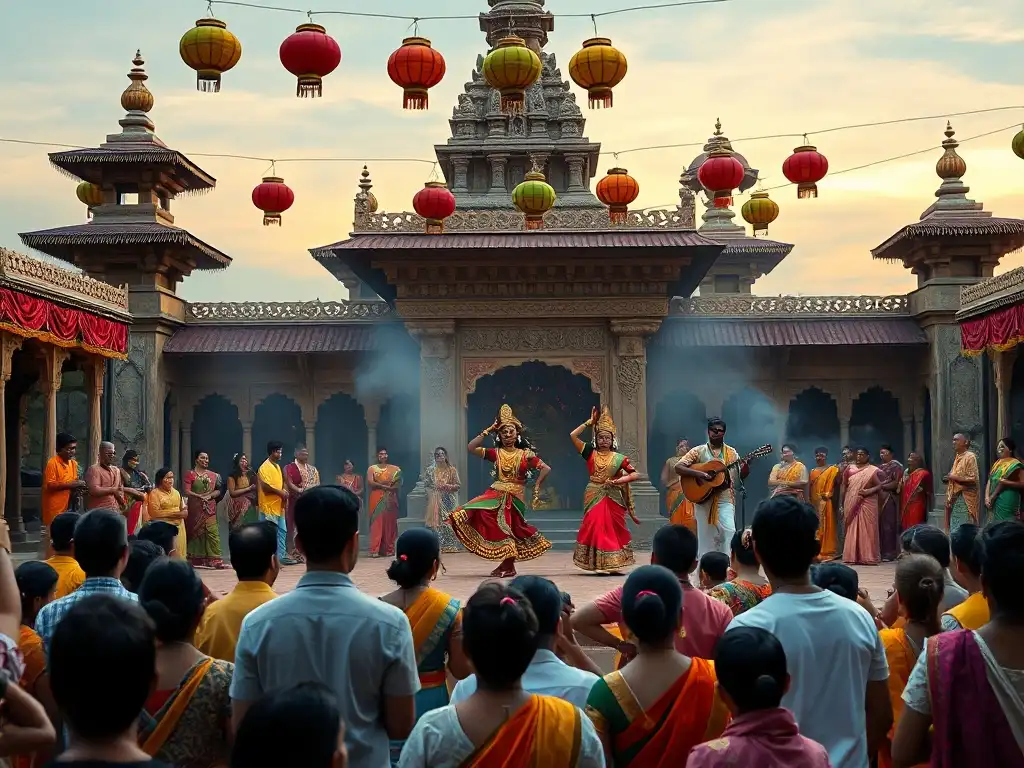
Sacred Performances in Temples
In ancient India, temples served as more than just places of worship; they were vibrant cultural hubs where dance and drama flourished. Sacred performances within temple precincts were integral to religious rituals and were believed to invoke divine presence. The dances performed were not merely artistic expressions but were deeply intertwined with spiritual beliefs and practices.
Key Features of Sacred Temple Performances:
- Devotional Themes: Many temple dances depicted stories from Hindu mythology, illustrating the lives of deities such as Krishna, Shiva, and Durga.
- Costume and Ornamentation: Dancers adorned themselves in elaborate costumes and jewelry, often symbolizing the divine characters they portrayed.
- Music and Accompaniment: Traditional instruments like the mridangam, veena, and flute accompanied these performances, creating a mesmerizing auditory experience.
One of the most notable forms of dance in temples was Bharatanatyam, originating from Tamil Nadu, which combines expression, rhythm, and narrative to convey spiritual themes. Likewise, the temple dramas, known as Natakas, were performed during festivals and religious ceremonies, emphasizing the connection between the sacred and the artistic.
Dance and Drama in Celebratory Festivals
Celebratory festivals in ancient India provided a dynamic platform for dance and drama, reflecting the rich tapestry of cultural diversity. Festivals such as Diwali, Holi, and Navratri were not just occasions for celebration but also served as stages for artistic expression.
Elements of Dance and Drama in Festivals:
- Community Participation: These festivals encouraged communal participation, where individuals from various backgrounds came together to celebrate through performance.
- Variety of Forms: Different regions showcased their unique dance forms, such as Garba in Gujarat during Navratri, where circles of dancers would perform intricate steps, and Kathakali in Kerala, which focused on facial expressions and elaborate costumes.
- Narrative Storytelling: The performances often included folk tales and mythological stories, allowing audiences to connect with their heritage and impart moral lessons.
Through these vibrant performances, the essence of ancient Indian dance and drama was preserved, passed down through generations, and adapted to reflect contemporary themes while maintaining their cultural roots.
Community and Cultural Identity Through Performance
Dance and drama in ancient India were not just artistic endeavors but vital expressions of community and cultural identity. These performances played a crucial role in shaping societal values, traditions, and the collective memory of communities.
Aspects of Cultural Identity Through Performance:
- Symbol of Unity: Group performances fostered a sense of belonging and unity among community members, reinforcing social bonds and shared values.
- Preservation of Tradition: Through oral traditions, stories and dance forms were preserved, ensuring that cultural heritage was passed on to future generations.
- Reflection of Social Issues: Performances often addressed contemporary social issues, serving as a medium for commentary, reflection, and change within society.
The integration of dance and drama in rituals and festivals not only celebrated individual and collective identities but also contributed to a rich cultural dialogue, echoing the diverse narratives of ancient Indian civilization. This powerful connection continues to be relevant, underscoring the importance of dance and drama in the ongoing evolution of Indian culture.
Legacy of Ancient Indian Dance and Drama
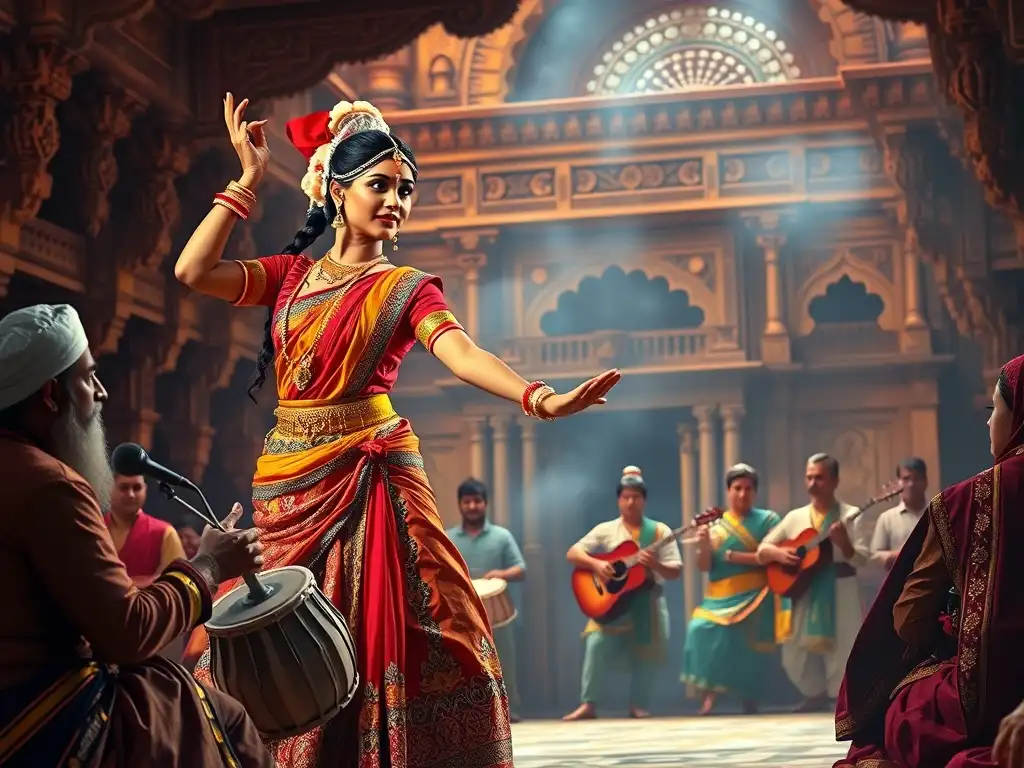
The legacy of ancient Indian dance and drama is a testament to the rich cultural tapestry woven by centuries of artistic expression. These art forms, deeply rooted in the socio-religious fabric of ancient Indian society, served not only as entertainment but also as a means of storytelling, spiritual expression, and cultural preservation.
Ancient Indian dance and drama were often intertwined with religious rituals and festivals. They were performed in temples, courts, and open spaces, portraying themes from mythology, epics, and daily life. Notable texts like the Natya Shastra, written by Bharata Muni between 200 BCE and 200 CE, laid down the foundational principles of these performing arts, detailing aspects such as Natyadharma, the purpose of drama, and Abhinaya, the art of expression.
The intricate movements of classical dance forms such as Bharatanatyam, Kathak, Odissi, and Manipuri can be traced back to these ancient traditions. Similarly, the theatrical performances of ancient times, characterized by elaborate costumes, music, and dialogue, have greatly influenced modern Indian theater, highlighting the continuity of these artistic practices through generations.
Influence on Modern Indian Performing Arts
The influence of ancient Indian dance and drama on contemporary performing arts is profound and multifaceted. Modern dance forms and theatrical productions frequently draw inspiration from the themes, techniques, and styles established centuries ago.
For instance, many contemporary dancers incorporate elements from classical styles into their performances, showcasing the seamless blend of tradition and innovation. The rhythmic footwork of Kathak can be seen in fusion dance styles, while the expressive gestures from Bharatanatyam are utilized in various contemporary choreographies.
Moreover, modern Indian theater often revisits ancient narratives, presenting them in new contexts that resonate with current social issues. Playwrights like Vijay Tendulkar and Girish Karnad have reinterpreted classical stories, bridging the gap between ancient lore and modern sensibilities. The use of traditional music and dance in these productions enhances the overall impact, creating a dialogue between the past and the present.
Preservation of Ancient Traditions
Preserving the essence of ancient Indian dance and drama has been a priority for cultural organizations and practitioners. Various institutions and gurus have dedicated their lives to teaching and reviving these art forms, ensuring that the techniques and narratives are passed down to future generations.
One notable effort is the establishment of dance schools and festivals that focus on classical dance forms. Events like the Khajuraho Dance Festival and the Natya Utsav showcase traditional performances, attracting audiences from around the globe and fostering appreciation for the ancient arts.
In addition, the documentation of performances and the study of ancient texts have become essential in preserving these traditions. Scholars and artists alike engage in research to uncover the historical context and evolution of these art forms, contributing to a richer understanding of their significance in contemporary society.
Global Recognition of Ancient Indian Dance and Drama
Ancient Indian dance and drama have garnered substantial global recognition, serving as cultural ambassadors for India on the international stage. Festivals, workshops, and performances held worldwide have introduced diverse audiences to the beauty and complexity of these art forms.
Organizations like the International Dance Council (CID) and various cultural festivals have played a crucial role in promoting ancient Indian dance and drama abroad. Dancers and troupes frequently tour internationally, showcasing their skills and sharing the stories and philosophies embedded in their performances.
Furthermore, collaborations between Indian artists and international performers have led to innovative fusions that highlight the universal appeal of ancient Indian art. This cultural exchange not only enriches the global performing arts landscape but also fosters greater understanding and appreciation for ancient Indian heritage.
The legacy of ancient Indian dance and drama continues to thrive, influencing modern art forms, preserving traditions, and gaining global recognition. Their powerful connection to India's cultural identity remains a vital aspect of the country's artistic narrative.
Conclusion: The Enduring Power of Dance and Drama in Ancient Indian Culture
The cultural tapestry of ancient India is intricately woven with the threads of dance and drama. These art forms not only served as entertainment but also played a pivotal role in the spiritual and social fabric of society. The connection between ancient Indian dance and drama is profound, reflecting the civilization's values, beliefs, and historical narratives.
Reflection on Their Cultural Significance
Dance and drama in ancient India were not merely artistic expressions; they were vehicles for storytelling, preservation of history, and transmission of cultural values. For instance, the Natya Shastra, an ancient treatise on performing arts, emphasizes the importance of these forms in both religious and secular contexts.
- Religious Significance: Many performances were tied to religious rituals and festivals, often depicting tales from epics like the Mahabharata and Ramayana. For example, the classical dance form of Bharatanatyam is deeply rooted in temple traditions, narrating divine stories through intricate movements and expressive gestures.
- Social Commentary: Beyond spirituality, ancient Indian drama often addressed contemporary social issues. The plays of Kalidasa and Bhasa reflected societal norms and dilemmas, engaging audiences in critical reflections of their own lives.
- Cultural Unity: Dance and drama also served as a unifying force across diverse regions. Different styles, such as Kathak, Odissi, and Manipuri, showcase regional variations while maintaining a core narrative structure that fosters a collective cultural identity.
The enduring power of dance and drama in ancient Indian culture is a testament to their ability to evolve while remaining relevant across centuries, influencing modern performing arts and continuing to captivate audiences.
Future Directions for Research and Appreciation
As we look toward the future, several avenues for research and appreciation of ancient Indian dance and drama emerge.
- Interdisciplinary Studies: Combining art history, anthropology, and performance studies can yield richer insights into the societal impacts of these art forms. Understanding their context within ancient Indian philosophy and religion can deepen appreciation.
- Preservation of Techniques: There is a need to document and preserve the traditional techniques and styles that may be at risk of fading. Workshops and educational programs can play a crucial role in this preservation effort.
- Global Perspectives: Exploring the influence of ancient Indian dance and drama on global performing arts can foster a broader understanding of their significance. Comparative studies with other cultural traditions could unveil fascinating parallels and divergences.
- Digital Archiving: With the advancement of technology, creating digital archives of performances, scripts, and costumes can ensure that these rich traditions are accessible to future generations. Virtual exhibitions and online repositories can engage a global audience.
- Community Engagement: Encouraging community participation in traditional dance and drama can revitalize local interest and investment in these art forms. Initiatives that bring together practitioners, scholars, and audiences can foster a vibrant cultural dialogue.
The exploration of ancient Indian dance and drama is far from complete. As we delve deeper into their historical significance and contemporary relevance, we can ensure that these powerful forms of expression continue to inspire and educate future generations.
Frequently Asked Questions
What role did dance and drama play in ancient Indian culture?
Dance and drama were integral forms of expression, often used in religious rituals and storytelling, reflecting the spiritual and cultural values of ancient Indian society.
How did ancient Indian dance and drama influence modern art forms?
The rich traditions of ancient Indian dance and drama laid the foundation for contemporary performing arts, influencing various styles and genres in India and beyond.
What are some notable ancient Indian dance forms?
Bharatanatyam, Kathak, and Kuchipudi are among the most celebrated ancient Indian dance forms, each with its own unique style and cultural significance.
How were ancient Indian dance and drama connected to religion?
Many forms of dance and drama were deeply rooted in religious narratives, serving as a means to connect the divine with the earthly through performance and ritual.
What contributions did the Gupta Empire make to dance and drama?
The Gupta Empire is known for its patronage of the arts, leading to a flourishing of classical dance and theatrical performances, which were celebrated for their aesthetic and cultural richness.
Final Reflection: The Enduring Legacy of Ancient Indian Dance and Drama
The intricate relationship between ancient Indian dance and drama continues to resonate in contemporary society, reminding us of the profound ways art can shape culture and identity. In a world that often feels disconnected, the vibrant traditions of ancient Indian performance art serve as a bridge to our shared human experience, illustrating how storytelling through movement and expression can transcend time and space. The power of these art forms lies not only in their historical significance but also in their ability to inspire and unite us today.
The influence of ancient Indian dance and drama extends far beyond the stage, permeating various aspects of our cultural and social landscapes. From festivals that celebrate these art forms to modern interpretations that keep the spirit alive, the legacy of ancient performances continues to thrive. As the renowned Indian classical dancer, Mallika Sarabhai, once said, Dance is the hidden language of the soul.
This sentiment encapsulates the idea that these ancient practices are not merely relics of the past; they are living expressions that connect us to our roots and to each other, fostering a sense of belonging and understanding in an ever-evolving world.
As we reflect on the lessons imparted by ancient Indian dance and drama, let us embrace the call to engage with these art forms in our own lives. Consider how you can incorporate the spirit of storytelling and movement into your daily experiences, whether through dance, theater, or simply by appreciating the artistry around you. By doing so, you not only honor the rich heritage of ancient Indian culture but also contribute to the ongoing narrative of human expression, ensuring that these powerful traditions continue to inspire future generations.
Unveil the Rhythm of Ancient Indian Culture!
Thank you for diving into the fascinating world of dance and drama in ancient Indian culture! You've uncovered the profound connections that shaped artistic expression and storytelling throughout history. Now it's time to take that inspiration and explore further.
Here are some actionable steps you can take:
- Attend a local cultural event to experience traditional dance or theater and appreciate the heritage firsthand.
- Share this article with friends and family to spark discussions about the influence of art in shaping our collective history.
- Participate in an online workshop or class to learn about ancient dance forms and their significance in today’s context.
What aspect of ancient Indian dance and drama resonates with you the most, and how can you incorporate it into your daily life?