
The Importance of Physical Education in Ancient Indian Schools

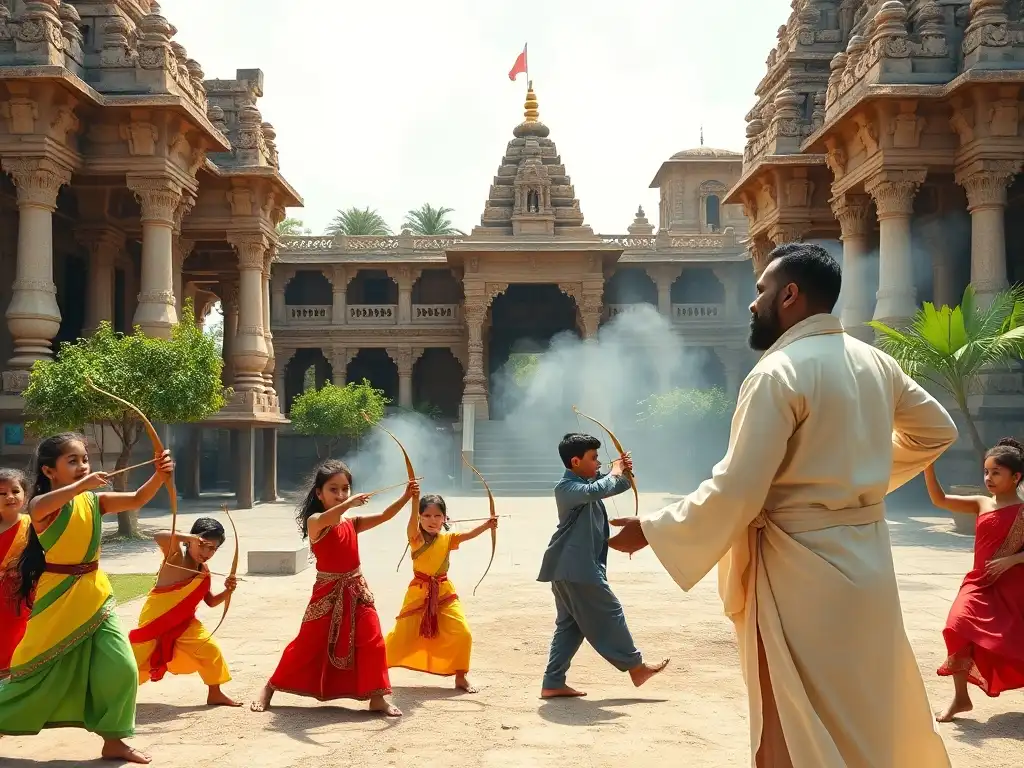
Welcome to Ancient India History, where we embark on a fascinating journey through the rich tapestry of ancient Indian civilizations. From the sophisticated urban planning of the Indus Valley to the intellectual achievements of the Gupta Empire, our exploration uncovers the myriad ways these cultures have shaped our world. In this article, we delve into a lesser-known yet critical aspect of their educational systems: ancient Indian physical education.
Discover how the emphasis on physical fitness and discipline in schools not only prepared young minds for intellectual pursuits but also laid the groundwork for holistic education. Get ready to uncover the vital role that physical education played in nurturing the leaders of tomorrow!
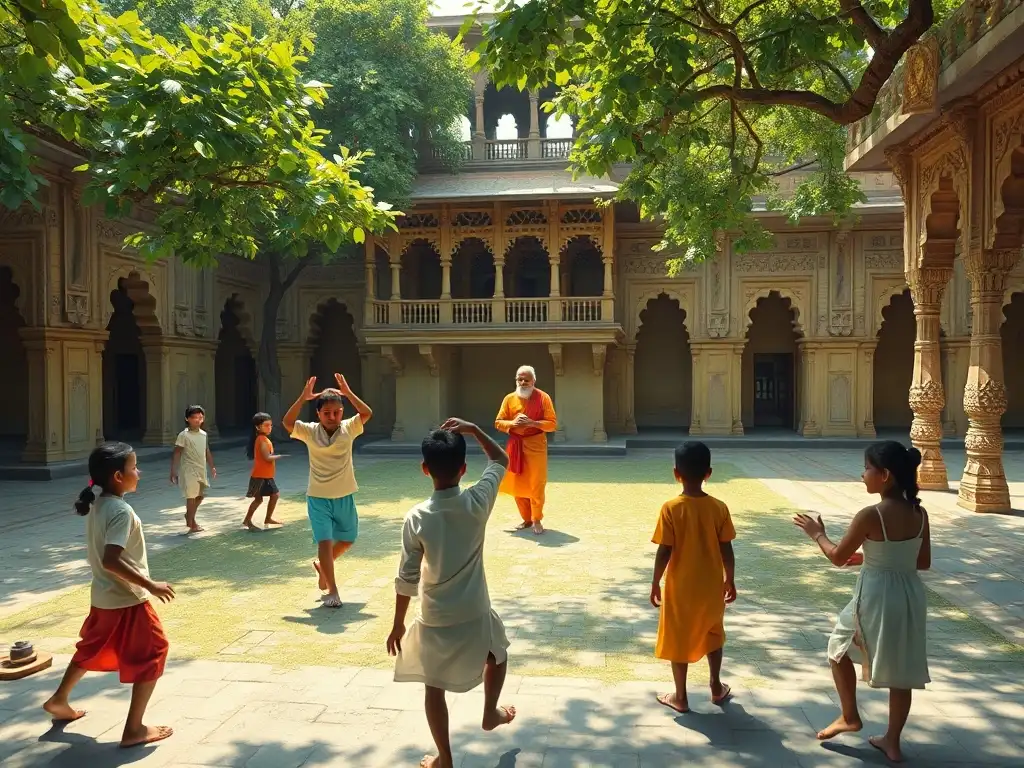
Introduction to Ancient Indian Physical Education
The concept of physical education in ancient India is deeply intertwined with the cultural, spiritual, and social frameworks of its civilizations. From the sophisticated urban planning of the Indus Valley Civilization to the intellectual pursuits during the Gupta Empire, physical education played a pivotal role in shaping the holistic development of individuals.
Ancient Indian physical education encompassed a variety of disciplines, including martial arts, yoga, and traditional sports, which were not only aimed at physical fitness but also emphasized mental well-being, discipline, and moral values. As we delve into the educational practices of ancient India, it becomes clear that physical education was not merely an extracurricular activity but a fundamental aspect of a well-rounded education.
Overview of Physical Education in Ancient India
In ancient India, physical education was integrated into the broader educational curriculum and was considered essential for nurturing both body and mind. The Gurukula system, where students lived with their teacher, emphasized a balanced approach to learning:
- Physical Training: Included activities such as wrestling, archery, and horse riding, which were vital for developing strength and agility.
- Yoga and Meditation: These practices fostered mental clarity, discipline, and emotional stability, forming the foundation of a healthy lifestyle.
- Traditional Sports: Games like Pachisi and Kabaddi not only provided physical benefits but also promoted teamwork and strategic thinking.
The emphasis on these activities highlights the recognition of physical fitness as a key component of personal development in ancient Indian education.
Significance of Physical Education in Ancient Educational Systems
Physical education in ancient Indian schools was significant for several reasons:
- Holistic Development: It contributed to the overall growth of students by developing physical, mental, and ethical capacities.
- Cultural Identity: Through participation in traditional sports and martial arts, students developed a sense of belonging and cultural pride.
- Discipline and Resilience: Rigorous training instilled values of perseverance, discipline, and respect for oneself and others.
Understanding these facets reveals how ancient Indian physical education laid the groundwork for future educational systems, advocating for a balanced approach to learning that is still relevant today.
Historical Context of Physical Education in Ancient India
The historical backdrop of physical education in ancient Indian civilizations is rich and multifaceted. It paints a picture of how physical training was woven into the fabric of society, influenced by various factors, including cultural practices, religion, and philosophical ideologies.
The Role of Physical Education in Ancient Indian Civilizations
Various ancient Indian civilizations recognized the importance of physical education. For instance:
- Indus Valley Civilization: Evidence of physical activities such as dance and possibly sports can be traced back to artifacts and seals.
- Vedic Period: Texts from this era emphasize physical prowess, with mentions of archers and warriors, indicating a culture that valued strength and skill.
- Maurya and Gupta Empires: These periods saw the establishment of systematic training under royal patronage, where warriors and nobles engaged in rigorous physical education.
Such historical insights illustrate that physical education was not merely for leisure but a critical component in preparing individuals for various societal roles.
Influence of Religion and Philosophy on Physical Education Practices
Religious and philosophical traditions in ancient India significantly shaped physical education practices:
- Hinduism: Texts like the Bhagavad Gita advocate the balance of mind and body, stressing the importance of physical health in spiritual pursuits.
- Buddhism: Emphasized meditation and mindfulness, which complemented physical fitness routines like yoga.
- Jainism: Promoted non-violence and self-discipline, influencing the approach to physical training in a holistic manner.
These philosophical influences highlight that physical education was not just about physical prowess; it was an integral aspect of the pursuit of a balanced and meaningful life in ancient Indian society.
Key Elements of Ancient Indian Physical Education
Ancient Indian physical education was characterized by a holistic approach that emphasized not only physical fitness but also mental and spiritual well-being. Key elements of this educational practice included:
- Holistic Development: Physical education in ancient India aimed at nurturing the body, mind, and spirit. It believed that a healthy body fostered a vibrant mind and a peaceful spirit, promoting overall harmony in life.
- Discipline and Training: Rigorous training regimens were instituted to instill discipline among students. This included both physical training and moral education, encouraging students to develop resilience and ethical values.
- Connection to Nature: Physical activities often took place in natural environments, emphasizing the importance of connecting with the earth. This approach not only enhanced physical skills but also cultivated an appreciation for nature.
Types of Physical Activities and Exercises
The types of physical activities in ancient Indian schools were diverse and aimed at developing various skills and attributes. These included:
- Martial Arts: Combat training, such as Kalaripayattu and Gatka, was prevalent. These martial arts focused on agility, strength, and self-defense techniques.
- Athletic Exercises: Activities like running, jumping, and wrestling were common. These exercises were designed to build stamina, strength, and agility.
- Dance and Movement: Dance forms, such as Bharatanatyam and Kathak, were incorporated not only as a form of art but also as a means to enhance physical coordination and express emotions.
Traditional Sports and Games in Ancient India
Traditional sports and games played a crucial role in ancient Indian culture, serving as both recreational activities and physical education tools. Some notable examples include:
- Kabaddi: This traditional team sport emphasized agility and strategy, requiring players to demonstrate both physical prowess and quick thinking.
- Pachisi: Often referred to as “the game of kings,” it was played on a cross and circle board, integrating elements of strategy and chance.
- Malla-yuddha: A form of wrestling that was not only a sport but also a test of strength and technique, often considered a rite of passage.
Integration of Yoga and Meditation in Physical Education
Yoga and meditation were integral to the physical education curriculum in ancient India, promoting both physical health and mental clarity. Key aspects included:
- Asanas (Postures): Various yoga postures were taught to enhance flexibility, strength, and balance. These asanas also contributed to physical endurance.
- Pranayama (Breath Control): Breath control techniques were emphasized to improve concentration, reduce stress, and enhance overall well-being.
- Meditation: Mindfulness practices were often incorporated into the daily routines, fostering mental discipline and emotional stability alongside physical training.
Educational Institutions and Physical Education
Educational institutions in ancient India played a pivotal role in shaping the physical education landscape. These institutions varied in their approach and methodologies.
Gurukuls and Their Approach to Physical Education
Gurukuls, traditional Indian schools, were centered around the guru (teacher) and shishya (student) relationship. Their approach to physical education included:
- Personalized Training: Physical education was tailored to individual strengths and weaknesses, ensuring that each student received focused attention.
- Cultural Integration: Activities were often intertwined with cultural teachings, making physical education an integral part of overall learning.
- Rituals and Festivals: Physical activities were celebrated during rituals and festivals, encouraging community participation and fostering a sense of belonging among students.
The Role of Monastic Schools in Promoting Physical Fitness
Monastic schools, often affiliated with religious institutions, emphasized physical fitness as a means to prepare students for both scholarly pursuits and spiritual practices. Their contributions included:
- Structured Regimens: Monastic schools had structured daily routines that included physical training, meditation, and scholarly study, promoting discipline.
- Community Living: The communal lifestyle encouraged students to participate in group exercises and games, fostering teamwork and camaraderie.
- Focus on Health: Emphasis was placed on maintaining physical health as a prerequisite for spiritual growth, aligning physical fitness with moral and ethical development.
Comparison of Urban and Rural Physical Education Practices
Urban and rural regions in ancient India exhibited distinct differences in their physical education practices, shaped by their unique cultural, economic, and social contexts. Notable differences included:
- Accessibility: Urban centers had more structured institutions that offered diverse physical activities, whereas rural areas relied more on traditional games and community-based sports.
- Cultural Influences: Urban physical education was often influenced by cosmopolitan ideas, integrating various physical practices, while rural practices were deeply rooted in local traditions and customs.
- Resources and Facilities: Access to facilities and resources for physical training was more abundant in urban areas, while rural methods often utilized natural surroundings for physical activities.
Ancient Indian physical education was a multifaceted system that played a significant role in shaping the physical, mental, and spiritual well-being of students. Through various activities, games, and the integration of yoga and meditation, these practices laid the foundation for a holistic educational experience.
Benefits of Physical Education in Ancient Indian Schools
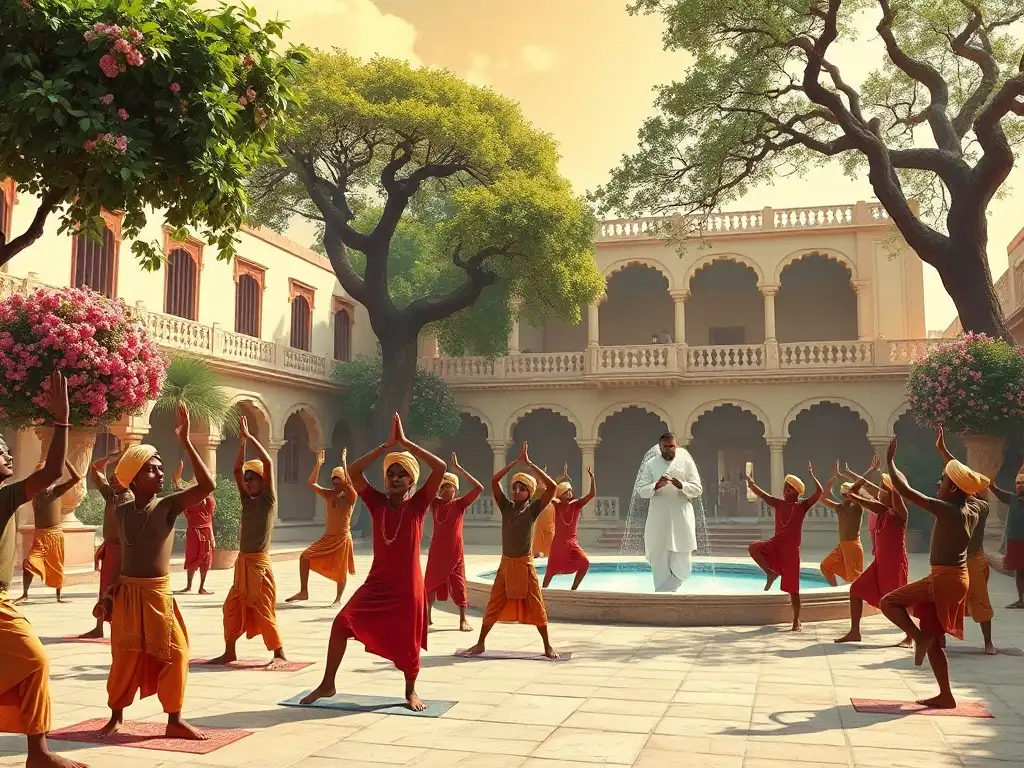
Physical education in ancient Indian schools played a crucial role in shaping the overall development of students. The emphasis on physical activities was not merely for fitness but was seen as a vital aspect of a well-rounded education. This approach contributed significantly to the physical, mental, and social growth of individuals, laying a strong foundation for the educational practices that followed.
Physical Health and Well-being
The focus on physical education in ancient Indian schools was integral to promoting physical health and well-being among students. Activities such as wrestling, archery, and various traditional sports were common, ensuring that students engaged in regular physical exercise. This not only helped in developing strength and agility but also in fostering a sense of discipline and perseverance.
Moreover, regular participation in physical activities contributed to the reduction of health issues. The natural integration of exercise into daily routines improved cardiovascular health, enhanced muscle strength, and promoted overall physical fitness. The holistic approach to education ensured that students understood the importance of maintaining a healthy lifestyle, which was often reinforced through teachings from ancient texts like the Vedas and Upanishads that emphasized the connection between a healthy body and a sound mind.
Mental and Spiritual Development through Physical Education
In ancient India, physical education was deeply intertwined with mental and spiritual development. Activities like yoga and meditation were not considered separate from physical education; instead, they were integral components that contributed to a child's overall education. These practices encouraged self-awareness and mindfulness, enabling students to harness their inner strength and focus.
The mental benefits of physical education extended beyond mere physical fitness. Engaging in sports and physical activities helped in enhancing cognitive functions such as concentration, memory, and critical thinking. This balance of mental and physical training fostered a sense of inner peace and spirituality, resonating with the holistic worldview prevalent in ancient Indian philosophy.
Social Skills and Teamwork Cultivated through Sports
Physical education in ancient Indian schools also played a vital role in developing social skills and teamwork among students. Group activities, such as traditional games and team sports, were essential in teaching students the values of cooperation, communication, and leadership. These experiences helped build strong interpersonal relationships, as students learned to work together towards common goals.
The competitive nature of sports instilled a sense of sportsmanship and respect for others, regardless of victory or defeat. Students understood the importance of collaboration and mutual support, which were crucial elements in both academic and social settings. This emphasis on teamwork not only prepared students for future professional environments but also contributed to building harmonious communities.
Legacy of Ancient Indian Physical Education
The legacy of ancient Indian physical education continues to influence modern educational practices, providing a rich foundation for physical education systems worldwide. The principles and methodologies developed during this era have left an indelible mark on contemporary physical education, highlighting the significance of a balanced approach to education.
Influence on Modern Physical Education Systems
Modern physical education systems have drawn inspiration from the practices established in ancient India. The integration of physical fitness with mental and spiritual well-being is a concept that resonates with contemporary educational philosophies. Programs that incorporate yoga and mindfulness into physical education curricula reflect the ancient understanding of the interconnectedness of body, mind, and spirit.
Moreover, traditional Indian sports and games are being revived in schools, promoting cultural heritage while enhancing physical fitness. The emphasis on holistic development has led to the inclusion of diverse physical activities that cater to students' varying interests and abilities, ensuring a comprehensive educational experience.
Preservation of Ancient Practices in Contemporary India
In contemporary India, efforts to preserve the ancient practices of physical education are evident in various educational institutions. Schools and colleges are increasingly recognizing the value of traditional sports and activities, integrating them into their curricula to promote physical health and cultural identity.
Initiatives to promote yoga, martial arts, and indigenous games have gained momentum, reflecting a resurgence of interest in ancient practices. Additionally, organizations dedicated to the promotion of traditional sports are working tirelessly to ensure that these valuable aspects of ancient Indian culture are not lost but rather celebrated and adapted for future generations. This preservation not only honors the rich history of physical education in India but also enhances the well-being of students today.
Conclusion
The exploration of physical education in ancient Indian schools reveals a holistic approach to education that transcended mere academic learning. Physical education played a crucial role in shaping the physical, mental, and social development of students in ancient India. The emphasis on fitness, martial arts, and athletic activities not only prepared students for physical challenges but also instilled values such as discipline, perseverance, and teamwork. These elements contributed significantly to the overall character development of individuals in society, aligning physical health with moral and intellectual growth.
Summary of the Importance of Physical Education in Ancient Indian Schools
Physical education in ancient Indian schools was not just an auxiliary aspect of education; it was central to the curriculum. Schools, or Gurukuls, prioritized physical training alongside traditional subjects like philosophy, mathematics, and literature. The following points summarize its importance:
- Holistic Development: Students engaged in various physical activities that promoted their physical fitness, emotional stability, and cognitive abilities.
- Cultural Significance: Activities such as wrestling, archery, and martial arts were deeply rooted in Indian culture and tradition, helping preserve ancient practices and values.
- Moral Training: Physical education was intertwined with lessons on ethics and morality; the discipline learned through sports and physical challenges fostered strong moral character.
- Preparation for Life: The skills acquired through physical education prepared students for future challenges, both in warfare and in everyday life, emphasizing resilience and adaptability.
By integrating physical education into the fabric of ancient education, Indian civilizations laid the groundwork for a well-rounded development model that resonated through centuries.
The Lasting Impact of Ancient Indian Physical Education on Future Generations
The impact of ancient Indian physical education extends well beyond its historical context, influencing contemporary educational practices and philosophies. This legacy can be observed in several ways:
- Integration of Physical Activities: Modern Indian schools continue to recognize the importance of physical education, incorporating sports and fitness into their curricula to promote students' overall well-being.
- Cultural Revitalization: Traditional practices such as Kalaripayattu and Gatka have seen a resurgence, with many institutions incorporating these martial arts into their programs, thus preserving ancient knowledge and skills.
- Emphasis on Holistic Education: The ancient approach of blending physical, mental, and moral education is gaining traction in modern pedagogical theories, advocating for a more integrated educational framework.
- Promotion of Health and Wellness: The foundational principles of physical fitness and wellness established in ancient times continue to inform current health initiatives, emphasizing the importance of maintaining a healthy lifestyle.
Ultimately, the principles of ancient Indian physical education emphasize a comprehensive educational philosophy that remains relevant today, promoting the idea that physical health is integral to personal and societal development.
- Introduction to Ancient Indian Physical Education
- Historical Context of Physical Education in Ancient India
- Key Elements of Ancient Indian Physical Education
- Educational Institutions and Physical Education
- Benefits of Physical Education in Ancient Indian Schools
- Legacy of Ancient Indian Physical Education
- Conclusion
- What was the role of physical education in ancient Indian schools?
- How did ancient Indian civilizations contribute to physical education?
- Were there specific texts related to physical education in ancient India?
- How did the Gupta Empire influence physical education?
- What modern practices stem from ancient Indian physical education?
Frequently Asked Questions
What was the role of physical education in ancient Indian schools?
Physical education in ancient Indian schools was crucial for developing physical strength and discipline among students, promoting overall health and fitness.
How did ancient Indian civilizations contribute to physical education?
Ancient Indian civilizations emphasized sports and physical activities such as wrestling, archery, and martial arts, which were essential for skill development and cultural practices.
Yes, texts like the "Mahabharata" and "Arthashastra" discuss the importance of physical training, highlighting its significance in education and military preparation.
How did the Gupta Empire influence physical education?
The Gupta Empire marked a golden age in Indian history, where physical education was integrated into the curriculum, enhancing the focus on sports and wellness.
What modern practices stem from ancient Indian physical education?
Modern practices such as yoga, martial arts, and various sports can trace their roots back to ancient Indian physical education, emphasizing mind-body connection and athletic skill development.
Final Reflection: Embracing the Legacy of Ancient Indian Physical Education
The exploration of ancient Indian physical education reveals its profound relevance in today's world, where the balance of physical and mental well-being is more crucial than ever. As we navigate a society increasingly dominated by sedentary lifestyles and digital distractions, the principles of physical education from ancient Indian schools remind us of the importance of holistic development. The wisdom of the past resonates loudly: a well-rounded education encompasses not just academic knowledge, but also physical health and emotional resilience.
The influence of ancient Indian physical education extends far beyond historical practices; it continues to shape our cultural and social landscapes today. The integration of physical activity into daily life fosters a sense of community, discipline, and respect for oneself and others. As we reflect on these values, we can draw inspiration from the words of Mahatma Gandhi: It is health that is real wealth and not pieces of gold and silver.
This sentiment underscores the timeless importance of prioritizing physical health as a foundation for personal and societal growth.
As we stand at the crossroads of tradition and modernity, I invite you to reflect on how the lessons of ancient Indian physical education can be woven into your own life. Consider incorporating physical activity not just as a routine, but as a vital part of your identity. Embrace the idea that nurturing your body is equally as important as nurturing your mind. Let us honor the legacy of our ancestors by committing to a lifestyle that values health, balance, and well-being, paving the way for a brighter future for ourselves and generations to come.
Revitalize Your Understanding of Ancient Education!
Thank you for taking the time to explore the vital role of physical education in ancient Indian schools! We hope you’ve gained insights into how these practices shaped not only physical health but also mental resilience and community spirit. Now, it’s time to take action and deepen your connection with this fascinating topic.
- Dive deeper into ancient Indian philosophies of education by reading more articles on our site to uncover their influence on contemporary educational systems!
- Share your thoughts in the comments below about how ancient practices can be integrated into modern physical education programs.
- Consider joining a local history group or participating in an online community to discuss and learn about historical methods of physical and mental training.
What aspect of physical education in ancient India inspires you the most, and how can you apply its lessons in your life today?