
How the Ramayana Reflects Ancient Indian Cosmology and Universe

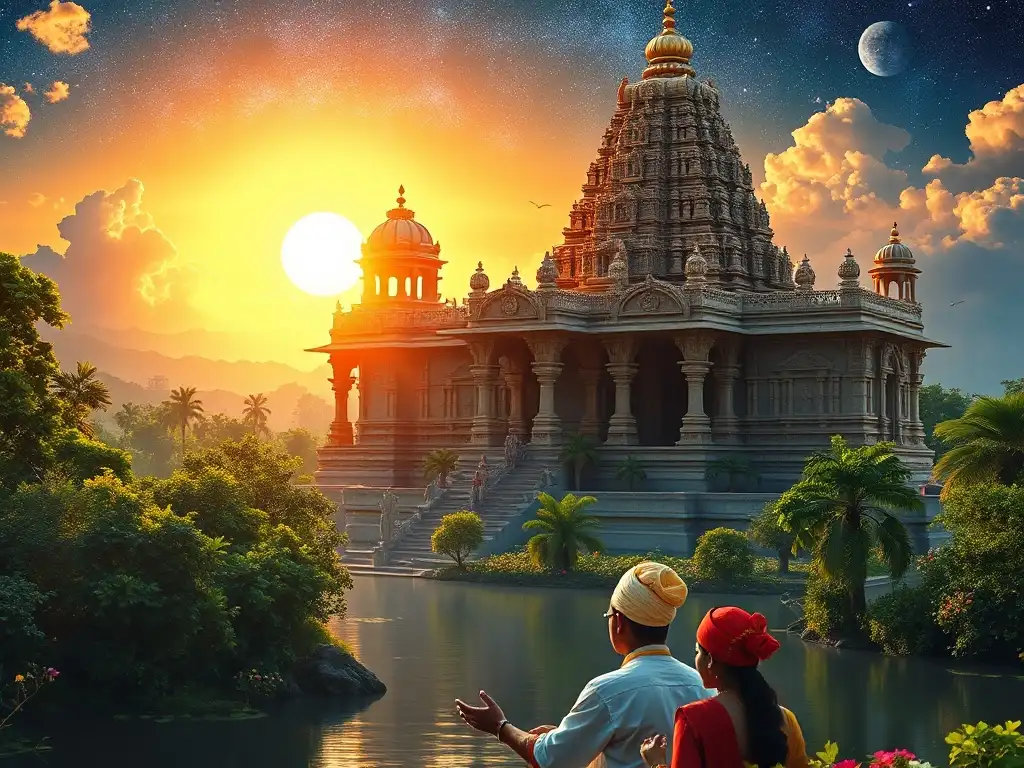
Welcome to Ancient India History, where we embark on a fascinating journey through the rich tapestry of ancient Indian civilizations. Here, we delve into the wonders of cosmology as illuminated by the epic narratives that shaped a culture.
In our featured article, "How the Ramayana Reflects Ancient Indian Cosmology and Universe," we unveil profound insights into the celestial concepts that influenced not only literature but the very understanding of existence in ancient times. Prepare to be captivated as we explore the intricate connections between mythology and the cosmos—each revelation beckoning you to dive deeper into the enchanting world of ancient Indian thought.
- Introduction to the Ramayana and Ancient Indian Cosmology
- Key Concepts of Ancient Indian Cosmology
- The Ramayana as a Reflection of Cosmological Ideas
- Characters in the Ramayana and Their Cosmological Roles
- The Influence of Ancient Indian Cosmology on Ramayana Narratives
- Comparative Analysis of Ancient Indian Cosmology with Other Cultures
- Conclusion: The Enduring Legacy of Ancient Indian Cosmology in the Ramayana
-
Frequently Asked Questions
- What is the significance of the Ramayana in understanding ancient Indian cosmology?
- How does the Ramayana depict the structure of the universe?
- What role do mythical beings play in ancient Indian cosmology as seen in the Ramayana?
- How can the themes of the Ramayana be related to modern cosmological concepts?
- What contributions did ancient Indian civilizations make to the field of cosmology?
- Final Reflection: Unveiling the Depths of Ancient Indian Cosmology
- Unveil the Wisdom of the Ramayana – Take Action Today!
Introduction to the Ramayana and Ancient Indian Cosmology
The Ramayana is not merely a narrative of heroism and adventure; it is a profound text that encapsulates the intricate cosmology of ancient India. This epic poem, attributed to the sage Valmiki, not only recounts the life of Lord Rama but also serves as a lens through which we can explore the rich tapestry of ancient Indian cosmological beliefs. Understanding ancient Indian cosmology is crucial for grasping how these civilizations interpreted their universe, the nature of existence, and the interplay between the divine and the mortal realms.
In this article, we delve into the ancient Indian cosmology insights reflected in the Ramayana, examining how its themes and characters embody the philosophical and spiritual concepts of the time. By doing so, we aim to unearth the deeper meanings that lie within this epic, highlighting its significance in the broader context of ancient Indian thought.
Overview of the Ramayana
The Ramayana, composed around 500 BCE to 100 BCE, is one of the two major Sanskrit epics of ancient Indian literature, the other being the Mahabharata. It narrates the story of Lord Rama, his wife Sita, and his loyal companion Hanuman, focusing on the themes of dharma (duty/righteousness), devotion, and the eternal struggle between good and evil.
Key elements of the Ramayana include:
- Characters: The epic features a myriad of characters, each representing different aspects of human nature and cosmic principles.
- Plot Structure: The narrative unfolds in seven Kandas (books), detailing Rama's exile, the abduction of Sita by Ravana, and the eventual conquest of evil.
- Cultural Impact: The Ramayana has significantly influenced art, culture, and religious practices in various regions of India and beyond.
Importance of Cosmology in Ancient Indian Thought
Cosmology in ancient India was not solely a scientific endeavor; it was interwoven with philosophy, spirituality, and ethics. The ancient Indian worldview posited that the universe operates in a cyclical manner, governed by cosmic laws that dictate the rhythm of creation, preservation, and destruction. Key aspects include:
- Cyclic Time: The concept of Kalachakra, or the Wheel of Time, illustrates the cyclical nature of existence, where time is divided into vast epochs.
- Interconnectedness: Ancient Indians believed in the interconnectedness of all beings, emphasizing that actions (karma) resonate throughout the universe.
- Divine Order: The notion of Rita, or cosmic order, underpins the moral fabric of the universe, influencing the characters and events in the Ramayana.
Purpose of Exploring Ancient Indian Cosmology Insights
Exploring the insights of ancient Indian cosmology through the lens of the Ramayana serves several purposes:
- Understanding Cultural Context: By analyzing the Ramayana, we gain insights into the values and beliefs that shaped ancient Indian civilization.
- Revealing Philosophical Depths: The epic encapsulates complex philosophical ideas that continue to resonate in contemporary discussions about ethics, duty, and spirituality.
- Encouraging Modern Reflection: The themes of the Ramayana invite readers to reflect on their understanding of the cosmos, morality, and the human experience.
The Ramayana is a vital text for understanding ancient Indian cosmology. By examining its rich narratives and themes, we can gain valuable insights into the worldview of one of the world's oldest civilizations.
Key Concepts of Ancient Indian Cosmology
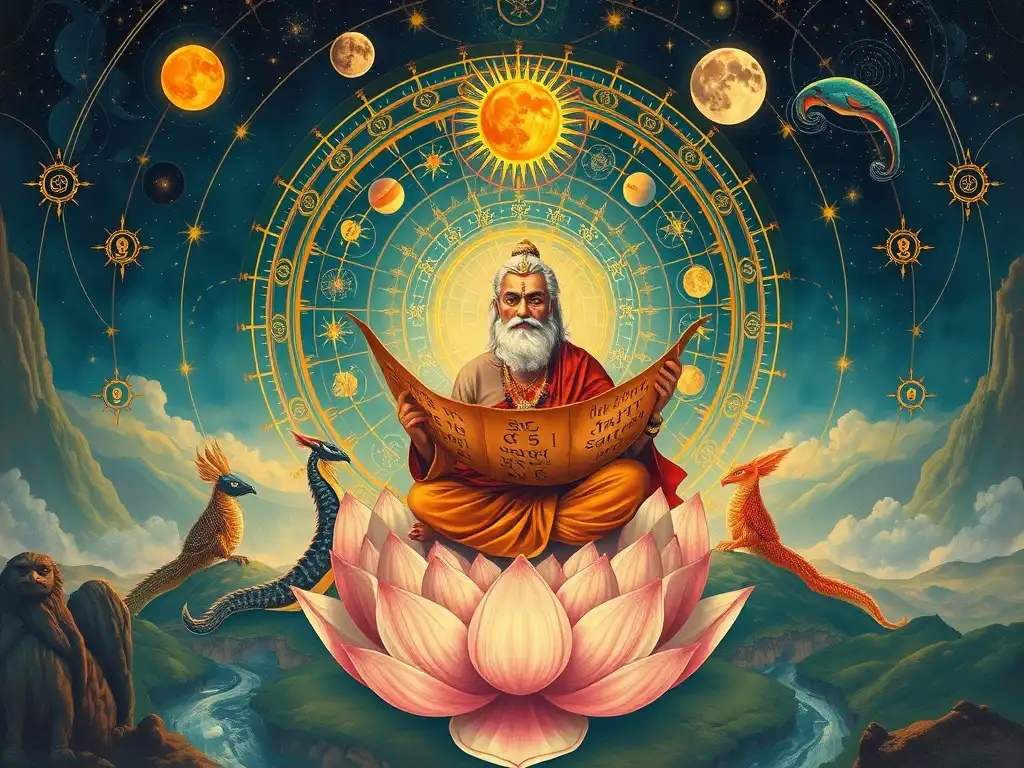
Ancient Indian cosmology is a rich tapestry woven from various philosophical, spiritual, and scientific threads. It reflects a complex understanding of the universe that permeates many texts, including the Ramayana. The insights gleaned from the Ramayana not only illustrate narratives of heroism and devotion but also encapsulate profound cosmological ideas that were prevalent in ancient Indian thought.
The Structure of the Universe in Ancient Indian Beliefs
In ancient Indian cosmology, the universe is often described in a multi-layered manner, structured into various realms or lokas. These realms include:
- Svarga (Heaven): The abode of deities and celestial beings, where pleasure and joy prevail.
- Bhūmi (Earth): The physical realm inhabited by humans and animals.
- Patala (Underworld): The subterranean realms, often depicted as the residence of serpents and other mystical beings.
The Ramayana offers glimpses into this cosmological structure through its narratives. For instance, the character of Hanuman, who traverses vast distances to reach Lanka, symbolizes the connection between these realms. His journey reflects the belief in the interconnectedness of the universe and the ability of beings to move between these layers.
Furthermore, the concept of Brahmanda (cosmic egg) and Pinda (the individual body) illustrates the microcosm and macrocosm relationship, where the individual reflects the larger cosmos. This duality emphasizes that understanding oneself is essential for comprehending the universe.
The Role of Deities in Cosmological Framework
Deities in ancient Indian cosmology serve as both creators and maintainers of the universe. Each deity represents various cosmic principles and forces, playing a critical role in the natural order. Key deities include:
- Brahma: The creator of the universe, representing the principle of creation.
- Vishnu: The preserver who maintains cosmic order and harmony through his avatars, including Rama.
- Shiva: The destroyer, representing transformation and regeneration.
In the Ramayana, the roles of these deities are intricately woven into the narrative. For example, Rama, as an avatar of Vishnu, embodies dharma (righteousness) and the ideal qualities of a king. His journey to rescue Sita from Ravana not only showcases his devotion and valor but also illustrates the cosmic battle between good and evil, reinforcing the importance of divine intervention in human affairs.
The interactions among deities and their earthly counterparts highlight the belief that the cosmos is filled with divine presence, guiding and influencing the lives of individuals.
Concepts of Time and Space in the Ramayana
Time and space in ancient Indian cosmology are not linear but cyclical, reflecting the concepts of Yugas (epochs) and the eternal nature of the universe. The Ramayana provides insights into these concepts through its narrative structure, which unfolds over various temporal layers:
- Satyayuga (Golden Age): A time of truth and virtue.
- Tretayuga (Silver Age): The age in which the events of the Ramayana occur, marked by the emergence of Rama.
- Dvaparayuga (Bronze Age): A decline in dharma leading to increased moral ambiguity.
- Kaliyuga (Iron Age): The current age, characterized by strife and discord.
Additionally, the geography depicted in the Ramayana—from the forests of Dandakaranya to the magnificent city of Lanka—serves as a backdrop for exploring spatial concepts. The journey of Rama and his companions emphasizes the significance of pilgrimage and sacred geography in ancient Indian thought.
Moreover, the notion of Kalpa (cosmic cycle) reiterates the cyclical nature of time, where the universe undergoes continuous creation and dissolution. This understanding is pivotal in comprehending the eternal struggle between dharma and adharma (unrighteousness) that unfolds in the Ramayana.
Ancient Indian cosmology, as reflected in the Ramayana, offers profound insights into the universe's structure, the divine roles within it, and the intricate dance of time and space. These concepts not only enrich the epic's narrative but also provide a lens through which we can explore the deeper philosophical questions of existence and our place within the cosmos.
The Ramayana as a Reflection of Cosmological Ideas
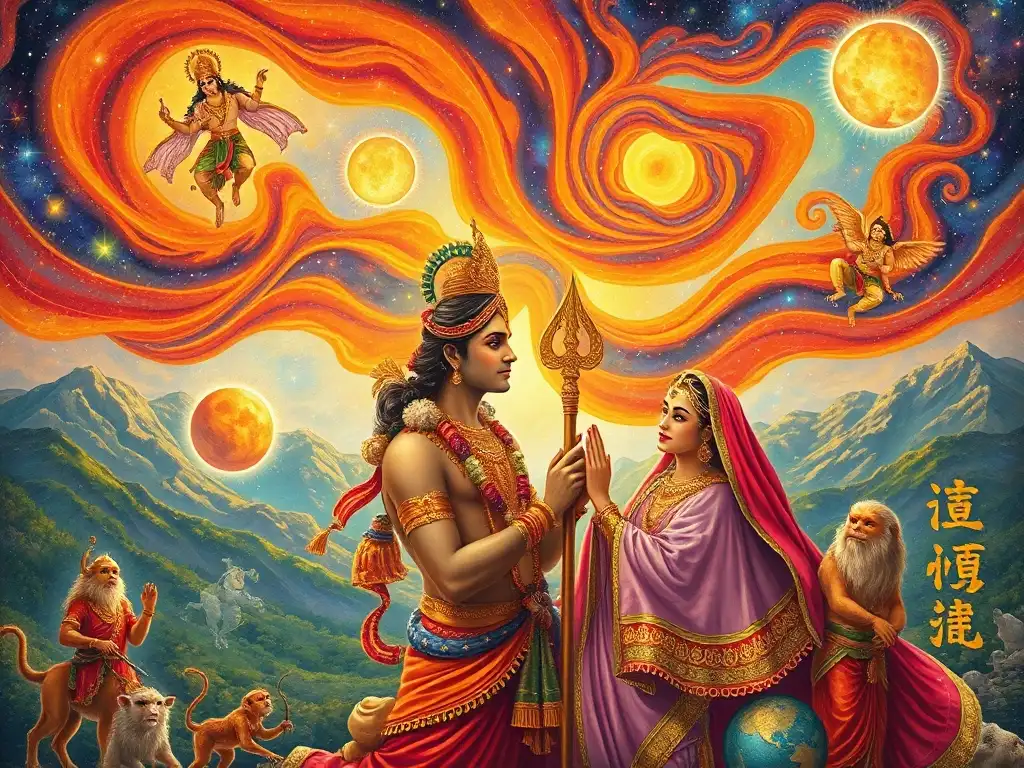
The Ramayana, one of the two great epics of ancient Indian literature, serves not only as a tale of heroism and morality but also as a profound reflection of ancient Indian cosmology. Its narrative is interwoven with cosmological concepts that reveal insights into the universe, the nature of life, and the interconnectedness of all beings. Through its characters, events, and symbolism, the Ramayana encapsulates the philosophical underpinnings of ancient Indian thought, making it a vital text for understanding ancient Indian cosmology insights.
Symbolism of the Cosmic Tree (Ashvattha) in the Ramayana
The Ashvattha tree, or the sacred fig, holds significant symbolic meaning within the Ramayana, representing the universe's structure and the interconnectedness of existence. This tree is often depicted as having its roots above and branches below, symbolizing the relationship between the earthly realm and the celestial.
- Roots Above and Branches Below: The roots signify the spiritual realm, while the branches represent the material world. This inversion of the typical tree structure illustrates the idea that the spiritual is the foundation of the physical, echoing the ancient Indian belief in the importance of transcending the material for spiritual enlightenment.
- Connection to Brahman: In ancient Indian philosophy, the Ashvattha tree is associated with Brahman, the ultimate reality or cosmic spirit. Its presence in the Ramayana serves as a reminder of the divine essence that pervades all aspects of life and the universe.
- Cycle of Life and Death: The tree also symbolizes the cycle of creation, preservation, and destruction, mirroring the cyclical nature of time and existence in ancient Indian cosmology. Just as leaves fall and new ones grow, so too do souls undergo cycles of birth and rebirth (samsara).
The Four Yugas and Their Representation in the Epic
The concept of the four Yugas—Satya Yuga, Treta Yuga, Dvapara Yuga, and Kali Yuga—forms a cornerstone of ancient Indian cosmology, and the Ramayana is situated within this framework, specifically in the Treta Yuga.
- Treta Yuga: The Ramayana is set in the Treta Yuga, a period characterized by the presence of dharma (righteousness) and the divine. This age is marked by the emergence of avatars, particularly that of Lord Rama, who embodies ideal virtues and the principles of dharma.
- Transition Between Yugas: The epic illustrates the gradual decline of dharma as it progresses towards the Dvapara Yuga, highlighting the moral and ethical challenges faced by its characters. The struggles of Rama against the demon king Ravana can be seen as a metaphor for the ongoing battle between good and evil, which intensifies as the cycles of time progress.
- Cosmological Implications: The Yugas reflect the changing dynamics of the universe, with each age representing a different moral climate. The Ramayana serves as an ethical guide, urging individuals to adhere to dharma as a means of navigating these cosmic shifts.
The Concept of Dharma and Its Cosmological Significance
Dharma, or duty, is a central theme of the Ramayana and carries profound cosmological implications that resonate with ancient Indian beliefs.
- Integration of Cosmic Order: Dharma is viewed as the moral law that maintains the cosmic order (rita). Characters in the Ramayana illustrate various aspects of dharma, showcasing how their actions impact both their immediate environment and the broader universe.
- Rama as the Ideal Man: Lord Rama's adherence to dharma, even at great personal cost, exemplifies the ideal of virtuous living. His decisions reflect the belief that fulfilling one’s duty is essential not only for individual salvation but for the harmony of the cosmos.
- Consequences of Ignoring Dharma: The narrative demonstrates the repercussions of straying from dharma, as seen in the downfall of Ravana. His transgressions against moral principles lead to chaos and destruction, serving as a cautionary tale about the importance of maintaining cosmic balance through righteous action.
The Ramayana thus encapsulates ancient Indian cosmology insights by integrating these profound themes into its narrative, inviting readers to contemplate their own roles within the vast tapestry of existence.
Characters in the Ramayana and Their Cosmological Roles
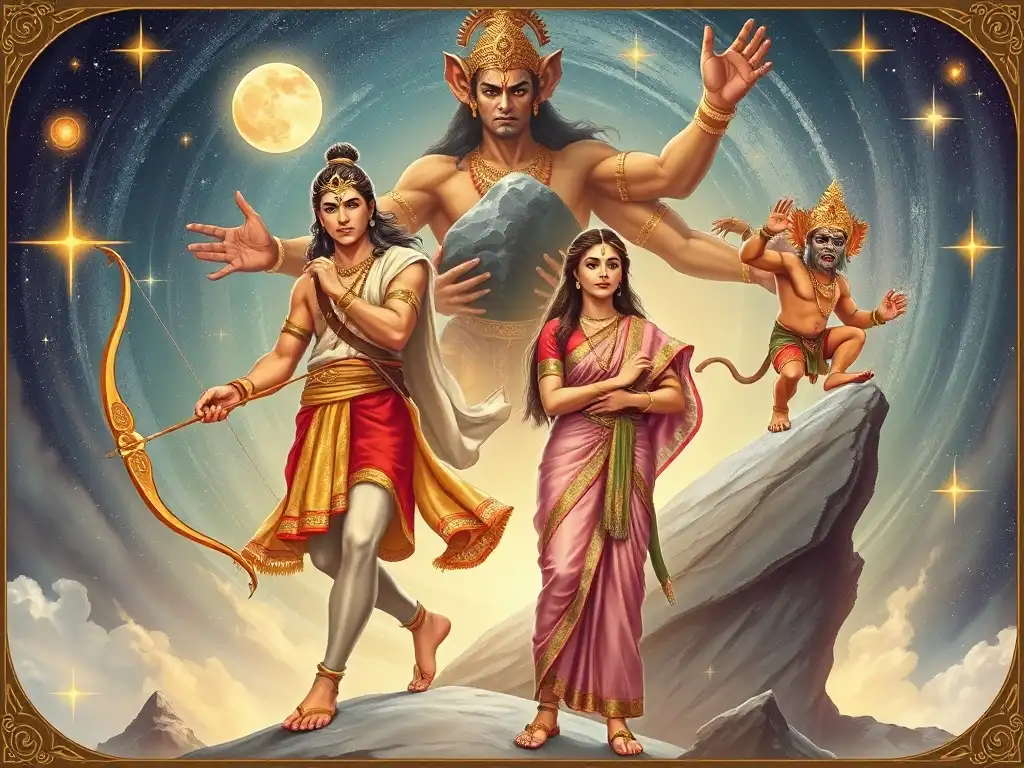
The Ramayana is not just an epic tale of heroism and morality; it also serves as a profound reflection of ancient Indian cosmology. The characters within this narrative embody various cosmic principles and forces, each contributing to the overarching understanding of the universe as perceived in ancient Indian thought. Let's explore how these characters encapsulate ancient Indian cosmology insights.
Lord Rama: The Ideal Man and Cosmic Order
Lord Rama, the protagonist of the Ramayana, is often referred to as "Maryada Purushottama," or the ideal man. His character epitomizes the concept of Dharma (righteousness) and reflects the cosmic order essential for maintaining balance in the universe.
- Dharma and Cosmic Balance: Rama’s adherence to Dharma signifies his role in upholding cosmic order. His decisions and actions throughout the epic, from his exile to his battle against Ravana, illustrate the importance of righteousness in sustaining the universe. In ancient Indian cosmology, maintaining Dharma is crucial for the universe's stability, akin to how celestial bodies maintain their orbits.
- An Avatar of Vishnu: Lord Rama is considered the seventh avatar of Vishnu, the preserver in the Hindu trinity. This aspect highlights the cyclical nature of time and the recurring themes of restoration and protection within the universe. The avatar's purpose is to restore cosmic order whenever it is disrupted, underscoring the belief that divine intervention is necessary for maintaining balance.
Sita: The Earth Mother and Symbol of Abundance
Sita, the wife of Lord Rama, embodies the qualities of the Earth Mother, representing fertility, abundance, and nurturing. Her character reflects ancient Indian cosmological insights regarding the relationship between humanity and the natural world.
- Symbol of Fertility: Sita's connection with nature is evident in her portrayal as the Earth Mother. Her name itself is derived from "Sita," meaning furrow, symbolizing the agricultural fertility of the land. This relationship highlights the ancient belief in the Earth as a nurturing force, essential for life and prosperity.
- Struggles and Resilience: Sita's trials, particularly her abduction by Ravana, represent the challenges faced by the Earth in maintaining balance against chaotic forces. Her resilience during her captivity and eventual reunion with Rama symbolizes the triumph of nature over adversity, reflecting the cyclical patterns of life, death, and rebirth in ancient Indian cosmology.
Hanuman: The Divine Messenger and Cosmic Energy
Hanuman, the devoted monkey god, plays a pivotal role in the Ramayana as a symbol of devotion, strength, and cosmic energy. His character embodies the dynamic forces that propel the cosmos and facilitate communication between the divine and the mortal realms.
- Embodiment of Bhakti: Hanuman's unwavering devotion to Rama represents the ideal of Bhakti (devotion), a crucial aspect of ancient Indian spirituality. His actions, driven by love and loyalty, illustrate how divine energies manifest in the physical world, highlighting the interconnectedness of all beings within the cosmic framework.
- Cosmic Energy and Transformation: Hanuman’s ability to change size and shape signifies the fluid nature of cosmic energy. He is often depicted performing extraordinary feats, such as leaping across oceans and carrying mountains, which symbolizes the potential for transformation and the harnessing of cosmic forces. This aligns with ancient Indian beliefs about the universe's dynamic nature and the potential for individuals to tap into these energies for spiritual and physical endeavors.
Through the characters of the Ramayana, we gain valuable ancient Indian cosmology insights that emphasize the intricate relationship between humanity and the cosmos. Each character not only serves a narrative purpose but also personifies essential cosmic principles that continue to resonate with readers and scholars alike.
The Influence of Ancient Indian Cosmology on Ramayana Narratives
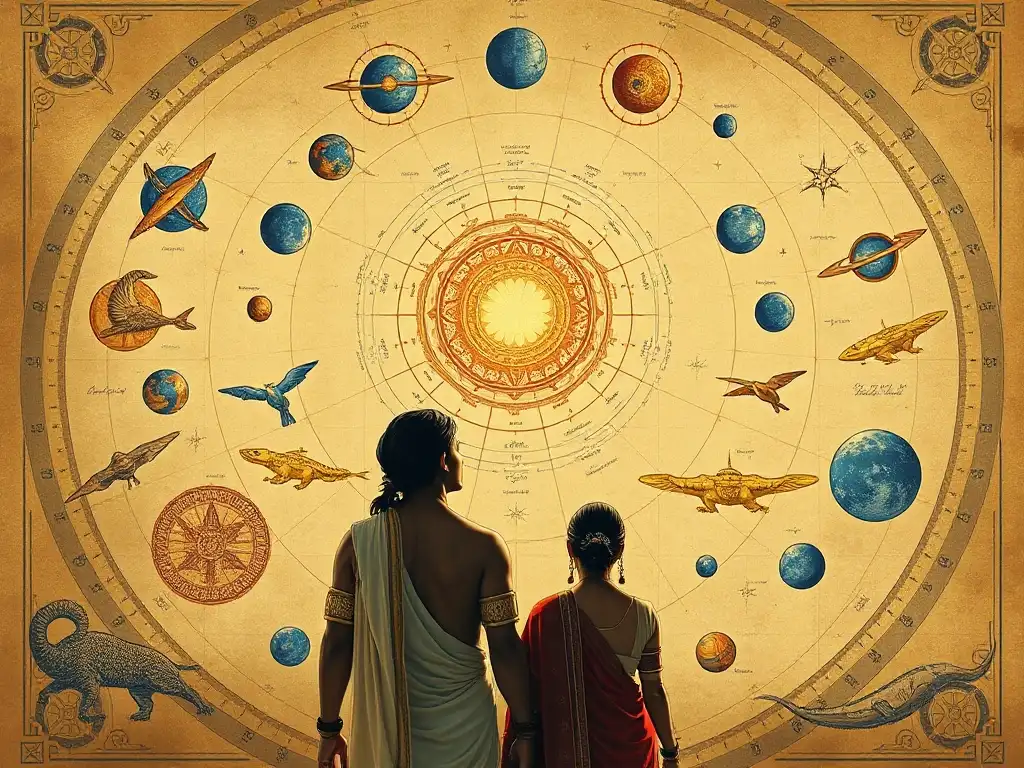
The Ramayana, one of the two major Sanskrit epics of ancient Indian literature, is deeply intertwined with ancient Indian cosmology. This epic not only narrates the story of Lord Rama's journey but also embodies the philosophical and cosmological beliefs prevalent during its time. The narratives within the Ramayana reflect the understanding of the universe, the nature of existence, and the moral fabric that binds society.
Creation Stories and Their Reflection in the Epic
Creation myths serve as foundational narratives in many cultures, and in ancient Indian cosmology, they provide insight into the creation and structure of the universe. The Ramayana echoes these cosmological narratives through its portrayal of divine beings and their roles in the cosmic order.
- The Concept of Brahman: In ancient Indian cosmology, Brahman represents the ultimate reality and source of creation. The Ramayana portrays divine characters such as Vishnu, who is often associated with the preservation aspect of Brahman. The birth of Rama, an incarnation of Vishnu, signifies the divine intervention in the human realm, illustrating the belief that the cosmos is maintained through divine will.
- Cycles of Creation and Destruction: The cyclical nature of time, or Kalachakra, is a significant aspect of ancient Indian cosmology. The Ramayana reflects this through its narrative structure, where the themes of creation and destruction recur. The rise and fall of kingdoms, the emergence of evil, and the restoration of dharma (cosmic order) exemplify this cyclical process, emphasizing the eternal struggle between creation and dissolution.
- Symbolism of Nature: Natural elements in the Ramayana, such as rivers, mountains, and forests, also symbolize the cosmic order. For instance, the crossing of the Ganges River by Rama's army can be seen as a metaphor for the transition from the mundane to the spiritual, reinforcing the connection between the physical world and the cosmic realm.
The Battle of Good vs. Evil: A Cosmological Perspective
The central conflict in the Ramayana revolves around the battle of good (Rama) versus evil (Ravana). This duality not only serves as a dramatic framework but also reflects cosmological principles that govern the universe.
- Dharma vs. Adharma: At the heart of the Ramayana is the principle of dharma, which represents righteousness and moral order. The epic underscores the importance of adhering to dharma in maintaining cosmic balance. Rama's commitment to dharma, even in the face of personal loss, epitomizes the ideal of moral fortitude. Conversely, Ravana's tyranny and disregard for dharma represent the forces of adharma, threatening the cosmic equilibrium.
- Divine Intervention: Ancient Indian cosmology posits that the divine intervenes in human affairs to restore balance. The Ramayana illustrates this through the character of Hanuman, who embodies devotion and strength. His role in aiding Rama reflects the belief that divine forces manifest in various forms to combat evil and uphold cosmic order.
- The Role of Fate: The epic also explores the concept of Karma, where actions have consequences that shape one's destiny. The interplay of fate and free will in the Ramayana suggests that while individuals may strive for righteousness, they are ultimately subject to the larger cosmic laws that govern existence.
The Afterlife and Its Representation in the Ramayana
The Ramayana addresses the theme of the afterlife, an essential aspect of ancient Indian cosmology that reflects beliefs about existence beyond death.
- Rebirth and Salvation: The concept of rebirth is prevalent in ancient Indian thought, and the Ramayana engages with this idea through its characters' journeys. The notion that souls undergo cycles of birth and rebirth until they attain moksha (liberation) is subtly interwoven into the narrative, particularly in the characters of Ravana and his eventual demise, which symbolizes the consequences of one's actions.
- The Journey of the Soul: The Ramayana alludes to the journey of the soul post-death, emphasizing the significance of one's deeds in determining their afterlife. The character of Rama, who exemplifies virtue, is portrayed as destined for a divine abode, reflecting the belief that righteous living leads to spiritual elevation.
- Moral Lessons for the Afterlife: The epic serves as a moral guide, offering insights into how individuals should conduct themselves to ensure favorable outcomes in the afterlife. Through Rama's adherence to dharma and selfless actions, the Ramayana teaches that the path to salvation is paved with righteousness, compassion, and integrity.
The Ramayana is not merely a narrative of heroism and adventure; it is a profound reflection of ancient Indian cosmology. Through its themes of creation, the duality of good and evil, and the representation of the afterlife, the epic provides invaluable ancient Indian cosmology insights that continue to resonate in contemporary discussions of ethics, morality, and the nature of existence.
Comparative Analysis of Ancient Indian Cosmology with Other Cultures
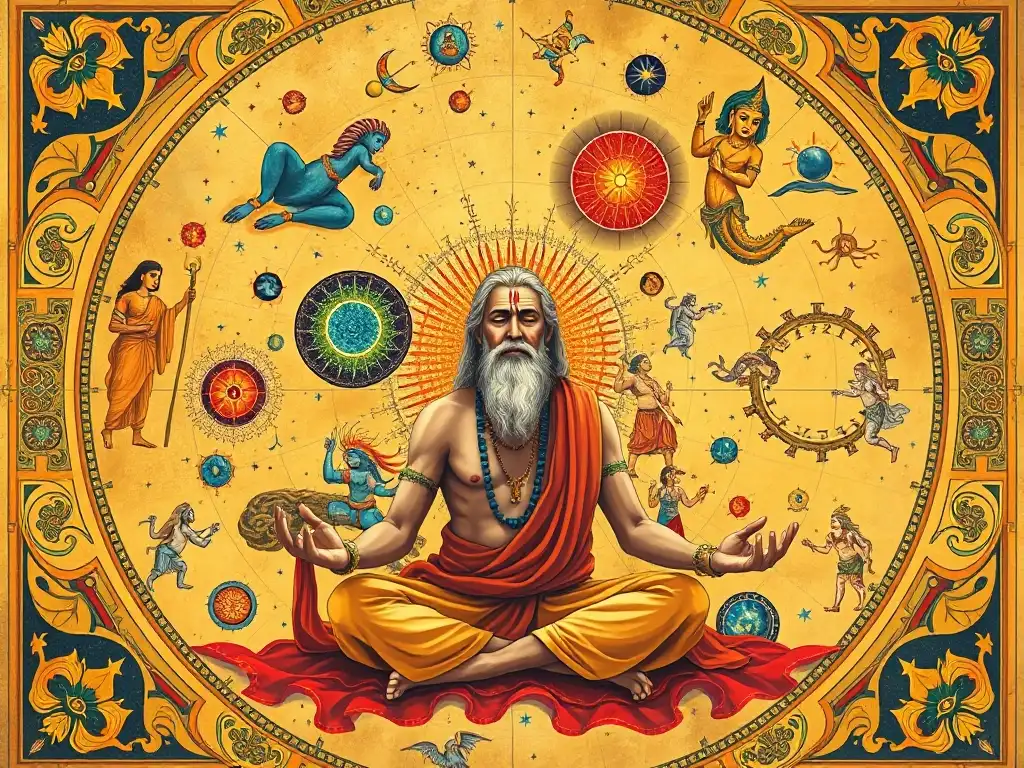
Similarities with Other Ancient Cosmological Systems
Ancient Indian cosmology, as reflected in the Ramayana, shares notable similarities with various other ancient cultures' cosmological frameworks. A few key points of comparison include:
- Cyclic Time: Much like the Mayan and Greek cosmologies, ancient Indian cosmology embodies a cyclical understanding of time. The concept of Yugas in the Ramayana aligns with similar beliefs found in cultures that perceive time as recurring epochs rather than a linear progression.
- Nature and Elemental Forces: The Ramayana illustrates the importance of nature and elemental forces, akin to the beliefs of ancient Egyptians who revered natural elements like the Nile. The portrayal of gods and divine beings harnessing natural elements in the Ramayana mirrors the deity representations in other cultures that highlight the interplay between humanity and nature.
- Divine Intervention: The presence of divine beings influencing human affairs is a common theme across various ancient texts. Just as the Greek pantheon plays a role in human destiny, the Ramayana presents deities like Rama and Hanuman guiding and intervening in human challenges.
These parallels suggest a shared human endeavor to explain the universe and our place within it, showcasing how different cultures have grappled with similar existential questions.
Unique Features of Ancient Indian Cosmology in the Ramayana
While there are similarities with other ancient cosmologies, the Ramayana presents unique elements that distinguish ancient Indian cosmology.
- Dharma and Cosmic Order: Central to the Ramayana is the concept of Dharma, which represents moral law and order. This principle emphasizes that the universe operates on a balance of justice, morality, and duty, a perspective that is somewhat unique compared to other cosmological views that may focus more on chaos or divine whim.
- Integration of the Spiritual and Material Worlds: The narrative of the Ramayana illustrates a seamless interaction between the spiritual and material realms. Unlike other systems that may compartmentalize the divine and the earthly, ancient Indian cosmology as depicted in the Ramayana emphasizes that the spiritual influences the material, and vice versa.
- The Role of Avatars: The notion of avatars, particularly the incarnation of Vishnu as Rama, provides a unique lens through which ancient Indian cosmology is understood. This concept underscores a dynamic relationship between the divine and humanity, suggesting that the divine actively participates in shaping the universe through its incarnations.
These distinctive features contribute to a rich tapestry of beliefs that inform not only the narrative of the Ramayana but also the broader understanding of ancient Indian cosmology.
Lessons from the Ramayana for Modern Understanding of Cosmology
The insights derived from the Ramayana extend beyond historical context and offer valuable lessons for modern cosmology and philosophical thought.
- Interconnectedness: The Ramayana emphasizes the interconnectedness of all beings within the universe. This perspective resonates with contemporary ecological and cosmological discussions that advocate for a holistic understanding of life and the universe, suggesting that actions within one realm can significantly impact another.
- Moral Responsibility: The narrative encourages individuals to consider their moral responsibilities toward others and the universe. This notion of Dharma can inspire modern thinkers to integrate ethical considerations into scientific and cosmological explorations, fostering a more responsible approach to understanding our place within the cosmos.
- Perception of Time and Change: The cyclical nature of time depicted in the Ramayana invites a reevaluation of how we perceive change and progress. It encourages a viewpoint that embraces the ebb and flow of existence, which can be particularly relevant in today's fast-paced world, where the fleeting nature of time is often overlooked.
The Ramayana offers profound ancient Indian cosmology insights that continue to resonate with contemporary understanding, enriching our appreciation of both ancient beliefs and modern existential inquiries.
Conclusion: The Enduring Legacy of Ancient Indian Cosmology in the Ramayana
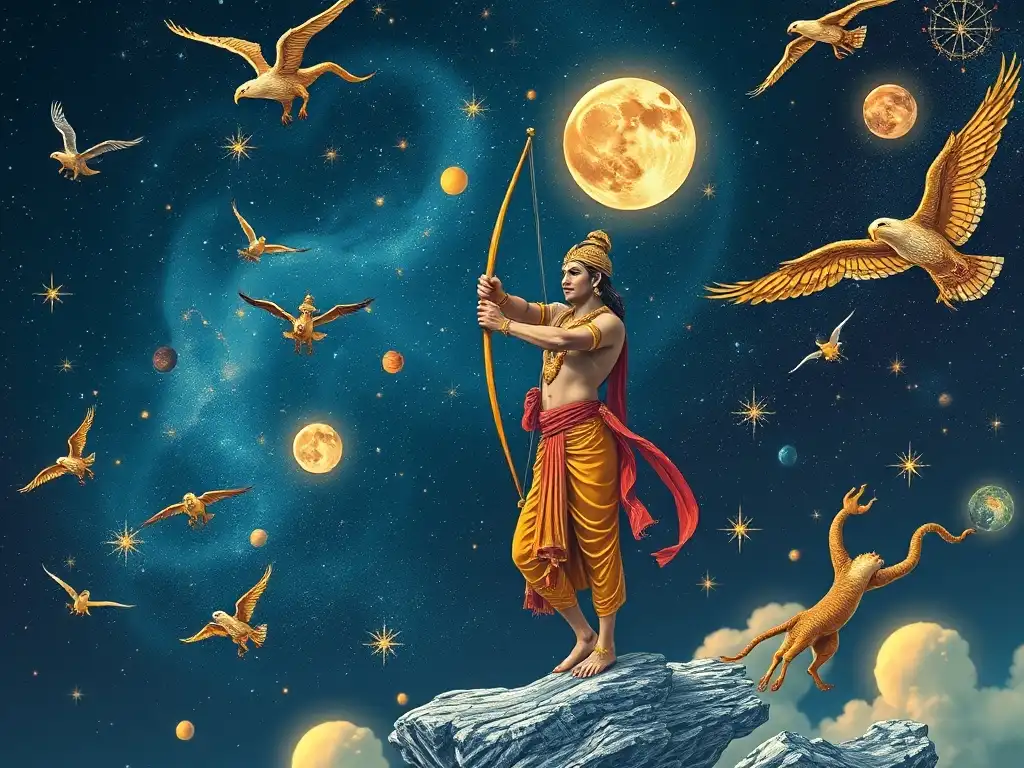
Summary of Key Ancient Indian Cosmology Insights
Ancient Indian cosmology is a complex tapestry woven from philosophical, spiritual, and scientific threads. The Ramayana encapsulates several key insights into this worldview, providing a glimpse into how ancient Indians perceived the universe and their place within it.
- Cyclic Time: One of the foundational concepts in ancient Indian cosmology is the notion of time as cyclical. The Ramayana reflects this through the portrayal of events that resonate through ages, indicating that history is not linear but rather a series of cycles of creation, preservation, and destruction.
- Interconnectedness: The characters and events in the Ramayana illustrate the interconnectedness of all beings. This is evident in the relationships between gods, humans, and nature, where each influence the other, showcasing a holistic view of the cosmos.
- Moral Order (Dharma): The concept of dharma, or moral duty, is central to the narrative. The Ramayana emphasizes that cosmic order is maintained through righteousness, and individuals must align their actions with dharma to sustain harmony in the universe.
- Divine Intervention: The presence of divine beings and their interventions in human affairs highlights the belief in a cosmos governed by higher powers. This not only reflects the spiritual hierarchy but also reinforces the idea that the universe is a living, responsive entity.
The Ramayana's Role in Preserving Cosmological Knowledge
The Ramayana serves as a vital repository of ancient Indian cosmological knowledge, preserving insights that may have otherwise faded into obscurity.
- Cultural Transmission: By embedding cosmological concepts within its narrative, the Ramayana has facilitated the transmission of this knowledge across generations. The epic has been retold in various forms, each time reinforcing the cosmological insights it contains.
- Philosophical Foundations: The discussions between characters such as Rama and various sages provide philosophical dialogues that delve into the nature of existence, duty, and the universe. These dialogues act as a vehicle for conveying complex cosmological ideas in an accessible manner.
- Symbolism and Allegory: The use of symbolism throughout the Ramayana—such as the journey of Rama as an allegory for the soul's journey through life—encapsulates deeper cosmological concepts, making them relatable and easier to grasp for the audience.
- Ritual and Practice: The epic has influenced many rituals and practices in Hinduism, ensuring that the cosmological insights are not only theoretical but are integrated into the lived experiences of individuals and communities.
Final Thoughts on the Relevance of Ancient Indian Cosmology Today
Ancient Indian cosmology, as reflected in the Ramayana, continues to resonate in contemporary discourse, offering insights into the nature of existence and our relationship with the universe.
- Ecological Awareness: The interconnectedness depicted in the Ramayana can inspire modern ecological consciousness, urging individuals to recognize their connection to the natural world and the importance of preserving it.
- Moral Framework: The emphasis on dharma provides a timeless framework for ethical living, encouraging individuals to reflect on their actions and their impact on the broader cosmic order.
- Spiritual Exploration: As individuals seek deeper spiritual understanding, the teachings of the Ramayana offer pathways for exploration and contemplation on the nature of reality and one's place within it.
The Ramayana not only serves as a literary masterpiece but also as a crucial medium for conveying ancient Indian cosmology insights, ensuring that these profound ideas remain relevant in the modern world.
Frequently Asked Questions
What is the significance of the Ramayana in understanding ancient Indian cosmology?
The Ramayana offers profound insights into ancient Indian cosmology by illustrating the relationship between the universe and its inhabitants through its narratives and characters.
How does the Ramayana depict the structure of the universe?
In the Ramayana, the universe is portrayed through various realms and dimensions inhabited by gods, demons, and humans, reflecting a complex view of cosmic order and divine governance.
What role do mythical beings play in ancient Indian cosmology as seen in the Ramayana?
Mythical beings, such as gods and sages in the Ramayana, represent different aspects of the universe and human experience, showcasing the interconnectedness of all life and the moral lessons that guide society.
Themes from the Ramayana, such as creation, destruction, and rebirth, resonate with modern cosmological ideas, enhancing our understanding of the cyclical nature of existence and the universal laws that govern it.
What contributions did ancient Indian civilizations make to the field of cosmology?
Ancient Indian civilizations made significant contributions to cosmology through advances in astronomy, mathematics, and philosophical texts, influencing not only their own culture but also global understandings of the universe.
Final Reflection: Unveiling the Depths of Ancient Indian Cosmology
The intricate tapestry of the Ramayana serves as a profound lens through which we can explore the ancient Indian cosmology insights that shape our understanding of the universe today. As we delve into the epic's narratives, we uncover timeless wisdom that resonates with contemporary themes of morality, duty, and the interconnectedness of all beings. This ancient text not only reflects the cosmological beliefs of its time but also invites us to ponder our place within the vast cosmos.
Culture and society are inextricably linked to the narratives we tell, and the Ramayana continues to influence our cultural landscape by offering a framework for understanding our existence. The epic's portrayal of cosmic order and the balance between good and evil echoes in modern discussions about ethics and responsibility. The Ramayana teaches us that every action has cosmic significance, reminding us that we are all part of a larger narrative.
This ongoing relevance underscores the importance of ancient texts in shaping our moral compass and understanding of the universe.
As we reflect on the lessons embedded in the Ramayana, I invite you to consider how these ancient insights can inform your own life. Take a moment to contemplate your actions and their impact on the world around you. How can you embody the principles of dharma and interconnectedness in your daily choices? By embracing the wisdom of ancient Indian cosmology, we can cultivate a deeper awareness of our role in the universe and strive to create a harmonious existence for ourselves and future generations.
Unveil the Wisdom of the Ramayana – Take Action Today!
Thank you for exploring how the Ramayana intricately reflects the rich tapestry of ancient Indian cosmology! You've gained insights into not just a legendary tale, but also the profound philosophies that shape our understanding of the universe.
Now, let’s channel that knowledge into meaningful action!
- Dive deeper: Select a character from the Ramayana and research their significance within the context of ancient cosmology. Share your findings with friends or on social media!
- Explore beyond: Read other epics, such as the Mahabharata, to compare their cosmological themes and expand your understanding of ancient Indian literature.
- Engage with others: Join an online discussion group or forum focused on Indian mythology to share ideas and learn from fellow enthusiasts.
What new perspective did you gain from the Ramayana about the universe, and how might it change the way you view your own world?