
The Ramayana's Legacy: How It Shaped Indian Culture and Identity

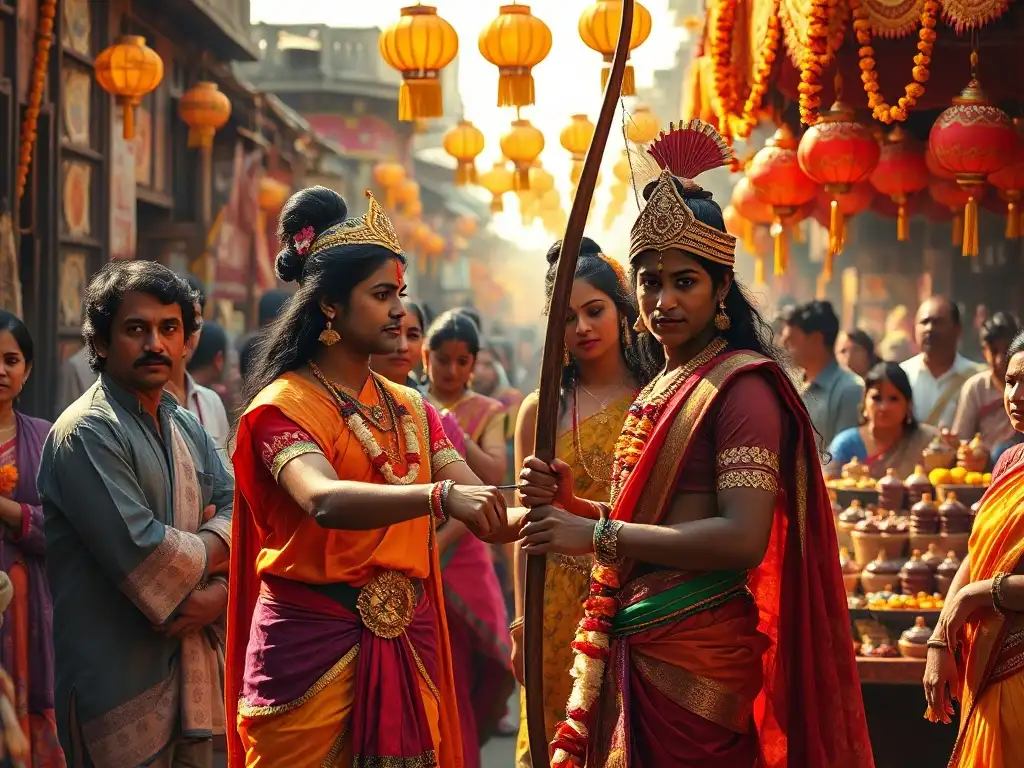
Welcome to Ancient India History, where we embark on a captivating journey through the rich tapestry of ancient Indian civilizations. Today, we delve into The Ramayana's Legacy: How It Shaped Indian Culture and Identity, exploring the profound influence of this epic tale on the cultural and social fabric of India. Discover how the narratives, values, and characters of this timeless epic continue to resonate and inspire across generations. Are you ready to unveil the secrets behind its enduring impact? Let the exploration begin!
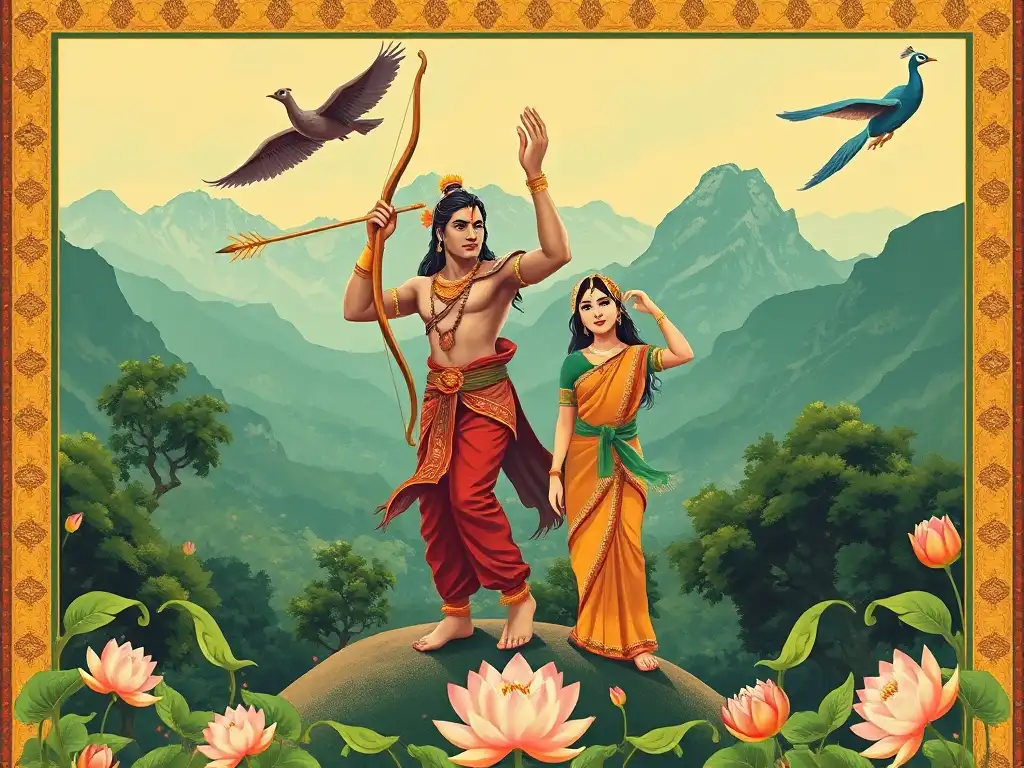
Introduction to The Ramayana
The Ramayana, an ancient Indian epic attributed to the sage Valmiki, is not merely a tale of heroism and dharma; it is a profound cultural artifact that has significantly shaped the identity of Indian civilization for centuries. This monumental narrative chronicles the life of Lord Rama, his virtuous wife Sita, and his loyal companion Hanuman, intertwining themes of duty, righteousness, and devotion.
The Ramayana's influence extends far beyond its literary merit, becoming a cornerstone of Indian culture, philosophy, and spiritual life. As we embark on a journey to explore The Ramayana's influence on Indian culture, we will delve into its significance, cultural relevance, and the manifold ways it has left an indelible mark on various aspects of Indian life.
Overview of The Ramayana's Significance
The Ramayana is considered one of the two major Sanskrit epics of ancient Indian literature, alongside the Mahabharata. Its narrative not only lays the groundwork for understanding moral values and ethical dilemmas but also serves as a guiding light for millions of people across generations. The epic is revered for its rich storytelling, intricate character development, and the profound philosophical insights it offers.
- Moral Lessons: The Ramayana imparts essential lessons on dharma (duty/righteousness) and the complexities of life, which resonate deeply within the Indian ethos.
- Religious Significance: It is a sacred text for Hindus, celebrated during festivals and rituals, reinforcing its role in spiritual and community life.
- Cultural Identity: The characters and events of the Ramayana have become archetypal symbols within Indian culture, influencing art, dance, and theater.
The Ramayana as a Cultural Text
The Ramayana transcends its narrative to become a cultural text that encapsulates the values, beliefs, and traditions of ancient India. It serves as a mirror reflecting the society of its time, showcasing the ideals of heroism, loyalty, and virtue.
- Transmission of Values: Through its characters and their choices, the epic communicates the importance of familial bonds, societal roles, and moral integrity.
- Festivals and Celebrations: The epic's themes are celebrated during major festivals like Diwali and Ram Navami, where re-enactments and storytelling keep the narrative alive in the collective memory.
The Ramayana's Influence on Indian Culture
The Ramayana's impact on Indian culture is profound and multifaceted, resonating across various domains of life, from religious practices to artistic expressions. This section delves into how the epic has influenced key aspects of Indian culture.
Key Themes in The Ramayana
The Ramayana is rich in themes that provide insight into human nature and societal values. Some of the key themes include:
- Dharma: The concept of duty and righteousness is central to the narrative, influencing personal and social ethics.
- Devotion: The unwavering devotion of characters like Hanuman exemplifies the ideal of bhakti (devotion), shaping religious practices and beliefs.
- Good vs. Evil: The epic presents the eternal struggle between good and evil, providing a framework for moral contemplation and societal norms.
The Ramayana's Impact on Indian Art and Architecture
The Ramayana has inspired various forms of artistic expression, from classical dance to visual arts. Its influence can be seen in:
- Dance Forms: Traditional Indian dance forms like Kathakali and Bharatanatyam often depict scenes from the Ramayana, showcasing its narratives through movement and music.
- Sculpture and Painting: Temples and monuments across India feature intricate sculptures and paintings illustrating key episodes from the epic, serving as a visual narrative of its themes and characters.
The Ramayana's Role in Indian Literature
The Ramayana has profoundly influenced Indian literature, serving as a source of inspiration for countless poets, playwrights, and authors throughout history.
- Adaptations and Retellings: Numerous adaptations in various languages have emerged, each interpreting the epic to reflect contemporary social issues and values.
- Literary Techniques: The narrative style, character development, and poetic structure of the Ramayana have set benchmarks for literary creativity in Indian literature.
The Ramayana remains a powerful force in shaping Indian culture and identity. Its themes, characters, and messages continue to resonate, making it a timeless epic that enriches the cultural tapestry of India.
The Ramayana and Indian Identity
The Ramayana holds a profound place in shaping Indian identity, serving as a cultural touchstone that transcends regional, linguistic, and religious boundaries. As one of the two great epics of Hindu literature, alongside the Mahabharata, it offers a narrative framework that resonates deeply with the values, ethics, and spiritual aspirations of Indian society. The epic's central characters—Rama, Sita, Hanuman, and Ravana—embody various ideals and moral dilemmas that people relate to on multiple levels, contributing to a shared sense of identity across diverse communities.
In many ways, the Ramayana encapsulates the Indian ethos, where the notions of dharma (righteousness), devotion, sacrifice, and the struggle against evil are pivotal themes. From its retellings in regional languages to adaptations in art, theater, and dance, the epic has become interwoven with the cultural fabric of India. Festivals like Diwali, which celebrates Rama's return to Ayodhya, further solidify its role in shaping collective memory and identity, acting as a reminder of the virtues embodied by its hero.
The Ramayana in Festivals and Rituals
The Ramayana significantly influences various festivals and rituals celebrated across India, integrating its themes and characters into the fabric of cultural practices. One of the most prominent festivals is Diwali, known as the Festival of Lights, which commemorates Rama's victory over Ravana and his return to Ayodhya. The celebration involves lighting lamps, performing pujas (rituals), and sharing sweets, symbolizing the triumph of good over evil and reinforcing communal bonds.
In addition to Diwali, other regional festivals draw inspiration from the Ramayana. For instance, the Ramlila, a dramatic reenactment of the epic, is performed in many North Indian states, particularly during the Navaratri festival. This performance art serves as both entertainment and a spiritual experience, allowing audiences to engage with the moral lessons of the Ramayana actively.
Rituals such as the recitation of the Ramayana during auspicious occasions or the installation of Rama's idol in homes during festivals further illustrate the epic's pervasive influence. These practices not only celebrate the narrative but also reinforce familial, social, and community ties, making the Ramayana integral to the Indian cultural landscape.
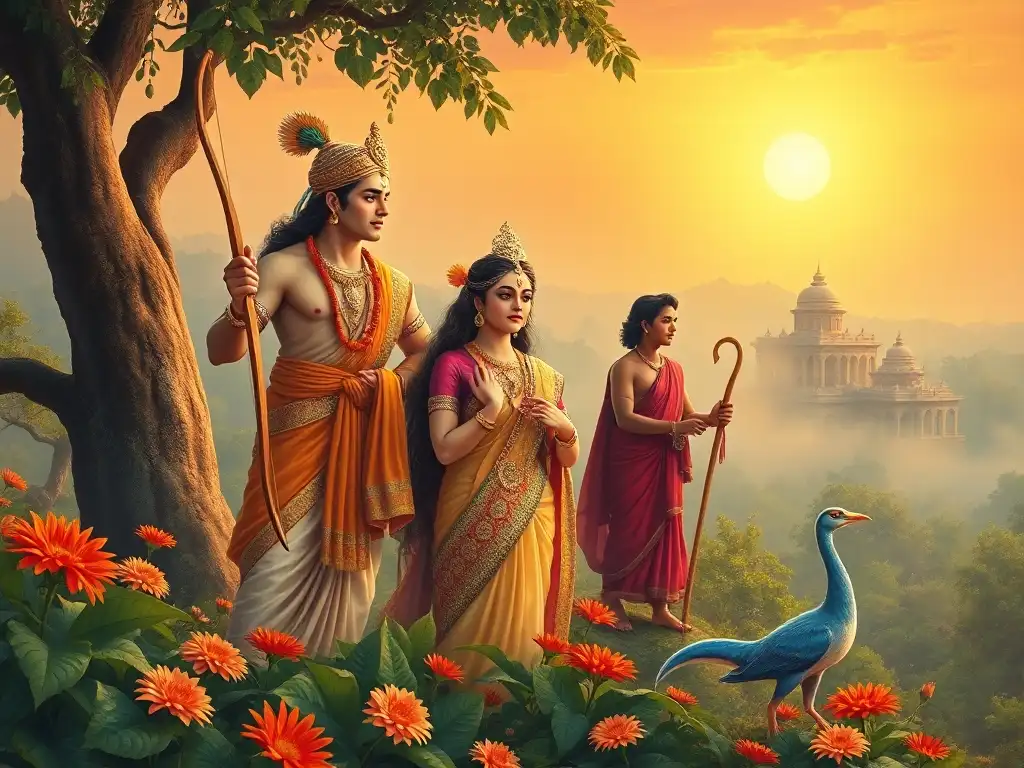
The Ramayana has profoundly shaped social values in Indian society, instilling a framework for moral behavior and ethical conduct. Central to the narrative is the concept of dharma, which underscores the importance of duty and righteousness in personal and social spheres. Characters such as Rama exemplify ideal virtues, including bravery, loyalty, and compassion, setting standards for individuals to aspire to.
Moreover, the Ramayana has influenced gender roles and expectations within Indian culture. The character of Sita is often viewed as a symbol of virtue and fidelity, embodying the ideals of womanhood in traditional narratives. This portrayal has sparked discussions about women's roles in society, leading to varying interpretations and debates on gender norms throughout history.
The epic also addresses the consequences of moral dilemmas and the complexities of human relationships, encouraging readers to reflect on their actions and decisions. By exploring themes of love, sacrifice, and justice, the Ramayana serves as a moral compass, guiding individuals and communities in their pursuit of ethical living.
The Ramayana in Modern India
In contemporary India, the Ramayana continues to resonate, adapting to modern sensibilities while retaining its core values. The epic’s narratives are often revisited in various forms of media, including television series, films, and literature, making it accessible to new generations. These adaptations reflect the evolving cultural landscape while preserving the essence of the original text.
Television serials, such as the 1987 adaptation directed by Ramanand Sagar, played a significant role in popularizing the Ramayana, bringing its stories into millions of homes. More recently, modern retellings in literature and graphic novels have reinterpreted the epic, focusing on character complexities and contemporary themes, thereby attracting a diverse audience.
The Ramayana also finds expression in social movements and political discourse, often invoked to emphasize cultural pride and national identity. Various groups utilize its themes to advocate for social justice, unity, and moral integrity, demonstrating the epic's ongoing relevance in addressing contemporary issues.
Contemporary Interpretations of The Ramayana
Current interpretations of the Ramayana are as diverse as the society in which they exist. Scholars, artists, and writers are reexamining the epic through various lenses—feminist, Marxist, and postcolonial—challenging traditional narratives and offering fresh perspectives. For example, feminist readings of Sita’s character critique her portrayal as a passive figure, instead highlighting her strength and agency within the narrative.
Modern adaptations often seek to deconstruct the black-and-white morality presented in the original Ramayana, exploring the gray areas of human behavior and ethics. This approach allows for a more nuanced understanding of the characters and their motivations, encouraging audiences to engage critically with the text.
Moreover, the Ramayana has inspired numerous retellings across different cultures, such as the Ramayana adaptations in Southeast Asia, where local traditions and interpretations blend with the epic's core narrative. These contemporary interpretations not only celebrate the Ramayana’s legacy but also contribute to a broader dialogue about cultural identity and heritage in a globalized world.
Conclusion
The Ramayana, as one of the two great epics of ancient India, has woven itself into the very fabric of Indian culture and identity. Its themes of duty, honor, love, and righteousness resonate across generations, influencing not only literature but also art, religion, and social practices. The epic's characters and their journeys offer moral lessons that continue to guide individuals in their personal and communal lives. The Ramayana's impact is not merely historical; it is a living tradition that evolves yet remains rooted in its core values.
As we reflect on the overarching themes and narratives of The Ramayana, it is clear that its legacy transcends time and geography. The epic has served as a source of inspiration for countless adaptations across various media, reinforcing its relevance in contemporary society. By fostering a sense of identity and belonging, The Ramayana has played a pivotal role in shaping the cultural consciousness of India and its people.
The Enduring Legacy of The Ramayana on Indian Culture
The Ramayana's influence on Indian culture is multifaceted and profound. From the arts to religious practices, the epic has left an indelible mark:
- Literature: The Ramayana has inspired numerous retellings, translations, and adaptations in various languages. Works like Tulsidas's "Ramcharitmanas" have made the epic accessible to a wider audience, enriching the literary landscape.
- Performing Arts: Dance forms such as Kathakali and Bharatanatyam often depict scenes from The Ramayana, bringing its stories to life through movement and expression. The epic is also a popular subject in traditional theater, especially in Ram Leela performances.
- Festivals and Rituals: Events such as Diwali celebrate Lord Rama's victory over evil, illustrating how The Ramayana is intertwined with Hindu religious practices. Various festivals across India pay homage to its characters and themes, fostering a collective cultural identity.
- Moral and Ethical Framework: The characters in The Ramayana exemplify various virtues. For instance, Rama embodies dharma (duty), while Sita represents purity and resilience. These figures serve as role models, influencing moral education and ethical behavior in society.
The epic's ability to adapt to changing societal norms while retaining its core messages is a testament to its enduring legacy.
Future Perspectives on The Ramayana's Influence on Indian Identity
As we move forward, The Ramayana will likely continue to shape and redefine Indian identity in various ways:
- Global Influence: With the increasing interest in Indian culture globally, The Ramayana's narratives and themes are being explored beyond Indian borders. This may lead to new interpretations that resonate with a diverse audience, fostering cross-cultural dialogues.
- Interdisciplinary Studies: Scholars are increasingly examining The Ramayana through different lenses, including psychology, sociology, and political science. Such interdisciplinary approaches can yield new insights into its relevance in contemporary issues, such as gender roles and ethical dilemmas.
- Digital Media: The rise of digital platforms offers new avenues for retelling The Ramayana. Animated series, films, and online content can attract younger audiences, ensuring that the epic remains a vital part of cultural discourse.
- Cultural Revitalization: In an age of globalization, there is a growing movement to reconnect with traditional values and narratives. The Ramayana, with its rich storytelling and moral lessons, may serve as a cornerstone for cultural revitalization efforts in India.
The Ramayana's influence on Indian culture is profound and far-reaching. As it continues to evolve, it will remain a crucial element of Indian identity, shaping the moral, cultural, and spiritual landscape for generations to come.
- Introduction to The Ramayana
- The Ramayana's Influence on Indian Culture
- The Ramayana and Indian Identity
- The Ramayana in Festivals and Rituals
- The Ramayana's Influence on Social Values
- The Ramayana in Modern India
- Conclusion
- What is the significance of The Ramayana in Indian culture?
- How has The Ramayana impacted Indian literature?
- In what ways does The Ramayana influence modern Indian society?
- Can you explain the role of The Ramayana in Indian festivals?
- How does The Ramayana contribute to the understanding of Indian identity?
Frequently Asked Questions
What is the significance of The Ramayana in Indian culture?
The Ramayana is a sacred text that has profoundly influenced literature, art, and moral values in Indian society, shaping cultural identity for centuries.
How has The Ramayana impacted Indian literature?
The Ramayana has inspired countless epics, poetry, and theatrical performances, serving as a foundational text for storytelling traditions across India.
In what ways does The Ramayana influence modern Indian society?
The Ramayana continues to influence ethical values, family dynamics, and social norms in contemporary India, promoting ideals of duty and righteousness.
Can you explain the role of The Ramayana in Indian festivals?
Many Indian festivals, such as Diwali, celebrate events from The Ramayana, emphasizing its cultural relevance and the values of victory of good over evil.
How does The Ramayana contribute to the understanding of Indian identity?
The Ramayana serves as a cultural touchstone, fostering a sense of shared heritage and reinforcing the collective identity of diverse Indian communities.
Final Reflection: The Enduring Influence of The Ramayana on Indian Culture
The Ramayana's legacy continues to resonate profoundly in contemporary society, illustrating how ancient narratives can shape modern identities. The themes of duty, righteousness, and the triumph of good over evil embedded in The Ramayana are not just relics of the past; they are guiding principles that influence the moral compass of millions today. As we navigate a world filled with complexities and challenges, the timeless wisdom of this epic remains a beacon of hope and guidance.
The Ramayana has woven itself into the very fabric of Indian culture, influencing everything from art and literature to social values and festivals. Its characters and stories serve as archetypes that reflect our struggles and aspirations. As noted by the scholar Ramesh Menon, “The Ramayana is not just a story; it is a way of life.” This observation underscores the ongoing relevance of the epic, as it continues to inspire generations to uphold virtues and foster a sense of community and belonging.
As we reflect on the teachings of The Ramayana, let us embrace its lessons in our daily lives. Consider how the values of compassion, loyalty, and integrity can guide your actions and decisions. In a world that often feels fragmented, the stories of The Ramayana remind us of our shared humanity and the power of love and sacrifice. I invite you to explore these themes in your own life, allowing the legacy of The Ramayana to inspire you to contribute positively to your community and uphold the ideals that unite us all.
Embrace the Legacy: Engage with the Ramayana!
Thank you for diving into the profound legacy of the Ramayana and its impact on Indian culture and identity. Your interest ignites the exploration of traditions that have shaped our history and continue to resonate today. Now, let’s take these insights further!
Here’s how you can connect more deeply and make a difference:
- Explore a local Ramayana festival or participate in cultural events to experience the stories firsthand.
- Share this article with friends and family to spark conversations about the Ramayana's relevance in today’s world.
- Join a community group or forum dedicated to Indian mythology to discuss your thoughts and learn from others who share your passion.
What aspect of the Ramayana resonates with you the most, and how do you believe it can influence your identity today?