
Investing in Heritage: How Indian Artifacts Can Diversify Your Portfolio

Welcome to Ancient India History, where we invite you to embark on a journey through the captivating tapestry of ancient civilizations that shaped a rich cultural legacy. In our latest article, “Investing in Heritage: How Indian Artifacts Can Diversify Your Portfolio,” we delve into the intriguing world of investing in Indian art history. Discover how the timeless beauty and historical significance of Indian artifacts not only enrich your understanding of the past but can also transform your investment strategy.
Are you ready to unlock the hidden treasures of ancient India and explore how they can elevate your portfolio? Let’s dive in!
- Investing in Indian Art History: A New Avenue for Diversification
- Why Invest in Indian Artifacts?
- How to Start Investing in Indian Art History
- Pros and Cons of Investing in Indian Artifacts
- Expert Insights: Interviews with Art Investors
- Conclusion: Is Investing in Indian Art History Right for You?
- Frequently Asked Questions
- Final Reflection: Investing in Heritage for a Richer Future
- Embrace the Future: Invest in Heritage Today!
Investing in Indian Art History: A New Avenue for Diversification
Investing in Indian art history offers a unique opportunity to diversify your portfolio while engaging with the rich tapestry of India's cultural heritage. As the interest in non-traditional assets continues to grow, Indian artifacts have emerged as a compelling option for investors seeking both financial return and a connection to the past. This article will explore the intricacies of investing in Indian art history, examining its historical significance, cultural context, and the factors that influence the appreciation of these artifacts.
Furthermore, we will delve into the global market for Indian art, identifying trends, key players, and the impact of globalization on art prices. By understanding these elements, investors can make informed decisions and potentially benefit from the burgeoning field of Indian art investment.
Understanding the Value of Indian Artifacts
The Historical Significance of Indian Art
Indian art has a profound historical significance that spans thousands of years, reflecting the diverse cultures, religions, and philosophies that have shaped the subcontinent. From the intricate carvings of ancient temples to the vibrant paintings of the Mughal era, each artifact tells a story of its time. Understanding the historical context of these artifacts not only enhances their value but also enriches the collector's experience.
- Key periods in Indian art history:
- Indus Valley Civilization: Known for its advanced urban planning and artistic creativity.
- Maurya and Gupta Empires: Renowned for their sculptures and architectural achievements.
- Mughal Era: Famous for its exquisite miniature paintings and intricate textiles.
The Cultural Heritage of India: An Overview
India's cultural heritage is a mosaic of traditions, languages, and practices that have evolved over millennia. This diversity is reflected in the country's art forms, which encompass everything from classical dance and music to visual arts. Artifacts such as pottery, textiles, and sculptures not only serve as aesthetic objects but also as symbols of identity, community, and historical continuity.
- Major cultural influences:
- Religion: Hinduism, Buddhism, Jainism, and Islam have all contributed to the rich artistic landscape.
- Regional Variations: Each region boasts its own unique styles and techniques, influenced by local customs and resources.
How Indian Artifacts Appreciate in Value
The appreciation of Indian artifacts is influenced by various factors, including rarity, historical significance, and market demand. Collectors and investors often seek pieces that are not only aesthetically pleasing but also possess a compelling narrative or provenance.
- Factors that drive value:
- Authenticity: Provenance and historical documentation can significantly enhance worth.
- Condition: Well-preserved artifacts typically command higher prices.
- Market Trends: Shifts in demand can lead to increased value for specific styles or periods.
The Global Market for Indian Art History
Trends in Indian Art Investment
The global market for Indian art has witnessed a remarkable evolution, with increasing interest from both domestic and international collectors. Recent trends indicate a growing appreciation for contemporary Indian art, which complements traditional pieces and broadens investment avenues.
- Current trends include:
- Rising auction prices: Record sales at international auctions signify a robust market.
- Increased participation: More collectors are entering the space, particularly younger investors who are keen on cultural investments.
Key Players in the Indian Art Market
The Indian art market is characterized by a diverse range of stakeholders, including galleries, auction houses, and individual collectors. Understanding the roles of these key players can provide valuable insights into market dynamics and investment opportunities.
- Notable entities in the market:
- Sotheby's and Christie's: Leading auction houses that feature Indian art prominently.
- Local galleries: Often serve as incubators for emerging artists and provide a platform for new collectors.
The Impact of Globalization on Indian Art Prices
Globalization has significantly impacted the pricing and accessibility of Indian art. As international collectors engage with Indian artifacts, the demand and prices for these items have surged.
- Effects of globalization:
- Increased visibility: Indian art is now a global phenomenon, reaching audiences far beyond the subcontinent.
- Diverse buyer base: A burgeoning international market has led to higher valuations and more competitive bidding.
By exploring the multifaceted world of investing in Indian art history, collectors can not only enrich their portfolios but also contribute to preserving and celebrating the cultural heritage of one of the world's oldest civilizations.
Why Invest in Indian Artifacts?
Investing in Indian artifacts presents a unique opportunity for collectors and investors alike. The rich tapestry of India's history, spanning thousands of years, is reflected in its art and artifacts, which embody the cultural, spiritual, and historical narratives of ancient civilizations. As investors seek avenues to diversify their portfolios, Indian art history emerges as an intriguing and potentially lucrative option.
Diversification Benefits of Indian Art Investment
Investing in Indian art artifacts offers several diversification benefits that can enhance an investor's portfolio.
Risk Mitigation Through Alternative Assets
- Historical Resilience: Indian artifacts have shown resilience in value over time, often appreciating even during economic downturns. This can serve as a hedge against market volatility.
- Non-Correlated Returns: The art market operates independently from traditional financial markets. Thus, the performance of Indian artifacts may not correlate with stock or bond investments, providing a buffer against economic fluctuations.
- Tangible Assets: Unlike stocks or bonds, artifacts are tangible assets that can provide intrinsic value and aesthetic enjoyment. This physical presence can be reassuring for investors looking to safeguard their wealth.
Building a Unique Portfolio with Indian Art
- Cultural Significance: Indian artifacts carry deep cultural significance, which can attract a niche market of collectors and enthusiasts. This cultural value can enhance the overall appeal of an investment portfolio.
- Storytelling Aspect: Each artifact has a story that contributes to its value. Investors can leverage this narrative in marketing their collection, thus increasing its desirability and potential resale value.
- Growing Global Interest: With a rise in global interest in Indian culture and heritage, investing in Indian art can tap into a growing market, potentially leading to significant appreciation in value over time.
Types of Indian Artifacts to Consider for Investment
Investors looking to diversify through Indian art should consider several types of artifacts that vary in historical importance and market demand.
Ancient Indian Sculptures: Timeless Value
Ancient Indian sculptures, often made from stone or bronze, represent some of the finest achievements in Indian art history. Key points include:
- Iconography and Symbolism: Many sculptures depict deities or significant historical figures, making them not only artistic treasures but also items of cultural and religious significance.
- Market Demand: Sculptures from the Gupta period (approximately 320 to 550 CE) are particularly sought after, as they exemplify a peak in artistic achievement and craftsmanship.
- Investment Potential: High-quality sculptures can fetch substantial prices at auctions, with some pieces appreciating significantly over time.
Manuscripts and Paintings: Cultural Narratives
Investing in ancient manuscripts and paintings can provide insight into India's rich literary and artistic traditions. Key considerations include:
- Historical Context: Manuscripts often contain valuable historical narratives, religious texts, or literary works that provide context to Indian civilization.
- Artistic Styles: Different regional styles, such as Mughal or Pahari paintings, can appeal to various collectors, diversifying the market for these artifacts.
- Rarity and Condition: The rarity and condition of manuscripts and paintings directly impact their value; well-preserved items can command high prices.
Decorative Arts: Pottery and Textiles
Decorative arts such as pottery and textiles offer another avenue for investment. Important aspects include:
- Cultural Heritage: These artifacts reflect the daily life and cultural practices of ancient Indian societies, providing uniqueness and story behind each piece.
- Craftsmanship: Handcrafted items often showcase traditional techniques that have been passed down through generations, which can enhance their desirability.
- Market Trends: There is growing interest in sustainable and ethically sourced decorative arts, making these artifacts appealing to modern investors focused on ethical investment.
Investing in Indian artifacts offers a compelling blend of cultural significance, market potential, and diversification benefits that can enrich any investment portfolio. By understanding the diverse types of artifacts available, investors can make informed decisions that align with their investment goals and interests.
How to Start Investing in Indian Art History
Investing in Indian art history can be a rewarding endeavor, both financially and culturally. To make informed decisions, it's essential to understand the landscape of Indian artifacts and the market dynamics surrounding them. This section will guide you through the foundational steps to successfully invest in this unique asset class.
Researching Authentic Indian Artifacts
To effectively invest in Indian art history, thorough research is crucial. The market for Indian artifacts is vast, encompassing various styles, periods, and regions. Here are some steps to guide your research:
- Understand Historical Context: Familiarize yourself with the major periods of Indian art, including:
- Indus Valley Civilization: Known for intricate seals and terracotta figurines.
- Mauryan and Gupta Empires: Famous for sculptures and paintings, particularly in temples.
- Medieval and Mughal Periods: Notable for miniatures and decorative arts.
- Colonial Era: A blend of traditional and European artistic influences.
- Study Different Mediums: Indian art spans a variety of mediums, including:
- Sculptures: Stone, bronze, and terracotta pieces.
- Paintings: Miniatures, frescoes, and contemporary works.
- Textiles: Embroidered and woven pieces that reflect regional craftsmanship.
- Market Trends: Keep an eye on current trends in the art market, such as:
- Demand for specific periods or styles.
- Emerging artists and their impact on the market.
- Auction results and gallery exhibitions.
Recognizing Genuine Artifacts vs. Replicas
Identifying genuine artifacts is paramount in your investment journey. Here are some key points to consider:
- Age and Wear: Authentic artifacts will show signs of age, such as patina, wear patterns, and natural deterioration. In contrast, replicas often look too pristine.
- Craftsmanship: Examine the quality of workmanship. Genuine artifacts typically exhibit intricate detailing and traditional techniques that are hard to replicate.
- Provenance: Verify the history of ownership and documentation. Authentic pieces often come with a clear provenance that can enhance their value.
"Investing in authentic Indian art history requires diligence and a keen eye for detail."
Resources for Authenticity Verification
To ensure your investment is sound, consider using the following resources:
- Art Appraisers: Seek certified appraisers who specialize in Indian artifacts. They can provide insights into authenticity and value.
- Academic Institutions: Many universities have departments focused on art history and archaeology. They can be valuable resources for research and validation.
- Authenticity Certificates: Look for artifacts with certificates from recognized authorities that confirm their provenance and authenticity.
Top Platforms and Galleries for Investment
Finding the right platforms and galleries is essential for acquiring authentic Indian artifacts. Here are the leading avenues to explore:
Recommended Online Auctions for Indian Art
Online auction houses are becoming increasingly popular for purchasing Indian art. Some renowned platforms include:
- Sotheby’s: Known for high-profile auctions, including Indian art sections.
- Christie’s: Offers a variety of Indian artifacts and has dedicated sales for Indian art.
- Bid & Hammer: A platform focusing on regional art and artifacts with a user-friendly interface.
Notable Indian Art Galleries to Explore
In addition to online platforms, several galleries in India and abroad are worth visiting:
- National Gallery of Modern Art (NGMA): Located in New Delhi, it features a wide range of modern Indian art.
- Kiran Nadar Museum of Art: Showcases contemporary and historical Indian art, providing context for investment.
- Chhatrapati Shivaji Maharaj Vastu Sangrahalaya: This museum in Mumbai has a rich collection of Indian artifacts, ideal for understanding the market.
By engaging with these resources and platforms, you can develop a robust strategy for investing in Indian art history, enriching both your portfolio and your appreciation of this vibrant cultural heritage.
Pros and Cons of Investing in Indian Artifacts
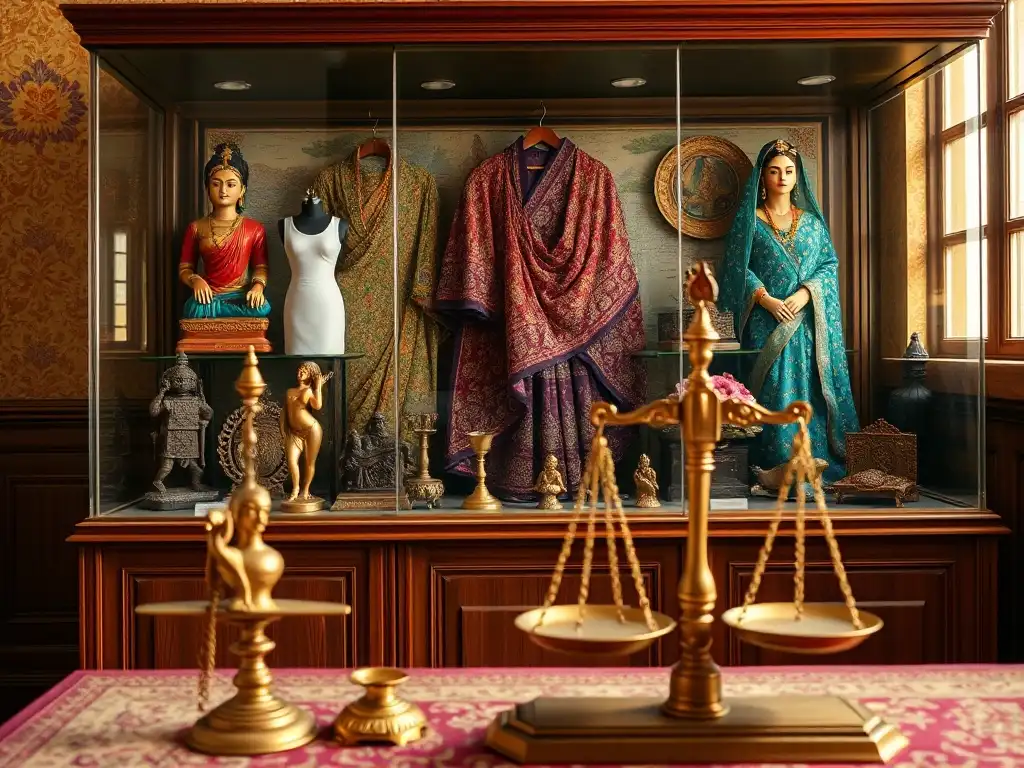
Investing in Indian art history offers a unique opportunity to diversify your portfolio while simultaneously appreciating the rich cultural heritage of ancient India. However, like any investment, it comes with its own set of pros and cons. Understanding these can help investors make informed decisions in the realm of Indian artifacts.
Advantages of Investing in Indian Art History
Potential for High Returns on Investment
Investing in Indian artifacts has shown significant potential for high returns over time. The value of antique and culturally significant items often appreciates as they become rarer due to limited supply. For instance, pieces from the Indus Valley Civilization or artifacts from the Mauryan and Gupta periods can fetch impressive prices at auctions.
- Historical Value: The rarity and historical significance often drive prices up, especially for verified artifacts with provenance.
- Emerging Market: As global interest in Indian culture grows, the demand for Indian art is likely to increase, further enhancing the potential for return on investment.
Cultural and Historical Appreciation
Investing in Indian art history goes beyond financial gains; it allows investors to engage with an extraordinary heritage. Each artifact tells a story, offering insights into ancient civilizations.
- Cultural Significance: Owning a piece of history fosters a deeper appreciation for Indian culture and its contributions to global civilization.
- Educational Value: Artifacts can serve as educational tools for personal enrichment and for sharing knowledge about Indian heritage with others.
Challenges and Risks of Indian Art Investment
Market Volatility and Demand Fluctuations
While the market for Indian artifacts can be lucrative, it is also subject to volatility. Demand for specific types of artifacts can fluctuate based on trends, cultural interest, and economic conditions.
- Market Trends: The popularity of certain periods or styles can rise and fall, impacting the value of artifacts.
- Economic Factors: Global economic downturns often lead to reduced spending on luxury items, including art, which can affect prices negatively.
Storage, Insurance, and Maintenance Considerations
Investing in Indian artifacts also entails practical challenges regarding their care. Proper storage, maintenance, and insurance are crucial to preserving the integrity and value of these items.
- Storage Requirements: Artifacts often require specific environmental conditions to prevent deterioration, which can necessitate investment in specialized storage solutions.
- Insurance Costs: Given their value, insuring artifacts can be expensive, and failure to maintain adequate insurance can lead to significant financial loss in case of damage or theft.
While investing in Indian art history can yield both financial and cultural rewards, potential investors should weigh these advantages against the inherent risks and challenges associated with this unique market.
Expert Insights: Interviews with Art Investors
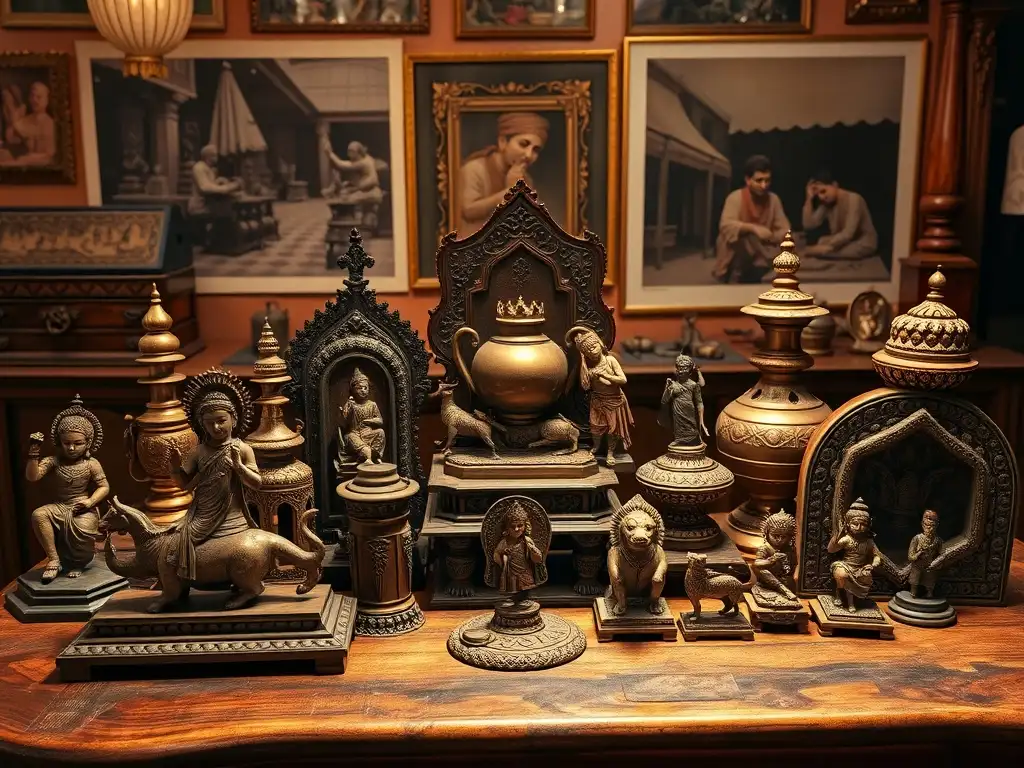
In the realm of art investment, particularly when it comes to Indian art history, understanding the perspectives of seasoned investors can provide invaluable insights. Through interviews with various art investors, we can uncover the nuances of investing in Indian artifacts and the market trends that influence their value.
Perspectives on Investing in Indian Art
Investing in Indian art has gained traction, particularly due to the rich cultural heritage and historical significance of artifacts from ancient civilizations. According to art investor Anjali Mehta, the appeal of Indian art lies not only in its aesthetic value but also in its historical context. She states, "Every piece tells a story, and that narrative significantly enhances its value."
Moreover, art investor Vikram Rao emphasizes the importance of provenance— the history of ownership— when considering investments in Indian artifacts. He notes that "The authenticity and documented history of a piece can drastically affect its market price." This is particularly relevant in the context of ancient artifacts, where the lineage can provide assurance of its cultural significance and financial worth.
Investors also highlight the growing global interest in Indian art. With exhibitions showcasing Indian culture gaining popularity worldwide, art from India is increasingly being recognized in international markets. As investor Priya Sharma mentions, "The global market is becoming more aware of the richness of Indian art, which presents a unique opportunity for investors."
Strategies for Maximizing Returns on Indian Art Investments
To ensure fruitful returns on investments in Indian art, a strategic approach is essential. Here are some key strategies that investors recommend:
- Research and Education:
- Understanding the historical context and significance of the artifacts is crucial. Investors should educate themselves about different periods of Indian art, such as the Indus Valley Civilization, Mauryan period, and Gupta Empire.
- Networking with Experts:
- Building relationships with art historians, curators, and other investors can provide insights and access to exclusive pieces. Participating in art fairs and auctions can also facilitate valuable connections.
- Diversification:
- Just as with any investment portfolio, diversifying within the realm of Indian art can mitigate risks. Investors may consider a mix of paintings, sculptures, textiles, and other artifacts to spread their investments across various formats.
- Long-Term Perspective:
- Investing in art often requires a long-term view. The value of artifacts may fluctuate in the short term, but historically, well-chosen pieces appreciate significantly over time.
- Preservation and Care:
- Proper storage and maintenance of artifacts are vital. Investors should ensure that their pieces are conserved in conditions that prevent degradation, thereby maintaining their value.
- Documentation:
- Keeping thorough records of purchase, provenance, and appraisals can enhance the value of the artifacts over time. Documentation not only serves as proof of authenticity but also aids in future resale.
By implementing these strategies, investors can not only safeguard their investments in Indian art but also position themselves to capitalize on the growing appreciation for these artifacts in the global market.
Conclusion: Is Investing in Indian Art History Right for You?
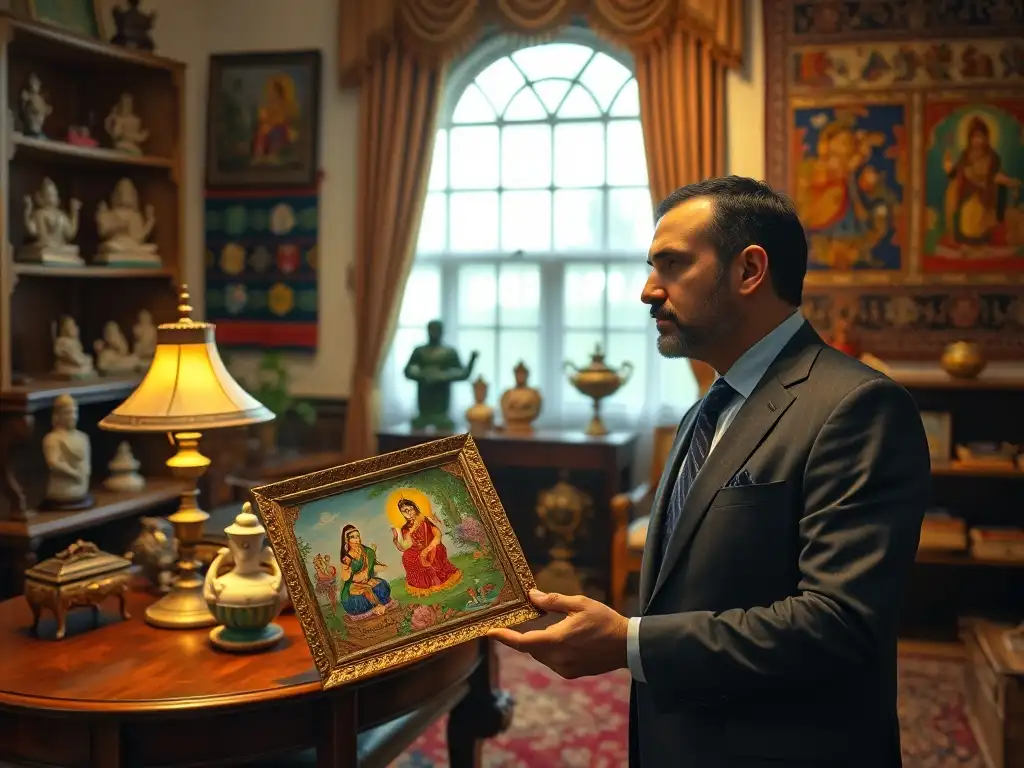
Investing in Indian art history presents a unique opportunity for collectors and investors alike. The rich tapestry of India's past, from the ancient Indus Valley civilization to the vibrant expressions seen during the Gupta Empire, offers a diverse range of artifacts that can enhance not only personal collections but also financial portfolios. As the global market for Indian artifacts continues to grow, understanding the nuances and significance of these investments becomes paramount.
Final Thoughts on Diversifying with Indian Artifacts
Diversifying a portfolio with Indian artifacts is not merely about financial gain; it is also an opportunity to engage with a culture steeped in history and tradition. Investing in Indian art history allows investors to own a piece of the past while potentially benefiting from increasing demand in the art market. Key factors to consider include:
- Cultural Significance: Artifacts often embody rich narratives, traditions, and philosophies originating from ancient Indian civilizations.
- Market Trends: The demand for Indian art has seen a resurgence, especially in international markets, making it a potentially lucrative investment.
- Tangible Assets: Unlike stocks or bonds, artifacts provide a physical representation of wealth that can be appreciated and displayed.
Investors should conduct thorough research, consult experts in Indian art history, and attend auctions or exhibitions to better understand the market dynamics.
Steps to Take for Successful Investment in Indian Art
- Educate Yourself:
- Study various periods of Indian art history, focusing on styles, materials, and notable artists.
- Understand the legal aspects of collecting, including provenance and ownership rights.
- Consult Experts:
- Engage with art historians, appraisers, and auction houses that specialize in Indian artifacts.
- Seek advice on authenticity and value assessment.
- Network with Collectors:
- Join forums, attend exhibitions, and participate in workshops to connect with other investors and collectors.
- Sharing experiences and insights can provide valuable information about the market.
- Start Small:
- Begin with smaller, more affordable pieces to gain experience in the market.
- Gradually expand your collection as your knowledge and confidence grow.
- Monitor Market Trends:
- Keep abreast of auction results and sales trends to identify which types of artifacts are gaining popularity.
- Be prepared to adapt your strategy based on changing market dynamics.
- Consider Long-Term Storage and Care:
- Ensure proper storage conditions to maintain the value of your artifacts.
- Regularly assess the condition and authenticity of your collection.
By following these steps, investors can navigate the complexities of the market for Indian artifacts, making informed decisions that not only satisfy their aesthetic appreciation but also serve as a strategic financial investment.
Frequently Asked Questions
What are the benefits of investing in Indian art history?
Investing in Indian art history can provide diversification to your portfolio while also offering potential appreciation in value. These artifacts represent rich cultural heritage and can connect investors to historical narratives.
How can one start investing in Indian artifacts?
To begin investing in Indian artifacts, research reputable galleries, auctions, and online platforms that specialize in Indian art and antiques. Building a network with experts and attending art fairs can also provide valuable insights.
What types of Indian artifacts are popular among investors?
Popular Indian artifacts include sculptures, paintings, textiles, and coins from historical periods like the Indus Valley and the Gupta Empire. Each type carries its own cultural significance and investment potential.
Are there any risks associated with investing in Indian art?
Yes, investing in Indian art carries risks such as market volatility, potential forgeries, and fluctuating demand. Conducting thorough due diligence and consulting with experts can help mitigate these risks.
How does investing in Indian art contribute to cultural preservation?
Investing in Indian art history supports the preservation of cultural heritage and encourages the protection of artifacts. This investment helps maintain historical narratives and fosters appreciation for ancient civilizations.
Final Reflection: Investing in Heritage for a Richer Future
Investing in Indian art history is not just about financial gain; it is a profound connection to culture and legacy. As we navigate a world increasingly driven by technology and rapid change, the value of heritage becomes more pronounced. The unique narratives embedded in Indian artifacts offer not only aesthetic pleasure but also a tangible link to our past, making them a compelling addition to any diversified portfolio. In a time when traditional investments can feel volatile, the stability and appreciation potential of heritage assets stand out as a beacon of opportunity.
Cultural heritage shapes our identity and influences our collective consciousness. The ongoing interest in Indian artifacts reflects a growing recognition of their significance, both as art and as historical markers. This trend is not merely a passing phase; it is a movement that encourages us to appreciate the stories behind the objects we invest in. As the renowned art historian, Alfred Barr, once said, The art of the past is a mirror reflecting the values and aspirations of its time.
This perspective invites us to consider how our investments can resonate with our values and contribute to the preservation of cultural narratives for future generations.
As you reflect on the insights shared in this article, I encourage you to consider how you can integrate the lessons of investing in Indian art history into your own life. Think about the stories you want to support and the legacies you wish to preserve.
By choosing to invest in heritage, you are not only diversifying your portfolio but also becoming a steward of culture. Let this be an invitation to explore the rich tapestry of Indian art, to engage with its history, and to make choices that honor both your financial goals and the cultural treasures that enrich our world.
Embrace the Future: Invest in Heritage Today!
Thank you for exploring the captivating world of Indian artifacts and their remarkable potential to enhance your investment portfolio! You’ve discovered how these distinctive treasures can appreciate in value while also connecting you to a rich cultural heritage. Now, it’s time to take action and immerse yourself in the fascinating realm of heritage investing.
Here are a few practical steps you can take right now:
- Start Your Collection: Research local or online auction houses to identify your first artifact investment. Choose a piece that resonates with your personal interests and values.
- Join a Community: Connect with fellow enthusiasts and collectors through online forums or social media groups. Share insights, ask questions, and broaden your understanding of heritage artifacts.
- Spread the Word: Share this article with friends and family to encourage them to learn about the benefits of investing in heritage artifacts, fostering a community of dedicated art investors.
What artifact do you dream of adding to your collection, and what makes it meaningful to you?