
The Role of Mythology in Shaping Ancient Indian Military Identity

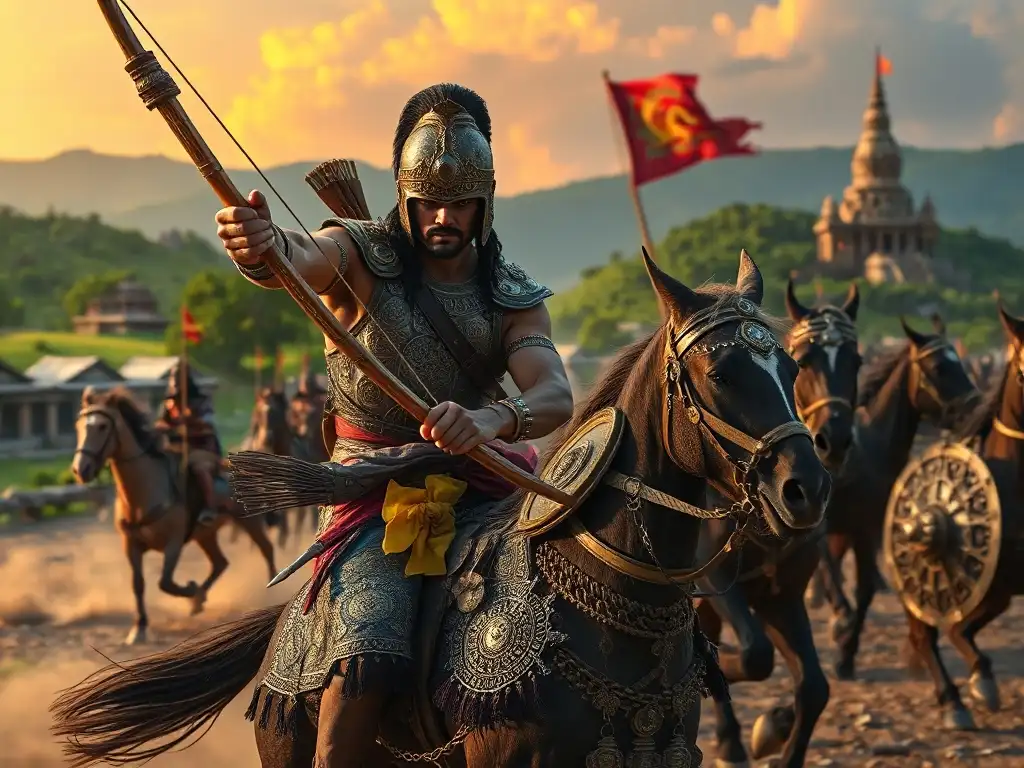
Welcome to Ancient India History, where we embark on a fascinating journey through the rich tapestry of ancient Indian civilizations. As we delve into the intricate mythology and ancient Indian military, you'll discover how epic tales and legendary heroes sculpted the very identity of warriors across time. What secrets do these ancient narratives hold about valor and strategy? Join us as we unravel the profound connections between myth and military prowess, igniting your curiosity to explore further the captivating chapters of India's illustrious past.
Introduction to Mythology and Ancient Indian Military
The intricate tapestry of mythology and ancient Indian military is woven with threads of valor, duty, and divine intervention. In ancient India, mythology served not merely as a collection of stories but as a foundational element that shaped the military ethos and identity of its civilizations.
This relationship between myth and military is evidenced through the portrayal of heroes, deities, and epic battles, which not only defined the cultural narrative but also influenced the strategies, motivations, and moral frameworks of warriors. Understanding this interplay allows us to appreciate how ancient Indian civilizations viewed warfare, courage, and the role of the divine in their military endeavors.
Definition of Mythology in Ancient India
Mythology in ancient India encompasses a vast array of texts, including the Vedas, Upanishads, Puranas, and epic tales like the Mahabharata and Ramayana. These narratives are rich with allegories and teachings that reflect the values, aspirations, and beliefs of the society. In this context, mythology can be seen as:
- A cultural framework that encapsulates the beliefs and practices surrounding warfare.
- A source of moral guidance, illustrating the virtues of bravery, loyalty, and righteousness that were essential for warriors.
- An embodiment of historical events, often exaggerated or mythologized, to create a narrative that serves the societal need for identity and cohesion.
Overview of Ancient Indian Military Identity
The military identity of ancient India was multifaceted, shaped by a blend of historical realities and mythological constructs. The ancient Indian military was characterized by:
- Diverse formations: Ranging from infantry to cavalry, and the use of elephants in warfare.
- Strategic philosophies: Influenced by texts like the Arthashastra, which emphasized the importance of statecraft, espionage, and military tactics.
- Cultural honor: Military service was often regarded as a form of dharma (duty), where warriors were expected to uphold righteousness and protect their realm.
Through these elements, the military identity of ancient India was not just a reflection of its capabilities but also of its ideals and aspirations, deeply intertwined with its mythological legacy.
The Influence of Mythological Narratives on Military Concepts
The narratives of ancient Indian mythology were instrumental in shaping the military concepts and values held by warriors. These stories provided a framework through which military conduct was interpreted and understood, often serving as a source of inspiration during times of conflict.
Key Myths that Shaped Military Ideals
Several key myths played a crucial role in shaping the military ideals of ancient Indian society, including:
- The Mahabharata: The epic battle of Kurukshetra is not merely a story of war; it encapsulates themes of justice, righteousness, and moral dilemmas faced by warriors. The character of Arjuna, who grapples with duty and ethics, serves as a profound example of the warrior's inner conflict.
- The Ramayana: The story of Rama's battle against Ravana illustrates the ideals of dharma and valor. Rama's unwavering commitment to righteousness and his strategic acumen in warfare set a precedent for military conduct.
- Deity Epics: Many deities, such as Durga and Kartikeya, are celebrated for their martial prowess. Their narratives reinforce the notion of divine support in warfare, inspiring warriors to view their battles as part of a larger cosmic struggle.
Symbolism of Deities in Warfare and Valor
The symbolism of deities in ancient Indian warfare served to elevate the military spirit and instill courage among soldiers. Key elements include:
- Divine Favor: Warriors often sought blessings from deities like Durga and Hanuman before heading into battle, believing that divine intervention would ensure victory.
- Iconography: The representation of deities adorned with weapons and engaged in battle reinforced the warrior's identity and the sacredness of their duty.
- Rituals and Offerings: Military campaigns were often preceded by rituals aimed at appeasing the gods, symbolizing the intertwining of faith and warfare.
The role of mythology in shaping ancient Indian military identity is profound and multifaceted, reflecting a society where the sacred and the martial were inseparable. The narratives, symbols, and ideals derived from mythology not only defined the conduct of warfare but also contributed to the overarching cultural identity of ancient Indian civilizations.
Iconic Heroes in Indian Mythology and Their Military Impact
Indian mythology is rich with legendary figures whose heroic deeds and military exploits have left an indelible mark on the collective consciousness of ancient Indian society. These iconic heroes not only embodied the ideals of bravery and valor but also served as role models for military leaders throughout history. Their stories, woven into the fabric of epics like the Mahabharata and Ramayana, provide insights into the martial ethos of ancient India, influencing military identity and practices.
The Role of Arjuna in the Mahabharata
Arjuna, one of the central figures in the Mahabharata, represents the archetypal warrior. His prowess in archery, strategic thinking, and moral dilemmas faced during the Kurukshetra War highlight the complexities of warfare. As a member of the Pandavas, Arjuna's journey is marked by his training under Drona, his encounters with divine beings, and his reliance on Krishna's guidance.
The Bhagavad Gita, a dialogue between Arjuna and Krishna, delves into the philosophical aspects of duty (dharma) and righteousness in battle. Arjuna's initial reluctance to fight his own kin reflects the ethical dilemmas warriors faced, emphasizing that military action must align with moral imperatives. His ultimate resolve to engage in battle symbolizes the valor and commitment expected from a warrior, contributing to a military identity that prioritizes duty and righteousness over personal conflict.
Ramayana's Influence through Lord Rama's Leadership
Lord Rama, the protagonist of the Ramayana, exemplifies the ideal qualities of a leader and warrior. His campaign to rescue Sita from Ravana illustrates strategic planning, alliance building, and the importance of dharma in warfare. Rama’s leadership style, characterized by integrity, compassion, and bravery, serves as a model for both military and ethical conduct.
The Ramayana not only showcases Rama's martial skills but also emphasizes the significance of loyalty and teamwork in military endeavors. The legendary battle between Rama and Ravana not only highlights individual heroism but also the collective effort of an army, including figures like Hanuman and Lakshmana. This narrative reinforces the idea that successful military campaigns are rooted in strong leadership and shared values among soldiers, shaping the military identity of subsequent generations.
Other Notable Mythological Figures and Their Military Contributions
Beyond Arjuna and Rama, ancient Indian mythology is populated with numerous figures who exemplified military prowess. Characters such as Bhishma, Karna, and Hanuman played pivotal roles in various battles, each contributing unique qualities to the military landscape.
- Bhishma: Known for his unmatched skills in warfare and his vow of celibacy, Bhishma's strategic acumen and loyalty to the Kuru dynasty made him a formidable warrior whose legacy influenced military tactics in later periods.
- Karna: A tragic hero and a master archer, Karna's story emphasizes themes of loyalty, honor, and the consequences of choices in warfare. His valor on the battlefield continues to inspire military leaders.
- Hanuman: As a divine figure, Hanuman's role in the Ramayana extends beyond mere combat; his devotion and intelligence in strategizing the rescue of Sita demonstrate the importance of intelligence and divine intervention in military success.
These characters collectively contribute to a rich tapestry of military identity in ancient India, illustrating the blend of valor, ethics, and strategy.
The Intersection of Mythology and Military Strategy
The interplay between mythology and military strategy in ancient India reveals how narratives shaped tactical approaches and influenced the conduct of warfare. Mythological texts often served as both inspiration and guidance for military leaders, providing frameworks for understanding conflict and strategy.
Lessons from Mythological Battles
Mythological battles, such as those depicted in the Mahabharata and Ramayana, offer profound lessons on strategy, conflict resolution, and ethical considerations in warfare. The intricate narratives highlight various strategies, including:
- Deception and Intelligence: Characters like Krishna employed deceit to achieve victory, showcasing the importance of cunning and intelligence in military strategy.
- Moral Dilemmas: The challenges faced by Arjuna and Rama emphasize the ethical implications of warfare, teaching that the right approach is as crucial as military might.
- Alliance and Cooperation: The formation of alliances, as seen in the Ramayana, underscores the necessity of unity and collaboration in achieving military objectives.
These lessons not only shaped the military conduct of ancient Indian armies but also provided a philosophical framework for understanding the nature of conflict.
Tactical Approaches Inspired by Mythological Texts
The tactical approaches derived from mythological texts have significantly influenced military practices throughout Indian history. Key strategies include:
- Use of Terrain: Many battles in mythology illustrate the significance of leveraging geographical advantages, a tactic adopted by historical military leaders.
- Psychological Warfare: The employment of psychological tactics, as seen in the Mahabharata, where fear and morale played crucial roles, has been a staple in military strategy.
- Divine Intervention: The belief in divine support, prevalent in mythological narratives, often inspired soldiers and leaders to undertake courageous actions, reinforcing their resolve.
These elements reflect how mythology and ancient Indian military practices intersected, shaping a unique military identity defined by both valor and ethical considerations.
Mythology's Role in Soldier Morale and Identity
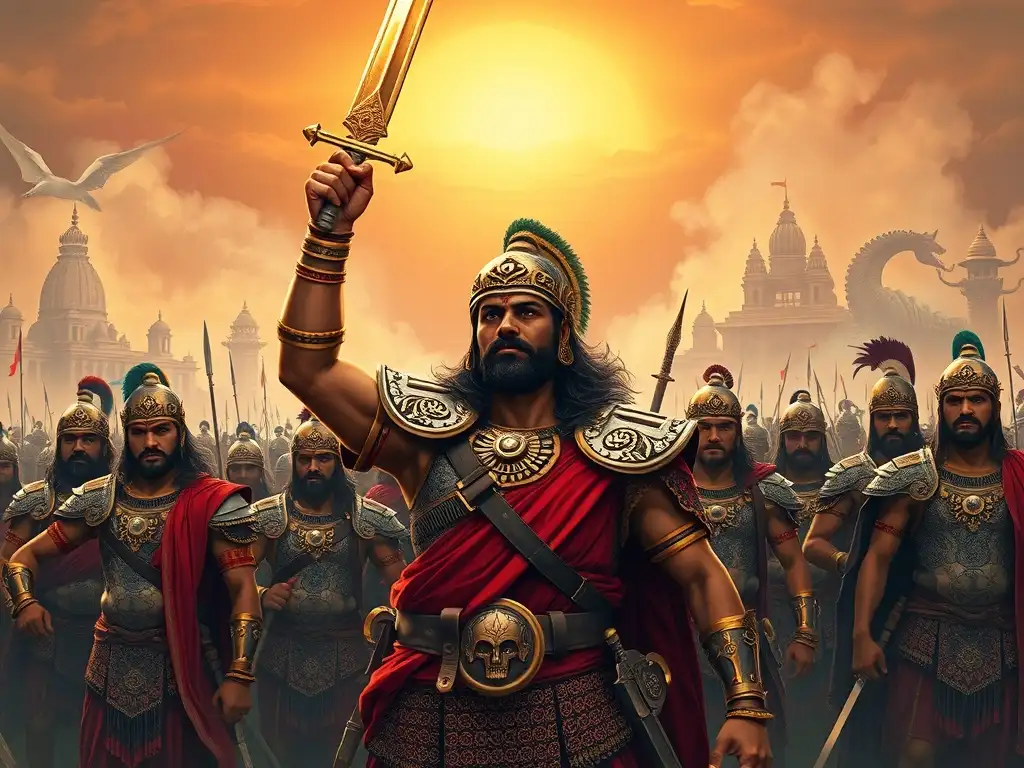
Mythology has played a significant role in shaping the morale and identity of soldiers throughout ancient Indian history. The narratives found within mythological texts provided not only inspiration but also a sense of purpose and belonging to the warriors of different eras. Central figures like Rama and Krishna from the Ramayana and Mahabharata, respectively, served as archetypes of valor, duty, and righteousness, which soldiers could aspire to emulate.
These mythological heroes were often invoked in times of battle, with soldiers believing that they were fighting alongside divine forces. This connection fostered a strong sense of identity among soldiers, merging their personal valor with the larger narrative of their culture and heritage. The idea that they were part of a grand cosmic battle resonated deeply, instilling in them the confidence to face overwhelming odds and reinforcing their commitment to their king and country.
The Psychological Effect of Mythological Stories on Soldiers
The psychological impact of mythological stories on soldiers cannot be overstated. Ancient Indian warriors were steeped in tales of epic battles and divine interventions, which served to bolster their courage and resolve. For instance, the story of Arjuna’s moral dilemma in the Bhagavad Gita illustrates the internal struggles faced by soldiers, making them understand their duty against a backdrop of righteousness.
These stories often emphasized themes of sacrifice, honor, and the eternal struggle between good and evil, allowing soldiers to contextualize their experiences within a greater framework. Such narratives provided a psychological buffer, helping them cope with the fears and uncertainties of warfare. The influence of mythology also extended to battlefield strategies; commanders would often invoke deities for blessings, further intertwining military endeavors with spiritual significance.
Rituals and Ceremonies Derived from Mythology
Rituals and ceremonies derived from mythology were integral to the military practices of ancient India. These events served not only to honor the deities but also to prepare soldiers mentally and emotionally for the challenges of warfare. For instance, before a battle, rituals such as yajnas (sacrificial offerings) and pujas (worship ceremonies) were performed to seek divine favor and protection.
These ceremonies reinforced the notion that the soldiers were part of a divine mission. The presence of priests and the chanting of mantras created an atmosphere charged with spiritual energy, which motivated the warriors. Additionally, such rituals often included invoking specific deities associated with warfare, such as Durga and Kartikeya, further embedding the military identity within the mythological framework of protection and strength.
The Legacy of Mythology in Ancient Indian Military Traditions
The legacy of mythology in ancient Indian military traditions is evident in both the practices and ideologies that influenced successive generations of warriors. The integration of mythological narratives into military training and strategy laid the groundwork for a rich tradition of valor and honor that persisted beyond the ancient period.
Evolution of Military Practices Influenced by Mythology
Over time, the influence of mythology evolved military practices in significant ways. Techniques of warfare, strategies, and even the types of weapons used were often inspired by mythological narratives. For example, the legendary bow of Rama, known as Kodanda, became an iconic symbol of archery in Indian warfare, inspiring subsequent generations of archers to aspire to similar feats.
Moreover, the ideals of heroism and sacrifice depicted in mythology were codified into the military ethos. The principles of dharma (duty) and justice, as depicted in the epics, shaped the rules of engagement and the moral framework within which ancient Indian armies operated. This evolution allowed mythology to not only serve as a source of inspiration but also as a guideline for military conduct.
Lasting Impact on Subsequent Indian Military History
The impact of mythology on ancient Indian military identity has had a lasting influence on subsequent Indian military history. The narratives and values entrenched in the military ethos continued to resonate through the ages, shaping the identities of warriors in later periods, including the medieval and colonial eras.
For example, leaders like Maharana Pratap and Shivaji Maharaj drew inspiration from mythological heroes, embodying the ideals of bravery and resistance against oppression that were prevalent in the ancient texts. The persistent theme of dharma in warfare also influenced how future generations viewed conflict, emphasizing the importance of moral righteousness in military engagements. Thus, the rich tapestry of mythology not only shaped the ancient military identity but also left an indelible mark on the broader narrative of Indian military history, echoing through centuries of valor and sacrifice.
Conclusion: The Enduring Relationship Between Mythology and Ancient Indian Military Identity
The relationship between mythology and ancient Indian military identity is profound and multifaceted. Ancient Indian texts, such as the Mahabharata and Ramayana, influenced the perceptions of valor, duty, and righteousness in warfare. These epics not only served as a source of inspiration for soldiers but also shaped the ethos of the military leaders who emerged from these narratives. The concepts of dharma (duty) and artha (wealth or power) interwoven with mythological tales established a framework within which military conduct was understood and executed.
The heroic figures from these mythologies, such as Arjuna and Rama, embodied the ideal soldier—brave, skilled, and honorable. Their stories provided moral guidance and set standards for personal and collective conduct in military engagements. This connection helped forge a distinct military identity that resonated through various dynasties, from the Mauryas to the Guptas, leaving a lasting impact on the cultural and historical narrative of ancient India.
Summary of Key Points
- Influence of Epics: The Mahabharata and Ramayana served as foundational texts that influenced military conduct and identity.
- Moral Framework: Concepts like dharma and artha provided ethical guidelines for warfare, shaping the behavior of military leaders and soldiers alike.
- Heroic Ideals: Characters from mythology set standards for bravery and honor, inspiring real-life warriors and leaders.
- Cultural Legacy: The intertwining of mythology and military identity contributed to the broader cultural and historical narrative of ancient Indian civilizations, impacting their military strategies and practices.
Final Thoughts on the Importance of Mythology in Military Context
Mythology played an essential role in the formation of military identity in ancient India by providing a narrative framework that encompassed not just the physical aspects of warfare but also the psychological and spiritual dimensions. The values and ideals presented in mythological texts became integral to the identity of military leaders and their troops, influencing their motivations and actions in battle.
As contemporary scholars continue to explore this relationship, it becomes evident that the study of mythology in the context of military history is crucial for understanding the complexities of ancient Indian societies. Recognizing how mythology shaped military identity not only enriches our comprehension of historical events but also highlights the enduring impact of cultural narratives on identity formation across time.
References
Suggested Further Reading on Mythology and Military History
- Warriors of the Rainbow: A Chronicle of the American Indian Movement by William M. S. S. M. H. D. T.
- The Ramayana: A New Translation by R. K. Narayan
- The Mahabharata: A Modern Rendering by Ramesh Menon
Academic Sources on Ancient Indian Military Identity
- Sharma, R. S. (2005). The Political History of Ancient India. New Delhi: Orient Longman.
- Thapar, Romila. (2002). Early India: From the Origins to AD 1300. Berkeley: University of California Press.
- Kulke, Hermann, and Rothermund, Dietmar. (2004). A History of India. London: Routledge.
- Introduction to Mythology and Ancient Indian Military
- The Influence of Mythological Narratives on Military Concepts
- Iconic Heroes in Indian Mythology and Their Military Impact
- The Intersection of Mythology and Military Strategy
- Mythology's Role in Soldier Morale and Identity
- The Legacy of Mythology in Ancient Indian Military Traditions
- Conclusion: The Enduring Relationship Between Mythology and Ancient Indian Military Identity
- References
- What is the significance of mythology in ancient Indian military identity?
- How did ancient Indian military strategies incorporate mythological themes?
- What are some examples of mythological figures that impacted military practices?
- How did the Gupta Empire utilize mythology to strengthen its military?
- In what ways has the legacy of ancient Indian military mythology influenced modern military practices?
Frequently Asked Questions
What is the significance of mythology in ancient Indian military identity?
Mythology played a crucial role in shaping the cultural values and ethical frameworks of ancient Indian warriors, influencing their bravery and sense of duty in battle.
How did ancient Indian military strategies incorporate mythological themes?
Ancient Indian military strategies were often inspired by mythological narratives, where heroes and deities exemplified valor and strategic prowess, serving as models for military conduct.
What are some examples of mythological figures that impacted military practices?
Figures like Arjuna from the Mahabharata and Rama from the Ramayana served as icons of heroism, embodying qualities that were emulated by soldiers in ancient warfare.
How did the Gupta Empire utilize mythology to strengthen its military?
The Gupta Empire leveraged mythological symbolism to legitimize their rule, portraying their kings as divine protectors and warriors, which boosted morale among troops and citizens alike.
In what ways has the legacy of ancient Indian military mythology influenced modern military practices?
Modern Indian military practices often reflect the valor and strategic wisdom found in ancient mythology, serving as a source of inspiration and national pride for contemporary forces.
Final Reflection: The Enduring Legacy of Mythology in Ancient Indian Military Identity
The exploration of mythology's role in shaping ancient Indian military identity reveals a profound connection between cultural narratives and the valor of warriors. In today's world, where narratives continue to define national identities and military ethos, understanding how ancient myths influenced the soldiers of yore provides invaluable insights into the present. The stories of gods and heroes not only inspired courage but also instilled a sense of duty and honor that resonates with modern military values.
The influence of mythology on the social and cultural landscape of ancient India is undeniable. These narratives served as a moral compass for warriors, guiding their actions in battle and shaping their identities. As we reflect on this legacy, it becomes clear that the ideals portrayed in these myths continue to echo in contemporary society. Mythology is not just a collection of stories; it is a reflection of our values and aspirations.
This observation underscores the importance of understanding our past to navigate our present and future.
As we conclude this exploration, I invite you to reflect on the lessons embedded in these ancient tales. Consider how the values of bravery, sacrifice, and honor illustrated in mythology can inspire your own life. Whether in personal challenges or collective endeavors, let the stories of ancient warriors guide you toward a more profound understanding of your identity and purpose. Embrace the power of mythology to shape not only your perspective but also the legacy you wish to leave behind.
Unveil the Power of Mythology in Shaping Military Identity!
Thank you for diving into the fascinating world of ancient Indian mythology and its impact on military identity. By exploring these rich narratives, you've uncovered insights into how legends and lore have inspired warriors and defined cultures throughout history! Now, it's time to carry that knowledge forward. Here’s how you can take action:
- Dive deeper into your favorite mythological stories by reading related texts or exploring academic articles that examine their military implications.
- Share your newfound knowledge with friends or on social media by posting an interesting fact or insight from mythology that resonated with you.
- Join our community! Participate in discussions on our forum where you can exchange ideas and insights with fellow history enthusiasts.
What mythological figure or story do you believe has the most influence on military identity today? We invite you to share your thoughts below!