
Ancient Indian Warfare and Its Impact on Society and Economy

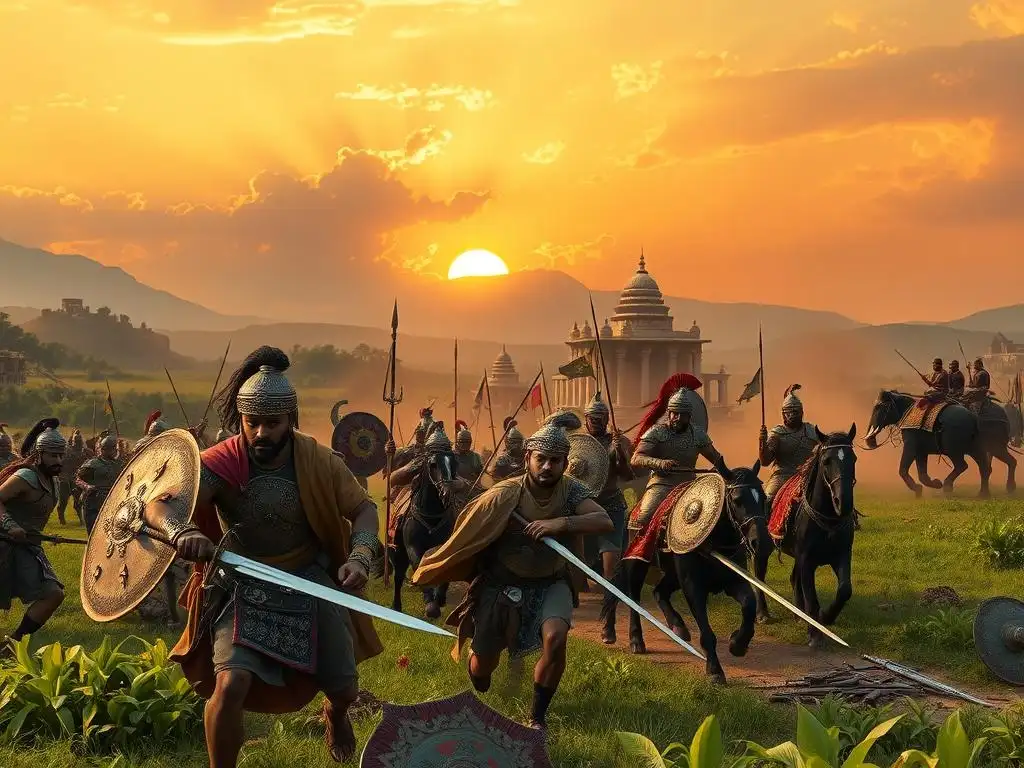
Welcome to Ancient India History, where we embark on a fascinating journey through time, uncovering the rich tapestry of India's past. In this article, we delve into the impact of ancient Indian warfare on society and economy, revealing how battles and strategies shaped the very foundations of civilization. From the strategic brilliance of the Indus Valley to the military innovations of the Gupta Empire, the echoes of these ancient conflicts resonate through history, influencing cultures and economies in profound ways.
Prepare to be captivated as we explore how the art of war not only defined eras but also transformed lives. Join us in this exploration and discover the untold stories that await!
- Introduction to Ancient Indian Warfare and Its Impact
- Evolution of Warfare in Ancient India
- Weapons and Military Technology in Ancient India
- The Impact of Ancient Indian Warfare on Society
- Economic Consequences of Warfare in Ancient India
- Case Studies of Notable Battles and Their Societal Impact
- Conclusion: The Lasting Impact of Ancient Indian Warfare
-
Frequently Asked Questions
- What was the significance of ancient Indian warfare in shaping society?
- How did warfare affect the economy of ancient India?
- What were the main tactics used in ancient Indian warfare?
- Which ancient Indian texts discuss military strategies?
- How did ancient Indian warfare influence cultural exchanges?
- Final Reflection: The Enduring Legacy of Ancient Indian Warfare
- Unleash Your Curiosity About Ancient Warfare!
Introduction to Ancient Indian Warfare and Its Impact
The study of ancient Indian warfare offers a fascinating glimpse into the complex interplay between military strategies, societal norms, and economic structures that shaped the civilizations of the Indian subcontinent. From the early conflicts of the Indus Valley Civilization to the strategic maneuvers of the Gupta Empire, ancient Indian warfare was not merely a series of battles; it was a driving force that influenced social hierarchies, economic prosperity, and cultural exchanges.
This article delves into the various dimensions of ancient Indian warfare, examining its impact on society and the economy, and highlighting how these military practices contributed to the evolution of one of the world's most enduring civilizations.
Overview of Ancient Indian Warfare
Ancient Indian warfare was characterized by a variety of strategies, technologies, and philosophies that evolved over millennia. Key features include:
- Diverse Military Forces: Different regions and kingdoms developed distinct military units, including infantry, cavalry, and war elephants. For instance, the use of war elephants became a hallmark of ancient Indian armies, symbolizing power and providing a significant tactical advantage in battles.
- Weapons and Technology: Ancient Indian societies were adept at creating a range of weapons, including bows, swords, and spears. The craftsmanship involved in making these weapons was remarkable, showcasing not only functionality but also artistry.
- Strategic Alliances and Diplomacy: Warfare was often accompanied by a web of alliances and treaties. Kingdoms would forge temporary pacts to face common enemies, highlighting the importance of diplomacy alongside military prowess.
- Cultural Significance: Battles were often infused with cultural and religious significance, leading to the glorification of warriors in literature and art. Texts like the Mahabharata reflect the societal values and ethical dilemmas related to warfare.
Exploring these aspects provides valuable insight into how warfare shaped the political landscape of ancient India and its long-lasting impacts on subsequent generations.
Importance of Studying Warfare in Ancient Indian Societies
Understanding ancient Indian warfare is crucial for several reasons:
- Social Structure: Warfare played a pivotal role in defining social hierarchies. The valor and status of warriors influenced caste dynamics, leading to the emergence of the Kshatriya class as a powerful societal element.
- Economic Impact: Military campaigns often had significant economic repercussions. Victorious kingdoms expanded their territories, gaining access to resources and trade routes, which in turn stimulated economic growth and urbanization.
- Technological Advancements: The demands of warfare spurred innovations in military technology. The development of fortifications, siege engines, and naval vessels reflects the ingenuity of ancient Indian engineers and craftsmen.
- Cultural Exchange: Warfare facilitated interactions between different cultures. As armies traversed regions, they brought with them ideas, technologies, and cultures, contributing to a rich tapestry of shared heritage.
By studying the intricate relationship between warfare and society in ancient India, we gain a deeper understanding of how these factors interplayed to shape the course of history, ultimately influencing modern Indian culture and society.
Evolution of Warfare in Ancient India
Prehistoric Warfare Practices in India
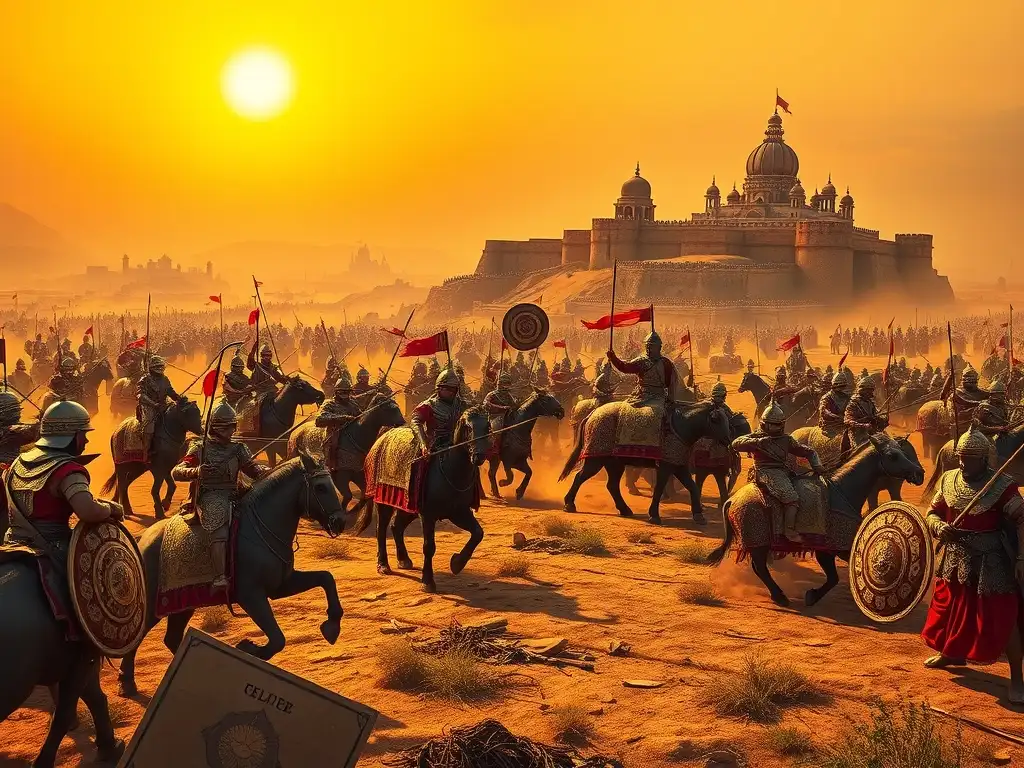
The earliest traces of warfare in ancient India can be traced back to prehistoric times, where evidence suggests that conflicts were primarily driven by competition for resources, territory, and survival. Archaeological findings indicate that the inhabitants of this period may have engaged in small-scale skirmishes, often using rudimentary weapons crafted from stone, wood, and bone.
- Weaponry: Early weapons included spears, axes, and clubs, which were essential for both hunting and combat. The transition from simple tools to more sophisticated weaponry marks a crucial development in ancient Indian warfare.
- Social Structure: The social organization of prehistoric communities played a significant role in warfare. Clans or tribes often banded together for defense against rival groups, leading to the formation of early military alliances.
As societies evolved, so too did their military tactics and formations. The communal nature of these early tribes laid the foundation for more organized warfare strategies that would emerge in subsequent centuries.
The Indus Valley Civilization: Early Military Strategies
The Indus Valley Civilization (c. 3300–1300 BCE) represents one of the earliest urban cultures in ancient India, showcasing advanced urban planning and social organization. Although direct evidence of military activities during this period is limited, archaeological findings provide insights into the potential military strategies of the Indus people.
- Fortifications: Major cities like Mohenjo-Daro and Harappa featured impressive walls and fortifications, suggesting a need for protection against invasions or internal conflicts. These structures indicate an organized approach to defense, highlighting the importance of military preparedness.
- Trade and Warfare: The Indus Valley was a hub of trade, which sometimes led to conflicts over resources. The civilization's strategic location along trade routes likely influenced its military posture, as securing trade interests would have been paramount.
- Tactics: While specific battle tactics remain largely speculative, it is believed that the Indus Valley inhabitants employed formations that utilized their city layouts to their advantage, potentially ambushing enemies from fortified positions.
The military strategies of the Indus Valley laid the groundwork for future civilizations, emphasizing the importance of organization and structural integrity in warfare.
Warfare during the Vedic Period
Transitioning into the Vedic Period (c. 1500–500 BCE), ancient Indian warfare became more structured and ritualized, reflecting the sociopolitical changes of the time. The Vedic texts, particularly the Rigveda, provide valuable insights into the nature of warfare during this era.
- Warrior Class: The emergence of a distinct warrior class, known as the Kshatriyas, marked a significant shift in the military landscape. This class was responsible for both governance and warfare, underscoring the importance of martial prowess in society.
- Chariots and Cavalry: The introduction of chariots and mounted warriors revolutionized warfare tactics. Chariots, often drawn by horses, allowed for greater mobility on the battlefield and enhanced strategic options during conflicts.
- Rituals and Ethics: Warfare during the Vedic Period was often accompanied by rituals and ethical considerations. The concept of Dharma (duty) played a crucial role in justifying wars, with warriors expected to adhere to codes of conduct during battles.
The impact of warfare in this period extended beyond the battlefield, affecting societal structures, economic conditions, and cultural practices. It set the stage for the militaristic traditions that would characterize later Indian civilizations, demonstrating how ancient Indian warfare impacted both society and economy profoundly.
The Rise of Kingdoms and Military Organization
The evolution of warfare in ancient India is intricately linked to the rise of powerful kingdoms and the establishment of sophisticated military organizations. As tribal societies transitioned into more structured states around the 6th century BCE, the need for organized military forces became paramount. This transformation was not only influenced by internal dynamics but also by external pressures, such as invasions and trade rivalries.
Formation of Kingdoms
The early Indian subcontinent saw the formation of several prominent kingdoms, each vying for dominance. Notable among these were the Magadha, Kosala, and Vatsa kingdoms, which emerged around the Ganges River basin. The rise of these kingdoms marked a shift from small tribal factions to larger political entities. This transition was crucial in shaping military organization, as larger armies were required to protect borders, expand territories, and maintain control over newly acquired regions.
Military Hierarchies and Structure
As kingdoms expanded, so too did the complexity of their military structures. Each kingdom developed a system of military ranks and divisions that reflected their growing needs. The core of the military was often composed of infantry, cavalry, and chariotry, each playing distinct roles in warfare. The Kshatriya caste, traditionally associated with warriors, became pivotal in leading these forces, emphasizing the societal importance of military prowess.
- Infantry: Typically comprised foot soldiers armed with bows, swords, and shields, they formed the backbone of the army.
- Cavalry: This unit provided mobility and speed, crucial for both offensive and defensive strategies.
- Chariotry: Chariots, often drawn by horses, were used for quick strikes and to convey important leaders during battle.
Innovations in Military Tactics
The rise of kingdoms also spurred innovations in military tactics and strategies. Leaders and generals began to adapt their approaches, influenced by both the terrain and the nature of their enemies. The use of elephants in warfare, for instance, became a hallmark of ancient Indian military strategy. Elephants were not only formidable in battle but also served as a psychological weapon against opposing forces.
Moreover, the concept of fortifications gained prominence. Kingdoms constructed elaborate forts to protect their strongholds from invasions. These fortifications were strategically placed to control trade routes and defend against rivals, thus intertwining military organization with economic interests.
Economic Implications
The rise of organized military forces had significant implications for the economy of ancient Indian kingdoms. Military campaigns often required substantial resources, leading to the development of taxation systems to support the army. Additionally, the demand for weapons, armor, and supplies stimulated local craftsmanship and trade. As a result, the military became a driving force behind economic activity, influencing agricultural production and trade networks.
The rise of kingdoms in ancient India was a crucial factor in the evolution of military organization. The establishment of hierarchical structures, tactical innovations, and economic interdependencies shaped not only warfare but also the broader societal dynamics of the time. This intricate relationship between military prowess and societal development continues to be a focal point in the study of ancient Indian history.
Weapons and Military Technology in Ancient India
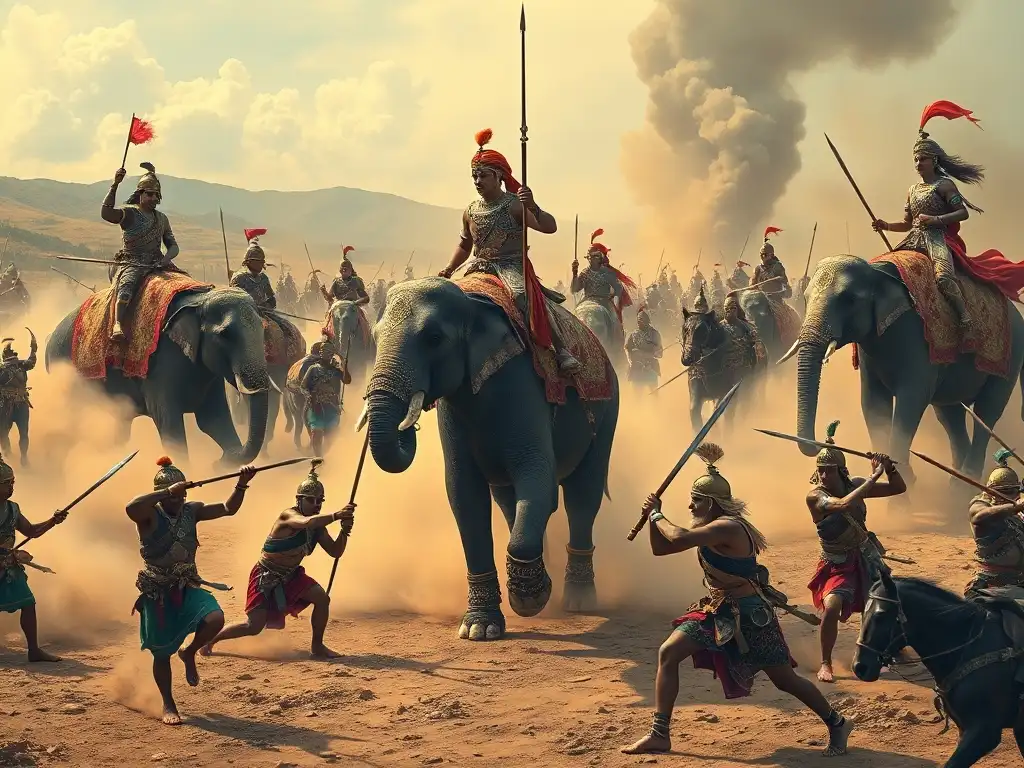
The evolution of weapons and military technology in ancient India reflects the dynamic nature of its warfare strategies and societal needs. Ancient Indian civilizations developed a diverse range of weaponry and military innovations that played a crucial role in shaping their military capabilities and, consequently, their societal structures and economies. The interplay between technology and warfare not only influenced the outcomes of battles but also had lasting impacts on trade, craftsmanship, and the social hierarchy.
Types of Ancient Indian Weapons
Ancient Indian warfare was characterized by a variety of weapons, each designed for specific combat scenarios. The primary categories of weapons included:
- Melee Weapons:
- Swords: The khanda and the dha were prominent types of swords. The khanda, with its broad blade, was effective in both slashing and thrusting.
- Spears: Utilized for both throwing and close combat, spears were essential for infantry and cavalry units.
- Axes: Known for their effectiveness in close-quarter battles, axes were used by warriors as both tools and weapons.
- Ranged Weapons:
- Bows and Arrows: The composite bow, made from wood and horn, offered a significant advantage in range and power, allowing archers to strike from a distance.
- Crossbows: Although less common, crossbows provided deadly precision and were particularly effective in sieges.
- Projectile Weapons:
- Slings: Used to hurl stones at enemies, slings were simple yet effective tools for infantry.
- Throwing Knives and Darts: These lightweight weapons were used for stealth attacks and could be easily carried by soldiers.
- Armor and Shields:
- Metal Armor: Crafted from iron and later steel, armor provided crucial protection for warriors on the battlefield.
- Shields: Often made from wood and covered with leather or metal, shields were essential for defense and were designed to complement the offensive capabilities of the soldiers.
These weapons were not just tools of war; they also played a significant role in the socio-economic structures of ancient Indian society. The craftsmanship involved in creating these weapons fostered a community of skilled artisans, which in turn stimulated trade and economic growth.
Innovations in Military Technology
Ancient India was home to several significant innovations in military technology that enhanced the effectiveness of its armies. Key advancements included:
- Fortifications: The construction of fortified cities, such as those in the Indus Valley Civilization, showcased advanced engineering techniques. Walls made of baked bricks and strategic designs provided effective defense against invasions.
- Siege Machinery: Ancient Indian armies developed siege equipment such as battering rams and catapults, which were essential during prolonged conflicts and invasions. These innovations allowed armies to effectively breach enemy fortifications.
- Naval Technology: The development of seafaring vessels enabled trade and military expeditions across seas and rivers. The Mauryan Empire, for instance, utilized ships for transporting troops and supplies, showcasing the importance of naval power in ancient warfare.
- Military Tactics: The use of formations and strategies, such as the "Kautilya's Arthashastra" principles, emphasized psychological warfare, espionage, and the strategic deployment of troops, which significantly influenced the outcomes of battles.
These technological advancements not only impacted warfare but also contributed to economic activities. The demand for raw materials and skilled labor for producing weapons and fortifications led to an expansion of trade networks.
The Role of Chariots and Elephants in Warfare
Chariots and elephants were pivotal in shaping the battlefield dynamics of ancient Indian warfare. Their roles can be summarized as follows:
- Chariots:
- Mobility and Speed: Chariots allowed for rapid movement across the battlefield, enabling commanders to outflank enemies and execute hit-and-run tactics.
- Transporting Warriors: Equipped with archers or spearmen, chariots served as mobile platforms for launching attacks while providing protection to the warriors.
- Elephants:
- Psychological Warfare: Elephants instilled fear in enemy troops, often causing disarray within their ranks. Their sheer size and power made them formidable in combat.
- Heavy Cavalry: Elephants were utilized as heavy cavalry, charging into enemy formations and disrupting their strategies. They often carried soldiers armed with projectiles, enhancing their lethality.
The use of chariots and elephants had profound implications for ancient Indian society. Their incorporation into military strategies reflected the wealth and technological prowess of kingdoms, influencing social hierarchies as those who could afford such animals and vehicles gained prestige and power. Additionally, the training and maintenance of elephants and chariots created economic opportunities in agriculture and trade, further intertwining military advancement with societal growth.
The impact of ancient Indian warfare on society and economy is deeply rooted in the development of weapons and military technology. The innovations and strategies employed not only defined the nature of conflicts but also shaped the social and economic landscapes of ancient Indian civilizations.
The Impact of Ancient Indian Warfare on Society
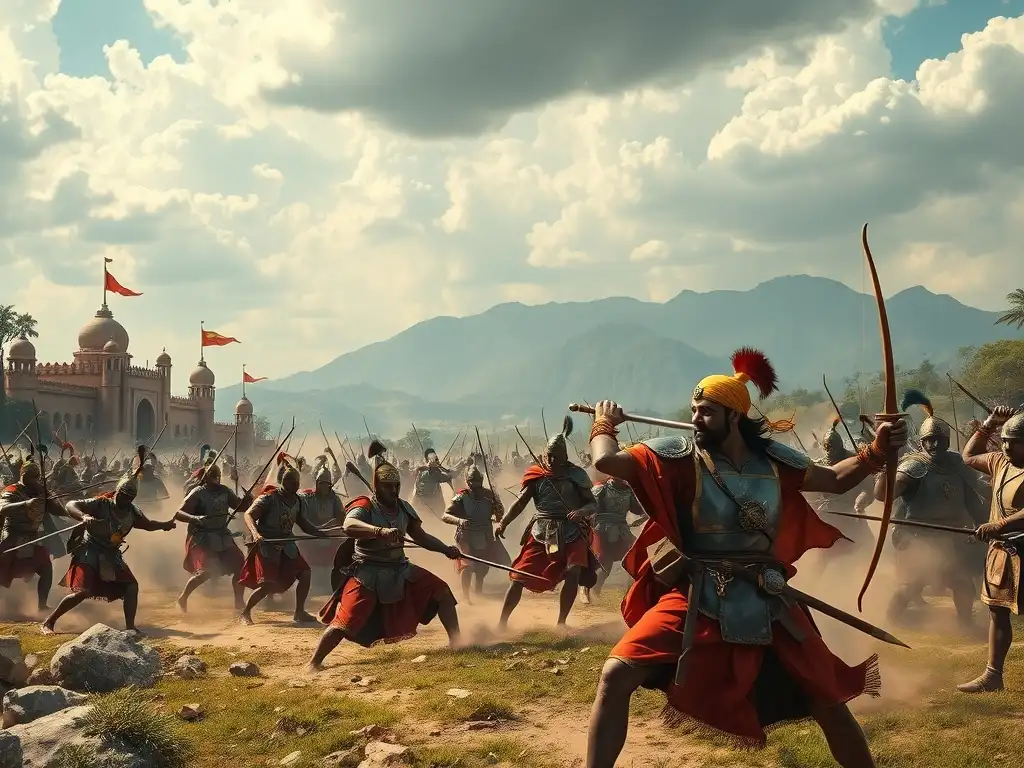
Ancient Indian warfare had a profound impact on the social structure, shaping the hierarchy and roles within society. The emergence of a military class was crucial for the administration and defense of territories during various periods, especially from the Indus Valley Civilization through the Maurya Empire and into the Gupta period. This military class, often composed of kshatriyas (warriors), held significant power and influence, which directly affected the overall social dynamics.
The military class was not only responsible for defense but also for governance. They were often landowners and played a vital role in the agrarian economy. Wealth accrued from land grants and conquests contributed to the establishment of a feudal system, where loyalty and martial prowess became essential traits for social mobility. This resulted in a military aristocracy, which had both political and economic clout, influencing decisions at the highest levels of governance.
Furthermore, warfare necessitated the creation of specialized roles within society, such as blacksmiths and artisans who produced weapons and armor. This specialization laid the groundwork for a more complex economic structure, wherein the demand for military supplies stimulated trade and craftsmanship. In essence, ancient Indian warfare not only reinforced the military class's status but also catalyzed broader economic and societal changes.
Influence on Cultural Practices and Traditions
The impact of ancient Indian warfare extended beyond social structures into the realms of culture and tradition. Military campaigns inspired a rich tapestry of cultural expressions, evident in literature, art, and religious practices. For instance, epic texts like the Mahabharata and Ramayana not only narrate tales of valor and heroism but also reflect the martial ethos of society, emphasizing principles like dharma (duty) and righteousness in battle.
Additionally, the celebration of victory in battles often led to the establishment of festivals and rituals. These cultural events served to reinforce communal identity and pride, often involving elaborate reenactments of battles or the honoring of deities associated with warfare, such as Durga and Kartikeya. This integration of martial values into everyday life solidified the importance of warfare in shaping cultural identities across ancient India.
The architectural landscape also bears witness to the influence of warfare, with the construction of forts and palaces symbolizing power and defense strategies. The Chola and Rajput dynasties, for example, are noted for their impressive fortifications that not only served military purposes but also became centers of cultural and political life. In this way, ancient Indian warfare significantly influenced cultural practices, embedding martial values in the fabric of society.
The Role of Women in Ancient Warfare
The role of women in ancient Indian warfare presents a fascinating dimension of the historical narrative. Contrary to common perceptions of ancient societies as strictly patriarchal, women often played crucial roles in military contexts. Many were involved in logistics, support roles, and even direct combat. Notable figures like Rani Lakshmibai of Jhansi emerged as symbols of female bravery and leadership during times of conflict, particularly during the Indian Rebellion of 1857.
In addition to direct involvement in warfare, women often took on the responsibility of maintaining the home front, managing resources, and ensuring the well-being of families during military campaigns. This dual role highlighted their resilience and adaptability, showcasing the significant contributions women made to the war efforts and societal stability.
Moreover, cultural depictions of women in warfare, such as in folklore and epics, further emphasize their valor and importance. These narratives not only honored their contributions but also served to inspire future generations about the strength and capabilities of women within the context of warfare. Thus, the impact of ancient Indian warfare on society and economy was not only a male-dominated narrative; it also involved the active participation and influence of women, reshaping perceptions of gender roles in ancient Indian civilization.
Economic Consequences of Warfare in Ancient India
Resource Allocation for Military Campaigns
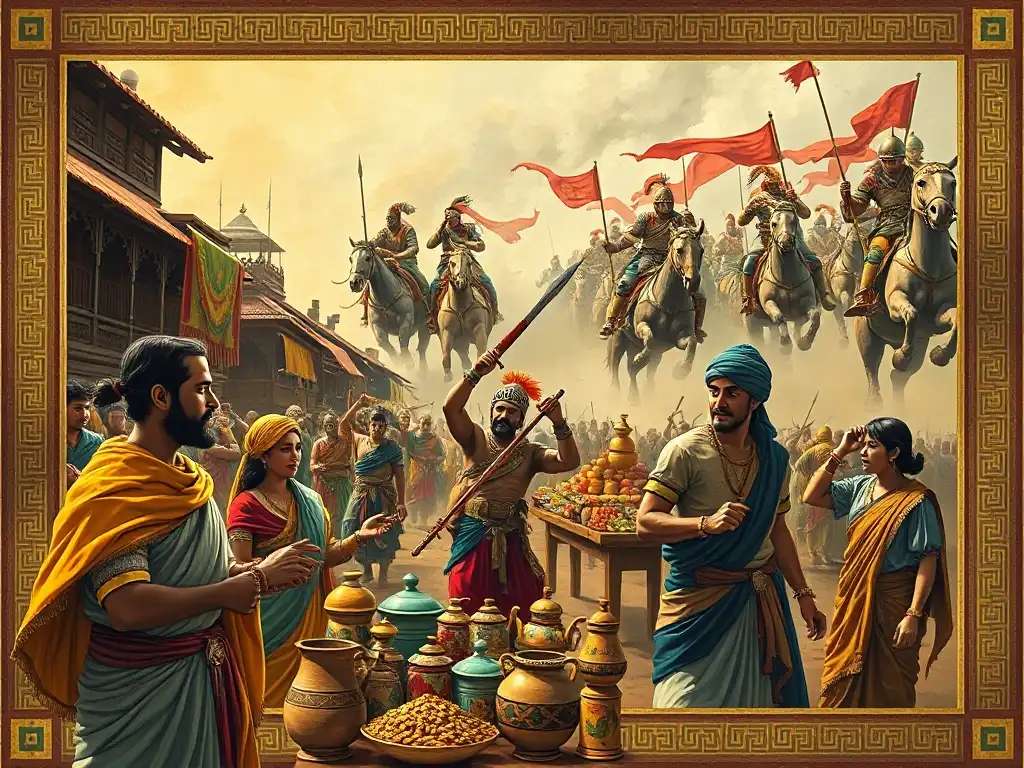
The economic framework of ancient Indian societies was significantly influenced by the necessity to fund military campaigns. As kingdoms and empires expanded, a substantial portion of their resources was diverted to support military endeavors. This allocation of resources had several implications:
- Taxation Increases: To finance wars, rulers often raised taxes on agriculture, trade, and crafts. This led to a heavier financial burden on common people, which sometimes resulted in social unrest.
- Labor and Workforce Redistribution: A portion of the labor force was conscripted into military service, which affected production levels in agriculture and crafts. This shift could lead to a temporary decline in agricultural output or the manufacturing of goods.
- Investment in Military Technology: Resources were also allocated to develop and maintain weapons, fortifications, and military technology. This investment not only impacted the economy but also influenced the technological advancements of the time.
Over time, the focus on military campaigns could lead to a reallocation of resources away from other critical areas, such as infrastructure and public welfare, ultimately affecting the stability and prosperity of ancient Indian states.
Trade and Economy during Times of War
Warfare in ancient India had profound effects on trade and economic activities. The following points illustrate how conflict influenced trade dynamics:
- Disruption of Trade Routes: Military conflicts often resulted in the closure of trade routes, which hindered commerce and displaced merchants. For instance, during the invasions by the Huns and later the Muslim conquests, trade networks were severely affected, leading to a decline in economic activities in certain regions.
- Shift in Trade Patterns: As certain areas became unsafe for commerce, traders adapted by seeking new routes or trading partners. This adaptability sometimes led to the emergence of new trade centers, which could experience economic growth despite the overarching conflicts.
- War Profiteering: Certain merchants and craftsmen profited from the demand for military supplies, such as weapons and armor, during wartime. This created a group of wealthy individuals who benefitted from the instability, further complicating the socio-economic landscape.
The interplay between warfare and trade dynamics illustrates how ancient Indian societies navigated the challenges posed by conflict while simultaneously seeking opportunities for economic growth.
The Impact of Warfare on Agricultural Practices
Agricultural practices in ancient India were significantly impacted by warfare, shaping both production and societal structures. Key aspects include:
- Destruction of Crops and Land: Military campaigns often led to the devastation of farmland, either through direct conflict or as a consequence of occupying forces. This destruction could cause famine and economic hardship, as seen during the invasions of various foreign powers.
- Changes in Land Ownership: Warfare frequently resulted in shifts in landownership, with victorious rulers redistributing land to their supporters or military leaders. This could lead to a concentration of land in the hands of a few, altering traditional agrarian structures.
- Innovations in Agricultural Techniques: In response to the challenges posed by warfare, some regions adopted new agricultural techniques or crops to enhance resilience. For instance, the introduction of irrigation systems or drought-resistant crops became necessary in areas frequently affected by conflict.
Overall, the impact of ancient Indian warfare on agricultural practices highlights a complex relationship between military needs and the agricultural economy, demonstrating how conflict shaped both land use and food security in historical contexts.
Case Studies of Notable Battles and Their Societal Impact
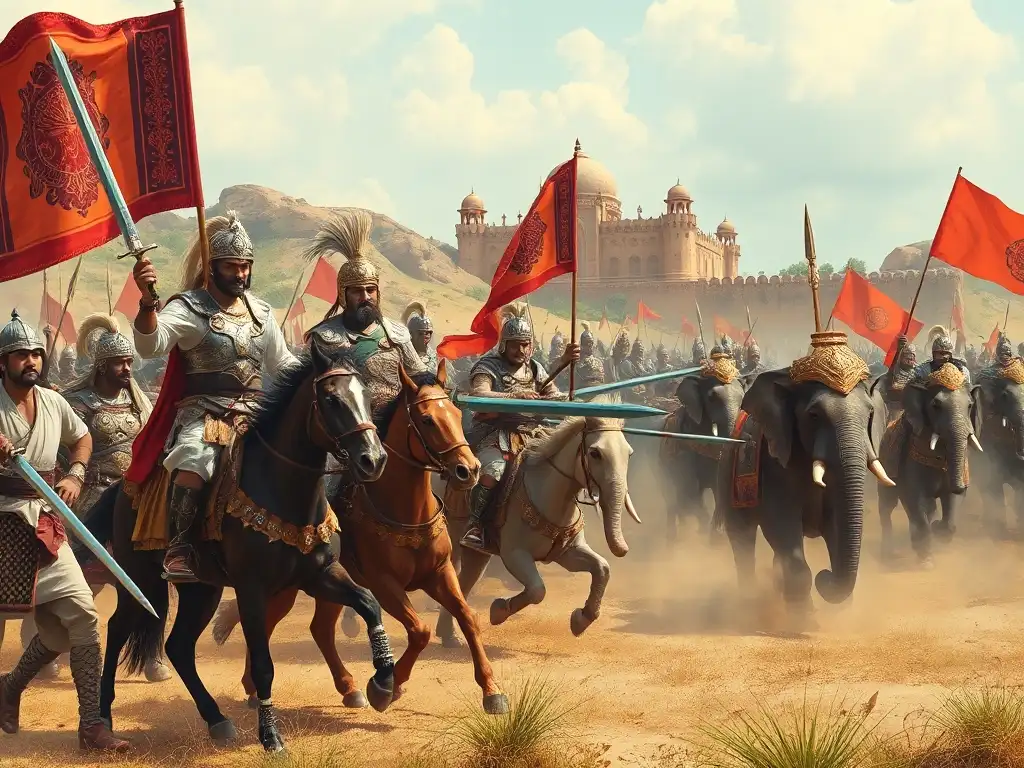
Ancient Indian warfare was not just a series of battles; it played a significant role in shaping the social and economic landscapes of its time. Through various notable battles, we can observe how military engagements influenced societal structures, economic conditions, and even cultural development. This section explores three pivotal instances of ancient Indian warfare and their lasting impacts.
The Battle of Kurukshetra: A Turning Point in Indian Warfare
The Battle of Kurukshetra, depicted in the epic Mahabharata, is perhaps one of the most significant events in ancient Indian history. This battle was fought between the Pandavas and the Kauravas, encompassing a range of themes that went beyond mere territorial disputes.
- Philosophical and Ethical Implications:
- The battle raised profound questions about dharma (duty) and righteousness, influencing subsequent philosophical discourse in Indian culture.
- The teachings of Bhagavad Gita, which emerged from this context, have had a lasting impact on Indian thought, ethics, and spirituality.
- Societal Stratification:
- The aftermath of the battle saw changes in social hierarchies, as the traditional kshatriya (warrior) class faced challenges from new power structures.
- The devastation caused by the war led to a reevaluation of societal roles, with a greater emphasis on peace and cooperation in governance.
- Economic Disruption:
- The massive loss of life and resources resulted in significant economic turmoil. Agriculture and trade were severely impacted, leading to a decline in prosperity in the affected regions.
- However, the need for reconstruction paved the way for new economic practices and innovations in warfare technologies.
The Mauryan Conquests: Expansion and Economic Growth
The Mauryan Empire, under the leadership of Chandragupta Maurya and later Ashoka, exemplifies how military conquests can lead to substantial societal and economic transformations.
- Territorial Expansion:
- The conquests expanded the Mauryan Empire across the Indian subcontinent, unifying diverse regions and cultures under a single political entity.
- This unification facilitated trade routes, enhancing economic connectivity.
- Infrastructure Development:
- The need to maintain control over vast territories led to the development of extensive infrastructure, including roads and communication systems.
- Such advancements not only bolstered military efficiency but also stimulated economic activities, benefiting local economies.
- Cultural Exchange:
- The Mauryan conquests encouraged the exchange of ideas, art, and culture across different regions, fostering a rich tapestry of shared heritage.
- Ashoka's promotion of Buddhism as a state religion exemplified how military power was redirected towards cultural and social welfare.
The Gupta Empire: Military Prowess and Societal Stability
The Gupta Empire, often referred to as the "Golden Age" of India, showcases a period where military strength directly contributed to societal stability and economic prosperity.
- Military Innovations:
- The Guptas are known for their advancements in military technology, including the use of war elephants and fortified structures, which provided a strategic advantage in conflicts.
- These innovations not only enhanced military success but also influenced warfare tactics in neighboring regions.
- Economic Flourishing:
- With a stable military, the Gupta Empire was able to focus on economic development. Trade flourished, with significant exchanges occurring along the Silk Road.
- The prosperity of this era led to advancements in various fields, including mathematics, astronomy, and literature, demonstrating the interconnectedness of military success and cultural achievements.
- Social Cohesion:
- The Gupta rulers were keen on promoting religious tolerance and social harmony, which helped maintain stability in a diverse empire.
- Their patronage of arts and sciences further solidified societal cohesion, ensuring that the impacts of warfare were channeled towards collective growth rather than division.
The analysis of these notable battles illustrates that ancient Indian warfare was not merely about military might; it was deeply intertwined with social structures, economic conditions, and cultural developments. The impacts of these engagements extend far beyond their immediate consequences, shaping the very fabric of ancient Indian civilization.
Conclusion: The Lasting Impact of Ancient Indian Warfare
Summary of Key Points on Warfare and Its Impact
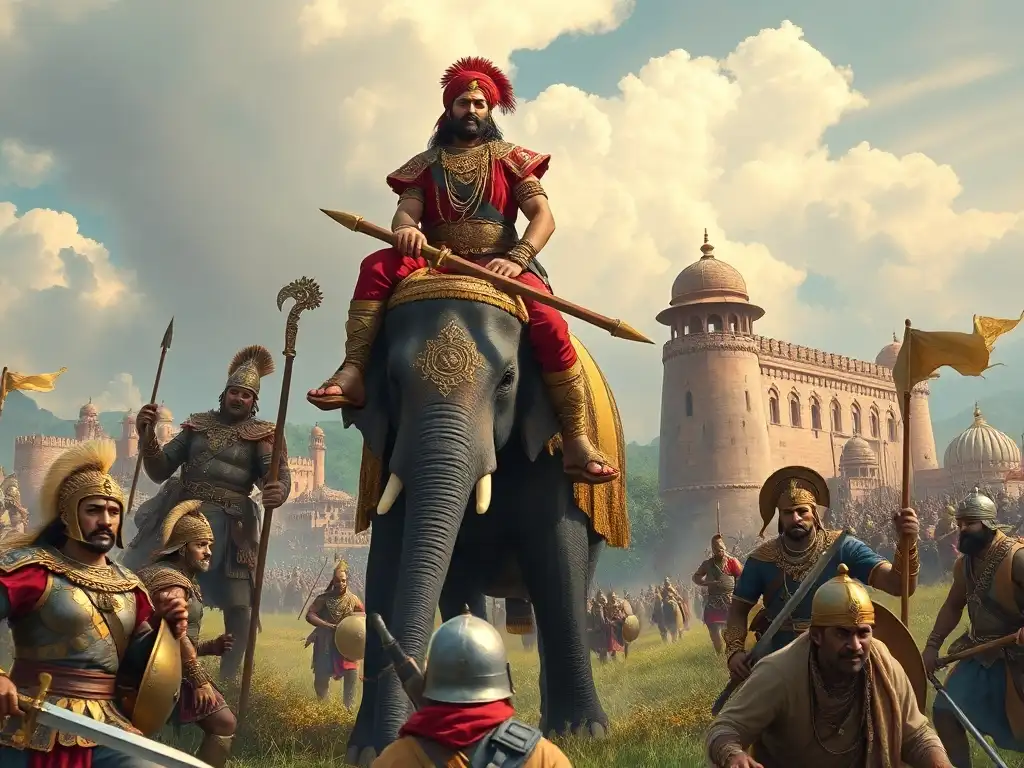
Ancient Indian warfare played a pivotal role in shaping the society and economy of various civilizations throughout history. From the sophisticated military strategies of the Maurya Empire to the intricate weaponry of the Gupta period, the evolution of warfare had profound implications:
- Military Innovations: The advancement of military technology, including the use of elephants, chariots, and various weapons, contributed to the effectiveness of ancient Indian armies. For instance, the introduction of iron weapons during the early centuries BCE marked a significant technological leap that improved combat efficiency.
- Strategic Alliances and Diplomacy: Warfare in ancient India was not solely about conflict; it often involved complex diplomacy and alliances. The Kautilya's Arthashastra highlights the importance of strategy, espionage, and the use of treaties to strengthen political power. This strategic mindset influenced not only military tactics but also economic policies.
- Economic Impact: Warfare necessitated the mobilization of resources, leading to the development of infrastructure and trade routes. The need to supply armies and transport goods fostered economic growth in various regions. For example, the establishment of trade networks during the Mauryan Empire facilitated commerce, which was crucial for sustaining military campaigns.
- Social Changes: The repercussions of warfare extended into societal structures. Victorious kingdoms often restructured the social hierarchy, redistributing land and wealth, which could either empower new classes or reinforce existing ones. The aftermath of significant battles often resulted in shifts in power dynamics, influencing cultural and social norms.
Reflection on the Legacy of Ancient Indian Warfare in Modern Society
The legacy of ancient Indian warfare continues to resonate in contemporary society, influencing various aspects of national identity, military strategy, and cultural expressions.
- Cultural Influence: Ancient texts and epics, such as the Mahabharata and Ramayana, reflect the values and philosophies surrounding warfare, heroism, and morality. These narratives have left an indelible mark on modern Indian culture, inspiring literature, cinema, and art that explore themes of valor and sacrifice.
- Military Strategy: The strategic principles articulated in ancient Indian military treatises remain relevant today. Modern military leaders often study historical battles and strategies from ancient India to draw lessons on tactics, leadership, and the use of terrain, demonstrating how ancient wisdom can inform contemporary practices.
- National Identity: The historical narratives surrounding ancient Indian warfare contribute to a sense of national pride and identity. Celebrations of past victories and the valor of ancient warriors are integral to cultural heritage, fostering unity and resilience within modern Indian society.
The impact of ancient Indian warfare on society and economy was multifaceted, leaving a rich legacy that continues to shape modern India. Understanding this historical context not only provides insights into the past but also offers valuable lessons for the future.
Frequently Asked Questions
What was the significance of ancient Indian warfare in shaping society?
Ancient Indian warfare played a crucial role in political consolidation and the establishment of kingdoms. It influenced social structures and contributed to the rise of military classes.
How did warfare affect the economy of ancient India?
Warfare had a significant impact on the economy, leading to resource allocation for military efforts and the development of trade routes. Victories often resulted in increased wealth through conquests.
What were the main tactics used in ancient Indian warfare?
Ancient Indian warfare employed various tactics, including chariotry, cavalry, and infantry formations. Strategic use of terrain and ambushes were common methods to gain advantages over enemies.
Which ancient Indian texts discuss military strategies?
Key texts such as the Arthashastra by Kautilya and the Mahabharata contain insights into ancient military strategies and philosophies, highlighting the importance of planning and diplomacy in warfare.
How did ancient Indian warfare influence cultural exchanges?
Warfare facilitated cultural exchanges through interactions with conquered peoples and neighboring regions, leading to the integration of diverse practices, ideas, and art forms that enriched Indian culture.
Final Reflection: The Enduring Legacy of Ancient Indian Warfare
The exploration of ancient Indian warfare reveals its profound impact on society and economy, illustrating how the battles fought in the past continue to shape our present. The strategies, technologies, and philosophies developed during these times not only influenced military tactics but also laid the groundwork for societal structures and economic systems that resonate even today. As we delve into the intricacies of this historical narrative, it becomes clear that understanding these elements is crucial for grasping the complexities of contemporary Indian society.
The influence of ancient Indian warfare extends far beyond the battlefield, permeating cultural and social dynamics that define the region. The valor and strategies of ancient warriors have inspired countless generations, fostering a sense of identity and unity among communities. As historian Romila Thapar aptly stated, "The narratives of warfare are not merely tales of conflict; they are reflections of the societies that produce them." This observation underscores the ongoing relevance of these historical events in shaping our cultural consciousness and collective memory.
As we reflect on the lessons of ancient Indian warfare, I invite you to consider how these insights can be applied to our lives today. What can we learn from the resilience and adaptability of those who came before us? In a world that often feels fragmented, the stories of unity and strategy from ancient times can serve as a guide for fostering collaboration and understanding in our communities. Embrace the lessons of the past, and let them inspire you to create a more harmonious and resilient future.
Unleash Your Curiosity About Ancient Warfare!
Thank you for exploring the fascinating world of ancient Indian warfare with us! Your engagement in this rich historical narrative not only broadens your knowledge but also deepens your appreciation for how these events shaped society and the economy. Now, let’s take what you’ve learned and put it into action!
- Dive deeper into this topic by reading additional resources or books on ancient warfare in India. Your journey doesn't end here!
- Share your thoughts on social media or in our comments section, bringing the conversation to your friends and community.
- Consider visiting historical sites or museums dedicated to ancient Indian history to experience firsthand the legacies of these battles.
What aspect of ancient Indian warfare resonates with you the most, and how do you think it continues to influence our society today?