
The Transition from Traditional to Advanced Warfare in Ancient India

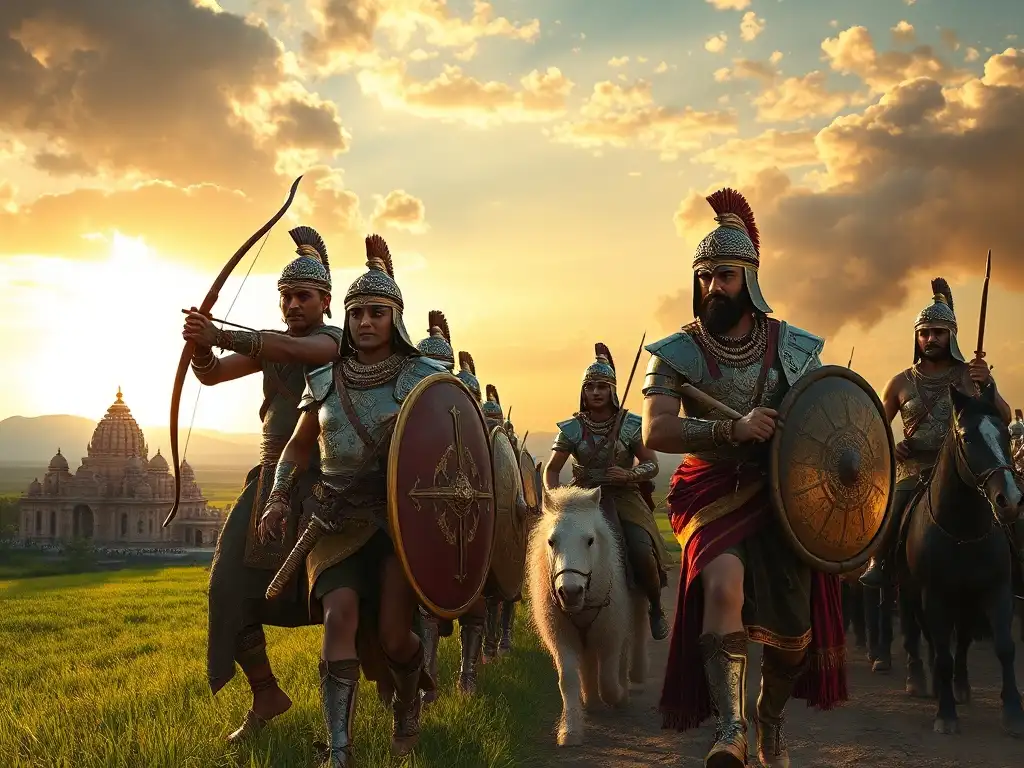
Welcome to Ancient India History, where we embark on a fascinating journey through the rich tapestry of India's past. In this exploration, we delve into the evolution of ancient Indian warfare, tracing the remarkable transition from traditional combat strategies to advanced military tactics that shaped the subcontinent's historical landscape. What innovations emerged from the clash of swords and shields?
How did these changes reflect the broader cultural and technological advancements of the time? Join us as we uncover the secrets of ancient battles, and prepare to be captivated by the stories that have forged India's illustrious heritage. Dive deeper into the complexities of military history and discover the legacies that continue to influence us today!
Introduction to Ancient Indian Warfare Evolution
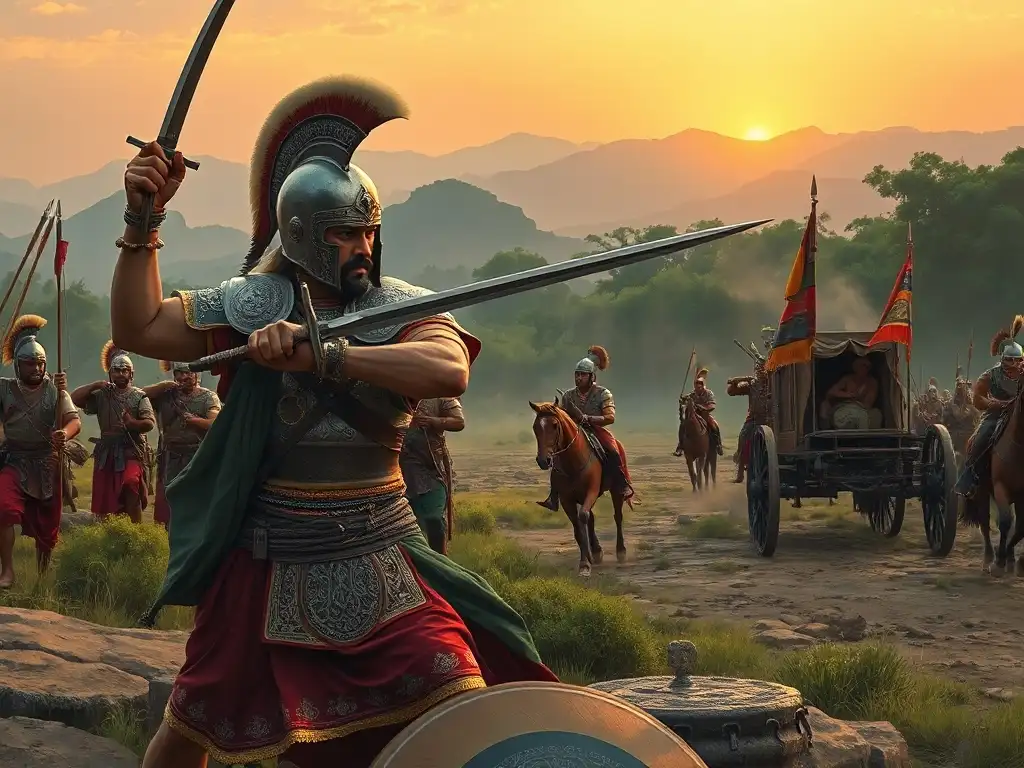
The evolution of warfare in ancient India is a captivating journey that highlights the ingenuity and adaptability of its civilizations in response to shifting geopolitical landscapes. From the early skirmishes of the Indus Valley civilization to the sophisticated military strategies of the Gupta Empire, the progression of ancient Indian warfare reveals a rich tapestry of cultural influences, technological advancements, and tactical innovations.
This article aims to explore the multifaceted transition from traditional to advanced warfare in ancient India, shedding light on how these changes not only shaped the military capabilities of the time but also had lasting impacts on the broader historical narrative of the region.
Overview of Military History in Ancient India
Ancient Indian military history is marked by a series of significant developments that reflect both regional dynamics and external influences. The Indus Valley civilization (circa 3300–1300 BCE) exhibits evidence of fortified settlements and organized defensive structures, suggesting the importance of military preparedness. As we move forward in time, the Vedic period introduces more structured warfare, characterized by the emergence of chariots and cavalry. Key empires like the Maurya and Gupta dynasties further advanced military strategies, leading to larger and more organized armies.
- Key Eras in Ancient Indian Warfare:
- Indus Valley Civilization: Defensive fortifications and early weaponry.
- Vedic Period: Formation of structured armies; introduction of chariots.
- Maurya Empire: Centralized military command; large-scale armies.
- Gupta Empire: Tactical innovations; integration of advanced weaponry.
Importance of Studying Warfare Evolution
Understanding the evolution of warfare in ancient India is crucial for several reasons. Firstly, it provides insight into how military strategies were influenced by cultural, economic, and technological factors. Secondly, it allows us to appreciate the complexities of ancient Indian societies and their responses to both internal and external challenges. Finally, studying this evolution helps to contextualize the significant contributions of ancient Indian civilizations to global military history, revealing their role in shaping warfare practices that resonate even today.
Early Forms of Traditional Warfare in Ancient India
Characteristics of Traditional Warfare
Traditional warfare in ancient India was characterized by its reliance on infantry and cavalry, often supplemented by chariots. The combat strategies employed were heavily influenced by the terrain, with guerrilla tactics being common in dense forests and open field battles in plains. Additionally, the concept of Dharma Yudhha (righteous war) dictated the moral framework of warfare, influencing the conduct of battles and the behavior of warriors.
- Key Characteristics:
- Emphasis on hand-to-hand combat.
- Use of elephants as a significant military asset.
- Ritualistic elements intertwined with warfare.
- Strategies based on terrain and troop formations.
Key Weapons Used in Early Battles
The arsenal of ancient Indian warriors was diverse and reflected the technological capabilities of the time. Early weapons included:
- Bows and Arrows: Essential for ranged combat.
- Spears and Polearms: Used effectively in close combat.
- Swords: Varied in design; often crafted from high-quality steel.
- Chariots: A crucial component for mobility and shock tactics.
These weapons not only served practical purposes but also held cultural significance, often being elaborately decorated and used in rituals.
Notable Battles and Tactics
Several battles from ancient Indian history exemplify the tactical innovations and military prowess of the time. Notable examples include:
- The Battle of the Ten Kings (Dasarajna): A significant Vedic battle showcasing chariot warfare and alliances between different clans.
- The Kalinga War: Fought by Emperor Ashoka, which marked a pivotal shift in strategy and philosophy regarding warfare.
- Gupta Military Campaigns: Demonstrating advanced strategies and the effective use of archers and cavalry.
These battles reflect the transition from traditional methods to more organized and advanced military strategies, setting the stage for further developments in ancient Indian warfare.
The subsequent sections of this article will delve deeper into the intricate details of military technology, strategies, and the transformative role of warfare in shaping ancient Indian civilization.
The Influence of Geography and Culture on Warfare
The evolution of ancient Indian warfare was deeply intertwined with the geographical and cultural landscapes of the subcontinent. The diverse terrains, ranging from the towering Himalayas to the vast plains of the Indo-Gangetic region, significantly influenced military strategies and tactics. Moreover, cultural factors, including social structures and religious beliefs, played a crucial role in shaping how warfare was conducted and perceived across different ancient Indian civilizations.
Role of Geography in Shaping Military Strategies
Geography was a primary determinant of military strategy in ancient India. The natural barriers such as mountains, rivers, and forests not only provided protection to certain regions but also dictated the routes armies could take during campaigns. For instance, the Himalayan range served as a formidable defense against invasions from the north, while the rivers like the Indus and Ganges were vital for logistics and troop movement.
- Strategic Locations: Fortified cities were often established at key geographical locations, such as along trade routes or near water sources, ensuring control over resources and movement.
- Terrain Adaptation: Different terrains demanded specific military adaptations. In the rugged hill regions, guerrilla tactics became prevalent, while in the plains, large-scale battles with organized formations were more common.
Cultural Factors Influencing Ancient Indian Warfare
Cultural elements significantly influenced the conduct of warfare in ancient India. The societal structure, including the caste system, determined military roles and the types of warriors that emerged.
- Warrior Classes: The Kshatriyas, as the warrior class, were revered for their martial skills and duty to protect their realms, leading to a culture that glorified valor and heroism in battle.
- Military Codes: Codes of conduct such as Dharma, which emphasized righteousness and duty, shaped the ethical dimensions of warfare, often influencing decisions regarding the treatment of prisoners and conduct during battle.
The Impact of Religion on Warfare Practices
Religion played a pivotal role in ancient Indian warfare, influencing both the motivations for conflict and the conduct within battles.
- Religious Justification: Many rulers sought divine approval for their military campaigns, often conducting rituals and sacrifices to invoke blessings for victory. Texts such as the Mahabharata illustrate the intertwining of dharma and warfare, where battles were fought not just for territory but for moral and ethical reasons.
- Symbolism in Warfare: Religious symbols and rituals were integrated into military practices, with armies often carrying banners representing deities, which were believed to provide protection and fortitude during combat.
The Shift Towards Advanced Warfare Techniques
The transition from traditional to advanced warfare in ancient India marked a significant evolution in military practices, driven by innovations in strategy, technology, and the changing nature of conflict.
Introduction to Advanced Military Strategies
As ancient Indian kingdoms expanded and faced new challenges, they began to adopt more sophisticated military strategies. This shift was characterized by the following:
- Formation and Tactics: The use of organized formations, such as the phalanx and the use of combined arms tactics, allowed for more effective battlefield maneuvers.
- Siege Warfare: With fortified cities becoming common, advanced techniques in siege warfare emerged, including the use of catapults and other siege engines, which changed the dynamics of warfare significantly.
Innovations in Weaponry and Armor
The technological advancements in weaponry and armor were critical to the evolution of ancient Indian warfare.
- Weapon Development: The introduction of iron and steel significantly improved the quality of weapons, leading to the creation of more effective swords, spears, and bows. The use of crossbows and advanced archery techniques also became prevalent.
- Armor Enhancements: As warfare became more intense, advancements in armor technology, including chainmail and layered armors, provided better protection for soldiers on the battlefield.
The Role of Cavalry and Elephants in Warfare
The incorporation of cavalry and war elephants marked a transformative phase in ancient Indian military history, enhancing both mobility and psychological impact during battles.
- Cavalry Tactics: Cavalry units became crucial for rapid flanking maneuvers and hit-and-run tactics, allowing armies to exploit weaknesses in enemy formations effectively.
- War Elephants: Elephants were not just beasts of burden; they were used as formidable weapons of war. Their sheer size and strength could cause chaos in enemy ranks, while also serving as platforms for archers and commanders during battles.
The transition to advanced warfare techniques signified a profound change in ancient Indian military practices, reflecting broader changes in society, technology, and the nature of conflicts faced by these civilizations.
Key Historical Periods Marking the Evolution
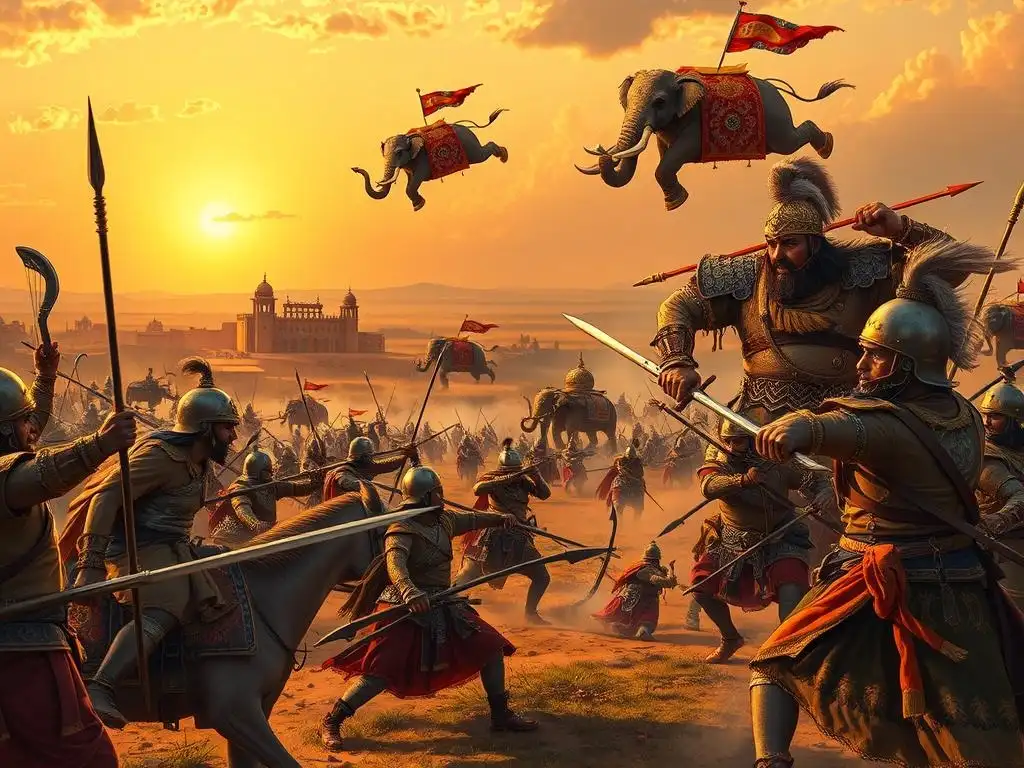
The evolution of ancient Indian warfare is marked by several key historical periods, each contributing significantly to military practices, strategies, and technologies. Understanding these periods provides insight into how warfare transitioned from traditional forms to more advanced methodologies, ultimately shaping the military landscape of ancient India.
The Vedic Period: Foundations of Military Practices
The Vedic Period (approximately 1500–500 BCE) laid the groundwork for military practices in ancient India. During this time, the society was primarily agrarian, but the need for defense against rival tribes and invasions led to the establishment of military structures. The Rigveda, one of the oldest texts, contains references to warriors, battles, and the valor of kshatriyas (warriors).
- Military Organization: The Vedic society had a rudimentary military organization. Clans formed small armies composed of infantry and chariots. The warrior class, known for their courage and skill, played a crucial role in protecting their territories.
- Weapons and Tactics: The primary weapons included bows, arrows, and spears. Chariots, drawn by horses, became essential for mobility and speed in warfare. The emphasis was on hand-to-hand combat, and strategies often revolved around ambushes and surprise attacks.
This period's military practices set the stage for future developments, as they emphasized the importance of martial valor and the need for organized military forces.
The Maurya Empire: Strategic Innovations
The Maurya Empire (approximately 322–185 BCE) marked a significant turning point in the evolution of warfare in ancient India. Under the leadership of Chandragupta Maurya and his grandson Ashoka, the empire expanded considerably, necessitating more advanced military strategies and innovations.
- Centralized Military Structure: The Mauryan military was highly organized, with a centralized command structure that allowed for coordinated strategies across vast territories. This organization included infantry, cavalry, chariots, and war elephants, which added a new dimension to battlefield tactics.
- Diplomacy and Warfare: Ashoka, known for his conversion to Buddhism, initially employed warfare as a means of expansion. However, after the Kalinga War, he prioritized diplomacy and non-violence, illustrating a strategic shift in how military power was perceived and utilized.
- Technological Advancements: The Mauryan period saw the introduction of advanced siege weapons and tactics. Fortification techniques improved, and the use of elephants in warfare became a hallmark of Mauryan military strategy, showcasing a blend of traditional practices with innovative approaches.
The Gupta Empire: Peak of Advanced Warfare
The Gupta Empire (approximately 320–550 CE) is often regarded as the golden age of ancient India, characterized by remarkable achievements in art, science, and military strategy. Warfare during this period reached new heights with sophisticated tactics and weaponry.
- Military Innovations: The Guptas improved upon the military organization established by the Mauryas. They employed a combination of infantry, cavalry, and war elephants, with an emphasis on mobility and flexibility in battle formations.
- Use of Cavalry: The Gupta military significantly enhanced the role of cavalry, making it a decisive component in battles. The use of mounted archers and heavily armored horsemen provided tactical advantages against traditional infantry formations.
- Naval Power: Although less emphasized, the Gupta Empire recognized the importance of naval forces for control over trade routes and coastal territories. This strategic vision reflected a comprehensive approach to warfare that included land and sea.
The Gupta Empire's military prowess established a legacy of tactical brilliance and effective governance, influencing subsequent generations in the region.
Influential Figures in Ancient Indian Military History
Ancient Indian warfare was shaped by numerous influential figures who contributed to military strategies, philosophies, and successful campaigns. Their legacies continue to inform military thought and practices in the region.
Military Leaders and Their Contributions
Various military leaders emerged throughout ancient Indian history, each leaving a distinct mark on the art of warfare.
- Chandragupta Maurya: As the founder of the Maurya Empire, he established a formidable military force that successfully unified much of India. His strategies of guerrilla warfare against the Nanda Dynasty showcased innovative tactics.
- Ashoka the Great: Initially a conqueror, Ashoka's transformation into a proponent of non-violence after the Kalinga War symbolized a significant shift in military ethics. His efforts in spreading Buddhism also demonstrated the strategic use of soft power.
- Samudragupta: Often referred to as the "Indian Napoleon," his campaigns expanded the Gupta Empire significantly. His military genius lay in his ability to employ diverse tactics and engage in rapid campaigns across various terrains.
These leaders exemplified the blend of military skill and strategic vision necessary for success in ancient Indian warfare.
Philosophers and Their Writings on Warfare
Philosophers played a crucial role in shaping the theoretical foundations of warfare in ancient India, influencing military leaders and strategies.
- Chanakya (Kautilya): Best known for his work, the Arthashastra, Chanakya's writings provide a comprehensive guide on statecraft, military strategies, and diplomacy. His emphasis on intelligence and deception in warfare remains relevant in military studies today.
- Sun Tzu's Influence: While primarily associated with Chinese military thought, the principles outlined in The Art of War transcended cultures. Indian military philosophers integrated concepts of strategy and tactics that resonate with Sun Tzu's ideas.
The writings of these philosophers contributed to a rich intellectual tradition surrounding warfare, emphasizing the importance of strategy, ethics, and governance.
Case Studies of Successful Military Campaigns
Examining specific military campaigns provides valuable insights into the evolution of warfare in ancient India.
- The Kalinga War: Fought by Ashoka, this campaign was pivotal in shaping his philosophy of governance. Despite its brutal nature, the aftermath led to a significant shift towards non-violence and diplomacy in his reign.
- Samudragupta's Campaigns: His military expeditions against various kingdoms, including the Shakas and the Licchavis, showcased tactical flexibility and the effective use of cavalry. His victories solidified the Gupta Empire's dominance in northern India.
- Chandragupta's Conquest of Magadha: This campaign involved clever strategies that included forming alliances and employing surprise tactics. Chandragupta's ability to outmaneuver larger forces exemplified the effectiveness of strategic planning.
These case studies highlight the dynamic nature of ancient Indian warfare and the tactical innovations that emerged over time, illustrating the evolution from traditional to advanced military practices.
Comparative Analysis: Traditional vs. Advanced Warfare
The evolution of warfare in ancient India showcases a significant transformation from traditional methods to more advanced military strategies and technologies. Traditional warfare primarily relied on close-combat techniques, utilizing rudimentary weapons such as swords, bows, and spears, often fought in hand-to-hand encounters. On the other hand, advanced warfare introduced more complex strategies, integrating long-range weaponry, organized military formations, and psychological tactics. This comparative analysis reveals the fundamental shifts in tactics, weapons, and military organization that characterized this evolution.
Key Differences in Tactics and Strategies
In traditional warfare, battles were often chaotic and personal, with warriors engaging directly with their foes. Tactics relied heavily on individual valor and prowess, with leaders often leading from the front. The use of elephants in battle was a notable tactic, providing both psychological intimidation and physical strength.
As warfare advanced, strategies became more systematic. The implementation of formations, such as the Chakra and Vyuha, allowed for coordinated movements and tactical advantages. The introduction of cavalry and archers changed the dynamics of warfare, enabling armies to strike from a distance and maneuver effectively. Psychological warfare also emerged, with strategies designed to demoralize the enemy before engagement, showcasing a shift from purely physical confrontation to a more strategic mindset.
Evolution of Weapons: From Swords to Advanced Artillery
The evolution of weapons in ancient Indian warfare marks a significant leap in military technology. Early weapons, primarily made of bronze and iron, included swords, daggers, and bows. These weapons were effective for close combat but had limitations in range and impact.
With time, the introduction of more advanced artillery, such as catapults, ballistae, and siege engines, revolutionized warfare. The use of gunpowder in the later periods, especially during the rise of the Mughal Empire, brought about firearms and cannons, which shifted the battlefield dynamics dramatically. This transition from melee weapons to advanced artillery not only increased the lethality of armies but also changed how battles were fought, moving towards longer-range engagements and fortified positions.
The Role of Military Organization and Training
The transition to advanced warfare in ancient India was also significantly influenced by the organizational structure and training of military forces. Traditional armies were often composed of feudal levies, with soldiers called upon during times of conflict. This resulted in varied levels of training and discipline.
In contrast, advanced armies began to adopt a more permanent military structure. Professional soldiers were trained rigorously, leading to better coordination and execution of complex battle strategies. Military academies emerged, emphasizing discipline, strategy, and the effective use of new technologies. This evolution of military organization not only enhanced the effectiveness of the armies but also laid the groundwork for later developments in military doctrines and strategies.
Conclusion: The Legacy of Ancient Indian Warfare Evolution
The evolution of warfare in ancient India serves as a testament to the ingenuity and adaptability of its civilizations. The transition from traditional to advanced warfare highlights the integration of strategy, technology, and organization, shaping the military landscape of the time.
Lasting Impact on Modern Military Strategies
The principles and tactics developed during this period have influenced modern military strategies worldwide. Concepts such as organized formations, the role of cavalry, and the use of artillery can trace their roots back to ancient Indian warfare. Understanding these developments provides valuable insights into the foundations of contemporary military thought and practice.
Importance of Understanding Warfare Evolution in Historical Context
Comprehending the evolution of ancient Indian warfare within its historical context is crucial for a holistic understanding of not only military history but also the social, political, and technological advancements of the time. By studying these transitions, historians and military strategists alike can appreciate the complexities of warfare and its profound impact on the civilizations of ancient India, ultimately enriching our understanding of human history as a whole.
References
Delving into the evolution of warfare in ancient India requires a thorough examination of various sources that document military strategies, weaponry, and the sociopolitical contexts in which these developments occurred. The following references provide a comprehensive foundation for understanding the transition from traditional to advanced warfare in this region.
Suggested Readings on Ancient Indian Warfare
-
"The Art of War in Ancient India" by R. C. Majumdar
This book explores the military techniques and philosophies that shaped ancient Indian warfare, highlighting key battles and strategies employed by various kingdoms.
-
"Ancient Indian Warfare: History and Historiography" by R. S. Sharma
Sharma provides an insightful analysis of the historiographical approaches to ancient Indian warfare, examining how modern interpretations have evolved over time.
-
"Warfare in Ancient India" by A. K. Narain
This work details the various forms of warfare practiced in ancient India, from guerrilla tactics to large-scale battles, and discusses the impact of terrain and culture on military strategies.
-
"Military History of Ancient India" by K. R. Gupta
Gupta's text offers a chronological overview of military events and developments throughout ancient Indian history, including the role of significant figures and battles.
-
"The Ramayana and the Mahabharata: Epic Battles and Warfare" by P. V. Kane
These epics not only narrate stories of valor but also provide insights into the military ethics, strategies, and technologies of the time.
Notable Historical Texts and Manuscripts on Military Strategy
-
Arthashastra by Kautilya (Chanakya)
Written in the 4th century BCE, this ancient Indian treatise is one of the most important texts on statecraft and military strategy. Kautilya emphasizes the importance of espionage, alliances, and the use of force in governance.
-
Mahabharata
Beyond its narrative depth, this epic contains detailed accounts of military formations, strategies, and the ethical dilemmas faced in warfare, particularly in the Bhagavad Gita section.
-
Sūtra on Military Strategy (Kautilya's Arthashastra)
This specific section of the Arthashastra focuses on military tactics, formations, and the proper conduct of warfare, offering timeless principles that influenced generations of military leaders.
-
Bhagavad Gita
While primarily a philosophical text, the Gita addresses the moral and ethical implications of war, providing insights into the warrior's mindset and the justification for combat in the context of dharma (duty).
-
Nitisara by Kamandaka
This work discusses the principles of governance, including military strategy, and reflects on the role of military leaders in maintaining state power.
These readings and texts together illustrate the rich tradition of military thought in ancient India, showcasing how warfare evolved from traditional forms to more sophisticated strategies that incorporated lessons learned from previous conflicts.
- Introduction to Ancient Indian Warfare Evolution
- Early Forms of Traditional Warfare in Ancient India
- The Influence of Geography and Culture on Warfare
- The Shift Towards Advanced Warfare Techniques
- Key Historical Periods Marking the Evolution
- Influential Figures in Ancient Indian Military History
- Comparative Analysis: Traditional vs. Advanced Warfare
- Conclusion: The Legacy of Ancient Indian Warfare Evolution
- References
- Suggested Readings on Ancient Indian Warfare
- Notable Historical Texts and Manuscripts on Military Strategy
- What were the main features of traditional warfare in ancient India?
- How did advanced warfare evolve in ancient India?
- What role did caste and social structure play in ancient Indian warfare?
- How did the Gupta Empire influence warfare in ancient India?
- What were some notable battles or conflicts in ancient Indian history?
Frequently Asked Questions
What were the main features of traditional warfare in ancient India?
Traditional warfare in ancient India often involved hand-to-hand combat, use of chariots, and elephants. Armies were typically organized into infantry, cavalry, and artillery units, emphasizing strategic formations and personal valor.
How did advanced warfare evolve in ancient India?
The evolution to advanced warfare saw the introduction of new technologies, such as crossbows and siege engines. This shift was influenced by trade interactions and cultural exchanges with neighboring regions, enhancing military strategies and tactics.
In ancient Indian societies, the Kshatriya caste was primarily responsible for warfare, as they were trained as warriors. Social structures dictated the organization of armies, with warriors expected to adhere to a code of honor and duty.
How did the Gupta Empire influence warfare in ancient India?
The Gupta Empire marked a significant period of innovation in warfare, promoting the use of cavalry and advanced military tactics. Their strong centralized authority allowed for better resource allocation and strategic planning in military campaigns.
What were some notable battles or conflicts in ancient Indian history?
Notable battles include the Battle of the Hydaspes fought by Alexander the Great against King Porus, and the Kalinga War led by Emperor Ashoka. These conflicts showcased the strategic prowess and military capabilities of ancient Indian states.
Final Reflection: The Evolution of Ancient Indian Warfare and Its Enduring Legacy
The transition from traditional to advanced warfare in ancient India is not merely a historical account; it is a profound narrative that resonates with the complexities of modern conflict. As we delve into the intricacies of ancient Indian warfare evolution, we uncover lessons that are strikingly relevant today, where the dynamics of power, strategy, and technology continue to shape the world stage. The evolution of warfare in this context serves as a reminder that understanding our past is crucial for navigating the present and future.
The influence of ancient Indian warfare extends far beyond the battlefield; it has woven itself into the cultural and social fabric of the region. The strategies, philosophies, and ethical considerations that emerged during this transformative period have left an indelible mark on contemporary military practices and societal values. As we reflect on this legacy, we are reminded of the words of the great Indian philosopher Chanakya: Before you start some work, always ask yourself three questions – Why am I doing it? What the results might be? And Will I be successful?
This quote encapsulates the essence of strategic thinking that has been a cornerstone of warfare throughout history, urging us to consider the broader implications of our actions.
As we conclude this exploration of ancient Indian warfare evolution, I invite you to reflect on how these historical lessons can inform your own life and decisions. Consider the strategies you employ in your daily challenges and the values that guide your actions. Just as ancient warriors adapted to their changing environment, we too must embrace adaptability and foresight in our personal and professional journeys. Let the evolution of warfare inspire you to think critically, act wisely, and engage with the world around you in a meaningful way.
Unveil the Secrets of Ancient Warfare!
Thank you for diving into the captivating world of ancient Indian military evolution with us! You've gained invaluable insights into how traditional strategies transformed into advanced forms of warfare. Now it's time to take your curiosity a step further.
Here are some inspiring actions you can take right now:
- Explore more: Delve deeper into the tactics and technologies of ancient warfare by reading our additional articles for a more comprehensive understanding.
- Share your thoughts: Join our community by leaving a comment below, sharing which aspect of ancient warfare intrigues you the most.
- Connect with history enthusiasts: Follow us on social media to engage with a network of history lovers and exchange ideas.
What aspects of ancient military strategies do you think have had the most lasting influence on modern warfare? Let’s discuss!